分类: world

  • At least four killed in protest clashes in western Iran: rights groups

    At least four killed in protest clashes in western Iran: rights groups

    Rights organizations reported that at least four individuals were killed on Saturday during violent confrontations between demonstrators and Iranian security forces in the country’s western region. The clashes mark the seventh consecutive day of nationwide protests initially triggered by widespread economic discontent and soaring living costs within the Islamic Republic.

    According to Norway-based Hengaw, which focuses on human rights in Iran, Revolutionary Guards employed live ammunition against protesters in the Malekshahi district of Ilam province. The group confirmed the fatalities involved members of Iran’s Kurdish minority and indicated it was investigating potential additional casualties amid reports of dozens wounded.

    Iran Human Rights NGO, similarly headquartered in Norway, corroborated the death toll while reporting approximately 30 injuries following security forces’ intervention against demonstrations in the same region. The organization released graphic footage purportedly showing bloodied victims at the scene, though independent verification remained challenging due to reporting restrictions.

    Official Iranian media presented contrasting narratives, with Mehr news agency reporting the death of a Revolutionary Guard during alleged attempts by ‘rioters’ to storm a police station. Official sources acknowledged casualties among security personnel, with at least 12 total deaths recorded since Wednesday according to government statements.

    The US-based Human Rights Activists News Agency documented extensive protest activity across 174 locations in 60 cities spanning 25 provinces over the seven-day period. Their assessment indicated at least 582 arrests and 15 protester fatalities, though these figures could not be independently verified.

    The current wave of civil unrest originated last week when merchants shut down Tehran’s historic bazaar, a significant economic center, before spreading to multiple regions and academic institutions. United Nations Special Rapporteur for human rights in Iran Mai Sato expressed concern on Friday about escalating tensions between protesters and security forces, explicitly warning against repeating the violent suppression tactics employed during the 2022-2023 protest movement that resulted in hundreds of deaths.
  • Cuba to Venezuela: History of United States’ intervention in Latin America

    Cuba to Venezuela: History of United States’ intervention in Latin America

    Two significant international developments have emerged, revealing covert intelligence operations and a tragic criminal investigation. According to a Reuters exclusive report, the U.S. Central Intelligence Agency (CIA) successfully cultivated a high-level informant within the inner circle of the Venezuelan government. This asset provided critical intelligence that assisted American agencies in tracking the movements and activities of President Nicolás Maduro. The penetration of Maduro’s administration marks a strategic intelligence coup, offering insights into the regime’s operations and strengthening foreign oversight of the controversial leader. Separately, Swiss authorities have launched a major investigation into a deadly nightclub fire. The management team of the affected establishment is now facing severe legal consequences, with prosecutors formally bringing charges of killing by negligence. The case centers on alleged failures to adhere to safety protocols, which purportedly led to the fatal incident. The investigation will scrutinize the club’s compliance with fire codes and emergency procedures, highlighting a global push for stricter enforcement of public safety regulations in entertainment venues.

  • China issues urgent warning against travel to Venezuela

    China issues urgent warning against travel to Venezuela

    In response to escalating security concerns, China’s Foreign Ministry and its diplomatic mission in Venezuela have issued an urgent advisory urging Chinese nationals to postpone all non-essential travel to the South American nation. This decisive warning comes following significant military actions by the United States against Venezuelan targets on Saturday, which have dramatically intensified security risks throughout the country.

    The advisory specifically directs Chinese citizens and organizations currently residing in Venezuela to maintain heightened vigilance regarding local security developments. Authorities emphasize the critical need for enhanced personal safety measures and comprehensive emergency preparedness protocols. The notice explicitly recommends avoiding all unnecessary travel and steering clear of conflict zones and other sensitive areas that might present immediate dangers.

    In the event of emergencies, Chinese nationals are instructed to immediately contact local law enforcement authorities while simultaneously seeking consular assistance from the Chinese Embassy in Venezuela. The diplomatic mission has activated its emergency response mechanisms to provide necessary support to affected citizens.

    The travel warning reflects growing international concern over Venezuela’s deteriorating security landscape following recent military developments. While the advisory doesn’t specify an expected duration for these security precautions, it represents one of the most serious travel warnings issued by Chinese authorities regarding Venezuela in recent years, underscoring the gravity of the current situation.

  • Explainer: Why did the US strike Venezuela, and why does it matter?

    Explainer: Why did the US strike Venezuela, and why does it matter?

    In a dramatic escalation of long-standing tensions, United States military forces conducted airstrikes against multiple Venezuelan military installations on January 3rd, 2026, including targets within the capital region of Caracas. The operation, characterized by former President Donald Trump as a “large-scale strike” against a “narco-terrorist regime,” represents the most significant direct military confrontation between the two nations in modern history.

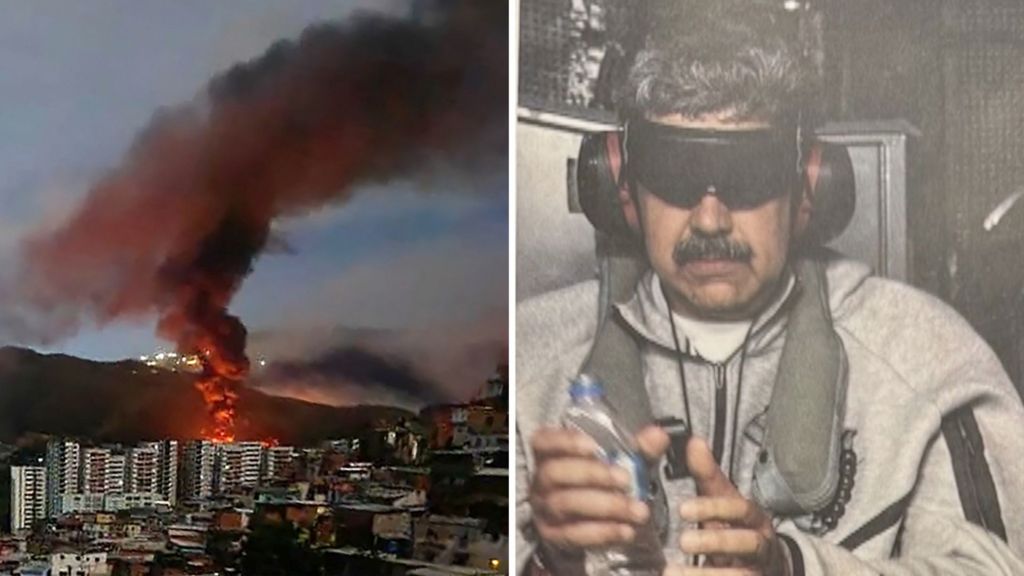
    The Trump administration has formally justified the intervention as a counter-narcotics measure, alleging that the government of Nicolás Maduro has systematically facilitated cocaine shipments from Venezuela to the United States. In a controversial social media announcement, Trump further claimed that Maduro and his wife, Cilia Flores, were apprehended during the operation and subsequently transported out of the country. Venezuelan authorities, however, have declared a national emergency while vehemently denying these capture claims and demanding verifiable proof of the leaders’ status.

    This crisis culminates months of escalating hostilities that began with a US naval interdiction operation in the Caribbean in September 2025. The subsequent expansion of American military assets throughout the region, coupled with the seizure of a Venezuelan oil tanker and restrictive measures against sanctioned vessels, has severely strained Venezuela’s already crippled economy.

    Washington’s accusations extend beyond general drug trafficking, specifically indicting Maduro as the leader of the ‘Cartel of the Suns’—an alleged network involving high-ranking Venezuelan military and political figures. These charges, initially filed by the US Justice Department in 2020, have been consistently dismissed by Caracas as politically motivated fabrications designed to orchestrate regime change.

    Analysts suggest that while counter-narcotics provides the public justification, the conflict is fundamentally rooted in geopolitical competition. Venezuela’s strategic alliances with Russia, China, and Iran, combined with its vast petroleum reserves, have long positioned it as a focal point of US foreign policy concerns in Latin America. The operation is viewed by many as an attempt to curb growing foreign influence and reassert regional dominance.

    Domestically, the strikes have received notable support among Venezuelan diaspora communities, particularly in electorally critical states like Florida. Recent polling indicates significantly higher support for military intervention among Venezuelans abroad (64%) compared to those within the country (34%).

    The global implications are substantial, with energy markets monitoring the situation closely. Any prolonged disruption to Venezuela’s oil production capacity could trigger fluctuations in worldwide crude prices, potentially affecting economic stability and inflation rates across international markets.

  • Watch: How the US attack on Venezuela unfolded

    Watch: How the US attack on Venezuela unfolded

    In a dramatic escalation of international tensions, the United States has initiated direct military action against Venezuela, culminating in the reported capture of the nation’s leader, Nicolas Maduro. President Donald Trump confirmed the operation, declaring that the U.S. would subsequently “run” the South American country. This intervention marks a significant turning point in the long-standing political and economic crisis that has plagued Venezuela, representing the most direct foreign involvement in the nation’s sovereignty to date. The strikes, which targeted key strategic locations, were justified by the U.S. administration as a necessary measure to restore democracy and alleviate a severe humanitarian crisis. The international community is now watching closely, with reactions ranging from strong support to vehement condemnation, as this action sets a profound precedent for international law and foreign policy. The unfolding situation raises critical questions about the future of Venezuelan governance, the regional balance of power in Latin America, and the broader implications for global diplomatic norms.

  • EU urges de-escalation in Venezuela

    EU urges de-escalation in Venezuela

    The European Union has issued urgent calls for de-escalation following significant military developments in Venezuela. European Council President Antonio Costa expressed profound concern regarding the escalating situation, emphasizing the EU’s position through a formal statement released on social media platform X.

    Costa articulated the Union’s firm stance, advocating for peaceful resolution mechanisms that strictly adhere to international legal frameworks and the foundational principles of the United Nations Charter. The EU leadership reaffirmed its commitment to supporting democratic processes and inclusive political solutions within the South American nation.

    Concurrently, EU Foreign Policy Chief Kaja Kallas engaged in high-level diplomatic communications, including discussions with US Secretary of State Marco Rubio. Kallas confirmed that safeguarding European citizens in Venezuela remains the bloc’s paramount priority, with coordination efforts underway through the EU’s diplomatic mission in Caracas.

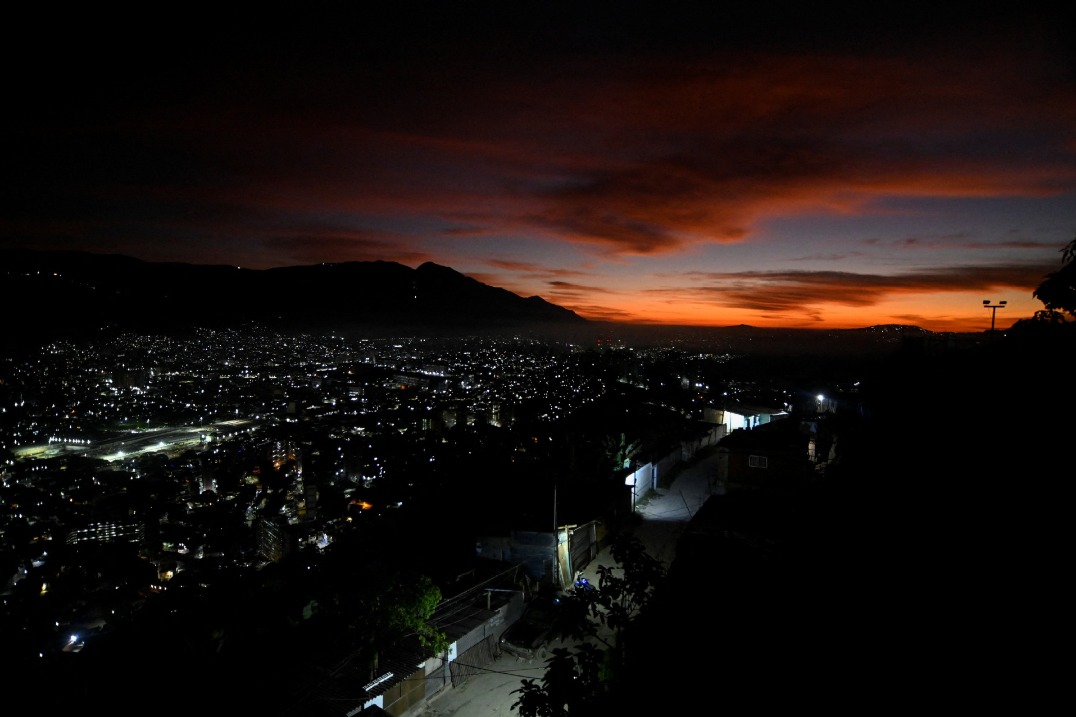
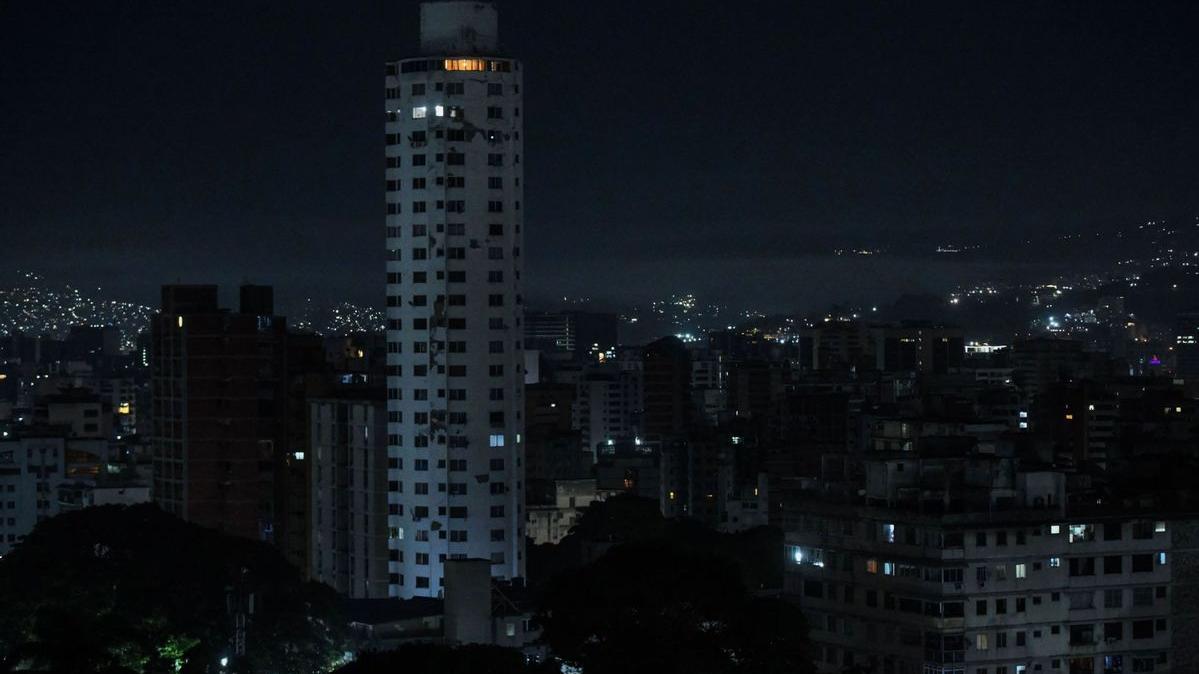
    The diplomatic developments follow explosive reports from Caracas, where Venezuelan authorities condemned what they characterized as ‘military aggression’ by the United States. Witness accounts described substantial aerial activity and detonations across the capital city throughout Saturday.

    These events culminated in extraordinary claims from US President Donald Trump, who announced that American forces had successfully captured Venezuelan President Nicolas Maduro along with his spouse, subsequently transporting them out of the country. The EU’s statements notably refrained from explicit commentary on these specific allegations while maintaining consistent emphasis on diplomatic resolution and international law compliance.

  • US bans aircraft to Venezuelan airspace amid explosions rocking Caracas

    US bans aircraft to Venezuelan airspace amid explosions rocking Caracas

    The United States Federal Aviation Administration (FAA) issued an unprecedented airspace restriction early Saturday, prohibiting all US aircraft from operating at any altitude within Venezuelan territory. This decisive action was triggered by multiple security alerts stemming from unexplained explosions and apparent military movements observed in the capital city of Caracas.

    The flight ban was formally communicated through four separate Notices to Air Missions (NOTAMs) issued approximately at 1:00 AM Eastern Time (0600 GMT). These advisories specifically cover four critical flight information regions associated with Venezuelan airspace management: San Juan, Piarco, Maiquetia, and Curacao.

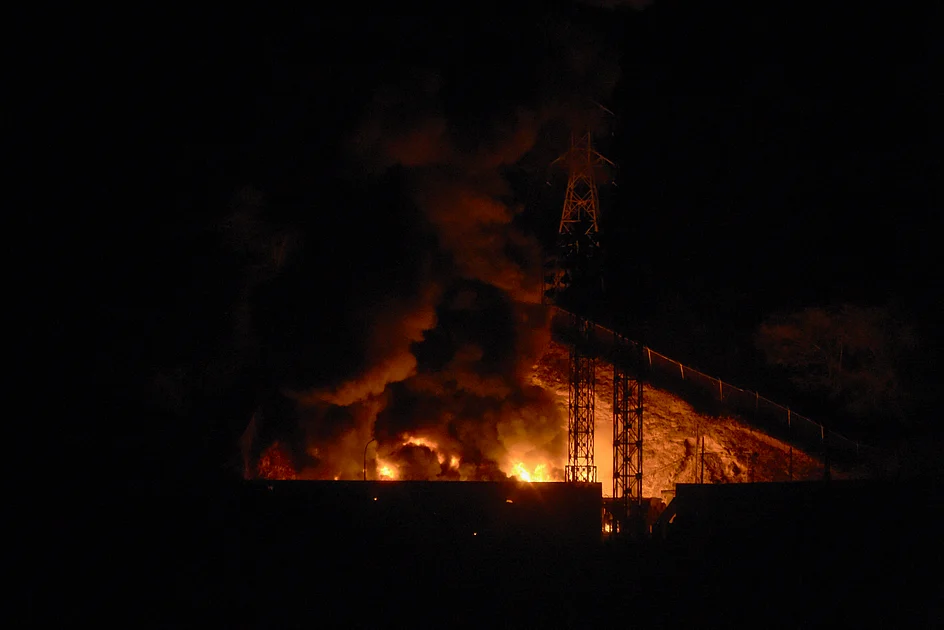
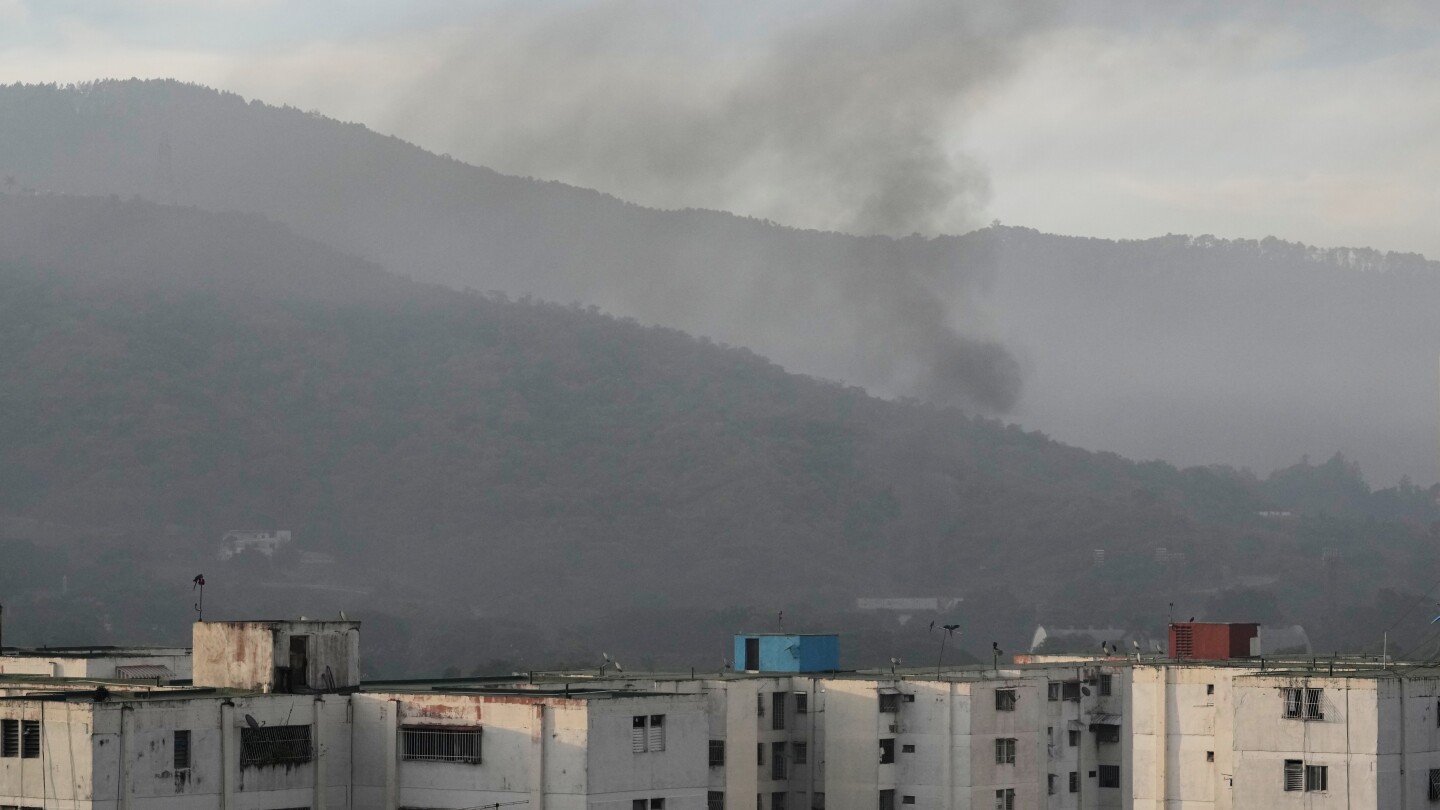
    Eyewitness accounts from Caracas described low-flying military aircraft and substantial smoke plumes following series of loud detonations that shook the city in the early hours of Saturday. The nature and origin of these explosions remained unclear, though they coincided with reports of heightened military activity throughout the region.

    Adding to the geopolitical tension, former US President Donald Trump claimed via his Truth Social platform that Venezuelan President Nicolas Maduro and his wife had been captured and transported out of the country. These assertions, while unverified by independent sources, contributed to the atmosphere of uncertainty surrounding Venezuela’s political stability.

    The FAA’s decision reflects growing international concern about the safety of civilian aviation operations in airspace potentially compromised by military conflict or political instability. Aviation experts note that such comprehensive restrictions are typically reserved for situations presenting immediate and credible threats to aircraft safety.

  • US strikes Venezuela: World leaders react as Trump says Maduro ‘captured’

    US strikes Venezuela: World leaders react as Trump says Maduro ‘captured’

    In a significant escalation of international legal pressure, Venezuelan President Nicolás Maduro is set to face criminal prosecution in the United States, according to a U.S. Senator’s disclosure. The charges, stemming from longstanding investigations into alleged transnational criminal activities, mark a pivotal moment in U.S.-Venezuela relations. Concurrently, a separate tragedy unfolds in Europe as Swiss authorities have officially identified the first four victims of a devastating bar fire that occurred earlier this week. Among the deceased are two young children, whose identities have been confirmed alongside two adults following forensic examination. The dual developments highlight a day of profound gravity on both sides of the Atlantic. The case against President Maduro is expected to focus on charges previously outlined by U.S. prosecutors, including drug trafficking and terrorism-related allegations, which Caracas has consistently denounced as politically motivated. Meanwhile, in Switzerland, the community mourns the heartbreaking loss from the fire incident, with investigations ongoing to determine the cause of the blaze that led to this fatal outcome.

  • Bodies of first 4 victims of Swiss bar fire, including two children, identified

    Bodies of first 4 victims of Swiss bar fire, including two children, identified

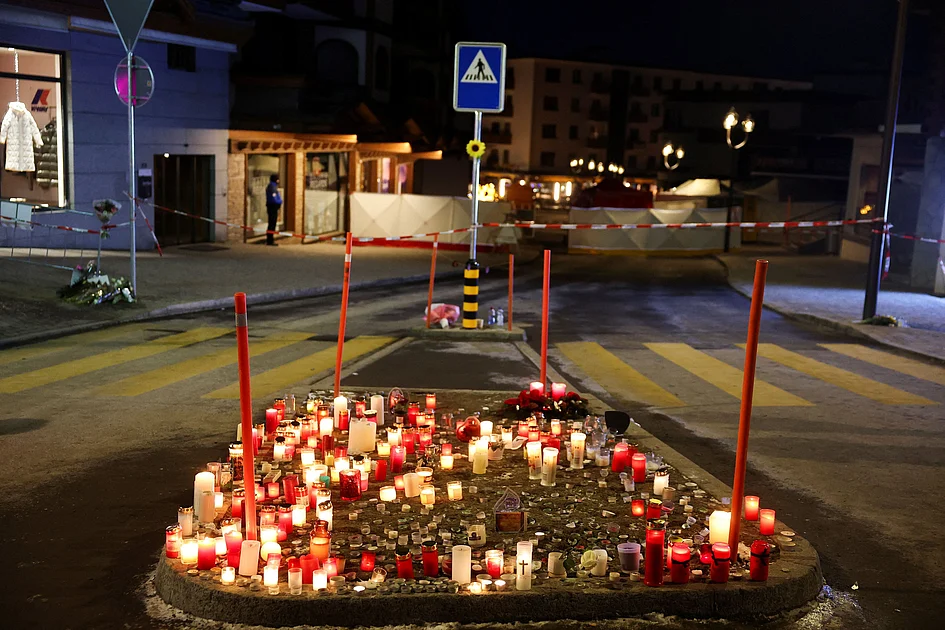
    Swiss authorities have made progress in identifying victims of the devastating New Year’s Eve bar fire that claimed 40 lives at the popular Crans-Montana ski resort. Valais canton police confirmed Saturday the identification of four Swiss nationals, including two teenagers, marking the first formal victim notifications from the tragedy that also injured 119 revelers.

    The identified victims include a 21-year-old woman, an 18-year-old man, and two 16-year-olds—one girl and one boy. Their remains have been returned to grieving families as forensic teams continue the painstaking process of identifying other victims, a challenge compounded by the severity of burns sustained in the blaze.

    Valais area chief Mathias Reynard provided sobering updates regarding the injured, noting that many remain in critical condition fighting for their lives. Approximately 50 patients have been or will be transferred to specialized burn units across Europe, with Germany and France among countries providing medical assistance.

    Police Chief Frederic Gisler revealed the international scope of the tragedy, confirming that 113 injured individuals have been identified thus far. The breakdown includes 71 Swiss nationals, 14 French citizens, 11 Italians, and additional victims from Serbia, Bosnia, Belgium, Poland, Portugal, and Luxembourg.

    Authorities continue to treat the incident as a catastrophic fire rather than an intentional attack. Preliminary investigations suggest sparklers ignited foam-clad ceiling materials at the packed bar, though the establishment’s owner maintains that all safety protocols were properly followed. The investigation remains ongoing as forensic teams work at the scene to determine the exact sequence of events.

  • Maduro’s capture disrupts Caribbean holiday travel, hundreds of flights canceled

    Maduro’s capture disrupts Caribbean holiday travel, hundreds of flights canceled

    A dramatic U.S. military operation that resulted in the capture and extraction of Venezuelan President Nicolás Maduro in the early hours of Saturday has triggered significant disruption to Caribbean aviation during one of the region’s peak travel periods. The aftermath has compelled major airlines to cancel hundreds of flights, with warnings of potential continued interruptions lasting several days.

    The Federal Aviation Administration (FAA) implemented immediate airspace restrictions, leading to a complete halt of commercial airline traffic over Venezuelan airspace as tracked by FlightRadar24.com. The disruptions extended to key tourist destinations including Puerto Rico, the U.S. Virgin Islands, and Aruba. Luis Muñoz Marín International Airport in San Juan officially confirmed the restrictions, attributing them directly to the “security situation related to military activity” in Venezuela.

    In response, U.S. carriers have universally suspended operations to and from affected airports. JetBlue announced the cancellation of approximately 215 flights specifically citing “airspace closures across the Caribbean related to military activity.” Similarly, United Airlines stated it is actively adjusting its schedule to accommodate the Venezuela region closures, while Southwest canceled all Saturday flights to Aruba and suspended Puerto Rico services until late afternoon.

    To mitigate passenger inconvenience, airlines are implementing flexible rebooking policies. American Airlines, Delta Air Lines, JetBlue, and United are all waiving change fees for travel to a wide array of impacted islands, such as Saint Lucia, Curacao, Anguilla, and the British Virgin Islands. These travel advisories encourage all passengers to verify their flight status directly with their airline before departing for the airport. Notably, the FAA’s restrictions apply solely to U.S. commercial airlines and do not affect foreign carriers or military aircraft.