分类: world

  • International mayors given a taste of Harbin

    International mayors given a taste of Harbin

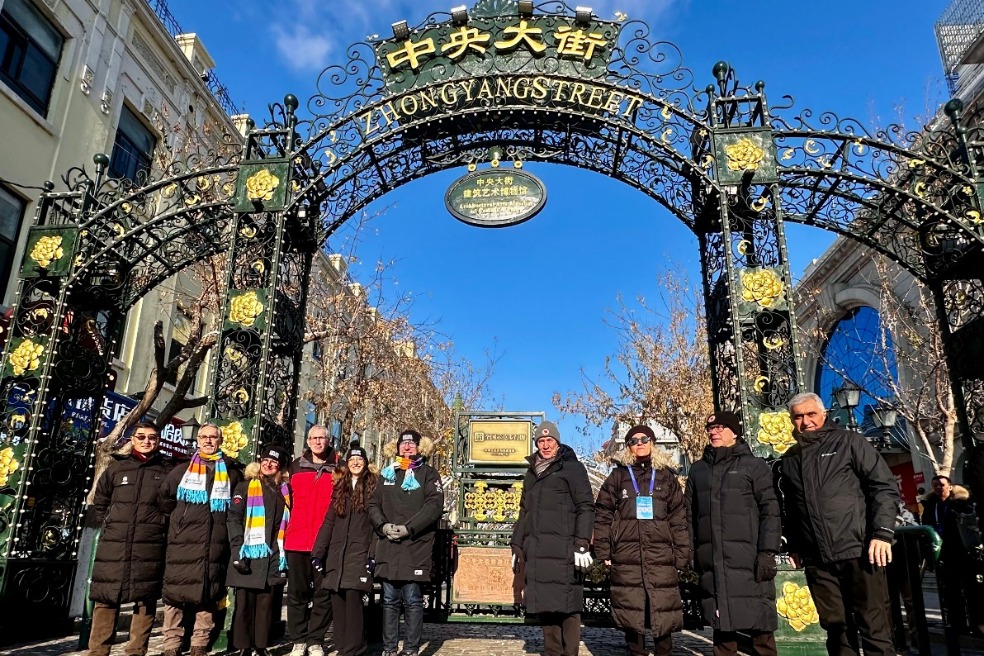
    Harbin recently played host to an international delegation of city leaders during the Global Mayors Dialogue, where discussions extended beyond urban governance to include immersive cultural experiences. The mayors embarked on a sensory journey through the city’s iconic landmarks, beginning at the historic courtyards of Zhongyang Street and continuing to aromatic century-old cultural halls.

    The visiting dignitaries warmed themselves with traditional hot kvass and sampled buttery Medovik bread, experiencing firsthand how local cuisine serves as a gateway to understanding urban identity. This culinary diplomacy component demonstrated how cultural immersion can foster deeper international connections and mutual understanding among global leaders.

    The event highlighted Harbin’s growing significance as a destination for international diplomatic gatherings, showcasing how Chinese cities are increasingly leveraging their unique cultural heritage to facilitate global exchanges. The mayors’ experience underscored the importance of cultural diplomacy in building bridges between cities worldwide, proving that sometimes the most effective diplomacy happens not in conference rooms but through shared culinary experiences and cultural exploration.

  • US attempts to seize Russia-flagged oil tanker in Atlantic

    US attempts to seize Russia-flagged oil tanker in Atlantic

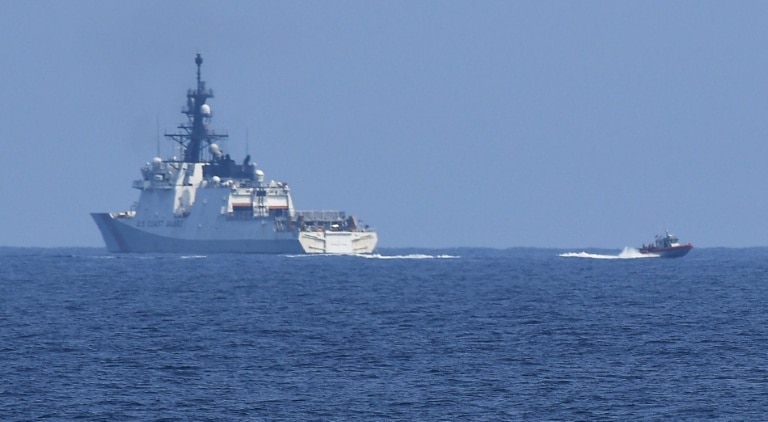
    A significant maritime confrontation is unfolding in the North Atlantic as United States Coast Guard assets initiate operations to seize the Russian-flagged oil tanker Marinera. This action follows weeks of pursuit after the vessel successfully evaded a partial US naval blockade near Venezuelan territorial waters.

    According to multiple US officials who spoke with Reuters and Wall Street Journal, the tanker represents part of an international ‘shadow fleet’ allegedly transporting oil for sanctioned nations including Venezuela, Russia, and Iran in direct violation of American economic restrictions. MarineTraffic tracking data indicates the vessel was approaching Iceland’s exclusive economic zone as of Wednesday.

    The situation escalated dramatically when Russia deployed submarine escorts to protect the empty tanker, creating a tense naval standoff between the two global powers. Russia’s Foreign Ministry expressed serious concern regarding the US pursuit, stating that the vessel was “sailing peacefully under the Russian flag far from US coastal waters” while questioning the “disproportionate attention” from US and NATO military assets.

    Background investigation reveals the tanker underwent significant identity modifications during the pursuit, including switching its registration to Russia, changing its name to Marinera, and having its crew physically paint a Russian flag on the hull. The vessel had been under US sanctions since 2024 due to alleged connections with Iran and Hezbollah.

    This incident occurs amidst broader geopolitical shifts in Venezuela, where recent US military operations resulted in the extraction of former president Nicolas Maduro to face drug charges in New York. President Trump has announced that Venezuela will transfer “tens of millions of barrels of oil” to the United States under the leadership of interim president Delcy Rodriguez, though specific arrangements and legal foundations remain unclear.

    Separately, US Coast Guard operations have intercepted additional Venezuela-linked tankers in Latin American waters, signaling intensified enforcement of sanctions across multiple maritime theaters.

  • International mayors attend ice and snow expo in Harbin

    International mayors attend ice and snow expo in Harbin

    Harbin transformed into a diplomatic winter wonderland as mayors from across the globe convened at the 2026 International Ice and Snow Economy Expo this Tuesday. The event, occurring alongside the Global Mayors Dialogue conference, showcased China’s northeastern city as an emerging hub for cold-weather economic development.

    Edmonton Mayor Andrew Knack emerged as one of the most impressed delegates after experiencing Harbin’s extensive winter tourism infrastructure. The Canadian leader acknowledged his city’s substantial winter programming while emphasizing the learning opportunity presented by Harbin’s approach. “There is a lot of experience we can take back to further grow our new winter tourism and winter economy,” Knack stated, highlighting the potential for international knowledge exchange.

    The exposition demonstrated Harbin’s sophisticated integration of traditional winter culture with modern economic development strategies. Delegates participated in hands-on experiences including ice hockey practices, symbolizing the city’s commitment to blending recreational activities with economic opportunity.

    This gathering of municipal leaders from diverse climate regions signifies a growing recognition of specialized seasonal economies as drivers of urban development. The Expo serves not merely as a display of winter attractions but as a platform for cross-border collaboration in cold-weather technology, tourism infrastructure, and sustainable winter city planning.

    The event underscores China’s strategic positioning within the global winter economy network, with Harbin emerging as a model for other cities seeking to leverage their climatic conditions for economic growth. The knowledge sharing between international delegates suggests a new era of cooperation in developing cold-weather industries worldwide.

  • Philippines evacuates 3,000 villagers after volcano activity raises alert level

    Philippines evacuates 3,000 villagers after volcano activity raises alert level

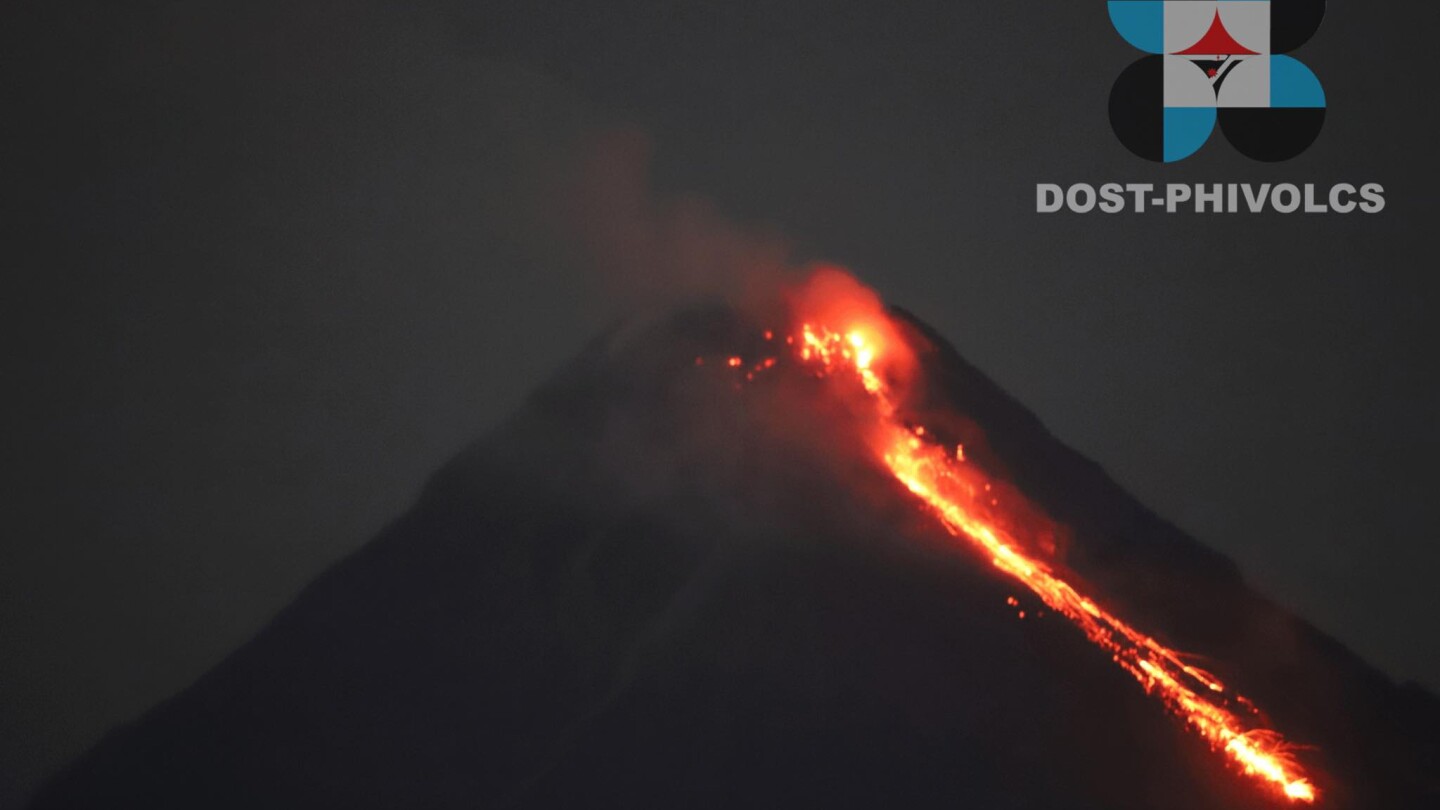
    MANILA, Philippines — Philippine authorities have initiated large-scale evacuations surrounding Mayon Volcano, the nation’s most active volcano, following a series of mild eruptions and increased seismic activity. Nearly 3,000 residents residing within the designated permanent danger zone have been relocated as scientists monitor concerning developments.

    The Philippine Institute of Volcanology and Seismology elevated the alert status to Level 3 on Tuesday after detecting intermittent rockfalls from the summit crater, some involving debris the size of automobiles, alongside dangerous pyroclastic flows—rapid avalanches of superheated rock fragments, ash, and volcanic gases.

    According to Teresito Bacolcol, the country’s chief volcanologist, the current activity constitutes a quiet eruption characterized by lava accumulation at the peak, causing the dome to swell and fracture. While these developments signal volcanic unrest, Bacolcol noted that key indicators of an imminent major eruption—such as significant volcanic earthquakes and elevated sulfur dioxide emissions—remain absent, making predictions about escalation uncertain.

    Military personnel, police, and disaster-response teams coordinated the evacuation of 2,800 villagers from 729 households within the 6-kilometer (3.7-mile) radius permanent danger zone. An additional 600 residents living beyond the official danger boundary have voluntarily relocated to government-operated emergency shelters as a precautionary measure.

    The evacuation highlights ongoing challenges with enforcement in high-risk areas. Despite long-standing prohibitions marked by concrete warning signs, thousands continue to inhabit the volcano’s foothills, maintaining generational farms and businesses including sand quarrying and tourism operations. Mayon has erupted 54 times since records began in 1616.

    The 2,462-meter (8,007-foot) volcano represents both a premier tourist attraction, renowned for its perfect conical shape, and a persistent threat. The buried belfry of a 16th-century Franciscan church—all that remains of Cagsawa town after the catastrophic 1814 eruption that killed approximately 1,200 people—stands as a somber monument to Mayon’s destructive potential.

    This situation underscores the broader challenge facing impoverished communities across the Philippine archipelago, where economic necessity often forces populations to inhabit geologically hazardous zones, including volcanic slopes, landslide-prone mountainsides, earthquake fault lines, and typhoon-vulnerable coastlines.
  • Snow and ice ground flights, choke highways in parts of Europe

    Snow and ice ground flights, choke highways in parts of Europe

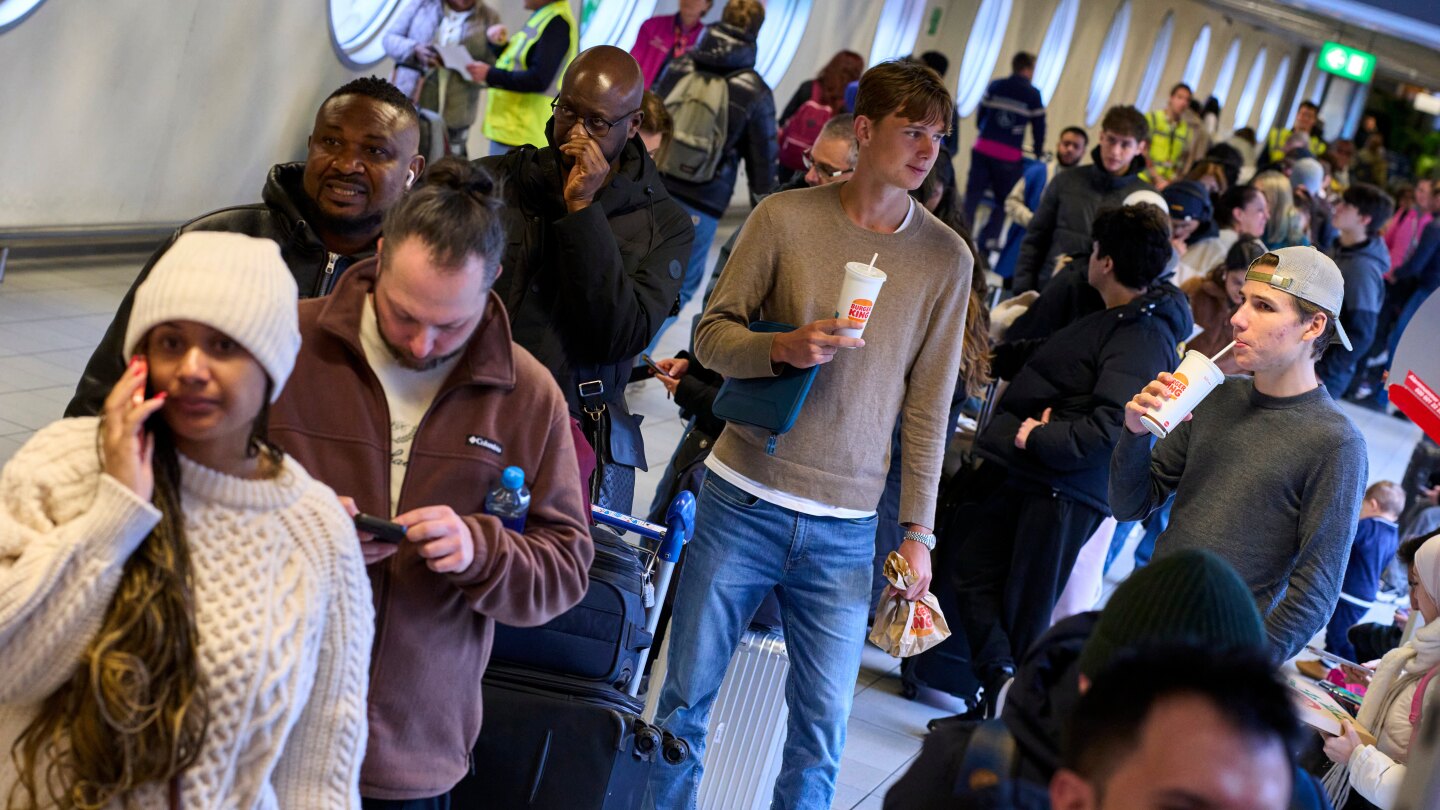
    A severe winter storm system has unleashed widespread disruption across Northern Europe, creating transport chaos from Amsterdam to Berlin. At Schiphol Airport, one of Europe’s busiest aviation hubs, more than 1,000 stranded passengers were provided emergency accommodation as authorities scrambled to clear snow-clogged runways and de-ice aircraft following the cancellation of at least 800 flights.

    The Netherlands’ transport infrastructure faced critical challenges during Wednesday’s morning rush hour, with rail operator NS urging passengers to postpone travel amid significantly reduced service. Road networks fared no better, with traffic jams extending over 700 kilometers (435 miles) as trucks skidded across icy highways and snow plows struggled to maintain clear passage.

    Paris experienced similar disruptions as snow blanketed iconic landmarks including the Eiffel Tower and Louvre Museum. French authorities implemented emergency measures including work-from-home advisories and vehicle restrictions after Meteo France issued alerts for snow and black ice. Parisian airports canceled approximately 140 flights collectively, while SNCF railways reported widespread delays and cancellations due to track conditions.

    Even typically winter-resilient Nordic nations reported significant disruptions. Gothenburg, Sweden suspended all tram services due to hazardous snow accumulation, while Helsinki, Finland experienced bus cancellations attributed to diesel vehicles failing to start in subzero temperatures and challenging road conditions.

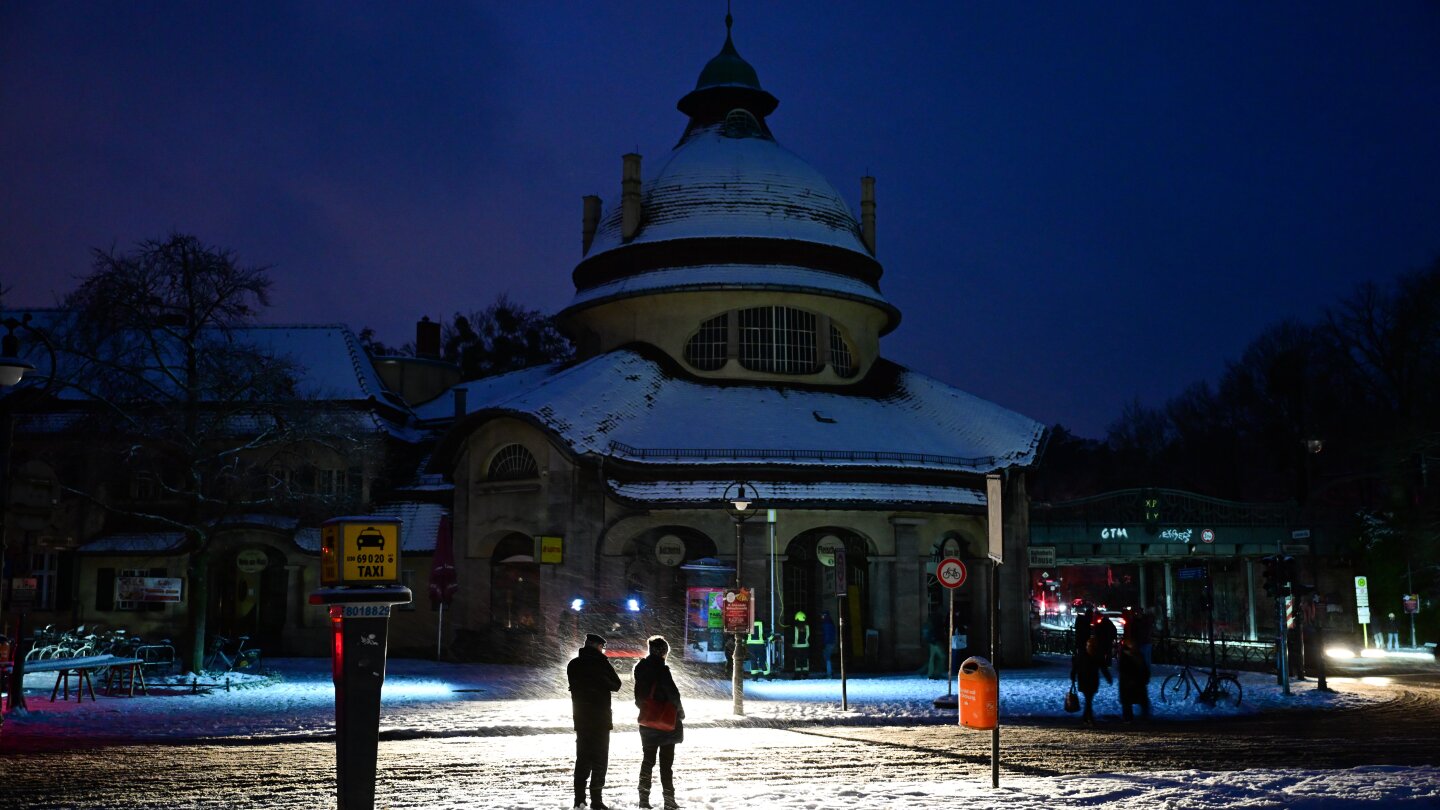
    In a positive development for Berlin residents, power restoration commenced for thousands of households left without electricity for four days following a suspected far-left attack on high-voltage lines, providing relief during the prolonged freeze.

    Travelers like Sonja Wurmlingel, attempting to return to Argentina, faced repeated disappointments with canceled flights and uncertain alternative arrangements, highlighting the human impact of the transport crisis. KLM Airlines reported decreasing airport queues as proactive cancellation notices prevented additional passengers from arriving at already overwhelmed terminals.

  • US Christian leaders minister to an anxious diaspora with Venezuela’s future in flux

    US Christian leaders minister to an anxious diaspora with Venezuela’s future in flux

    Religious leaders across Venezuela and its diaspora communities are calling for prayerful reflection and reconciliation following the dramatic capture of former leader Nicolás Maduro by U.S. forces. The development has triggered complex reactions among Venezuelan communities worldwide, particularly within the United States where approximately 8 million citizens have fled since 2014.

    In South Florida, home to the nation’s largest Venezuelan expatriate community, spontaneous celebrations erupted with flag-waving demonstrations following Saturday’s military operation. However, beneath the surface celebrations lies profound uncertainty about the country’s future trajectory.

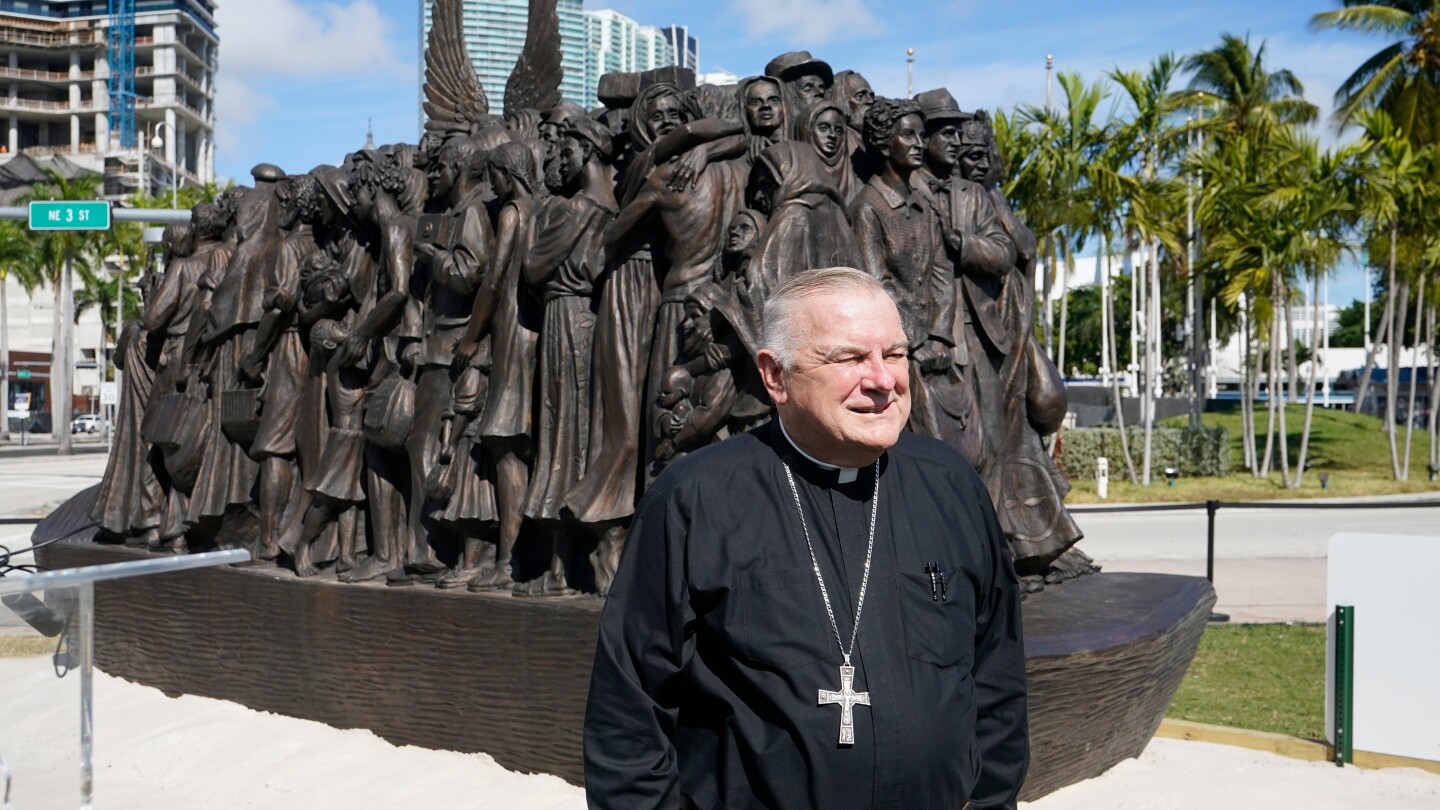
    Miami Archbishop Thomas Wenski, ministering to the significant Venezuelan population in his diocese, acknowledged the mixed emotions prevailing within communities. “People are happy because Maduro is out, but there’s still a lot of uncertainty,” Wenski stated in an interview with The Associated Press. He particularly highlighted concerns for those whose temporary protective status in the U.S. has recently been revoked, noting their anxiety about returning without genuine political transformation in Venezuela.

    The Catholic Church, which maintained tense relations with both Maduro and his predecessor Hugo Chávez, now sees an opportunity for renewed influence. Wenski emphasized the Church’s unique position as “perhaps the only institution that is independent of the government” capable of courageously addressing national issues. He referenced recent tensions exemplified by Cardinal Baltazar Porras, an outspoken government critic who had his passport confiscated by Venezuelan authorities.

    In Doral, Florida—nicknamed “Doralzuela” for its substantial Venezuelan population—Sunday services focused on prayers for peaceful transition. Reverend Israel Mago of Our Lady of Guadalupe urged congregants to pray for “a fair and peaceful transition in Venezuela, so peace and justice can reign.” Simultaneously, evangelical pastor Frank López of Jesus Worship Center expressed gratitude toward U.S. leadership while envisioning freedom spreading throughout the region.

    Similar gatherings occurred in Philadelphia, where Venezuelan communities organized special services at the Cathedral Basilica of Saints Peter and Paul. Arianne Bracho, vice president of Casa de Venezuela Philadelphia, described the emotional gathering as essential for “reaffirming our hope, our faith, to call on tranquility and calm.” Like many diaspora Venezuelans with family scattered worldwide due to prolonged crisis, Bracho acknowledged conflicted emotions about the necessary but painful transition.

    The religious response highlights how faith institutions are providing crucial emotional and spiritual anchoring during this period of geopolitical upheaval, while cautiously advocating for democratic processes and national reconciliation.

  • Pope signals reform-minded priorities as his pontificate gears up

    Pope signals reform-minded priorities as his pontificate gears up

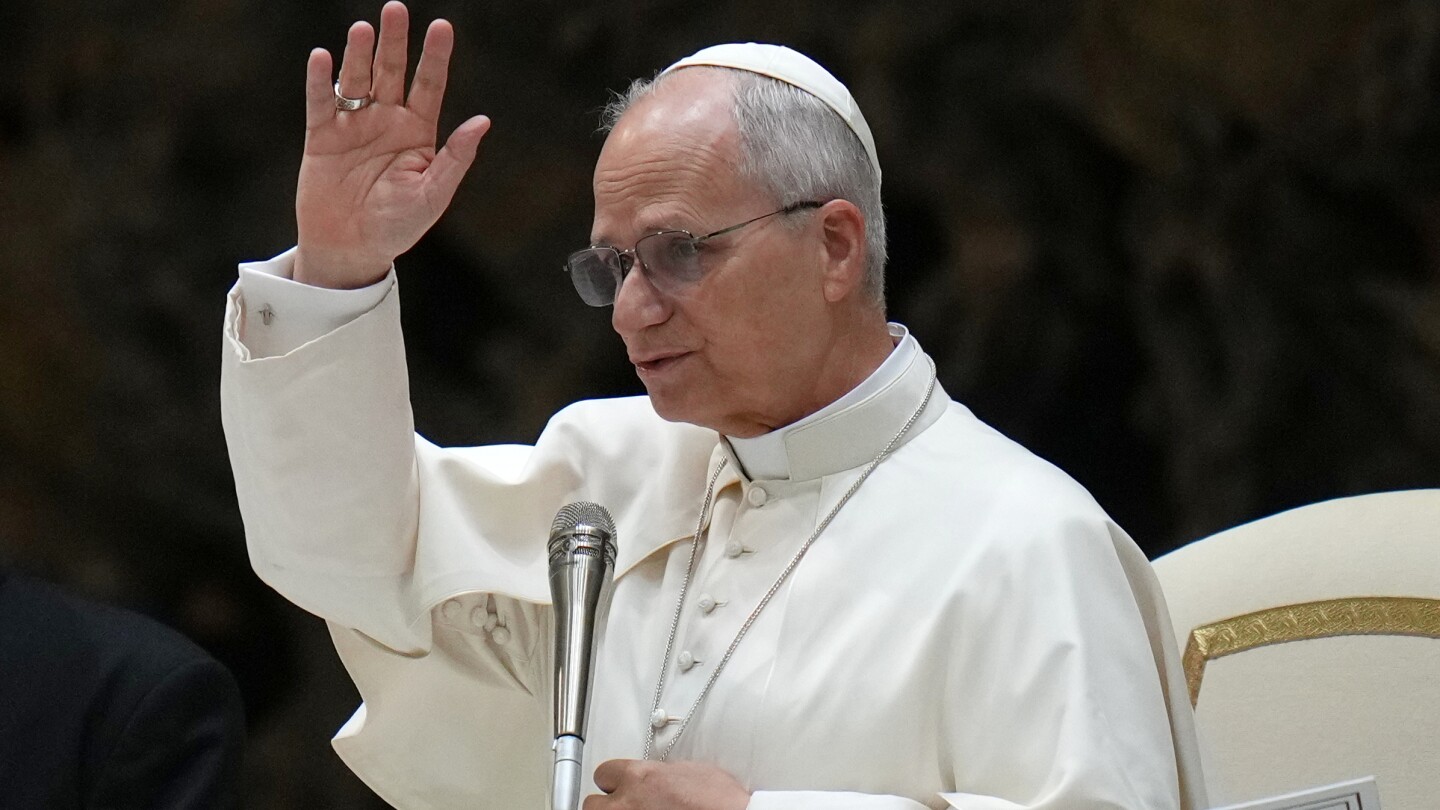
    In a significant transition marking the post-Holy Year era, Pope Leo XIV has convened the College of Cardinals in Rome, signaling a reform-oriented agenda for his evolving pontificate. The gathering, which commenced Wednesday immediately following the closure of the 2025 Jubilee celebrations, represents a strategic shift in Vatican governance approaches.

    The pontiff declared his intention to dedicate upcoming catechism lessons to reexamining core documents from the Second Vatican Council (1962-1965), describing these teachings as the enduring “guiding star” for contemporary Catholicism. This initiative addresses the passing of the generation that originally shaped Vatican II’s transformative reforms, which revolutionized Catholic liturgy through vernacular Mass, enhanced lay participation, and redefined interfaith relations.

    Leo’s two-day consistory marks a notable departure from his predecessor’s governing style. While Pope Francis relied primarily on a select group of nine cardinals for counsel, the new assembly engages the broader College—a move responding to previous criticisms about centralized decision-making within the 1.4-billion-member global church.

    The agenda features critical examination of Francis’s key documents, including his foundational pontifical mission statement and the 2022 Curia reform constitution. Discussions will also address synodal processes for greater lay responsiveness and liturgical practices—particularly tensions surrounding the traditional Latin Mass that Francis had restricted to prevent denominational fractures.

    With 245 cardinals worldwide (approximately half under the conclave-voting age of 80), the assembly demonstrates Leo’s reconciliatory approach. This was further evidenced by his scheduled audience with Cardinal Joseph Zen, the 93-year-old conservative critic of Francis’s China policies who had long sought papal audience.

    The consistory’s stated purpose emphasizes “common discernment” to support the pontiff’s governance responsibilities, suggesting a more collaborative leadership model for the Catholic Church’s future direction.

  • Philippines: Magnitude 6.7 earthquake strikes near Baculin

    Philippines: Magnitude 6.7 earthquake strikes near Baculin

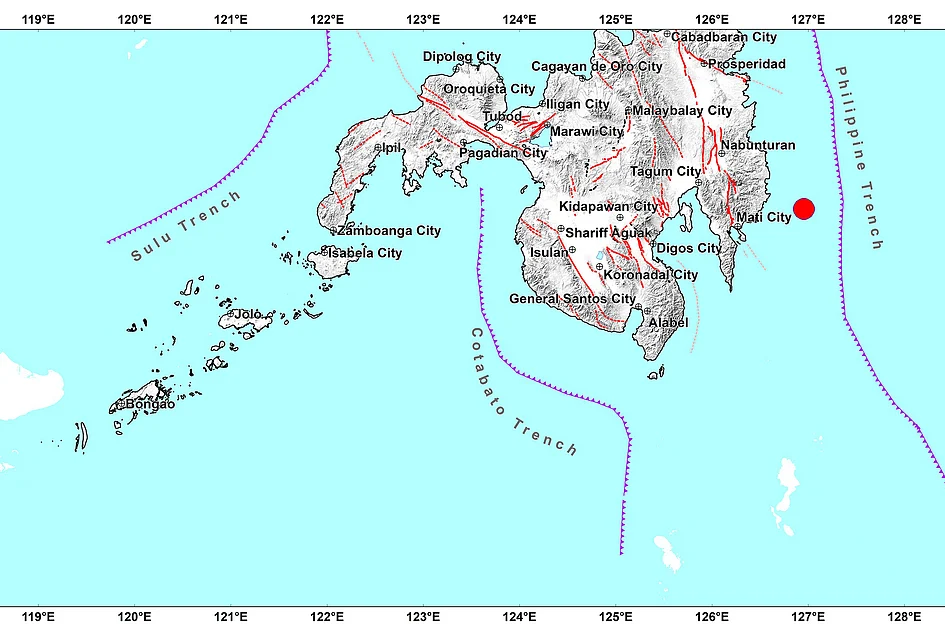
    A substantial seismic event measuring 6.7 on the Richter scale occurred approximately 68 kilometers east of Baculin, Philippines, on Wednesday morning, according to the United States Geological Survey (USGS). The earthquake originated at a relatively shallow depth of 10 kilometers, amplifying its potential impact on the region.

    The Philippines Institute of Volcanology and Seismology (PHIVOLCS) immediately issued a statement confirming the seismic activity and warning residents to prepare for subsequent aftershocks. By 11:25 AM local time, monitoring equipment had already detected at least six distinct aftershocks, with magnitudes gradually decreasing from 3.9 to 2.1.

    Despite the significant magnitude of the initial quake, authorities confirmed that no tsunami alert or warning has been issued for coastal areas. The USGS and local Philippine agencies continue to monitor the situation closely, assessing potential structural damage and ensuring public safety protocols are implemented throughout affected regions.

    Earthquakes are relatively common in the Philippine archipelago due to its position along the Pacific Ring of Fire, a geologically active zone characterized by frequent seismic and volcanic activity. The shallow depth of this particular event, combined with its substantial magnitude, warranted immediate attention from geological authorities worldwide.

    Emergency response teams remain on high alert as damage assessment operations commence in potentially affected areas. Residents in proximity to the epicenter have been advised to exercise caution regarding structural integrity of buildings and to prepare for additional aftershocks that typically follow major seismic events.

  • Syria suspends flights at Aleppo airport as clashes rock city

    Syria suspends flights at Aleppo airport as clashes rock city

    Aleppo International Airport suspended all flight operations for 24 hours on Tuesday following intense military confrontations between Syrian government troops and Kurdish-led forces that resulted in multiple casualties. The civil aviation authority officially diverted all scheduled flights to Damascus International Airport as violence escalated throughout Syria’s second-largest city.

    The deadly hostilities represent the most significant outbreak of violence between these factions in several months, with preliminary reports indicating at least nine fatalities, predominantly among civilian populations. The clashes concentrated particularly in districts with substantial Kurdish demographic presence, where tensions have remained consistently elevated.

    This recent surge in violence underscores the fragile nature of the March 2026 agreement that proposed integrating Kurdish semi-autonomous administrative structures and military units into Syria’s central government framework. Implementation of this political roadmap has largely stagnated, creating a vacuum that periodically erupts into armed confrontations.

    Northern Syria continues to be a complex geopolitical landscape where multiple international and regional powers maintain influence through proxy forces. The Aleppo region specifically remains strategically significant due to its economic importance and diverse demographic composition, making stability particularly challenging to maintain.

    The temporary airport closure demonstrates how quickly security conditions can deteriorate in post-conflict Syria, where various armed groups maintain presence despite official government claims of restored sovereignty. Aviation authorities have not indicated whether the suspension might be extended beyond the initial 24-hour period, pending security assessments.

  • Power restored to thousands of Berlin households after attack on lines causes several-day outage

    Power restored to thousands of Berlin households after attack on lines causes several-day outage

    BERLIN — German authorities are gradually restoring electricity to the capital after a devastating four-day blackout that left tens of thousands without power during freezing temperatures. The crisis began Saturday morning when a fire damaged high-voltage cables on a bridge spanning the Teltow Canal in southwest Berlin.

    The outage affected approximately 100,000 people across 45,000 households and 2,200 businesses, marking the longest continuous power failure in Berlin since World War II. While many connections were progressively restored throughout the week, the affluent Zehlendorf district remained particularly impacted with 25,500 households and 1,200 businesses still without power as of Tuesday.

    Investigators have identified a far-left group’s manifesto titled ‘Turning off the juice to the rulers’ claiming responsibility. The group stated they had ‘successfully sabotaged’ a gas-fired power plant in Berlin’s Lichterfelde district, emphasizing their action targeted the fossil-fuel industry rather than intentionally causing widespread blackouts.

    Germany’s domestic intelligence agency revealed that self-described ‘Volcano Groups’ have been conducting infrastructure attacks in Berlin and Brandenburg since 2011. A previous 2024 assault on a pylon supplying power to Tesla’s factory near Berlin temporarily suspended production.

    The case has now been elevated to Germany’s federal prosecutor’s office, which is investigating charges of anticonstitutional sabotage, membership in a terrorist organization, and arson. The complexity of repairs required several days of intensive work by Berlin’s power network operators to fully restore service across the affected areas.