分类: world

  • Fishermen in Trinidad and Tobago fear for their lives and jobs after US strikes in the Caribbean

    Fishermen in Trinidad and Tobago fear for their lives and jobs after US strikes in the Caribbean

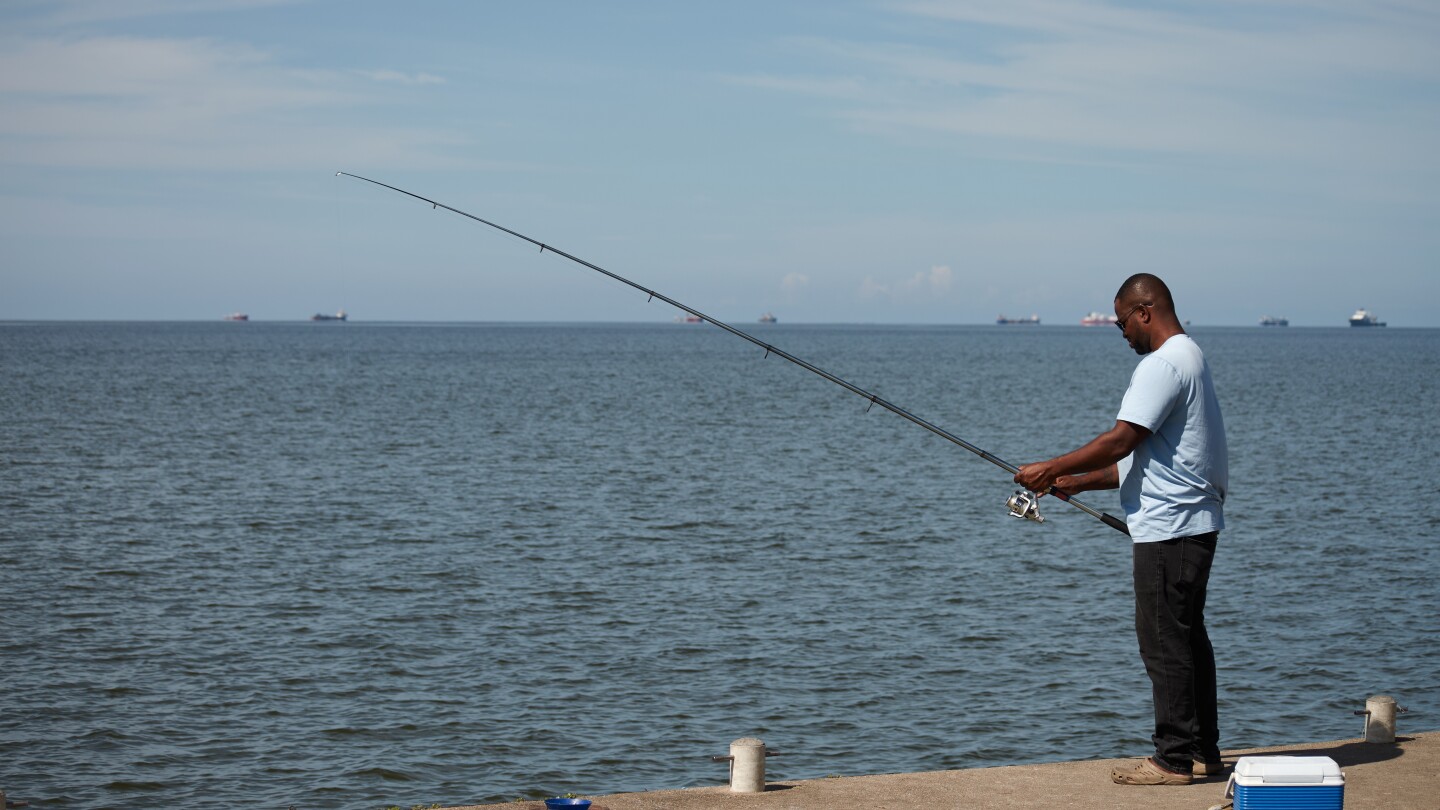
    In the tranquil village of Icacos, Trinidad, Kenrick Modie, a local fisherman, recently expressed his fears about the escalating geopolitical tensions between the United States and Venezuela. Living just 11 miles from Venezuela, Modie and his community are increasingly anxious about the potential fallout from U.S. military strikes targeting suspected drug vessels in the Caribbean. U.S. President Donald Trump has declared an ‘armed conflict’ with drug cartels, alleging they are attempting to bring ‘deadly poison’ to U.S. shores. This has led to heightened military activity in the region, with Defense Secretary Pete Hegseth ordering multiple strikes on small boats accused of carrying drugs off Venezuela’s coast.

    Venezuela, in response, has accused the U.S. of military aggression, prompting President Nicolás Maduro to place the country’s military and civilians on high alert. Caught in the middle is Trinidad and Tobago, a nation heavily reliant on its multimillion-dollar fishing industry, which employs thousands of fishermen. Prime Minister Kamla Persad-Bissessar has voiced support for U.S. actions against drug cartels, even offering access to Trinidad and Tobago for U.S. forces to defend Guyana from Venezuelan territorial claims. However, Maduro views this as a declaration of war, further straining relations.

    For fishermen like Modie, the stakes are personal. They fear being mistaken for drug smugglers and killed in U.S. strikes, with no way to prove their innocence. The tension has already forced fishermen to stay in shallower waters, reducing their catch and threatening their livelihoods. The situation has drawn international concern, with Caribbean leaders at the United Nations General Assembly calling for dialogue to avoid war and describing the militarization of the region as ‘exceedingly troubling.’

    As the U.S. and Venezuela continue their standoff, the fishermen of Trinidad and Tobago are left to navigate a precarious existence, praying for peace while grappling with the harsh realities of their new, fear-filled fishing routines.
  • Balloons used to smuggle cigarettes shut Lithuanian airport

    Balloons used to smuggle cigarettes shut Lithuanian airport

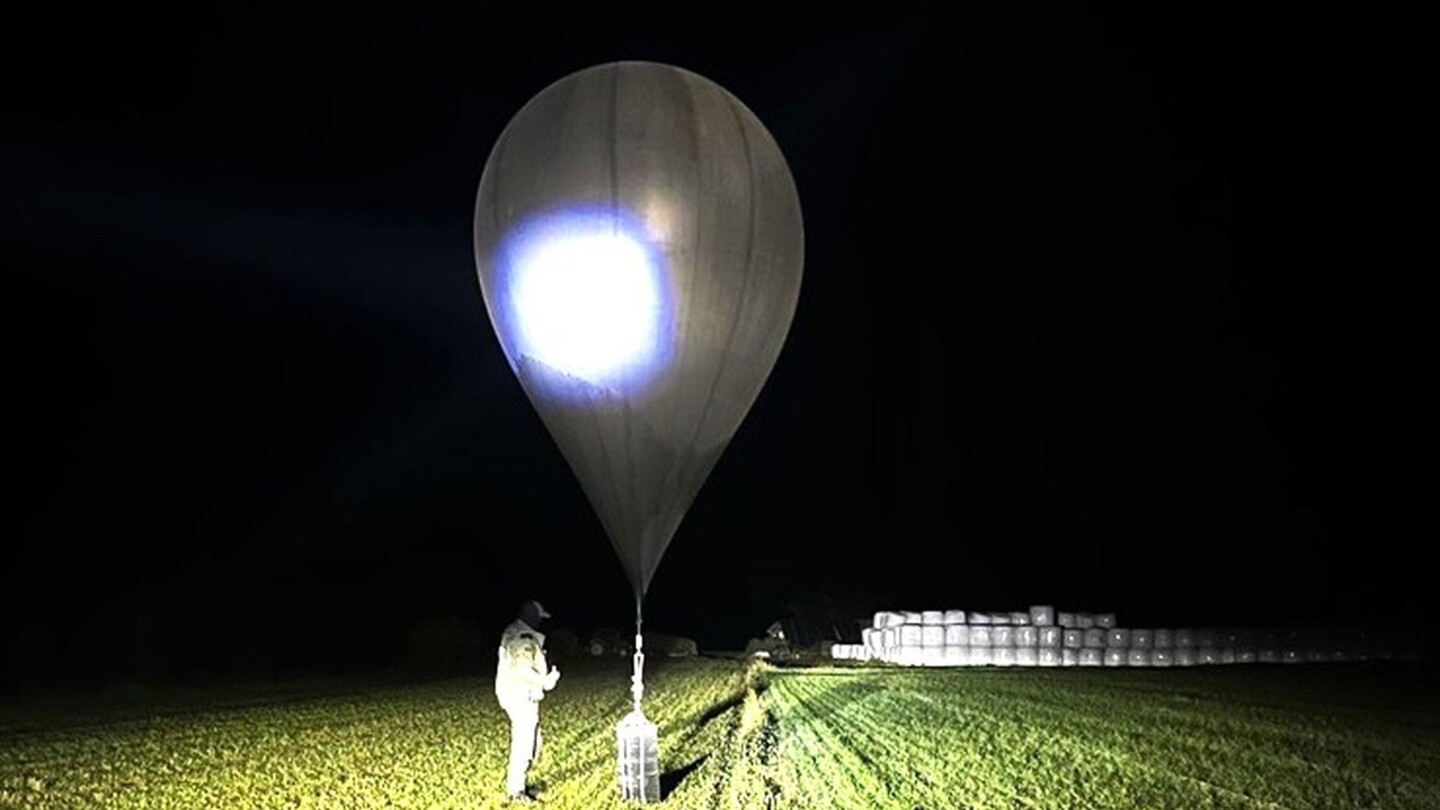
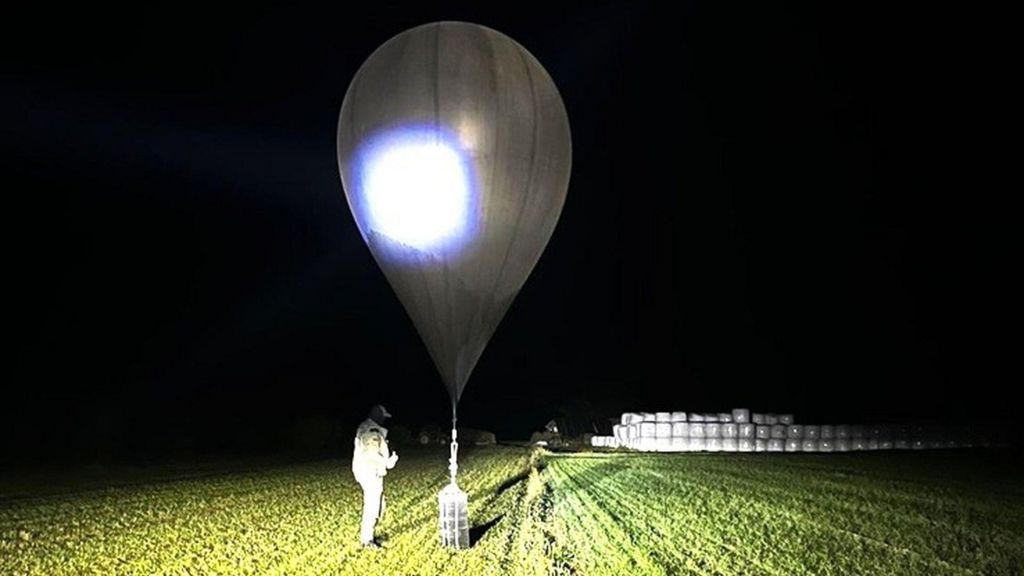
    Lithuania’s airspace faced unprecedented disruption as dozens of weather balloons carrying contraband cigarettes floated into the country from neighboring Belarus. The incident forced Vilnius Airport to shut down for several hours, resulting in the cancellation of 30 flights and affecting approximately 6,000 passengers. Authorities reported that 25 meteorological balloons were detected entering Lithuanian airspace, with two directly hovering over the airport. So far, 11 balloons carrying 18,000 packs of black-market cigarettes have been recovered, though officials anticipate this number may rise. This incident adds to the growing tension in Europe, following recent drone incursions suspected to be linked to Russia, which Moscow has denied. The National Crisis Management Centre (NCMC) noted that such balloon-based smuggling is not new, with 544 recorded cases this year and 966 last year. Similar incidents have been reported in Poland’s Podlaskie region, which also borders Belarus. A Belarusian citizen was recently detained in Poland for smuggling cigarettes using a balloon, with geolocation data linking him to the illicit goods. The NCMC explained that smugglers prefer meteorological balloons over drones due to their lower cost, despite their susceptibility to weather conditions. Authorities aim to seize contraband and detain perpetrators to curb this activity, which poses risks to civil aviation. Meanwhile, European leaders are accelerating discussions on strengthening air defenses following recent drone-related disruptions in Denmark, Norway, and Germany. Russia has denied involvement in these incidents, despite being blamed for earlier airspace violations in Poland, Estonia, and Romania.

  • 10 more deportees from the US arrive in the African nation of Eswatini

    10 more deportees from the US arrive in the African nation of Eswatini

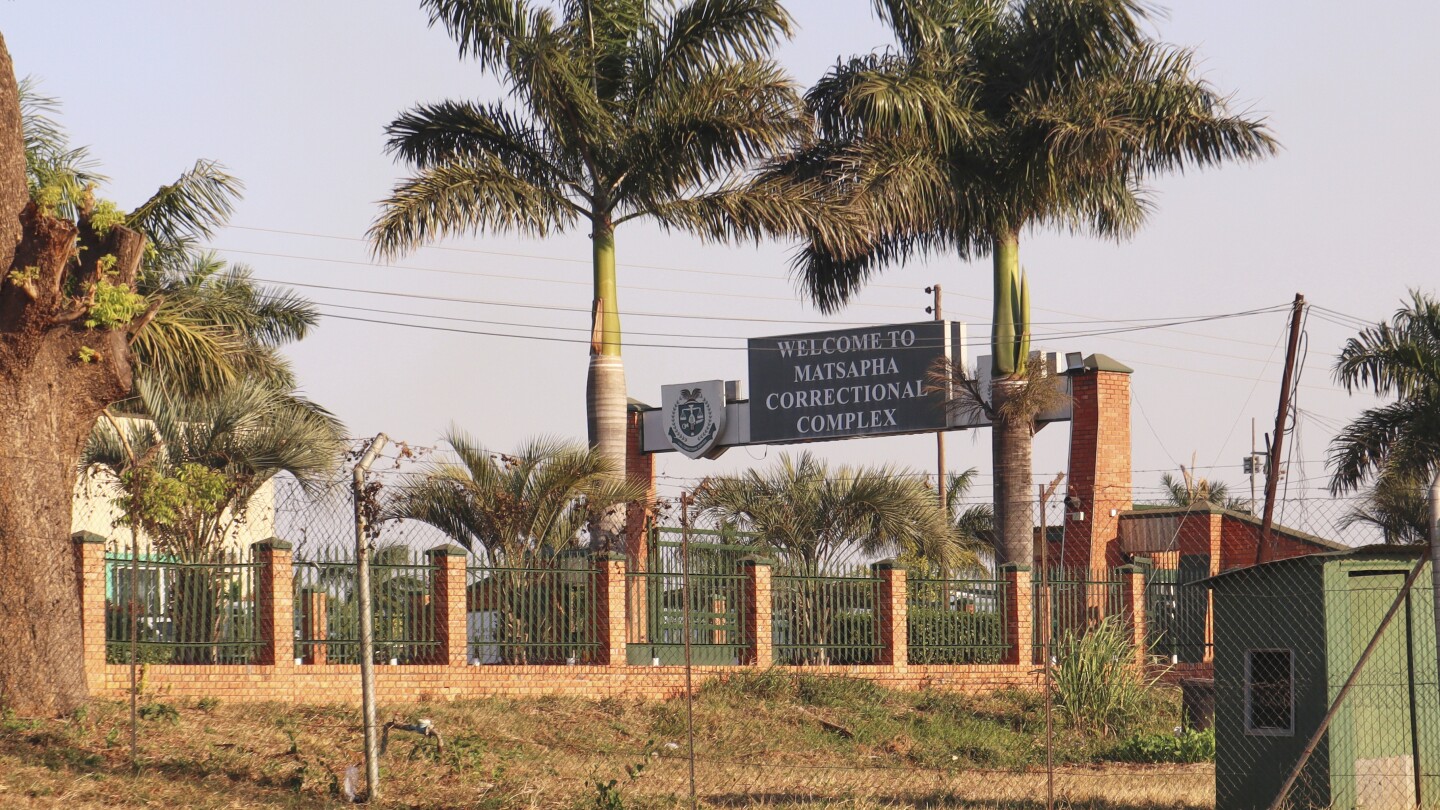
    In a contentious move, a group of 10 migrants deported from the United States arrived in the African nation of Eswatini early Monday, according to local authorities. This marks the latest wave of deportations under a controversial program initiated by the Trump administration, which has struck largely undisclosed agreements with at least five African nations to accept migrants under its third-country deportation initiative. Rights groups and activists have vehemently opposed the program, citing concerns over due process and humane treatment.

  • A Chinese migrant dies when boat capsizes on the Danube between Serbia and Croatia

    A Chinese migrant dies when boat capsizes on the Danube between Serbia and Croatia

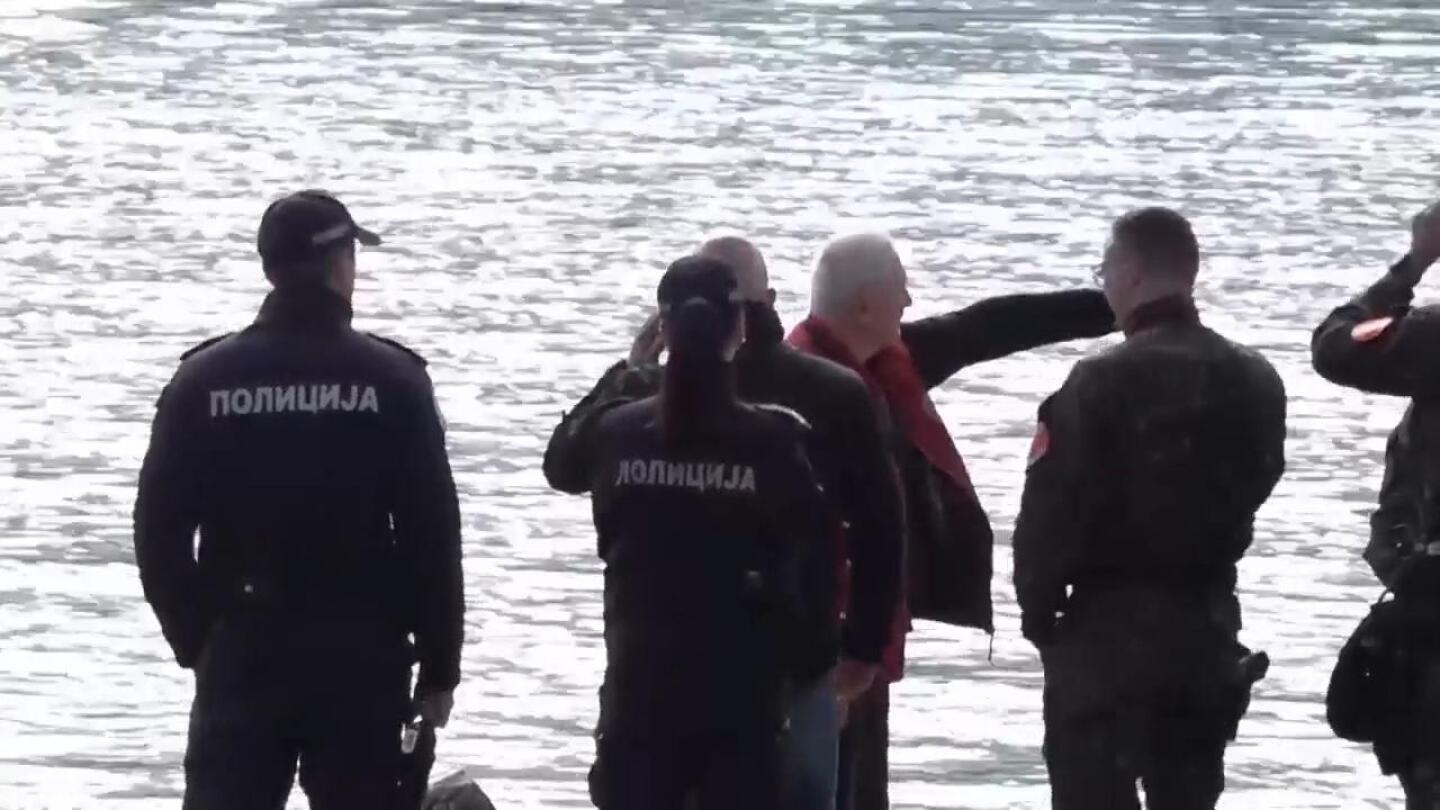
    A tragic incident unfolded on the Danube River between Serbia and Croatia, resulting in the death of one individual and the rescue of several others. According to Serbian police, a boat carrying at least 10 Chinese nationals capsized late Sunday evening near the Serbian town of Backa Palanka, approximately 90 kilometers northwest of Belgrade. The victims were reportedly attempting to cross the border illegally. Serbian rescuers recovered the body of one person and successfully saved four others, all of whom are Chinese nationals. Meanwhile, teams in neighboring Croatia located three men and two women, also from China. Serbia is a key transit point on the Balkan migration route, which many migrants use to reach Western Europe. In recent years, China has significantly invested in infrastructure projects across central and eastern Europe, leading to an increase in the visibility of Chinese emigrants in these regions.

  • India wants to lure its best minds back from the US – but it won’t be easy

    India wants to lure its best minds back from the US – but it won’t be easy

    The recent decision by US President Donald Trump to increase H-1B visa fees to $100,000 has ignited a significant debate in India about reversing the decades-long brain drain. Indian policymakers are actively encouraging skilled professionals to return home and contribute to the nation’s development. A senior bureaucrat close to Prime Minister Narendra Modi revealed that the government is intensifying efforts to attract overseas Indians back to the country. Meanwhile, a member of the PM’s economic advisory council argued that the H-1B visa fee hike could benefit India by making it a more attractive destination for global talent. The core idea is to capitalize on the current situation to lure back highly skilled professionals in technology, medicine, and innovation who left India over the past 30 years. However, experts caution that while anecdotal evidence suggests some Indians are considering returning, large-scale reverse migration remains a challenge. Nithin Hassan, a former Meta employee who gave up a $1 million job to return to Bengaluru, exemplifies this trend. He launched B2I (Back to India), a platform assisting NRIs in navigating the complexities of relocating. Hassan noted a surge in inquiries following Trump’s policy shifts, with queries tripling since his second term began. Other headhunters, like Shivani Desai of BDO Executive Search, reported a 30% increase in Ivy League graduates exploring return options. The rise of Global Capability Centres (GCCs) in India has also created viable opportunities for returning professionals. Yet, critics like Sanjaya Baru, former media adviser to PM Manmohan Singh, argue that the government must take more proactive steps to identify and incentivize top talent to return. Despite these efforts, India faces significant push factors, including poor infrastructure, bureaucratic hurdles, and a challenging business environment, which have driven many high-earning Indians to seek citizenship elsewhere. To truly reverse the brain drain, experts emphasize the need for comprehensive reforms, including simplified tax laws, targeted incentives, and improved R&D ecosystems.

  • Photos: Morocco sees eighth straight day of youth protests

    Photos: Morocco sees eighth straight day of youth protests

    Morocco has witnessed an unprecedented wave of youth-led protests for the eighth consecutive day, as thousands of young demonstrators took to the streets across the nation to demand significant improvements in public health and education services. The protests, organized by the online collective GenZ 212, have challenged the perception of Moroccan youth as politically apathetic and have highlighted growing discontent with social inequalities and corruption. The group, which operates primarily on the web platform Discord, has mobilized its 180,000 members to stage peaceful rallies in 14 cities, including Tetouan, Casablanca, and Rabat. Demonstrators have been chanting slogans such as ‘The people want an end to corruption’ and ‘Freedom, dignity, and social justice,’ reflecting their broader demands for systemic reforms. The protests gained momentum following reports of the deaths of eight pregnant women at a public hospital in Agadir, which activists cite as evidence of the healthcare system’s failures. While the gatherings have been largely peaceful, isolated incidents of violence have occurred, including a confrontation in the village of Lqliaa that resulted in three fatalities. GenZ 212 has emphasized its commitment to nonviolence and continues to call for the resignation of Prime Minister Aziz Akhannouch, whose term ends next year. The protests mark a significant shift in Morocco’s political landscape, as young people take a more active role in advocating for change.

  • Nearly 1,000 people trapped on Mount Everest slopes

    Nearly 1,000 people trapped on Mount Everest slopes

    A severe snowstorm has left nearly 1,000 individuals stranded on the eastern slopes of Mount Everest in Tibet, prompting a large-scale rescue operation. Chinese state media reported that hundreds of local villagers and rescue teams have been mobilized to clear snow obstructing access to the area, which lies at an altitude exceeding 4,900 meters (16,000 feet). The heavy snowfall, which began on Friday evening, intensified over the weekend, causing tents to collapse and leaving some hikers suffering from hypothermia. The Tibet Blue Sky Rescue team responded to distress calls, and some tourists have already been rescued. In response to the crisis, the Tingri County Tourism Company has suspended ticket sales and entry to the Everest Scenic Area. The region is currently experiencing extreme weather conditions, with neighboring Nepal also facing devastating floods and landslides that have claimed at least 47 lives. Meanwhile, Typhoon Matmo has made landfall in China, forcing the evacuation of approximately 150,000 people. Mount Everest, the world’s highest peak at over 8,849 meters, remains a perilous destination for climbers, with recent years marked by overcrowding, environmental degradation, and fatal climbing incidents.

  • Al-Shabab militants dress as soldiers to storm Somali jail

    Al-Shabab militants dress as soldiers to storm Somali jail

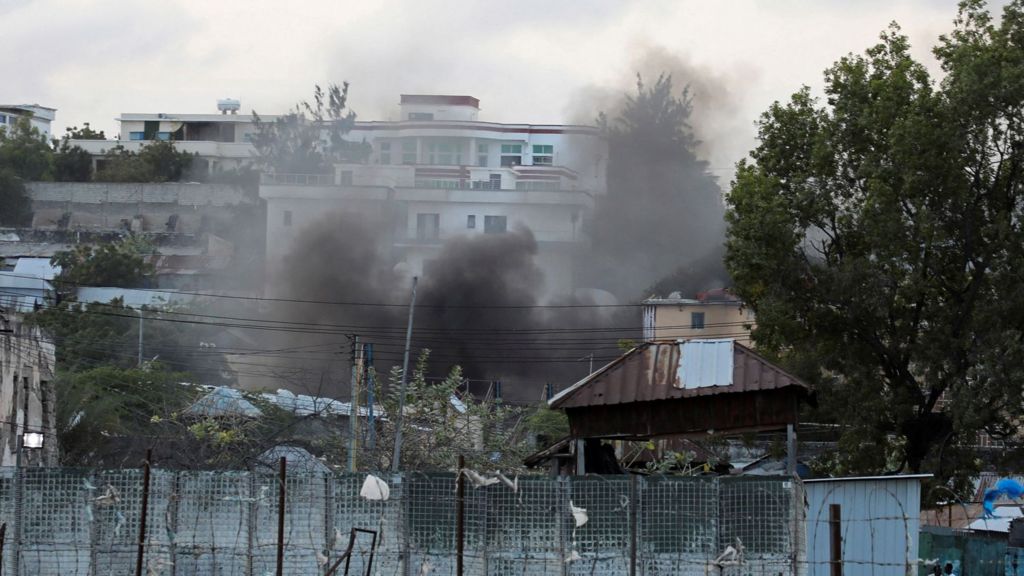
    A daring assault by seven al-Shabab militants on a high-security prison in Mogadishu, Somalia, culminated in the death of all attackers, according to the Somali government. The incident unfolded on Saturday evening at Godka Jilicow, a detention facility housing al-Shabab militants, located near the presidential palace in the heart of the capital. The attack began with a massive explosion and intense gunfire, drawing immediate attention to the area. Al-Shabab claimed responsibility, stating they had freed ‘all Muslim prisoners’ and inflicted significant casualties on the guards. The militants reportedly disguised themselves as soldiers to gain access to the prison, as reported by the government-run news agency Sonna Live. While the government did not disclose the number of security personnel killed, it expressed condolences to the families of ‘the fallen heroes.’ The attack raises serious questions about the effectiveness of security measures in one of Mogadishu’s most heavily guarded areas. Al-Shabab, an al-Qaeda-affiliated group, has been waging a violent insurgency against the Somali government for nearly two decades. The incident occurred hours after the government reopened key roads in Mogadishu, citing improved safety conditions. This attack underscores the persistent threat posed by al-Shabab and the challenges faced by Somali security forces in maintaining stability.

  • Balloons carrying smuggled cigarettes over Lithuania closed Vilnius Airport for hours

    Balloons carrying smuggled cigarettes over Lithuania closed Vilnius Airport for hours

    In a startling incident late Saturday, up to 25 small hot-air balloons, some confirmed to be transporting smuggled cigarettes, infiltrated Lithuanian airspace, prompting the temporary shutdown of Vilnius Airport and causing significant flight delays. The disruption affected 30 flights and approximately 6,000 passengers, according to Lithuania’s National Crisis Management Center. Operations resumed at 4:50 a.m. on Sunday. While the balloons were primarily used for smuggling, the incident has heightened concerns in Europe about airspace security, particularly in the wake of recent NATO airspace violations. Some officials have suggested these intrusions may be part of Moscow’s strategy to test NATO’s readiness. Lithuania and other Baltic states remain on edge, especially after a Russian-made drone entered Lithuanian airspace from Belarus on July 10 and crashed in Vilnius County. Another drone, carrying an explosive device, was discovered at a military training ground on July 28. In response, Lithuania’s parliament has authorized its armed forces to shoot down unauthorized drones. Border police recovered 11 balloons and approximately 18,000 packs of smuggled cigarettes, with two balloons flying directly over Vilnius Airport. Darius Buta, a spokesperson, noted that Belarusian smugglers are increasingly using balloons due to their lower cost compared to drones. Similar incidents, though on a smaller scale, were reported in August. Last year, Lithuanian authorities intercepted 966 balloons from Belarus, with 544 recorded so far this year. Buta emphasized that while smuggling balloons and drones are criminal activities, they are not acts of sabotage or provocation.

  • Poland scrambles jets as Russia strikes western Ukraine

    Poland scrambles jets as Russia strikes western Ukraine

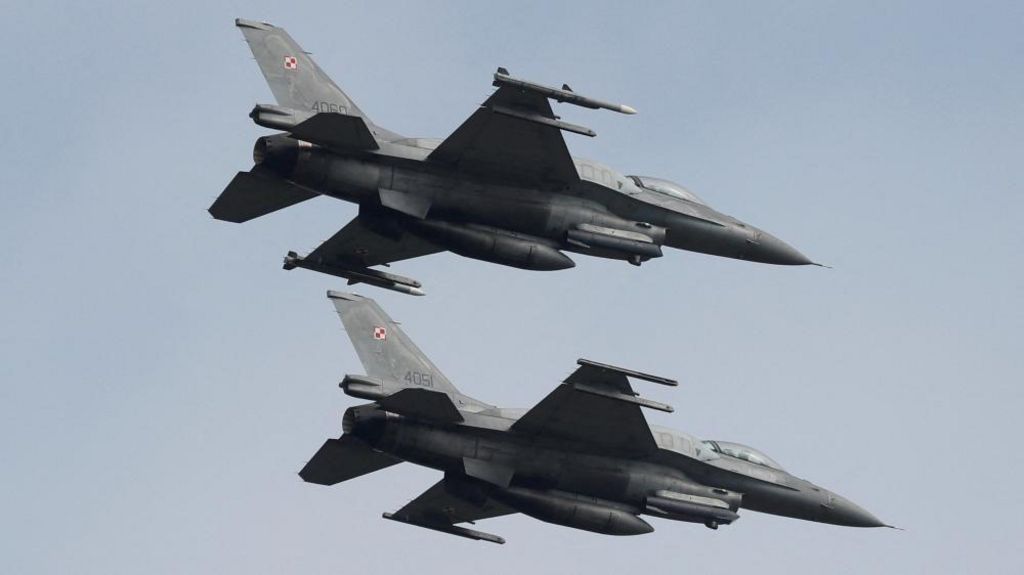
    In a significant escalation of hostilities, Russia launched a series of missile and drone attacks on Ukraine overnight, targeting key western cities including Lviv and Zaporizhzhia. The strikes, which occurred from Saturday into Sunday morning, prompted neighboring Poland to scramble fighter jets to safeguard its airspace, with NATO allies also deploying aircraft. Lviv’s regional head, Maksym Kozytskyi, reported two fatalities and two injuries in the region, while Zaporizhzhia’s mayor confirmed one death and widespread power outages affecting over 73,000 residents. The attacks on Ukraine’s energy infrastructure have intensified, leaving parts of Lviv without electricity and disrupting public transport. Ukrainian Air Force warnings placed the entire country under air raid alerts, with Russia’s aggression extending to the eastern Donbas region, which it has largely controlled since its 2022 invasion. Meanwhile, NATO member Lithuania briefly closed its airspace after unidentified objects were spotted, echoing recent incidents in Denmark, Norway, and Germany. The latest developments follow a statement by US Special Envoy Keith Kellogg, who affirmed US support for Ukraine’s potential deep strikes within Russian territory, signaling a potential shift in the conflict’s dynamics.