
The United Nations food agency has announced a significant reduction in food assistance for hundreds of thousands of people in Somalia, where millions are grappling with the catastrophic effects of climate change and severe hunger. The World Food Program (WFP) revealed that the number of individuals receiving emergency food aid will plummet from 1.1 million in August to just 350,000 by November, citing ‘critical funding shortfalls’ as the primary cause. Ross Smith, the agency’s director of emergency preparedness and response, warned of a ‘dangerous rise in emergency levels of hunger,’ emphasizing that the ability to respond is diminishing daily. ‘Without urgent funding, families already pushed to the edge will be left with nothing at a time when they need it most,’ he stated. Recent U.N. reports indicate that 4.6 million Somalis are experiencing crisis-level hunger, with 1.8 million children projected to suffer from acute malnutrition this year. Among these, 421,000 children face severe malnutrition, yet the WFP has only managed to assist approximately 180,000. Somalia’s plight is exacerbated by decades of conflict and insecurity, with the al-Qaida-linked militant group al-Shabab controlling several regions. Additionally, U.S. foreign aid cuts have further strained humanitarian agencies already struggling to meet the needs of the vulnerable population. The WFP has urgently requested $98 million to sustain life-saving operations for 800,000 people through the lean season until March 2026.
分类: world
-
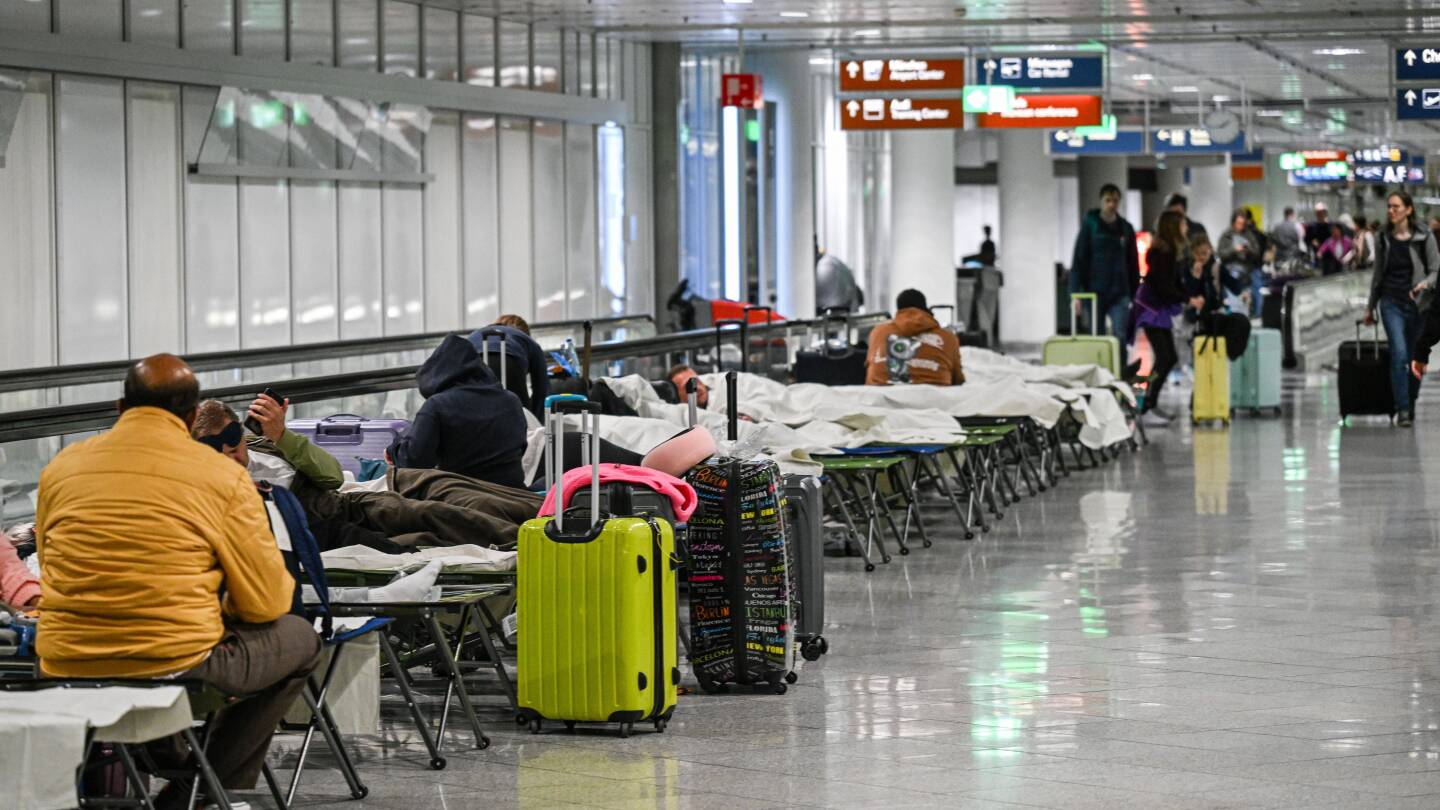
Munich Airport shuts again after suspected drones in latest reported sightings in EU airspace
Munich Airport faced its second shutdown in less than 24 hours late Friday due to unconfirmed drone sightings, according to an official statement. The incident is part of a growing trend of mysterious drone overflights across European Union member countries, raising significant security concerns. Flight operations were suspended as a precautionary measure, disrupting travel plans for thousands of passengers. Earlier on Thursday, air traffic control had restricted flights, leading to the diversion of 15 arrivals and the cancellation of 17 departures, affecting nearly 3,000 travelers. Flights resumed early Friday but were halted again later in the day. Authorities deployed helicopters and other resources to track the drones but found no traces. Hundreds of stranded passengers were provided with cots, blankets, and refreshments overnight. German Interior Minister Alexander Dobrindt announced plans to discuss drone detection and defense strategies with European counterparts at an upcoming meeting in Munich. Similar drone sightings were reported in Belgium, where several drones were spotted near a military base. While European authorities suspect Russian involvement, experts caution that the culprits could range from individuals to criminal organizations or state actors. The incident underscores the urgent need for enhanced drone defense measures across Europe.
-
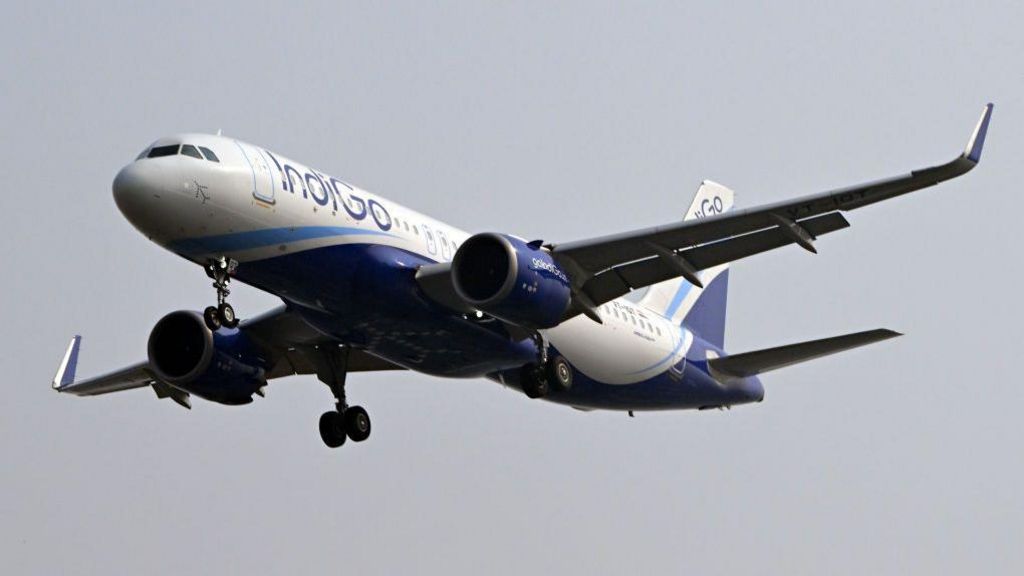
India and China to resume direct flights after a five-year ban
In a significant move towards the normalization of bilateral relations, India’s largest budget airline, IndiGo, announced the resumption of direct flights between Kolkata and Guangzhou starting October 26. This development comes as part of broader efforts to rebuild ties between India and China, which have been strained since the deadly border clashes in 2020. The Indian foreign ministry emphasized that the reinstatement of direct flights would enhance people-to-people contact and contribute to the gradual normalization of bilateral exchanges. The two nations share a contentious 3,440-kilometer border, with overlapping territorial claims that have historically fueled tensions. The 2020 Galwan Valley clash, which resulted in the deaths of at least 20 Indian and four Chinese soldiers, marked the first fatal confrontation since 1975 and led to a freeze in diplomatic relations. However, over the past year, both countries have engaged in high-level talks and implemented measures to de-escalate border tensions. These include patrolling arrangements along the disputed Himalayan border and the resumption of visa services for Chinese tourists by India. Additionally, China has permitted Indian pilgrims to visit religious sites in the Tibet Autonomous Region. The warming of India-China relations has also been influenced by India’s strained ties with the U.S. under former President Donald Trump’s tariff policies. In August, Chinese Foreign Minister Wang Yi visited Delhi, advocating for a partnership rather than rivalry between the two nations. Prime Minister Narendra Modi’s visit to China for the Shanghai Cooperation Organisation summit further underscored the commitment to normalizing relations. The resumption of direct flights symbolizes a tangible step towards rebuilding trust and fostering cooperation between the two Asian giants.
-
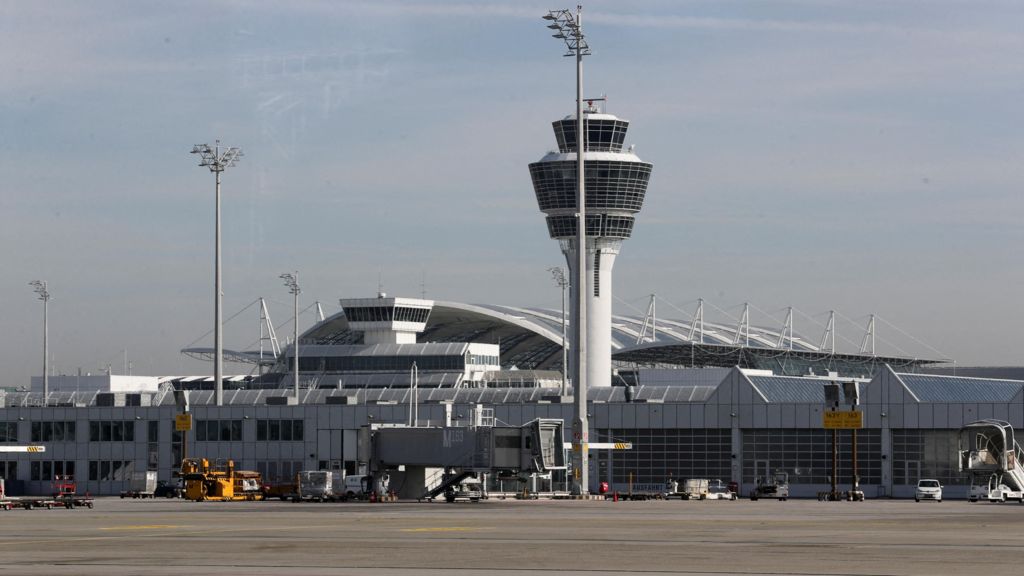
Munich airport closes after drones spotted nearby
Munich Airport faced significant disruptions as unidentified drones were spotted near its airspace, leading to the cancellation of at least 17 flights and impacting nearly 3,000 passengers. The airport authorities swiftly diverted an additional 15 flights to nearby cities such as Stuttgart, Nuremberg, Vienna, and Frankfurt. The Federal Police spokesperson, Stefan Bayer, informed the Bild Newspaper that due to the darkness, details about the drones’ type, size, or origins remain unclear. The drones were first detected at 21:30 local time (19:30 GMT) and reappeared an hour later, prompting the airport to suspend all outgoing flights. This incident adds to a series of drone-related disruptions across Europe, including recent closures of Copenhagen and Oslo airports. Russian President Vladimir Putin, speaking at a summit in Sochi, humorously dismissed allegations of Russian involvement in the Danish drone incidents, stating, ‘I won’t do it again – not to France or Denmark or Copenhagen.’ Meanwhile, stranded passengers at Munich Airport were provided with camp beds, blankets, drinks, and snacks overnight. The disruptions coincide with Munich’s annual Oktoberfest, which attracts over six million visitors and is set to conclude on October 5.
-

Sleeping in fields and struggling for basics: Filipinos contend with quake aftermath
A devastating magnitude 6.9 earthquake struck the northern coast of Cebu, one of the Philippines’ most populous islands, on the night of September 30, leaving at least 72 people dead and 300 injured. The quake, which occurred in a region already grappling with the aftermath of a fierce typhoon season, has displaced approximately 40,000 people, forcing many to seek temporary shelter in tents and under the open sky. Among the survivors is Arguel Estalicas, a 35-year-old tourism officer from Medellin town, who described the overwhelming fear and dizziness she continues to experience. ‘I still couldn’t process what has happened to us,’ she told the BBC. The earthquake caused widespread destruction, collapsing homes, buildings, and churches, and cracking roads. Social media images showed residents huddled under plastic bags for shelter during light rain, while others slept outdoors, clinging to whatever resources they had. Lourenze Pareja, a 25-year-old community journalist from San Remigio, recounted the chaos he witnessed during the quake, describing his once-vibrant town as now resembling a ‘ghost town.’ The Philippines, located on the geologically unstable ‘Ring of Fire,’ is no stranger to natural disasters. This earthquake is among the deadliest in recent years, following the 2013 Bohol quake that killed over 200 people. Rescue operations are ongoing, with authorities working to deliver food, restore power and communication lines, and clear debris. The Philippine military has been deployed to assist in relief efforts, but daily necessities remain scarce. Survivors like Ms. Estalicas and Mr. Pareja remain hopeful, drawing strength from the Filipino spirit of bayanihan, or community cooperation. ‘My only prayer is that help won’t be delayed,’ Mr. Pareja said, urging relief efforts to extend to neighboring municipalities.
-

Senior member of Venezuela’s Tren de Aragua gang arrested
In a significant international operation, the alleged leader of the armed wing of the Venezuelan criminal gang Tren de Aragua has been apprehended. The arrest of José Antonio Márquez Morales, also known as Caracas, was announced by Colombia’s National Police. The operation, which involved collaboration between Colombia, the United States, and the United Kingdom, took place in the city of Valledupar. Morales is accused of playing a pivotal role in managing the logistics and finances for the gang, which is involved in extortion, drug trafficking, and smuggling. Tren de Aragua has been designated as a terrorist organization by former US President Donald Trump, who also deported over 250 alleged members of the gang to a prison in El Salvador. Carlos Fernando Triana Beltrán, Director of Colombia’s National Police, revealed that Morales was the subject of an Interpol Red Notice, a global alert requesting law enforcement agencies to detain an individual pending extradition. The arrest comes amid escalating tensions between the US and Venezuela, particularly concerning the Trump administration’s anti-drug-trafficking initiatives in Latin America. The US has recently deployed warships to the Caribbean and conducted bombings of vessels allegedly transporting drugs from Venezuela to the US. The Trump administration has accused Venezuelan President Nicolás Maduro of colluding with drug cartels and has offered a $50 million reward for information leading to his capture. Maduro has vehemently denied these allegations and has defended his government’s efforts to combat drug trafficking.
-
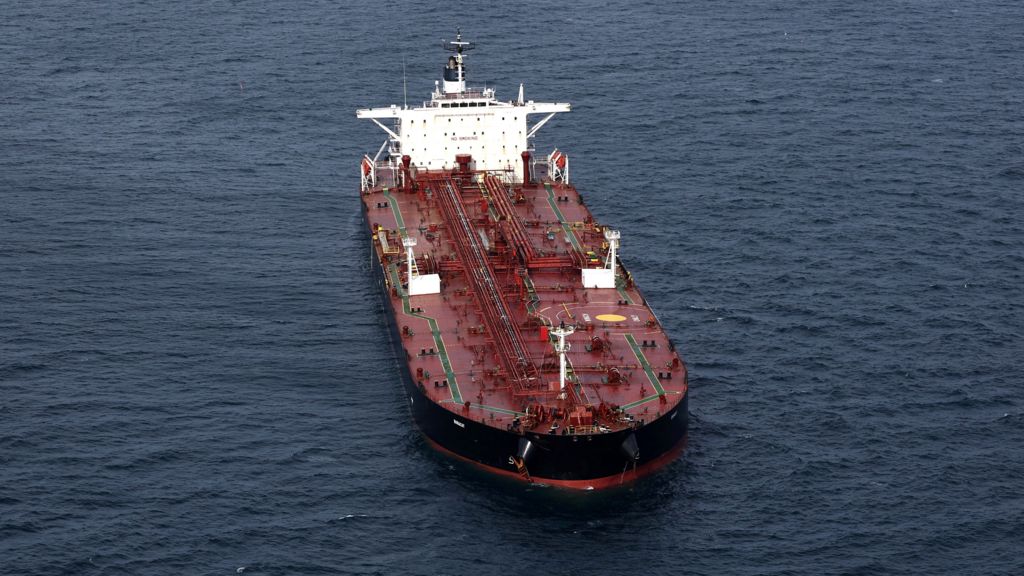
Captain of tanker linked to Russian ‘shadow fleet’ charged in France
French authorities have charged the Chinese captain of the oil tanker Boracay, suspected to be part of Russia’s ‘shadow fleet’ used to circumvent international sanctions. The captain faces charges for refusing to comply with instructions from the French navy and is scheduled to appear in court in Brest next February. The Boracay, which departed Russia last month, was intercepted off the coast of Denmark following a series of drone incidents that temporarily shut down several airports. Earlier this week, French soldiers boarded the vessel, which is on the EU’s sanctions list for transporting Russian oil. Russian President Vladimir Putin condemned the action as ‘piracy,’ while the Kremlin denied any connection to the ship. The Boracay, currently registered in Benin, has undergone multiple name and flag changes in recent years, allegedly to evade sanctions imposed after Russia’s invasion of Ukraine. The French prosecutor noted that the captain failed to provide a coherent explanation regarding the ship’s flag. Both the captain and the second captain, also Chinese nationals, were detained for investigation but only the captain was charged. The Boracay is now anchored near Saint-Nazaire. Under international maritime law, naval forces can stop vessels suspected of lacking nationality. Western nations have imposed sanctions on Russian energy, prompting Moscow to develop a ‘shadow fleet’ of tankers registered in other countries to obscure ownership and movements. French President Emmanuel Macron estimates this fleet comprises 600 to 1,000 ships. The Boracay was previously detained by Estonian authorities for sailing without a valid flag. It departed Primorsk, Russia, on September 20, traversing the Baltic Sea, North Sea, and English Channel en route to Vadinar, India. The incident coincides with unresolved drone incursions into Danish airspace, though Danish authorities found no evidence of Russian involvement. Similar violations have been reported in Poland, Estonia, and Romania, with Moscow denying responsibility.
-

Weekly quiz: Who said ‘I do’ to Selena Gomez?
This week witnessed significant developments across various spheres globally. Former U.S. President Donald Trump unveiled his strategy to bring an end to the ongoing conflict in Gaza, drawing attention to his foreign policy stance. Meanwhile, the BBC shed light on deeply rooted issues within the Metropolitan Police, exposing a troubling culture of misogyny and racism that has sparked widespread concern. In the entertainment industry, an AI-generated ‘actress’ caused a stir in Hollywood, raising questions about the future of technology in creative fields. Amid these headlines, the week also saw numerous other events that may have flown under the radar. To test your awareness of global happenings, a quiz curated by Ben Fell invites you to revisit last week’s events or explore past archives. Additionally, in the world of television and music, Selena Gomez made headlines in the United States, further enriching this week’s diverse news landscape.
-
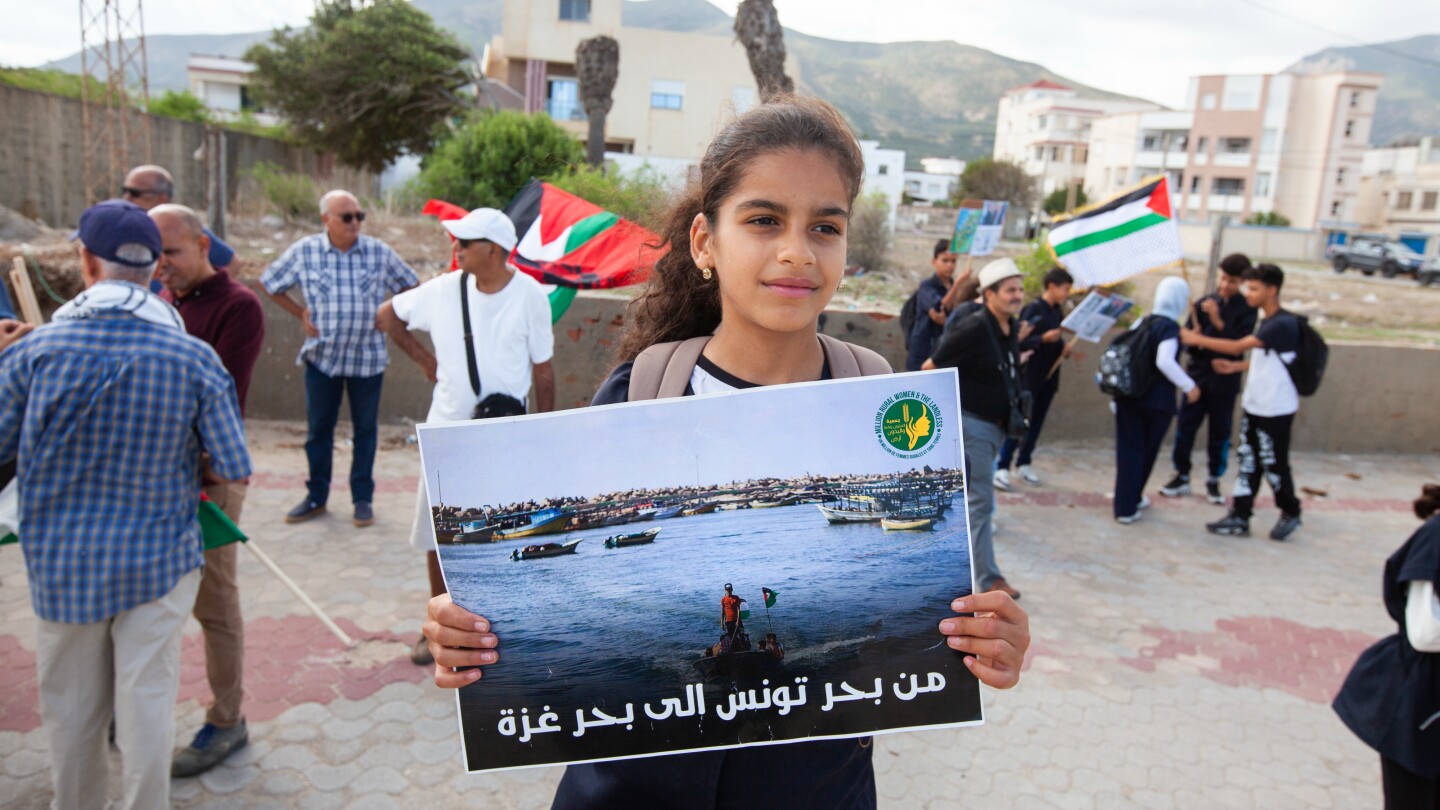
Tunisians remember the Israeli strike that bound their fate with Palestinians 40 years ago
HAMMAM CHOTT, Tunisia (AP) — Four decades after Israeli warplanes struck the Palestine Liberation Organization’s (PLO) headquarters outside Tunis, the memories of the attack remain vivid for Tunisians like Jamel Bahrini, a first responder who witnessed the devastation firsthand. The 1985 airstrike, Israel’s longest-range operation at the time, killed 68 people and injured over 100, leaving an indelible mark on Tunisia’s collective consciousness. Today, as the Israel-Hamas war in Gaza intensifies, the 1985 attack serves as a poignant reminder of Tunisia’s enduring solidarity with the Palestinian cause. Bahrini, now 62, recalls the harrowing scene of bodies hanging from trees and blood-soaked rubble, a testament to the brutality of the strike. The attack, codenamed “Operation Wooden Leg” by Israel, was justified as retaliation for the killing of three Israelis in Cyprus, a claim the PLO denied. Tunisians, however, view it as a violation of their sovereignty and a turning point in their connection to the Palestinian struggle. The recent commemoration ceremony in Hammam Chott saw mourners carrying posters linking the 1985 strike to the current conflict in Gaza, with slogans like “From the sea of Tunisia to the sea of Gaza.” The event underscored the deep-rooted anger toward Israel, fueled by recent incidents such as the interception of the Global Sumud Flotilla, which aimed to deliver humanitarian aid to Gaza. Tunisians, along with others across North Africa, have rallied in support of Palestinians, staging protests and boycotts. The 1985 attack, which narrowly missed PLO leader Yasser Arafat, continues to shape perceptions of Israel in Tunisia, raising questions about the long-term impact of its military strategies. As Bahrini aptly put it, “We are not merely a people showcasing solidarity, but we share a common cause.”
-
Surge in Ukrainian attacks on oil refineries sparks Russian fuel shortages
Ukraine has significantly intensified its drone attacks on Russian oil refineries in recent months, leading to widespread fuel shortages and price hikes across parts of Russia, according to investigations by BBC Verify and BBC Russian. Since January, 21 of Russia’s 38 major refineries—facilities crucial for converting crude oil into petrol and diesel—have been targeted, marking a 48% increase in successful strikes compared to the entirety of 2024. The surge in attacks, particularly in August and September, has disrupted operations at key refineries, including those deep within Russian territory, such as the Gazprom Neftekhim Salavat refinery in Bashkortostan, over 1,100 kilometers from Ukraine’s border. Satellite imagery confirmed significant damage, with smoke billowing from the facility post-attack. The strikes have not only impacted civilian fuel supplies but also targeted refineries near the border that support military logistics. Verified footage shows long queues at petrol stations, with some independent stations in Siberia suspending operations to avoid losses. Ukrainian President Volodymyr Zelensky has emphasized the strategic importance of these strikes, stating that damaging Russia’s oil industry is a key tactic to force Moscow to negotiate. While the Kremlin insists the situation is under control, Deputy Prime Minister Alexander Novak extended a partial ban on petrol exports until the end of 2025, a move critics argue is insufficient to stabilize the domestic market. Analysts suggest that while the strikes alone may not cripple Russia’s war efforts, they are increasing the economic strain of the prolonged conflict.