分类: world

  • The world’s driest desert blooms into a rare, fleeting flower show

    The world’s driest desert blooms into a rare, fleeting flower show

    The Atacama Desert, renowned as the driest nonpolar desert on Earth, has recently undergone a breathtaking transformation. Unusual winter rains have triggered a rare phenomenon, turning the arid landscape into a vibrant tapestry of wildflowers. This extraordinary bloom, characterized by hues of fuchsia, purple, yellow, red, blue, and white, has captivated both locals and tourists alike.

    Experts attribute this floral spectacle to one of the wettest years in recent memory for the Atacama. Some high-altitude regions received up to 60 millimeters (2.3 inches) of rain during July and August, providing the necessary moisture for dormant seeds to germinate. Víctor Ardiles, chief curator of botany at Chile’s National Museum of Natural History, explained that over 200 flower species lie dormant in the desert’s rocky soil, awaiting the right conditions to bloom. ‘When certain moisture thresholds are met, the seeds activate, grow, and then bloom,’ Ardiles noted.

    However, the process is delicate. Factors such as water, temperature, daylight, and humidity must align perfectly for the seeds to flourish. ‘Not all the seeds will germinate,’ Ardiles added. ‘Some will remain waiting, while others will contribute to the next generation.’

    The bloom has drawn visitors from across Chile, including Maritza Barrera, who traveled nearly six hours with her children to witness the spectacle in Llanos de Challe National Park. ‘It’s more stunning than I could have imagined,’ she said. Recognizing the ecological significance of this phenomenon, Chilean President Gabriel Boric established the Desert Bloom National Park in 2023, protecting 220 square miles (570 square kilometers) of flower fields along the Pan-American Highway.

    This fleeting natural wonder, which typically lasts until November, serves as a reminder of the desert’s resilience and beauty. ‘Nowhere on Earth does this phenomenon occur like it does here in Chile,’ Ardiles remarked.

    Isabel DeBre contributed to this report from Buenos Aires, Argentina.
  • South African activists on Gaza flotilla claim harsh treatment by Israel over genocide case

    South African activists on Gaza flotilla claim harsh treatment by Israel over genocide case

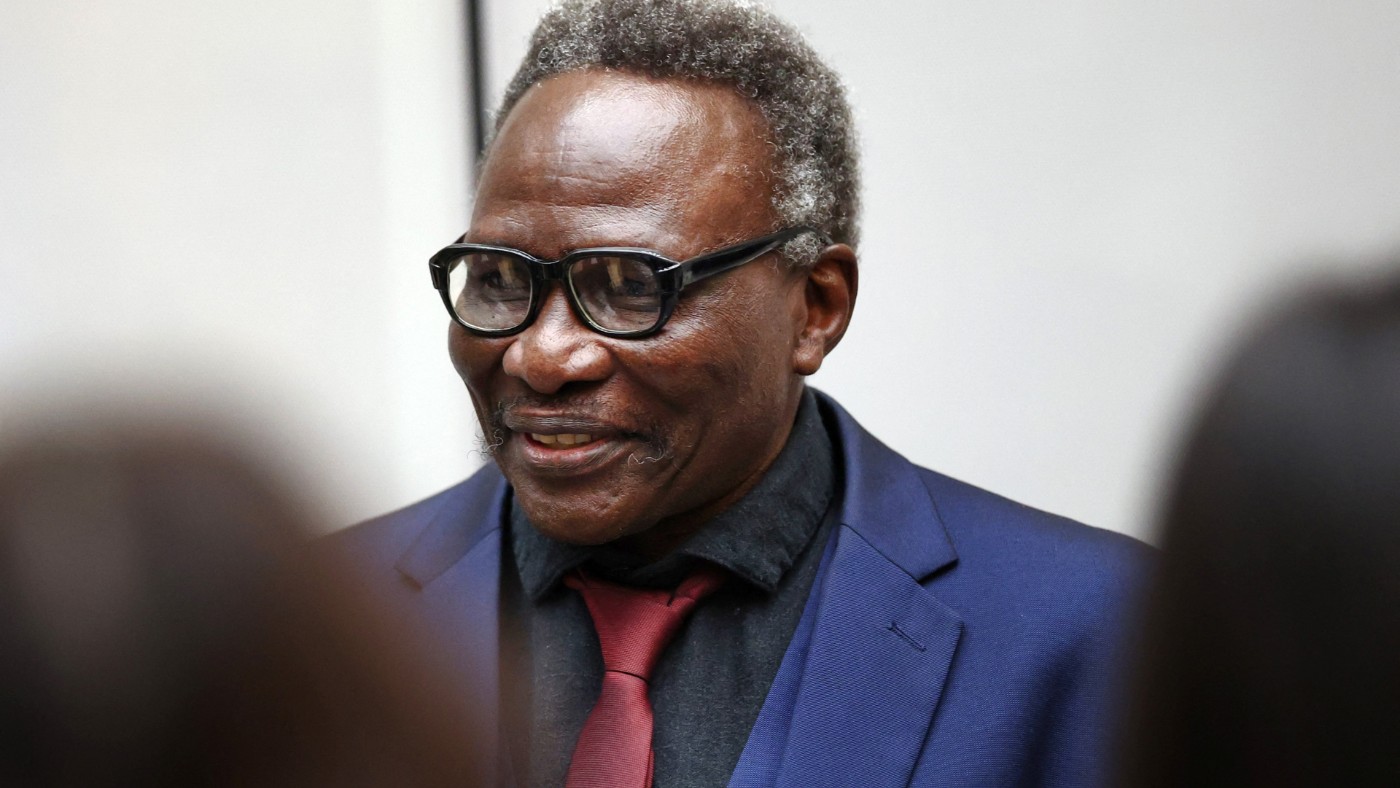
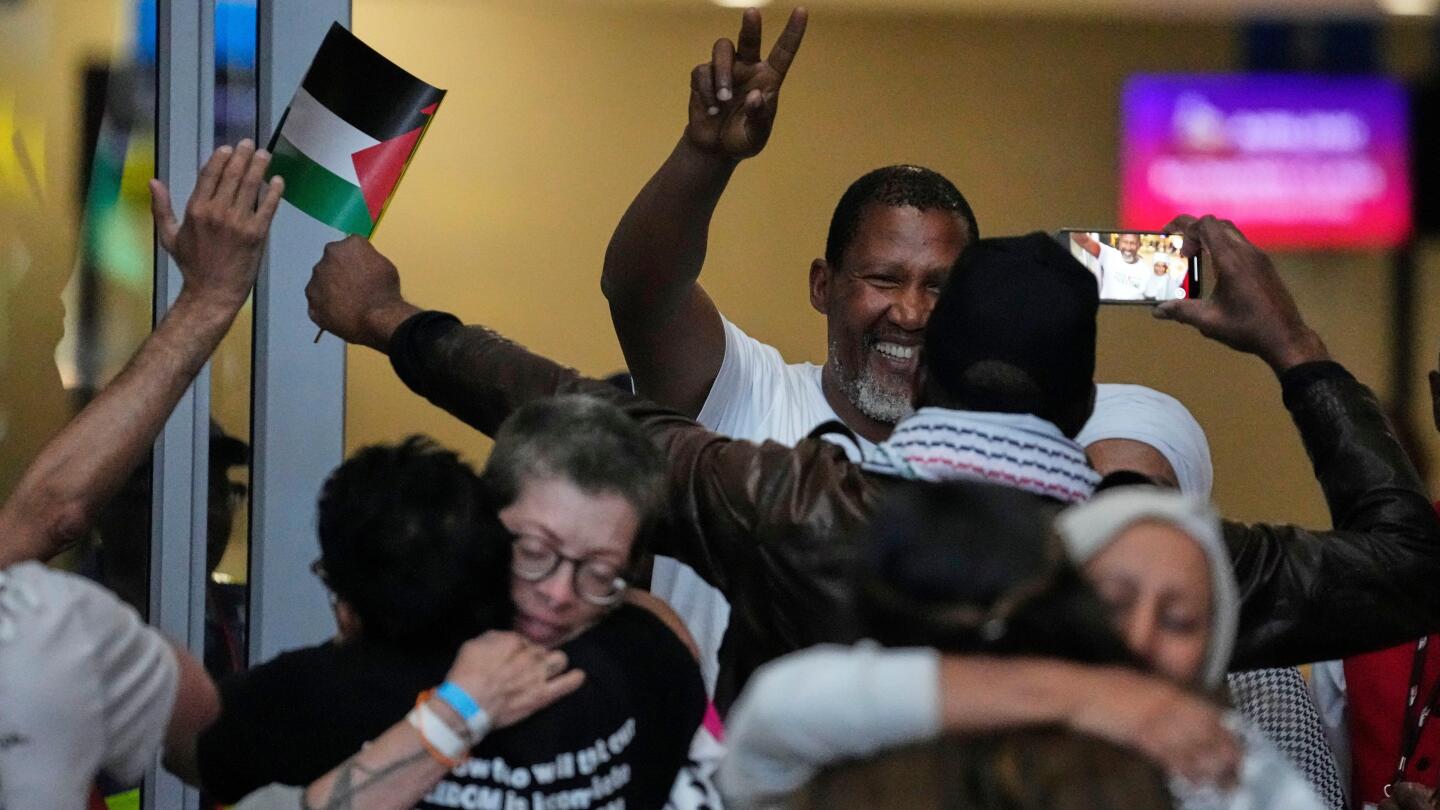
    Six South African activists, including a grandson of Nelson Mandela, have accused Israeli authorities of subjecting them to harsher treatment than other detainees during their arrest while attempting to reach Gaza as part of an aid flotilla. The activists, who were detained last week, claimed they were singled out due to South Africa’s role in a genocide case against Israel at the International Court of Justice (ICJ). Speaking at Johannesburg’s OR Tambo Airport upon their return, the activists detailed their ordeal, with two Muslim women alleging their hijabs were forcibly removed and they were forced to strip naked in front of Israeli soldiers. Mandla Mandela, the grandson of South Africa’s anti-apartheid icon, asserted that the activists were targeted because South Africa has challenged Israel’s actions in Gaza through the ICJ. Israel’s Foreign Ministry denied the allegations, stating that all detainees were given the option of voluntary deportation and that their legal rights were fully upheld. The activists were part of the Global Sumud Flotilla, a fleet of 42 boats aiming to break Israel’s naval blockade of Gaza and deliver symbolic aid to the famine-stricken territory. Among the 450 activists arrested were Swedish environmental activist Greta Thunberg and others who also claimed mistreatment. South Africa has long supported the Palestinian cause, drawing parallels between Israel’s treatment of Palestinians and South Africa’s apartheid era. The country’s genocide case against Israel, filed in late 2023, has garnered support from several nations, including Nicaragua, Turkey, and Colombia. Israel has vehemently denied the genocide allegations, accusing South Africa of acting as Hamas’ “legal arm.”

  • Biking to Brazil, activists urge greener transport at UN climate talks

    Biking to Brazil, activists urge greener transport at UN climate talks

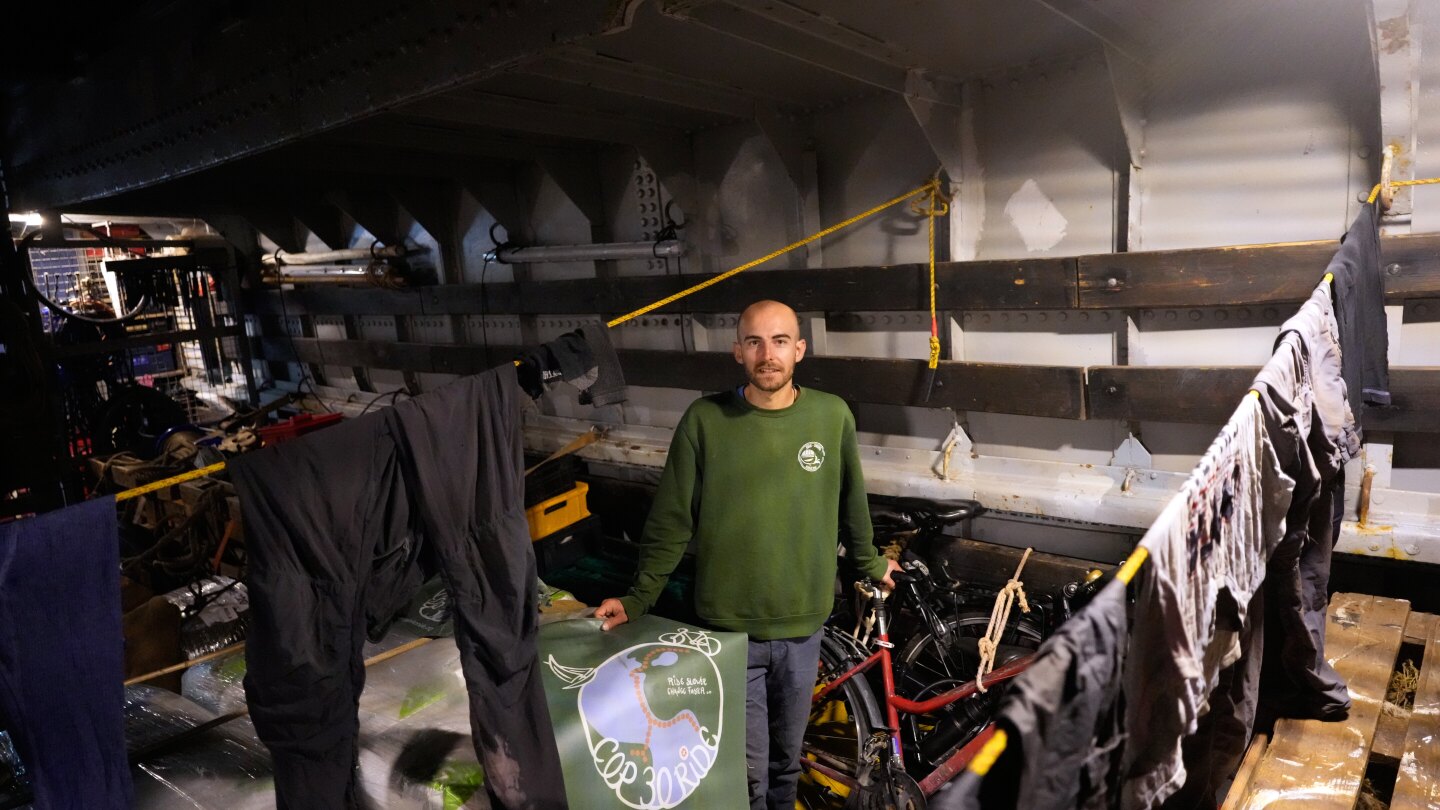
    In a bold demonstration of environmental commitment, hundreds of climate activists are cycling thousands of kilometers to attend the United Nations COP30 climate summit in Belém, Brazil, this November. The journey, which began in Azerbaijan—the host of last year’s COP29 summit—has already spanned nearly 8,000 kilometers across Eurasia over 20 weeks. A second group of 200 cyclists covered an additional 1,800 kilometers across northern Europe, while others traversed parts of eastern and southern Africa. The riders, united under the banner of the COP30 Bike Ride, are now sailing from Portugal to Brazil aboard the schooner Avontuur, avoiding air travel to minimize their carbon footprint. The initiative, organized by Dutch activist Jolein Schorel, aims to highlight cycling as a sustainable, healthy, and cost-effective alternative to fossil-fuel-dependent transportation. Schorel emphasized that the journey is not just symbolic but also a practical call for cities to invest in cycling infrastructure. Along the way, the cyclists have engaged with local communities, sharing their mission and inspiring grassroots support. In Zambia, for instance, a young boy offered his only coin to support the riders, a gesture that deeply moved Schorel. The activists plan to present their demands for stronger climate action, particularly in protecting the Amazon rainforest and phasing out fossil fuels, when they arrive in Belém. Their journey underscores the power of collective action and the feasibility of sustainable alternatives in addressing the climate crisis.

  • Three killed in latest Ukrainian strike on Russia’s Belgorod region

    Three killed in latest Ukrainian strike on Russia’s Belgorod region

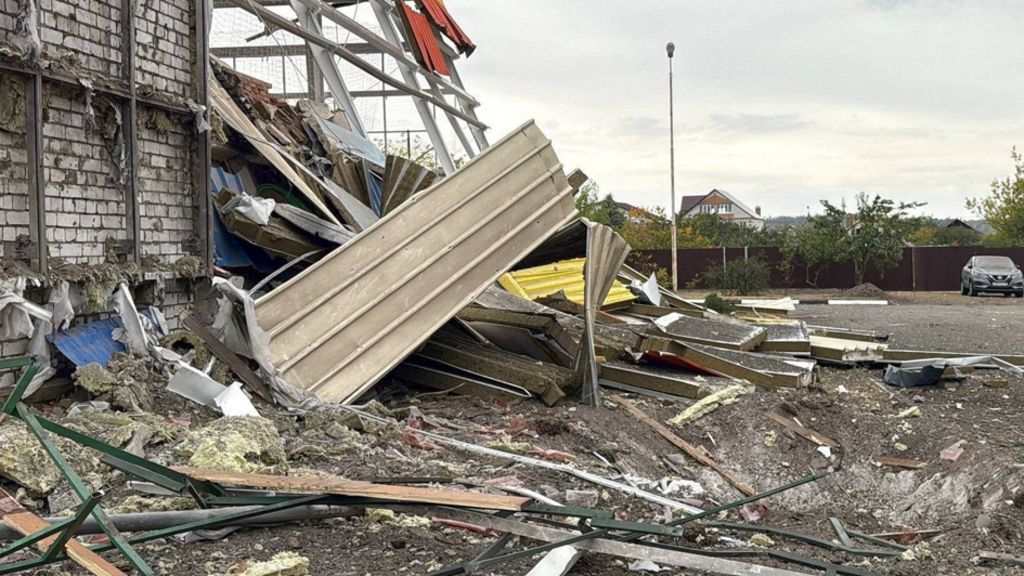
    The Russian border region of Belgorod has been struck by a series of devastating attacks from Ukraine, resulting in significant casualties and widespread damage. Vyacheslav Gladkov, the governor of Belgorod, confirmed that three people were killed and at least nine others injured in the latest assault on the village of Maslova Pristan early Wednesday. Emergency teams are still searching for survivors trapped under the rubble. This marks the third consecutive day of attacks on the region, leaving thousands without power and claiming multiple lives. Ukraine has not officially commented on the strikes but has consistently targeted Russian territories, including Belgorod, since the conflict began four years ago. Gladkov shared images on Telegram showing the destruction of a sports center in Maslova Pristan, with its roof and walls blown apart. Nearby, in Moshchenoye, six people, including a child, were injured when a rocket and drone hit a truck, while a man was hurt in Masychevo after a car was struck. The recent attacks have caused blackouts and structural damage across Belgorod, with nearly 40,000 residents affected by power outages in seven municipalities. Verified videos by BBC Verify show explosions and fires near a local power station. Meanwhile, Ukraine has intensified its strikes on Russian oil refineries, targeting at least 21 of Russia’s 38 major refineries since January, leading to fuel shortages and price hikes. On the other side, Russia continues its assaults on Ukraine, with Ukrainian air forces reporting the interception of 154 drones, though 22 still struck targets in 11 locations. Ukrainian President Volodymyr Zelensky has announced new funding to repair damaged energy infrastructure and prepare for winter, emphasizing the need to support communities facing immense hardship.

  • Burkina Faso junta detains NGO workers for ‘spying’

    Burkina Faso junta detains NGO workers for ‘spying’

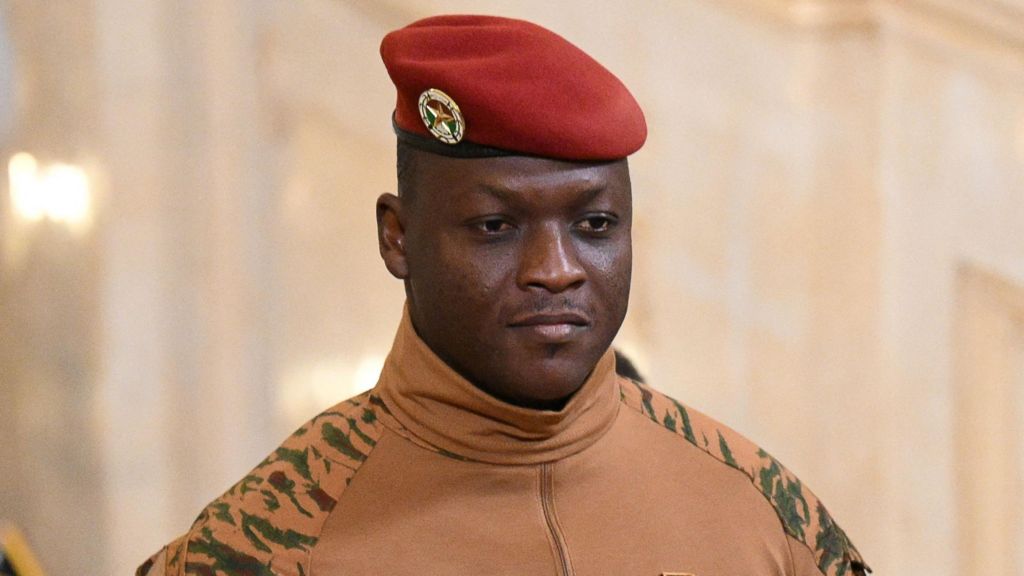
    Burkina Faso’s military government has escalated tensions with Western aid organizations by arresting eight members of a Dutch-based humanitarian group, accusing them of espionage and treason. The detainees include three Europeans, a Malian, and four Burkinabé nationals, among them the NGO’s country director and deputy. The arrests, which occurred earlier but were only recently disclosed, have sparked a heated dispute between the junta and international aid groups. Security Minister Mahamadou Sana alleged that the NGO had collected and transmitted sensitive security information to foreign powers, posing a threat to national security. The International NGO Safety Organisation (INSO), which supports aid workers with safety data, has firmly denied the accusations. Anthony Neal, a representative of the NGO, revealed that the country director had been detained since July, when the organization was suspended for allegedly gathering unauthorized sensitive data. The remaining seven individuals were arrested subsequently. Neal emphasized that the NGO’s activities had ceased upon suspension and that the information collected was non-confidential and intended solely for humanitarian worker safety. He expressed efforts to engage with the government to resolve misunderstandings, highlighting the critical need for safety information amid a record number of aid worker fatalities globally. Burkina Faso’s military government, led by Capt Ibrahim Traore, has faced criticism for its strained relations with Western nations since seizing power in a coup three years ago. In response to a worsening Islamist insurgency, the junta has shifted its military alliance from France to Russia, while human rights groups accuse the regime of civilian abuses and suppressing political dissent.

  • Prosecutors say Libyan freely confessed to Lockerbie bombing

    Prosecutors say Libyan freely confessed to Lockerbie bombing

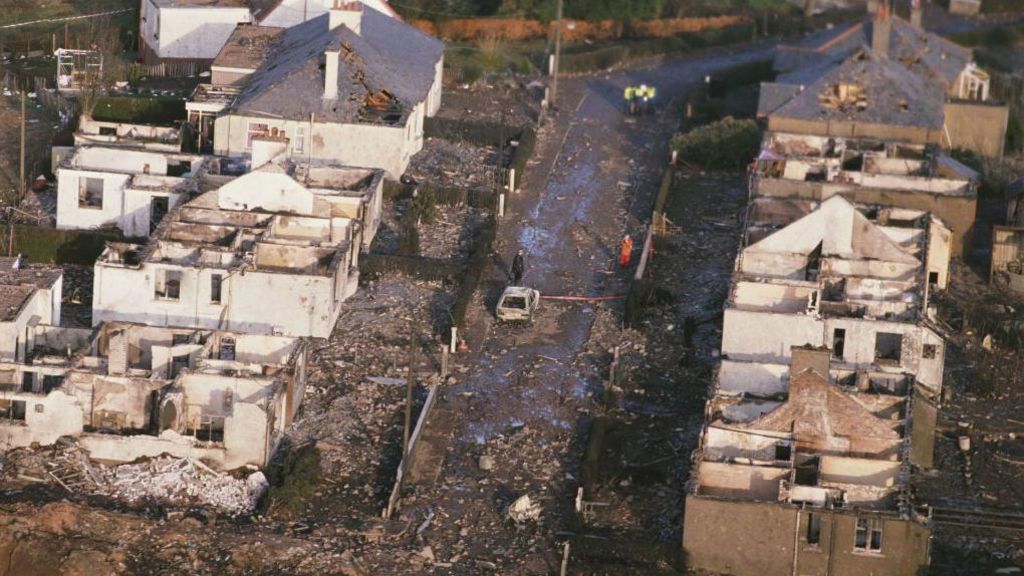
    A legal dispute has emerged over the alleged confession of Abu Agila Mas’ud Kheir al-Marimi, a Libyan man accused of involvement in the 1988 Lockerbie bombing and other attacks targeting Americans. Mas’ud, a 74-year-old former Libyan intelligence colonel, reportedly admitted his role in the bombing of Pan Am Flight 103, which killed 270 people, during a 2012 interrogation in a Libyan detention facility. However, Mas’ud claims his confession was coerced by three masked men who threatened him and his family. His lawyers are now seeking to suppress the statement from being used as evidence in his upcoming trial in Washington, D.C., scheduled for April next year.

    U.S. prosecutors argue that the confession was voluntary and reliable, emphasizing its significance in proving Mas’ud’s guilt in ‘two major terrorist attacks against Americans.’ They contend that independent evidence corroborates the details of his statement. Mas’ud’s defense team, however, asserts that the confession was obtained under duress during the chaotic aftermath of the 2011 Libyan revolution, when former members of Muammar Gaddafi’s regime faced widespread violence and persecution.

    According to Mas’ud, he was abducted from his home in 2012 and taken to an unofficial prison where he was handed a handwritten confession to memorize and repeat during questioning. Fearing for his safety and that of his family, he complied. U.S. prosecutors counter that Mas’ud’s account is implausible, citing the testimony of the Libyan police officer who conducted the interrogation. The officer described the facility as well-run and denied any signs of torture or coercion.

    Mas’ud is also accused of involvement in a 1986 bombing in West Berlin that killed three people, including two U.S. servicemen, and an attempted assassination of a U.S. Secretary of State in Pakistan. He allegedly chose not to detonate a booby-trapped overcoat after learning the wearer was unaware of the suicide mission. U.S. prosecutors argue this decision demonstrates his autonomy and resistance to coercion.

    The legal battle over the admissibility of Mas’ud’s confession continues, with a hearing scheduled to determine whether it will be presented to the jury. The case underscores the complexities of prosecuting historical terrorism cases and the challenges of verifying confessions obtained in volatile political contexts.

  • At least 24 killed as paraglider drops bombs at Myanmar Buddhist festival

    At least 24 killed as paraglider drops bombs at Myanmar Buddhist festival

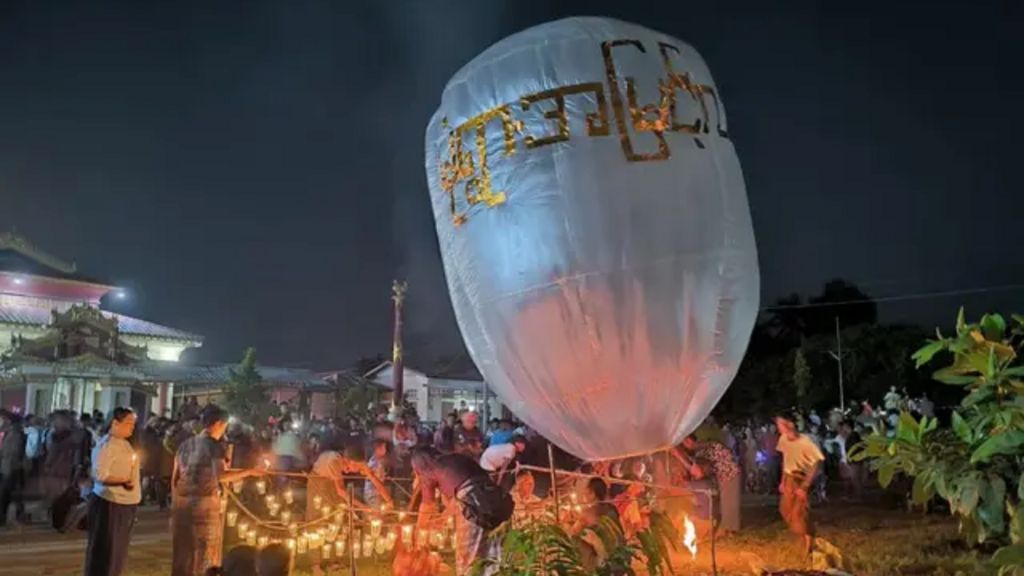
    A devastating paramotor attack during the Thadingyut festival in Chaung U township, central Myanmar, has resulted in the deaths of at least 24 people and left 47 others wounded, according to a spokesperson from the exiled National Unity Government. The incident occurred on Monday evening as approximately 100 individuals gathered to celebrate the Buddhist-rooted national holiday, which also served as a candlelight vigil protesting the policies of the ruling junta. A local official from the anti-junta People’s Defence Force reported that a motor-powered paraglider dropped two bombs on the crowd, causing widespread destruction and chaos. Witnesses described the scene as horrific, with bodies torn apart and identification of the deceased proving difficult. Amnesty International condemned the attack, labeling it part of a ‘disturbing trend’ of using paramotors to target communities. The junta’s increasing reliance on such methods is attributed to international sanctions limiting access to conventional military equipment. The attack has prompted calls for urgent protection of civilians and increased pressure on the junta from regional bodies like ASEAN. The vigil also highlighted broader grievances, including opposition to military conscription and the upcoming December elections, which critics argue will not be free or fair. The conflict in Myanmar, ongoing since the 2021 military coup, has claimed over 5,000 civilian lives, according to UN estimates.

  • ICC convicts Janjaweed commander in ‘landmark’ Sudan case

    ICC convicts Janjaweed commander in ‘landmark’ Sudan case

    In a historic verdict, the International Criminal Court (ICC) convicted Ali Muhammad Ali Abd-Al-Rahman, commonly known as Ali Kushayb, on 27 counts of crimes against humanity and war crimes committed in Sudan’s Darfur region. The ruling, delivered on Monday, marks the first conviction of a Sudanese official for atrocities that have plagued the region for over two decades. Kushayb, a former leader of the Janjaweed militia, was found guilty of orchestrating mass killings, rapes, and persecution during the Darfur conflict, which began in 2003. His sentencing will follow a subsequent hearing. The case, referred to the ICC by the United Nations Security Council in 2005, has been hailed as a landmark in the pursuit of justice for victims, though many argue it comes too late. Darfur, a region in western Sudan, has endured decades of violence, with the Sudanese government under Omar al-Bashir accused of deploying the Janjaweed to suppress a rebellion by non-Arab populations. The conflict, labeled a genocide by the US and human rights groups, claimed hundreds of thousands of lives. Kushayb, known as the ‘colonel of colonels,’ commanded thousands of Janjaweed fighters and was accused of implementing a government-backed counter-insurgency strategy. His surrender to the ICC in 2020 followed a 2007 arrest warrant. Despite his claims of mistaken identity, presiding judge Joanna Korner dismissed his defense, stating he had ‘encouraged and given instructions’ for the atrocities. Victims welcomed the verdict, though analysts caution that it offers little solace to those still suffering in Darfur amid ongoing conflict. The Janjaweed, later rebranded as the Rapid Support Forces (RSF), continue to operate under new leadership, with accusations of genocide persisting. The ICC’s pursuit of justice remains incomplete, with outstanding warrants for figures like Bashir and former officials. The verdict, while significant, underscores the challenges of addressing systemic violence and political instability in Sudan.

  • South American trade bloc orders Peru to crack down on mercury trafficking and illegal gold mining

    South American trade bloc orders Peru to crack down on mercury trafficking and illegal gold mining

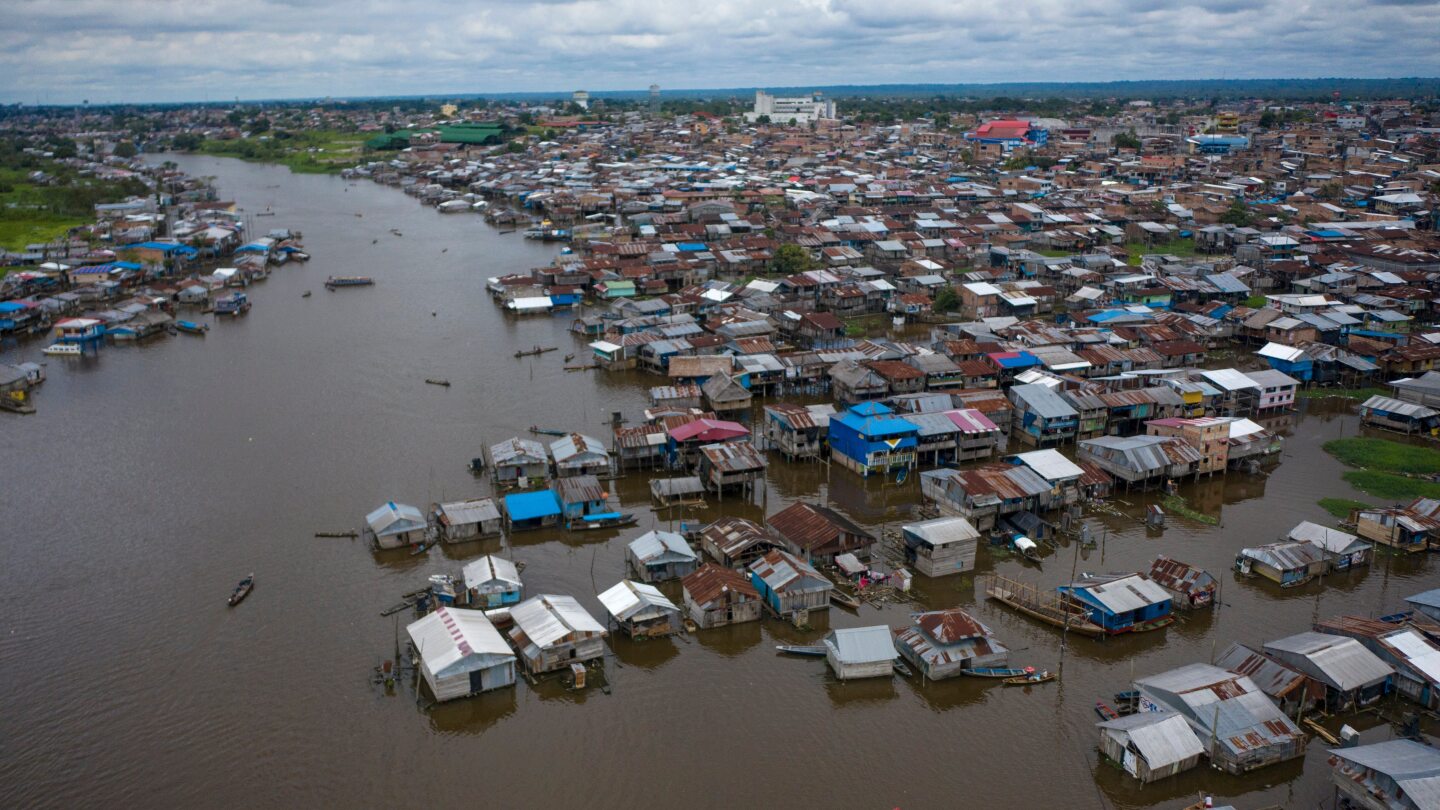
    In a landmark decision, the Andean Community, a South American trade bloc comprising Peru, Colombia, Ecuador, and Bolivia, has ruled that Peru is failing to meet its commitments to combat illegal gold mining and mercury trafficking. The ruling, issued on Monday, comes in response to complaints from Indigenous groups who allege that their Amazon rivers and food supplies are being poisoned by mercury contamination. This marks the first time the bloc has formally ruled against a member country in such a case, signaling a heightened effort to address the escalating environmental and health crisis. The Andean Community has ordered Peru to urgently reform its laws, confiscate mining equipment, and cease extensions of a registry for informal miners, which critics argue facilitates illegal activities. Peru has 20 working days to comply and report its actions, or face potential binding trade sanctions from the bloc’s Tribunal of Justice. Illegal gold mining has proliferated across the Amazon due to soaring global demand and rising gold prices, with analysts predicting gold could reach $4,000 per ounce by 2026. Mercury, used extensively in gold extraction, contaminates waterways, accumulates in fish, and poses severe health risks, particularly to children and pregnant women. The complaint was filed in June by Indigenous and rural communities from the Nanay River basin, where hair samples have revealed mercury levels far exceeding World Health Organization safety limits. Peruvian environmental lawyer César Ipenza emphasized the ruling’s significance, stating it sends a message to other countries to respect the right to a healthy environment. He warned that non-compliance could result in economic sanctions, such as tariffs on Peruvian products within the bloc. Despite occasional crackdowns, including the 2019 “Operation Mercury” and a record seizure of contraband mercury earlier this year, enforcement remains inconsistent, with corrupt networks enabling the illegal trade. The ruling also calls for stricter due diligence mechanisms to ensure gold traded internationally does not originate from environmental destruction or human rights violations.

  • Southern right whales awe admirers in Patagonia after coming back from brink of extinction

    Southern right whales awe admirers in Patagonia after coming back from brink of extinction

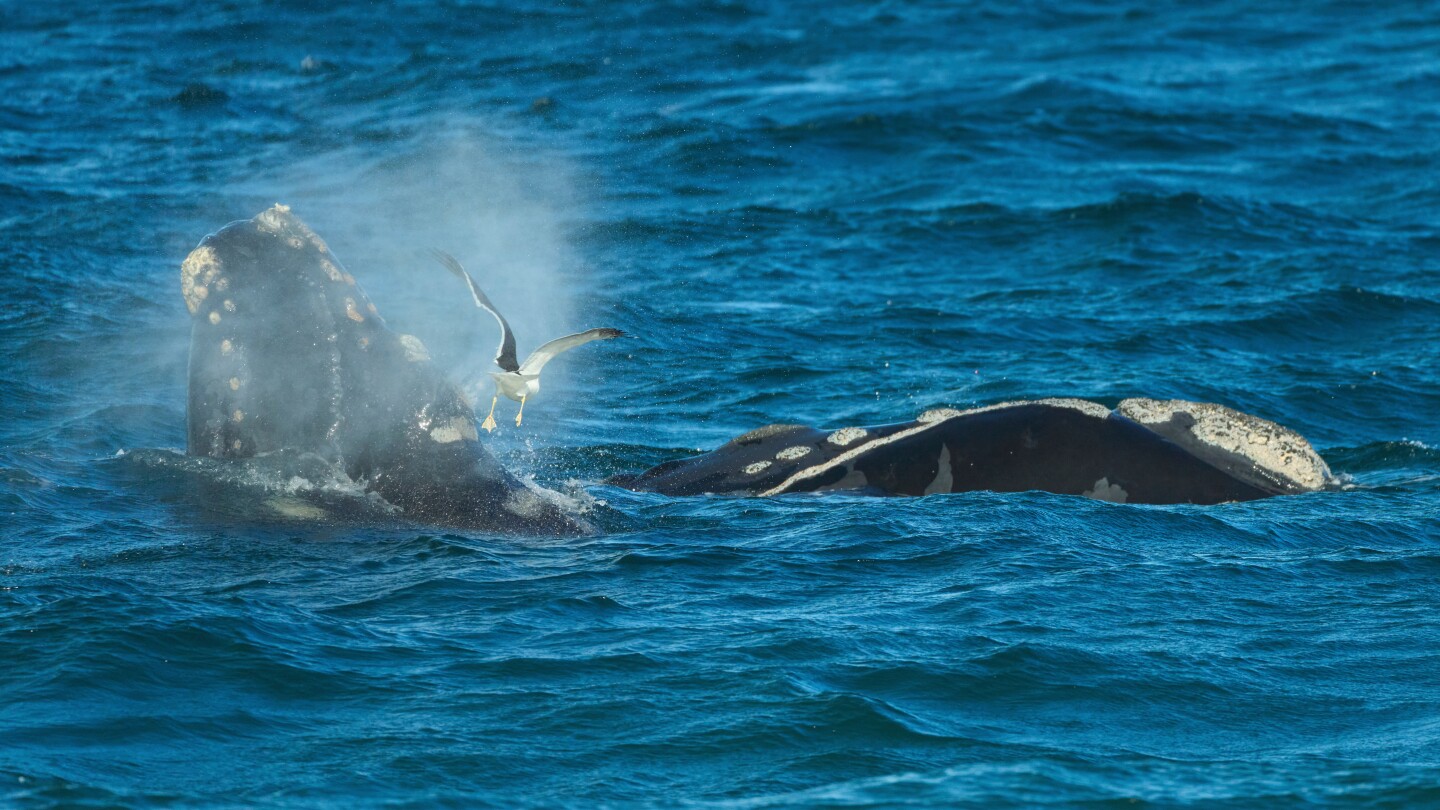
    PENÍNSULA VALDÉS, Argentina — Southern right whales, once teetering on the edge of extinction, are now flourishing in the waters off Argentina’s Patagonian coast, captivating tourists and conservationists alike. Peninsula Valdés, a globally significant marine mammal conservation site in the Chubut province, serves as a critical breeding ground for these majestic creatures, alongside elephant seals and sea lions. This year, the region has witnessed an unprecedented surge in whale sightings, with over 2,000 individuals spotted during the peak whale-watching season from August to September. The actual number is believed to be even higher, according to scientists. The Southern right whale population, which plummeted to around 600 due to rampant hunting in the last century, has now rebounded to approximately 4,700 in the Peninsula Valdés area. Tourists like Tino Ventz, a German visitor, have described the experience as unparalleled. “I’ve seen whales in Canada and California, but this was the best and probably the largest number of whales I’ve ever seen,” Ventz remarked. The whales’ acrobatic displays, particularly breaching, have left an indelible mark on observers. Some tourists prefer to watch from the shore, such as at El Doradillo Park in Puerto Madryn, where whales often linger close to the coast with their calves. Biologist Santiago Fernández, part of a long-term research project, noted that the whale population has been growing at an annual rate of 3% since 1999. However, this expansion brings new challenges, as whales increasingly encounter human-related hazards like fishing nets and boat propellers. Ongoing research, including the “Following Whales” project, aims to better understand their migration patterns and mitigate these risks.