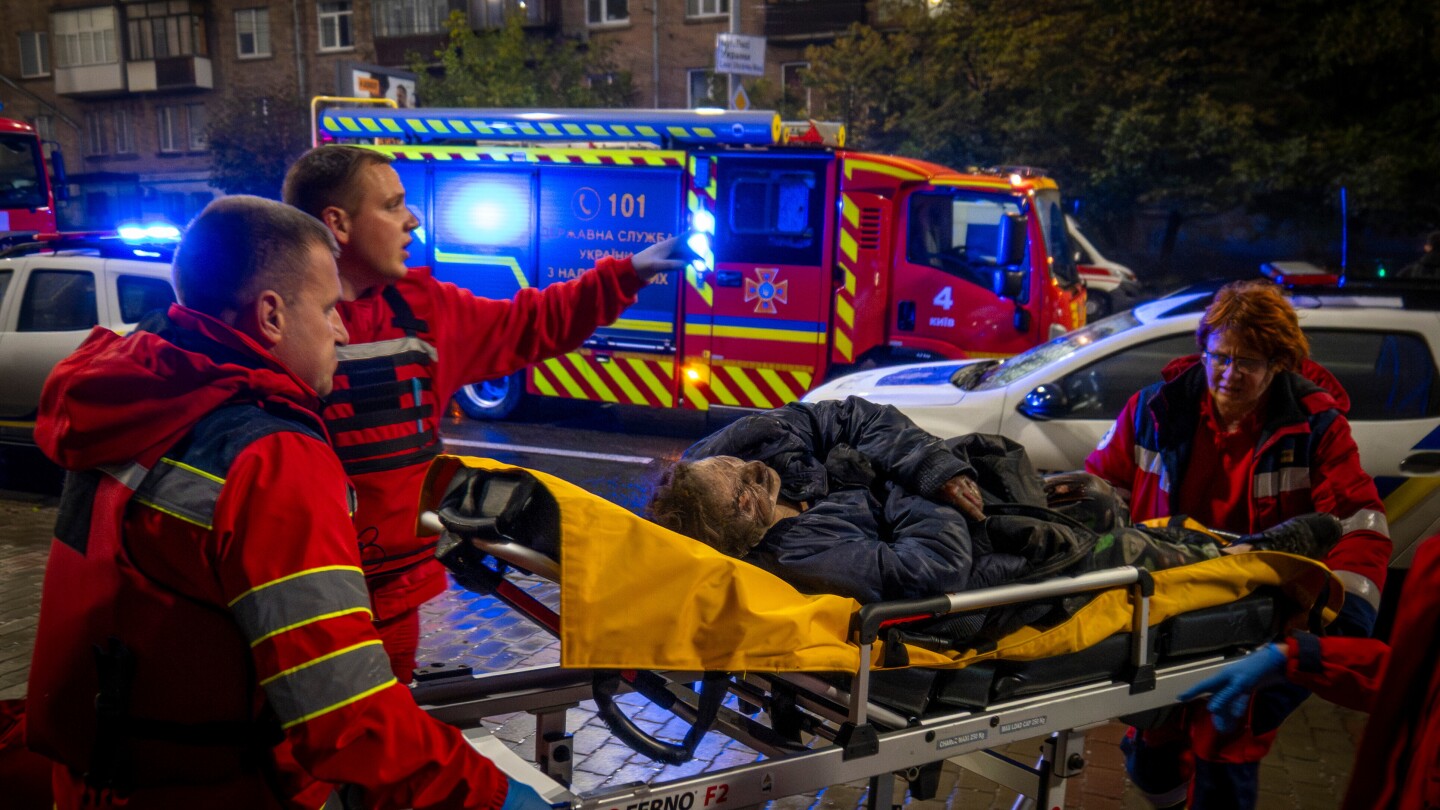
In a devastating escalation of hostilities, Russian drone and missile strikes early Friday inflicted significant damage across Ukraine, leaving at least 20 people wounded and causing widespread power outages. A child was tragically killed in separate attacks in the southeastern region, underscoring the grim toll of the ongoing conflict. In Kyiv, the Ukrainian capital, rescue teams worked tirelessly to evacuate over 20 individuals from a 17-story apartment building engulfed in flames, with five requiring hospitalization. Ukrainian President Volodymyr Zelenskyy condemned the attacks, accusing Moscow of targeting civilian infrastructure in retaliation for its battlefield setbacks. ‘They can show nothing on the battlefield. All they can do is attack our power sector and our cities,’ Zelenskyy stated. The strikes, described by Prime Minister Yuliia Svyrydenko as ‘one of the largest concentrated strikes’ against Ukraine’s energy infrastructure, disrupted power in Kyiv and multiple regions, including Sumy, Kharkiv, and Zaporizhzhia. Russia’s Defense Ministry claimed the attacks targeted energy facilities supplying Ukraine’s military, utilizing Kinzhal hypersonic missiles and strike drones. Meanwhile, Ukraine’s air force reported intercepting or jamming 405 drones and 15 missiles out of a barrage of 465 drones and 32 missiles. The relentless assault on Ukraine’s power grid, a recurring tactic by Russia ahead of winter, aims to undermine public morale. Zelenskyy, buoyed by recent diplomatic progress in the Middle East, called for enhanced international support, including advanced weaponry, to bolster Ukraine’s defenses and counter Russian aggression.
分类: world
-
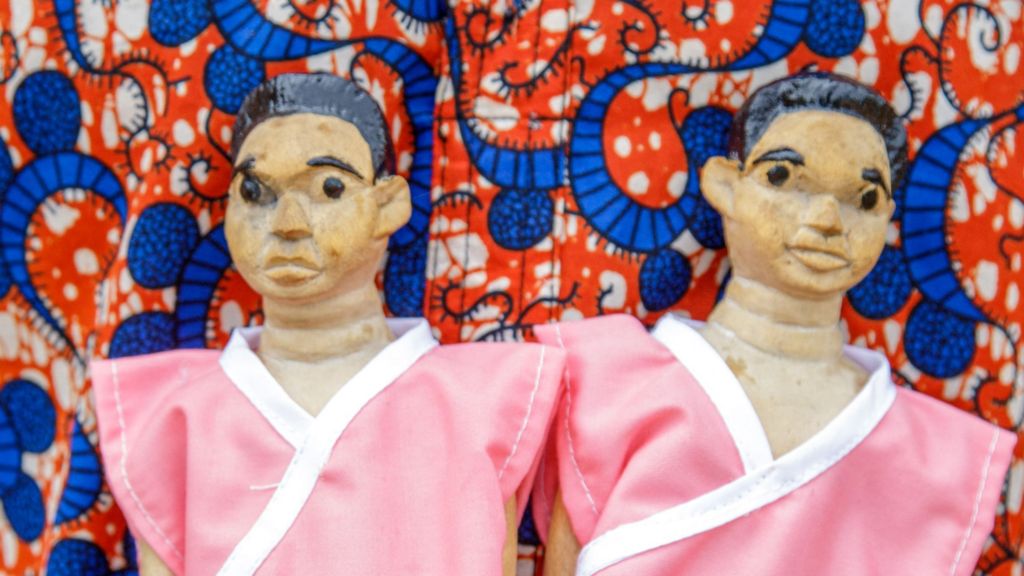
Deity dolls and people power: Africa’s top shots
This week’s collection of photographs from across Africa and beyond offers a vivid tapestry of cultural celebrations, social movements, and everyday life. In Benin, the Twins Festival in Ouidah saw believers bringing dolls of deities associated with twins, known as hoxo, to honor the occasion. Meanwhile, in Senegal, children diligently cleaned classrooms in a Dakar suburb, preparing for the new school year. Ethiopia’s Oromo community celebrated Ireecha, a thanksgiving festival, in Addis Ababa, showcasing their rich traditions. In Kenya, Dogtoberfest brought together dog owners and their furry companions for a day of festivities in Nairobi. South African choreographer Mthuthuzeli November, who began ballet at 15, was photographed at France’s Opera Bastille, highlighting his remarkable journey. Mali’s Mariam Doumbia, mourning the loss of her husband and musical partner Amadou Bagayoko, participated in a photoshoot in France. In Libya, women adorned their finest attire for the opening of a new sports club in Benghazi. Egypt’s el-Shorouk mosque provided a stunning backdrop for a full moon, while men in eastern Egypt engaged in a traditional horseback game called al-Marmah. However, not all scenes were celebratory; in northern Egypt, children climbed the remains of their flood-damaged homes, a stark reminder of the challenges faced by residents in the Nile delta. Cameroon’s national football team’s victory was celebrated with patriotic fervor in Yaoundé, while Madagascar’s Gen Z Mada protest movement, symbolized by the One Piece anime logo, continued to demand the president’s resignation. Similar discontent was evident in Morocco, where the Gen Z 212 movement gained momentum. Seychellois cast their votes in a crucial presidential run-off, and Tunisia’s capital hosted an annual handicrafts fair, showcasing the skills of local artisans. In South Africa, canoeists enjoyed the serene waters of Johannesburg’s Emmarentia Dam at sunrise. These images, captured by talented photographers, provide a window into the diverse and dynamic realities of life across the African continent.
-
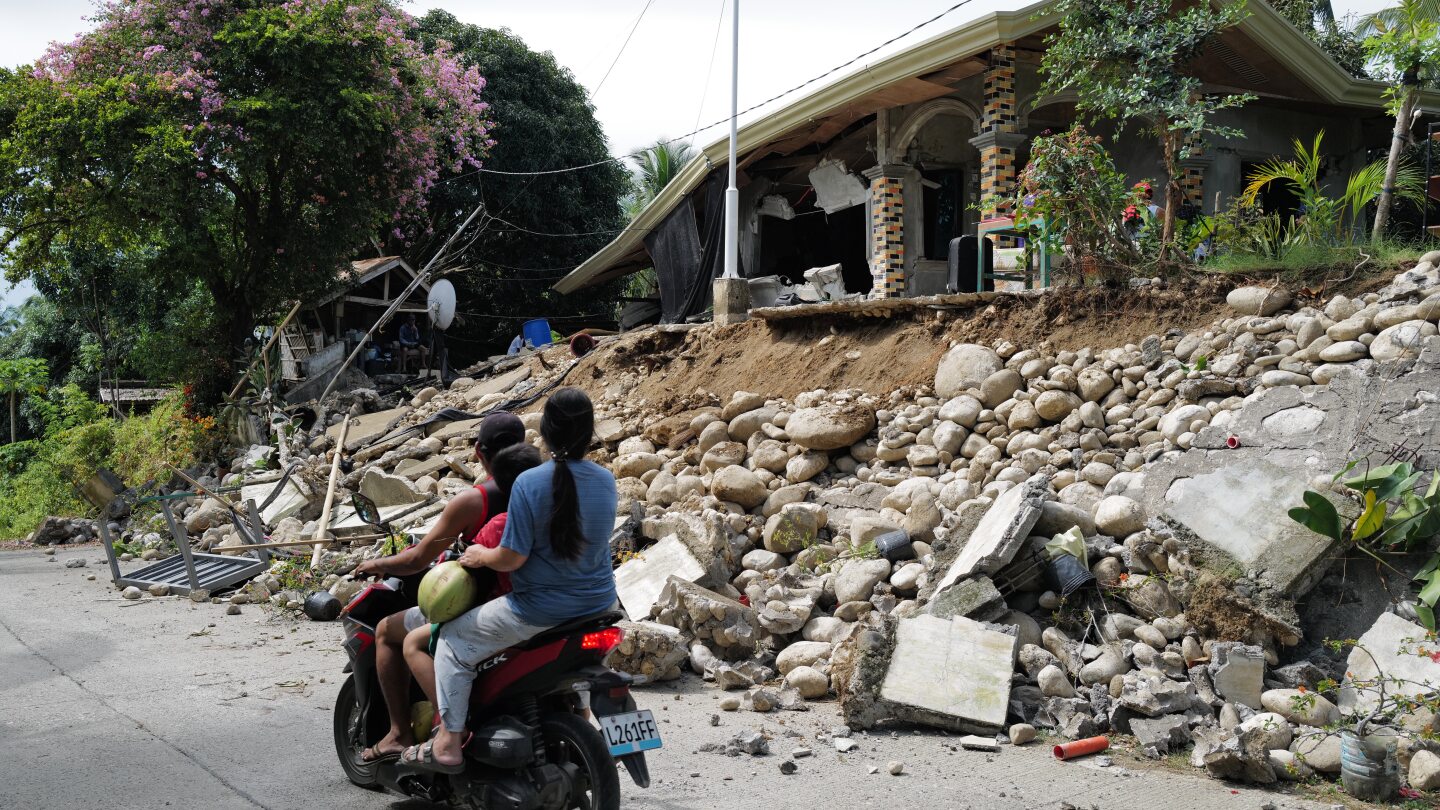
Two powerful quakes strike off southern Philippines, killing at least 7 people
The southern Philippines was struck by two powerful offshore earthquakes on Friday, causing significant damage, casualties, and widespread panic. The first earthquake, measuring 7.4 in magnitude, occurred in the Philippine Trench, 43 kilometers east of Manay town in Davao Oriental province. It resulted in at least seven fatalities, including two hospital patients who succumbed to heart attacks and a resident killed by debris in Mati city. The quake also triggered landslides in a remote gold-mining village in Pantukan town, where three villagers died and several others were injured. Hundreds of residents in Davao city sustained injuries, and buildings, including an international airport, suffered structural damage. Hours later, a second earthquake with a preliminary magnitude of 6.8 struck the same region, raising fears of further structural collapse. Both quakes prompted tsunami warnings, leading to evacuations in coastal areas. Small tsunami waves were detected in the Philippines and Indonesia, but the threat subsided without major incidents. President Ferdinand Marcos Jr. has mobilized rescue and relief efforts as the nation grapples with the aftermath of these disasters, compounded by recent storms and a deadly earthquake in September.
-

Oman: 8 killed, 2 injured in major traffic accident
A devastating traffic accident in Oman’s Wilayat of Duqm has resulted in the deaths of eight individuals and left two others injured, according to a statement released by Oman’s Ministry of Health on Thursday. The collision involved two vehicles, marking one of the most severe road incidents in the region this year. In a related development, Oman Police announced the arrest of an individual of Asian nationality for recording a video of the crash. Authorities stated that the video depicted the bodies of the victims, prompting legal action against the individual. The incident has sparked discussions about road safety and the ethical implications of recording such tragic events. The police have not disclosed further details about the accident’s cause or the identities of those involved, but investigations are ongoing.
-
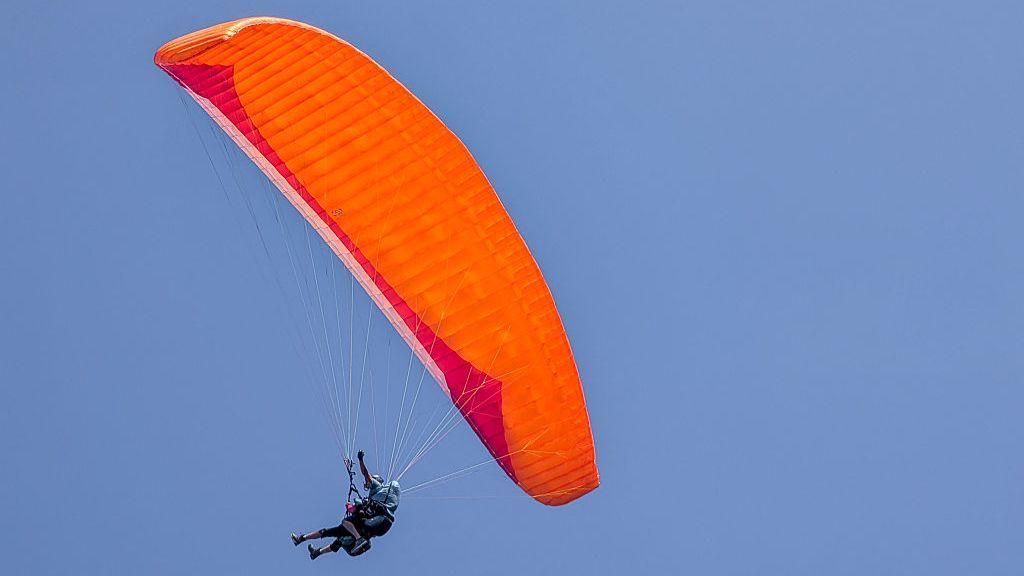
Paragliders: The army’s lethal new weapon in Myanmar’s civil war
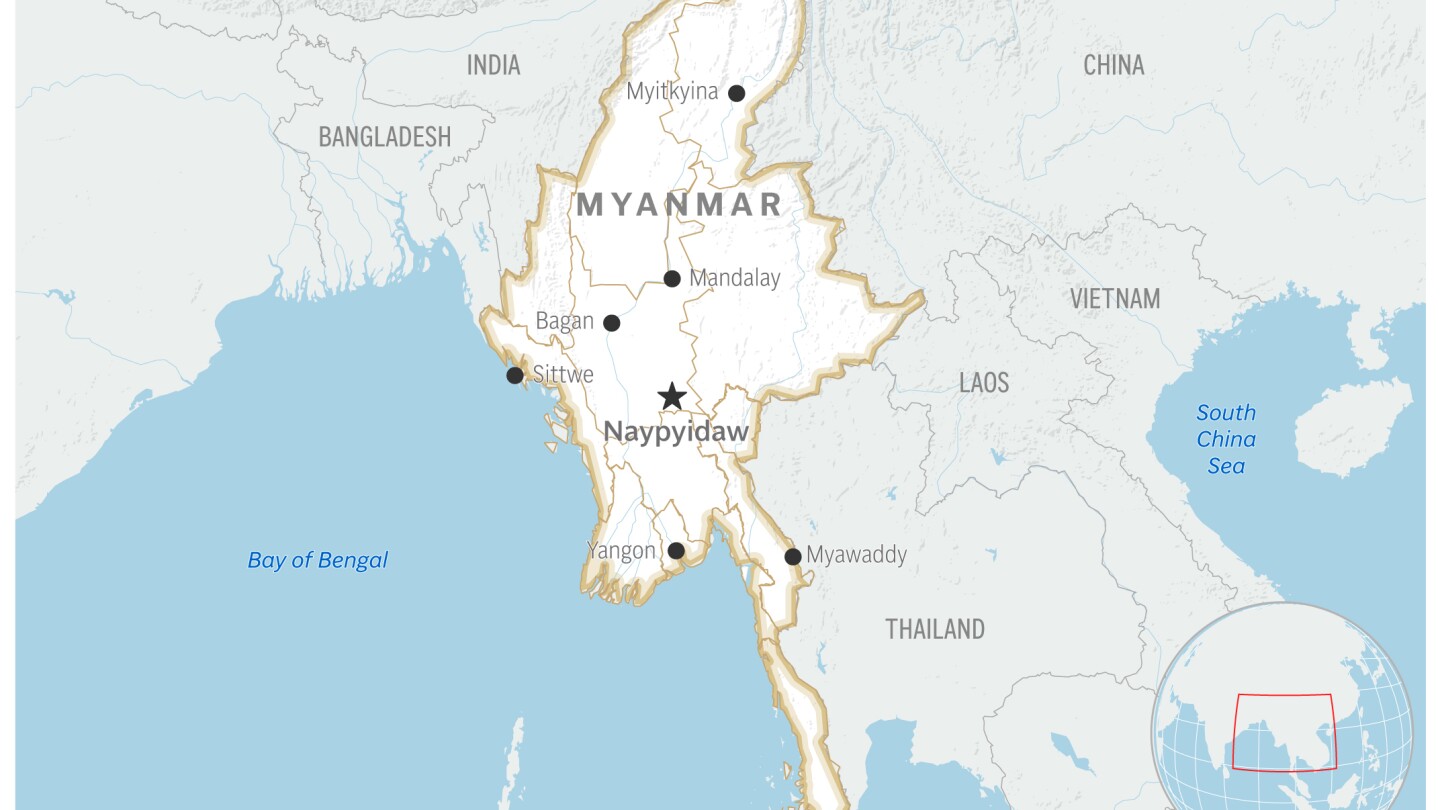
In a chilling escalation of Myanmar’s ongoing civil war, paramotor attacks have surged in recent months, transforming these low-tech aerial devices into instruments of terror. The latest incident occurred during a Thadingyut festival in Chang U township, Sagaing region, where nearly 100 people had gathered to celebrate the full moon and protest against the military junta. The festive atmosphere turned to horror as a paramotor—a motorized paraglider—dropped bombs on the crowd, killing at least 26 people and injuring dozens more. Witnesses described the attack as ‘mass murder,’ with one survivor recounting the trauma of believing his lower body had been severed. This attack is part of a broader pattern of paramotor strikes that have become a grim hallmark of Myanmar’s conflict. These devices, which can carry up to 160kg of payload, including 120mm bombs, are cheap, easy to operate, and require minimal pilot training. Their low-altitude flight capability allows them to strike with precision, often under the cover of darkness. Military sources reveal that paramotors are produced at Myanmar’s state-owned Heavy Industry Number 10, making them a cost-effective alternative to conventional aircraft. However, their slow speed, vulnerability to ground fire, and inability to operate in severe weather limit their effectiveness. Despite these drawbacks, their use reflects the junta’s strategy of low-cost aerial dominance amid resource constraints. The conflict, which began with a military coup in 2021, has displaced millions and claimed thousands of lives. China’s increasing support for the junta, including arms sales and drone technology, has further complicated the situation. As paramotor attacks target civilian gatherings, the humanitarian crisis deepens, leaving residents with few defenses beyond makeshift bunkers. This new wave of terror underscores the evolving nature of warfare in Myanmar, where innovation meets brutality.
-
Myanmar’s military acknowledges attacking festival, accuses resistance forces of using human shields
Myanmar’s military government has acknowledged carrying out an attack on a religious festival in the Sagaing region, which witnesses claim resulted in the deaths of approximately two dozen people, including children. The attack, which occurred on Monday night, involved bombs dropped by motorized paragliders on a primary school compound in the village of Bon To. The military’s information office issued a statement blaming resistance forces for the casualties, accusing them of using civilians as human shields in their anti-government campaigns. However, neither the government nor its opponents reported any armed combat near the bombing site. The United Nations condemned the attack, with a spokesperson for Secretary-General António Guterres stating that the indiscriminate use of airborne munitions is unacceptable. Witnesses reported that the paragliders conducted two sorties, each dropping two bombs believed to be 120 mm mortar rounds. Initial casualty reports varied, but a local resistance group member estimated 24 deaths and 50 injuries. The attack took place during a traditional oil lamp prayer ceremony marking the end of Buddhist Lent, where attendees also called for the release of political prisoners and protested the military’s planned December election, which critics deem neither free nor fair. The Sagaing region has been a stronghold of armed resistance since the military seized power in February 2021. The military’s statement accused the resistance of forcing civilians to protest, a claim rejected by attendees who stated participation was voluntary. In a separate development, Malaysian Foreign Minister Mohamad Hasan met with Myanmar’s military chief, Senior Gen. Min Aung Hlaing, to discuss the upcoming election, humanitarian aid, and peace efforts.
-
‘Business is at a standstill’ – Mali jihadists’ fuel blockade hits the capital
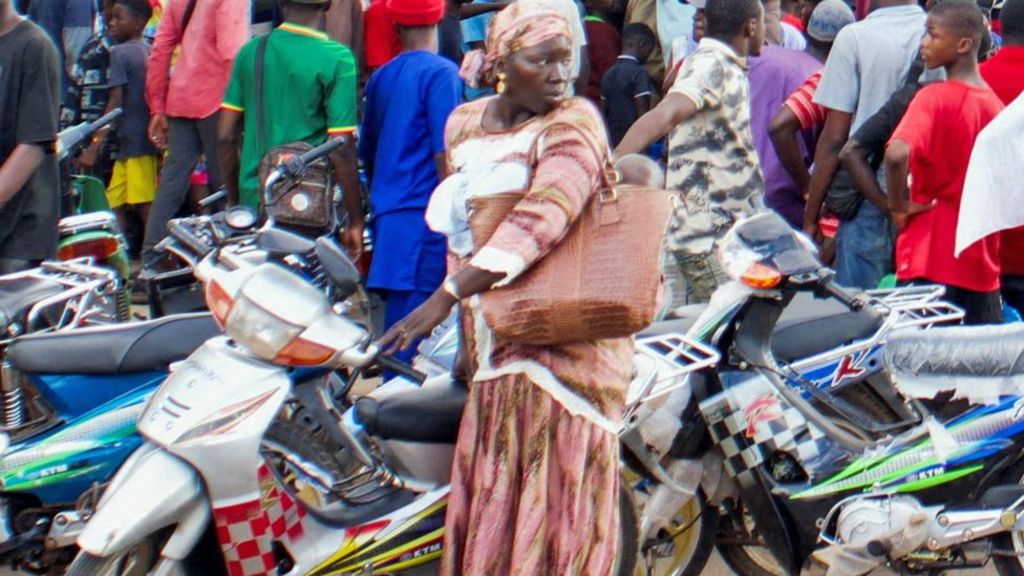
Mali is grappling with a severe fuel crisis following a blockade imposed by an al-Qaeda-linked militant group, Jama’at Nusrat al-Islam wal-Muslimin (JNIM). The militants have targeted fuel tankers on major highways, disrupting supplies and causing long queues at petrol stations in the capital, Bamako. The blockade has paralyzed businesses, with motorbike taxi drivers and vendors expressing frustration over the standstill in their operations. Despite the arrival of over 300 petrol tankers from Ivory Coast under military escort, fears persist that the new stock will quickly deplete, exacerbating the situation. Fuel prices have surged by more than 200% in some areas, prompting complaints from residents. The crisis has also led to power cuts, with electricity supply reduced to just six hours a day in certain regions. The Malian government has assured citizens that the issue is temporary and has implemented measures to enforce state-capped fuel prices. Meanwhile, reports suggest that Malian officials are engaging in discreet negotiations with the militants to lift the blockade, which includes demands such as the release of captured fighters and the relaxation of fuel restrictions. The blockade highlights the expanding influence of JNIM, which has made much of northern and eastern Mali ungovernable. The situation underscores the broader challenges faced by Mali, including a persistent jihadist insurgency and strained international relations following the withdrawal of UN and French forces and the hiring of Russian mercenaries by the military government.
-
Thirteen killed as hospital shelled in besieged Sudan city, BBC told
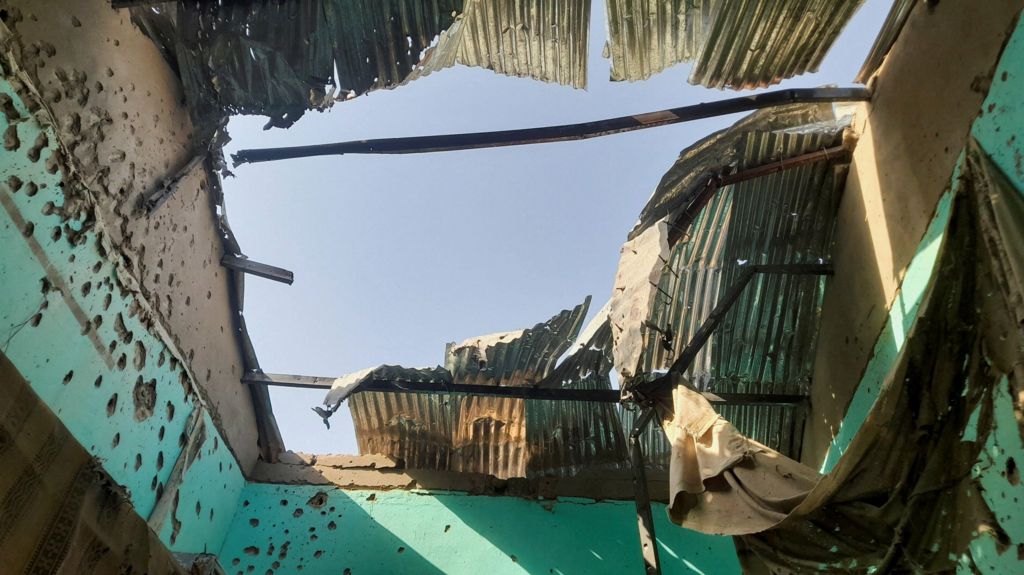
In a devastating escalation of violence in Sudan’s besieged city of el-Fasher, at least 13 people were killed and 16 others injured, including medical personnel, after the paramilitary Rapid Support Forces (RSF) repeatedly shelled the Saudi Hospital on Tuesday night. The attack, described by Sudanese medics as a war crime, left the hospital in ruins, with shattered windows, shrapnel damage, and a gaping hole in its mud-brick walls. This marks the second assault on the facility this year, following a January strike that claimed the lives of three children. The RSF has besieged el-Fasher for over 17 months, trapping hundreds of thousands of civilians in dire conditions, with aid convoys blocked and most health facilities forced to shut. The city, the last military stronghold in the Darfur region, is now on the brink of collapse as the RSF intensifies its assault. The ongoing civil war, now in its third year, has plunged Sudan into the world’s worst humanitarian crisis, with tens of thousands dead and millions displaced. UN High Commissioner for Human Rights Volker Türk has warned of an impending catastrophe unless urgent measures are taken to protect civilians and alleviate the siege.
-

Bella Culley case delay to ‘finalise plea bargain’
The legal proceedings against Bella Culley, a 19-year-old British woman who is six months pregnant, have been postponed to facilitate further discussions on a potential plea deal. Culley, from Billingham, Teesside, faces severe charges of drug smuggling in Georgia, which could result in a prison sentence of up to 15 years or life imprisonment if convicted. Her case was heard at Tbilisi City Court, where her defense attorney, Malkhaz Salakaia, indicated plans to seek a presidential pardon once the plea agreement is finalized. Judge Giorgi Gulashvili noted that both the prosecution and defense teams require additional time to determine the financial terms necessary for Culley’s release. Her family has reportedly raised a significant sum to reduce her potential jail time. The hearing was attended by Culley’s mother and grandmother, who have been actively involved in her defense. The case has been adjourned until October 28. Culley was initially reported missing in Thailand before being arrested at Tbilisi International Airport on May 10. Georgian authorities confiscated narcotics from her travel bag, including 12kg of marijuana and 2kg of hashish. During a July hearing, Culley pleaded not guilty, claiming she was coerced into the act under duress. She emphasized her innocence, stating, ‘I just wanted to travel. I am a good person. I am a student at university. I am a clean person. I don’t do drugs.’ The case has drawn significant attention, with updates available on BBC Tees’ social media platforms.
-
Have Russians set up a military base in my childhood home?
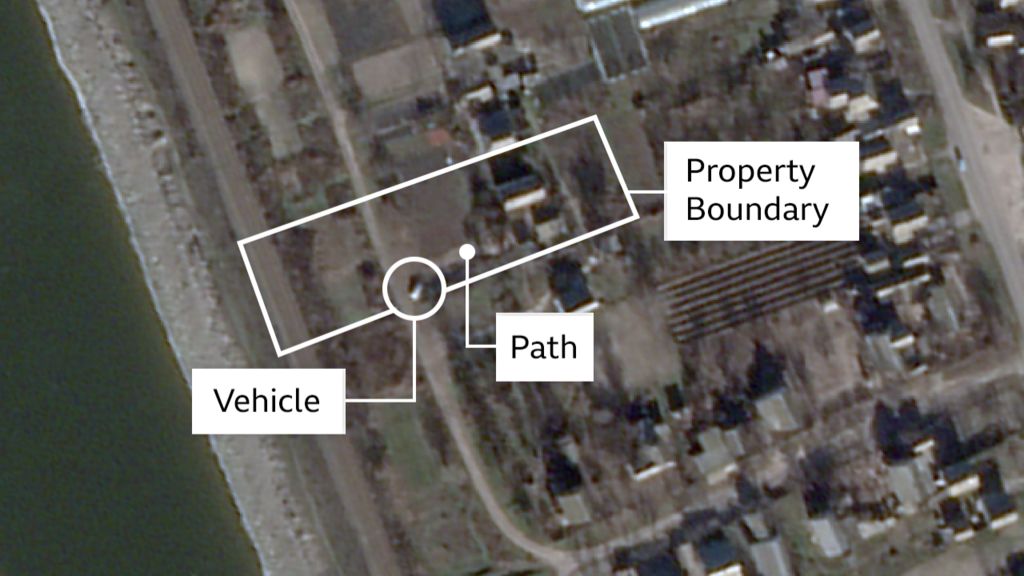
In a poignant reflection on the ongoing conflict in Ukraine, satellite imagery has unveiled the stark transformation of Verkhnya Krynytsya, a small village in the Zaporizhzhia region. Once a serene and idyllic locale, the village now bears the scars of Russian occupation, with evidence suggesting that Russian soldiers have taken over abandoned homes, including that of BBC reporter Vitaly Shevchenko. The images, analyzed by BBC Verify, show a newly formed path leading to Shevchenko’s childhood home, first appearing in June 2022 and becoming more pronounced by January 2023. This path, used periodically, aligns with the movement patterns of Russian military personnel, who have reportedly occupied vacant properties in the area. The village, once a peaceful retreat near the Kakhovka reservoir, has been irrevocably altered by the war. The destruction of the Kakhovka dam in June 2023 further devastated the region, flooding homes and farmland. Locals, fearful of retribution, have largely fled or remain silent, leaving the village a ghostly shadow of its former self. The Ukrainian 128th Detached Heavy Mechanised Brigade confirmed the likelihood of Russian troops occupying the area, highlighting the grim reality of life on the front lines. As the war continues, Verkhnya Krynytsya stands as a microcosm of the broader devastation wrought by Russia’s invasion.