分类: world

  • Saudi Arabia bans poultry, eggs from France, Poland over avian disease outbreaks

    Saudi Arabia bans poultry, eggs from France, Poland over avian disease outbreaks

    Saudi Arabia’s Food and Drug Authority (SFDA) has implemented an immediate temporary prohibition on poultry and table egg imports originating from France and Poland. This decisive action comes in response to confirmed outbreaks of highly pathogenic avian influenza (HPAI) and Newcastle disease (ND) within both European nations. The ban follows official advisories issued by the World Organization for Animal Health (OIE) regarding the escalating health crisis affecting poultry populations.

    The regulatory measure includes specific exemptions for products that have undergone sufficient heat treatment to eliminate pathogenic viruses, provided they meet established health standards. All permitted imports must be accompanied by official health certification from competent authorities in the exporting countries confirming either virus-free status or successful viral eradication.

    Current epidemiological data reveals concerning patterns of HPAI H5N1 transmission across European regions, with France and Poland experiencing particularly severe outbreaks in both domestic poultry and wild bird populations. The European Food Safety Authority (EFSA) has documented 2,896 H5 virus detections across 29 European countries between September and November, primarily affecting wild birds (2,454 cases) with 442 outbreaks in poultry facilities.

    The global H5N1 outbreak, ongoing since 2021, has now expanded to affect over 50 mammalian species, presenting unprecedented challenges for containment strategies. While human infections remain relatively uncommon with 19 confirmed cases across four nations resulting in two fatalities, health authorities maintain vigilant surveillance for potential viral mutations that could enable human-to-human transmission.

    Migratory bird patterns have contributed to an earlier-than-typical outbreak season this year, with significant wild bird mortality observed along migration routes through Germany, France, and Spain. Despite reduced mammalian infections compared to 2022-2023 levels, the persistent circulation of avian influenza viruses continues to threaten global food security and agricultural stability.
  • Pope indicates new governing style for Catholic Church with regular, annual cardinal meetings

    Pope indicates new governing style for Catholic Church with regular, annual cardinal meetings

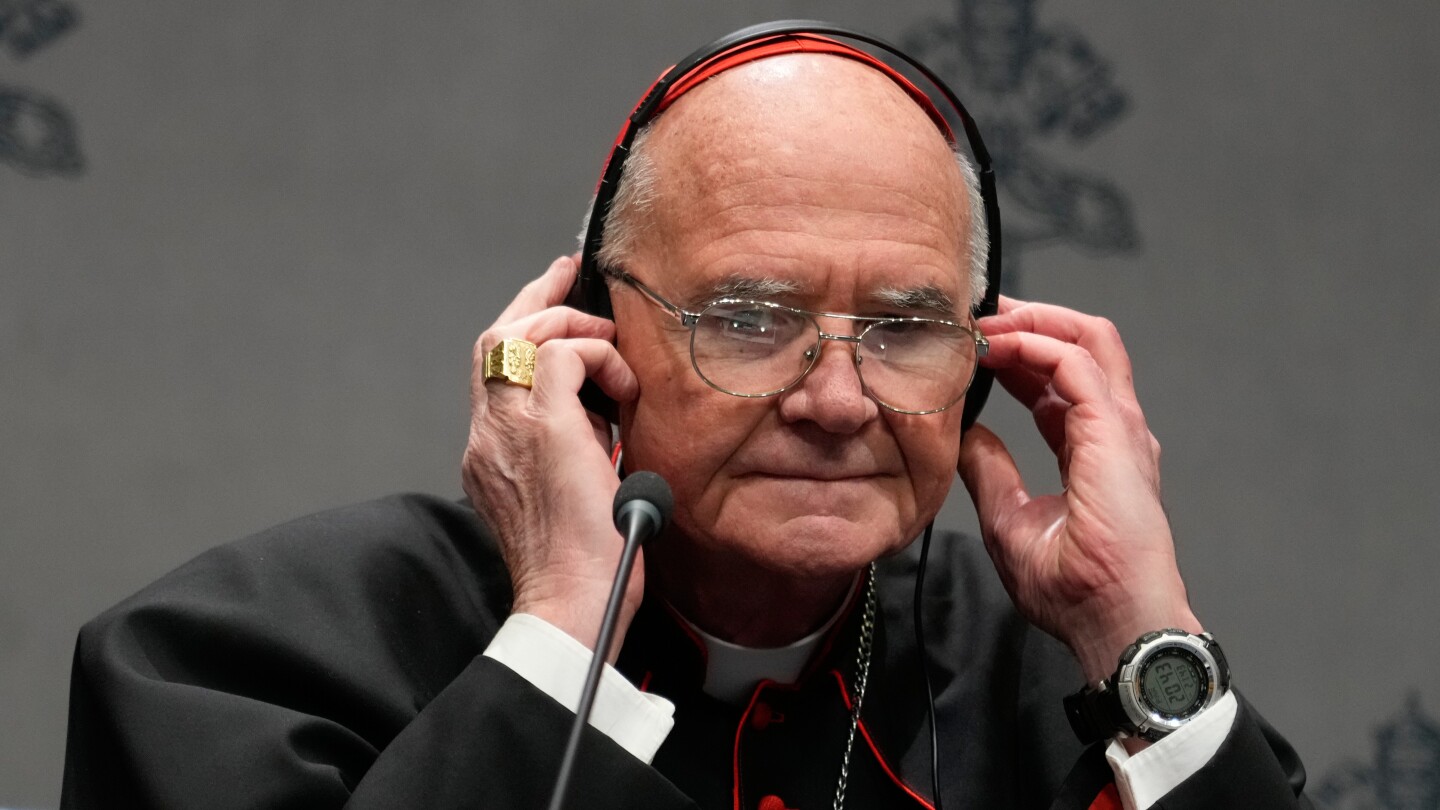
    In a significant departure from his predecessor’s governing approach, Pope Leo XIV has announced the establishment of annual gatherings for the College of Cardinals, signaling a new era of collaborative leadership within the Catholic Church. The announcement came Thursday at the conclusion of the pontiff’s first consistory—a meeting that cardinals from across the globe described as a constructive step toward greater collegiality.

    Vatican spokesman Matteo Bruni confirmed that Pope Leo has requested all cardinals to return to Rome for a second session scheduled for June 27-28, with plans to continue these meetings annually for three to four days each year. This structural shift represents a dramatic change from Pope Francis’ preference for relying on a hand-picked group of nine cardinals who met periodically to provide counsel.

    The move directly addresses concerns raised during the May conclave that elected Leo, where numerous cardinals had expressed frustration with what they perceived as Francis’ solitary leadership style. Many had advocated for regular consistories that would allow the collective body of cardinals to advise the pope on critical issues facing the global church.

    Cardinal Stephen Brislin of Johannesburg, South Africa, characterized the development as evidence that “the pope wants to be collegial and he wants to draw on the experience and the knowledge of different cardinals coming from all the different parts of the world.” He emphasized the value of diverse geographical perspectives in helping “the successor of Peter give leadership to the church.”

    Beyond governance implications, the regular meetings will address practical concerns about familiarity among the cardinals themselves. During pre-conclave discussions, many had noted the challenge of electing a pope when some cardinals from remote regions had never met their counterparts.

    Cardinal Cristóbal López Romero of Rabat, Morocco, described the initial gathering as “very fruitful because it allowed us to know one another better, to be in contact with the pope and take the pulse of how things are going.”

    The consistory also provided cardinals with their first extended opportunity to observe the leadership style of history’s first U.S. pope, whom many still consider somewhat enigmatic due to his reserved demeanor and preference for listening rather than speaking. Cardinal Pablo Virgilio David of the Philippines noted that Leo took “copious notes” during discussions, suggesting serious consideration of the cardinals’ input.

    Cardinal Jean-Paul Vesco of Algiers observed that beyond the substantive discussions, the gathering fostered an atmosphere of mutual respect and brotherhood, noting that cardinals felt both valued by and supportive of the new pontiff.

  • Huge anti-government protests in Tehran and other Iranian cities, videos show

    Huge anti-government protests in Tehran and other Iranian cities, videos show

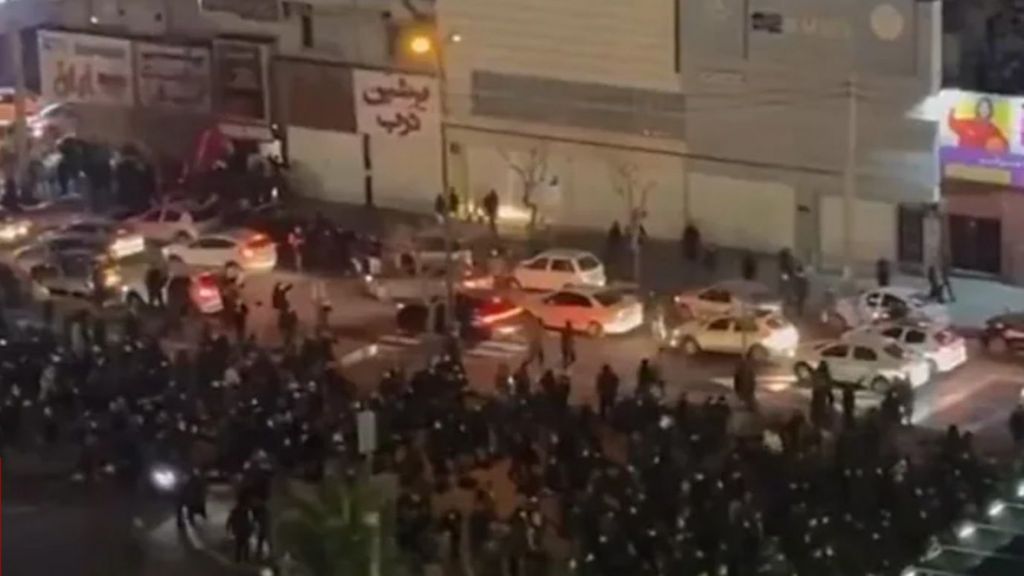
    Tehran has become the epicenter of escalating civil unrest as Iran enters its twelfth consecutive day of widespread demonstrations. Verified footage from multiple sources reveals substantial crowds marching through the capital and other urban centers, marking the most significant challenge to Iran’s clerical leadership in recent years.

    The protests originated on December 28th when merchants took to Tehran’s streets to voice frustration over the Iranian rial’s catastrophic devaluation. The currency has plummeted to unprecedented lows against the US dollar, with parallel inflation rates surging to approximately 40%. This economic collapse stems from international sanctions targeting Iran’s nuclear program, compounded by systemic government mismanagement and corruption.

    What began as economic demonstrations has rapidly evolved into broader political dissent. University students have joined the movement, with protests now confirmed across 140 municipalities spanning all 31 Iranian provinces. In Mashhad, Iran’s second-largest city, protesters openly demanded the removal of Supreme Leader Ayatollah Ali Khamenei and advocated for the return of Reza Pahlavi, exiled son of the former Shah.

    The human cost continues to mount amid conflicting casualty reports. The US-based Human Rights Activist News Agency documents at least 34 protester fatalities and seven security personnel deaths, alongside 2,270 arrests. Norway-based Iran Human Rights presents higher figures, claiming at least 45 protesters including eight children have been killed by security forces. BBC Persian has independently verified 21 fatalities, while Iranian authorities acknowledge five security personnel deaths.

    Notably, security forces have permitted some peaceful rallies to continue without intervention, though Wednesday witnessed violent clashes in multiple urban centers. The persistence of demonstrations across nearly two weeks suggests deepening societal fractures and represents the most sustained challenge to Iran’s establishment in years.

  • Weekly quiz: Which sport helped Timothée Chalamet win a Best Actor award?

    Weekly quiz: Which sport helped Timothée Chalamet win a Best Actor award?

    The past week witnessed significant developments across global affairs, commerce, and social discourse, capturing international attention. In a dramatic escalation of tensions, United States authorities conducted a surprise operation resulting in the apprehension of Venezuelan President Nicolás Maduro at his private residence. This bold maneuver represents a substantial intensification of Western pressure on the South American nation’s leadership.

    Concurrently in the retail sector, Claire’s Stores Inc., the ubiquitous accessories retailer found in shopping centers worldwide, confronted mounting financial instability. The company grappled with severe liquidity challenges that threatened its operational continuity, signaling deeper troubles within the traditional brick-and-mortar retail industry.

    In the cultural sphere, actress and public figure Ashley Tisdale leveraged her platform to address concerning social dynamics, speaking out against perceived toxicity within certain parenting communities. Her critique highlighted the psychological pressures and judgmental environments that some maternal support groups foster, bringing attention to modern parenting challenges in the digital age.

    These disparate yet significant events collectively painted a picture of a week characterized by geopolitical boldness, economic vulnerability, and social consciousness, demonstrating the interconnected nature of global developments across political, economic, and societal domains.

  • New clashes in Iran as opposition urges more protests

    New clashes in Iran as opposition urges more protests

    Iran entered its twelfth consecutive day of widespread civil unrest on Thursday as security forces deployed tear gas against demonstrators protesting the country’s severe economic deterioration. The protests, which originated in Tehran’s bazaar on December 28 following the rial’s collapse to unprecedented lows, have now expanded across all 31 provinces, presenting the most significant challenge to the clerical establishment in years.

    According to the HRANA monitoring group, demonstrations have been documented in 348 locations nationwide, with videos emerging showing protesters in Kuhchenar, Fars province, tearing down a statue of Qassem Soleimani, the Revolutionary Guards commander killed by a U.S. strike in 2020. The Norway-based Iran Human Rights organization reported security forces have employed live ammunition, tear gas, and physical violence against civilians, with at least 27 protesters confirmed dead, including five minors under age 18.

    The movement has gained momentum through calls from exiled opposition figures, particularly Reza Pahlavi, son of the deposed shah, who described Wednesday’s turnout as “unprecedented” and urged intensified demonstrations. Pahlavi warned via social media that authorities were attempting to disrupt internet connectivity to suppress organizing efforts.

    Judicial authorities have taken a hardline stance, labeling participants as “rioters” and promising “no leniency” in prosecution. The tension escalated further Wednesday when an Iranian police officer was fatally stabbed near Tehran during unrest containment operations, as reported by Fars news agency.

    The protests occur against a backdrop of economic crisis exacerbated by years of international sanctions and recovery efforts following June’s conflict with Israel. Demonstrators have adopted increasingly bold slogans including “this is the final battle, Pahlavi will return” and direct calls for the overthrow of Supreme Leader Ayatollah Ali Khamenei.

  • Syria tells civilians to leave Aleppo’s Kurdish areas

    Syria tells civilians to leave Aleppo’s Kurdish areas

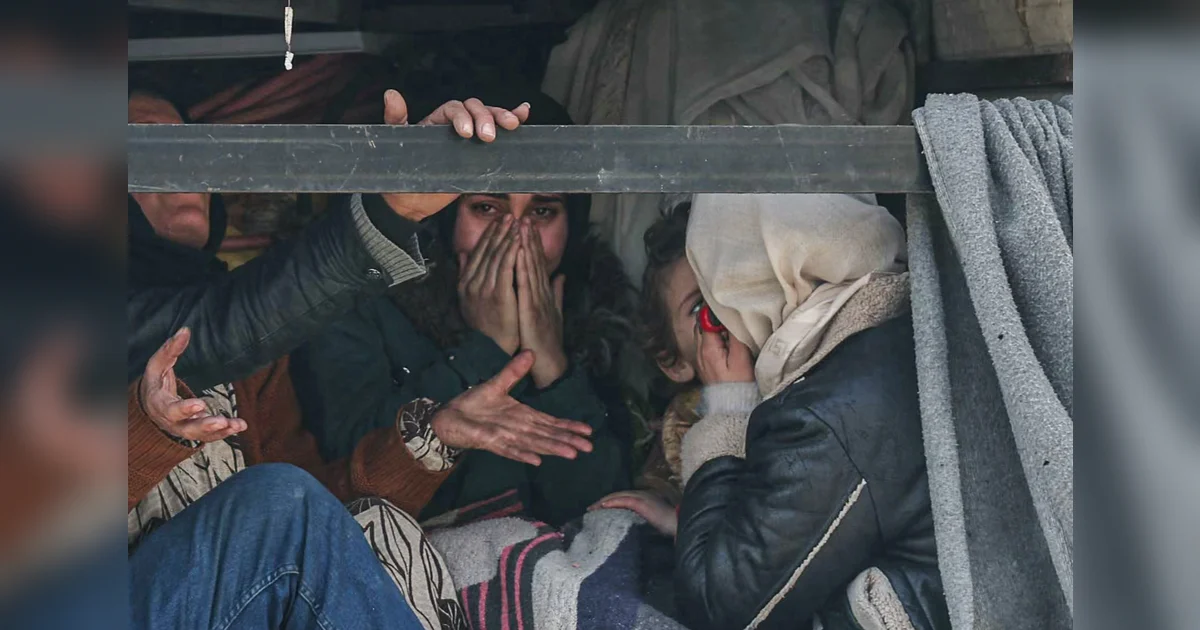
    The Syrian military has issued a formal evacuation order for civilians residing in the Kurdish-dominated neighborhoods of Sheikh Maqsud and Ashrafiyeh in Aleppo, signaling preparations for renewed offensive operations. This development follows two days of intense clashes that have resulted in at least 17 fatalities and triggered mass civilian displacements.

    The current violence represents a significant breakdown in the implementation of a March agreement designed to integrate the semi-autonomous Kurdish administration and military forces into Syria’s new Islamist government structure. The strategic city of Aleppo has effectively shut down, with educational institutions, commercial establishments, and public services remaining closed for consecutive days as security conditions deteriorate.

    Military authorities established evacuation corridors on Wednesday that enabled thousands of residents to flee before initiating artillery bombardments against Kurdish positions. A subsequent deadline was imposed on Thursday, with civilians given until 1:00 PM local time to depart before the army threatened to resume combat operations.

    A Syrian military official characterized the operation as “limited” in scope, describing its primary objective as pressuring Kurdish fighters to withdraw and enabling government forces to establish complete control over Aleppo. The situation has drawn international concern, with UN Secretary-General António Guterres urging restraint and calling for renewed negotiations to salvage the March integration agreement.

    The crisis has generated regional repercussions, with Turkey expressing willingness to support Syrian government operations against Kurdish forces if formally requested. Meanwhile, Israeli Foreign Minister Gideon Saar condemned the offensive as “serious and dangerous” targeting of ethnic minorities, drawing parallels to Israel’s previous intervention during violence involving Syria’s Druze community.

    In the northeastern Kurdish stronghold of Qamishli, hundreds of protesters demonstrated against the Aleppo offensive, carrying banners reading “no to war” and “no to ethnic cleansing” while appealing for international intervention to protect Kurdish communities.

  • Global mayors learn to carve ice in Harbin

    Global mayors learn to carve ice in Harbin

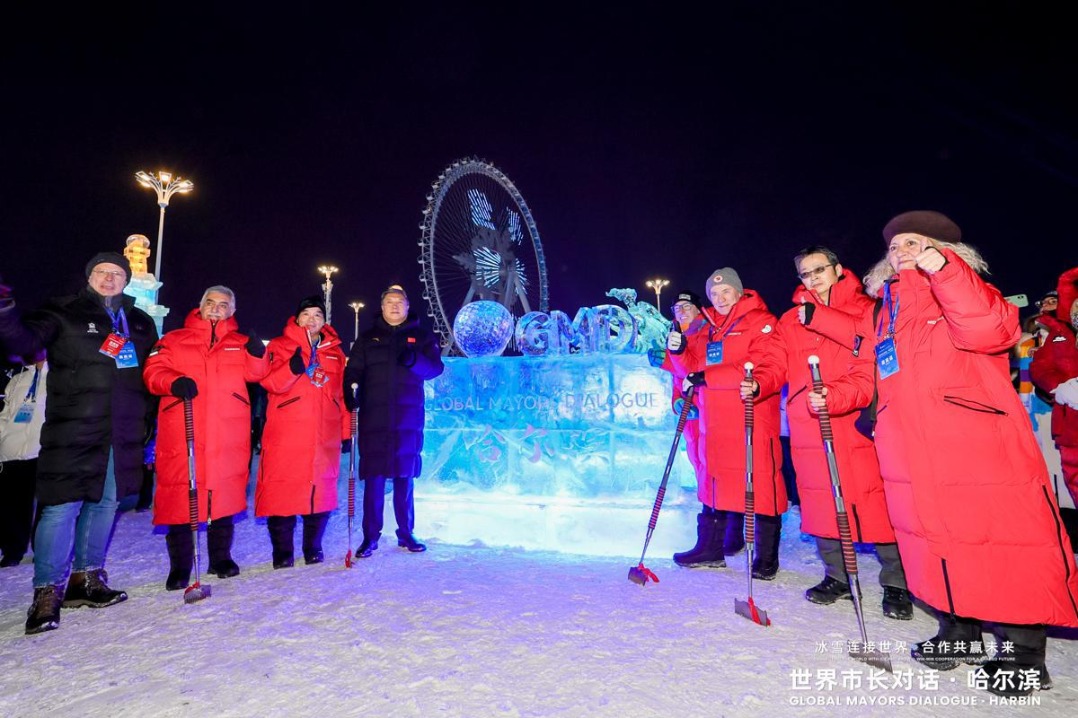
    HARBIN, CHINA – In an extraordinary cultural exchange, municipal leaders from across the globe gathered at Harbin’s renowned Ice and Snow World on Tuesday evening to participate in an immersive ice sculpture workshop. The event, part of the Global Mayors Dialogue initiative, transformed diplomatic representatives into temporary artisans as they carved the conference logo into blocks of ice using professional tools.

    The participating delegation included mayors, deputy mayors, and official representatives from Canada, Finland, Germany, Greece, South Korea, Thailand, Türkiye, and China. The specially designated ice sculpture zone provided these international visitors with a practical understanding of northeastern China’s winter cultural traditions.

    Against the backdrop of Harbin’s spectacular ice architecture, the leaders received hands-on instruction in ice carving techniques, wielding specialized shovels under the guidance of local masters. This interactive session offered more than mere observation – it created a profound connection to the region’s artistic heritage and the skilled craftspeople who maintain these frozen art forms.

    The initiative represents a significant step in cultural diplomacy, using Harbin’s subzero temperatures as an asset for international relationship building. Rather than conventional conference activities, the ice carving workshop provided a memorable, tactile experience that demonstrated China’s commitment to sharing its cultural wealth with global partners.

    This unconventional diplomatic engagement occurred as temperatures plunged in Heilongjiang province, where Harbin has established itself as a premier destination for winter tourism and cultural exchange. The event successfully blended political dialogue with cultural immersion, creating a unique platform for cross-cultural understanding through shared artistic experience.

  • Russian drone strikes cause major blackouts in two regions of Ukraine

    Russian drone strikes cause major blackouts in two regions of Ukraine

    In a severe escalation of attacks on civilian infrastructure, Russian drone strikes have triggered a massive power outage across southern Ukraine, leaving entire regions without electricity during winter conditions. Officials confirmed on Thursday that the Zaporizhzhia region experienced a complete blackout for four hours—the first total power loss since the invasion began—while over 600,000 households in Dnipropetrovsk remained without electricity into the afternoon.

    The systematic targeting of energy facilities represents Moscow’s continued strategy of ‘weaponizing winter’ against civilian populations, denying basic heating and utilities as temperatures drop. Ukrainian President Volodymyr Zelenskyy condemned the attacks as militarily unjustified, emphasizing their devastating humanitarian impact.

    These developments unfold against complex diplomatic maneuvers. Zelenskyy revealed that a security agreement with the United States stands ‘ready to be finalized,’ potentially to be signed alongside President Donald Trump. This agreement, designed to deter future Russian aggression, would only take effect following a peace settlement. Meanwhile, Ukraine has presented peace options to U.S. officials for potential discussion with Moscow, though Russia shows no public willingness to compromise.

    The human cost continues to mount beyond power outages. Russian ballistic missiles struck apartment buildings in Kryvyi Rih, injuring ten people with one in critical condition. Russia’s Defense Ministry meanwhile claimed to have intercepted 66 Ukrainian drones over various territories, including annexed Crimea and adjacent seas.

    Zelenskyy has urgently called for enhanced international pressure on Moscow and warned citizens of potential new massive attacks, urging vigilance toward air raid alerts in coming days.

  • US seizure of Maduro creates fear, uncertainty for residents of Caracas

    US seizure of Maduro creates fear, uncertainty for residents of Caracas

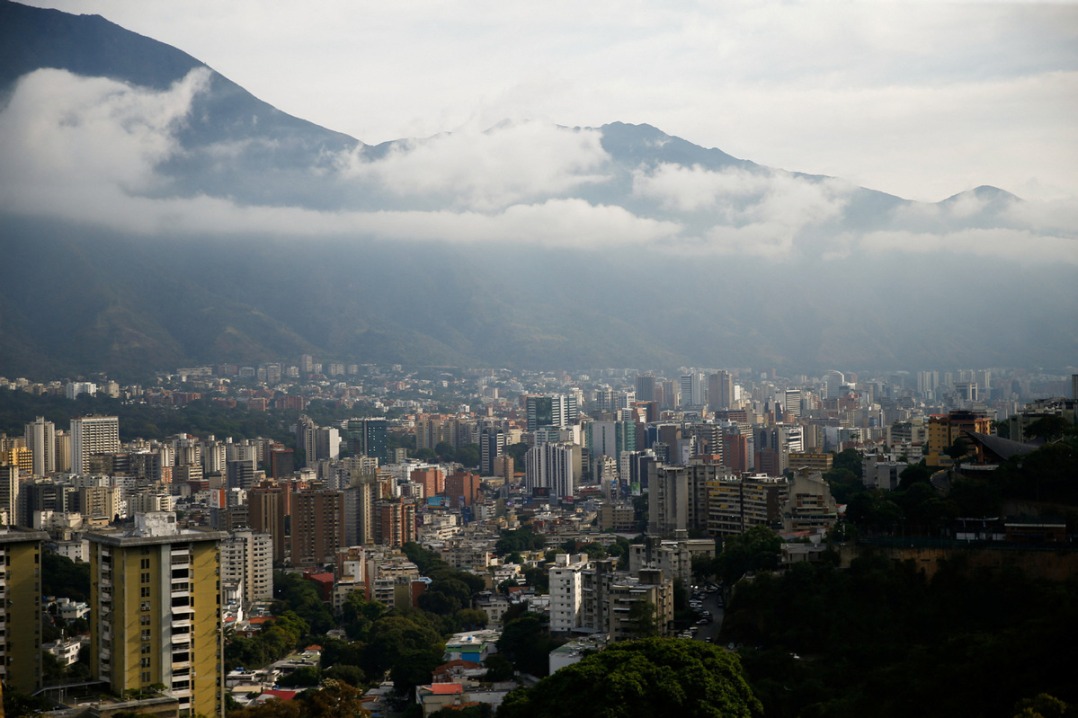
    A palpable sense of dread and confusion has engulfed Venezuela’s capital city following a dramatic nighttime military operation by United States forces that resulted in the capture of President Nicolas Maduro. The unprecedented intervention, which Caracas residents describe as a sovereign violation, has created an atmosphere of suspended normalcy throughout the city.

    Norell Ramirez, a local kiosk owner, revealed to China Daily that the initial shock of Saturday’s bombing raid kept most citizens awake through the night. ‘I maintained my shop closure until Sunday due to overwhelming fear—an emotion that persists today,’ Ramirez stated. ‘The uncertainty stems from not knowing what might happen next. They bombed in early morning hours, and there are confirmed casualties.’

    While official death tolls remain unverified, preliminary estimates indicate approximately 80 fatalities, including both Venezuelan security personnel and civilians. The Cuban government separately confirmed that 32 of its citizens working within Venezuela were among those killed.

    The psychological impact on Caracas residents has been exacerbated by contradictory narratives emerging from Washington and local authorities. Ramirez expressed the collective confusion: ‘Despite surface-level calmness, we receive conflicting messages—President Trump declares one reality while our government asserts another. This leaves us uncertain about appropriate actions or beliefs.’

    Maria Antonieta Peralta, a healthcare professional in Caracas, described the situation as ‘very strange,’ noting existing medication shortages have worsened amid widespread apprehension. ‘I’m navigating mixed emotions of fear and uncertainty while attempting to determine the optimal path forward for our nation,’ Peralta explained. ‘We must maintain daily routines pretending nothing is wrong, yet constantly worry about potential colonial treatment.’

    Jose Camacho, another resident, voiced strong opposition to the US intervention despite acknowledging Venezuela’s challenges. ‘I’ve managed to progress under both Chavez and Maduro’s administrations—securing employment, housing, and transportation,’ Camacho emphasized. ‘While not everyone experiences equal comfort, we’ve recently seen improvements in power stability and resource availability. Now American involvement forces compliance with external demands, which feels fundamentally unjust.’

    The military operation has created visible urban tension, with some businesses remaining shuttered while others tentatively reopened Monday. Public transportation continues operation, though many citizens prefer monitoring developments through state media and mobile devices from their homes.

  • Venezuela’s interior minister says 100 people died in US attack

    Venezuela’s interior minister says 100 people died in US attack

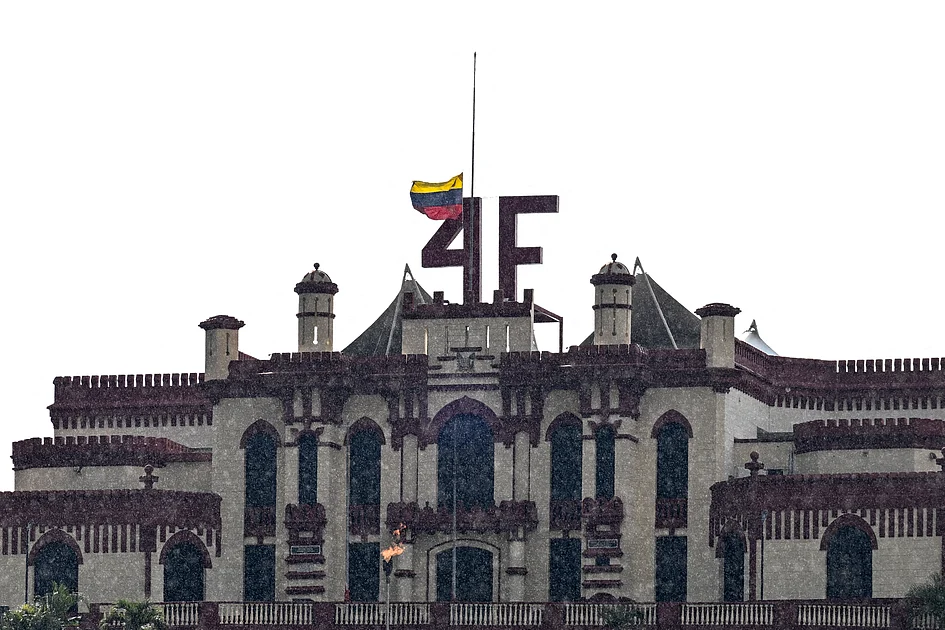
    Venezuelan Interior Minister Diosdado Cabello has made explosive allegations regarding Saturday’s US military operation that deposed President Nicolás Maduro, claiming the intervention resulted in approximately 100 fatalities. The announcement, made during Cabello’s weekly state television broadcast on Wednesday, marks the first official death toll provided by Caracas since the controversial regime change operation.

    According to Venezuelan authorities, a significant portion of Maduro’s security detail was allegedly executed ‘in cold blood’ during the raid. This figure substantially exceeds the Venezuelan army’s previously released list identifying 23 military personnel killed in the operation.

    The international dimension of the casualties continues to emerge, with Cuba confirming that 32 of its military and intelligence personnel stationed in Venezuela were among the dead. Meanwhile, details have surfaced regarding injuries sustained by high-profile detainees: Maduro himself suffered a leg injury during the operation, while his wife Cilia Flores, who was detained alongside him, sustained head trauma.

    In response to the casualties, Venezuela’s interim President Delcy Rodríguez, whom Cabello publicly praised as ‘courageous,’ has declared a week of national mourning to honor military members killed during the raid. The developments represent a significant escalation in the aftermath of the operation that has dramatically altered Venezuela’s political landscape and drawn international scrutiny.