分类: world

  • Iran rights NGO says at least 45 protesters killed, hundreds wounded, since movement started

    Iran rights NGO says at least 45 protesters killed, hundreds wounded, since movement started

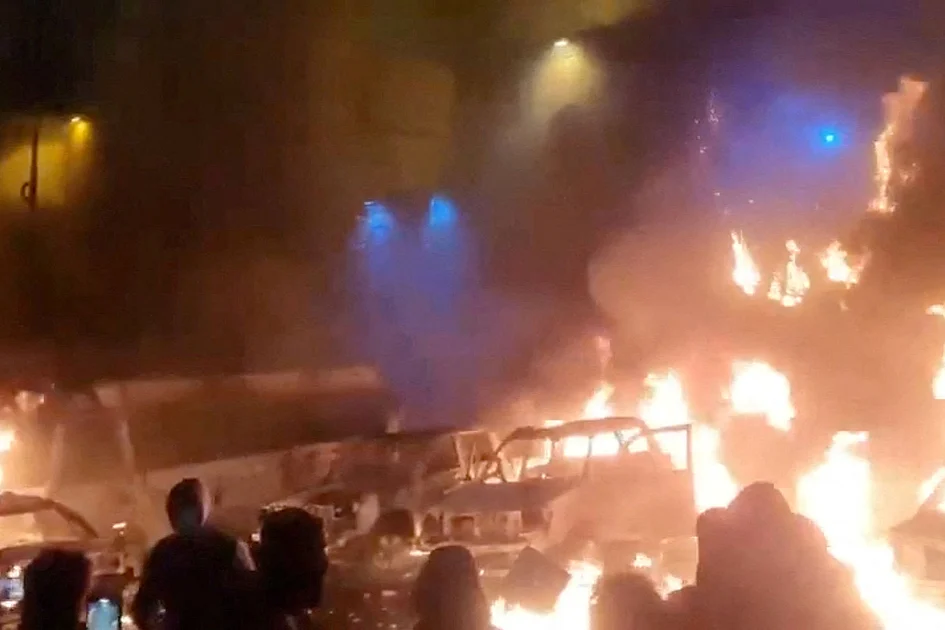
    A Norway-based human rights organization has documented a severe escalation in Iran’s suppression of civilian protests, reporting at least 45 fatalities including eight minors since demonstrations began in late December. Iran Human Rights (IHR), an independent monitoring group, disclosed that Wednesday marked the deadliest single day of the 12-day movement with 13 confirmed protester deaths.

    According to IHR Director Mahmood Amiry-Moghaddam, the evidence indicates a daily expansion in both the violence and geographical scope of the government crackdown. The organization estimates hundreds have sustained injuries while security forces have conducted over 2,000 arrests nationwide.

    These figures significantly contrast with official Iranian media reports and government statements, which acknowledge approximately 21 fatalities including security personnel according to Agence France-Presse documentation. The discrepancy highlights the ongoing information warfare surrounding the protests and the government’s restrictive control over domestic media coverage.

    The protest movement, now entering its second week, represents one of the most significant challenges to Iranian authorities in recent years. The involvement of minors among the casualties has drawn particular international concern regarding the proportionality of force employed by security services.
  • Why boosting production of Venezuela’s ‘very dense, very sloppy’ oil could harm the environment

    Why boosting production of Venezuela’s ‘very dense, very sloppy’ oil could harm the environment

    Environmental experts are raising alarms about potential ecological consequences as the United States moves to revitalize Venezuela’s extensive petroleum reserves. This development follows heightened political tensions after the capture of former President Nicolás Maduro, prompting Washington to intensify control over Venezuela’s primary revenue source—oil exports.

    The Trump administration’s strategy involves selling 30-50 million barrels of Venezuelan crude globally under US supervision, with proceeds maintained in American-controlled accounts. However, industry analysts question the feasibility of rapid production increases, noting that Venezuela’s energy infrastructure requires massive investment—potentially tens of billions of dollars—after years of deterioration.

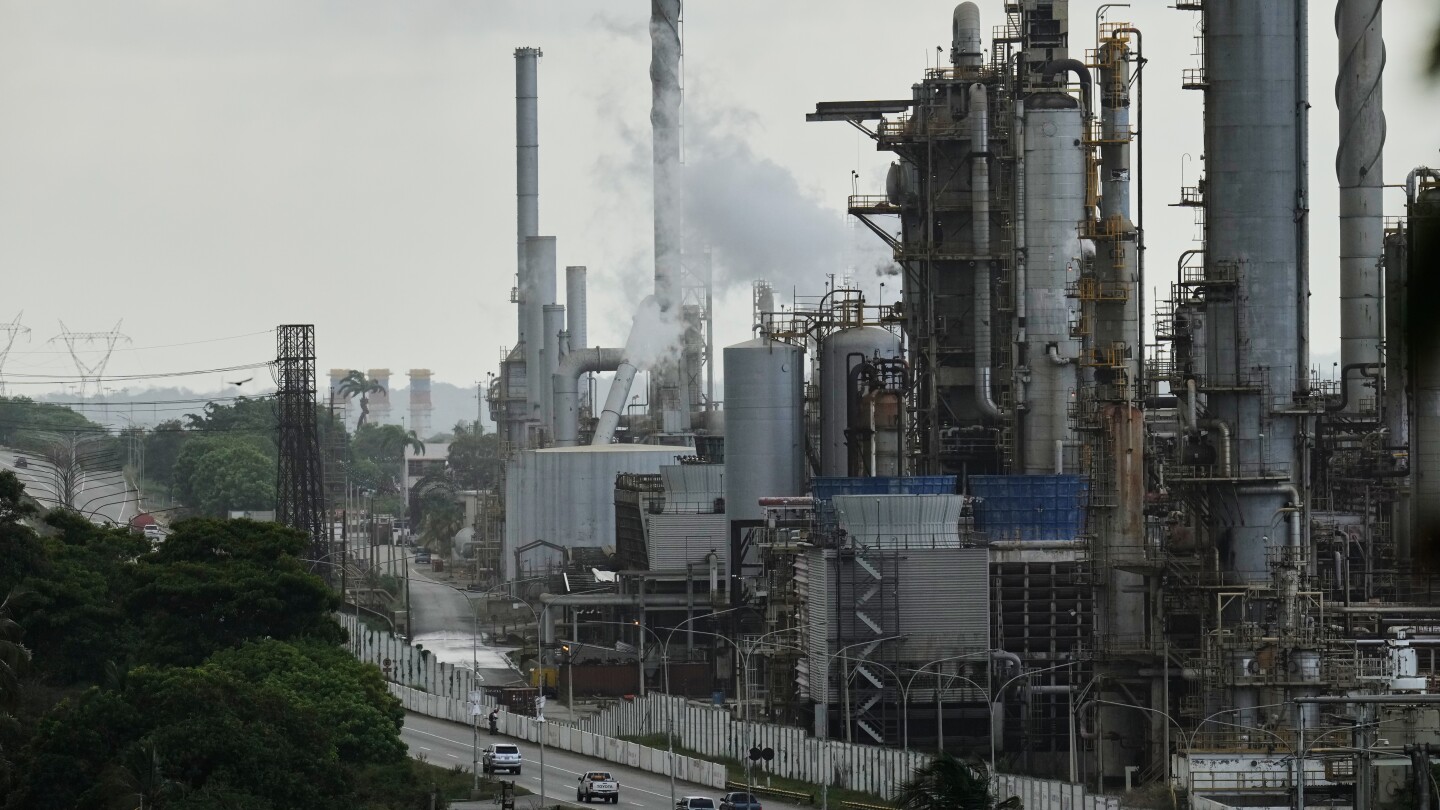
    Venezuela possesses the world’s largest oil reserves, estimated at 300 billion barrels, but produces heavy crude with exceptionally high pollution characteristics. Extraction and refining processes demand significantly more energy than conventional oil, resulting in substantially greater greenhouse gas emissions. According to International Energy Agency data, Venezuela’s methane emissions intensity exceeds global averages by approximately six times, while flaring intensity reaches ten times typical worldwide levels.

    The country already faces severe environmental challenges, including nearly 200 documented oil spills between 2016-2021 and the loss of 2.6 million hectares of forest cover over two decades. Experts warn that renewed oil activity could exacerbate damage in ecosystems already compromised by decades of pollution, particularly in sensitive regions like Lake Maracaibo—one of the world’s most oil-contaminated aquatic environments.

    While US officials claim American companies will implement high environmental standards, critics argue that rapid production expansion will likely prioritize output over ecological protections. The complex geography of Venezuela’s oil-producing regions, characterized by fragile plains and slow-moving rivers, creates conditions where contamination can persist for extended periods with devastating consequences for biodiversity and local communities.

  • US welcomes ceasefire in Syria’s Aleppo after days of deadly clashes

    US welcomes ceasefire in Syria’s Aleppo after days of deadly clashes

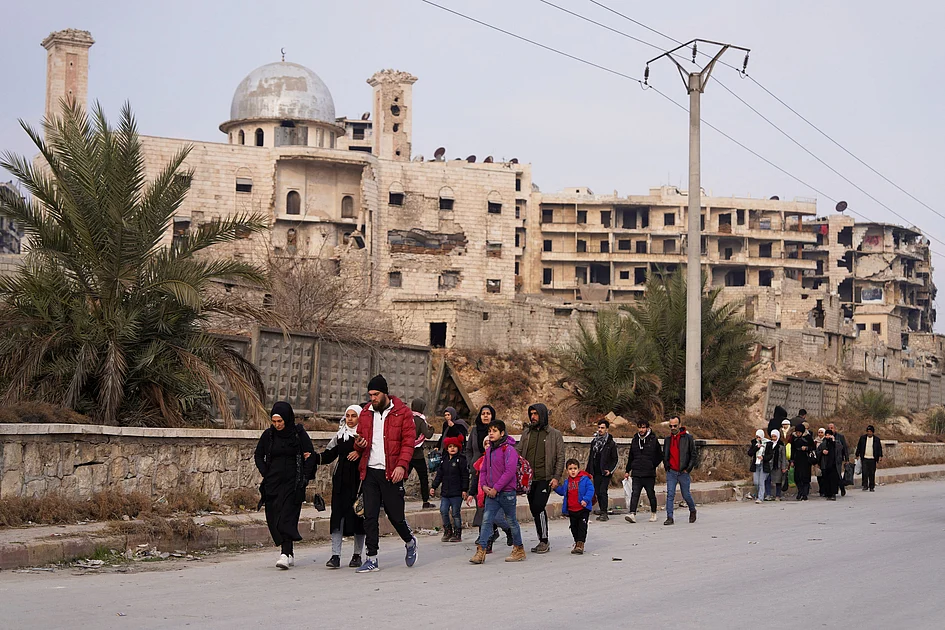
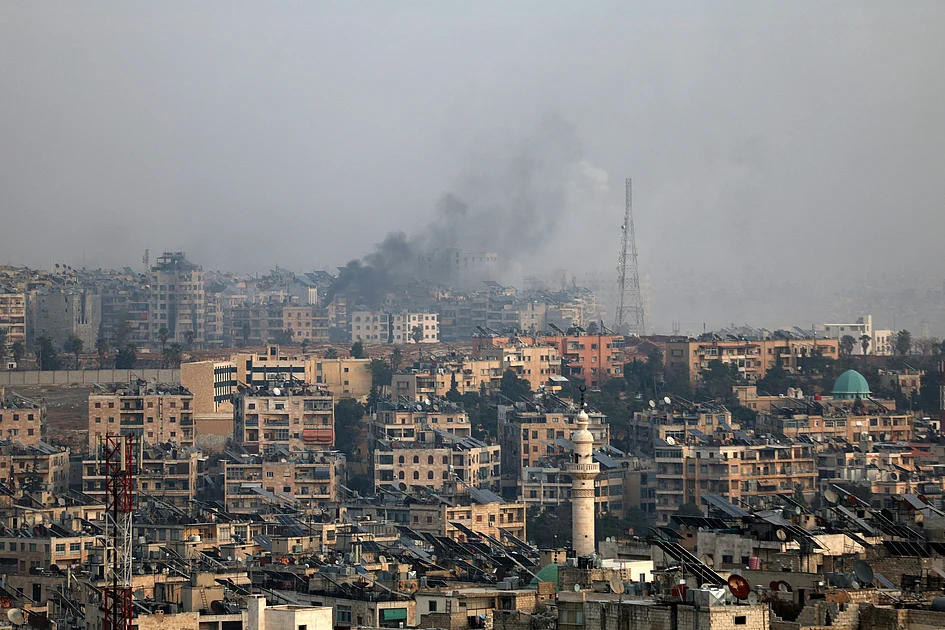
    The United States has formally endorsed a newly established ceasefire in the Syrian city of Aleppo, a critical development following several days of intense combat that triggered a significant humanitarian crisis. The hostilities, primarily between Syrian governmental forces and Kurdish-led fighters, had escalated dramatically in the Ashrafiyeh and Sheikh Maqsoud districts, compelling thousands of civilians to abandon their homes in search of safety.

    US Special Envoy Tom Barrak publicly commended the truce in a statement released on social media platform X. He expressed that the nation ‘warmly welcomes the temporary ceasefire achieved last night’ and extended ‘profound gratitude to all parties’ involved in the negotiation. Barrak’s acknowledgment specifically highlighted the cooperation of the Syrian government, the Syrian Democratic Forces (SDF), along with local authorities and community figures, crediting their ‘restraint and goodwill’ for enabling the crucial pause in violence.

    The ceasefire represents a vital window for humanitarian aid organizations to access affected populations and provide urgent assistance. It also offers a fragile opportunity for diplomatic channels to work toward a more enduring de-escalation in one of Syria’s most strategically important and war-torn cities. The international community continues to monitor the situation closely, hoping the temporary halt in fighting can evolve into a more stable resolution for the region’s protracted conflict.

  • The continued mysteries surrounding the intelligence operation to seize Maduro

    The continued mysteries surrounding the intelligence operation to seize Maduro

    The meticulously orchestrated capture of Venezuelan President Nicolás Maduro represents a watershed moment in modern intelligence and military operations. New disclosures reveal an unprecedented multi-agency mission involving months of strategic planning and cutting-edge technological warfare.

    Operating in what intelligence communities classify as a ‘denied area’ without diplomatic cover, CIA operatives conducted extensive ground reconnaissance in Venezuela throughout August. Their success hinged on a crucial government source within Maduro’s inner circle who provided real-time intelligence on the leader’s movements—a testament to the penetration of his security apparatus.

    The operational execution demonstrated remarkable coordination: approximately 150 aircraft participated in the mission, with helicopters flying at ultra-low altitudes to evade detection. The involvement of US Cyber Command proved pivotal, as their expertise facilitated a city-wide blackout in Caracas that provided critical cover for special forces insertion. Simultaneously, US Space Command created an invisible ‘pathway’ for forces to approach undetected, while advanced electronic warfare systems reportedly neutralized Chinese and Russian air defense systems.

    The assault on Fuerte Tiuna, Venezuela’s largest military complex, resulted in the deaths of 32 Cuban nationals serving as Maduro’s personal security detail. Notably absent were Venezuelan security forces at the compound’s inner perimeter, raising questions about possible internal collaboration. US forces intercepted Maduro moments before he could secure himself in a reinforced safe room, demonstrating precise knowledge of the compound’s layout.

    Pre-operation analysis by CIA strategists concluded that maintaining stability would require cooperation with elements of the existing regime rather than installing exiled opposition figures. This assessment paved the way for back-channel communications with Maduro’s inner circle, including Vice President Delcy Rodríguez, to discuss transitional arrangements.

    The mission’s flawless execution—achieved without US casualties—marks a paradigm shift in combined intelligence and military operations, though many technological and strategic details remain classified. America’s adversaries are now undoubtedly analyzing the operation to understand the full scope of capabilities demonstrated.

  • 5.3-magnitude earthquake strikes Tajikistan; tremors felt in Pakistan

    5.3-magnitude earthquake strikes Tajikistan; tremors felt in Pakistan

    A substantial earthquake measuring 5.3 on the Richter scale struck the mountainous nation of Tajikistan on Friday, January 9th, 2026, according to official reports from the National Center for Seismology (NCS). The seismic event occurred at 02:44:16 IST at a considerable depth of 110 kilometers, with its epicenter located at coordinates 38.26°N latitude and 73.42°E longitude.

    The tremors were felt across multiple neighboring countries including Pakistan, China, and Afghanistan, highlighting the regional significance of the geological activity. This event follows another recent seismic occurrence in the same region, where a 4.5 magnitude earthquake was recorded on January 7th at an even greater depth of 170 kilometers.

    Tajikistan’s unique geological profile makes it particularly susceptible to natural disasters. The country’s diverse topography, characterized by extensive mountain ranges and glacier-dependent river systems, creates inherent vulnerabilities to various climate hazards. Beyond earthquakes, the nation regularly contends with floods, droughts, avalanches, landslides, and mudslides.

    The World Bank Climate Change Knowledge Portal indicates that environmental challenges are intensifying for Tajikistan, with projections suggesting that 30% of the country’s glaciers may disappear by 2050. This glacial melt further exacerbates existing vulnerabilities in river basins that are critical for hydropower generation and agricultural irrigation.

    Adding to these challenges, Tajikistan remains one of the world’s most isolated countries, a situation compounded by frequent natural disasters that damage transportation infrastructure. Landslides, debris flows, and floods regularly render bridges unsafe and roads impassable, gradually weakening flood defense systems that protect vulnerable communities.

  • US intercepts fifth sanctioned tanker as it exerts control over Venezuelan oil distribution

    US intercepts fifth sanctioned tanker as it exerts control over Venezuelan oil distribution

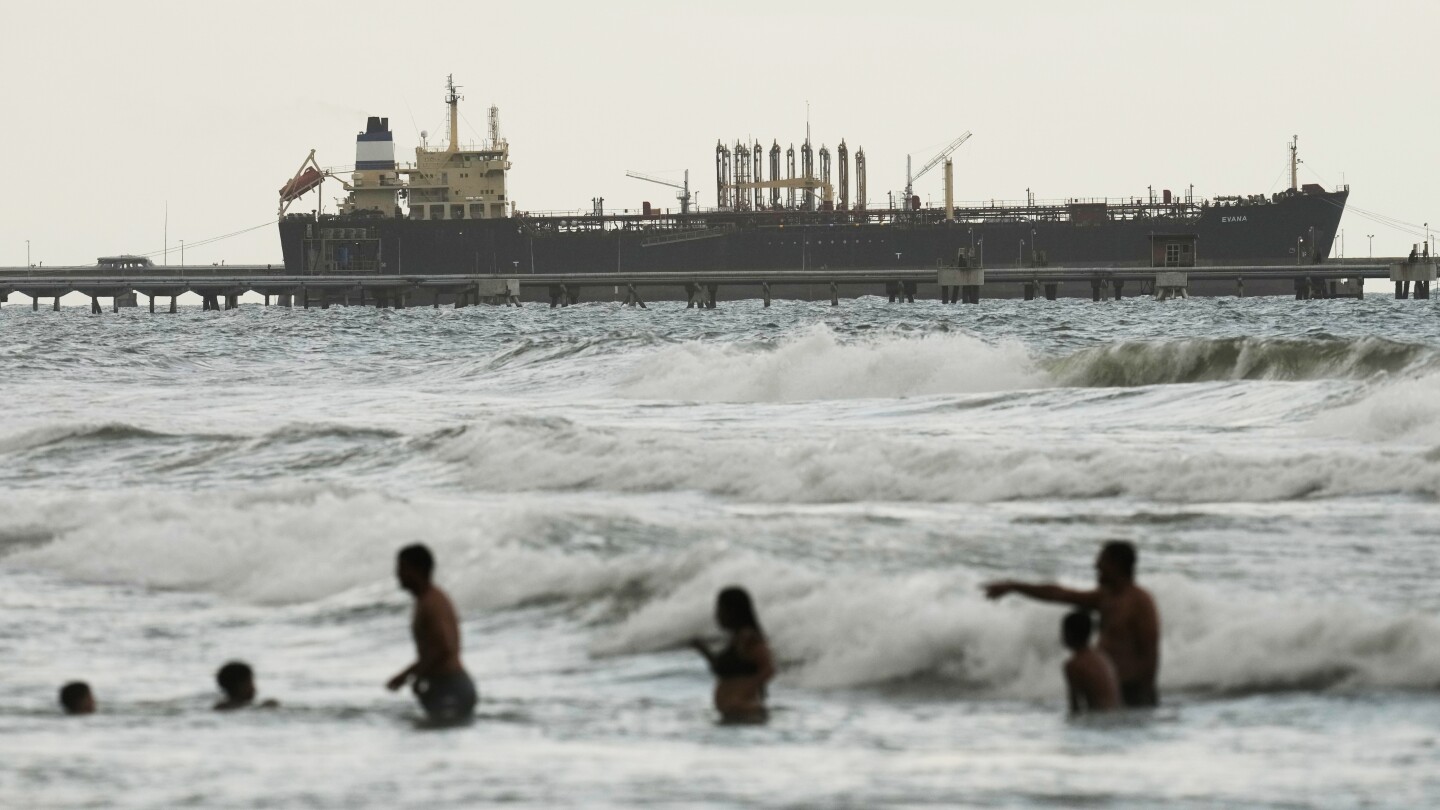
    In a predawn maritime operation on Friday, U.S. military forces conducted a strategic boarding of the oil tanker Olina in the Caribbean Sea. The intervention represents the latest escalation in the Trump administration’s comprehensive campaign to control Venezuela’s oil production and distribution networks while enforcing international sanctions.

    According to U.S. Southern Command, the operation involved Marines and Navy sailors deployed from the aircraft carrier USS Gerald R. Ford, part of a substantial naval presence built up in the Caribbean region over recent months. The Coast Guard subsequently assumed control of the vessel following the initial seizure. Unclassified footage released by military authorities and Homeland Security Secretary Kristi Noem depicted a U.S. helicopter landing on the tanker’s deck, with personnel conducting thorough searches and deploying what appeared to be explosive breaching devices.

    The Olina represents the fifth tanker intercepted by U.S. forces as part of Washington’s strategy to regulate Venezuela’s oil exports, and the third such seizure since the U.S. recognized the ouster of Venezuelan President Nicolás Maduro. Secretary Noem characterized the vessel as belonging to the so-called ‘ghost fleet’ of tankers attempting to transport embargoed petroleum products while evading detection.

    President Trump announced via social media that the operation was conducted ‘in coordination with the Interim Authorities of Venezuela,’ though the White House provided no additional details regarding this collaboration. The Venezuelan government subsequently acknowledged cooperating with U.S. authorities to return the tanker, which they stated had departed without proper authorization or payment.

    Maritime intelligence analysts from TankerTrackers.com identified at least 16 vessels that have departed Venezuela’s coast in violation of the U.S.-imposed quarantine blocking sanctioned ships from conducting trade. The Olina, previously sanctioned for moving Russian oil under the name Minerva M, was reportedly flying a false flag of Timor-Leste despite being registered to a Hong Kong-based company. The vessel had been operating with its location beacon disabled since November.

    The administration has framed these seizures as both a law enforcement measure and an economic strategy. Officials anticipate selling 30-50 million barrels of sanctioned Venezuelan oil, with proceeds designated for both American and Venezuelan interests. President Trump met with oil executives Friday to discuss a proposed $100 billion investment plan to rebuild Venezuela’s energy infrastructure, while Vice President JD Vance emphasized the U.S. could control Venezuela’s ‘purse strings’ by dictating oil distribution channels.

    Industry experts estimate the Olina was carrying approximately 707,000 barrels of oil valued at over $42 million at current market prices.

  • As Trump promises Venezuelan renaissance, locals struggle with crumbling economy

    As Trump promises Venezuelan renaissance, locals struggle with crumbling economy

    CARACAS, Venezuela — While Washington pledges a golden economic future for Venezuela following the dramatic capture of former President Nicolás Maduro, ordinary citizens confront a starkly different reality of hyperinflation and severe scarcity that defines daily existence.

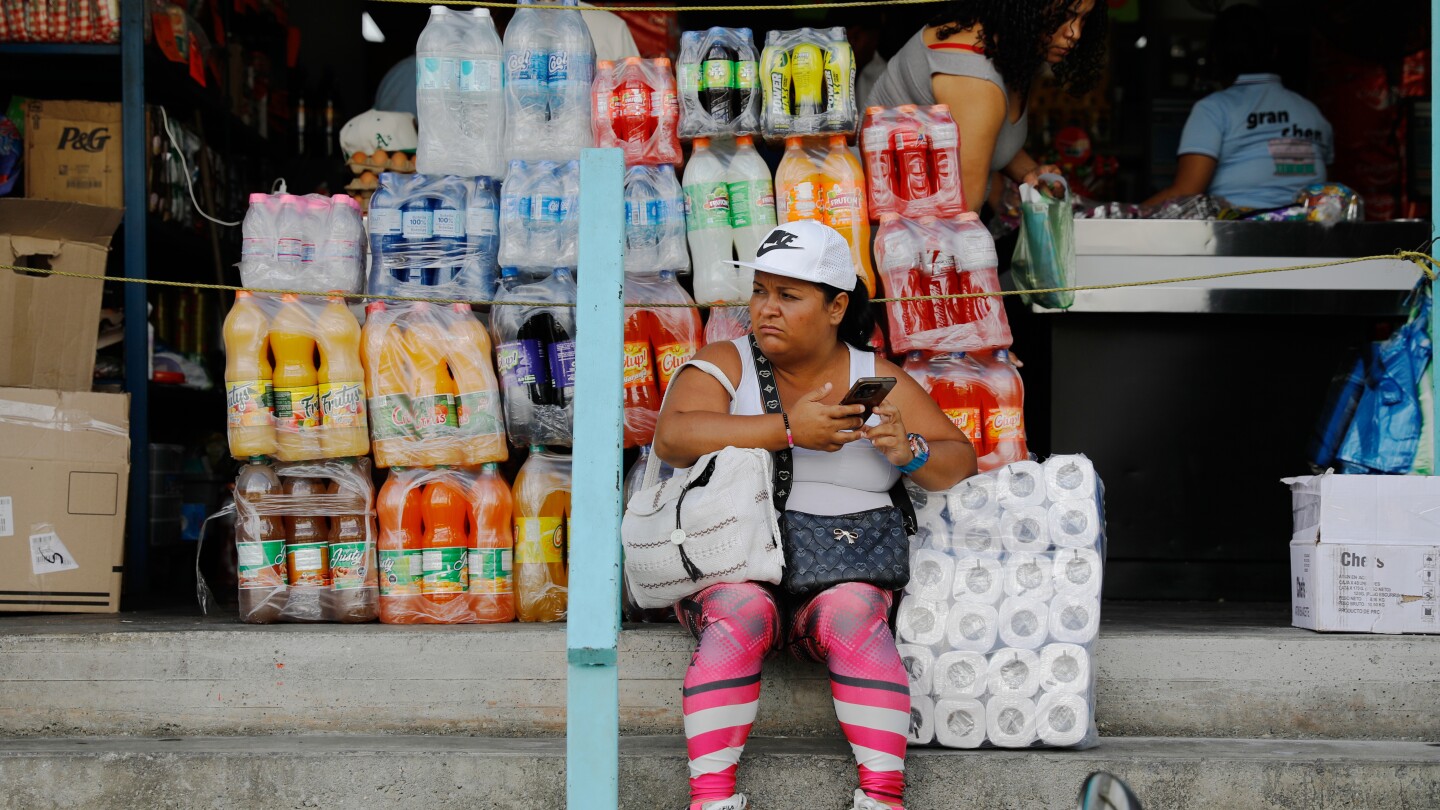
    At a sprawling street market in the capital, utility worker Ana Calderón illustrates the profound disconnect between political promises and ground-level suffering. Her immediate concern isn’t geopolitical shifts but the impossible mathematics of assembling a simple pot of soup. “Food is incredibly expensive,” she states, noting how celery now costs twice what it did weeks ago while a kilogram of meat sells for more than $10—a sum representing 25 times the country’s frozen monthly minimum wage of just $0.40.

    This economic catastrophe has unfolded despite Venezuela possessing the world’s largest proven oil reserves. The current crisis finds its roots in the Chavez-Maduro era, where corruption, declining production, and disastrous economic policies created a perfect storm. Since 2012, poverty has engulfed approximately 80% of the population, the middle class has virtually disappeared, and more than 7.7 million people have fled their homeland.

    President Trump’s administration vows that American intervention will channel billions into infrastructure, revitalize the crippled oil industry, and ultimately restore prosperity. Commitments include distributing oil sale proceeds to Venezuelans and repairing the collapsed electricity grid. However, the immediate White House focus appears centered on extracting more Venezuelan oil and opening the sector to U.S. investment—a process Trump acknowledges “will take years.”

    Economists express profound skepticism about rapid improvement. Luisa Palacios, a Venezuelan-born scholar at Columbia University, observes that while people remain hopeful, “they don’t see it yet on the ground. What they’re seeing is repression. They’re seeing a lot of confusion.” Usha Haley, an economist specializing in emerging markets, confirms that rampant inflation and currency collapse cannot be solved by a single oil sale, predicting that “jobs, prices, and exchange rates will probably not shift quickly.”

    For now, Venezuelans survive through a philosophy of “resolver”—figuring out each day through multiple jobs, delicate financial calculations, and heartbreaking choices between medicine and food. As vendor Neila Roa summarizes while selling cigarettes to survive: “What we don’t know is whether the change is for better or for worse. We’re in a state of uncertainty.”

  • Syrian government announces ceasefire in Aleppo, at least 21 killed

    Syrian government announces ceasefire in Aleppo, at least 21 killed

    The Syrian Ministry of Defence has officially declared a unilateral cessation of hostilities in multiple districts of Aleppo, effective from 3:00 am local time on Friday. This decision follows several days of intense combat between government forces and the Kurdish-led Syrian Democratic Forces (SDF) that resulted in at least 21 fatalities.

    The ceasefire specifically covers the Sheikh Maqsoud, Alashrafieh, and Bani Zeid neighborhoods where the most severe fighting occurred. In an official statement, the Ministry cited concerns about “preventing any slide towards a new military escalation within residential neighbourhoods” as the primary motivation for the truce.

    This outbreak of violence represents the most significant military confrontation in Aleppo since Syria’s current Islamist authorities assumed power. Both conflicting parties have exchanged accusations regarding which side initiated Tuesday’s clashes, which have disrupted a stalled agreement aimed at integrating Kurdish administrative and military structures into the central government.

    The escalation has additionally highlighted complex regional tensions, particularly involving Turkey—a key Damascus ally—and Israel, which has formally condemned what it characterized as attacks targeting Kurdish populations. The timing of these clashes coincides with deteriorating progress on implementation of the Kurdish-government integration deal, suggesting deeper political challenges beyond immediate military concerns.

  • China, Russia and Iran join South Africa for naval drills as tensions run high

    China, Russia and Iran join South Africa for naval drills as tensions run high

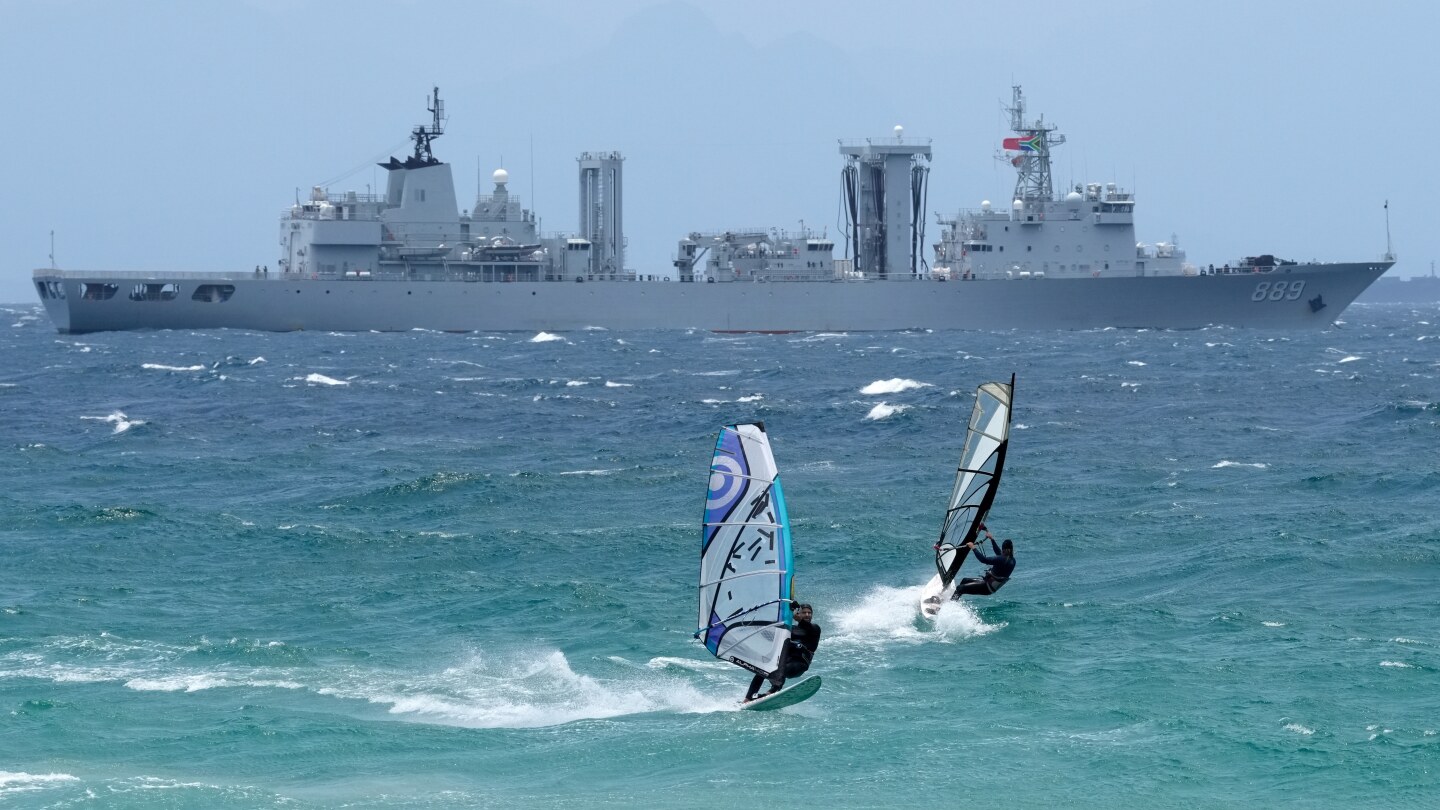
    CAPE TOWN, South Africa — In a significant display of naval cooperation, warships from China, Russia, and Iran commenced joint maritime exercises with South Africa’s navy on Friday. The week-long drills, occurring off the strategic Cape Town coast where the Atlantic and Indian Oceans converge, underscore evolving geopolitical alliances amid heightened tensions with Western powers.

    The maneuvers, organized under the BRICS framework of developing nations, were originally scheduled for November but postponed due to diplomatic considerations during South Africa’s hosting of the G20 summit. South African military officials describe the operations as focusing on maritime security protocols and anti-piracy tactics, emphasizing their goal to ‘deepen cooperation’ among participating nations.

    Notable vessels participating include China’s 161-meter destroyer Tangshan and Russia’s Stoikiy warship accompanied by a support tanker from the Baltic Fleet. The exercises mark the second consecutive year of such cooperation, following similar drills in 2023.

    The participation occurs against a complex backdrop: Iran joins despite ongoing domestic protests against its leadership, while all participating nations face varying degrees of Western sanctions. The BRICS bloc, which expanded in 2024 to include Iran alongside core members Brazil, Russia, India, China, and South Africa, has frequently served as a platform for criticizing American foreign policy.

    These developments have exacerbated strains in U.S.-South African relations, with the Trump administration previously accusing Pretoria of supporting ‘bad actors on the world stage’ and specifically citing its Iranian ties when cutting aid. The Biden administration further escalated tensions in 2023 by alleging South Africa permitted a sanctioned Russian vessel to load weapons for Ukraine conflict at Simon’s Town naval base—charges South Africa denies.

    Domestically, the governing coalition faces criticism from the Democratic Alliance, the second-largest party, which condemns the hosting of ‘heavily sanctioned’ nations and characterizes the BRICS branding as a ‘political trick’ masking military alignment with controversial regimes.

  • Pope to visit Spain this year, with stops in Madrid, Barcelona and Canary Islands, cardinal says

    Pope to visit Spain this year, with stops in Madrid, Barcelona and Canary Islands, cardinal says

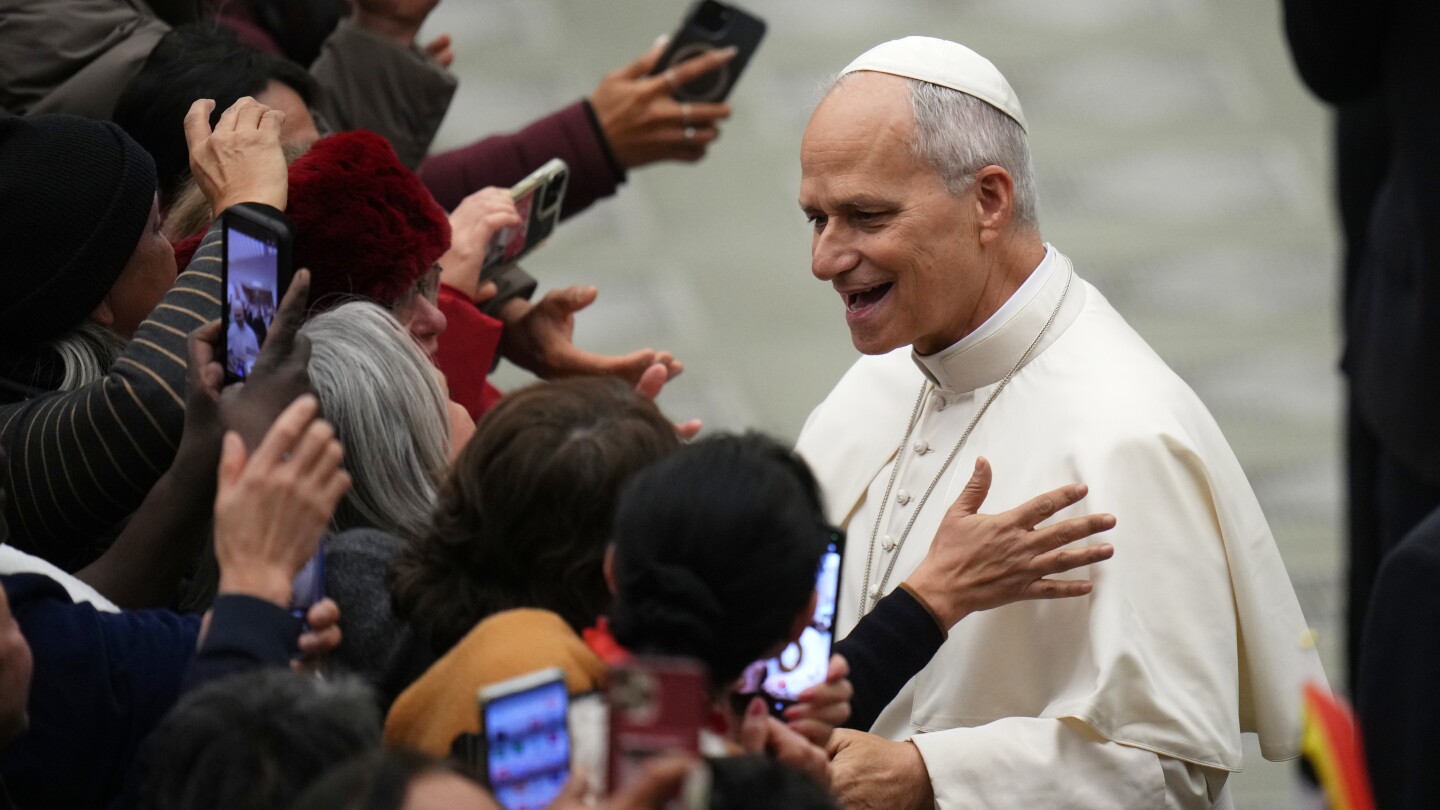
    VATICAN CITY — Pope Leo XIV is preparing for a significant journey to Spain in 2026, with an itinerary featuring Madrid, Barcelona, and the Canary Islands. This pilgrimage fulfills a vision initially contemplated by his predecessor, Pope Francis, particularly regarding visiting a crucial migration gateway to Europe.

    Cardinal José Cobo Cano, Archbishop of Madrid, confirmed the developing plans following high-level discussions with Vatican officials. While speculation had suggested a June timeline, the cardinal emphasized that specific dates remain undetermined. The proposed agenda includes official engagements in the capital city of Madrid and a ceremonial visit to Barcelona’s iconic Sagrada Familia basilica. This segment holds special significance as 2026 marks the centenary of architect Antoni Gaudí’s death, who currently awaits possible beatification.

    The Canary Islands segment represents the most symbolically charged portion of the visit. This archipelago, situated near northwest Africa, serves as a primary entry point for migrants crossing from West Africa. Pope Francis had previously expressed particular interest in visiting these islands to demonstrate solidarity with migrants and refugees, though he consistently declined invitations to mainland Spain during his pontificate.

    This Spanish journey constitutes the first confirmed international travel plans for Pope Leo XIV in 2026. The American pontiff has additionally expressed intentions to visit Africa, with Algeria featuring prominently due to its connection to St. Augustine, foundational to Leo’s Augustinian order. Potential visits to Peru—where he served as a missionary for twenty years—along with Argentina and Uruguay are also under consideration.

    The announcement coincided with a landmark development in Spain’s Catholic Church governance. Spanish bishops recently conceded to grant the state ombudsman ultimate authority in determining compensation for clergy sexual abuse victims, representing a substantial shift in ecclesiastical policy.