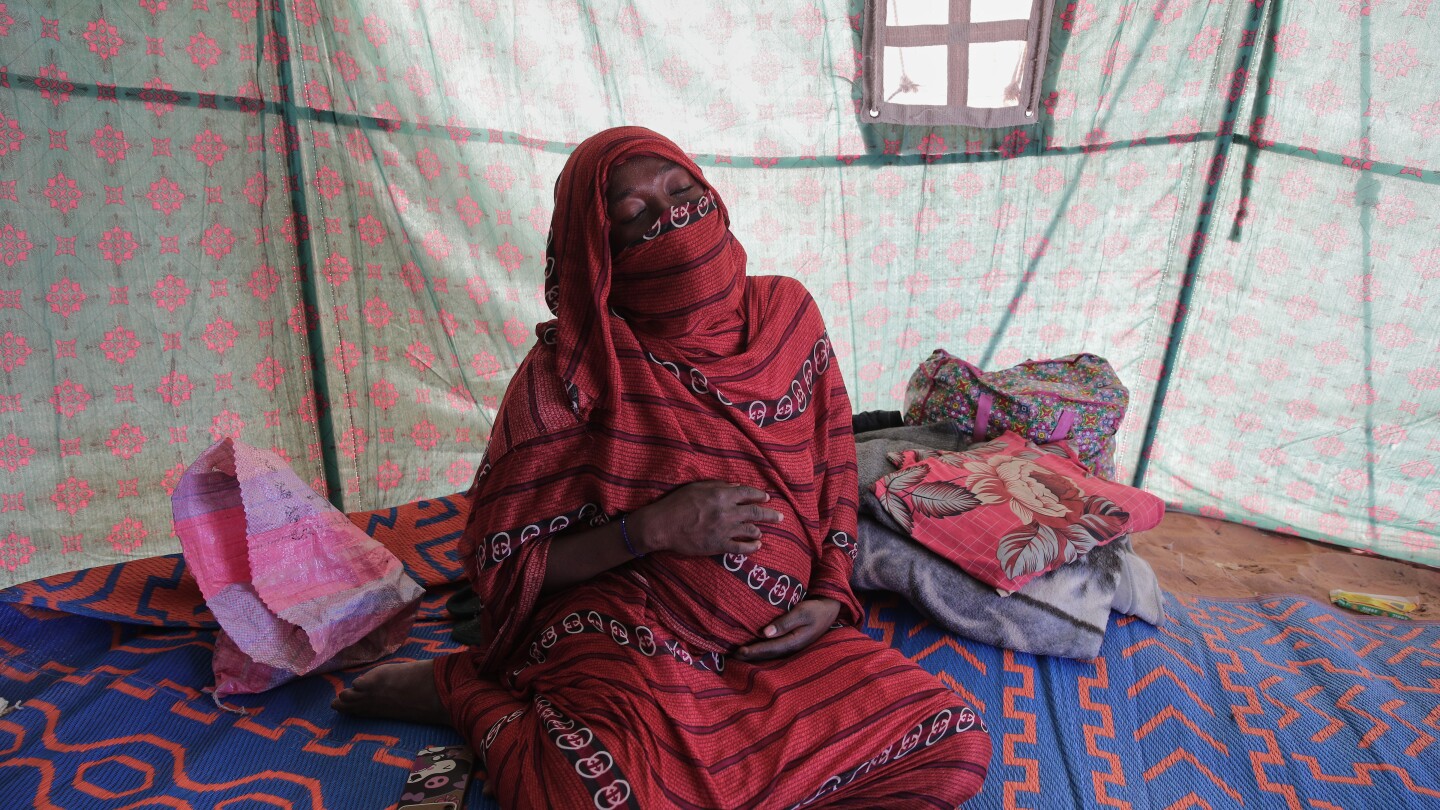
In the midst of Sudan’s ongoing conflict, pregnant women like Nadra Mohamed Ahmed are enduring unimaginable hardships. Ahmed, seven months pregnant, fled her hometown of el-Fasher in West Darfur, trekking nearly 40 kilometers with her two children to reach a displacement camp in al-Dabbah. Her journey was fraught with danger and exhaustion, culminating in severe health complications that required intensive medical care. Ahmed’s story is emblematic of the broader crisis facing Sudanese women, as the country’s healthcare system collapses under the weight of war. According to the Sudan Doctors Network, over 140 pregnant women have arrived at al-Dabbah camps since el-Fasher’s fall, many suffering from severe complications such as hemorrhaging and miscarriages. The Rapid Support Forces (RSF), a paramilitary group, have exacerbated the crisis by targeting civilians and healthcare facilities, leaving thousands of pregnant women without access to life-saving maternal care. The conflict, which began in 2023, has displaced 12 million people and claimed at least 40,000 lives, according to the World Health Organization. Pregnant and lactating women are particularly vulnerable, facing malnutrition and the risk of violence as they forage for food. The international community has called for urgent action to address the humanitarian crisis, but the situation remains dire for women like Ahmed, who continue to struggle for survival in a war-torn nation.
分类: world
-
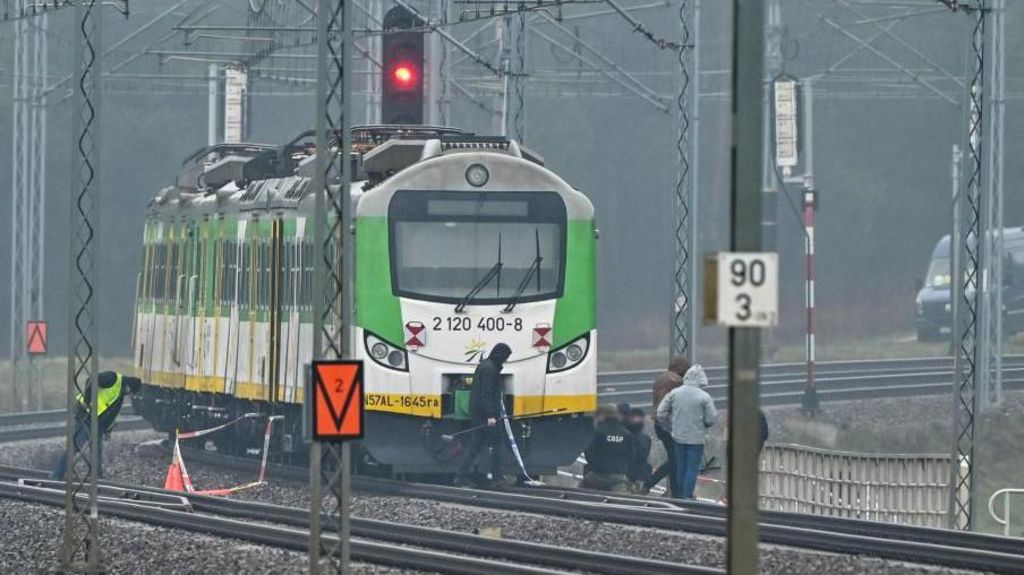
Two Ukrainians working for Russia behind rail sabotage, Polish PM says
Polish Prime Minister Donald Tusk has identified two Ukrainian citizens, allegedly working for Russian intelligence, as the perpetrators behind two recent acts of sabotage on Poland’s rail network. The incidents, which occurred near the villages of Mika and Pulawy, involved the detonation of a military-grade C4 explosive and damage to railway infrastructure, respectively. Tusk described these acts as ‘unprecedented sabotage’ aimed at causing rail catastrophes and sowing panic in Polish society. The suspects, one residing in Belarus and the other in eastern Ukraine, had crossed into Poland from Belarus and later returned there. Tusk emphasized that Russia’s motivation was not only to disrupt railway operations but also to stir anti-Ukrainian sentiment among Poland’s large Ukrainian refugee population. Poland, a NATO and EU member, has been a critical transit route for aid to Ukraine since Russia’s full-scale invasion in February 2022. In response to the incidents, Tusk announced plans to raise the alert level on certain railway lines and highlighted that 55 individuals have been detained since last year for suspected involvement in sabotage activities. Russia has yet to comment on the allegations.
-
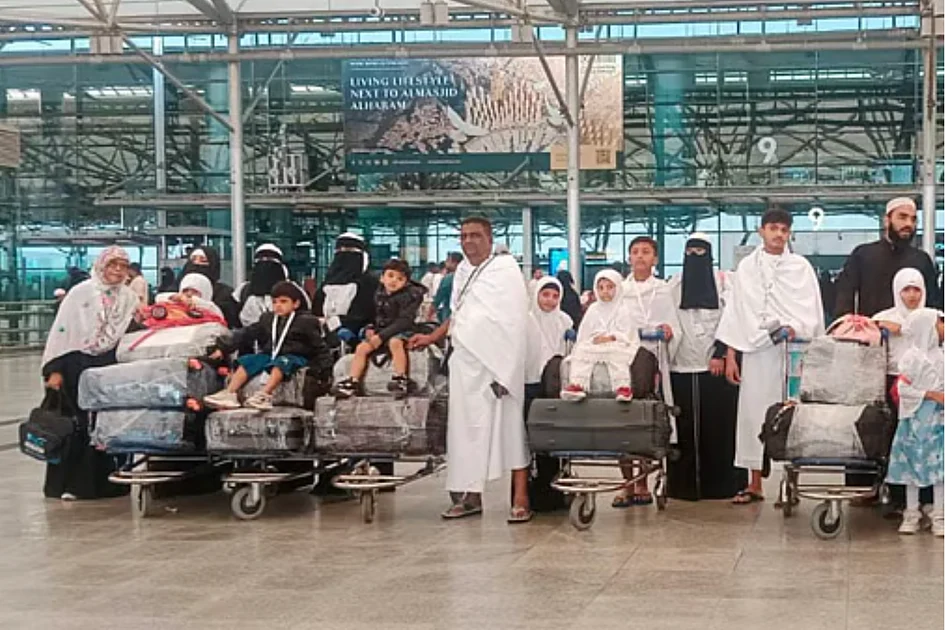
Saudi bus crash: 18 victims from 1 family killed, including 9 children
A devastating bus accident in Saudi Arabia has resulted in the deaths of 45 individuals, predominantly Indian pilgrims. Among the victims were 18 members of a single family from Hyderabad, including nine children. The family was scheduled to return home on Saturday, as reported by their relatives to NDTV. A poignant photograph, one of the last taken by the victims, was shared by the family. The tragic incident occurred late Sunday night when the bus, en route from Mecca to Medinah, collided with a diesel tanker.
Saudi traffic authorities have launched an investigation into the crash, with legal procedures currently underway. In response to the disaster, control rooms have been established in Telengana and Jeddah, offering 24/7 helplines to assist affected families. Officials from Telengana have met with the bereaved families to provide support and facilitate the identification of victims.
Indian Prime Minister Narendra Modi and President Droupadi Murmu have expressed their heartfelt condolences. Indian officials are in continuous communication with Saudi authorities to manage the aftermath of the tragedy. The final rites for the victims are set to be conducted in Saudi Arabia, as the community mourns this profound loss.
-
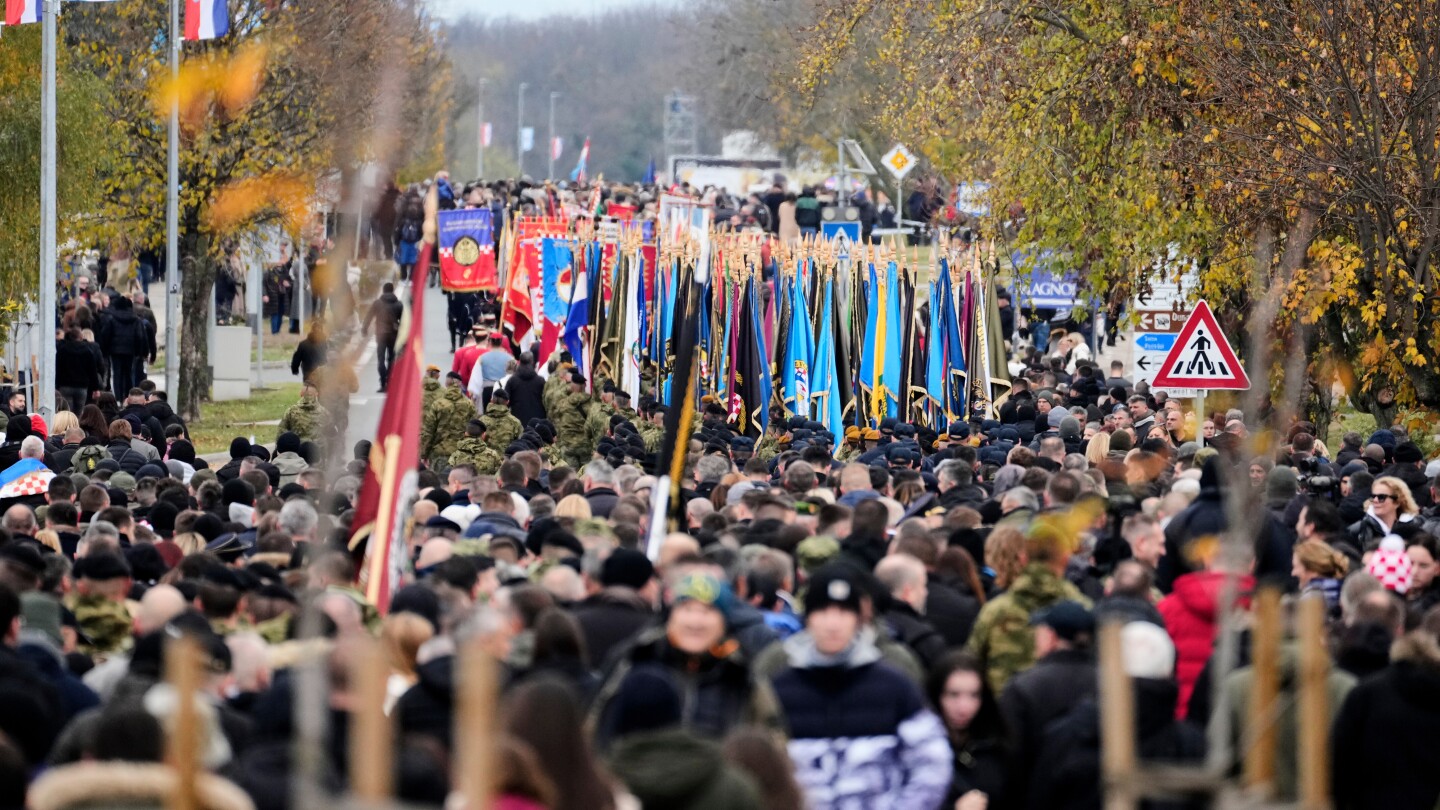
Croatians commemorate the siege of Vukovar, a national symbol of the war of independence
VUKOVAR, Croatia — On Tuesday, Croatia solemnly observed the anniversary of the fall of Vukovar, a pivotal event during the 1991-95 war when the Serb-led Yugoslav army devastated the town, turning it into a symbol of resilience and national solidarity. Senior officials joined thousands of citizens, many waving national flags and banners, in a silent march through the eastern town. Participants lit candles and laid flowers, continuing an annual tradition since the war’s end that underscores the event’s profound significance for the nation. The conflict erupted after Croatia declared independence from the Serb-dominated Yugoslav federation, sparking a rebellion by minority Serbs who seized large portions of Croatian territory. Vukovar endured an 87-day siege, during which relentless shelling reduced it to ruins. Hundreds perished after the town’s fall in November 1991, with their bodies buried in a mass grave at a nearby pig farm. The war concluded in 1995 after Croatia reclaimed most of the territories held by Serb rebels, prompting tens of thousands of Serbs to flee. Croatia, now a NATO member and EU state since 2013, continues to view Vukovar as a martyr in its struggle against what it terms ‘Serb aggression.’ Ethnic tensions persist both within Croatia and with neighboring Serbia, exacerbated by recent disruptions of Serb cultural events in Zagreb and Split. An ethnic Serb organization canceled an exhibition in Vukovar ahead of the commemoration, citing safety concerns.
-
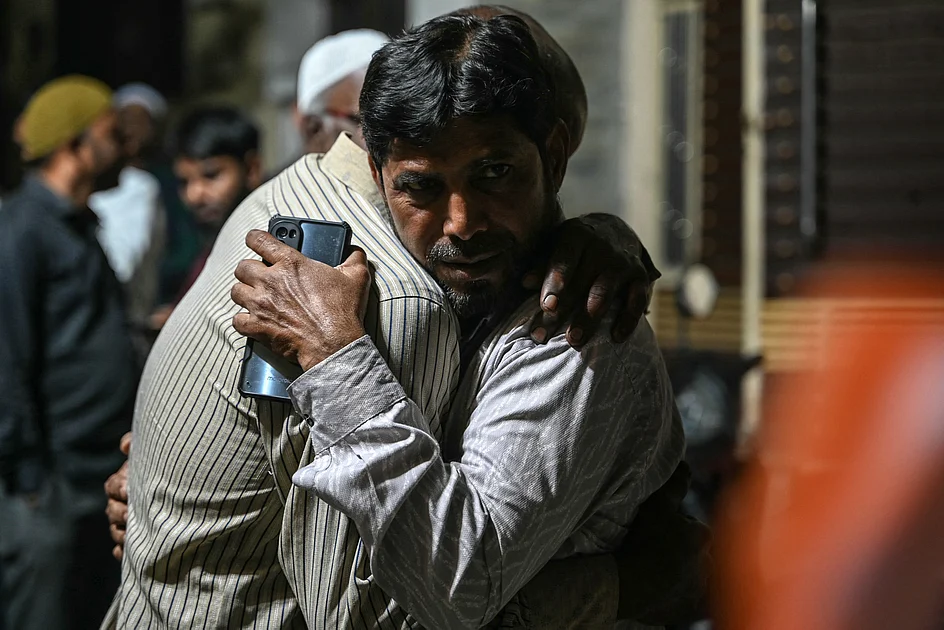
Saudi says legal procedures underway after deadly bus crash leaves 45 pilgrims dead
A devastating bus accident in Saudi Arabia has resulted in the deaths of 45 Umrah pilgrims, with only one survivor out of the 46 passengers on board. The collision occurred on Monday when the bus, primarily carrying Indian nationals, crashed into a diesel tanker in the Medinah region. According to Hyderabad police, the victims included 28 women and 17 men, with 18 members of a single family, including nine children, among the deceased. The sole survivor, 24-year-old Mohd Abdul Shoiab, is currently receiving treatment at the Saudi German Hospital. Saudi traffic authorities have confirmed that legal procedures are underway to investigate the incident, though no official statement on the casualty count has been released. The tragic event has cast a shadow over the pilgrimage season, with the Umrah tour originally scheduled from November 9 to 23.
-
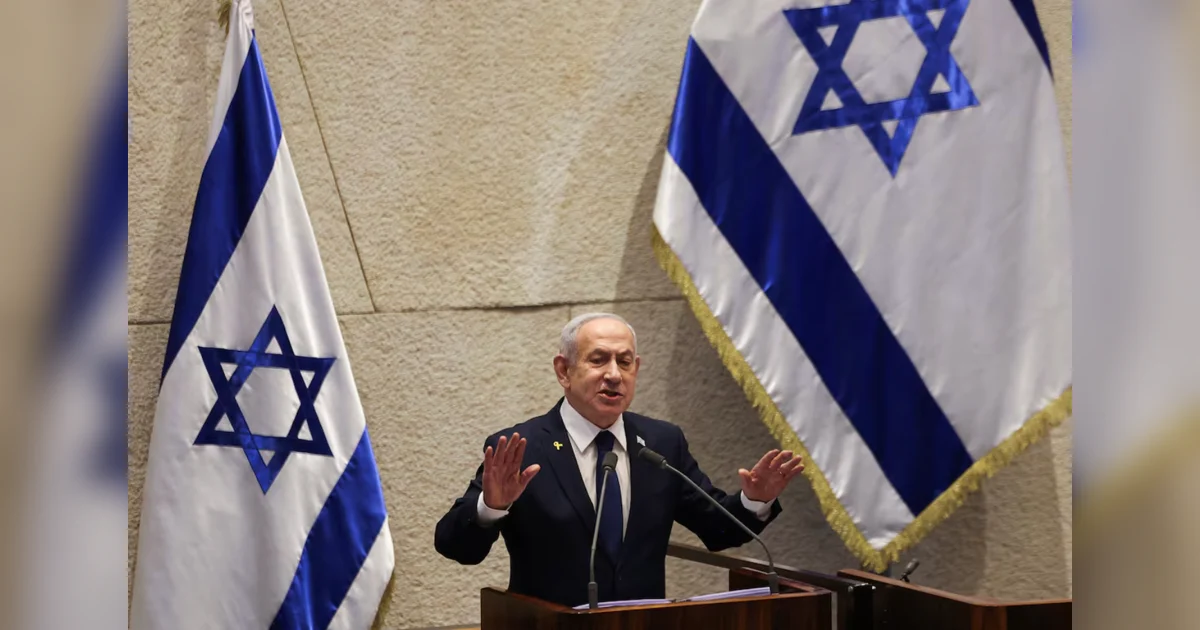
Netanyahu slams ‘extremist’ Israeli settlers in West Bank
Israeli Prime Minister Benjamin Netanyahu has strongly denounced the actions of extremist settlers in the occupied West Bank, following a surge in violence that has exacerbated tensions in the region. On Monday evening, homes and vehicles in the Palestinian village of Jab’a were set ablaze, marking the latest in a series of attacks attributed to Israeli settlers. Netanyahu labeled the perpetrators as ‘a handful of extremists’ who do not represent the broader settler community and vowed to address the issue personally. He called on law enforcement to act decisively against the rioters, emphasizing the need to uphold the rule of law. The incident occurred hours after Israeli security forces clashed with members of the Hilltop Youth movement while dismantling an illegal settler outpost in the Gush Etzion area. The settlers, who oppose government policies, aim to establish unauthorized settlements by displacing Palestinian residents. The UN has reported that October 2025 was the worst month for settler violence in the West Bank since records began in 2006, with 264 attacks causing casualties or property damage. Despite international condemnation, few perpetrators have faced accountability. Israeli officials, including Foreign Minister Gideon Saar and Defense Minister Israel Katz, have condemned the violence, with Katz pledging to continue developing settlements while maintaining regional stability. The West Bank remains a flashpoint, with over 500,000 Israeli settlers living alongside three million Palestinians. The ongoing violence has claimed the lives of at least 1,006 Palestinians and 43 Israelis since the Gaza war began in October 2023.
-
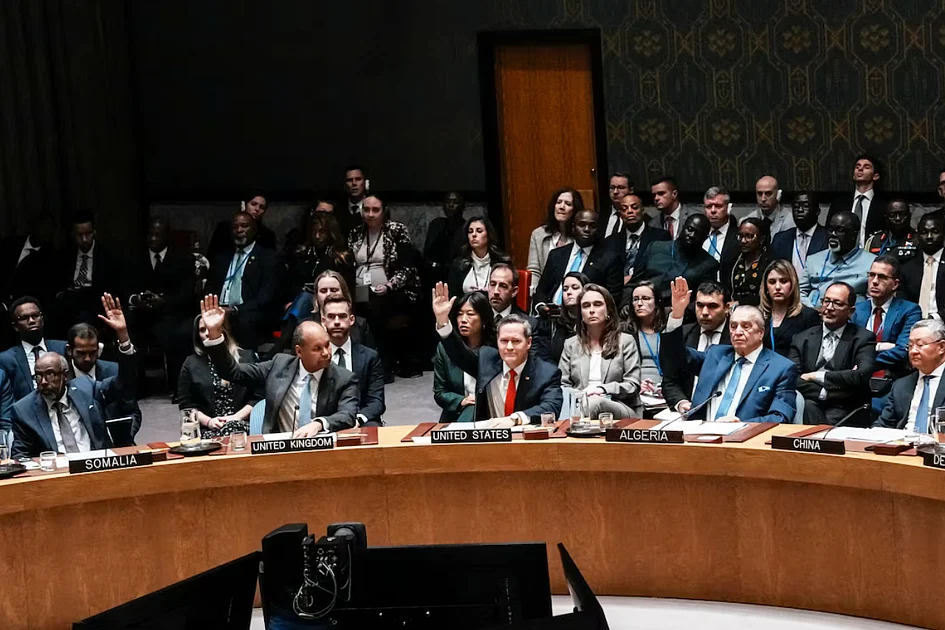
UN Security Council adopts US resolution on Trump’s international ‘board of peace’ in Gaza
The United Nations Security Council has adopted a US-drafted resolution endorsing President Donald Trump’s 20-point plan to end the ongoing conflict in Gaza. The resolution, passed on Monday, authorizes the establishment of an international stabilization force and a transitional governance body known as the ‘Board of Peace.’ This body, chaired by Trump, will oversee Gaza’s reconstruction and economic recovery while ensuring demilitarization by decommissioning weapons and dismantling military infrastructure. The plan includes a ceasefire and a hostage-release deal, previously agreed upon by Israel and Hamas last month. However, the resolution has sparked controversy in Israel due to its reference to a potential future Palestinian statehood. The Palestinian Authority has expressed support for the resolution, while Hamas-led factions have opposed it, viewing it as a step toward foreign control over Gaza. Russia, a Security Council member with veto power, abstained from the vote, allowing the resolution to pass. Prime Minister Benjamin Netanyahu reiterated Israel’s opposition to a Palestinian state and vowed to demilitarize Gaza by any means necessary.
-
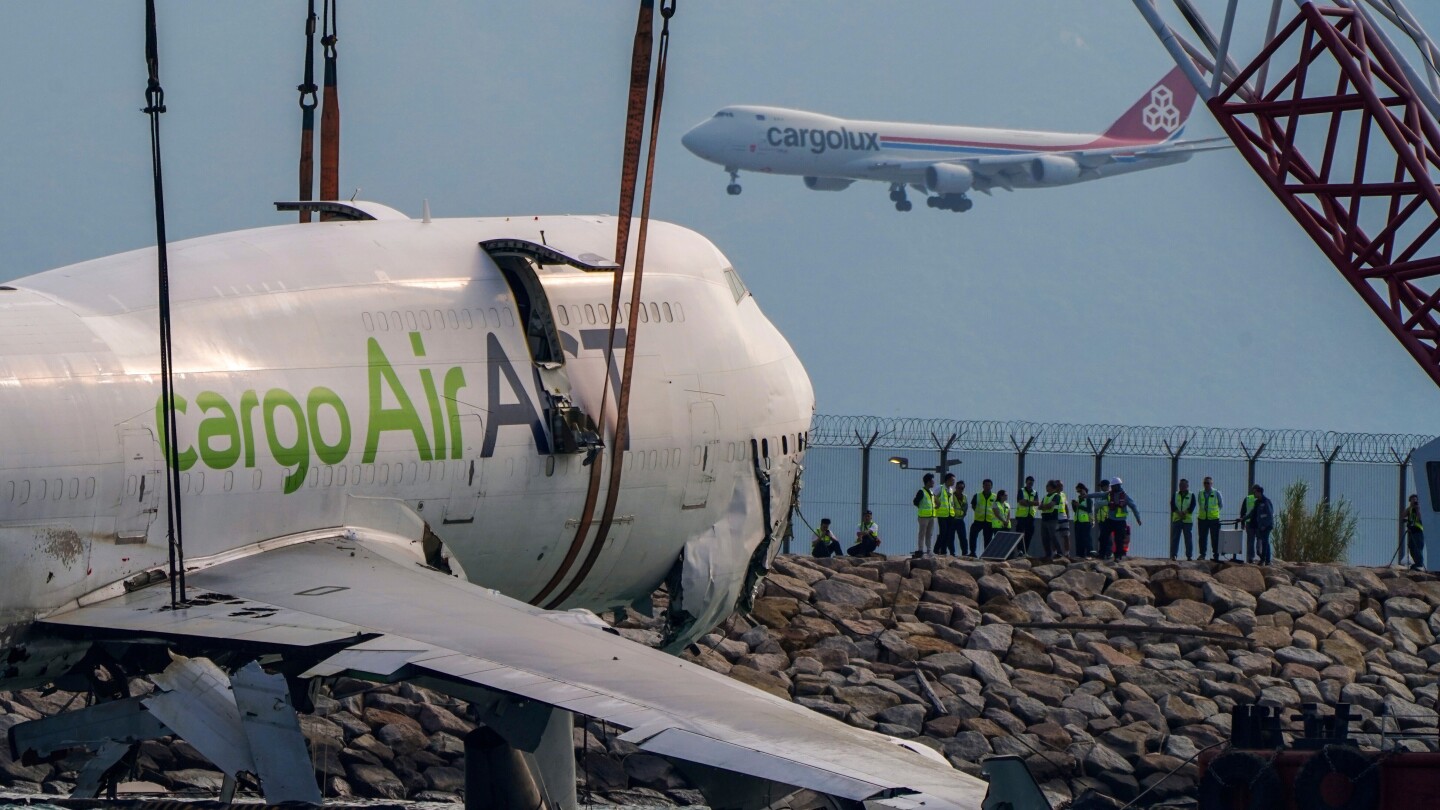
Engine accelerated after landing, a probe into deadly Hong Kong plane crash finds
A preliminary investigation into the fatal plane crash at Hong Kong International Airport last month has uncovered critical details about the incident. The report, released on Tuesday, indicates that the Number 4 engine of the Boeing 747 aircraft accelerated unexpectedly after the plane touched down on October 20. The aircraft, operated by Turkey-based ACT Airlines and leased by Emirates, skidded upon landing, colliding with a security patrol car and plunging both vehicles into the sea. Tragically, the two workers in the car lost their lives, while the four crew members on the plane escaped unharmed. The Transport and Logistics Bureau confirmed that flight conditions, including weather, runway status, and air traffic control, were normal prior to the accident. The Air Accident Investigation Authority classified the event as an accident, noting that the thrust lever of the Number 4 engine was in the full forward thrust position, contrary to the other engines, which were set to maximum reverse thrust. Investigators are now focusing on determining why the Number 4 engine’s thrust lever was in this position, examining potential issues with aircraft systems, engine conditions, maintenance records, and human factors. The investigation, supported by experts from Turkey’s Transport Safety Investigation Center, the U.S. National Transportation Safety Board, and Boeing, aims to produce a comprehensive report within a year.
-
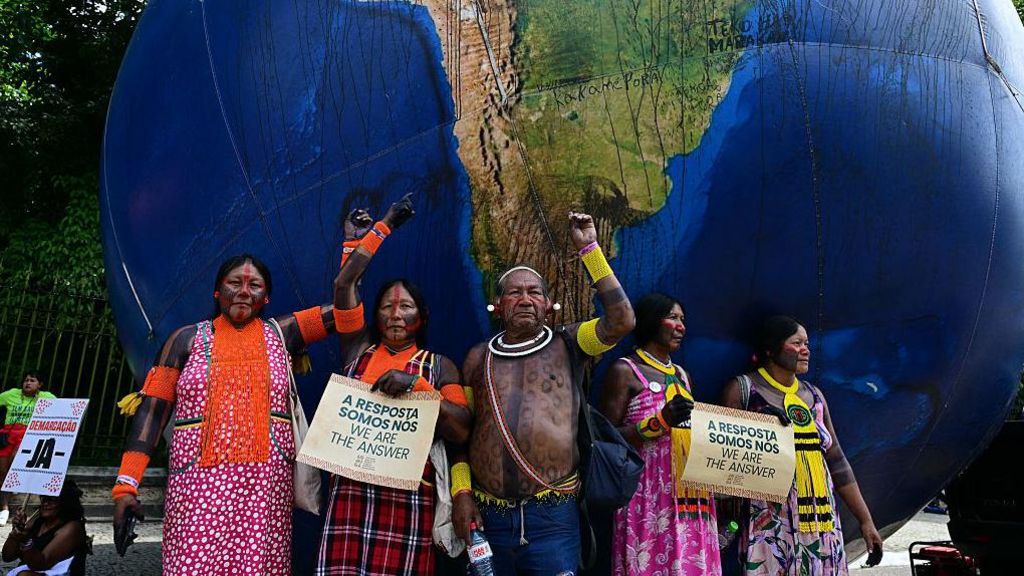
Brazil creates new Indigenous territories after COP30 protests
In a landmark decision during the COP30 climate summit in Belém, Brazil, the government has officially designated 10 new Indigenous territories. This move, formalized through a presidential decree, aims to protect the culture and environment of these areas under Brazilian law, though enforcement remains inconsistent. The announcement follows President Luiz Inácio Lula da Silva’s previous recognition of 11 Indigenous territories last year, marking a significant shift from the policies of his far-right predecessor, Jair Bolsonaro, who promoted mining on Indigenous lands. The newly protected regions span hundreds of thousands of hectares and are home to thousands of Indigenous people from various communities, including the Mura, Tupinambá de Olivença, and Guarani-Kaiowá. One of the areas overlaps with 78% of the Amazon National Park, a critical component of the global climate system. The decision aligns with Indigenous Peoples’ Day at COP30 and responds to protests demanding immediate demarcation of Indigenous lands. Demonstrators, some from Indigenous groups, carried signs reading ‘our forests are not for sale’ and clashed with security earlier in the week. Studies suggest that expanding Indigenous territories could prevent up to 20% of deforestation and reduce carbon emissions by 26% by 2030. Currently, Indigenous lands cover 117.4 million hectares, roughly the size of Colombia. The Amazon rainforest, already under threat from deforestation, plays a vital role in carbon sequestration. The COP30 summit aims to address global climate challenges, with countries striving to limit temperature rises to 1.5°C above pre-industrial levels to avoid severe consequences like extreme heat and food insecurity.
-

US-China People’s Dialogue highlights essential role of people-to-people exchanges
The 2025 US-China People’s Dialogue commenced in Los Angeles on Sunday, highlighting the indispensable role of people-to-people exchanges in stabilizing bilateral relations. Organized jointly by Tsinghua University’s Center for International Security and Strategy (CISS) and the National Committee on US-China Relations (NCUSCR), the three-day event brought together over 30 experts from academia, business, technology, and cultural sectors to discuss pressing issues under the theme ‘Bridging the Cultural and Informational Divide.’ Topics ranged from higher education and artificial intelligence to pop culture and the Chinese American community. This year’s dialogue introduced an innovative ‘group dialogue+’ format, featuring plenary discussions, breakout sessions, field visits, and interactions with international students, aiming to foster deeper understanding and trust. Yang Bin, vice chair of Tsinghua University Council, emphasized the event’s goal of exploring new mechanisms for cultural exchanges and promoting a constructive public opinion environment in the US. Stephen Orlins, president of the NCUSCR, stressed the need to identify and overcome barriers to people-to-people exchanges, calling for actionable recommendations to enhance bilateral relations. The dialogue, now in its third consecutive year, continues to serve as a vital platform for strengthening societal ties between the two nations.