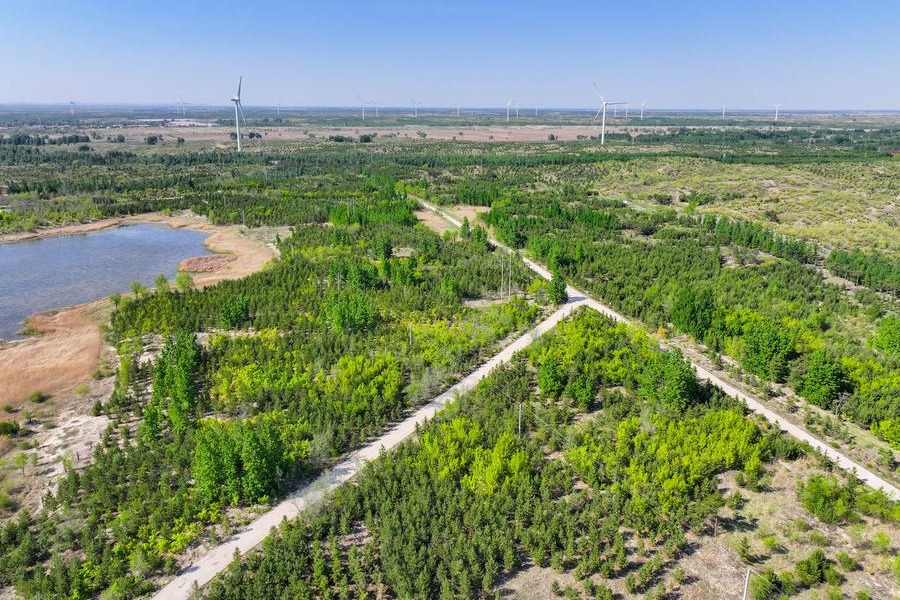
At the ongoing United Nations Climate Change Conference (COP30) in Belem, Brazil, China has announced its commitment to sharing its afforestation successes to aid other developing nations in combating climate change and stimulating economic growth. Li Gao, head of the Chinese delegation and vice-minister of ecology and environment, emphasized China’s readiness to leverage its forest management expertise to unlock the value of forest ecosystems globally. Speaking at the COP30 China pavilion, Li highlighted China’s strategic initiatives, including the Three-North Shelterbelt Forest Program and comprehensive ecosystem restoration projects, which integrate mountains, waters, forests, farmlands, lakes, grasslands, and deserts. These efforts have not only enhanced water conservation and carbon sink capacity but also fostered economic benefits through non-timber forest industries. Li also underscored China’s use of market tools, such as the China Certified Emission Reduction program, to incentivize conservation by enabling companies to trade carbon credits. By the end of 2024, China’s forest stock volume exceeded 20 billion cubic meters, marking a significant increase since 2005. The country has also seen a net growth in mangrove forests, contributing to biodiversity conservation and ecosystem resilience. Li reiterated China’s willingness to deepen South-South cooperation in forestry carbon sink technology and capacity building, emphasizing the importance of global collaboration in addressing climate challenges. The COP30 conference, which began on November 10, is set to conclude on November 22.
分类: world
-
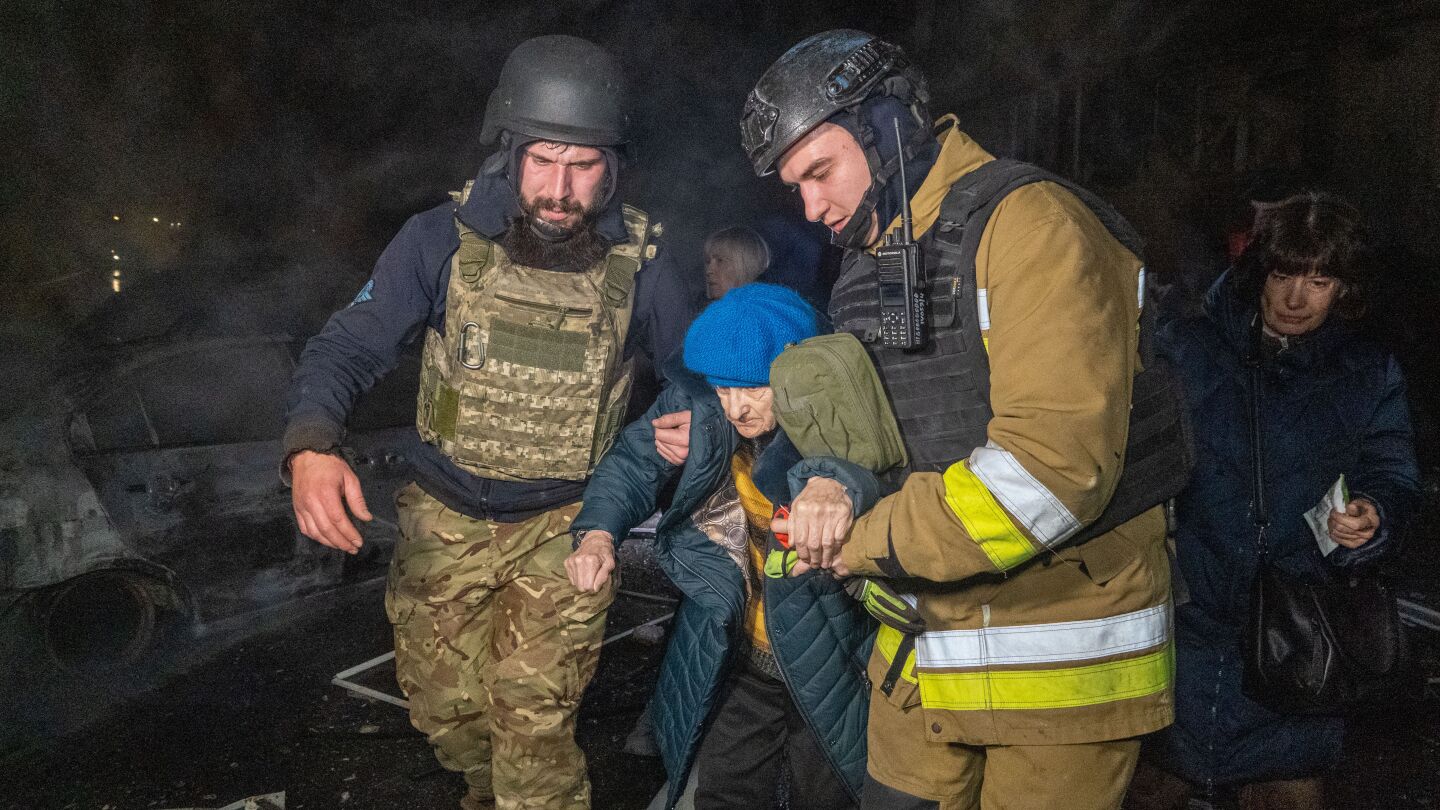
Russian barrage kills 10 in Ukraine as Zelenskyy heads for talks with Turkish leader
In a devastating overnight assault, Russia launched a massive drone and missile barrage across Ukraine, resulting in the deaths of 10 individuals and injuring dozens more. The attack targeted two nine-story apartment buildings in Ternopil, a city in western Ukraine, leaving emergency crews to search for survivors amidst the rubble. Ukrainian officials reported at least 37 injuries, including 12 children. According to Ukraine’s air force, Russia deployed 476 strike and decoy drones alongside 48 missiles of various types in the assault. Ukrainian President Volodymyr Zelenskyy condemned the attack, stating on Telegram that such brazen acts highlight the insufficient international pressure on Russia to cease its aggression. Zelenskyy is scheduled to meet with Turkey’s President Recep Tayyip Erdogan in a bid to strengthen diplomatic efforts to isolate Russian President Vladimir Putin and increase global pressure to end the conflict. The Ukrainian leader emphasized the importance of achieving a ‘just peace’ and hinted at potential support from the United States, which is set to impose new sanctions on Russia’s oil industry. Meanwhile, the strikes extended beyond Ternopil, with nearly 50 injuries reported in three other Ukrainian regions. NATO member Romania scrambled fighter jets after a drone entered its airspace during the attacks, while Poland temporarily closed two airports to prioritize military aviation. In Kharkiv, Ukraine’s second-largest city, drone strikes injured 46 people, including two girls, and damaged civilian infrastructure. Russia’s Defense Ministry claimed to have intercepted four U.S.-supplied ATACMS missiles fired by Ukraine, with debris damaging an orphanage and a gerontology center, though no casualties were reported.
-
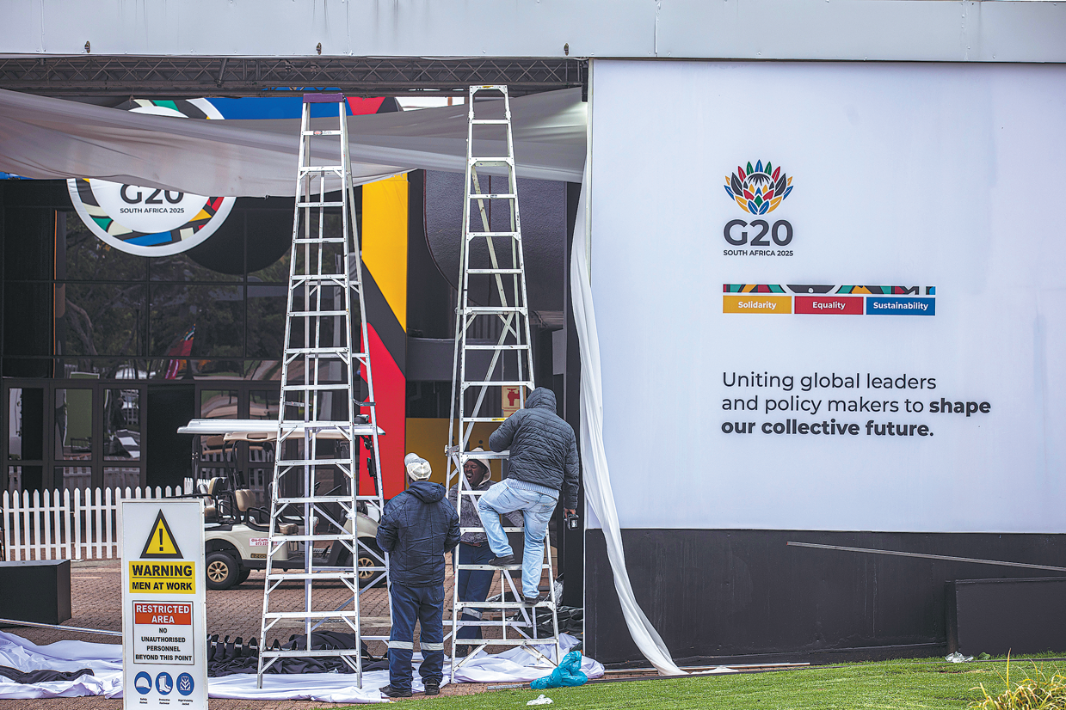
Energy cooperation with China to boost Africa’s green transition
As South Africa prepares to host the first-ever G20 summit on African soil, the spotlight is on the transformative potential of China-Africa energy cooperation in driving a just and inclusive green transition. Experts emphasize that this partnership could redefine Africa’s role in the global climate and industrial transformation, moving the continent from the periphery to the center of sustainable development.
-
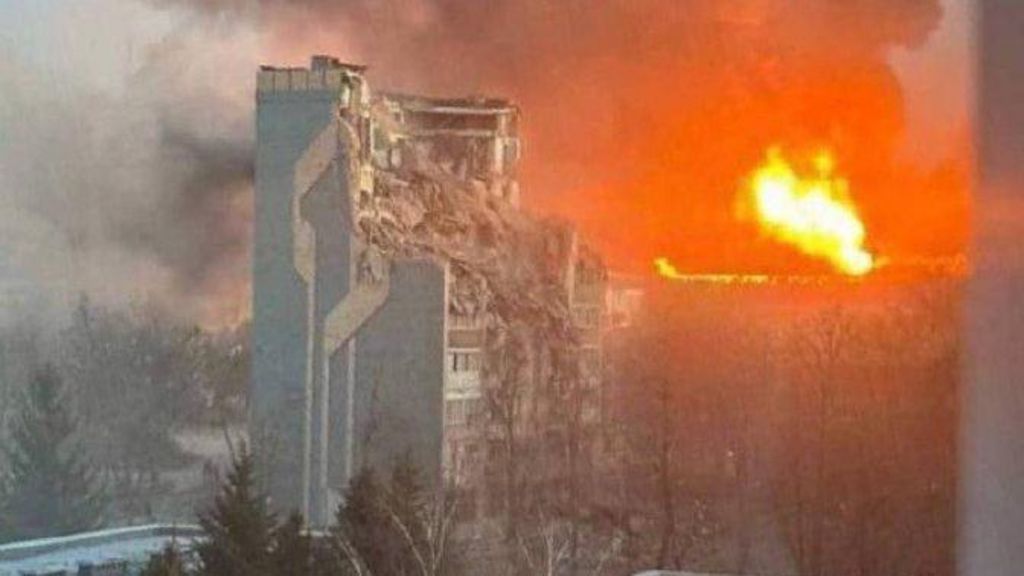
Nine killed in Russian attack on western Ukraine, Zelensky says
In a devastating overnight assault, Russian forces launched a massive attack on western Ukraine, resulting in significant casualties and destruction. Ukrainian President Volodymyr Zelensky confirmed that nine people were killed and dozens injured in the city of Ternopil, where nine-story residential buildings were struck. The assault involved over 470 drones and 47 missiles, marking one of the deadliest attacks on western Ukraine since the full-scale invasion began in February 2022. Zelensky described the attack as ‘brazen,’ emphasizing the widespread damage to energy facilities, transport, and civil infrastructure. Rescue operations are ongoing, with fears that people may still be trapped under the rubble. The Kharkiv region also suffered a massive drone attack, injuring more than 30 people, including children. Photos from the scene showed buildings and vehicles engulfed in flames. Power outages have been reported across multiple regions, further compounding the crisis. Zelensky, currently in Turkey for talks with President Recep Tayyip Erdogan, called for increased international support, stating that ‘every brazen attack against ordinary life shows that the pressure on Russia is insufficient.’ He urged for effective sanctions and aid to Ukraine to counter the aggression. Despite Zelensky’s efforts to intensify peace negotiations, the Kremlin has refused to send a representative to the talks in Ankara. This breaking news story is continuously updated, with more details expected shortly.
-
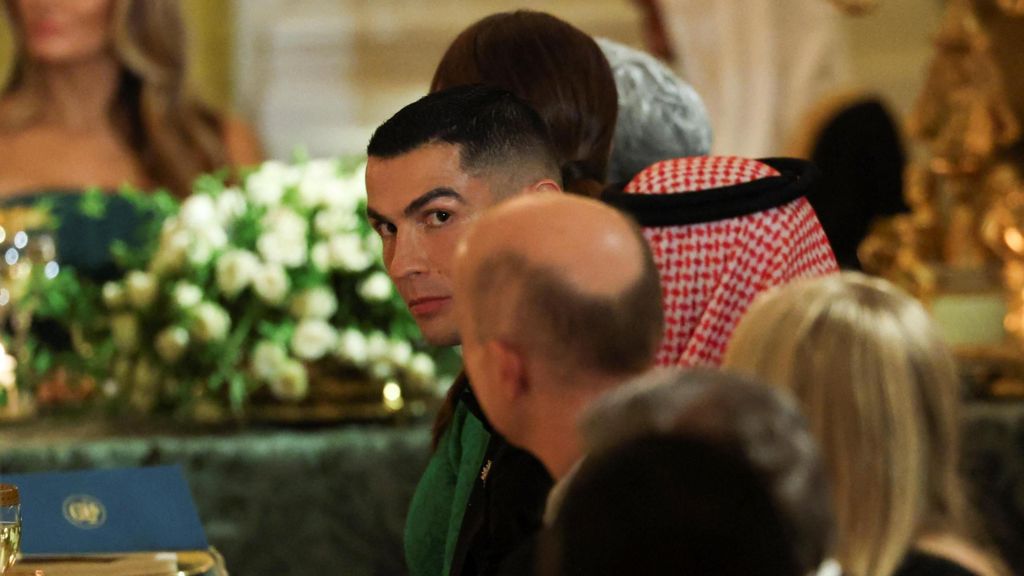
Cristiano Ronaldo attends White House dinner alongside Saudi crown prince
Global football icon Cristiano Ronaldo made a notable appearance at a high-profile White House black-tie dinner on Tuesday evening, rubbing shoulders with Saudi Crown Prince Mohammed bin Salman and tech mogul Elon Musk. The event, hosted by former US President Donald Trump, underscored the deepening ties between the United States and Saudi Arabia, with Trump lauding the kingdom as a “major non-NATO ally.” Ronaldo, who has become a prominent figure in Saudi Arabia’s modernization efforts through his role in the Saudi Pro League, was personally praised by Trump, who humorously noted that his son Baron was a “big fan” of the Portuguese star. The dinner also marked Elon Musk’s first visit to the White House since his resignation from the Trump administration’s Department for Government Efficiency in April, following a highly publicized feud with the former president. Saudi Arabia’s strategic investments in sports and tourism, aimed at reducing its reliance on oil revenues, have drawn criticism from some quarters, with accusations of ‘sportswashing’ to divert attention from human rights concerns. Ronaldo, who has faced past allegations of sexual assault—claims he has vehemently denied—has embraced his role as a key figure in Saudi Arabia’s global image-building efforts, recently signing a lucrative two-year contract worth $400 million. His presence at the White House event highlights his continued influence both on and off the field.
-
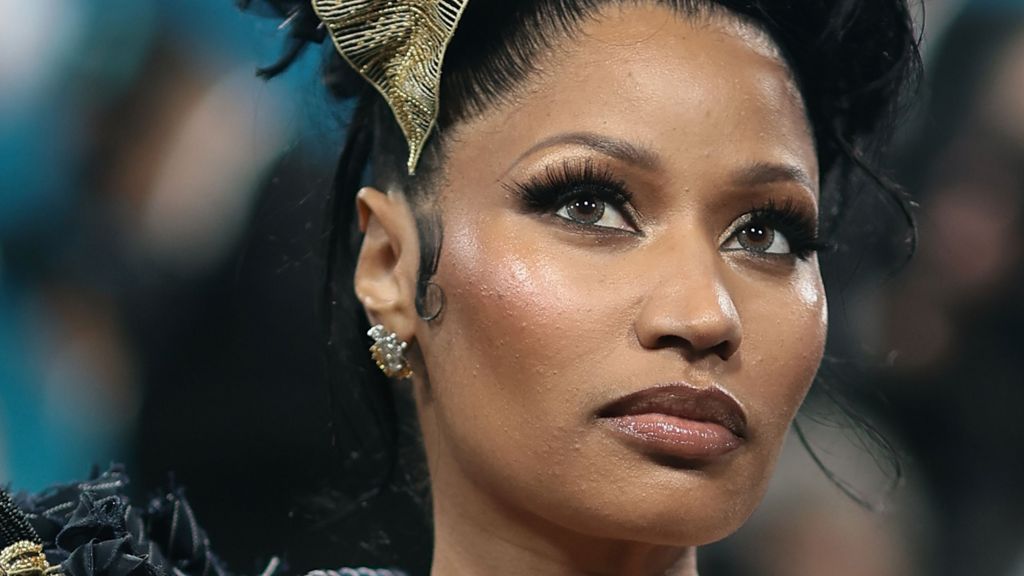
Christians in Nigeria ‘driven from their homes and killed’, Nicki Minaj says
Nicki Minaj, the Trinidadian-American rap superstar, has publicly supported former U.S. President Donald Trump’s allegations of Christian persecution in Nigeria. Speaking at a United Nations event organized by the U.S. on Tuesday, Minaj stated, ‘In Nigeria, Christians are being targeted. Churches have been burned, families have been torn apart… simply because of how they pray.’ Her comments align with Trump’s recent threats to deploy U.S. troops to Nigeria if the government fails to address the alleged violence against Christians. However, the Nigerian presidency has countered these claims, emphasizing that the widespread violence in the country affects all citizens, regardless of religious or ethnic background. Minaj, whose real name is Onika Tanya Maraj-Petty, clarified that her advocacy is not about division but about ‘uniting humanity’ and standing against injustice. She expressed gratitude to Trump for prioritizing the issue and acknowledged Nigeria’s rich cultural and faith traditions. U.S. Ambassador to the UN, Mike Waltz, praised Minaj for using her platform to highlight the atrocities. While right-wing campaigners in Washington have accused Islamist militants of systematically targeting Christians, analysts argue that much of the violence is driven by disputes over resources and ethnic tensions rather than religion. Nigeria’s government maintains that terrorists attack all who oppose their ideology, regardless of faith. Minaj’s appearance at the UN marks her most significant political intervention to date. The rapper, who has faced criticism for spreading COVID-19 vaccine misinformation and her ongoing feud with Cardi B, emphasized her commitment to justice, stating, ‘The Barbz & I will never stand down in the face of injustice.’
-
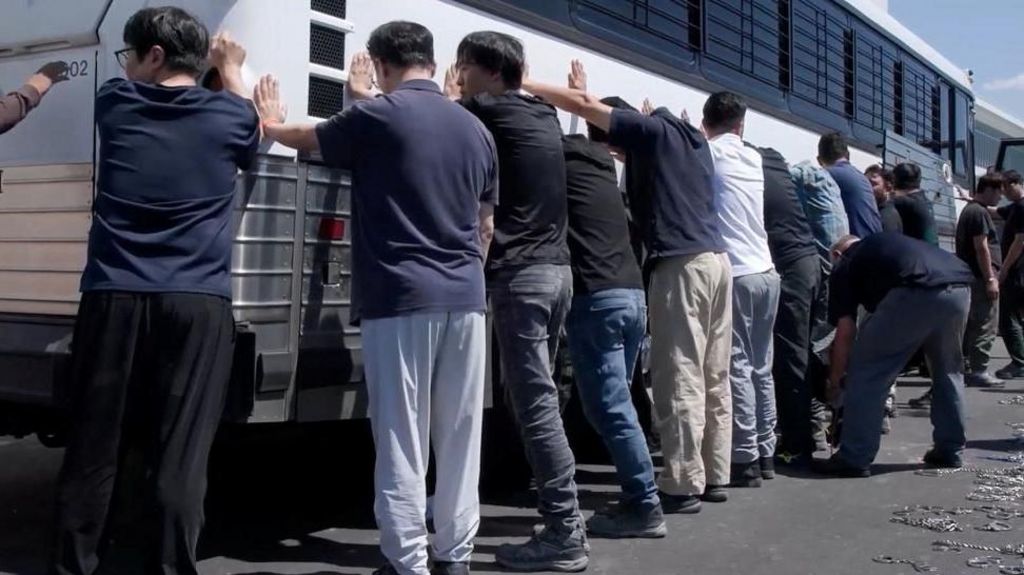
Hyundai boss says White House apologised to him over Georgia raid
In a significant diplomatic development, the White House has issued an apology to Hyundai CEO José Muñoz following a controversial immigration raid at a Georgia-based battery plant jointly operated by Hyundai and LG. The incident, which occurred in September, resulted in the detention of over 300 South Korean workers, sparking widespread outrage in South Korea and straining US-South Korea relations. During a business leaders’ conference in Singapore, Mr. Muñoz revealed that both the White House and the Georgia governor had expressed regret over the raid, with the latter stating that the action was beyond state jurisdiction. The detained workers were reportedly shackled and forced to sit on the factory floor before being held for over a week. They were eventually repatriated after urgent diplomatic negotiations between the US and South Korean governments. Mr. Muñoz emphasized that the raid was based on unfounded claims of illegal immigration and described it as ‘a bad surprise.’ Despite the incident, Hyundai remains committed to its US manufacturing operations. The raid delayed the plant’s opening due to labor shortages, but US President Donald Trump later expressed opposition to the action, highlighting the importance of international expertise in specialized facilities. In a positive turn, the US and South Korea announced a broad trade deal in October, reducing reciprocal tariffs and pledging significant investment in the US.
-
Africa hosts its first G20 and urges the rich world to do more against climate disasters
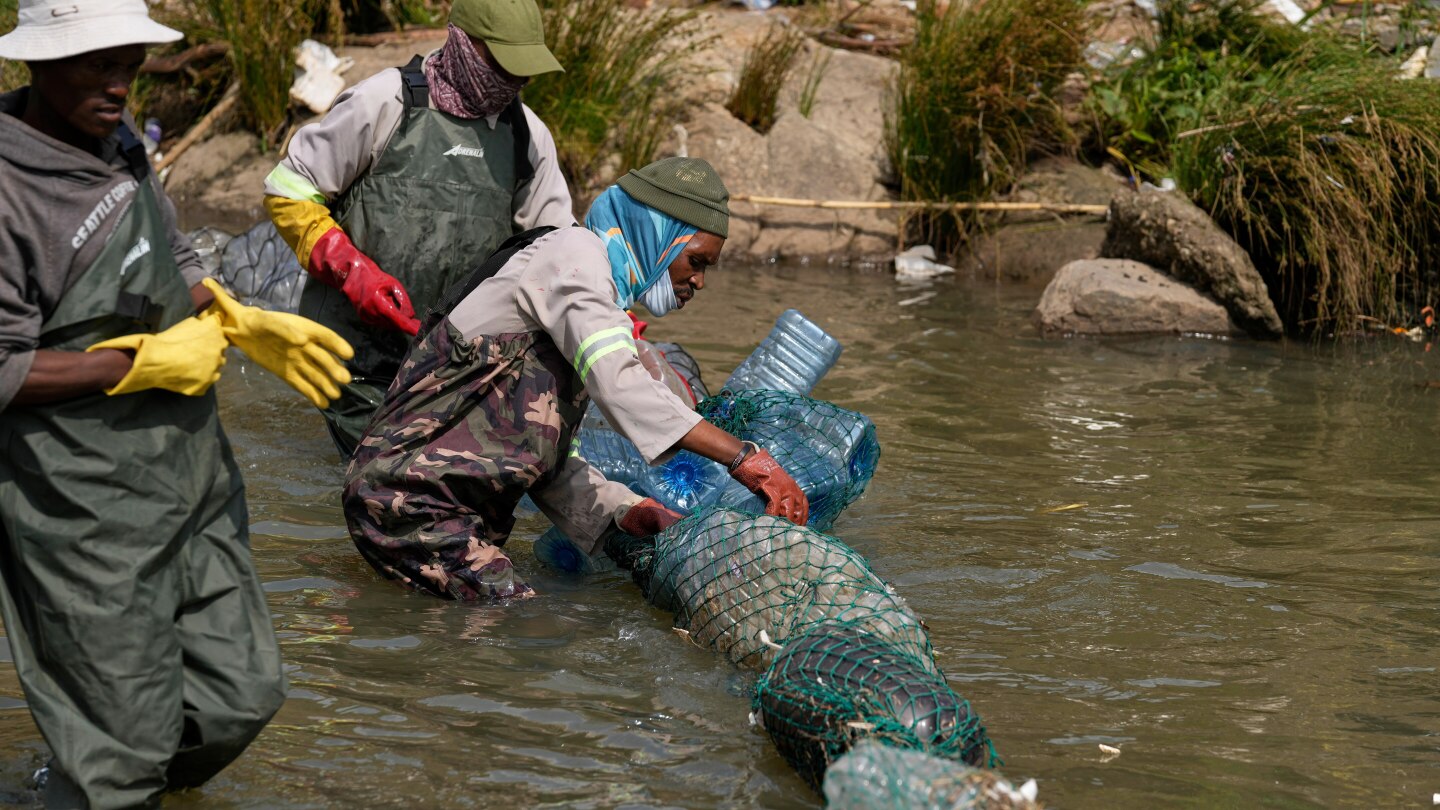
In the heart of South Africa’s oldest township, Alexandra, volunteers clad in wetsuits wade into the polluted Jukskei River to repair damaged garbage nets, a critical defense against flooding that threatens the shacks of this low-lying community. This scene underscores the urgent climate challenges facing South Africa as it hosts the Group of 20 (G20) summit in Johannesburg, marking the bloc’s first meeting on African soil. The summit aims to prioritize issues affecting impoverished nations, particularly the escalating impacts of climate change. South Africa is poised to call on wealthier nations and international financial institutions to bolster support for developing countries grappling with climate-induced disasters. Alexandra, home to over half a million residents, lies just steps away from Sandton, Johannesburg’s affluent financial hub. Yet, frequent flooding isolates the township, leaving children stranded and unable to attend school. Semadi Manganye, co-founder of the Alexandra Water Warriors, describes the situation as a “big hazard,” highlighting the stark contrast between wealth and poverty in the region. The climate crisis exacerbates inequality, a point emphasized by Binaifer Nowrojee, president of the Open Society Foundations, who notes that poor nations face a dire choice between economic growth and climate action. The World Bank reports that natural disasters have surged nearly eightfold in the poorest countries over the past four decades. Southern Africa, in particular, has endured devastating tropical storms, such as Cyclone Idai in 2019, which caused $2 billion in damages across Mozambique, Malawi, and Zimbabwe. The region also suffered from severe droughts last year, crippling agriculture and deepening poverty. Climate financing remains a contentious issue, with rich nations pledging $300 billion annually by 2035 to aid developing countries, though experts argue $1 trillion per year is needed by 2030. The absence of the United States, one of the world’s largest polluters, from the G20 summit further complicates efforts to reach meaningful climate agreements. Meanwhile, South Africa’s own struggles with inequality and inadequate infrastructure exacerbate the climate crisis. Amnesty International’s recent report criticizes the government for failing millions living in informal settlements, who are disproportionately affected by flooding and other climate-related disasters. Despite these challenges, grassroots initiatives like the Alexandra Water Warriors offer hope. Since its formation in 2021, the group has planted trees, recycled waste, and engaged thousands in climate resilience projects, supported by a mix of public and private funding. As the G20 summit unfolds, South Africa seeks to champion green growth as a pathway to development, emphasizing that sustainable and resilient economies can drive faster progress.
-
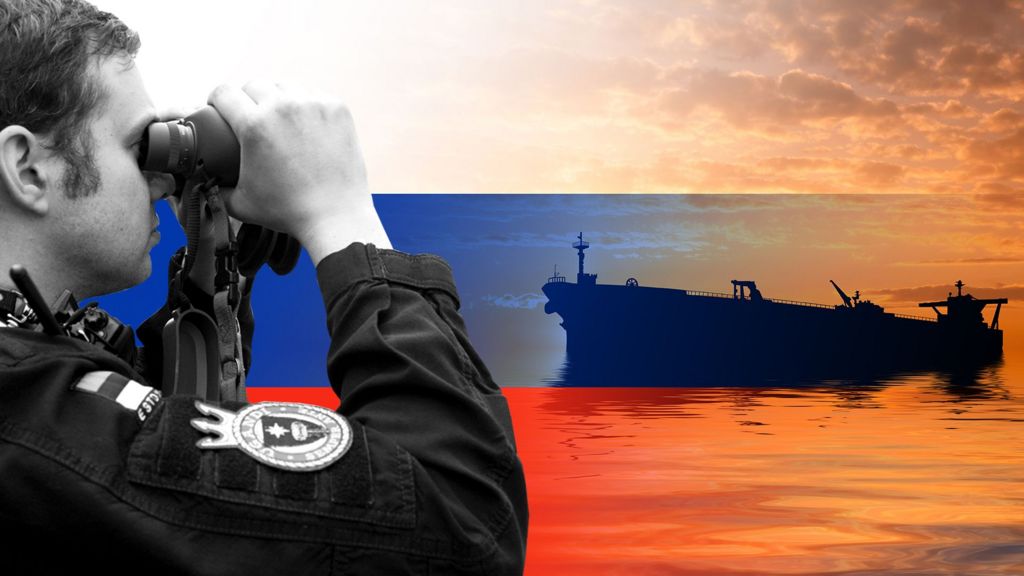
On the front line of Europe’s standoff with Russia’s sanction-busting shadow fleet
In the western Baltic Sea, a Swedish coastguard officer radios a sanctioned oil tanker, seeking details about its insurance, flag state, and last port of call. This exchange is emblematic of Europe’s tense confrontation with Russia’s ‘shadow fleet,’ a network of aging tankers used to circumvent Western sanctions on Russian oil exports. Since the Kremlin’s full-scale invasion of Ukraine, Western nations have imposed strict energy sanctions, prompting Moscow to rely on these vessels, often with obscure ownership and insurance, to maintain its oil trade. European coastguards and navies are increasingly encountering these ships, suspecting them of transporting oil illegally. Some are even accused of undersea sabotage, illicit drone launches, or falsifying location data. The International Maritime Organization (IMO) reports that the number of falsely flagged ships has more than doubled this year, surpassing 450 globally. Many of these vessels are stateless, operating without valid flags or proper insurance, raising concerns about environmental and security risks. For instance, the tanker Unity, previously known as Ocean Explorer, has changed names and flags multiple times, most recently claiming a false flag from Lesotho. Despite being sanctioned by the UK and EU, Unity continues to operate, highlighting the challenges of enforcing maritime laws. The rise of the shadow fleet has alarmed European nations, particularly in the Baltic region, where vessels frequently pass through en route to Russian oil terminals. Estonia’s navy chief, Commodore Ivo Värk, notes a significant increase in such traffic, emphasizing the brazen nature of these operations. While countries like France, Finland, and Estonia have detained some ships, the fear of escalation with Russia limits more aggressive actions. NATO officials stress the importance of monitoring these vessels to deter illegal activities, but the complexity of the situation underscores the fragility of the international rules-based order. As Europe intensifies its surveillance, the shadow fleet continues to grow, posing significant risks to global commerce, security, and the environment.
-
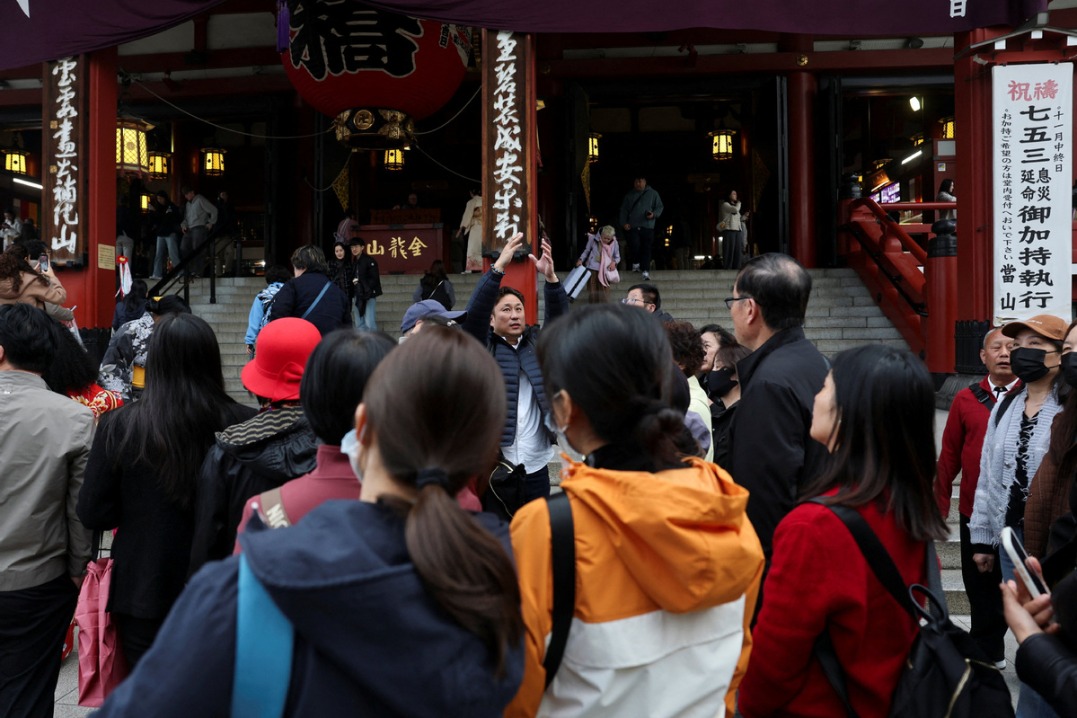
Japan’s tourism battered as Chinese travelers cancel trips
Japan’s tourism sector is facing significant challenges as a wave of cancellations by Chinese travelers follows recent diplomatic tensions. The cancellations come in response to travel advisories issued by Beijing, urging Chinese citizens to avoid Japan due to controversial remarks made by Japanese Prime Minister Sanae Takaichi regarding Taiwan. These comments have sparked strong protests from China, leading to a notable shift in travel preferences among Chinese tourists.
Data from flight booking platforms reveals that South Korea has now become the most sought-after destination for Chinese travelers, with Thailand, Hong Kong, Malaysia, Singapore, and Vietnam also seeing increased interest. Major Chinese travel agencies, including Tuniu Corp and Spring Tour, have reported a surge in cancellations for group tours to Japan. Additionally, Spring Airlines has canceled several flights between Shanghai and Japanese cities, citing alignment with pre-existing plans.
Major Chinese airlines, such as Air China, China Southern Airlines, and China Eastern Airlines, have announced that passengers with tickets for Japan-bound flights before December 31 can avail of free refunds or rescheduling. The Chinese Foreign Ministry has reiterated its stance on defending national interests, urging Japan to retract its statements and address the concerns of the Chinese people.
The travel advisory, issued on Friday, highlights concerns over public safety in Japan and the potential risks to Chinese citizens. Similar alerts were released by China’s Ministry of Education and Ministry of Culture and Tourism. The downturn in Chinese tourism has already impacted Japan’s economy, with tourism-related stocks experiencing declines. Companies like Shiseido, Japan Airlines, and Isetan Mitsukoshi Holdings have seen their shares drop, while the Nikkei 225 Index fell by 3.22%.
According to Japan’s Nomura Research Institute, a significant reduction in Chinese tourists could result in a 0.36% decline in Japan’s GDP, with estimated economic losses reaching 2.2 trillion yen ($14.18 billion). As China remains Japan’s largest trading partner and source of imports, the ongoing tensions could have broader implications for bilateral relations and economic cooperation.