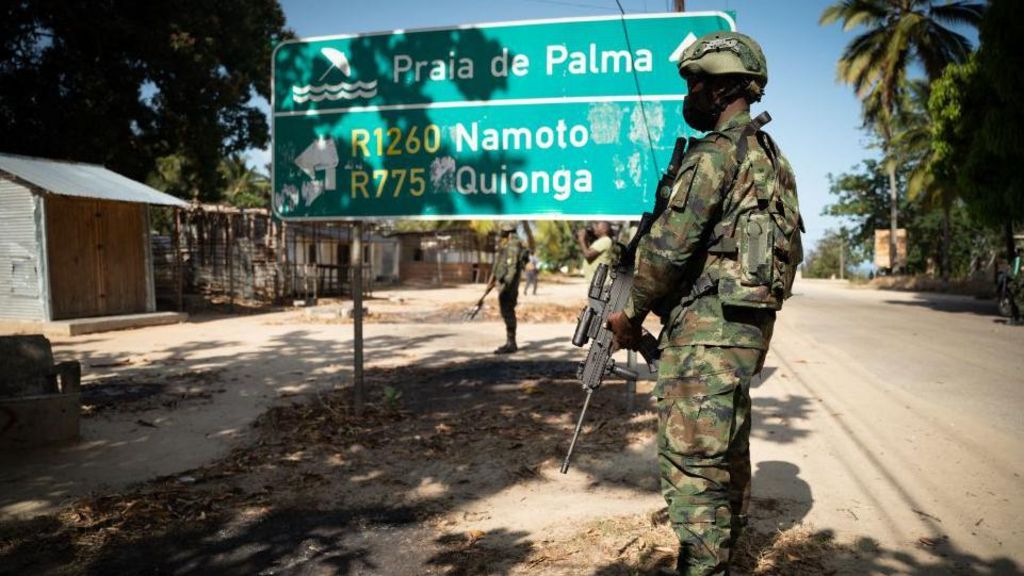
French energy giant TotalEnergies is embroiled in a legal and ethical controversy following allegations of complicity in war crimes during a 2021 massacre near its multi-billion-dollar gas project in northern Mozambique. The European Center for Constitutional and Human Rights (ECCHR) has filed a complaint with French prosecutors, accusing the company of enabling the torture and execution of dozens of civilians by local security forces at its facility. The incident occurred in the resource-rich Cabo Delgado province, where government troops were combating Islamist militants linked to the Islamic State group. TotalEnergies has consistently denied responsibility for the actions of the security forces involved in guarding its Afungi peninsula gas refinery development, which was Africa’s largest foreign investment project at the time. The massacre followed a brutal Islamist attack on the town of Palma, where 1,563 civilians were killed or kidnapped near TotalEnergies’ gas plant. Investigative journalist Alex Perry, who first documented the tragedy, described it as the ‘bloodiest disaster in oil and gas history.’ The complaint highlights the ethical dilemmas faced by corporations operating in conflict zones and calls for accountability. Environmental campaigners are urging the UK and Dutch governments to withdraw financial support for TotalEnergies’ liquefied natural gas project in Mozambique, citing the severity of the allegations. Critics draw parallels between TotalEnergies’ actions and those of Lafarge, another French company currently on trial for allegedly funding jihadist groups in Syria. Despite the controversy, supporters argue that the project could bring significant economic benefits to a neglected region of Africa.
分类: world
-

Palestinian groups urge UN mandate for Gaza mission
Palestinian factions, including Hamas, have strongly emphasized that any international mission in Gaza must operate under a United Nations mandate. This demand comes as the UN Security Council prepares to vote on a US-drafted resolution aimed at establishing a ‘Board of Peace’ and an international stabilization force in the Gaza Strip. The factions argue that a mission outside UN authority could lead to external domination over Palestinian decision-making and turn humanitarian aid into a tool of pressure, thereby undermining Palestinian institutions and the UN agency for Palestinian refugees. They insist that any mission must coordinate exclusively with official Palestinian institutions to avoid compromising Palestinian sovereignty. Additionally, the groups are calling for international mechanisms to hold Israel accountable for its violations of the ceasefire agreement, including the humanitarian crisis caused by Israel’s control of Gaza’s crossings. The US-drafted resolution, which follows a recent ceasefire brokered by the US, includes provisions for a potential future Palestinian state and the disarmament of Hamas. However, experts like Arhama Siddiqa of the Institute of Strategic Studies Islamabad argue that the resolution fails to address the core issue of Israel’s occupation and the denial of Palestinian self-determination, making it unlikely to gain credibility on the ground.
-
Experts call on India, China to bridge communication gap
In a bid to mend strained relations, experts and media leaders from India and China have emphasized the need to bridge the communication gap between the two nations. The call was made during a special plenary session at the 31st annual conference of the Asian Media Information and Communication Centre, held in Mumbai in October. The session focused on promoting dialogue to improve bilateral ties, with participants stressing the importance of rebuilding trust to reduce negative perceptions. Padma Rani, a senior professor at the Manipal Institute of Communication, highlighted the role of multilateral organizations like BRICS, G20, and the Shanghai Cooperation Organisation in aligning views on global issues. She advocated for consistent dialogue and non-official exchanges between experts, think tanks, and civil society members to address the trust deficit. Wang Xiangwei, a professor at Hong Kong Baptist University, reflected on the cultural differences in communication styles between the two nations, noting that these differences could serve as bridges rather than barriers. He lamented the lack of accredited journalists in each other’s countries, which has led to negative portrayals in the media. Biplab Loho Choudhury, chairman of the Indian Communication Congress, recalled Rabindranath Tagore’s vision of a ‘common Asian viewpoint’ and urged the two nations to embrace an Asian way of thinking. Ji Li, a professor at Wuhan University, highlighted a project encouraging young journalists to report on sustainable development goals, aiming to shift media narratives from confrontation to cooperation. K.G. Suresh, vice-president of the Indian Communication Congress, called for more academic exchanges to shape perceptions, while Wang suggested partnerships between media organizations to reduce dependency on Western sources and foster empathy through shared bylines.
-
UN climate conference host Brazil urges nations to negotiate and find solutions to global warming
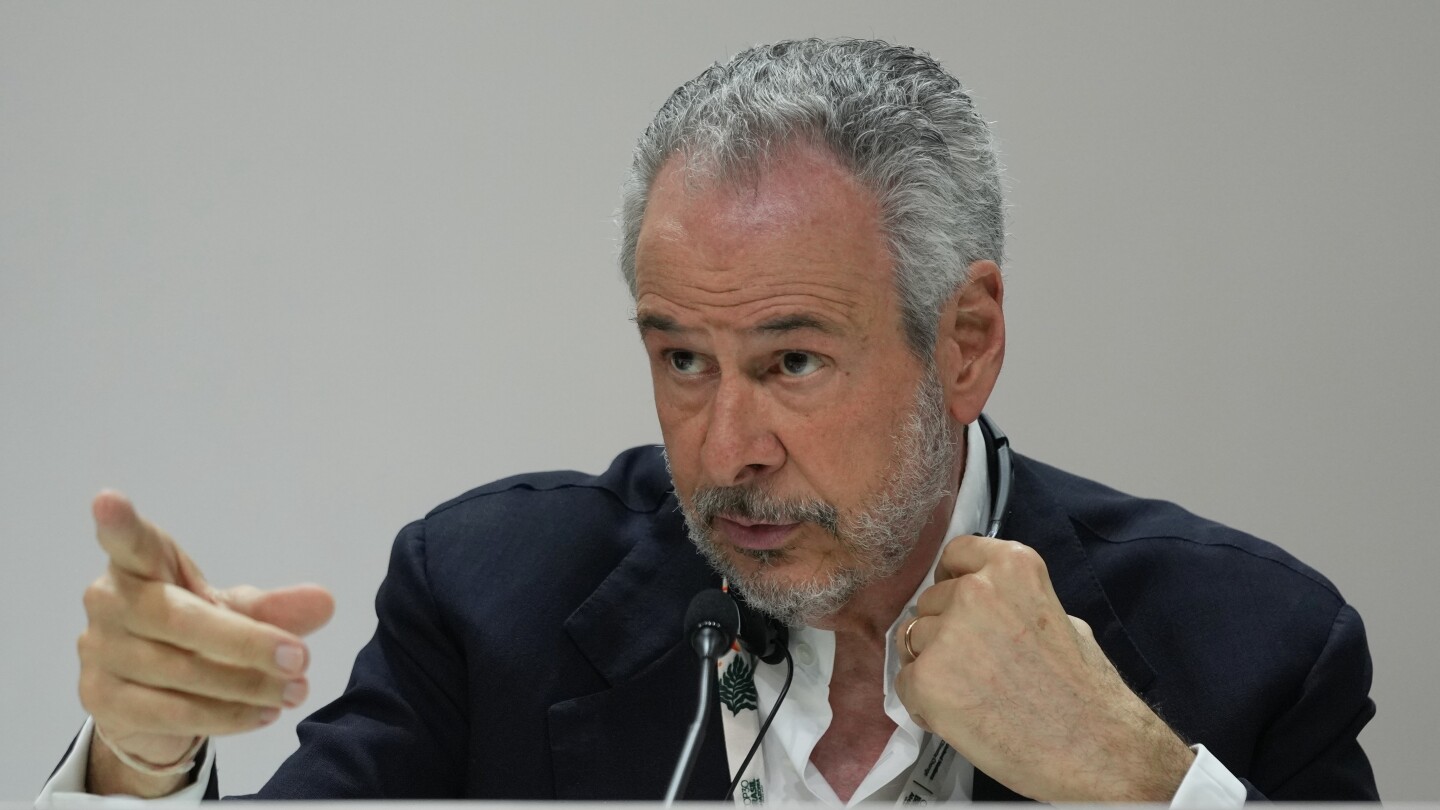
As the United Nations COP30 climate summit in Brazil reaches its pivotal final week, host nation Brazil has issued a direct appeal to participating countries to accelerate negotiations. The letter, dispatched late Monday, underscores the urgency of reaching consensus on key issues before the summit concludes on Friday. This historic gathering, the first of its kind in the Amazon rainforest, highlights the region’s critical role in climate regulation through its vast carbon-absorbing forests.
-
Chinese ship jams communications as Filipino forces deliver supplies to Philippines-occupied shoal
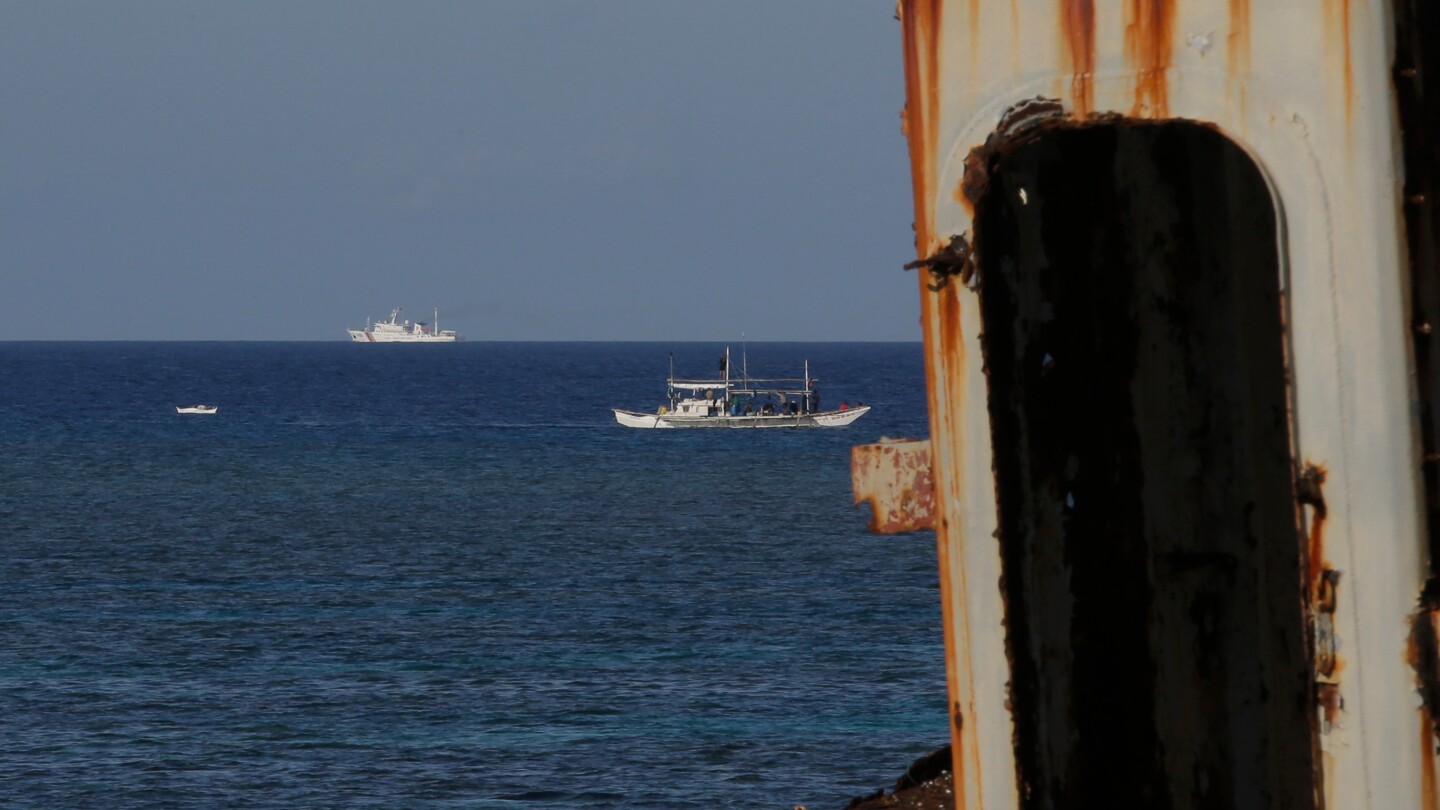
In a tense maritime operation, Philippine forces successfully transported essential supplies and personnel to the Second Thomas Shoal, a disputed territory in the South China Sea, despite interference from Chinese government ships. The mission, conducted on Friday, saw the Armed Forces of the Philippines deliver food, fuel, and a fresh batch of navy personnel to the BRP Sierra Madre, a grounded warship serving as a territorial outpost. Chinese Coast Guard vessels, which have long guarded the periphery of the shoal, reportedly jammed communications during the operation, ostensibly to prevent potential drone surveillance by the United States or other foreign forces. Philippine officials confirmed the mission was completed without incident, though they spoke anonymously due to the sensitivity of the issue. China, which claims sovereignty over the shoal and much of the South China Sea, has repeatedly demanded the removal of the Sierra Madre. The two nations had previously signed a temporary nonaggression agreement in July 2024 to avoid confrontations in the area. However, tensions have persisted, with China deploying additional coast guard and militia ships to the shoal in August, some equipped with advanced weaponry. The Philippines has conducted 12 such supply missions since last year, all without incident. The South China Sea remains a flashpoint for regional disputes, with Vietnam, Malaysia, Brunei, and Taiwan also laying overlapping claims. The U.S., while not claiming the waters, has pledged to defend the Philippines, its oldest Asian ally, in the event of armed conflict.
-

Takeaways from AP’s report on the violence in northern Nigeria
Northern Nigeria has been engulfed in a prolonged security crisis, marked by widespread violence that has drawn international attention. U.S. President Donald Trump has specifically criticized Nigeria for what he describes as the “killing of Christians” by “radical Islamists.” While victims and church leaders affirm that Christians face persecution, many experts and residents argue that the situation is more complex. The violence, they say, spares no one, regardless of religious affiliation.
-

Japan movie releases postponed in China after Taiwan row
The release of two highly anticipated Japanese films in China has been postponed amid escalating diplomatic tensions between the two nations. The delay follows controversial remarks by Japanese Prime Minister Sanae Takaichi regarding Taiwan, which have sparked strong reactions from Beijing. The affected films include the animated comedy ‘Crayon Shin-chan the Movie: Super Hot! The Spicy Kasukabe Dancers’ and the live-action adaptation ‘Cells at Work!’, based on a popular manga series. Chinese state media CCTV reported the postponement, citing a reassessment of the overall outlook for Japanese films in China and the prevailing sentiment among Chinese audiences. While the release of the blockbuster anime ‘Demon Slayer: Infinity Castle’ remains uncertain, ticket sales have reportedly declined as the diplomatic row intensifies. Takaichi’s recent comments in the Japanese parliament, suggesting potential military action if China attacks Taiwan, have further strained bilateral relations. In response, Beijing has advised its citizens to avoid travel to Japan and reconsider studying there, citing safety concerns. The fallout has also impacted Japanese tourism, airline, and retail sectors, with stocks experiencing sharp declines. China views Taiwan as a breakaway province and has not ruled out the use of force to achieve reunification, while many Taiwanese see themselves as part of a separate nation, though most prefer maintaining the current status quo. The postponement of these films underscores the broader cultural and economic repercussions of the ongoing geopolitical tensions.
-

Gunmen kidnap 25 schoolgirls in northwestern Nigeria
In a harrowing early morning raid on Monday, gunmen from a criminal gang stormed the Government Girls Comprehensive Secondary School in Kebbi state, northwestern Nigeria, kidnapping 25 schoolgirls and killing a staff member. Armed with sophisticated weapons, the assailants breached the school’s defenses, abducting the students and fleeing to an unknown location. The attack has reignited fears of a spiraling kidnapping crisis in Nigeria, reminiscent of the infamous 2014 Chibok abduction, where 276 girls were taken by Boko Haram insurgents. Police, military units, and local vigilantes have launched a manhunt to rescue the abducted students and apprehend the perpetrators. This incident marks the second mass school abduction in Kebbi in four years, following a 2021 attack where over 100 students and staff were taken. The region has become a hotspot for kidnappings, with heavily armed gangs exploiting the security vacuum to terrorize communities. Despite efforts by authorities to negotiate peace deals and deploy vigilante groups, the kidnapping crisis continues to escalate, leaving families and communities in despair. Nigeria’s northwest, plagued by armed violence and banditry, remains the epicenter of this growing humanitarian and security crisis.
-
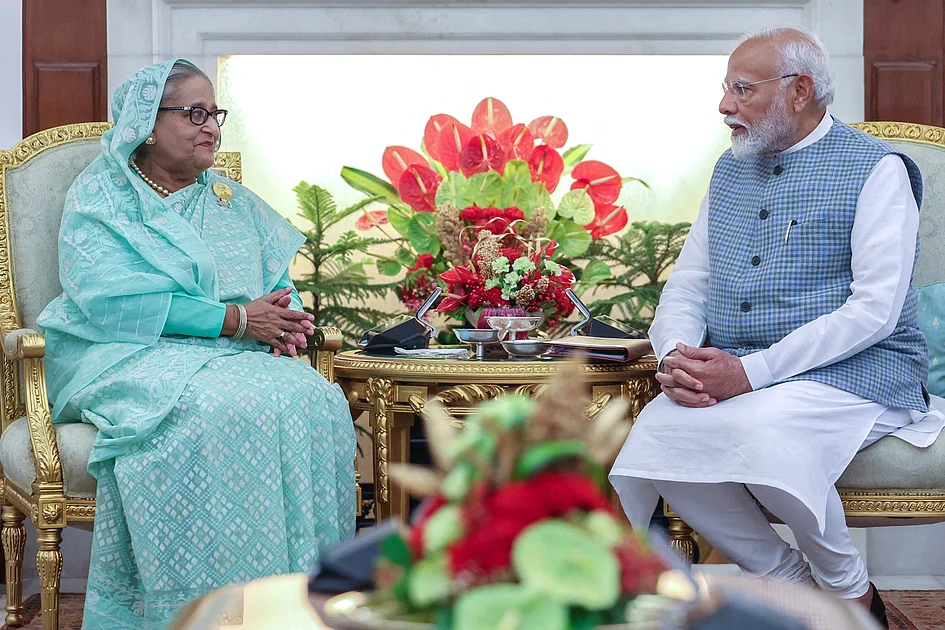
India issues statement after Bangladesh seeks extradition of former PM Hasina
India has formally addressed Bangladesh’s request for the extradition of former Prime Minister Sheikh Hasina, emphasizing its dedication to fostering peace, stability, and democratic progress in the region. The statement, issued by India’s Ministry of Foreign Affairs, follows a recent verdict by Bangladesh’s International Crimes Tribunal, which sentenced Hasina and former Interior Minister Asaduzzaman Khan Kamal to death for their involvement in a violent crackdown on student protests last year. Both individuals are currently fugitives, with Hasina residing in India since fleeing Bangladesh. India reiterated its commitment to constructive engagement with all stakeholders in Bangladesh, underscoring its support for the nation’s democratic and inclusive future. The extradition request, based on a bilateral treaty, comes amid ongoing political unrest in Bangladesh, with elections anticipated in February 2026. The situation remains tense as the country grapples with the aftermath of Hasina’s autocratic rule and the violence surrounding the upcoming polls.
-
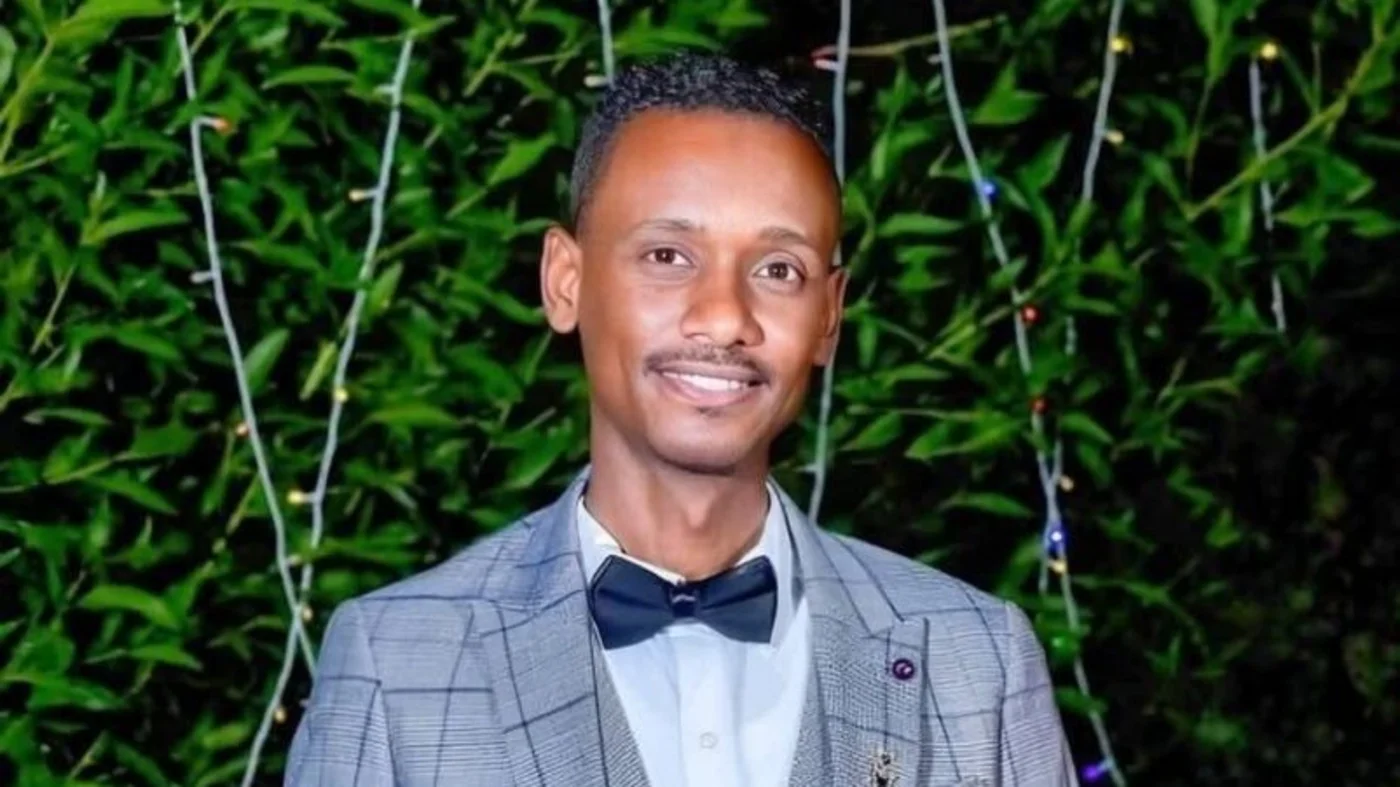
UAE detains prominent Sudanese civil society spokesperson
The United Arab Emirates (UAE) has come under intense international scrutiny following the detention of Nader Maryoud, a prominent Sudanese civil society activist and spokesperson for the pro-democracy Resistance Committees movement in Omdurman. Maryoud was arrested by Emirati authorities two weeks ago without explanation, according to his brother Nizar Maryoud, who described the detention as arbitrary. The arrest occurred shortly after the Salha Resistance Committee issued a statement criticizing the Rapid Support Forces (RSF), a paramilitary group backed by the UAE that has been engaged in a brutal conflict with the Sudanese military since April 2023. The RSF, which has been accused of widespread atrocities including killings, lootings, and sexual violence, was previously in control of the Salha neighborhood until the Sudanese military ousted them in May. Residents have recounted harrowing tales of terror during RSF rule, including the massacre of at least 31 members of the Jame’at tribe. The UAE’s alleged supply of advanced weaponry to the RSF has drawn condemnation from human rights groups and prompted calls for international action. The United Nations Human Rights Council has opened an independent investigation into the atrocities, while the United States and other nations are pressuring the UAE to cease its support for the RSF. Amid growing concerns, activists are calling for the immediate release of Nader Maryoud and other detainees held in UAE prisons, warning against mistreatment during their incarceration.