分类: world

  • UAE removing its military from Bosaso after angry Somalia ends agreement

    UAE removing its military from Bosaso after angry Somalia ends agreement

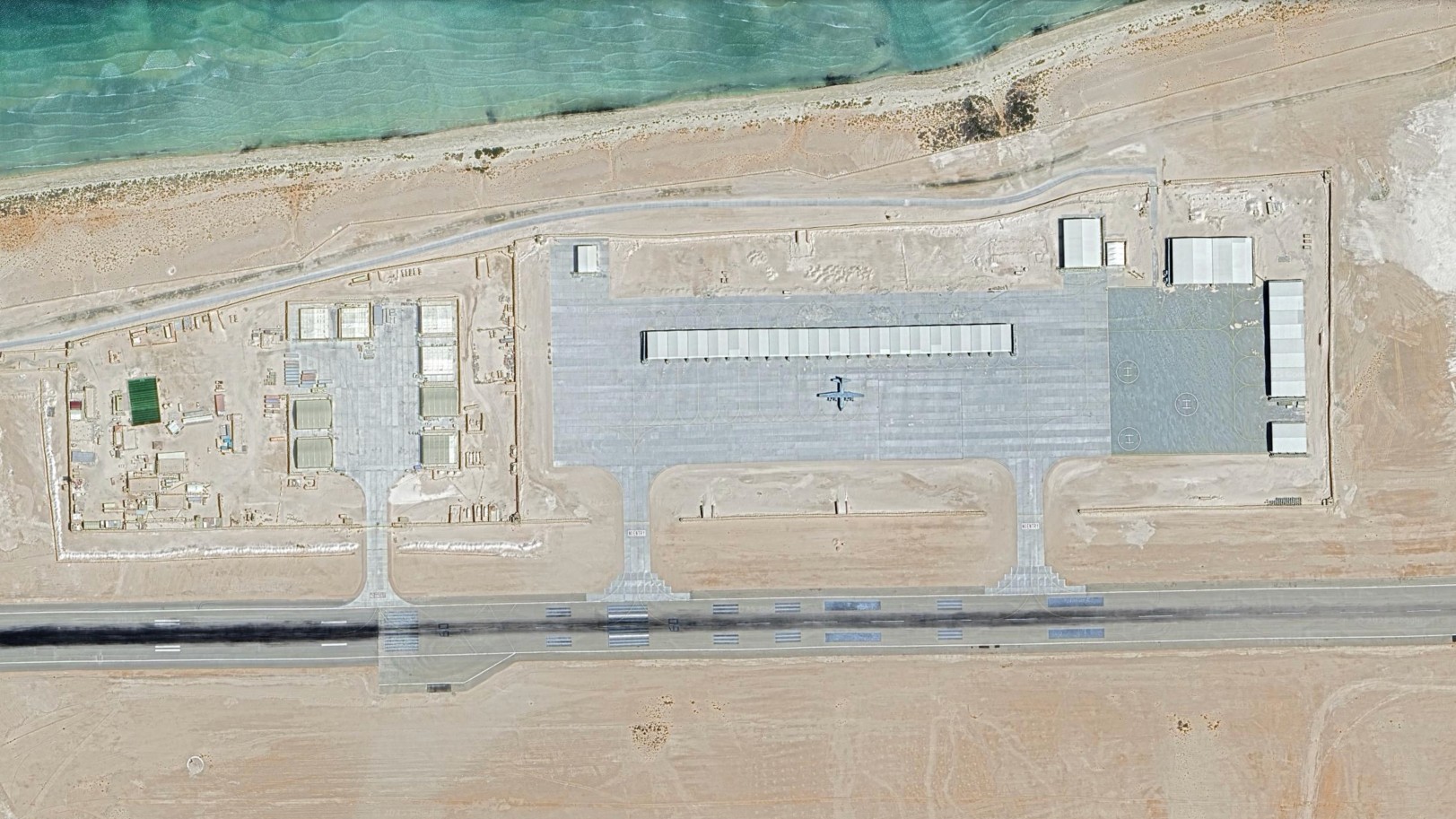
    The port city of Bosaso in Somalia’s Puntland region has witnessed an unprecedented surge in military air traffic, with an average of six IL-76 cargo aircraft arriving and departing daily in what appears to be a hurried evacuation operation. According to flight-tracking data and eyewitness accounts, these massive transport planes have been exclusively focused on removing United Arab Emirates security personnel and heavy military equipment from Somali territory.

    The accelerated airlift operation represents a dramatic escalation in the ongoing diplomatic crisis between Somalia and the UAE. This development follows Somalia’s federal government revoking agreements that permitted Emirati use of Bosaso airbase and other facilities. The decision came after Mogadishu accused the UAE of secretly facilitating the transit of Aidarous al-Zubaidi, head of the UAE-backed Southern Transitional Council in Yemen, who was wanted by Saudi Arabia for peace talks.

    This incident has exposed the complex geopolitical tensions playing out in the Horn of Africa. The UAE has cultivated close ties with regional administrations in Puntland and Somaliland, often bypassing the federal government in Mogadishu. These relationships have drawn controversy, particularly after Israel’s recognition of Somaliland as an independent state in December—a move seen as bolstered by Emirati influence.

    Analysts suggest the evacuation indicates UAE compliance with Somalia’s suspension order, but warn of potential retaliation. Khalif Abdullahi, a researcher at the London School of Economics, predicts the UAE will likely cut funding to Mogadishu, support opposition figures, and encourage formation of a parallel government when President Hassan Sheikh Mohamud’s mandate expires in May.

    The situation has prompted Somalia to move closer to Saudi Arabia, which has actively supported Somalia’s territorial integrity. Saudi Arabia recently flexed its diplomatic muscles by hosting an Organisation of Islamic Cooperation conference on Somalia and rallying Arab League support for Mogadishu following Israel’s recognition of Somaliland.

    Despite the military withdrawal, the UAE maintains significant economic influence in Somalia through strategic investments including the nearly $500 million Berbera port project. However, researchers note that Mogadishu retains jurisdictional leverage to potentially suspend Emirati operations in these strategic assets.

    The escalating Saudi-UAE rivalry in the region now presents both challenges and opportunities for Somalia’s fragile government as it navigates complex international alliances and domestic political tensions ahead of upcoming elections.
  • Displaced northerners ‘feel safer’ in south Yemen after STC withdrawal

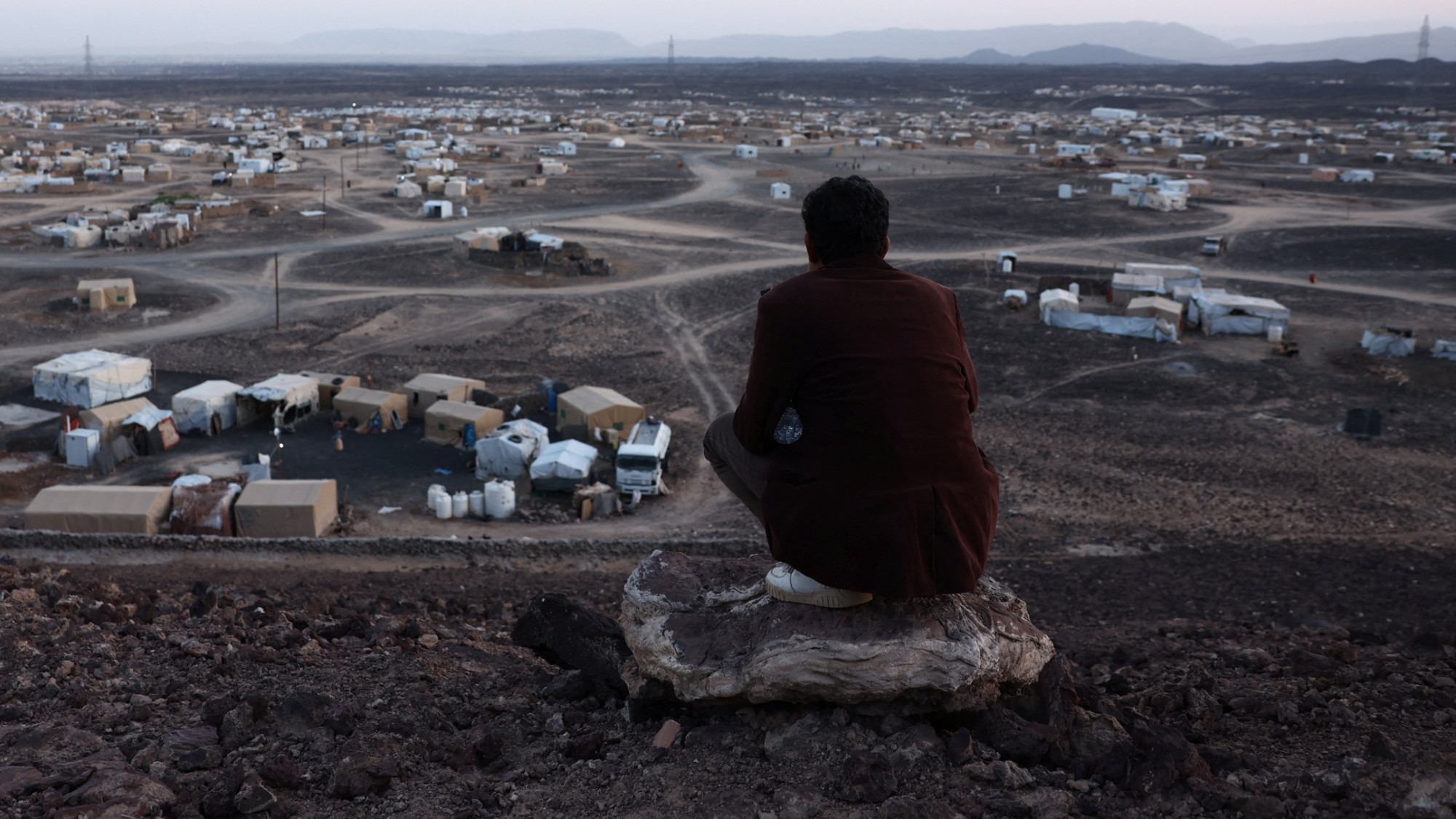
    Displaced northerners ‘feel safer’ in south Yemen after STC withdrawal

    A significant shift in southern Yemen’s political landscape has created a fragile sense of optimism among displaced northern families following the collapse of separatist control in Aden. The withdrawal of Southern Transitional Council (STC) forces has alleviated years of systematic pressure on northern migrants who faced detention, movement restrictions, and widespread suspicion under the separatist administration.

    The STC, which advocates for southern Yemen’s independence, had consistently viewed northern residents as obstacles to their political objectives. Their forces regularly conducted eviction campaigns, transporting accused individuals toward Taiz under allegations of espionage for either the internationally recognized government or the Houthi movement. Although many detainees were eventually released, the constant threat of arbitrary detention created an atmosphere of pervasive insecurity.

    December 2025 marked a critical escalation when separatist fighters blockaded Aden against northern entrants following clashes with government forces in eastern governorates. This prompted Saudi-backed air strikes against advancing STC units and a forceful warning from Presidential Leadership Council chief Rashad al-Alimi against movement restrictions. The subsequent collapse of STC authority enabled government troops to reclaim control of Aden and surrounding territories, with reports indicating STC leader Aidarous al-Zubaidi had fled Yemen and the separatist group had dissolved.

    For Yemen’s estimated 4.8 million displaced persons, these developments represent potential improvement in their precarious existence. Many live in makeshift shelters with minimal protection from harsh weather and limited access to basic services, according to UN and International Organization for Migration reports.

    Gaber, a 47-year-old farmer who fled Hodeidah six years ago, described his experience in a Lahj governorate camp: ‘Whenever there was an escalation against the STC, they came to the camp and arrested us. We live a hard life in this desert, but we have no choice. If we go home, there is no work.’ His account reflects the cyclical detention patterns that affected northern migrants during political tensions.

    Elderly camp resident Zainab revealed additional challenges: ‘They call us ‘invaders’ rather than displaced families fleeing war. They arrest our men, and if anyone tries to negotiate, they beat them.’ She noted that many families couldn’t obtain identification cards increasingly reserved for southerners, and men were frequently forced to sign pledges to leave the region.

    The complex social dynamics include lingering distrust among southern residents. STC supporter Saif al-Yafei expressed caution: ‘Many street vendors and labourers turned out to be Houthi fighters in 2015. How can I trust northerners during an escalation?’ While acknowledging northerners’ right to reside anywhere, he emphasized wartime precautions.

    Despite these challenges, displaced northerners now express cautious optimism about collaborating with local communities to rebuild the south, recognizing that returning north remains unlikely in the immediate future. As government forces theoretically fight for a unified Yemen, the most vulnerable populations prioritize daily survival over political outcomes, seeking merely to work and return home safely each day.

  • Landmark Rohingya genocide case against Myanmar heard at top UN court

    Landmark Rohingya genocide case against Myanmar heard at top UN court

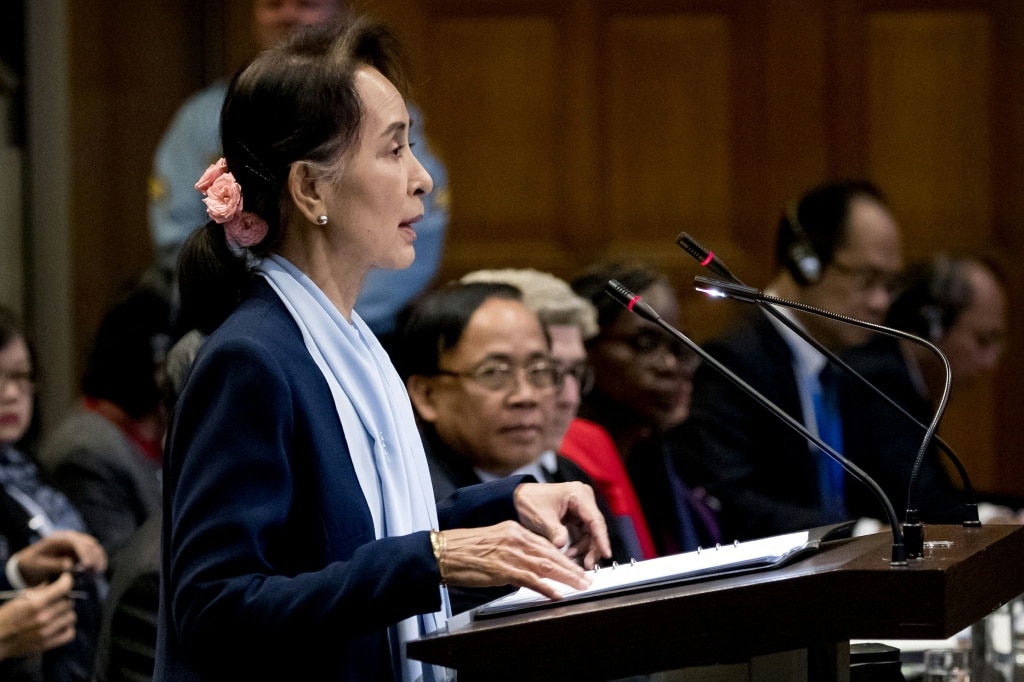
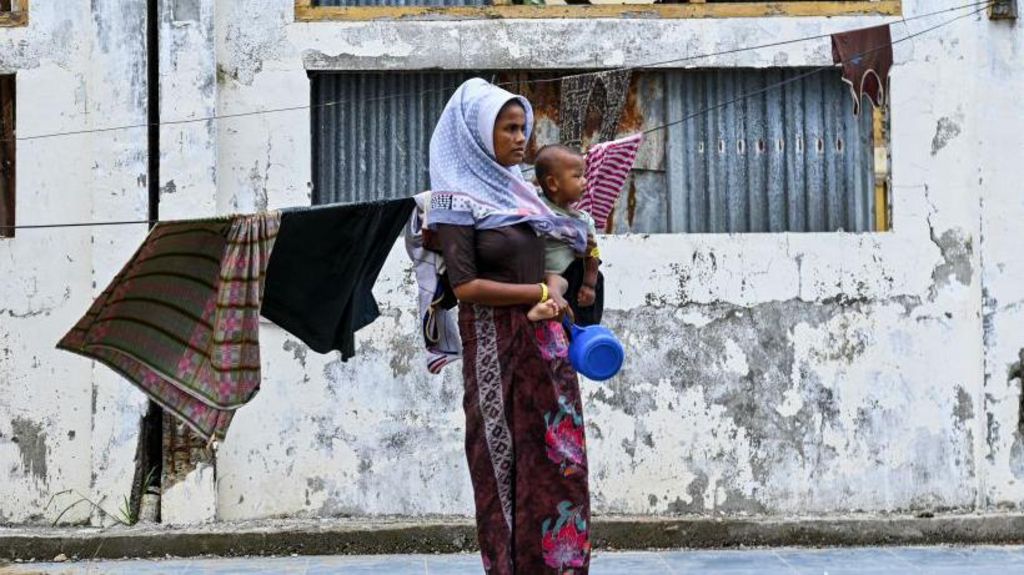
    The International Court of Justice (ICJ) has commenced landmark proceedings in a case alleging Myanmar’s systematic campaign to eradicate the Rohingya Muslim minority through genocidal policies. The Gambia, representing the Organization of Islamic Cooperation, initiated the legal action in 2019 following extensive evidence of atrocities committed during Myanmar’s 2017 military crackdown that forced over 700,000 refugees into Bangladesh.

    During opening arguments, Gambian Foreign Minister Dawda Jallow presented evidence of “the most brutal and vicious violations imaginably inflicted upon a vulnerable group,” detailing decades of persecution followed by coordinated military operations. Jallow asserted that Myanmar’s leadership implemented “continual genocidal policies meant to erase their existence” despite international condemnation.

    The case represents the first genocide proceeding at the ICJ in over a decade and establishes potential precedents for ongoing international justice cases. While Myanmar maintains its operations targeted insurgent threats, a comprehensive 2018 UN report recommended genocide investigations against military leaders for crimes in Rakhine state.

    The hearings will continue through month’s end with three days of closed testimony from Rohingya survivors. A final ruling may require years, though the court’s opinion carries significant weight within international institutions. Parallel investigations by the International Criminal Court are examining individual culpability of military leaders, including current ruler Min Aung Hlaing.

    The proceedings occur against Myanmar’s deteriorating political situation following the 2021 military coup that deposed civilian leader Aung San Suu Kyi, whose international reputation diminished after she defended the military’s actions against the Rohingya.

  • Australian firefighters warn of ‘high-risk’ bushfire season

    Australian firefighters warn of ‘high-risk’ bushfire season

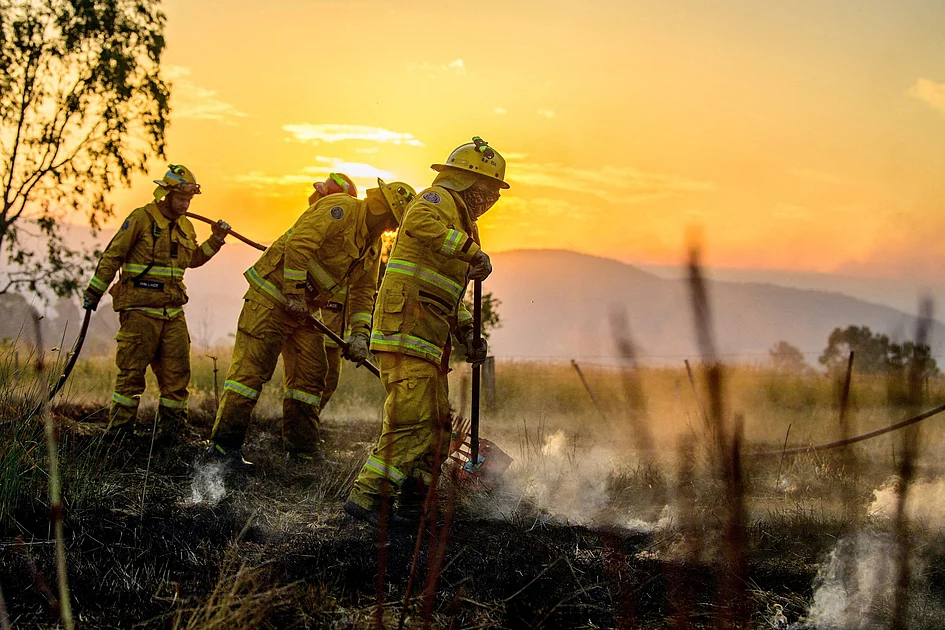
    Australian fire authorities have issued urgent warnings for communities to prepare for an extended period of elevated bushfire risk throughout the summer season. This alert follows devastating wildfires that have already claimed one life and destroyed more than 350 structures across southeastern regions.

    While weather conditions have temporarily moderated since the weekend’s extreme heat and winds—which saw temperatures exceed 40°C and fueled numerous blazes in Victoria—emergency officials caution that the reprieve may be brief. Twelve major fires continue to burn across the state, with officials anticipating another potential heating event toward the end of January.

    Country Fire Authority Chief Officer Jason Heffernan emphasized the ongoing danger during a recent press briefing: ‘We are early in the high-risk weather season. Significant fire activity has already occurred across the landscape, and substantial containment efforts will be necessary in the coming weeks.’ Heffernan noted that while recovery operations are underway for affected communities, attention must simultaneously focus on preparing for future fire threats.

    The current destruction toll includes more than 65 confirmed residential losses, with officials anticipating this number to rise as damage assessment teams access fire-ravaged areas. The single fatality occurred near Longwood, approximately two hours north of Melbourne.

    Emergency Management Commissioner Tim Wiebusch cautioned that despite improved weather conditions, the fire risk remains persistent. ‘Even the slightest winds continue to cause fire movement and unpredictable behavior,’ Wiebusch stated.

    These conditions echo Australia’s devastating 2019-2020 ‘Black Summer’ bushfires, which consumed millions of hectares, destroyed thousands of homes, and blanketed urban centers in hazardous smoke. Climate researchers have documented Australia’s average temperature increase of 1.51°C since 1910, a trend that continues to drive more frequent and intense extreme weather events across both terrestrial and marine environments.

  • Internet service to be resumed in Iran, FM Araqchi says

    Internet service to be resumed in Iran, FM Araqchi says

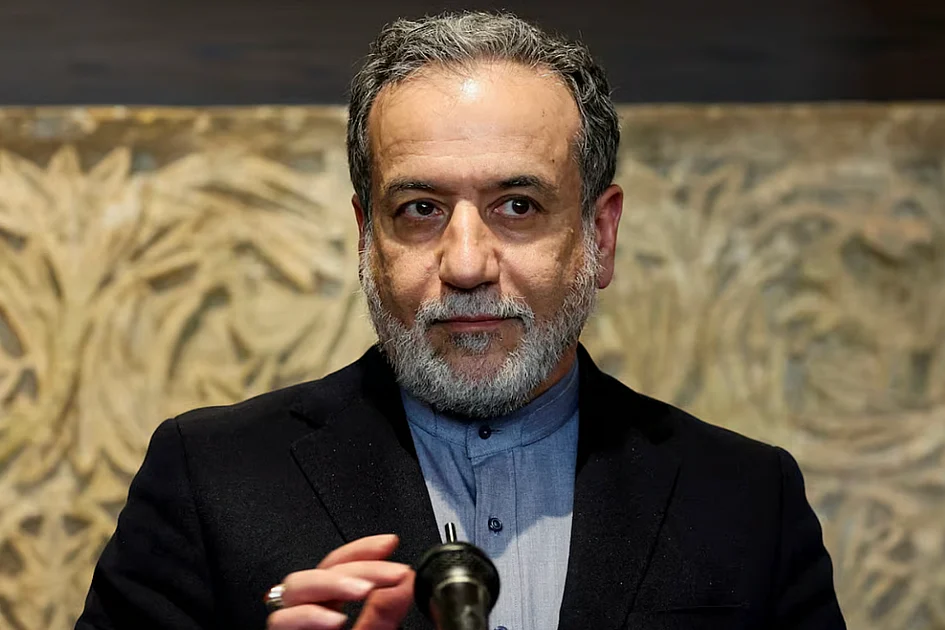
    Iranian Foreign Minister Abbas Araqchi declared on Monday that internet services would be restored across Iran following an extensive 84-hour nationwide communications blackout. The announcement came amid heightened tensions with the United States and internal unrest.

    Minister Araqchi stated that internet restoration would be implemented ‘in coordination with security authorities,’ suggesting the government maintains cautious control over the process. The communications shutdown, one of the longest in Iran’s recent history, had severed digital connectivity for millions of citizens and businesses throughout the country.

    The development occurs against a backdrop of escalating geopolitical tensions. U.S. President Donald Trump had previously indicated his intention to consult with billionaire entrepreneur Elon Musk regarding potential solutions to restore internet access in Iran, though no specific collaboration details were provided.

    Araqchi additionally addressed the weekend’s surge in protest-related violence, asserting through English translation that authorities had brought the situation under ‘total control.’ In a significant accusation, the Foreign Minister claimed that President Trump’s warnings to Tehran about potential foreign intervention should protests turn violent had inadvertently encouraged ‘terrorists’ to target both protesters and security forces.

    Concluding with a diplomatic dual-track approach, Araqchi emphasized Iran’s preparedness for both conflict and negotiation, stating: ‘We are ready for war but also for dialogue.’ This positioning suggests Tehran’s attempt to balance military readiness with diplomatic openness amid ongoing regional tensions.

  • Iran protests: Bodies pile up at mortuary outside Tehran

    Iran protests: Bodies pile up at mortuary outside Tehran

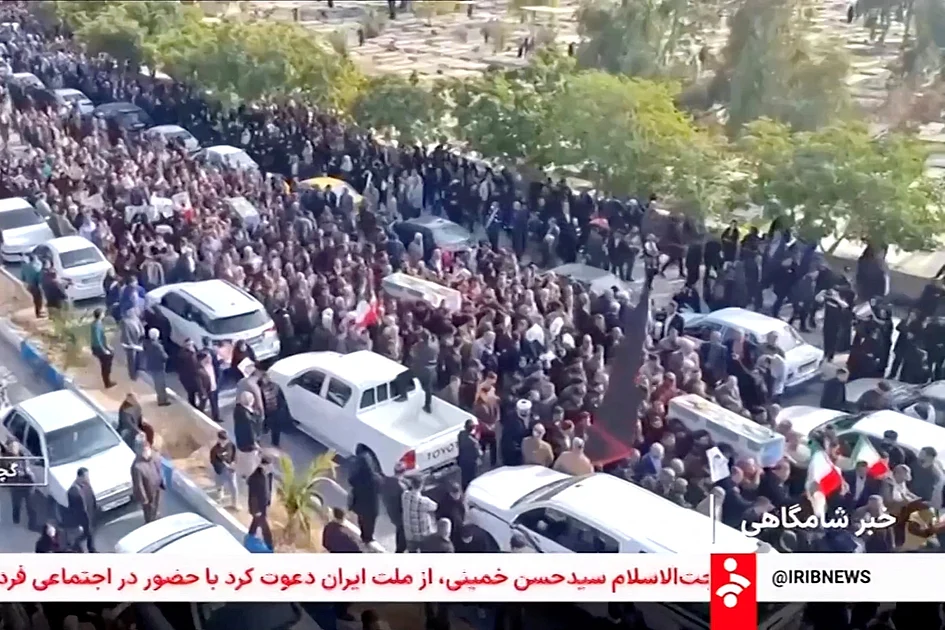
    Disturbing video evidence emerging from Iran has revealed a grim accumulation of bodies at a mortuary facility south of Tehran, with human rights organizations identifying the deceased as victims of the government’s violent suppression of ongoing nationwide protests. The footage, which first surfaced online on Saturday and was subsequently geolocated and authenticated by AFP on Sunday, depicts dozens of corpses wrapped in black body bags lining the ground outside the Forensic Diagnostic and Laboratory Center of Tehran Province in Kahrizak.

    The visual documentation shows what appear to be grieving family members searching through the remains for missing relatives, creating a harrowing scene of collective mourning. The emergence of this evidence coincides with a near-total internet blackout imposed by authorities, which activists say has been used to conceal the true scale of violence against demonstrators.

    Norway-based monitoring groups have sounded alarms about the footage’s implications. Iran Human Rights (IHR) stated the video provides visual confirmation of ‘a large number of people killed during the nationwide protests in Iran.’ Simultaneously, the Hengaw Organization reported verifying footage showing ‘dozens of bloodied bodies both inside and outside the Kahrizak mortuary,’ which they characterize as evidence of ‘an extensive and severe crime.’

    Security forces stand accused of employing live ammunition against protesters during two weeks of sustained demonstrations, with activists fearing the death toll may already number in the hundreds. The mortuary footage represents the first tangible evidence emerging from behind the information blockade, suggesting a significantly higher casualty count than officially acknowledged.

  • Five decapitated heads displayed on Ecuador beach

    Five decapitated heads displayed on Ecuador beach

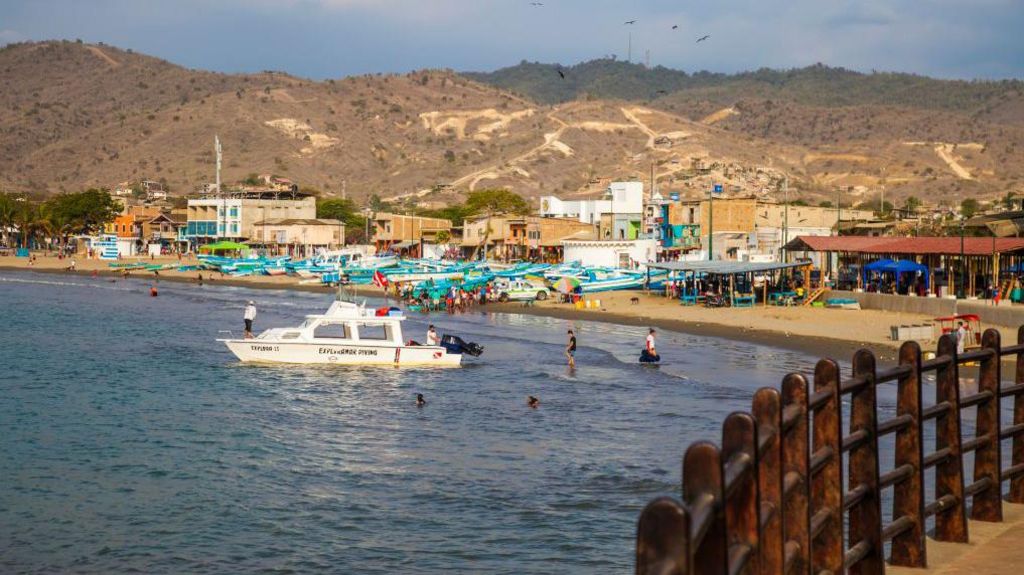
    In a brutal display of criminal intimidation, five decapitated heads were discovered by bathers on a beach in Puerto López, Ecuador, this Sunday. The grim finding underscores the escalating gang violence plaguing the nation’s coastal regions. Authorities confirmed the victims were men, aged 20 to 34, who had been reported missing recently. One was known to police for previous firearm offenses, though their bodies remain missing.

    Accompanying the remains was a menacing message, explicitly warning individuals engaged in the extortion and robbery of local fishermen of a similar fate. This act is perceived as a violent directive from criminal factions controlling the area.

    This incident is the latest in a series of violent outbreaks in Puerto López, a key transit point for cocaine smuggled from Colombia and Peru to the U.S. and Europe. Just days prior on December 28th, a separate attack on the same beachfront claimed six lives, including a two-year-old child, and injured three others. Police attribute these shootings to a vicious turf war between rival factions of the notorious Los Choneros gang for control of the town.

    The situation in Ecuador has reached a critical point. Official data from the interior ministry marks 2025 as the most violent year on record, with homicides soaring to an unprecedented 9,176. The country’s strategic location has made it a hub for narcotics trafficking, with local gangs forming alliances with powerful international cartels like those from Mexico and Colombia. Beyond drug smuggling, these criminal enterprises systematically extort ‘protection money’ from local businesses, resorting to lethal force against those who resist.

    The Los Choneros gang, identified by the U.S. State Department as a Foreign Terrorist Organisation since September, is a primary instigator of this crisis. Its leader, known as Fito, was extradited to the United States in July last year, yet the gang’s violent influence continues to destabilize the region.

  • Rohingya ‘targeted for destruction’ by Myanmar, ICJ hears

    Rohingya ‘targeted for destruction’ by Myanmar, ICJ hears

    The International Court of Justice (ICJ) commenced landmark genocide proceedings against Myanmar on Monday, with Gambia’s Justice Minister Dawda Jallow delivering powerful testimony alleging systematic destruction of the Rohingya Muslim minority. Minister Jallow presented what he characterized as overwhelming evidence of state-sponsored violence, asserting that Myanmar’s military deliberately targeted the ethnic group with the intent of annihilation.

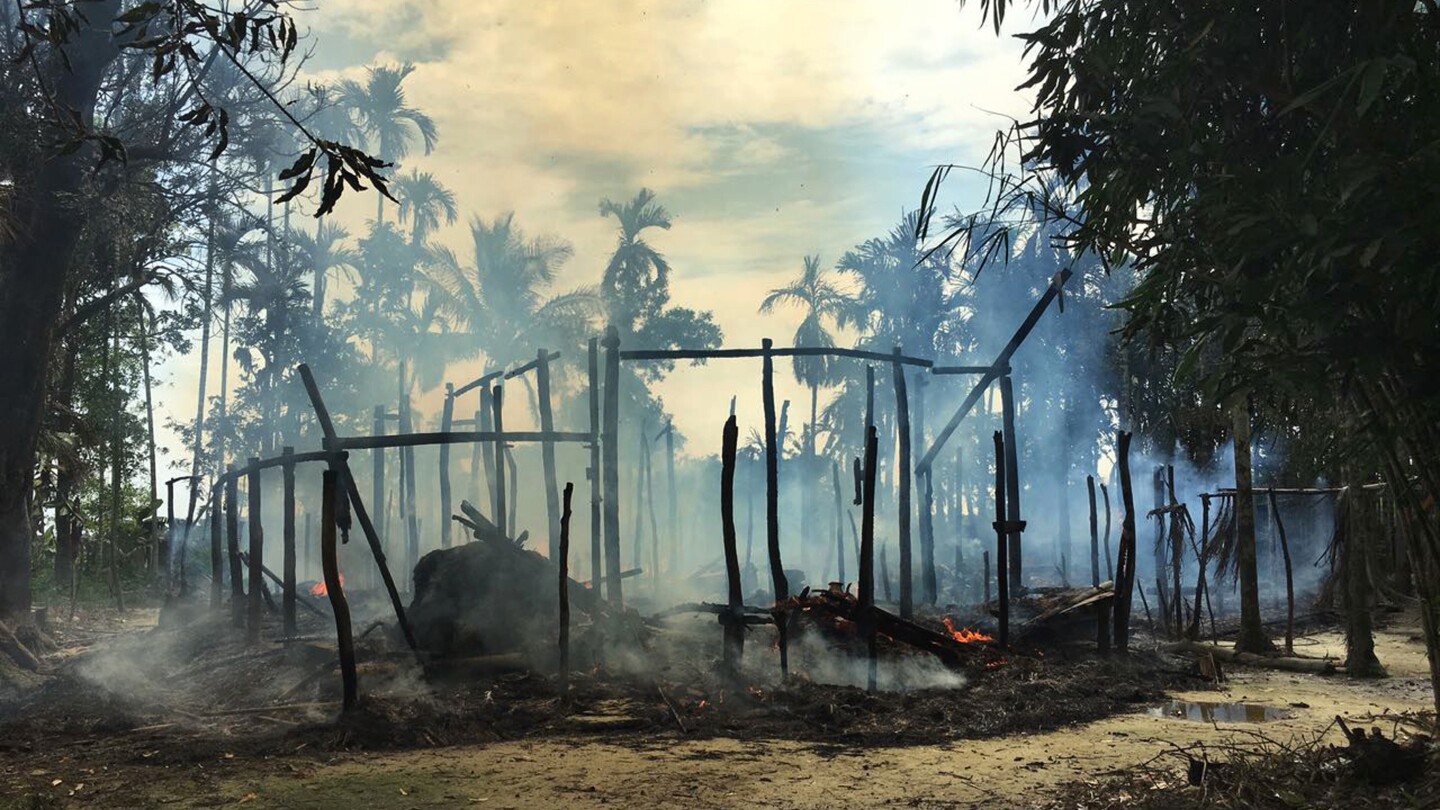
    The case, initiated by Gambia in 2019 under the 1948 Genocide Convention, centers on Myanmar’s brutal 2017 crackdown that forced approximately 740,000 Rohingya to flee to neighboring Bangladesh. Survivors provided harrowing accounts of mass rape, arson, and extrajudicial killings perpetrated by Myanmar’s armed forces and Buddhist militias.

    Currently, 1.17 million Rohingya endure desperate conditions in overcrowded refugee camps spanning 8,000 acres in Bangladesh’s Cox’s Bazar region. From these temporary settlements, refugees like Janifa Begum, a 37-year-old mother of two, expressed hope that their suffering would be acknowledged during the proceedings.

    The ICJ previously issued provisional measures in 2020, ordering Myanmar to prevent genocidal acts against the Rohingya. While the United States formally declared the violence constituted genocide in 2022, Myanmar’s military government maintains the operations were justified responses to insurgent attacks.

    This case represents a significant test for international justice mechanisms, with legal experts noting potential implications for other genocide allegations, including South Africa’s case against Israel regarding Gaza. The ICJ’s final ruling, which may take years, carries substantial political weight despite the court’s limited enforcement capabilities.

    Parallel investigations continue at the International Criminal Court regarding crimes against humanity, while additional proceedings under universal jurisdiction principles are underway in Argentina.

  • UN court to begin hearings on whether Myanmar committed genocide against the Rohingya

    UN court to begin hearings on whether Myanmar committed genocide against the Rohingya

    THE HAGUE, Netherlands — The International Court of Justice commenced landmark hearings Monday regarding allegations that Myanmar perpetrated genocide against its Rohingya ethnic minority population. This unprecedented legal proceeding represents a critical juncture in international justice efforts concerning the persecuted Muslim minority group.

    The case, originally initiated by Gambia in 2019, contends that Myanmar’s military-led “clearance operations” in Rakhine state during 2017 constituted systematic violations of the 1948 Genocide Convention. Security forces allegedly executed mass atrocities including widespread rape, extrajudicial killings, and the intentional destruction of thousands of Rohingya homes, triggering an exodus of approximately 700,000 refugees to neighboring Bangladesh.

    Myanmar’s military government, which seized power in a 2021 coup, maintains its denial of genocide allegations. The nation previously contested the ICJ’s jurisdiction, arguing that Gambia lacked standing to bring the case as an uninvolved third party. However, the court rejected this argument in 2022, permitting proceedings to advance.

    The humanitarian situation remains dire for the estimated 1.2 million Rohingya now confined to overcrowded refugee camps in Bangladesh. Reports indicate severe deterioration of living conditions, with recent cuts to international aid resulting in widespread malnutrition, shuttered educational facilities, and documented cases of child starvation. Camp conditions have further enabled criminal exploitation including child recruitment by armed groups and forced prostitution of minors.

    This case has established significant legal precedents, notably paving the way for South Africa’s recent genocide case against Israel at the ICJ. Legal experts note that the court’s eventual ruling could potentially influence the interpretation of genocide definitions in international law.

    Parallel investigations continue at the International Criminal Court, where prosecutors have sought arrest warrants for Myanmar’s military leadership, including Senior General Min Aung Hlaing, for crimes against humanity. For Rohingya advocacy organizations, the ICJ proceedings represent a crucial validation of their pursuit of justice and international recognition of their suffering.

  • Venezuelans in the US are torn between joy and worry after ousting of Maduro

    Venezuelans in the US are torn between joy and worry after ousting of Maduro

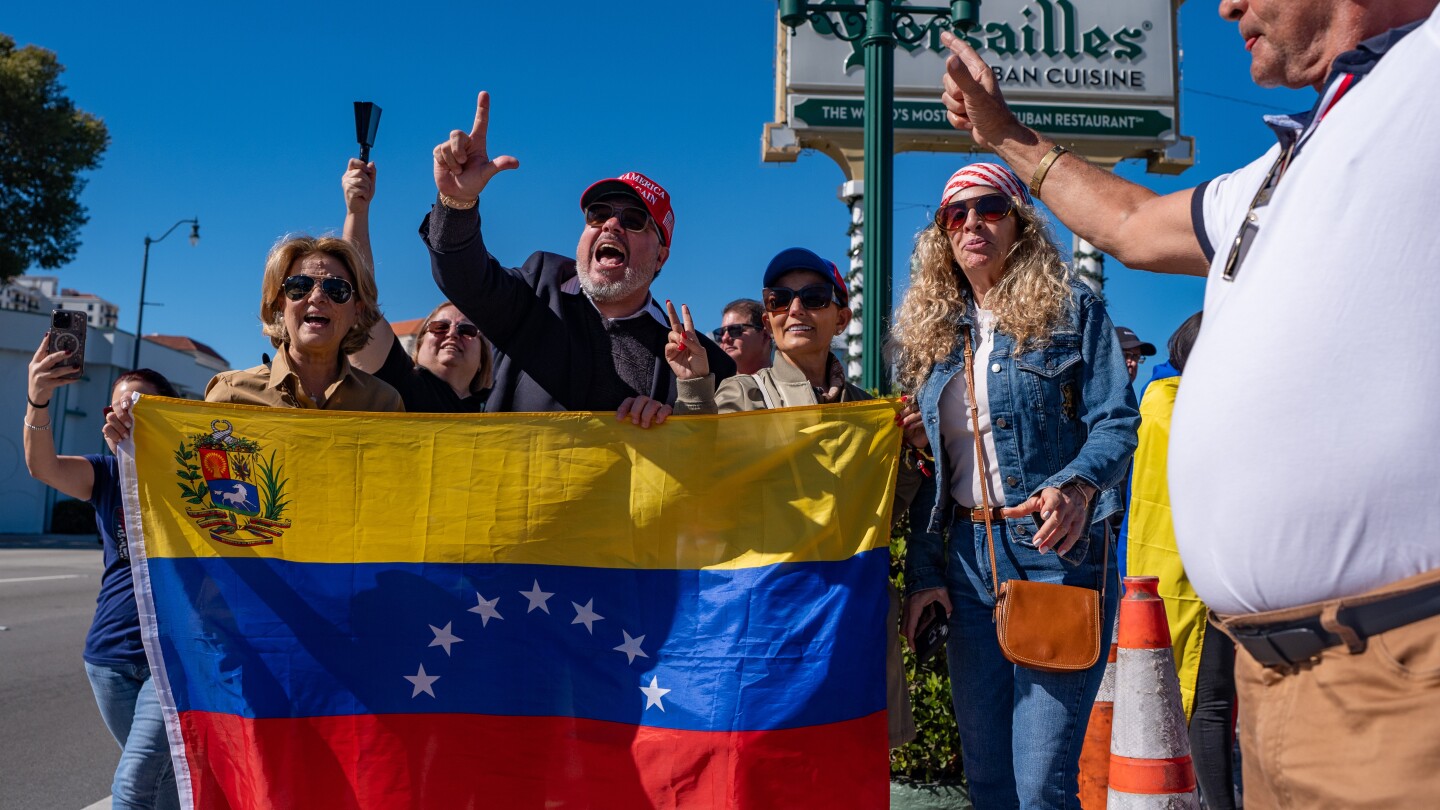
    NEW YORK — Venezuelan migrants across the United States are experiencing complex emotional reactions to the recent military-led ousting of President Nicolás Maduro, expressing both hope and apprehension about their future. While celebrating the removal of the leader who presided over their country’s economic collapse, many remain deeply concerned about returning to a nation where Maduro’s political infrastructure remains intact.

    The Trump administration’s forceful intervention has created a paradoxical situation for approximately 770,000 Venezuelans residing in the U.S. Many who fled political persecution and hyperinflation exceeding 1 million percent acknowledge the significance of Maduro’s removal while expressing reservations about the stability and safety of their homeland. This cautious optimism is tempered by the administration’s simultaneous efforts to revoke Temporary Protected Status (TPS) designations that had allowed many Venezuelans to remain in the country legally.

    Interviews with Venezuelan communities from New York to Utah reveal little indication of an immediate rush to return. José Luis Rojas, a 31-year-old asylum recipient in New York City, described how economic conditions in Venezuela had made basic necessities like diapers unattainable before his 2018 departure. While welcoming Maduro’s ouster, Rojas noted the contradictory nature of Trump’s policies: “He’s done good things and he’s done bad things. It all depends on your point of view.

    The complexity of these circumstances is further illustrated by Jesus Martinez, a 50-year-old asylum seeker in Utah, who described the situation as “obviously contradictory.” Despite relief at Maduro’s removal, Martinez emphasized that significant time would be required before Venezuela could transition to stable democracy, making potential deportation particularly troubling for those who faced persecution.

    Advocates like Alejandra Salima, who works with the National TPS Alliance in Miami, describe a community suspended between optimism and uncertainty. Salima, who fled Venezuela three years ago with her young son, noted that while Maduro’s removal represents a “first step,” the persistent presence of his regime’s infrastructure means “returning would put me and my son at risk.”

    The emotional seesaw continues for many Venezuelans who have built new lives in American suburbs from Florida to Utah, with their future prospects now hinging on both Venezuela’s political transformation and U.S. immigration policy developments.