分类: world

  • Disaster losses drop in 2025, picture still ‘alarming’: Munich Re

    Disaster losses drop in 2025, picture still ‘alarming’: Munich Re

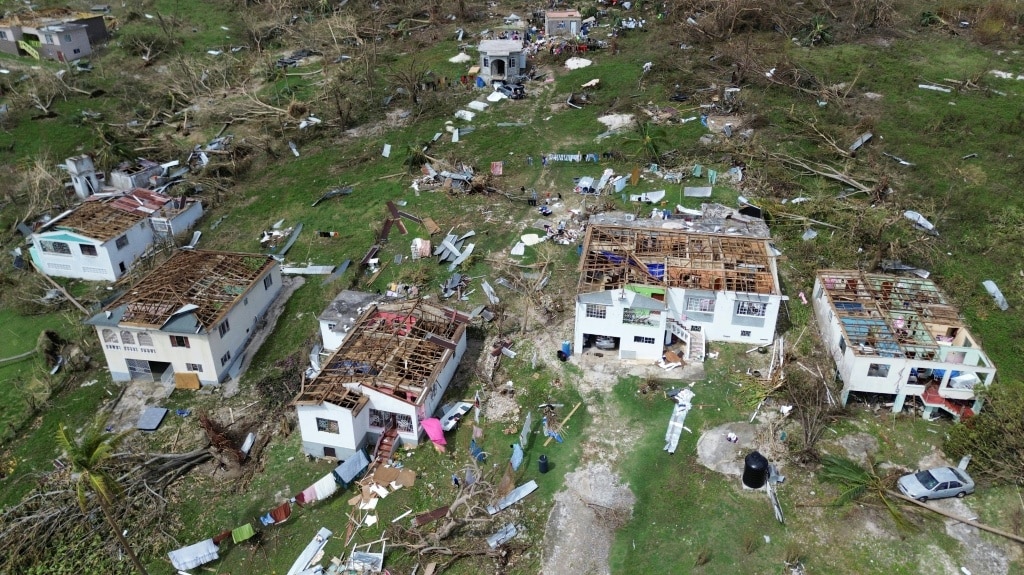
    A significant decline in global financial losses from natural disasters marked the year 2025, though the underlying climate trends remain deeply concerning, according to a comprehensive annual report from reinsurance giant Munich Re. Total worldwide losses reached $224 billion, representing a dramatic 40% decrease from the previous year. A primary factor in this drop was the absence of a major hurricane making landfall on the U.S. mainland for the first time in several years.

    Despite the overall financial improvement, the human toll was severe, with approximately 17,200 lives lost—a figure that exceeds 2024’s total of 11,000, though it remains slightly below the decade’s average. The report paints a complex picture of a year characterized by extreme weather events increasingly linked to climate change.

    The costliest single catastrophe was the series of devastating wildfires that swept through Los Angeles in January, resulting in total losses of $53 billion, with insured losses accounting for roughly $40 billion. The second most financially impactful event was a powerful earthquake that struck Myanmar in March, causing an estimated $12 billion in damage, only a minor fraction of which was covered by insurance.

    Munich Re’s Chief Climate Scientist, Tobias Grimm, described 2025 as a year with ‘two faces.’ The first half constituted the most expensive loss period in the insurance industry’s history, while the second half saw the lowest losses in a decade. He emphasized that the Earth ‘continues to warm,’ stating, ‘More heat means more humidity, stronger rainfall, and higher wind speeds—climate change is already contributing to extreme weather.’

    Regionally, the United States bore the brunt of the financial impact with $118 billion in total losses, $88 billion of which was insured. The Asia-Pacific region suffered about $73 billion in losses, but with a starkly low insurance penetration of only $9 billion. Europe recorded $11 billion in losses, while Africa experienced $3 billion, with less than a fifth covered by insurance.

    The findings arrive amidst a global political landscape where skepticism toward climate science and green policies is growing, particularly following the return to power of U.S. President Donald Trump. Nonetheless, the data underscores a rising cumulative cost from smaller-scale, frequent disasters like local floods and forest fires, which amounted to $166 billion and are having the most pronounced ongoing impact.

  • Sudan paramilitary strike on southeastern city kills 27

    Sudan paramilitary strike on southeastern city kills 27

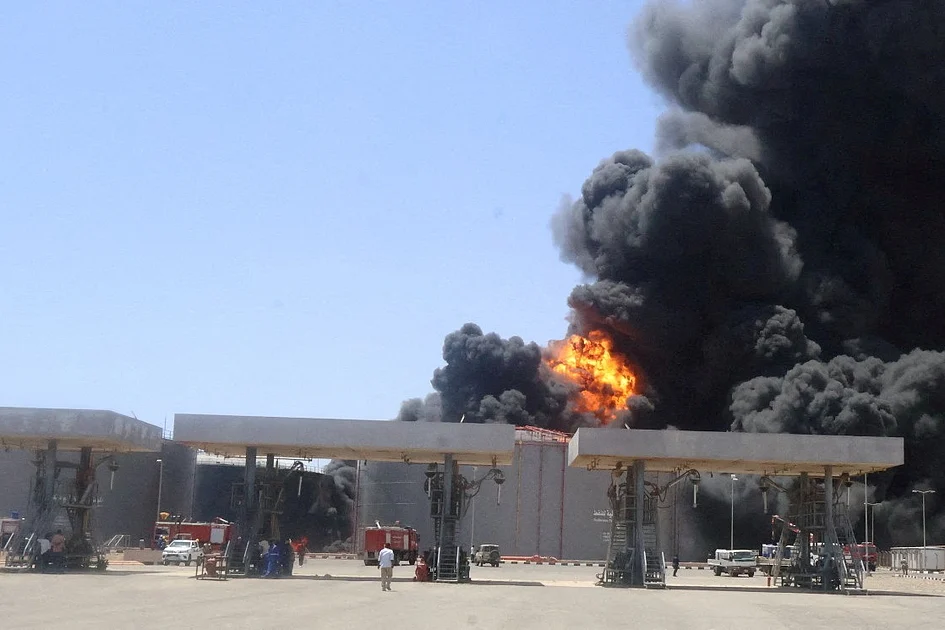
    In a significant escalation of Sudan’s ongoing conflict, paramilitary forces launched a deadly drone assault on the southeastern city of Sinja on Monday, resulting in 27 fatalities and 73 injuries according to military and health officials. The attack targeted the headquarters of the army’s 17th Infantry Division during a high-level meeting that included military, security, and government officials from multiple eastern and central states.

    This offensive comes precisely one day after the army-aligned government declared its official return to Khartoum, ending nearly three years of operations from its wartime base in Port Sudan. Sinja, serving as the capital of Sennar state, occupies a strategically vital position approximately 300 kilometers southeast of the national capital along a crucial transportation corridor linking Khartoum to army-controlled eastern territories.

    The Rapid Support Forces (RSF), which currently governs approximately one-third of Sudanese territory including the vast Darfur region, has increasingly employed long-range drone technology to strike deep into army-controlled zones. The assault represents a severe breach of what had been considered a relatively secure area since government forces reclaimed the region in late 2024 as part of a broader offensive that subsequently restored army control over Khartoum.

    According to United Nations data, more than 200,000 displaced persons had returned to Sennar state following its recapture, joining approximately 1.2 million civilians who have gradually returned to the capital region. However, international agencies caution that these returns remain precarious due to damaged infrastructure and persistent security concerns across conflict-affected areas.

    The conflict, which erupted in April 2023, has created one of the world’s most severe humanitarian catastrophes, claiming tens of thousands of lives and displacing 11 million people internally and across international borders. Multiple cities currently endure paramilitary sieges, with hundreds of thousands facing catastrophic food shortages in the Kordofan region, while the United Nations has characterized the broader conflict as a ‘war of atrocities’ with both factions accused of targeting civilian populations.

  • Bangladeshi singer Proloy Chaki dies in custody

    Bangladeshi singer Proloy Chaki dies in custody

    Proloy Chaki, a prominent Bangladeshi singer and cultural secretary for the Awami League’s Pabna district unit, has died while in state custody at Rajshahi Medical College Hospital. The 42-year-old artist passed away Sunday evening despite ongoing medical treatment for multiple chronic conditions.

    According to Pabna District Jail Superintendent Omor Faruque, Chaki had been transferred through a multi-stage medical escalation process. Prison medical staff initially referred him to Pabna Sadar Hospital before arranging his urgent transfer to the regional tertiary care facility at Rajshahi Medical College Hospital on Friday night. Official reports indicate the deceased suffered from severe complications related to diabetes, hypertension, and pre-existing cardiac conditions.

    Chaki’s arrest occurred during the widespread 2024 government crackdown targeting Awami League members, following student-led protests that culminated in Prime Minister Sheikh Hasina’s exile to India. Multiple criminal cases were filed against the cultural activist during this period of political unrest.

    Local media outlets report the family has raised serious allegations regarding medical negligence during Chaki’s incarceration. Jail authorities have formally denied these claims, maintaining that all appropriate medical protocols were followed. The case has drawn attention to treatment standards within Bangladesh’s correctional system during periods of political detention.

  • At least 648 protesters killed in Iran crackdown, says rights group

    At least 648 protesters killed in Iran crackdown, says rights group

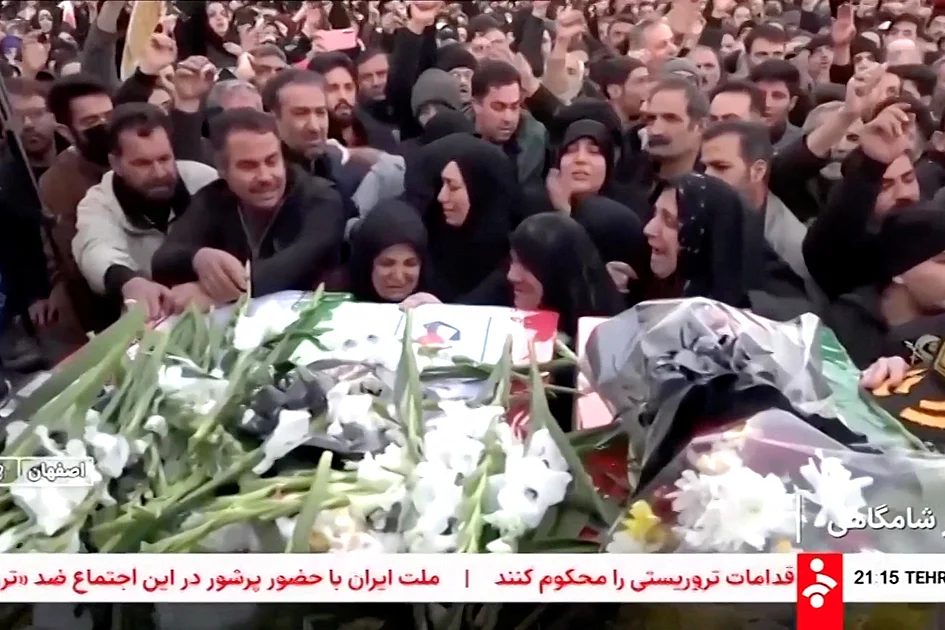
    A Norway-based human rights organization has reported a devastating death toll from Iran’s ongoing suppression of civil protests, with verified fatalities reaching at least 648 individuals. Iran Human Rights (IHR), operating from Oslo, released these figures on Monday, indicating that security forces have employed lethal measures against demonstrators challenging the Islamic republic’s authority.

    According to IHR director Mahmood Amiry-Moghaddam, the actual number of casualties may significantly exceed current verified counts, with some estimates suggesting potentially more than 6,000 fatalities. The organization emphasized the challenges of accurate documentation due to Tehran’s imposition of a near-total internet blackout lasting approximately four days, which has severely hampered independent verification efforts.

    Amiry-Moghaddam stated that the international community bears responsibility for protecting civilian protesters facing systematic violence. The reported crackdown coincides with government efforts to mobilize pro-regime demonstrations nationwide, attempting to counter the protest movement that has created substantial challenges for Iranian authorities.

    The internet restrictions have created an information vacuum, making comprehensive assessment of the situation exceptionally difficult for external observers and human rights monitors. The blackout has effectively isolated Iran from global digital networks during this period of civil unrest.

    This development represents one of the most severe government responses to civil dissent in recent Iranian history, marking a significant escalation in the confrontation between state authorities and protesters expressing grievances against the established political system.

  • ‘We were tricked’: How one woman lures foreign men to fight on Russia’s front line

    ‘We were tricked’: How one woman lures foreign men to fight on Russia’s front line

    A comprehensive BBC Eye investigation has uncovered a sophisticated recruitment operation masterminded by Polina Alexandrovna Azarnykh, a 40-year-old former teacher from Russia’s Voronezh region, who uses Telegram to lure vulnerable men from developing nations into Russia’s military campaign in Ukraine under false pretenses.

    Operating through a Telegram channel with 21,000 subscribers, Azarnykh has issued approximately 490 invitation documents to men primarily from Syria, Egypt, Yemen, Morocco, Iraq, Ivory Coast, and Nigeria over the past year. Her recruitment strategy targets economically disadvantaged individuals, promising lucrative contracts with monthly salaries equivalent to $2,500, sign-up bonuses of $5,000, and expedited Russian citizenship.

    The investigation reveals a disturbing pattern of deception. Multiple recruits and their families report being misled about combat avoidance, contract duration, and actual deployment conditions. Omar (pseudonym), a 26-year-old Syrian construction worker, detailed how Azarnykh promised non-combat roles in exchange for $3,000 payments from sign-up bonuses, only to receive minimal training before being deployed to frontlines with inadequate preparation.

    Twelve families have reported young men recruited by Azarnykh as either deceased or missing. The BBC has documented cases including Mohammed, an Egyptian student struggling with tuition fees who was killed shortly after deployment, and numerous Syrians who discovered their contracts could be automatically extended under a 2022 Russian decree until the conflict concludes.

    Habib (pseudonym), another Syrian recruit who collaborated with Azarnykh, confirmed she received approximately $300 per recruit from military authorities. He described the devastating psychological impact on foreign fighters unprepared for combat: ‘The Arabs who are coming are dying immediately. Some people lost their minds – it’s hard to see dead bodies.’

    The recruitment scheme reflects Russia’s broader strategy to address substantial military losses. NATO estimates indicate over one million Russian casualties since the 2022 invasion, with 25,000 fatalities in December 2025 alone. Research suggests at least 20,000 foreigners may have enlisted, including from Cuba, Nepal, and North Korea.

    Despite mounting evidence, Azarnykh has denied all allegations, threatening defamation proceedings against the BBC. The Russian Ministry of Foreign Affairs and Ministry of Defense have not responded to requests for comment.

  • Pakistan, Indonesia closing in on jets and drones defence deal: Sources

    Pakistan, Indonesia closing in on jets and drones defence deal: Sources

    Pakistan and Indonesia are progressing toward a significant defense agreement involving advanced combat aircraft and unmanned aerial systems, according to multiple security officials familiar with the negotiations. The potential deal, discussed during a high-level meeting between Indonesian Defense Minister Sjafrie Sjamsoeddin and Pakistan’s Air Chief Marshal Zaheer Ahmed Baber Sidhu in Islamabad, represents Jakarta’s latest effort to modernize its aging air force capabilities.

    The discussions center on the potential acquisition of approximately 40 JF-17 Thunder multi-role fighter jets, co-developed by Pakistan and China, alongside Shahpar series drones designed for both surveillance and strike missions. While Indonesia’s Defense Ministry spokesperson Brigadier General Rico Ricardo Sirait confirmed the meeting focused on ‘general defense cooperation relations,’ he noted that talks had not yet yielded concrete decisions regarding specific procurement arrangements.

    This potential agreement emerges within broader context of Indonesia’s comprehensive military modernization program. The archipelago nation has recently finalized several major defense acquisitions, including 42 French Rafale jets valued at $8.1 billion in 2022 and 48 Turkish KAAN fighter jets last year. Jakarta is simultaneously evaluating additional options including China’s J-10 fighters and Boeing’s F-15EX aircraft to replace its obsolete aerial fleet.

    For Pakistan, the negotiations represent another strategic milestone in its expanding defense export initiatives. The country’s military-industrial complex has gained increased international attention since its aircraft were deployed in recent regional conflicts, leading to growing interest in its indigenous weapons systems. Pakistan has concurrently been advancing defense partnerships with several nations including Libya’s National Army, Sudan’s military forces, and is exploring potential agreements with Bangladesh and Saudi Arabia that could involve both training aircraft and combat jets.

    Retired Air Marshal Asim Suleiman, who maintains knowledge of air force negotiations, confirmed to Reuters that ‘the Indonesia deal is in the pipeline,’ though specific delivery timelines and contractual details remain under discussion. The potential agreement would additionally include air defense systems and comprehensive training programs for Indonesian air force personnel across multiple seniority levels.

    The developing partnership reflects both nations’ strategic interests in enhancing bilateral defense cooperation while supporting Pakistan’s emergence as a notable regional arms supplier and Indonesia’s ongoing military modernization objectives.

  • Three Palestinian children die from cold in Gaza amid Israeli blockade

    Three Palestinian children die from cold in Gaza amid Israeli blockade

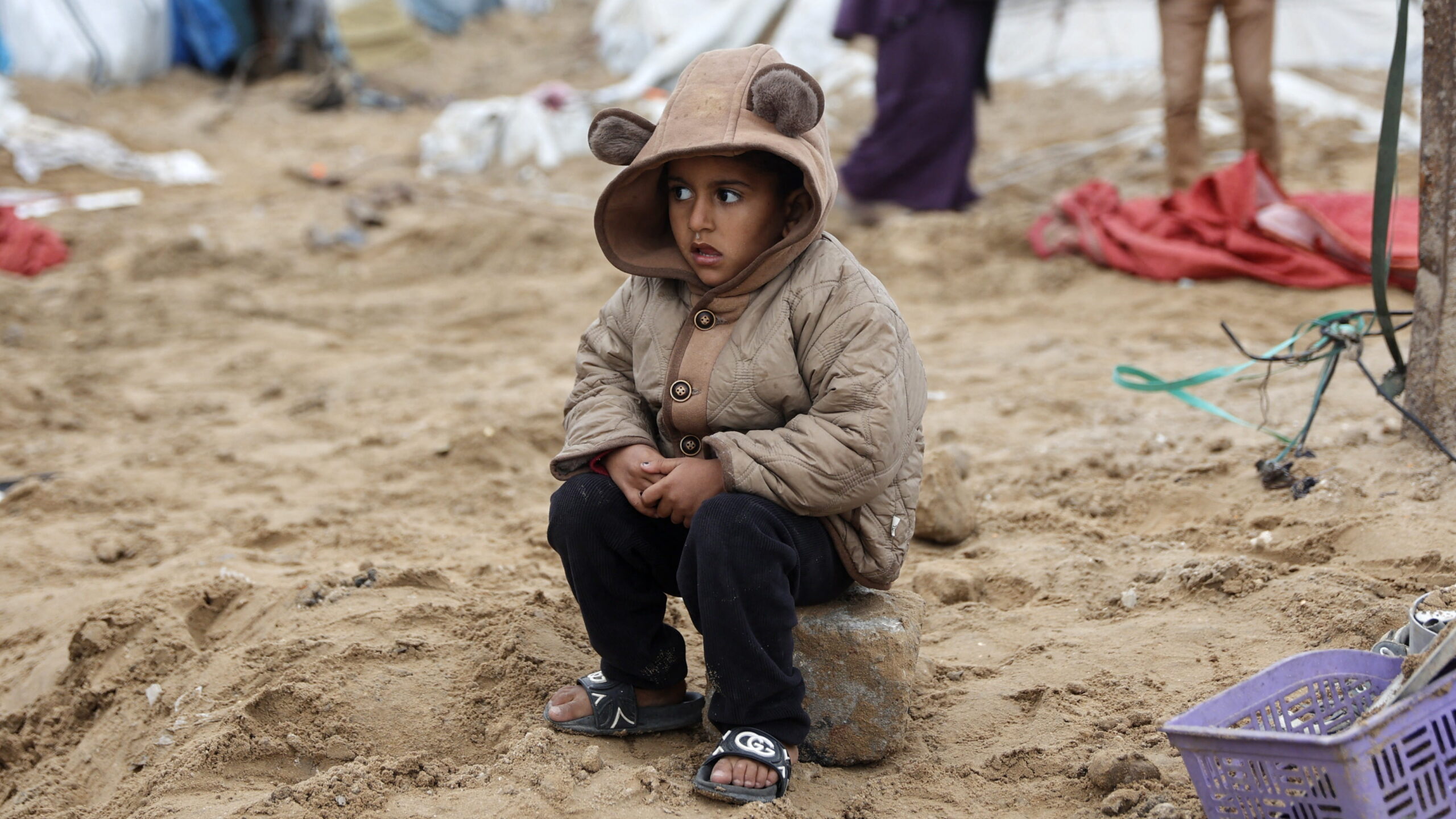
    A severe humanitarian emergency is unfolding in Gaza as winter conditions exacerbate the suffering of displaced populations, with three Palestinian children reported dead from cold exposure since Sunday. The casualties include a two-month-old infant, a four-year-old child, and a seven-day-old newborn, bringing the total to at least six child fatalities attributed to hypothermia since winter began.

    According to the Gaza-based Government Media Office, the current death toll from cold-related causes has reached 21 individuals since October 2023, with 18 being children. All victims were residing in makeshift displacement camps where inadequate shelter and heating resources have created life-threatening conditions.

    Medical authorities report alarming trends in healthcare facilities, with pediatric departments overwhelmed by patients suffering from winter-related illnesses. Dr. Ahmad al-Farra of Nasser Hospital’s pediatric department noted a significant surge in cases, while al-Shifa Hospital director Muhammad Abu Salmiya reported emergency room visits have doubled to approximately 800 daily, primarily due to respiratory and influenza cases.

    The crisis stems from extensive infrastructure destruction during military operations and an ongoing blockade that restricts essential supplies. Approximately 1.5 million people remain without proper shelter, with the Shelter Cluster reporting over 42,000 tents and temporary structures damaged during just one week in December due to storms, affecting nearly 250,000 inhabitants.

    UN officials describe the situation as catastrophic, with Jonathan Fowler of UNRWA emphasizing that expanded relief deliveries are urgently needed rather than additional restrictions. The healthcare system faces critical shortages of flu vaccines, inhalers, and antiviral medications while operating at over 150% bed occupancy.

    Despite ceasefire agreements, tensions persist with reports of continued military operations and alleged violations. Hamas has announced intentions to dissolve Gaza’s governing bodies in favor of a technocratic administration, accusing Israel of obstructing transition plans that include proposed international stabilization forces.

    The overall casualty figures since October 2023 exceed 71,400 Palestinians killed with 171,318 wounded, according to the latest reports.

  • Israeli settler violence in West Bank rose 25 percent, military finds

    Israeli settler violence in West Bank rose 25 percent, military finds

    Official Israeli military statistics have documented a significant escalation in settler violence against Palestinian communities within the occupied West Bank, revealing a 25 percent increase in attacks during 2025. The data, initially reported by Haaretz newspaper, indicates 845 distinct violent incidents perpetrated by settlers resulting in four Palestinian fatalities and approximately 200 injuries. This represents a substantial rise from the previous year’s tally of 675 attacks which killed six and wounded 149.

    The geographical distribution of violence shows particular concentration around urban centers, with Nablus experiencing one-third of all recorded incidents. Hebron and Ramallah each accounted for 19 percent of the total attacks, highlighting concerning patterns of targeted aggression.

    Israeli military commanders have expressed growing apprehension regarding police capacity to contain the deteriorating situation. Security officials warn that continued escalation may necessitate redeployment of substantial military resources and reservists to the West Bank, potentially straining Israel’s broader security apparatus.

    According to military analysis, this violence surge correlates directly with accelerated expansion of illegal Israeli agricultural settlements on Palestinian territories. Since October 2023, approximately 90 new farms have been established, bringing the total to 120 unauthorized outposts. The military identifies violent youth groups operating from these settlements as primary instigators of attacks.

    A senior Israeli defense official noted: “Anyone ignoring the establishment of nearly 100 new farms since the war’s beginning shouldn’t be surprised by rising nationalist friction and criminal incidents.”

    The military assessment further indicates that these attacks are not merely spontaneous actions by individuals but represent coordinated operations by organized groups receiving political support from right-wing figures and politicians.

    Former Israeli Prime Minister Ehud Olmert has accused the current government of actively enabling what he termed “murderous” settler violence, describing the situation as systematic ethnic cleansing. Olmert, who previously authorized settlement expansion during his administration, stated that armed settler groups now operate with near-total impunity, often under the passive observation of Israeli security forces.

    This criticism contrasts sharply with Prime Minister Netanyahu’s characterization of the violence as the work of approximately “70 kids from broken homes” engaged primarily in property destruction. UN monitoring data confirms that October recorded over 260 settler attacks—the highest monthly total since record-keeping began in 2006—with more than 3,200 Palestinians displaced due to settler violence since that period.

  • India man arrested for trying to derail Heera Group probe that affected UAE investors

    India man arrested for trying to derail Heera Group probe that affected UAE investors

    Indian enforcement authorities have apprehended an individual accused of impersonating a government consultant to obstruct investigations into the massive Heera Group financial scandal that defrauded thousands of investors across India and the United Arab Emirates.

    The Enforcement Directorate’s Hyderabad zonal office took Kalyan Banerjee into custody on January 10th following an intensive probe under the Prevention of Money Laundering Act (PMLA) of 2002. The arrest represents a significant development in the ongoing investigation into Nowhera Shaik, founder of Heera Group, who stands accused of orchestrating a sophisticated investment scheme that collected approximately Dh2.45 billion from unsuspecting investors with promises of extravagant 36% annual returns.

    According to official statements, Banerjee was allegedly recruited by Shaik after multiple legal attempts to prevent property auctions connected to the case had failed. The accused reportedly positioned himself as having influential connections with senior bureaucrats and politicians, then contacted ED officers in a brazen attempt to manipulate the auction process. When instructed to follow proper legal channels, Banerjee allegedly resorted to threatening enforcement officials and pressuring them to delay proceedings.

    Investigators conducting searches at Banerjee’s Secunderabad premises uncovered mobile devices containing incriminating WhatsApp conversations with Shaik and her associates. These communications reportedly revealed coordinated efforts to influence both investigative and judicial processes while facilitating the sale of properties allegedly acquired through criminal proceeds.

    During his recorded statement under PMLA provisions, Banerjee confessed to the impersonation charges and admitted to acting under direct instructions from Shaik and her associates. The special PMLA court in Nampally has remanded him to judicial custody until January 23rd.

    The Enforcement Directorate has previously attached properties valued at approximately Dh175.5 million in connection with the Heera Group case. The agency has also pursued Supreme Court authorization to auction confirmed attached assets, with proceeds designated for victim restitution.

    Last month, the Telangana High Court dismissed a petition filed by Shaik seeking to halt the auction process, imposing exemplary costs of Rs5 crore (Dh2 million) to be deposited into the Prime Minister’s relief fund.

    The collapse of Heera Group has created substantial financial devastation for investors throughout India and the Middle East, particularly affecting UAE expatriate communities who invested heavily in the group’s schemes. Recovery efforts for victims remain contingent upon successful asset auctions conducted by Indian authorities.

  • China leads renewable energy jobs growth as Africa seeks green partners

    China leads renewable energy jobs growth as Africa seeks green partners

    China has emerged as the undisputed leader in renewable energy employment, accounting for nearly half of all global jobs in the sector according to the latest international data. The Renewable Energy and Jobs – Annual Review 2025, jointly published by the International Renewable Energy Agency (IRENA) and the International Labour Organization (ILO), reveals that China maintained approximately 7.3 million positions within the renewable energy workforce in 2024—representing a commanding 44% share of the worldwide total.

    The comprehensive report indicates that global renewable employment experienced modest growth of just 2.3% last year, reaching 16.6 million jobs. This slowdown occurs amid increasing geographic disparities in clean energy job distribution, with China’s dominance particularly evident in solar photovoltaic manufacturing and large-scale deployment. Solar PV technology remains the largest employment sector within renewables, generating 7.3 million positions globally, of which China contributes approximately 4.2 million.

    IRENA Director-General Francesco La Camera emphasized that while clean energy deployment continues to expand rapidly, policy frameworks must increasingly focus on human capital development alongside technological advancement. “Governments must put people at the centre of their energy and climate objectives through trade and industrial policies that drive investment, build domestic capacity, and develop a skilled workforce along the supply chain,” he stated.

    The report highlights Africa’s particular situation as a region with both tremendous renewable energy potential and pressing developmental needs. With the world’s fastest-growing population and urgent demand for reliable electricity, African nations view renewable energy expansion as both an economic opportunity and development imperative. Although Africa’s current share of renewable jobs remains modest compared to Asia and Europe, the continent recognizes the critical importance of building domestic capabilities—from specialized skills training to local component assembly.

    International cooperation frameworks, particularly the Forum on China-Africa Cooperation (FOCAC), are identified as potential catalysts for accelerating technology transfer and workforce readiness across African economies. Such partnerships could help harness Africa’s abundant renewable resources and youthful labor force while addressing the geographic imbalances highlighted in the global employment data.