分类: world

  • Pope Leo XIV to pray at Armenian cathedral in Istanbul during Turkish-Armenian reconciliation

    Pope Leo XIV to pray at Armenian cathedral in Istanbul during Turkish-Armenian reconciliation

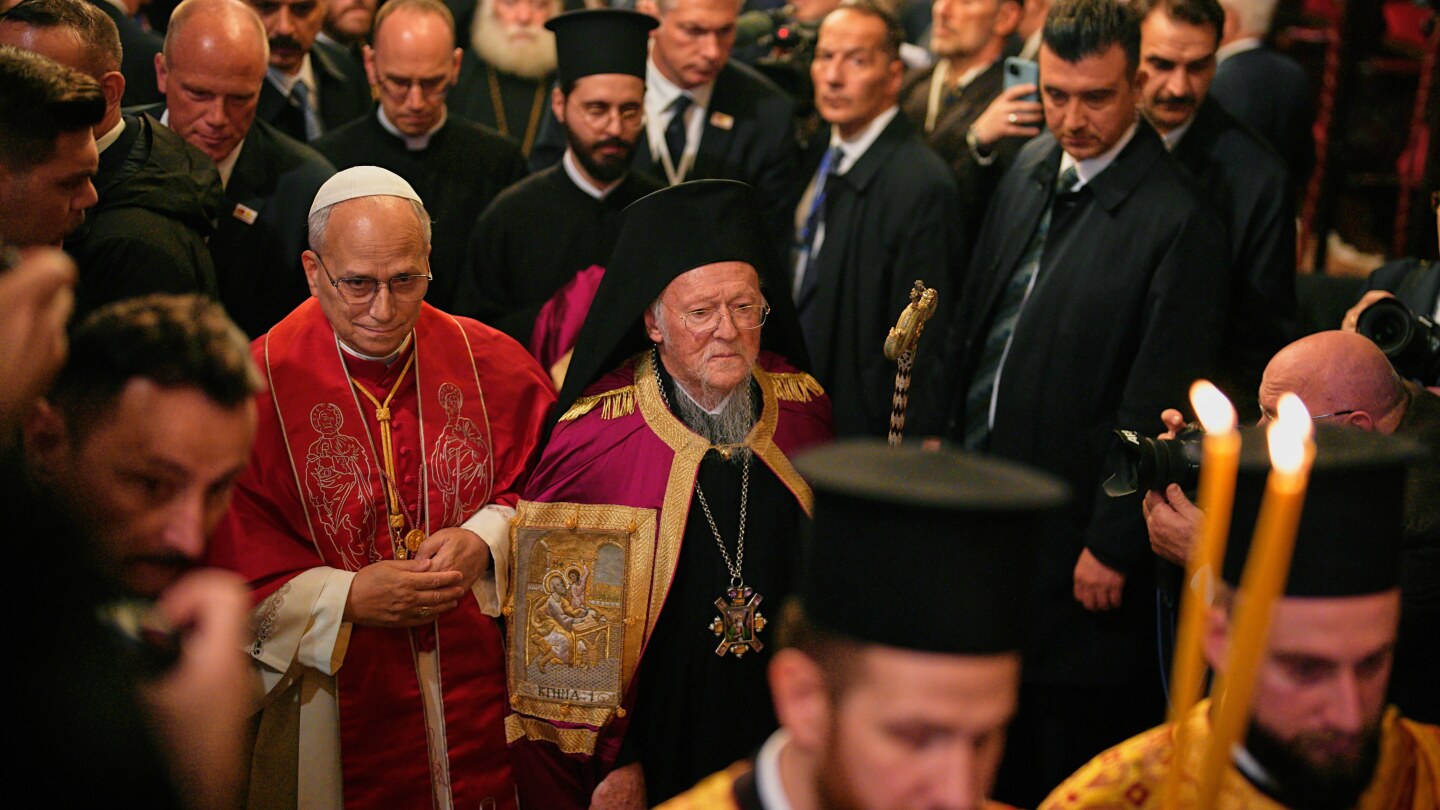
    In a significant ecumenical gesture, Pope Leo XIV is scheduled to pray at the Armenian Apostolic Cathedral in Istanbul on Sunday, demonstrating Vatican support for Christian minorities in Turkey and potentially advancing normalization efforts between Turkey and Armenia. The visit occurs against the backdrop of historical tensions stemming from the early 20th-century mass killings of Armenians in Ottoman Turkey—recognized as genocide by most historians but persistently denied by Turkish authorities, who attribute the deaths to civil unrest.

    The pontiff’s itinerary follows the footsteps of predecessors Paul VI, John Paul II, and Benedict XVI, all of whom visited the same cathedral during their respective trips to Istanbul. Approximately 500 Armenian worshippers are expected to attend the service, which will feature traditional prayers, speeches from both Pope Leo and Patriarch Sahak II, and the unveiling of a commemorative marble stone.

    Observers note that while Pope Francis previously ignited diplomatic friction by explicitly using the term ‘genocide’ during his 2015 Armenia visit, Pope Leo is anticipated to avoid such controversial language. This diplomatic caution aligns with ongoing bilateral efforts to reconcile Turkey and Armenia, which have maintained closed borders and absent formal diplomatic relations since the 1990s.

    Richard Giragosian, director of the Regional Studies Center in Yerevan, emphasized the symbolic and political weight of the visit: ‘More than just the symbolic importance of bringing the Vatican closer to the Armenian Church… (the visit) is also, in some ways, promoting Armenia-Turkish normalization.’

    The context is further complicated by regional geopolitics, including Turkey’s support for Azerbaijan in the Nagorno-Karabakh conflict and recent Vatican-Azerbaijan cooperation agreements that have concerned Armenian communities. Despite these tensions, the Vatican is reportedly engaged in behind-the-scenes diplomacy to secure the release of Armenian detainees in Azerbaijan.

    Armenian communities have expressed mixed reactions to the visit, with some viewing it as an honorable recognition of their heritage and others questioning its practical impact on Turkey’s stance regarding historical atrocities. The event underscores the delicate balance between religious symbolism, historical acknowledgment, and contemporary diplomatic maneuvering in a region marked by enduring divisions.

  • Pope wraps up Turkey visit and heads to Beirut to try to give Lebanese hope after years of crises

    Pope wraps up Turkey visit and heads to Beirut to try to give Lebanese hope after years of crises

    ISTANBUL — Pope Leo XIV departed Turkey on Sunday, concluding the initial phase of his inaugural foreign papal journey before proceeding to Lebanon. His visit aims to deliver a potent message of hope to the nation’s beleaguered citizens and reinforce the vital Christian presence within the Middle East.

    The Pontiff’s schedule in Istanbul featured two significant ecumenical engagements: a solemn prayer service at the Armenian Apostolic Cathedral and participation in a divine liturgy alongside Ecumenical Patriarch Bartholomew, the spiritual head of global Orthodox Christianity. This invitation, extended to commemorate a major Christian anniversary, formed the foundational purpose for Leo’s regional tour.

    Arriving in Lebanon during a period of profound instability, the Pope seeks to honor a commitment originally made by his predecessor, Francis, whose declining health prevented his own long-desired pilgrimage. Francis frequently echoed St. John Paul II’s 1989 declaration that Lebanon represents more than a nation—it is a symbolic ‘message’ of fraternity and coexistence. This ethos is institutionalized through a unique power-sharing governance structure, mandating a Maronite Christian president, a Sunni Muslim prime minister, and a Shiite parliament speaker.

    As a Muslim-majority country with a substantial Christian minority constituting approximately one-third of its population, Lebanon has perpetually held strategic importance for the Vatican, serving as a critical stronghold for regional Christianity. However, decades of persistent conflict have precipitated a concerning diminishment of ancient Christian communities tracing their origins to the Apostolic era.

    Local religious leaders, including Bishop George, Archbishop of the Melkite Greek Catholic Archeparchy of Beirut, emphasized the visit’s critical timing. ‘The Holy Father is coming at a very difficult moment for Lebanon and for our region,’ he stated, noting widespread public anxiety over the future and lingering fears of a resurgent full-scale war with Israel. ‘In this difficult moment, the pope’s visit is a sign of hope. It shows that Lebanon is not forgotten.’

    The nation’s precarious state stems from a cascading series of catastrophes. A devastating economic collapse in 2019 obliterated the national currency and banking sector, erasing life savings and triggering critical shortages of electricity, fuel, and medicine. This was compounded in August 2020 by the cataclysmic Beirut port explosion, where improperly stored ammonium nitrate detonated, killing 218 individuals, injuring thousands, and inflicting billions in damages.

    A central, highly symbolic moment of Pope Leo’s itinerary is scheduled for December 2nd: a period of silent prayer at the epicenter of the 2020 blast site, followed by a personal meeting with affected victims and their families. Public fury persists over the tragedy, widely attributed to governmental negligence, and is exacerbated by the repeated stalling of a formal investigation. Five years onward, no official has been held accountable, fostering deep disillusionment among citizens who hope the Pontiff will forcefully advocate for truth and justice.

    Further complexity arises from the ongoing regional conflict. The war in Gaza, initiated after the October 2023 Hamas-led attack, drew in the Lebanese militant group Hezbollah into a escalating conflict with Israel that erupted into full-fledged war in September 2024. This conflict resulted in over 4,000 fatalities and widespread destruction. Although a U.S.-brokered ceasefire nominally halted hostilities two months later, near-daily Israeli airstrikes continue, fueling fears of a renewed total war.

    Ahead of the papal arrival, Hezbollah issued a statement urging the Pope to publicly denounce the ‘injustice and aggression’ it claims Lebanon endures—a clear reference to Israeli military actions. The group also called on its supporters to gather respectfully along the route of the papal motorcade. Hezbollah maintains political alliances with several Christian parties, such as the Free Patriotic Movement and Marada Movement, though it faces opposition from the Lebanese Forces, the largest Christian parliamentary bloc, which criticizes the group for entangling the nation in war.

    The papal visit also resonates powerfully in neighboring Syria. After a 14-year civil war that forced hundreds of thousands of Christians to flee, the ousting of autocrat Bashar Assad by Islamist insurgents in December has led to sporadic sectarian violence and attacks on religious minorities, including a June suicide bombing at a Damascus church. A delegation of 300 Syrian Christians, led by a Greek Melkite Catholic priest, traveled to Lebanon seeking audience with Pope Leo. For individuals like 24-year-old delegate Dima Awwad, his presence offers a beacon of hope amid ‘fear of an unknown future’ and a reaffirmation of the Eastern Christian community’s desire to remain in their historic homeland.

  • Sri Lanka flood death toll rises to 159, many more missing

    Sri Lanka flood death toll rises to 159, many more missing

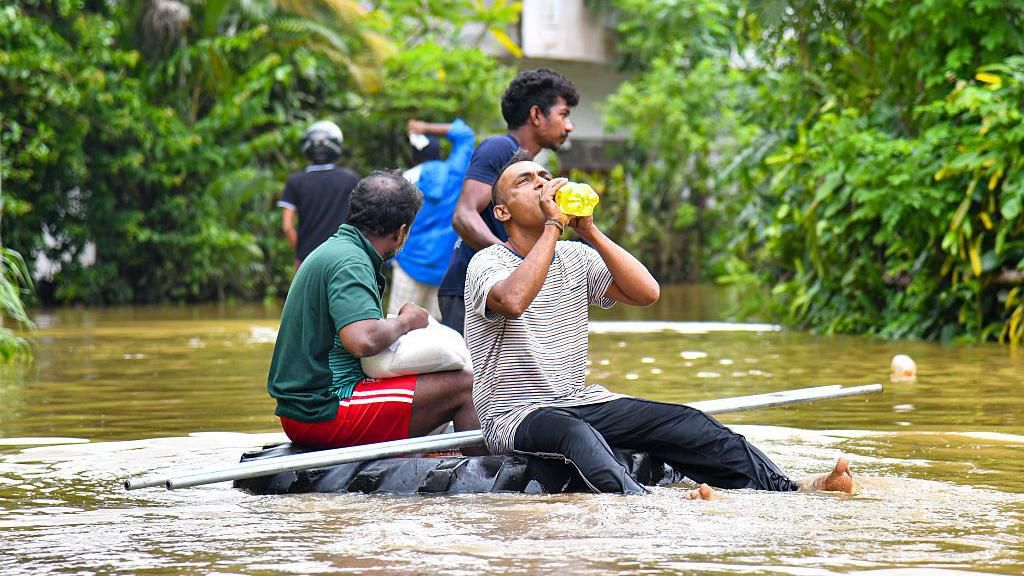
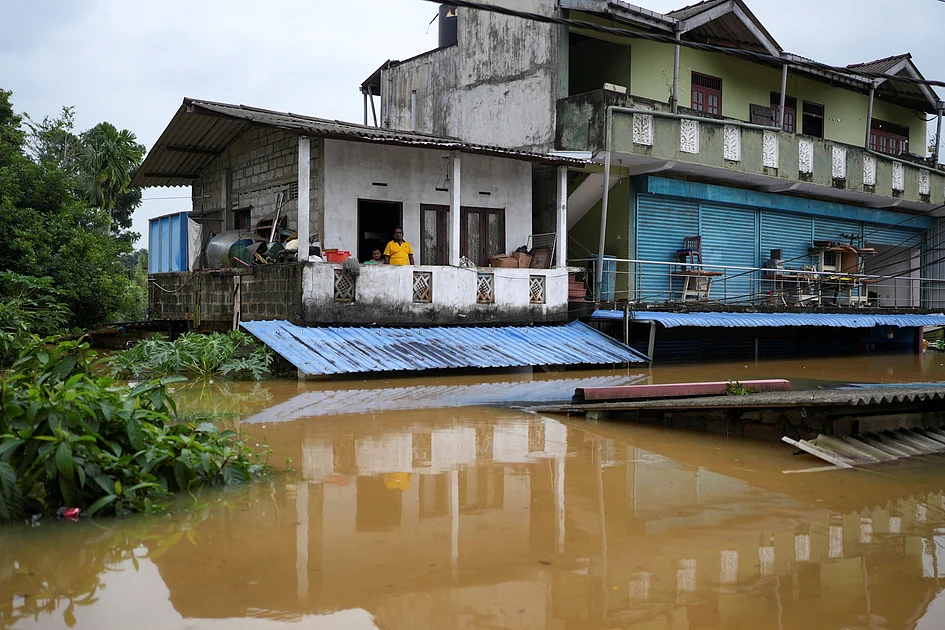
    Sri Lanka faces a catastrophic humanitarian crisis as the aftermath of Cyclone Ditwah claims 159 lives with over 200 individuals still unaccounted for, marking one of the nation’s most severe weather disasters in recent history. According to the Disaster Management Centre, the devastating floods and mudslides have obliterated more than 20,000 residential structures, forcing approximately 108,000 citizens to seek refuge in government-operated temporary shelters.

    The widespread destruction has left nearly one-third of the country without essential utilities including electricity and clean running water, prompting officials to declare a state of emergency. Emergency evacuation protocols have been activated in multiple regions as water levels in the Kelani River continue to surge at alarming rates.

    Kandy and Badulla districts report the highest concentration of fatalities, with numerous communities remaining completely isolated due to impassable roads blocked by landslides. Saman Kumara, a resident of Maspanna village in Badulla, described the desperate situation: ‘We lost two villagers… others are sheltering in the only standing structures. We’re trapped with diminishing supplies of food and clean water.’

    Tragic incidents include the drowning of 11 elderly residents at a care facility in Kurunegala district, while dramatic rescue operations saved 69 passengers from a submerged bus in Anuradhapura. Survivor WM Shantha recounted the harrowing experience: ‘The navy helped us reach a building roof that partially collapsed during the ordeal.’

    The Sri Lankan government has formally requested international assistance and is appealing to overseas citizens for financial contributions to support relief efforts. Meteorologists note that while Cyclone Ditwah has moved away from the island nation after making landfall on Friday, the country continues to experience unprecedented monsoon conditions that exceed typical seasonal patterns.

    This disaster represents the most severe flooding event since the 2003 catastrophe that claimed 254 lives, coinciding with widespread flooding across Southeast Asia affecting millions in Indonesia, Malaysia, and Thailand.

  • Ukraine hits tankers in Black Sea in escalation against Russia

    Ukraine hits tankers in Black Sea in escalation against Russia

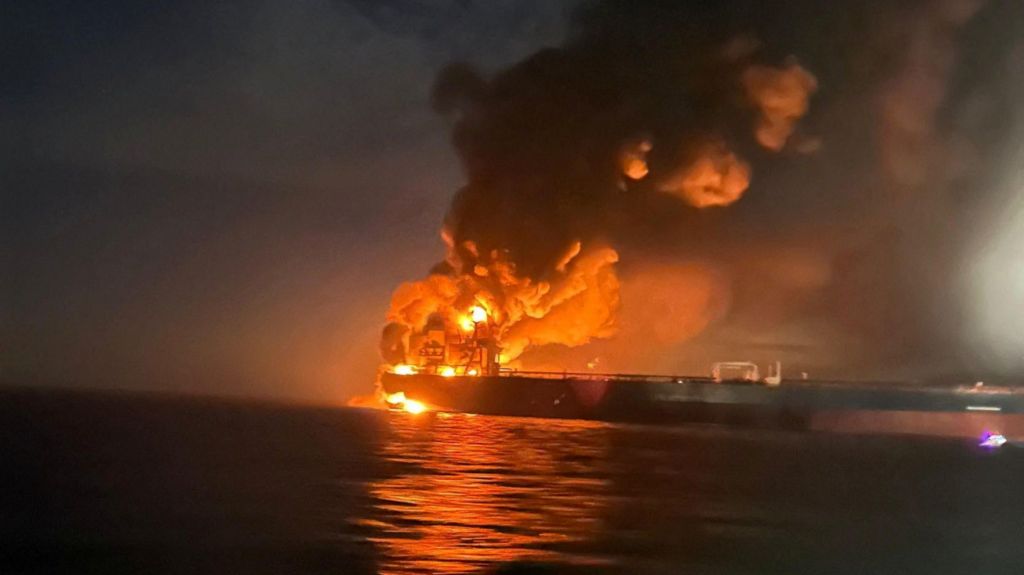
    In a significant escalation of its maritime campaign, Ukrainian security forces have successfully targeted two Russian-affiliated oil tankers traversing the Black Sea using advanced naval drones. Verified footage reveals the precise moment Ukrainian Sea Baby drones—specially engineered unmanned surface vessels—slammed into the vessels before detonating in massive fireballs that engulfed the ships in black smoke.

    The targeted vessels, identified by Turkish authorities as the Kairos and Virat (both registered under Gambian flags), were struck in separate operations. The Kairos was hit southwest of the Black Sea while the Virat was attacked further east near the Turkish coast. Reports indicate the Virat sustained additional drone strikes on Saturday following the initial Friday attacks. Remarkably, no casualties were reported from either incident.

    These sophisticated strikes represent a strategic shift in Ukraine’s efforts to cripple Russia’s war-funding capabilities. The targeted tankers belong to Moscow’s so-called ‘shadow fleet’—an armada of aging, often poorly documented vessels deployed to circumvent Western sanctions imposed after Russia’s 2022 invasion. According to London Stock Exchange data, both vessels were already subject to international sanctions.

    The attacks have triggered immediate regional consequences. The Caspian Pipeline Consortium—a major oil transportation group co-owned by Russia, Kazakhstan, and several Western energy giants including Exxon Mobil and Chevron—announced suspension of loading operations at Russia’s Novorossiysk port following unrelated drone attacks that damaged critical infrastructure.

    Turkish coast guard units responded to assist the stricken vessels, releasing footage showing firefighting efforts aboard the burning Kairos. Meanwhile, diplomatic developments unfolded as Ukrainian President Zelensky confirmed a security delegation led by Rustem Umerov was en route to the United States for continued peace negotiations, following the resignation of previous lead negotiator Andriy Yermak after corruption probes.

  • Hong Kong high-rise fire: 13 Filipino workers still missing, Philippine Consulate says

    Hong Kong high-rise fire: 13 Filipino workers still missing, Philippine Consulate says

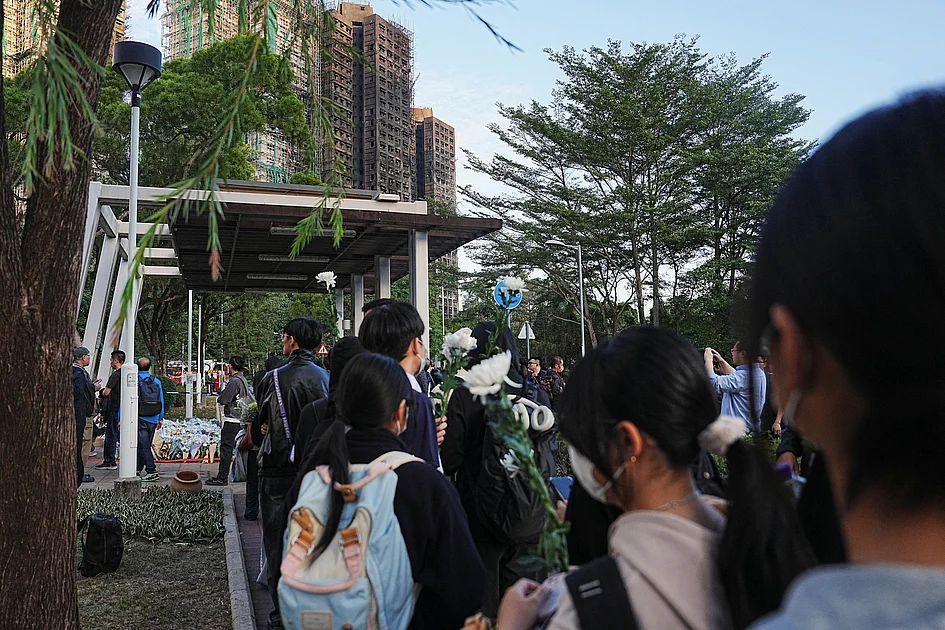
    HONG KONG — A devastating high-rise fire that engulfed a residential complex in Hong Kong’s Tai Po district has left thirteen Overseas Filipino Workers (OFWs) unaccounted for, according to the latest update from the Philippine Consulate. The blaze, which erupted on Wednesday at Wang Fuk Court, continues to prompt intensive search and verification efforts by authorities.

    Philippine Consul General to Hong Kong Romulo Victor Israel Jr., in a recent radio interview, disclosed that official records indicated 83 Filipinos registered as residents at the affected estate. While seventy individuals have been successfully located and confirmed safe, the whereabouts of thirteen remain unknown. Many of those accounted for had either returned to the Philippines or relocated prior to the tragic incident.

    A particular focus of concern is one missing Filipina who is suspected to have been inside the building during the fire. Authorities are actively investigating the possibility that she may be among the fatalities, with verification processes ongoing. Her family members and employer are assisting in the identification process of the yet-unrecognized victims.

    The Hong Kong government has provided temporary shelter for those displaced by the fire. Consul General Israel indicated that plans are also underway to support rehoming efforts and assist affected workers in seeking new employment opportunities, should their current employers be unable to retain them. In a positive development, one Filipina previously reported to be in intensive care is now confirmed to be in a stable condition.

  • Sri Lanka declares emergency as cyclone death toll hits 132; 176 missing

    Sri Lanka declares emergency as cyclone death toll hits 132; 176 missing

    Sri Lanka has activated emergency protocols following the devastating impact of Cyclone Ditwah, which has claimed 132 lives with 176 individuals still unaccounted for. President Anura Kumara Dissanayake invoked special powers to coordinate large-scale relief operations as the nation grapples with its most severe natural disaster since 2017.

    The cyclone’s torrential rains have precipitated catastrophic flooding and landslides across the island nation, resulting in the destruction of over 15,000 residential properties. Official reports confirm that approximately 78,000 displaced citizens have sought refuge in government-operated temporary shelters, overwhelming existing infrastructure and resources.

    Military forces have executed complex rescue missions, including a 24-hour operation that successfully extracted 69 stranded bus passengers from Anuradhapura district. Among those rescued was a German tourist, highlighting the international dimension of the tragedy. Survivors recounted harrowing experiences of roof collapses and aborted helicopter rescues due to dangerous weather conditions.

    Critical infrastructure has suffered extensive damage, with approximately one-third of the country experiencing power outages and water purification system failures. Remote districts including Badulla and Kandy remain largely inaccessible due to submerged roads and fresh landslides, creating isolated communities without essential supplies.

    International response initiatives have commenced, with India leading assistance efforts by dispatching two aircraft laden with relief supplies. An Indian naval vessel stationed in Colombo contributed its rations to support victims, while Prime Minister Narendra Modi pledged additional aid resources.

    The Sri Lankan government has formally requested international assistance and established channels for financial contributions from overseas citizens. Meteorological reports indicate the cyclone is now progressing toward southern India, where Chennai Airport has preemptively cancelled 54 flights in anticipation of severe weather conditions.

    This catastrophe represents the most lethal natural event to strike Sri Lanka in eight years, eclipsed only by the 2003 floods that resulted in 254 fatalities and the 2017 disaster that claimed over 200 lives.

  • Palestinian death toll in Gaza tops 70,000, say health authorities

    Palestinian death toll in Gaza tops 70,000, say health authorities

    Health authorities in Gaza reported on Saturday that the Palestinian death toll has surpassed 70,100 since the onset of Israeli military operations in October 2023. The Gaza-based health ministry released an official statement confirming the devastating milestone, marking one of the deadliest conflicts in recent Middle Eastern history.

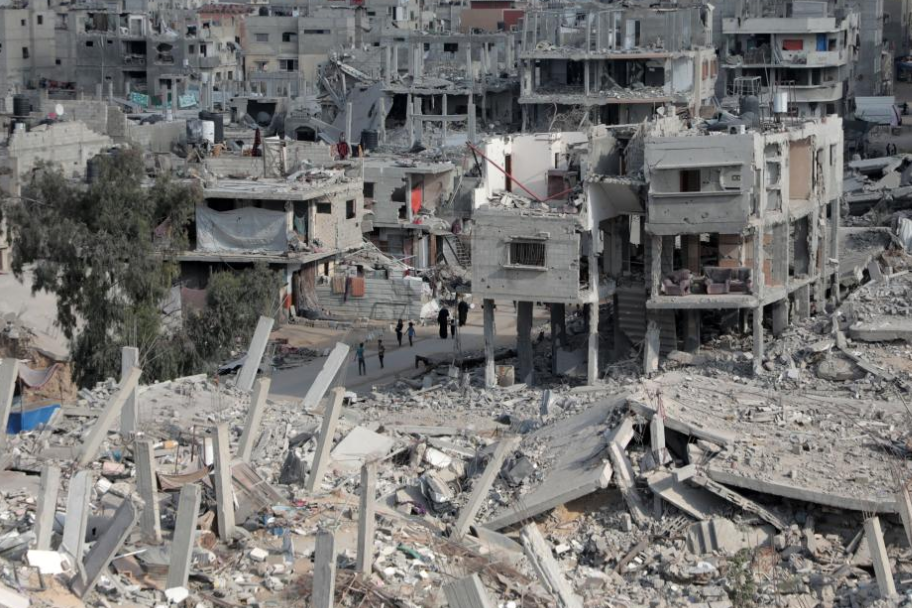
    The announcement comes amid ongoing hostilities that have transformed much of the coastal territory into landscapes of destruction. Visual evidence from Khan Younis in southern Gaza, captured in October 2024 photographs, shows entire city blocks reduced to rubble, with multi-story buildings completely collapsed and infrastructure devastated.

    The conflict, now entering its fourteenth month, continues to generate international concern regarding humanitarian conditions within the besieged territory. Medical facilities, already strained by years of blockade, have reported being overwhelmed by casualties while facing critical shortages of medical supplies, equipment, and functional facilities due to targeted attacks and general destruction.

    This latest death toll figure represents a catastrophic human cost that has drawn widespread international condemnation and repeated calls for ceasefires from various global organizations and nations. The numbers continue to climb daily as offensive operations persist across multiple regions of the Strip, with recent operations expanding into previously declared safe zones.

    The comprehensive toll includes combatants and civilians alike, with health officials noting that women and children constitute a significant percentage of the fatalities. Independent verification of exact numbers remains challenging due to access restrictions and the collapse of normal administrative functions within the territory.

  • UAE offers condolences to Indonesia over Sumatra flood victims

    UAE offers condolences to Indonesia over Sumatra flood victims

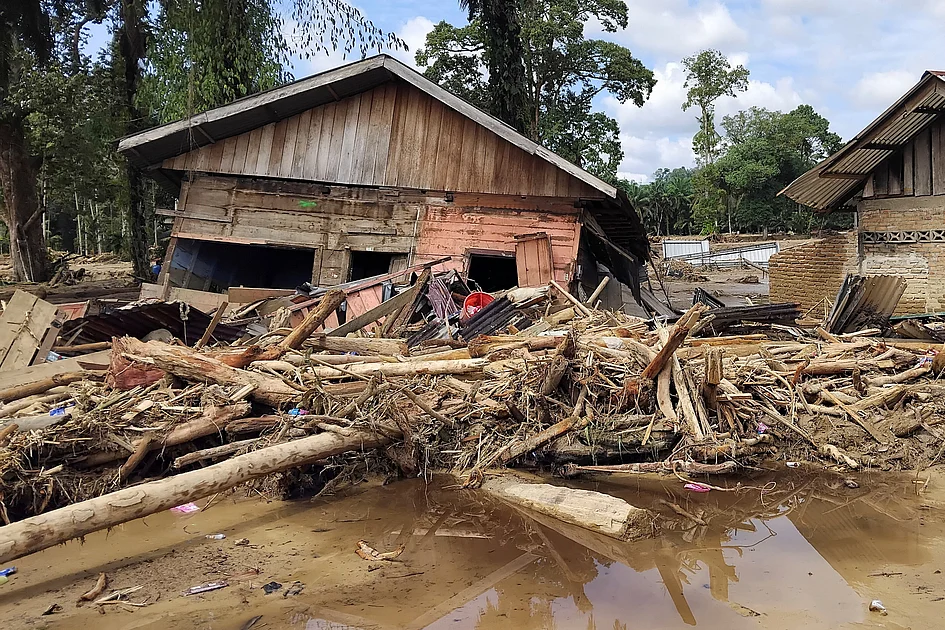
    The United Arab Emirates has formally expressed profound sympathy and solidarity with the Republic of Indonesia in the wake of devastating natural disasters that struck Sumatra Island. Catastrophic flooding and landslides, triggered by intense cyclonic rainfall, have resulted in massive casualties and widespread displacement throughout the region.

    In an official statement released by the UAE Ministry of Foreign Affairs, the Emirates conveyed its deepest condolences and heartfelt compassion to both the Indonesian government and the families affected by this tragedy. The communication emphasized the UAE’s steadfast support for Indonesia during this period of national mourning and recovery efforts.

    The scale of the disaster continues to escalate as Indonesian disaster management authorities reported a sharp increase in casualties. The death toll has surged to 303 confirmed fatalities as of Saturday, representing a significant rise from the previous count of 174 victims. Rescue operations face substantial challenges reaching the most severely impacted zones where over 100 individuals remain unaccounted for.

    The geographical isolation of affected communities combined with damaged infrastructure has complicated emergency response efforts. Disaster relief teams are working tirelessly to overcome these obstacles while providing essential aid to survivors and coordinating recovery operations across the devastated regions of Sumatra.

  • Multiple-entry, 2-month visit visa: Qatar to extend permits for GCC residents

    Multiple-entry, 2-month visit visa: Qatar to extend permits for GCC residents

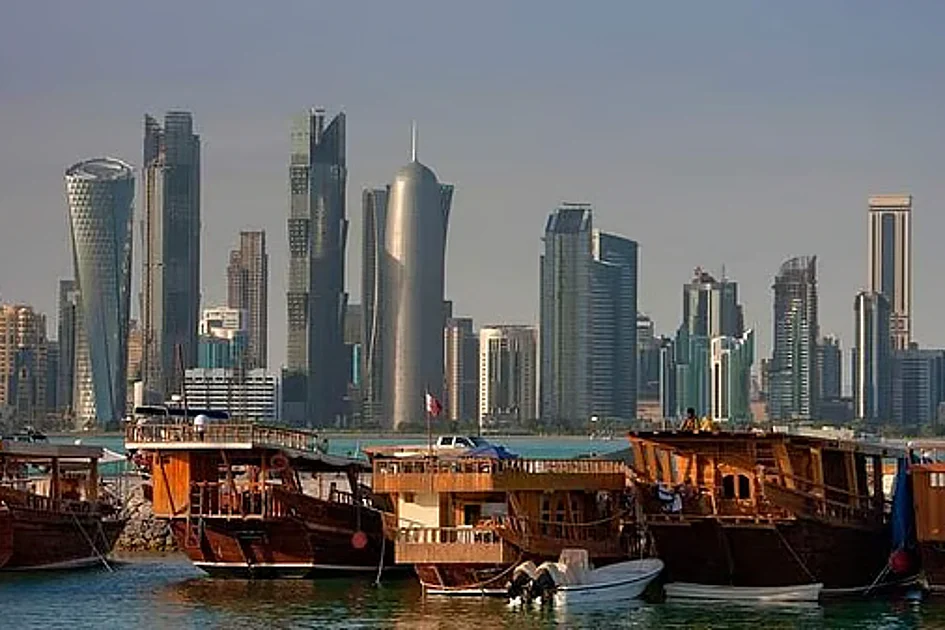
    Qatar has unveiled a significant expansion of its visa facilitation program for Gulf Cooperation Council (GCC) residents, announcing the extension of visit permits from one month to two months with multiple-entry privileges. The new regulations, set to take effect on November 30, 2025, through the Haya digital platform, represent a strategic move to enhance regional tourism integration.

    The initiative, announced by Qatar Tourism, aims to capitalize on the nation’s post-FIFA World Cup 2025 infrastructure and event hosting capabilities. The enhanced visa scheme will enable GCC residents to more conveniently attend Qatar’s growing calendar of sports tournaments, cultural exhibitions, and entertainment events. This policy adjustment particularly supports the upcoming Arab Cup 2025 tournament, facilitating smoother entry procedures for regional spectators.

    The Haya platform serves as a comprehensive digital ecosystem for visa processing and event management, offering five distinct electronic visa categories: standard tourist visas (A1), GCC resident visas (A2), electronic travel notification visas (A3), companion visas for GCC citizen guests (A4), and visa waivers for US citizens (F1). This streamlined approach significantly simplifies trip planning for international visitors while maintaining robust security protocols.

    Tourism analysts view this development as part of Qatar’s broader strategy to position itself as a regional hub for major international events. The extended visa duration and multiple-entry feature address previous limitations that potentially constrained visitor mobility within the GCC region, particularly affecting those wishing to combine Qatari events with visits to neighboring countries.

  • Former Dubai waiter arrested over attack on Kapil Sharma’s cafe: Indian media

    Former Dubai waiter arrested over attack on Kapil Sharma’s cafe: Indian media

    Indian authorities have apprehended a suspect with connections to Dubai in connection with a series of targeted shootings at a Canadian restaurant owned by renowned Indian comedian Kapil Sharma. The arrest marks a significant development in an international investigation spanning multiple continents.

    According to reports from The Indian Express, Delhi Police Crime Branch officers took 28-year-old Bandhu Man Singh Sekhon into custody on November 25th in his hometown of Ludhiana, Punjab. Sekhon stands accused of conspiring with criminal elements to orchestrate attacks on Kap’s Café, located in Ontario, Canada, which occurred in July and August of this year.

    The investigation reveals a complex transnational narrative. Sekhon reportedly completed his Master’s in Computer Applications in Punjab before briefly relocating to Dubai in 2018, where he worked in the hospitality sector as a waiter. After returning to India within months, he subsequently moved to Canada in 2023, working variously as a pharmacist and ride-hailing driver before allegedly becoming involved with criminal networks.

    Law enforcement officials identified Sekhon as a close associate of Goldy Dhillon, a gangster who has claimed responsibility for three separate shootings at the comedian’s establishment. The attacks are believed to be part of an organized extortion attempt targeting the high-profile business venture.

    During the arrest operation, authorities recovered significant evidence including a pistol and eight live cartridges from Sekhon’s possession. The suspect’s criminal involvement reportedly extended to previous legal troubles in Canada, where he was arrested in March in a separate extortion case and subsequently released with a GPS monitoring device.

    Kapil Sharma, one of India’s most prominent comic entertainers and host of The Kapil Sharma Show, maintains strong connections to the UAE, regularly performing to capacity crowds in Dubai and Abu Dhabi. His international profile has made his business ventures potential targets for criminal elements seeking extortion opportunities.

    The ongoing investigation involves coordination between Indian, Canadian, and potentially UAE authorities as they work to dismantle the transnational criminal network believed responsible for the attacks.