分类: world

  • Waterspout spotted after Storm Byron hits Cyprus

    Waterspout spotted after Storm Byron hits Cyprus

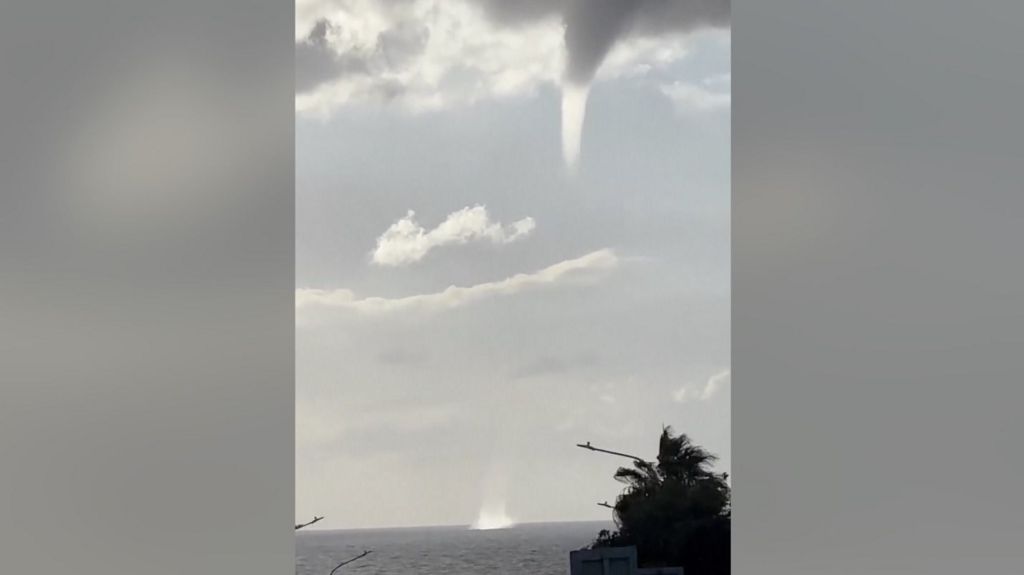
    The eastern Mediterranean island of Cyprus witnessed a powerful meteorological spectacle in the wake of Storm Byron this week, as a formidable waterspout was observed swirling off its coastline. This event underscores the intense and dynamic weather patterns affecting the region.

    A waterspout, defined as a rotating column of condensed water droplets and air, forms over substantial bodies of water such as oceans or large lakes. These phenomena occur when cool air moves across warmer water surfaces, creating a significant temperature gradient that fosters the development of a vortex. While often less powerful than their terrestrial tornado counterparts, waterspouts can still pose considerable hazards to marine navigation and coastal infrastructure.

    The appearance of this waterspout follows the passage of Storm Byron, a potent weather system that brought heightened wind speeds, precipitation, and turbulent conditions to the island nation. Such storms can create the ideal atmospheric instability required for waterspout formation. Local meteorological services have been monitoring these developments closely, advising residents and mariners to exercise heightened caution during and after such severe weather events. The occurrence serves as a stark reminder of the powerful and sometimes unpredictable forces of nature that can emerge from significant storm systems.
  • Venezuela swears in 5,600 troops after US military build-up

    Venezuela swears in 5,600 troops after US military build-up

    In a significant show of military readiness, Venezuela formally inducted 5,600 new soldiers into its armed forces during a ceremony held Saturday at Fuerte Tiuna, the nation’s largest military complex in Caracas. This mobilization comes as a direct response to what Caracas perceives as escalating military aggression from the United States.

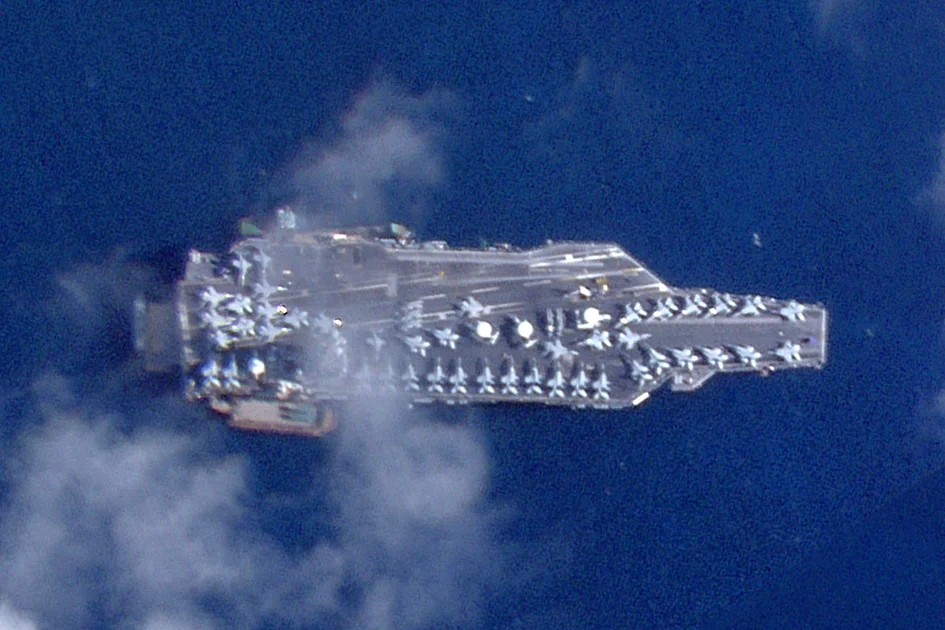
    The United States has recently deployed a substantial naval presence to the Caribbean, including the world’s largest aircraft carrier, under the official justification of intensifying anti-narcotics operations. Washington has designated President Nicolas Maduro’s government as a terrorist organization, labeling it the ‘Cartel of the Suns,’ and has conducted strikes on over 20 vessels, resulting in at least 87 fatalities.

    Colonel Gabriel Rendon, speaking at the swearing-in ceremony, declared a firm stance against foreign intervention, stating, ‘Under no circumstances will we allow an invasion by an imperialist force.’ President Maduro has characterized the US military build-up as a transparent attempt to orchestrate a coup d’état and seize control of Venezuela’s vast oil reserves, prompting his call for accelerated military recruitment.

    This external tension is shadowed by deepening internal political strife. The nation continues to grapple with the aftermath of July’s highly contested presidential election. A recent tragic development saw the death of Alfredo Diaz, a former opposition governor, in prison. He was detained on charges of terrorism and incitement, becoming at least the sixth opposition figure to die in custody since November 2024. Human rights NGO Foro Penal, which defends political prisoners, reported that Diaz had been held in isolation for a year with severely restricted access.

    Nobel Peace Prize laureate and opposition leader Maria Corina Machado, alongside opposition candidate Edmundo Gonzalez Urrutia, issued a joint statement condemning a ‘sustained pattern of state repression.’ They alleged that these deaths involved the denial of medical care, inhumane detention conditions, isolation, and torture. According to Foro Penal, Venezuela currently holds at least 887 individuals as political prisoners, many arrested following protests that resulted in 28 deaths and approximately 2,400 arrests, though nearly 2,000 have since been released.

  • Israeli soldiers kill Palestinian man and teenager in West Bank

    Israeli soldiers kill Palestinian man and teenager in West Bank

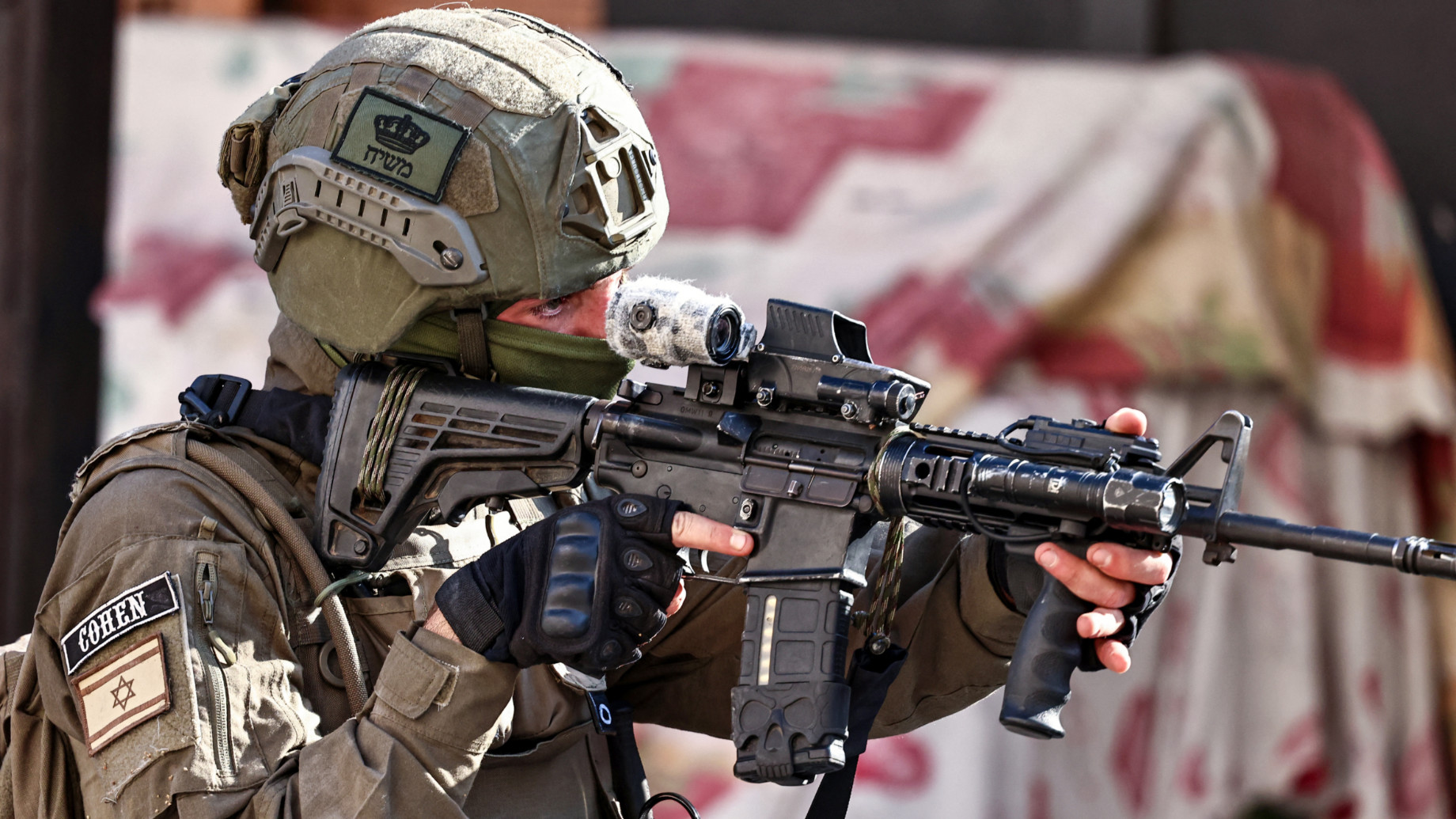
    A violent incident at an Israeli military checkpoint in Hebron, occupied West Bank, resulted in the deaths of two Palestinians on Saturday evening, according to official sources. Israeli security forces opened fire on a vehicle allegedly accelerating toward their position, killing the 17-year-old driver and an uninvolved bystander.

    The Israeli military stated that soldiers responded to a perceived threat when a vehicle accelerated toward their checkpoint position. While confirming the driver’s death, officials acknowledged an “uninvolved person” was also fatally wounded in the incident. Palestinian authorities identified the victims as Ahmed Khalil al-Rajabi, the teenage driver, and Ziad Naim Abu Dawood, a 55-year-old municipal street cleaner who was working nearby at the time of the shooting.

    Palestinian news agency Wafa reported that Abu Dawood was left bleeding at the scene for an extended period before his body was eventually transferred to the Red Crescent. The incident prompted widespread condemnation and a general strike across Hebron on Sunday, with businesses shuttering in protest. Municipal workers joined the strike after confirming Abu Dawood was a city employee killed while performing his duties.

    The shooting occurs amid sharply escalating violence throughout the West Bank over the past year. Recent data from the Palestinian health ministry indicates 51 Palestinian minors have been killed by Israeli forces since January. According to the Colonisation and Wall Resistance Commission, November witnessed approximately 2,144 attacks by Israeli forces and settlers against Palestinians and their property, representing a significant escalation in regional tensions.

  • Frank Gehry’s Guggenheim Abu Dhabi ‘orphaned’ as tributes pour in for the visionary

    Frank Gehry’s Guggenheim Abu Dhabi ‘orphaned’ as tributes pour in for the visionary

    The global architecture community mourns the passing of Frank Gehry at 96, with particular resonance felt in Abu Dhabi where his final and largest museum project approaches completion. The Guggenheim Abu Dhabi, currently in its final construction phase on Saadiyat Island, continues its steady progression toward a 2026 opening despite the architect’s absence.

    Apostolos Kyriazis, Associate Professor of Architecture and Urbanism at Abu Dhabi University, describes the situation as leaving the monumental project ‘orphaned,’ yet emphasizes that Gehry’s detailed planning ensures the museum’s completion remains uncompromised. ‘His passing will not jeopardise the completion of the museum,’ Kyriazis stated. ‘Gehry was there when needed to conceptualise and elaborate its implementation.’

    The design itself represents a profound reinterpretation of Gulf architectural heritage. The structure’s dynamic composition of stacked cones and cubes evokes traditional elements like the burjeel (wind tower) and arish (palm frond courtyard house), creating what Kyriazis characterizes as ‘both light, playful and elegant.’ The museum’s scale already dominates Saadiyat Island’s cultural district, dwarfing neighboring institutions including the Louvre Abu Dhabi.

    Beyond physical structures, Gehry’s legacy in the UAE encompasses his transformative influence on architectural education. Kyriazis, who has taught Gehry’s work for years, notes how the architect reshaped how students understand form, space and digital design potential. ‘His buildings dance. They are light, elastic, and swing on the wind,’ he explained. ‘There are no more edges and outlines.’

    Global tributes have highlighted Abu Dhabi’s significant place in Gehry’s legacy. The Solomon R. Guggenheim Foundation posted an official tribute stating ‘Frank’s genius magnified the Guggenheim’s mission and showed why museum architecture matters.’ Meanwhile, architect Alex Dantziguian noted the rising Guggenheim Abu Dhabi ‘will stand as a tribute to his work.’

    Art journalist Judith Benhamou recalled Gehry’s recent November visit to Abu Dhabi, expressing sadness that he wouldn’t witness the museum’s opening. The architectural visionary’s influence extends beyond physical structures, inspiring what Kyriazis describes as ‘a new generation of dreamers’ who will continue pushing boundaries in design and urban aesthetics.

  • As sea drones force Russia to retreat, Ukraine examines ways to launch more complex attacks

    As sea drones force Russia to retreat, Ukraine examines ways to launch more complex attacks

    KYIV, Ukraine — The strategic landscape of Black Sea naval operations has undergone a radical transformation through Ukraine’s innovative deployment of unmanned maritime systems, according to exclusive insights from the nation’s elite drone warfare unit. The commander of Group 13, Ukraine’s specialized sea-drone division operating under military intelligence protocols, revealed that Russian naval forces have been compelled into dramatically restricted operations due to persistent drone threats.

    In a secured location with his identity protected, the officer known by call sign ’13th’ described how Ukraine’s drone campaigns have created an effective maritime blockade situation. “Russian vessels now rarely venture beyond 25 miles from their ports,” he stated. “Their primary activity consists of rapid missile launches followed by immediate retreat—a significant tactical constraint directly attributable to our drone operations.

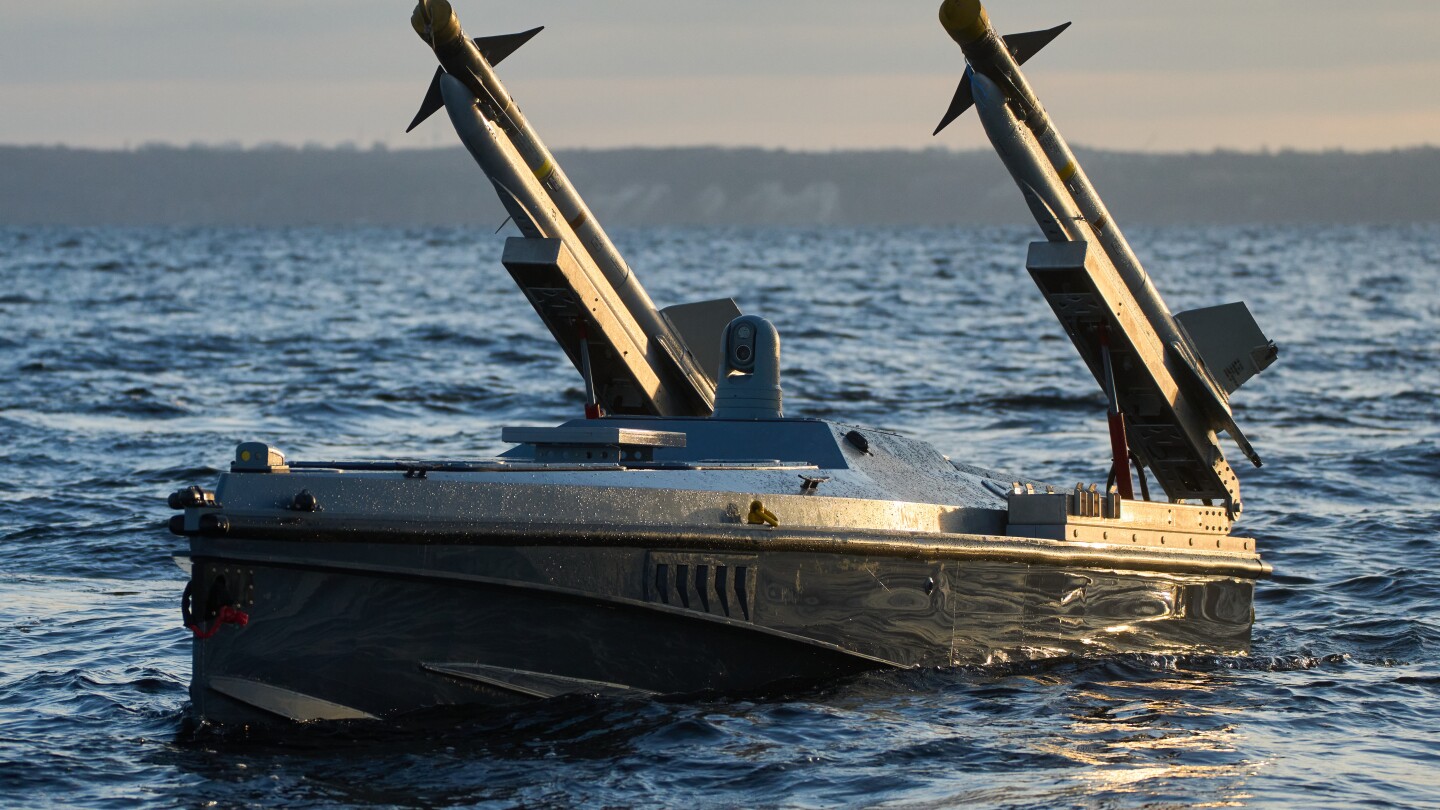
    The technological evolution of Ukraine’s drone arsenal includes two primary variants: the compact V5 ramming drone and the more sophisticated V7 weapons platform. These systems are operated via portable console units featuring joystick controls and multiple safety mechanisms. In a notable advancement, operators have successfully modified V7 drones to carry adapted Sidewinder air-to-air missiles, achieving the unprecedented May 2023 downing of a Russian fighter jet—an event the commander characterized as a “revolutionary moment in naval warfare.”

    Looking toward 2024, the officer outlined plans for increasingly sophisticated strikes incorporating artificial intelligence systems. “We are transitioning toward autonomous target identification capabilities,” he explained. “Future drones will independently distinguish military from civilian vessels and make critical engagement decisions using extensive operational data collected throughout the conflict.”

    Ukraine is simultaneously pursuing international partnerships to enhance its drone capabilities. Recent agreements with Greece include collaborative production of maritime UAVs, expanded training exercises, and intelligence sharing regarding maritime security threats. Similar cooperation initiatives with other NATO members are underway as Ukraine seeks to maintain technological superiority.

    Despite Russia’s adaptive countermeasures, the commander affirmed that Ukraine’s drone program maintains strategic effectiveness. “We have created a situation where we consistently limit enemy movements while developing next-generation capabilities,” he concluded. “The current equilibrium represents not stagnation but preparation for the next phase of autonomous naval warfare.”

  • Philippines: 13,000 families affected by Tropical Depression Wilma

    Philippines: 13,000 families affected by Tropical Depression Wilma

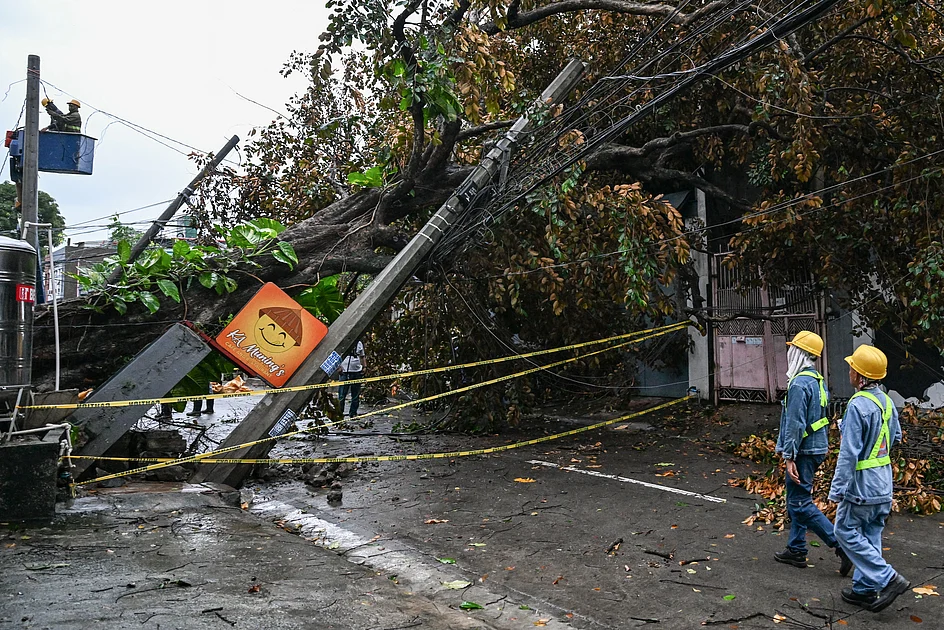
    MANILA – Severe weather conditions triggered by Tropical Depression Wilma, combined with a shear line and the northeast monsoon (amihan), have significantly impacted the Philippines, affecting over 13,000 families. The National Disaster Risk Reduction and Management Council (NDRRMC) reported on Sunday that the adverse conditions have disrupted lives across six regions, 14 provinces, and 34 cities and municipalities.

    The agency’s latest situational assessment indicates that 13,470 families, comprising 35,401 individuals, have been affected. In a positive development, authorities have confirmed no initial reports of casualties or critical infrastructure damage. The primary impact has been on maritime transportation, with widespread disruptions across the nation’s seaports.

    According to the NDRRMC, operations at 118 seaports have been suspended due to hazardous conditions. This has resulted in significant travel interruptions, stranding an estimated 8,447 passengers. The maritime gridlock also affects commerce, leaving 2,688 rolling cargoes stationary and stranding 98 vessels and 24 motorbancas (small local boats). Air travel, however, remains unaffected, with all airports operating normally.

    As a precautionary measure, a large-scale evacuation was undertaken, moving 14,719 individuals to safety from the most vulnerable areas, including MIMAROPA, Regions 7, 8, CARAGA, and the Negros Island Region. The council documented eight flooded areas across Regions 5, 8, and CARAGA. Additionally, seven road sections have been affected by the weather, though all remain passable with caution.

    The Philippine government has mobilized immediate relief efforts, distributing assistance valued at approximately Php76,472 to support displaced and affected families as they contend with the aftermath of the severe weather systems.

  • Triple drone strikes on Sudan kindergarten, hospital kill dozens

    Triple drone strikes on Sudan kindergarten, hospital kill dozens

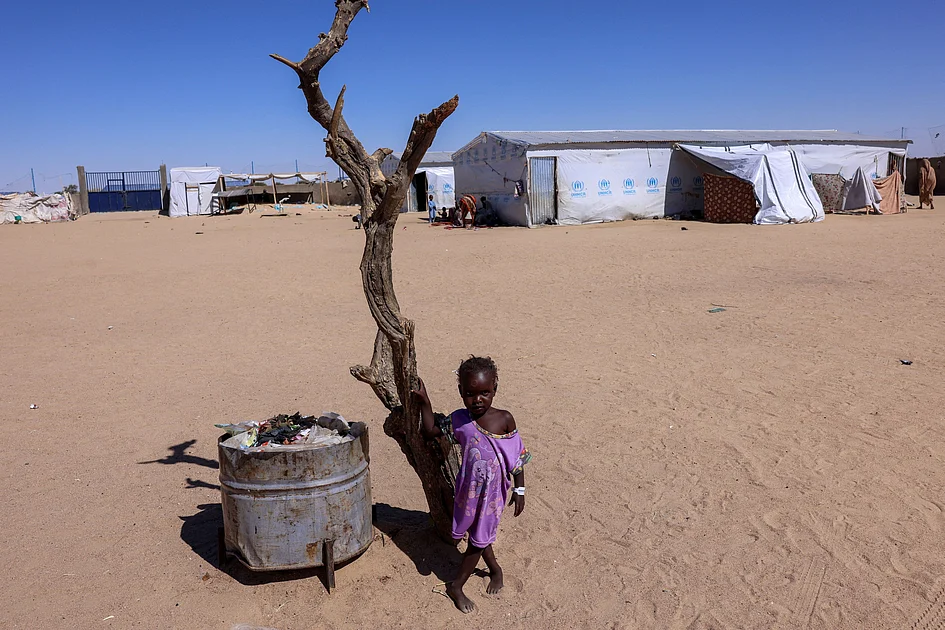
    In a devastating escalation of Sudan’s ongoing civil conflict, coordinated drone strikes targeted civilian infrastructure in the army-held town of Kalogi, South Kordofan state, resulting in one of the deadliest single incidents since fighting began. The triple assault, which occurred on Thursday, systematically hit a kindergarten followed by a medical facility and then struck again as rescuers attempted to evacuate children from the rubble.

    Local administrator Essam al-Din al-Sayed, communicating via Starlink due to severed conventional communications, confirmed to AFP that the attacks were executed with precision timing to maximize casualties. The United Nations Children’s Fund (UNICEF) verified that over 10 children between ages five and seven perished in the kindergarten bombing, while Sudan’s foreign ministry placed the total death toll at 79 civilians, including 43 children.

    The Sudanese government has attributed responsibility to the paramilitary Rapid Support Forces (RSF) and their allies from the Sudan People’s Liberation Movement-North faction under Abdelaziz al-Hilu. This allegation comes as the RSF expands its offensive beyond its recent capture of El-Fasher—the army’s final western stronghold—into the strategically vital and oil-rich Kordofan region.

    UN representatives have condemned the attack as a gross violation of international humanitarian law. UNICEF Representative for Sudan Sheldon Yett emphasized that ‘targeting educational facilities where children seek safety constitutes an egregious breach of fundamental human rights,’ while demanding immediate humanitarian access to the affected regions.

    The conflict, which erupted in April 2023 between the national army and RSF paramilitaries, has already claimed tens of thousands of lives and displaced nearly 12 million people. The Kordofan region has become the latest flashpoint, with over 40,000 residents fleeing in the past month alone according to UN estimates. Military analysts suggest the RSF’s eastern push aims to dismantle the army’s defensive perimeter around central Sudan, potentially setting the stage for assaults on major urban centers including the capital Khartoum.

    Verification of battlefield reports remains severely hampered by communication blackouts, restricted access for journalists and aid workers, and persistent security threats throughout the region.

  • Java island zoo releases photos of the first panda cub born in Indonesia

    Java island zoo releases photos of the first panda cub born in Indonesia

    JAKARTA, Indonesia — In a landmark achievement for wildlife conservation, Indonesia’s Taman Safari zoo has welcomed the nation’s first native-born giant panda cub. The male offspring, named Satrio Wiratama with the affectionate nickname Rio, entered the world on November 27th at the zoo’s specialized facility in West Java’s Cisarua region.

    The cub’s birth represents the culmination of a decade-long international partnership between Indonesia and China that began with the arrival of parent pandas Hu Chun and Cai Tao in 2017. These magnificent creatures were transferred as part of a comprehensive 10-year conservation agreement designed to protect this vulnerable species.

    Rio’s early development indicators are exceptionally promising according to zoo officials. The cub demonstrates robust health through consistent vocalizations, successful nursing patterns, and steady weight progression. Veterinary specialists are conducting round-the-clock monitoring to ensure optimal development during these critical early weeks. The upcoming developmental milestones include improved thermoregulation capabilities, fur maturation, visual awakening, and initial mobility exercises.

    Indonesian President Prabowo Subianto formally announced the cub’s symbolic name during a meeting with Wang Huning, China’s prominent political advisor. The name Satrio Wiratama embodies the shared dedication between both nations toward endangered species preservation, reflecting themes of hope and resilience.

    The parent pandas reside in a specially designed habitat that zoo officials describe as ‘palace-like accommodations,’ situated approximately 70 kilometers from Jakarta. While public viewing remains temporarily restricted to prioritize the cub’s welfare, the zoo administration has invited collective support for Rio’s continued healthy development.

    This birth holds particular significance within the context of panda conservation biology. Giant pandas face substantial reproductive challenges in captive environments, with fewer than 1,900 individuals remaining across their native habitats in China’s Sichuan, Shaanxi, and Gansu provinces. China’s panda loan initiatives with international zoos have historically functioned as instruments of cultural diplomacy while simultaneously advancing global conservation efforts.

  • Sri Lanka issues landslide warnings as cyclone toll hits 618

    Sri Lanka issues landslide warnings as cyclone toll hits 618

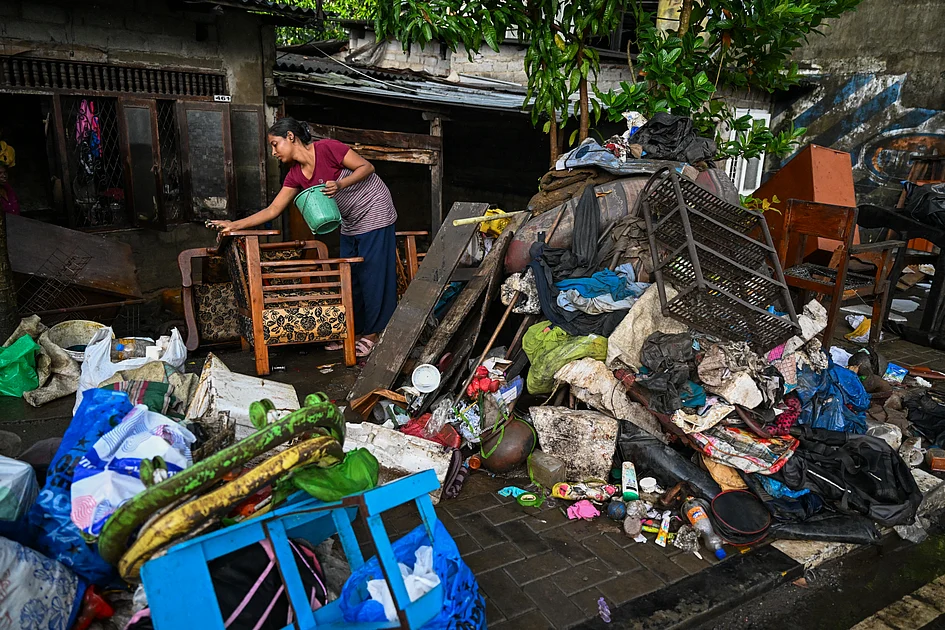
    Sri Lankan authorities escalated landslide alerts on Sunday as torrential rains continued to batter regions already crippled by Cyclone Ditwah, with the official death count climbing to 618 casualties. The catastrophic weather system has impacted over two million residents—representing nearly ten percent of the nation’s population—through devastating floods and landslides marking the most severe natural disaster this century.

    The Disaster Management Centre (DMC) reported that ongoing monsoon conditions are exacerbating the situation, saturating hillsides and increasing instability across central mountainous zones and northwestern midlands. Aviation units are conducting critical supply missions to isolated communities in the country’s interior, where landslide debris has severed access routes.

    International assistance continues to arrive, with the Sri Lanka Air Force receiving a humanitarian shipment from Myanmar on Sunday. Official statistics reveal 209 individuals remain missing, while the number of displaced persons in government shelters has decreased to 100,000 from a peak of 225,000 as floodwaters gradually recede.

    Structural damage assessment indicates over 75,000 homes suffered impairment, including approximately 5,000 completely destroyed properties. In response, the government unveiled a comprehensive compensation initiative on Friday to facilitate reconstruction of residences and revitalization of businesses devastated by the calamity.

    Financial support measures include offers of up to 10 million rupees ($33,000) for survivors to acquire safer land and construct new dwellings, alongside one million rupees compensation for families of deceased or permanently disabled victims. The central bank has mandated commercial lenders to restructure outstanding loans amid recovery efforts.

    The disaster strikes as Sri Lanka demonstrates fragile economic recovery from its 2022 financial collapse. President Anura Kumara Dissanayake acknowledged to parliament that while economic indicators had improved, the nation lacks sufficient resilience to independently manage reconstruction costs potentially reaching $7 billion. The International Monetary Fund is evaluating Sri Lanka’s request for an additional $200 million in emergency funding beyond its existing $2.9 billion bailout program.

  • Sri Lankans in UAE unite behind ‘Tears to Smiles’ campaign for Cyclone Ditwah victims

    Sri Lankans in UAE unite behind ‘Tears to Smiles’ campaign for Cyclone Ditwah victims

    The Sri Lankan diaspora in the United Arab Emirates has mobilized an extensive humanitarian response following Cyclone Ditwah’s catastrophic impact on their homeland. Multiple professional associations, alumni networks, and the Sri Lankan Welfare Association (SLWA) have united to coordinate relief efforts for victims of the devastating storm that claimed 618 lives and caused an estimated $7 billion in reconstruction costs.

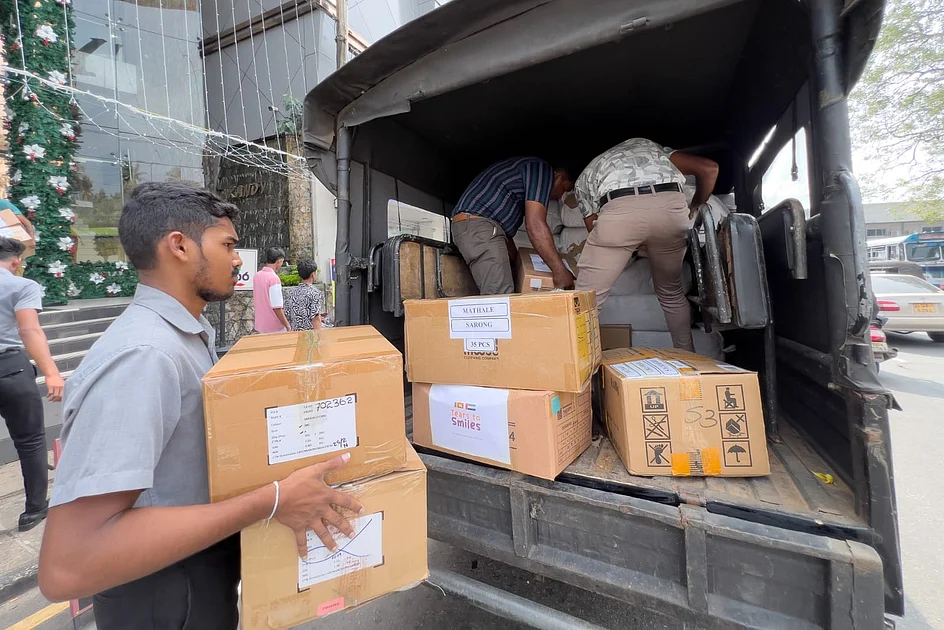
    Central to these efforts is the ‘Tears to Smiles’ initiative launched December 1st, which aims to provide essential clothing packages to affected communities across Sri Lanka’s hardest-hit districts. The campaign has already demonstrated significant progress, with 530 gift packs valued at Dh42,000 distributed to flood victims in Badulla, Matale, and Anuradhapura regions—representing 53% of their initial 1,000-pack target.

    The Sri Lankan Bankers Association (SLBA)-UAE is collaborating with diplomatic missions to establish transparent, coordinated support channels ensuring direct assistance reaches those most affected. Association President M. Isthiaq Raziq emphasized the importance of systematic coordination with authorities in Sri Lanka to maximize the effectiveness of their relief operations.

    Community leaders expressed profound gratitude toward UAE leadership for their substantial support while highlighting the collective determination of expatriates to aid recovery efforts. Sanjaya R. Jirasinha of SLWA-Sahana noted the campaign demonstrates that affected compatriots ‘are not alone,’ while representatives from banking, management, and travel sectors reaffirmed their commitment to ongoing support through coordinated action with Sri Lankan diplomatic posts in the UAE.