分类: world

  • India’s Goa state orders probe after nightclub fire kills 25

    India’s Goa state orders probe after nightclub fire kills 25

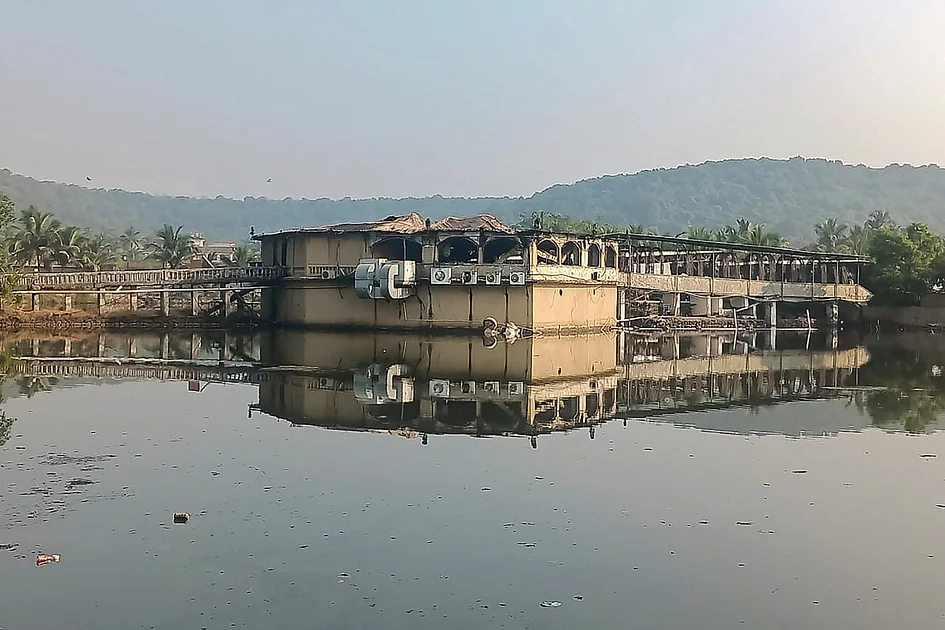
    A catastrophic nightclub fire in India’s popular coastal state of Goa has resulted in 25 fatalities, triggering an immediate government response including a formal investigation and victim compensation packages. The blaze erupted at the Birch by Romeo Lane establishment in the village of Arpora during the early hours of Sunday morning, marking one of the deadliest entertainment venue incidents in recent Indian history.

    Goa Chief Minister Pramod Sawant confirmed the initiation of a magisterial inquiry to determine the fire’s origins and establish accountability. ‘I have ordered a comprehensive judicial investigation to identify the cause and fix responsibility for this tragedy,’ Sawant stated via social media platform X, noting that six injured individuals remained in stable condition under medical supervision.

    Indian Prime Minister Narendra Modi expressed his condolences to bereaved families following personal communications with state leadership. The Prime Minister’s Office announced substantial compensation packages, committing 200,000 rupees (approximately $2,200) to each victim’s family and 50,000 rupees to those injured in the devastating incident.

    Local authorities reported receiving emergency alerts at 12:04 a.m. local time (1834 GMT Saturday), with firefighting teams working throughout the night to contain the blaze. Police officials confirmed to media outlets that all victims had been recovered from the scene, with preliminary reports indicating at least four tourists and fourteen club staff among the deceased.

    The tragedy strikes at the heart of Goa’s vital tourism industry, which has welcomed approximately 5.5 million visitors during the first half of the year, including over 271,000 international travelers according to government statistics. The coastal region, renowned for its picturesque beaches and vibrant nightlife, faces renewed scrutiny regarding safety protocols within its entertainment establishments as investigation proceedings commence.
  • Thailand says deploys fighter jets, Cambodia claims Thai soldiers open fire amid border tension

    Thailand says deploys fighter jets, Cambodia claims Thai soldiers open fire amid border tension

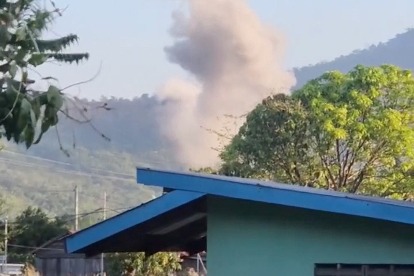
    A dangerous military escalation has erupted along the contested Thai-Cambodian border, with both nations trading accusations of initiating hostilities that have resulted in casualties and prompted the deployment of air power.

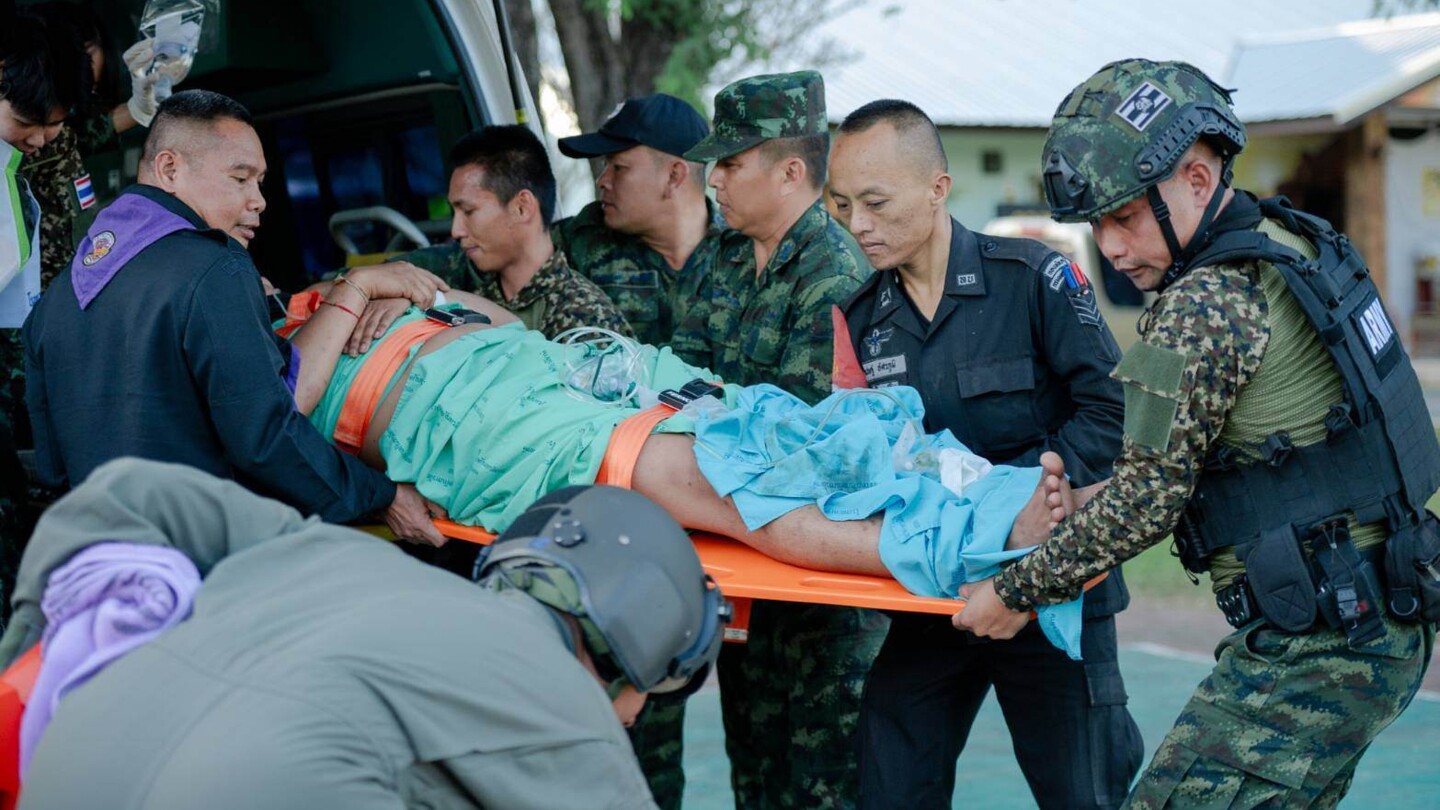
    The Thai Army confirmed it has deployed fighter jets following what it described as Cambodian attacks on Monday morning. According to Thai Army Spokesperson Winthai Suvaree, the incident occurred approximately at 07:00 local time in the Chong Bok area of Nam Yuen District. Thai soldiers operating in the region reportedly came under attack with ‘supporting fire weapons,’ resulting in two soldiers killed and four wounded.

    This deadly engagement followed an earlier clash in the nearby Chong An Ma area around 05:05 local time, when Cambodian troops allegedly opened fire with small arms and indirect weapons. The Thai Army stated it responded under established rules of engagement.

    In response to the casualties and what it termed a ‘direct threat to national security,’ the Royal Thai Air Force confirmed it has commenced air operations targeting Cambodian military infrastructure. RTAF Spokesperson Jackkrit Thammavichai stated: ‘These developments prompted the use of air power to deter and reduce Cambodia’s military capabilities to the minimum level necessary to safeguard national security and protect civilians.’

    Meanwhile, Cambodian authorities presented a starkly different account of the events. Cambodian Defense Ministry’s Undersecretary of State and Spokesperson Lt. Gen. Maly Socheata asserted that Thai military forces launched an unprovoked attack on Cambodian forces in the An Ses area of Preah Vihear province around 05:04 on Monday.

    According to Socheata, Thai forces ‘continued firing multiple shots with tanks at Tamoan Thom temple, 5 Makara in the vicinity of Preah Vihear temple and Chomka Chek area.’ She characterized these actions as part of ‘numerous provocative actions for many days, especially the incident yesterday (Sunday) at Prorlean Thmar area, with the objective of instigating confrontations.’

    The Cambodian spokesperson emphasized that their forces ‘did not retaliate at all during the two assaults’ and continue to monitor the situation ‘vigilantly and with utmost caution standing on the spirit of respecting all previous agreements and resolving conflicts peacefully according to international law.’

    Cambodia has formally informed the ASEAN Observer Team about the incident and plans to request an official investigation into the matter, potentially internationalizing the border dispute that has periodically flared between the Southeast Asian neighbors.

  • More than 100 people killed in attack on hospital in Sudan, WHO chief says

    More than 100 people killed in attack on hospital in Sudan, WHO chief says

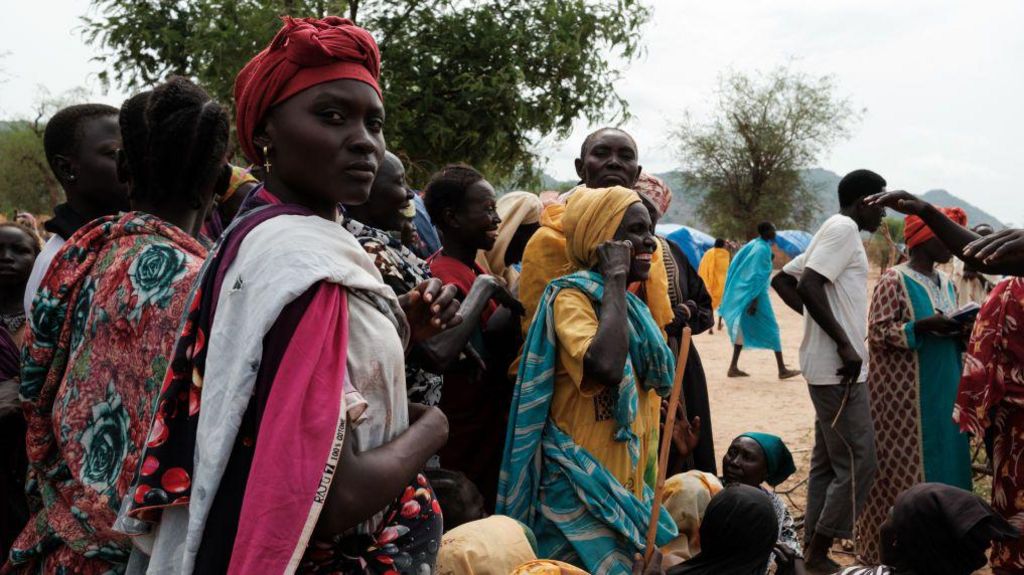
    In a devastating escalation of Sudan’s civil conflict, drone strikes targeted a kindergarten and hospital in the town of Kalogi, South Kordofan, resulting in 114 fatalities including 63 children according to United Nations figures. World Health Organization Director-General Tedros Adhanom Ghebreyesus denounced the Thursday attack as “senseless” while revealing that emergency responders faced secondary attacks during rescue operations.

    The Rapid Support Forces (RSF), engaged in a brutal power struggle with the national army since April 2023, faces accusations from both military authorities and the Sudan Doctors’ Network for executing the assault. Local official Essam al-Din al-Sayed described to AFP how drones struck first a kindergarten, then a hospital, and again as rescuers attempted to evacuate children.

    Simultaneously, the RSF announced capture of Sudan’s largest oil field at Heglig near the southern border, describing it as a “pivotal” strategic achievement. Army sources told Reuters that government forces withdrew to protect oil infrastructure, with some personnel reportedly crossing into South Sudan. The Heglig facility processes most of South Sudan’s oil, representing critical revenue for both nations.

    The Kordofan region—comprising North, South, and West Kordofan with nearly eight million residents—has become a central frontline as army forces advance toward RSF-controlled Darfur. WHO confirmed survivors were transferred to Abu Jebaiha Hospital amid urgent calls for blood donations and medical support.

    Tedros, who previously accused RSF of killing hundreds at el-Fasher hospital in October, stopped short of directly attributing blame for the Kalogi attack but demanded immediate ceasefire through social media: “Sudanese have suffered far too much. Ceasefire now!” The organization’s Attacks on Health Care monitoring system documented 35 additional injuries alongside the 114 fatalities.

  • Thailand launches air strikes at Cambodia as border tensions reignite

    Thailand launches air strikes at Cambodia as border tensions reignite

    Southeast Asia faces renewed military confrontation as Thailand conducted aerial assaults against Cambodian positions on Monday, marking a severe escalation in long-standing border tensions. The Thai military command confirmed the deployment of aircraft to strike strategic targets after reporting casualties from Cambodian rocket fire.

    The offensive follows the collapse of a U.S.-brokered ceasefire agreement, with both nations accusing each other of violating the peace accord. Thailand’s armed forces disclosed that one soldier was killed and four others wounded during clashes concentrated in the Uran Ratchathani province border region.

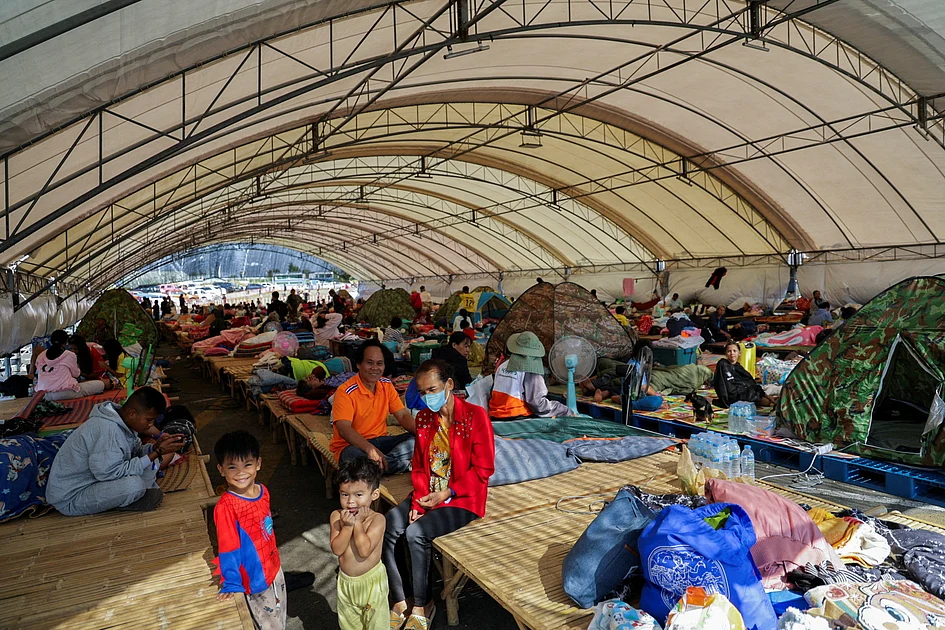
    Civilian displacement has reached critical levels, with Thai authorities evacuating approximately 385,000 residents from four border districts. More than 35,000 evacuees have already been relocated to temporary shelters as artillery exchanges threaten border communities.

    Cambodia’s Defense Ministry issued a counter-statement alleging that Thai forces initiated dawn attacks at multiple locations after days of provocations. Cambodian officials emphasized their troops exercised restraint despite what they characterized as aggressive actions by Thai military units.

    This confrontation represents the most serious breach of security since July’s five-day conflict that resulted in 48 fatalities and displaced 300,000 people. The previous ceasefire was negotiated through diplomatic intervention by former U.S. President Donald Trump and Malaysian Prime Minister Anwar Ibrahim, who witnessed the signing of an expanded peace agreement in Kuala Lumpur last October.

    The current escalation follows a recent landmine explosion that injured a Thai soldier, prompting Thailand to suspend its ceasefire implementation. Cambodia’s influential former leader Hun Sen characterized Thai military actions as provocations designed to elicit retaliation, urging Cambodian forces to maintain disciplined restraint despite established response protocols.

    The territorial dispute originates from imperfectly demarcated borders established during French colonial rule in 1907, with periodic violent outbreaks occurring along the 817-kilometer boundary despite numerous diplomatic resolution attempts.

  • Thousands flee Thai-Cambodia border after deadly clashes

    Thousands flee Thai-Cambodia border after deadly clashes

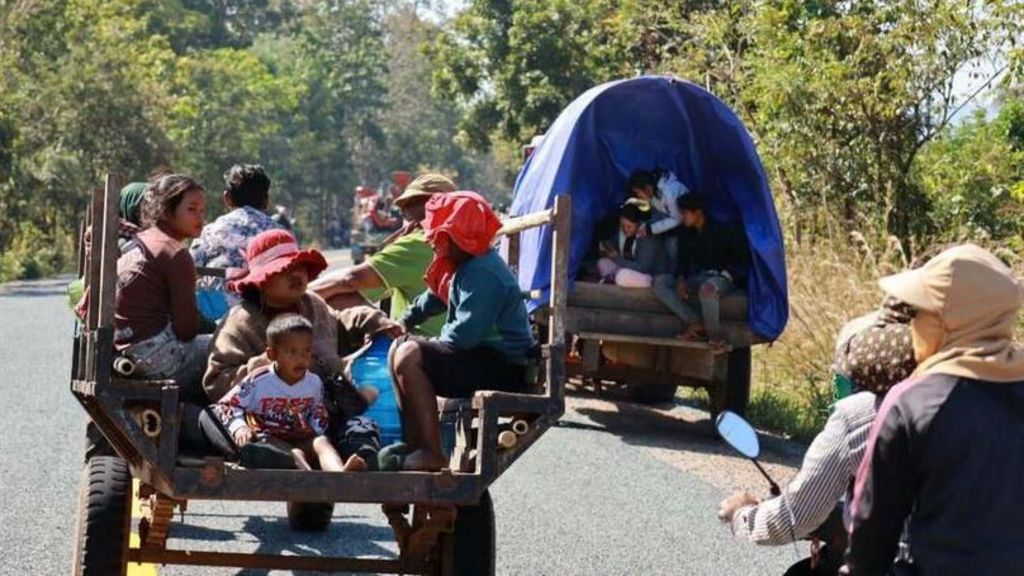
    Renewed military confrontations erupted along the disputed Thailand-Cambodia border on Monday, resulting in at least five fatalities and triggering mass civilian evacuations on both sides. This represents the most severe escalation since the two Southeast Asian nations agreed to a ceasefire brokered by Malaysia in July.

    According to official statements from both governments, Thai forces conducted air strikes in Ubon Ratchathani Province in response to what they described as Cambodian provocation, while Phnom Penh asserted that Thai soldiers initiated hostilities in Preah Vihear province. The conflicting accounts underscore the persistent tensions that have claimed over 40 lives since May and led to reciprocal import bans and travel restrictions.

    The human cost extends beyond combat casualties, with education emerging as a particularly affected sector. Thailand’s Education Ministry ordered nearly 650 schools across five border provinces to close indefinitely, while social media footage from Cambodian border regions showed chaotic scenes as parents rushed to retrieve children from classrooms. This marks the second major educational disruption in recent months, following intense fighting during examination periods in July.

    Thai educator Siksaka Pongsuwan highlighted the hidden victims of the conflict, noting that border-area children are “losing opportunities and precious time” compared to peers in peaceful regions. The previous shift to online education proved inadequate, with many households lacking internet access and digital devices failing to reach all students.

    The current confrontation revives a century-old territorial dispute along the 800km border established after French colonial rule in Cambodia. Despite a high-profile ceasefire signing ceremony mediated by former US President Donald Trump in October – for which Cambodia nominated Trump for a Nobel Peace Prize – the agreement collapsed within weeks when Thailand suspended implementation following a landmine incident that injured two soldiers.

    As artillery fire continues to echo across border villages, residents remain torn between evacuation concerns and attachment to their homes, embodying the human dilemma wrought by protracted geopolitical conflicts.

  • People in Benin felt ‘total fear’ at attempted coup

    People in Benin felt ‘total fear’ at attempted coup

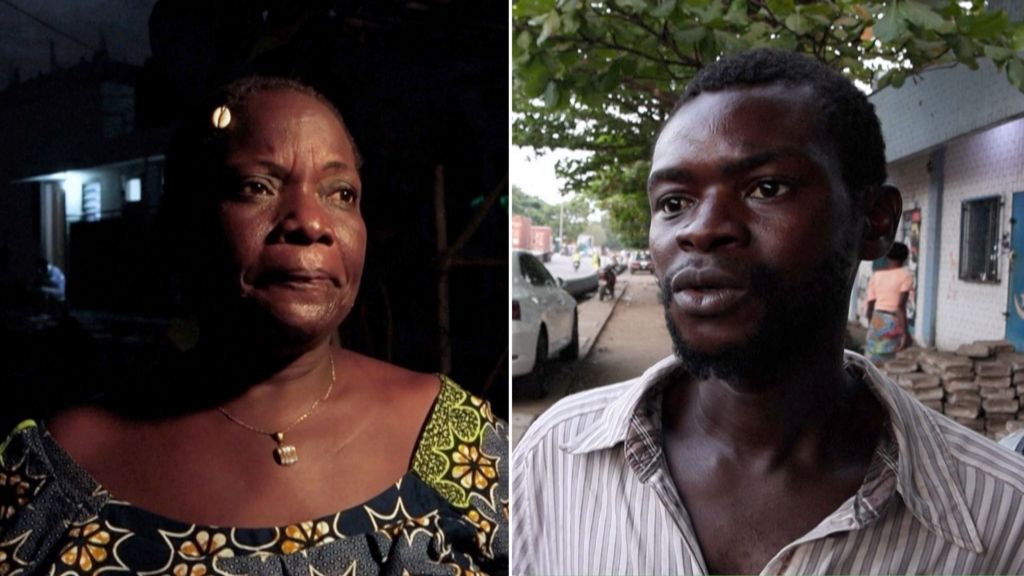
    Citizens of Cotonou, Benin’s economic hub, are grappling with profound shock and widespread terror following a destabilizing attempt by renegade soldiers to seize power from the democratically elected government. The incident, which unfolded with alarming speed, has cast a pall of fear over the city, with residents describing an atmosphere of ‘total fear’ as gunfire erupted and the specter of political chaos loomed.

    Eyewitness accounts detail scenes of panic as the attempted coup forced civilians to seek refuge indoors, disrupting daily life and commerce. The swift and decisive response from forces loyal to President Patrice Talon ultimately thwarted the insurrection, but the event has exposed underlying tensions within the West African nation. This attack on Benin’s institutions marks a serious challenge to its stability, which has been regarded as a democratic anchor in a region increasingly plagued by military takeovers and jihadist insurgencies.

    The failed coup has drawn international condemnation, with regional bodies and global powers reiterating support for constitutional order. Analysts are now scrutinizing the potential motivations behind the attempt, from internal political grievances to the broader regional trend of democratic backsliding. The event serves as a stark reminder of the fragile nature of governance in the region and has prompted a nationwide security crackdown as authorities work to identify and apprehend all conspirators involved.

  • One hundred abducted schoolchildren released in Nigeria

    One hundred abducted schoolchildren released in Nigeria

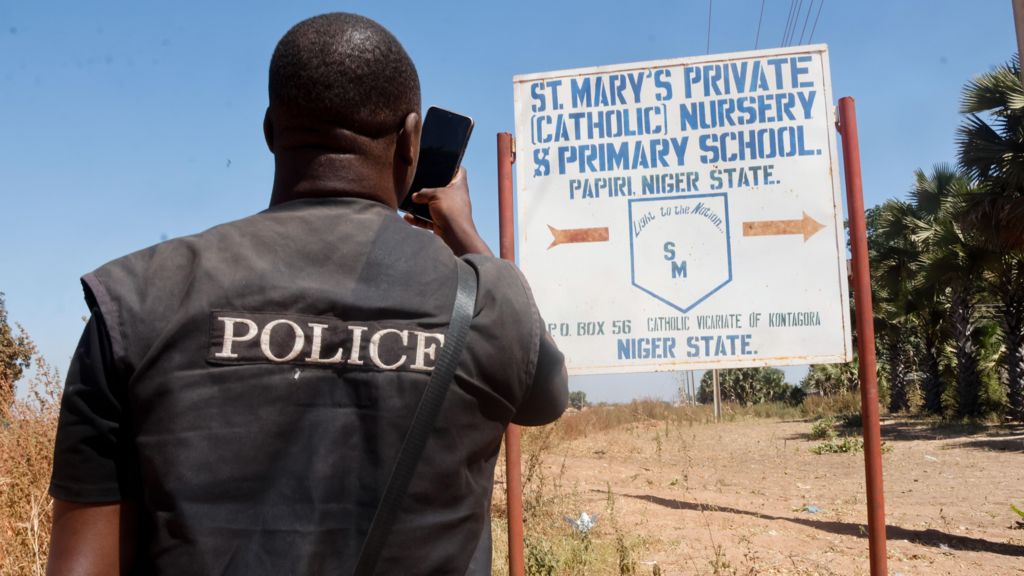
    Approximately 100 students kidnapped from St Mary’s Catholic school in Nigeria’s central Niger state last month have been successfully released, according to official confirmations from both religious and law enforcement authorities. The development marks a partial resolution to one of the latest mass abductions that have gripped the nation.

    Niger State Police Commissioner Adamu Abdullahi Elleman and Bishop Bulus Dauwa Yohanna, the local Catholic leader overseeing the school, independently verified to BBC that they received official notification regarding the children’s liberation. Government authorities indicated that the reunification process between the freed students and their families would commence on Monday, though specific operational details remain classified.

    The November 21st assault on St Mary’s Catholic school in Papiri resulted in the abduction of more than 250 students alongside 12 staff members, representing merely one incident in an escalating pattern of coordinated kidnappings targeting educational and religious institutions across northern and central Nigeria.

    Critical aspects surrounding the release operation remain shrouded in secrecy. Authorities have not disclosed whether the children’s freedom was achieved through tactical military intervention or negotiated settlement, nor have they confirmed if financial ransoms were exchanged. Abdullahi Sule, Governor of neighboring Nasarawa state, acknowledged the federal government’s pivotal involvement while emphasizing that operational sensitivities prevent full transparency regarding the rescue methodology.

    The liberation follows last week’s visit to Papiri by National Security Adviser Nuhu Ribadu, who personally assured community representatives led by Bishop Yohanna that authorities were prioritizing the safe recovery of all captives.

    This incident occurs within a broader context of intensified attacks against soft targets. Mere days before the St Mary’s abduction, parallel incidents unfolded at the Christ Apostolic Church in Kwara state (resulting in two fatalities and 38 kidnappings) and Government Girls’ Secondary School in Kebbi state (where two were killed and 25 Muslim students captured). While victims from these prior attacks have since gained freedom, the systematic targeting continues unabated.

    Just last week, armed assailants seized approximately 20 individuals across two separate events—including worshipers at a newly established church in Kogi state and wedding participants in predominantly Muslim Sokoto state.

    Analytical consensus predominantly attributes these kidnappings to criminal syndicates seeking monetary gains, though presidential representatives have alternatively suggested jihadist involvement. Nigeria’s official prohibition of ransom payments intends to disrupt terrorist financing, though widespread noncompliance reportedly persists.

    The security crisis attracted international scrutiny when former US President Donald Trump recently threatened potential military intervention should Christian persecutions continue. Nigerian officials counter that violence affects all religious communities equally, rejecting allegations of sectarian targeting.

  • Thailand launches airstrikes along border with Cambodia as tensions reignite

    Thailand launches airstrikes along border with Cambodia as tensions reignite

    BANGKOK — Military tensions reignited along the Thailand-Cambodia border on Monday as both nations exchanged airstrikes and artillery fire while mutually accusing each other of initiating hostilities. The escalation represents a significant breach of the U.S.-mediated ceasefire agreement established in October following deadly clashes in July that resulted in dozens of military and civilian casualties.

    Thai military authorities reported one soldier killed and four wounded, claiming Cambodian forces initiated the conflict with cross-border attacks. In response, Thailand deployed aircraft to strike what it identified as Cambodian military positions. “Our forces conducted aerial operations against multiple military targets to suppress Cambodian supporting fire attacks,” stated Thai Army spokesperson Major General Winthai Suvaree, adding that civilian evacuations were underway in affected border regions.

    Cambodia’s Defense Ministry provided a contradictory account, with spokesperson Maly Socheata asserting that Thai military forces launched the initial assault. “Cambodia did not retaliate during the Monday morning attacks,” Socheata emphasized, while urging Thailand to “immediately cease all hostile activities threatening regional peace and stability.”

    The Cambodian Education Ministry implemented emergency measures, closing several border-area schools. Social media documentation showed students being hurriedly evacuated, with many transported via motorcycles as families sought safety from the renewed violence.

    This latest outbreak follows Sunday’s border skirmish that both sides similarly attributed to the other nation. The fragile U.S.-brokered truce, negotiated through President Donald Trump’s administration, had already been jeopardized last month when Thai troops sustained injuries from landmine explosions, prompting Thailand to indefinitely suspend its implementation of the ceasefire agreement.

    The current confrontation draws upon centuries of historical enmity between the neighboring nations, with modern territorial disputes originating from a 1907 French colonial-era map that Thailand contests. The International Court of Justice’s 1962 ruling granting Cambodia sovereignty over the Preah Vihear temple area remains a particularly sensitive issue in bilateral relations.

    Despite the October ceasefire agreement, the fundamental border demarcation disputes remain unresolved, continuing to fuel tensions between the Southeast Asian neighbors.

  • UN calls on Taliban to lift ban on Afghan women in its offices

    UN calls on Taliban to lift ban on Afghan women in its offices

    The United Nations issued a formal appeal to Taliban authorities on Sunday, demanding the immediate reversal of restrictions prohibiting Afghan women from working within UN offices throughout Afghanistan. Susan Ferguson, UN Women’s special representative in the country, emphasized that these measures jeopardize critical humanitarian operations and violate fundamental human rights principles.

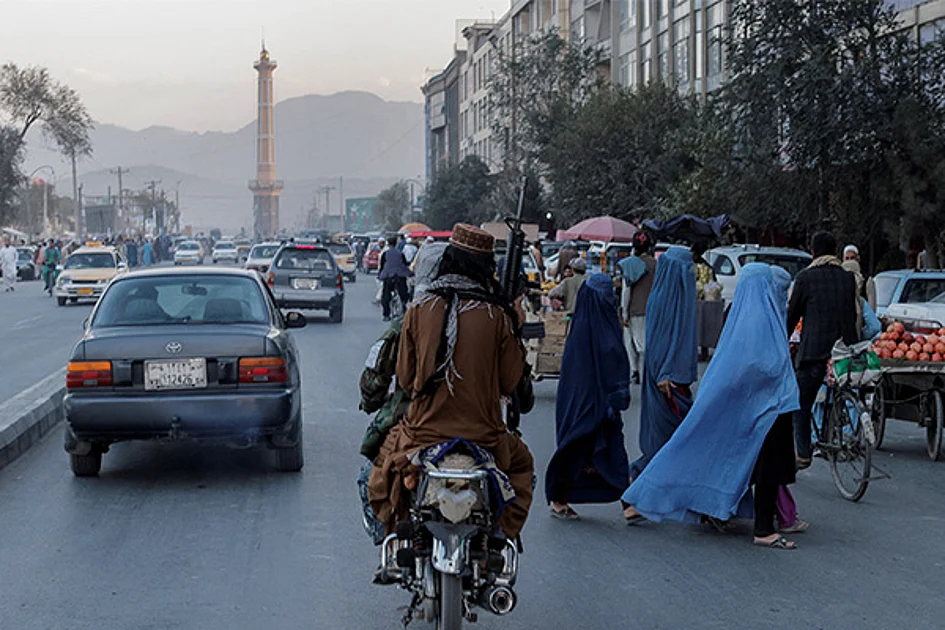
    Since assuming power in 2021, the Taliban regime has systematically excluded women from most professional sectors, including education beyond age 12, access to public spaces, and employment opportunities. The specific ban on female UN staff, implemented in September, has forced hundreds of women to work remotely for three consecutive months despite their crucial role in delivering emergency assistance.

    These female professionals have been instrumental in coordinating relief efforts for earthquake victims and supporting Afghan migrants forcibly returned from Pakistan and Iran. Ferguson stressed that their physical presence remains essential for providing culturally appropriate aid to women and girls, who often cannot be reached by male colleagues due to cultural constraints.

    The UN refugee agency has already suspended cash assistance programs for returned migrants, acknowledging that without female staff, they cannot adequately interview or assist the over 50% of returnees who are women. The Taliban administration has not responded to international requests for commentary regarding these restrictions.

  • Israel army says killed two Palestinians after attempted ramming attack

    Israel army says killed two Palestinians after attempted ramming attack

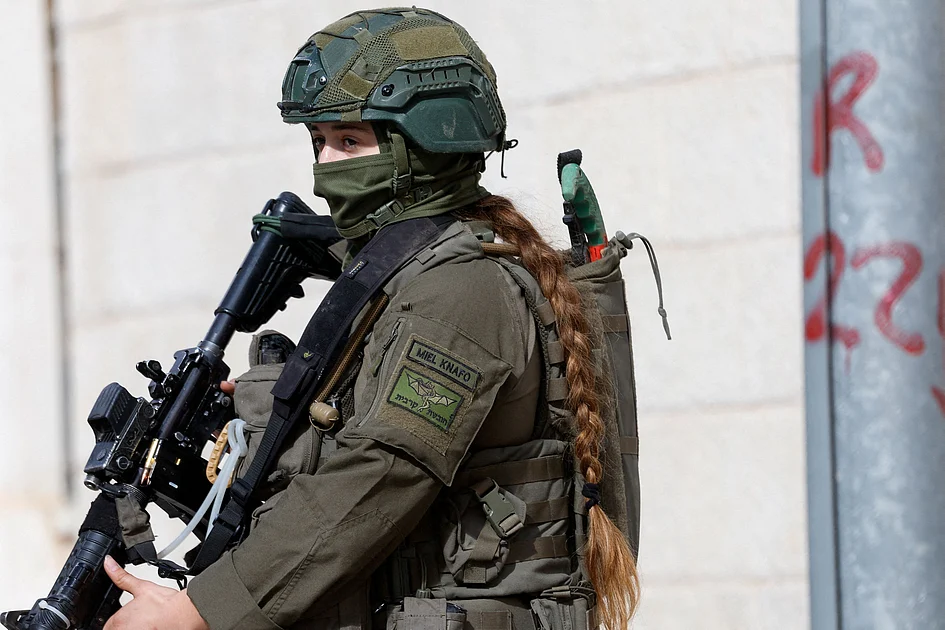
    Israeli military forces fatally shot two Palestinian individuals during a confrontation near Hebron in the occupied West Bank on Saturday night, according to conflicting accounts from Israeli and Palestinian authorities. The Israel Defense Forces stated the incident began when a vehicle accelerated toward soldiers stationed at a security checkpoint in the Bab al-Zawiya area, prompting troops to open fire and “eliminate” what they described as a terrorist threat.

    Palestinian authorities identified the deceased as 17-year-old Ahmad Khalil Al-Rajabi and 55-year-old Ziad Jabara Abu Dawoud, the latter reportedly employed as a sanitation worker. The Palestinian Red Crescent confirmed the older victim’s civilian occupation. Initial military investigations suggest the sanitation worker was traveling separately from the alleged attacker and was “uninvolved” in the incident, according to Israel’s army radio.

    This lethal encounter occurs against a backdrop of intensifying violence throughout the West Bank since the commencement of the Israel-Hamas conflict in October 2023. Despite a fragile truce between Israel and Hamas, tensions remain critically elevated in the occupied territory. According to documentation by AFP based on Palestinian health ministry statistics, more than 1,000 Palestinians have lost their lives in the West Bank since the Gaza war began—many identified as militants but including substantial numbers of civilians. Official Israeli figures report at least 44 Israeli casualties, comprising both military personnel and civilians, during the same period in Palestinian attacks or military operations.

    The incident underscores the persistent volatility in the region, where checkpoint confrontations frequently result in lethal outcomes. Both sides maintain sharply divergent narratives regarding the circumstances of violent incidents, complicating efforts toward de-escalation and reconciliation.