分类: world

  • Ukrainians raise flag to show BBC the fight goes on in city claimed by Russia

    Ukrainians raise flag to show BBC the fight goes on in city claimed by Russia

    Despite Russian President Vladimir Putin’s declaration of victory, Ukrainian military units continue to maintain defensive positions in the strategically vital city of Pokrovsk, according to frontline observations. The city, which has endured nearly 18 months of continuous combat, remains partially under Ukrainian control despite relentless Russian advances from the south.

    At a Ukrainian command post situated behind front lines, military personnel coordinate defensive operations through rapid radio communications while monitoring numerous live drone feeds. In a symbolic demonstration of defiance, soldiers from the Skala Assault Regiment executed a high-risk maneuver to briefly display the Ukrainian flag within the city’s northern sector—a direct refutation of Kremlin claims regarding total occupation.

    Yuri, commander of the Skala Regiment, emphasized the psychological significance of this resistance: ‘The whole world should know we will not just give up our territory. If we do not show this, everyone will lose faith and stop helping Ukraine.’

    Military assessments indicate Ukrainian forces maintain control up to the railway line that bisects the devastated urban landscape. Battalion commanders utilize detailed tactical maps with plastic figurines to track positions, revealing that Russian forces have employed small infiltration teams—sometimes disguised as civilians—to penetrate Ukrainian defenses.

    While acknowledging the challenging conditions, soldiers describe the situation as ‘hard, but under control’ and ‘tense, but not critical.’ The conflict has exacted heavy casualties on both sides, with Ukrainian troops reporting the retrieval of documents from fallen Russian soldiers. One soldier with the call sign Rabbit remarked on the human cost with grim determination: ‘Not enough,’ when asked if they had eliminated sufficient enemy combatants.

    The technological asymmetry presents significant challenges, as Russian forces deploy thermal-imaging drones capable of 24/7 surveillance. Ukrainian troops have developed countermeasures and frequently express hope for adverse weather conditions that impede aerial reconnaissance.

    International perspectives emerge from foreign volunteers like the Latvian deputy commander known as ‘Godfather,’ who warns that Western support remains crucial: ‘If Ukraine loses the war, it’s going to be our country next.’ He criticized international response efforts as containing ‘a lot of talking, a lot of bureaucracy and not enough doing.’

    The collective resolve among Ukrainian defenders remains firm, with soldiers emphasizing their connection to the land and rejecting territorial concessions despite the tremendous physical and psychological toll of prolonged urban warfare.
  • Why are Thailand and Cambodia fighting at the border?

    Why are Thailand and Cambodia fighting at the border?

    The fragile peace agreement brokered by former US President Donald Trump between Thailand and Cambodia has completely unraveled, triggering the most severe military confrontation along their disputed border since July. The renewed violence has resulted in significant casualties, with at least three Thai soldiers and seven Cambodian civilians confirmed dead since hostilities reignited on Monday.

    This latest escalation represents a dramatic breakdown of the Kuala Lumpur peace accord signed in October under Trump’s mediation. Thailand suspended the agreement just two weeks after its signing, and by December, full-scale fighting had resumed. Both nations have exchanged contradictory accounts of how the violence originated, with each accusing the other of initiating hostilities.

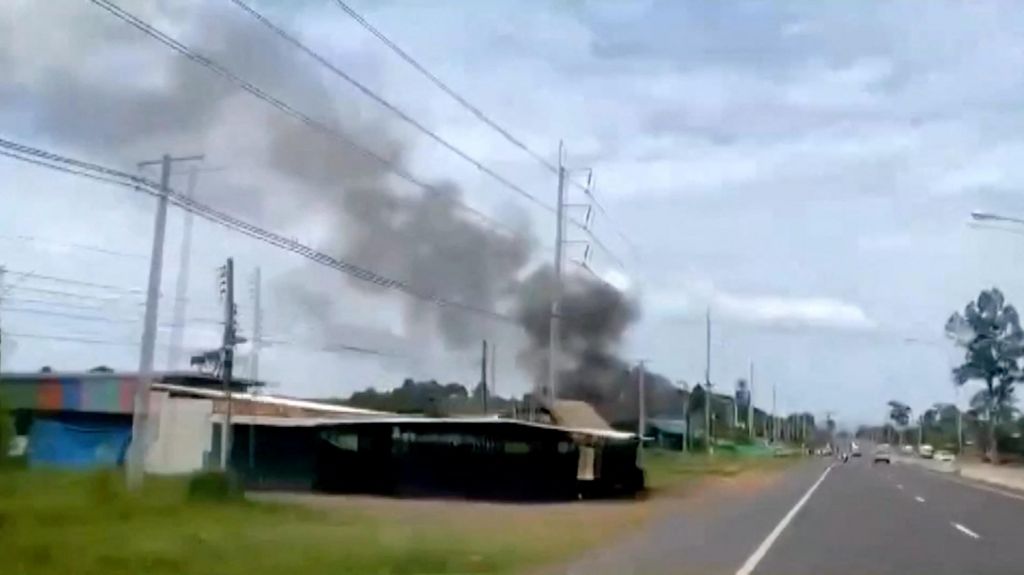
    Thailand’s military command reported that their forces responded to Cambodian gunfire in Ubon Ratchathani Province that killed a Thai soldier, subsequently launching airstrikes against military targets along the contested frontier. Conversely, Cambodia’s defense ministry maintains that Thai forces attacked first in Preah Vihear province, claiming they exercised restraint by not retaliating initially.

    The conflict escalated further when Thailand accused Cambodia of deploying multiple-launch rocket systems, bomb-dropping drones, and kamikaze drones against Thai positions, with some projectiles allegedly striking civilian areas. Cambodia countered with allegations that Thailand fired indiscriminately into civilian zones in Pursat Province.

    This border dispute has historical roots stretching back over a century to when French colonial authorities demarcated the boundaries between the two nations. Tensions dramatically intensified in 2008 when Cambodia sought UNESCO World Heritage status for an 11th-century temple located in the contested territory. The current crisis began escalating in May when a Cambodian soldier was killed, plunging bilateral relations to their lowest point in over a decade.

    Prior to the July clashes, both nations had implemented reciprocal border restrictions, with Cambodia banning Thai agricultural imports and cutting off power and internet services. Both countries had also been reinforcing their military presence along the border in recent weeks.

    The October peace agreement had stipulated the withdrawal of heavy weapons from the disputed region and establishment of an interim observer team. The next phase was supposed to include the release of 18 Cambodian soldiers detained in Thailand. With the ceasefire now collapsed, the future of these diplomatic arrangements remains uncertain.

    International travel advisories have been updated, with the British Foreign Office currently recommending against all but essential travel within 50 kilometers of the entire Thailand-Cambodia border region.

  • Court awards MH370 victims 2.9m yuan each

    Court awards MH370 victims 2.9m yuan each

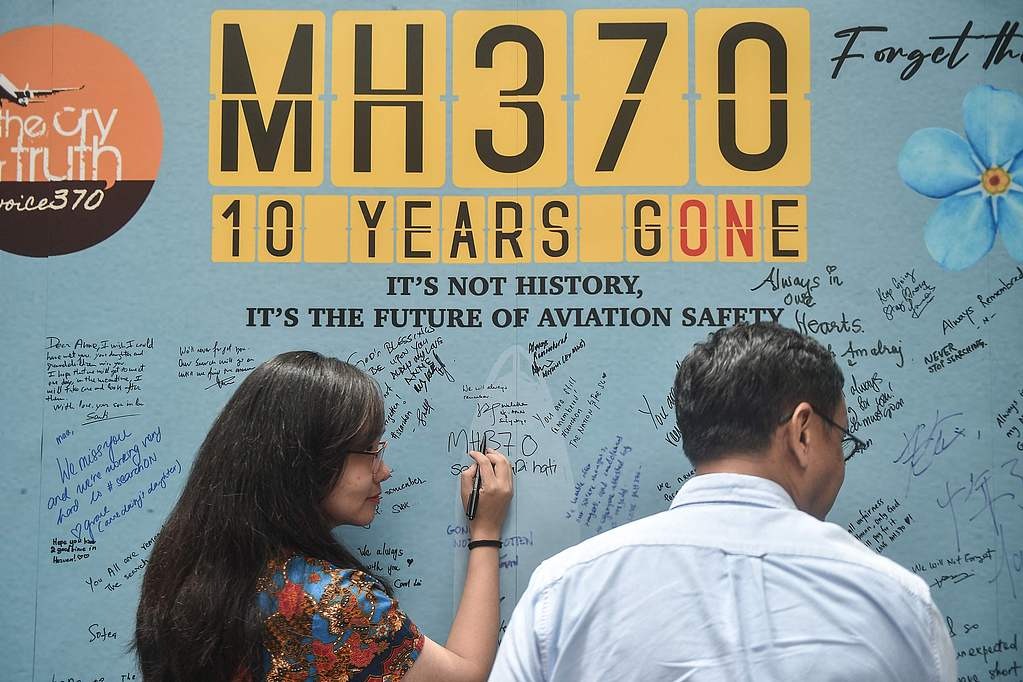
    In a landmark ruling, a Beijing court has mandated Malaysia Airlines to pay approximately 2.9 million yuan ($409,813) to each of eight families who lost relatives in the mysterious disappearance of Flight MH370. The first-instance judgment delivered on Monday represents a significant development in the decade-long legal battle surrounding one of aviation’s most perplexing tragedies.

    The compensation award comes as Malaysian authorities announced the imminent resumption of search operations for the missing aircraft. Malaysia’s transport ministry confirmed that marine robotics firm Ocean Infinity will recommence seabed exploration on December 30, committing to 55 days of intermittent search activities in the area deemed most likely to contain the aircraft’s remains.

    The ill-fated Malaysia Airlines Flight MH370 vanished on March 8, 2014, while en route from Kuala Lumpur to Beijing with 239 people aboard. The Boeing 777’s disappearance triggered the most extensive and costly search operation in aviation history, yet the aircraft’s main wreckage has never been located. Among those on board, approximately two-thirds were Chinese citizens, with the remainder comprising passengers from Malaysia, France, Australia, Indonesia, India, the United States, Ukraine, Canada, and other nations.

    The legal proceedings involved 78 separate cases filed in 2016 by families of 75 passengers against Malaysia Airlines and its parent company Malaysia Airlines Berhad. Through court-mediated negotiations, 47 cases reached settlement agreements and were subsequently withdrawn. The recent judgment addresses eight cases where passengers had been legally declared deceased, while 23 cases remain pending judicial review for families who haven’t completed legal death declaration procedures.

    The court determined the compensation amount in accordance with the Montreal Convention and relevant Chinese legislation, encompassing death compensation, funeral expenses, mental anguish damages, and associated costs. Malaysian authorities emphasized their continued commitment to “providing closure to the affected families” through both the ongoing search efforts and the legal resolution process.

  • Goa nightclub owners fled to Thailand hours after deadly fire, police say

    Goa nightclub owners fled to Thailand hours after deadly fire, police say

    Indian authorities have launched an international manhunt for the owners of a popular Goa nightclub where a catastrophic fire claimed 25 lives on Sunday. Police confirmed that brothers Saurabh and Gaurav Luthra, proprietors of the Birch By Romeo Lane establishment, fled to Phuket, Thailand hours after the tragedy unfolded.

    The devastating inferno erupted in the early morning hours at the upscale venue located in Arpora’s bustling tourist district, known for its high-end nightlife. Preliminary investigations indicate pyrotechnic displays ignited wooden ceiling beams, triggering a rapid spread of flames through the densely packed club. The venue’s unique island layout—situated in the middle of a lake with narrow access walkways—severely hampered evacuation efforts and firefighting operations.

    Victims predominantly included club staff members, many of whom were migrant workers from other Indian states and four Nepalese nationals. Among the deceased were four tourists from Delhi and two brothers engaged to be married next year. Five survivors remain hospitalized with critical injuries.

    Goa police have engaged Interpol for assistance in locating and apprehending the Luthra brothers, noting their abrupt departure demonstrates “intent to avoid police investigation.” While Saurabh Luthra posted a social media statement expressing “profound grief” and promising cooperation, neither brother has submitted to authorities. Four other individuals, including the club manager, have been arrested in connection with the incident.

    Forensic teams have recovered all victims’ remains and returned them to families across multiple states. The tragedy has sparked nationwide scrutiny of safety regulations in India’s entertainment venues, particularly regarding fire prevention measures and emergency protocols.

  • The UK-funded dog sniffing out migrant boats

    The UK-funded dog sniffing out migrant boats

    At the Kapitan Andreevo border checkpoint in Bulgaria—Europe’s frontline against people smuggling—a specialized counter-smuggling operation is underway to intercept inflatable boats destined for Channel crossings. The UK-funded initiative, formalized in February 2023, has equipped Bulgarian authorities with advanced resources including thermal imaging technology, drones, and specialized training.

    The operation’s star operative is Adele, an English pointer trained to detect rubber materials from actual boats recovered from British shores. Under the guidance of senior customs inspector Sonia Daneva, Adele systematically searches lorries, coaches, and vehicles at one of the world’s busiest land borders. Smugglers frequently disguise the deflated vessels as inflatable pools, tarpaulins, or other rubber goods to evade detection.

    According to National Crime Agency senior manager Simone Alleyne, the smuggling pipeline originates in China, with equipment transiting through Bulgaria before reaching storage points in Germany and France. Despite a 25% reduction in Eastern Mediterranean irregular crossings in 2025, the Channel migration crisis has intensified. Over 39,000 people have reached UK shores via small boats this year—approaching the 2022 peak of 45,774—with increasing numbers per vessel.

    Philip Nikolov, head of Kapitan Andreevo Border Customs Police, reported significant successes: 72 boats intercepted this year alone, and 200 seized over the three-year cooperation period. Recent intensified checks in November involved searching over 350 vehicles and detecting multiple illegal border crossing attempts.

    The political dimension remains contentious. Shadow Home Secretary Chris Philp acknowledged interception successes while criticizing the current government’s record on illegal immigration. In response, Minister for Border Security and Alex Norris highlighted a 33% increase in disruption activities and plans to remove migration “pull factors.”

  • Sudan air force bombing of towns, markets and schools has killed hundreds, report says

    Sudan air force bombing of towns, markets and schools has killed hundreds, report says

    A groundbreaking investigation by the Sudan Witness Project has documented systematic aerial attacks on civilian infrastructure that have resulted in at least 1,700 fatalities since the conflict began in April 2023. The comprehensive study represents the most extensive dataset compiled on military airstrikes in Sudan’s ongoing civil war, revealing disturbing patterns of violence against non-combatants.

    The research, conducted by the Center for Information Resilience with funding from the British foreign ministry, analyzed 384 airstrikes occurring between April 2023 and July 2025. The findings indicate that the Sudanese Armed Forces (SAF) have repeatedly employed unguided munitions in densely populated areas, including residential neighborhoods, marketplaces, educational institutions, and displacement camps.

    According to project director Mark Snoeck, the evidence demonstrates a clear failure by the SAF to implement adequate precautions to prevent civilian casualties. “The main patterns that emerge are repeated hits on residential neighbourhoods and markets,” Snoeck stated, “as well as a large number of alleged strikes on essential humanitarian and medical facilities.”

    The investigation employed rigorous open-source verification methodologies, cross-referencing social media footage, satellite imagery, and ground reports to establish attack credibility. Among the most troubling findings was the identification of an undetonated SH-250 bomb manufactured by Sudan’s Military Industry Corporation in the Zamzam displacement camp in North Darfur.

    Notable incidents documented include:
    – The bombing of Hamrat al-Sheikh Market in North Kordofan that killed 30 and injured 100 civilians
    – A August 2024 strike on a hospital in el-Daein that resulted in 16 fatalities including children and healthcare workers
    – February 2025 attacks in Nyala that struck residential areas near an eye hospital, killing 63 people
    – The October 2024 destruction of al-Kuma market in North Darfur that left 65 dead and 200 injured

    While the Rapid Support Forces (RSF) have faced international condemnation for ethnic violence in Darfur, the report highlights that the SAF’s aerial campaign has similarly caused extensive civilian suffering. Both conflict parties have increasingly incorporated drone warfare into their tactics, with recent months showing a shift toward unmanned aerial attacks.

    Justin Lynch of the Conflict Insights Group characterized the conflict as “a war against civilians,” noting that “air power and other heavy weapons disproportionately target civilian, more than military, sites.” International observers have condemned the pattern of attacks as potential war crimes, with a British foreign office official stating that perpetrators “must be held accountable” regardless of affiliation.

    The full Sudan Witness report, featuring an interactive map visualizing the scale and impact of airstrikes, is scheduled for publication on December 10.

  • Saudi Arabia, Qatar sign high-speed rail deal to link Riyadh and Doha

    Saudi Arabia, Qatar sign high-speed rail deal to link Riyadh and Doha

    In a landmark infrastructure agreement, the Kingdom of Saudi Arabia and the State of Qatar have formally committed to constructing a state-of-the-art high-speed rail network linking their capital cities. The strategic pact, signed during an official state visit by Qatar’s Emir Sheikh Tamim bin Hamad Al Thani to Riyadh, was finalized in the presence of Saudi Crown Prince Mohammed bin Salman.

    The ambitious railway project will feature fully electric trains capable of exceeding operational speeds of 300 kilometers per hour (186 mph), substantially reducing travel time between Riyadh and Doha to approximately two hours. This development establishes a competitive ground alternative to air travel, with direct flights currently requiring about 90 minutes between the metropolitan hubs.

    Beyond the primary capitals, the comprehensive rail network will incorporate strategic stops at key Saudi urban centers including Al-Hofuf and Dammam, enhancing regional connectivity across the Eastern Province. Project planners anticipate the railway will accommodate an estimated 10 million passengers annually upon its scheduled completion within the six-year development timeline.

    This transnational infrastructure initiative represents a significant milestone in Gulf Cooperation Council (GCC) integration efforts, potentially setting a precedent for future cross-border transportation projects. The electric railway system aligns with regional environmental sustainability goals while addressing growing transportation demands between the neighboring nations.

  • JMA issues tsunami forecast after 7.6-magnitude quake hits northeastern Japan

    JMA issues tsunami forecast after 7.6-magnitude quake hits northeastern Japan

    A significant seismic event struck northeastern Japan on Monday night, with the Japan Meteorological Agency (JMA) reporting a powerful 7.6 magnitude earthquake that prompted immediate tsunami warnings across multiple coastal regions.

    The quake occurred at 23:15 local time (14:15 UTC) at a depth of approximately 50 kilometers beneath the seafloor. The tremor registered an upper 6 intensity on Japan’s 7-point seismic scale in the most severely affected zones, indicating substantial ground shaking capable of causing structural damage.

    Following the seismic activity, the JMA issued urgent tsunami advisories for extensive coastal areas along the Pacific coastline. The agency specifically warned of potential waves reaching up to 3 meters in height for the prefectures of Hokkaido, Aomori, and Iwate. Additionally, tsunami advisories were extended to Miyagi and Fukushima prefectures as precautionary measures.

    The earthquake’s epicenter was pinpointed offshore in the Pacific Ocean, positioned at coordinates 41.0 degrees north latitude and 142.3 degrees east longitude, east of Aomori Prefecture. This region has historically experienced significant seismic activity due to its location along the Pacific Ring of Fire.

    Japanese authorities have initiated standard emergency response protocols, urging coastal residents to evacuate to higher ground immediately. The timing of the event—late evening—presented additional challenges for evacuation efforts and emergency response coordination. The comprehensive warning system implemented after the 2011 Tohoku earthquake and tsunami was activated across the affected regions.

  • 7.6-magnitude earthquake strikes northern, northeastern Japan, tsunami warning issued

    7.6-magnitude earthquake strikes northern, northeastern Japan, tsunami warning issued

    A powerful seismic event registering a preliminary magnitude of 7.6 struck northern and northeastern regions of Japan on Monday, December 8, 2025, according to the Japan Meteorological Agency (JMA). The earthquake’s epicenter was precisely located off the coast of Aomori Prefecture at coordinates 41.0 degrees north latitude and 142.3 degrees east longitude.

    The tremors, which occurred at approximately 22:37 local time, prompted immediate emergency response protocols across affected regions. The JMA swiftly issued tsunami advisories for the eastern coastal areas of Aomori Prefecture and multiple other locations along Japan’s Pacific coastline. Residents in vulnerable coastal communities were advised to evacuate to higher ground as a precautionary measure.

    Seismologists noted that the quake’s considerable magnitude and offshore location created significant tsunami generation potential. Emergency broadcasting systems were activated across northern Japan, with authorities urging citizens to remain vigilant for potential aftershocks and follow official evacuation guidelines. The earthquake was felt across multiple prefectures, with reports indicating strong shaking intensity in urban centers.

    Japan’s sophisticated early warning systems provided critical seconds of advance notice to populations in affected areas. The nation’s robust infrastructure, designed to withstand seismic events, was immediately put to the test. Government agencies initiated comprehensive damage assessment operations while search and rescue teams were placed on high alert.

    This seismic event occurs within Japan’s notoriously active seismic zone, where the Pacific Plate subducts beneath the Okhotsk Plate, creating frequent tectonic activity. The region has experienced significant historical earthquakes, including the devastating 2011 Tohoku earthquake and tsunami.

  • Tsunami warning after earthquake strikes off Japan

    Tsunami warning after earthquake strikes off Japan

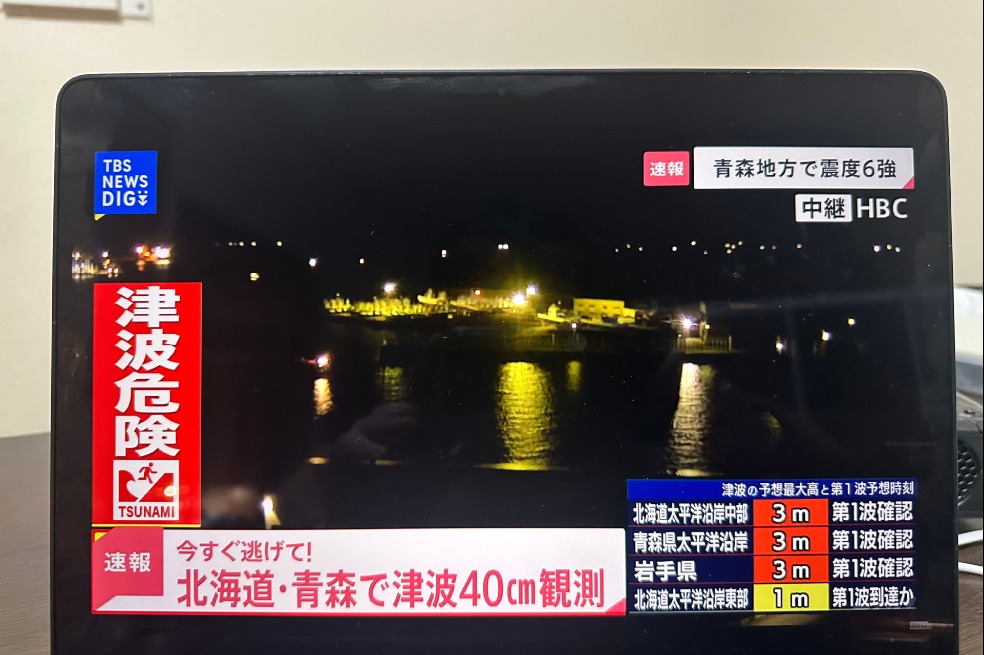
    A powerful 7.6 magnitude earthquake struck northeastern Japan on Monday evening, triggering immediate tsunami warnings and mass evacuation orders for approximately 90,000 residents along the Pacific coastline. The seismic event occurred at 23:15 local time (14:15 GMT) at a depth of 50 kilometers, approximately 80 kilometers off the coast of Aomori region according to the Japan Meteorological Agency.

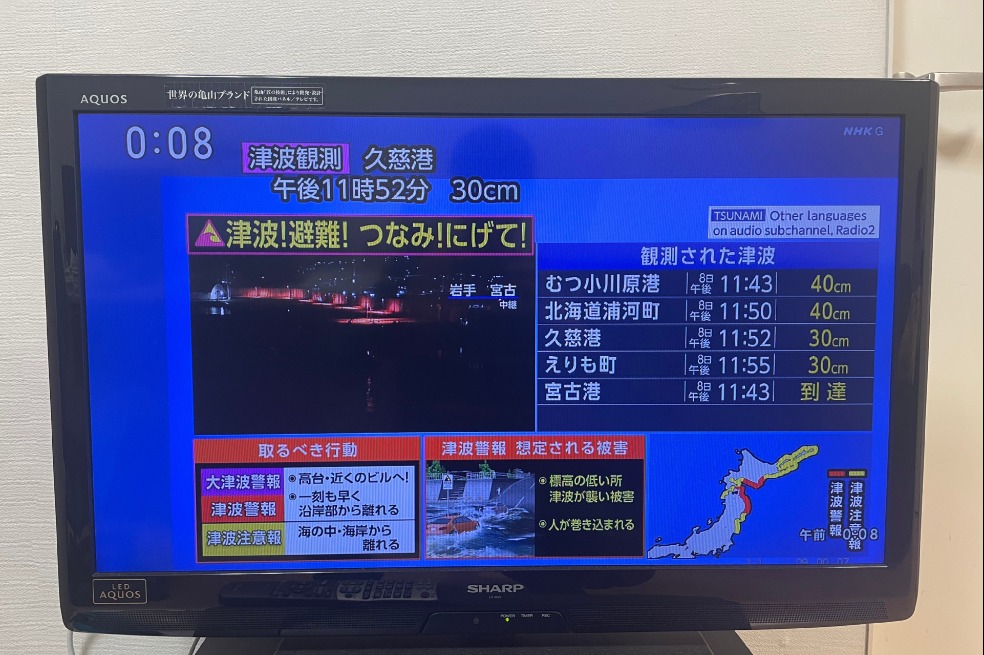
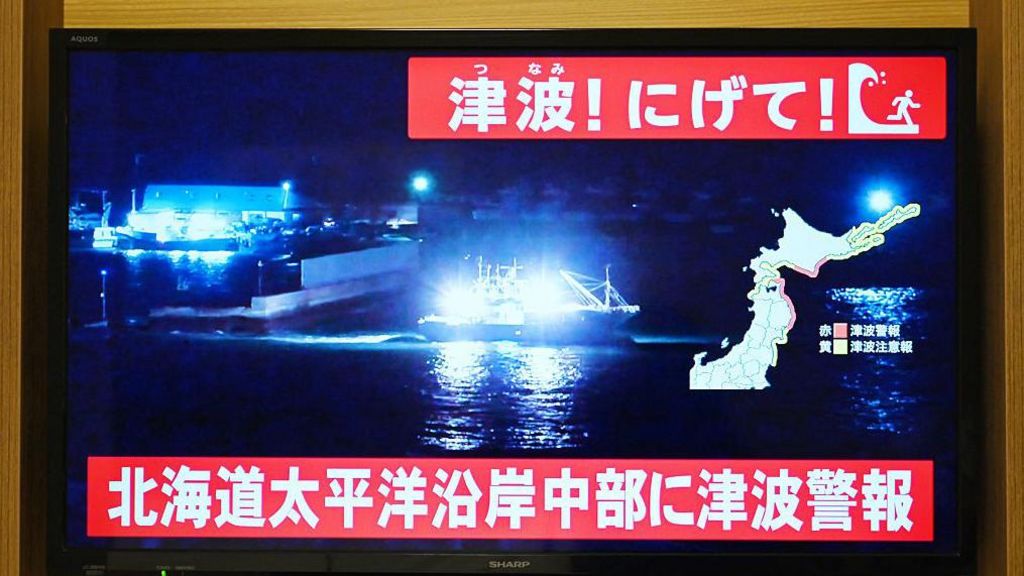
    Japanese television broadcasts urgently displayed emergency messages reading ‘Tsunami! Run!’ and ‘Tsunami warning issued for central Hokkaido’s Pacific Coast’ as authorities scrambled to alert coastal communities. Initial wave observations recorded tsunami surges reaching 40 centimeters in some areas, though officials warned of potentially larger waves to follow.

    The quake resulted in multiple injuries according to local media reports, with Japanese public broadcaster NHK quoting a hotel employee in Hachinohe confirming several casualties. Transportation networks were significantly disrupted with train services suspended throughout the affected region as a precautionary measure.

    Critical infrastructure monitoring confirmed no abnormalities at the Higashidori and Onagawa nuclear power plants, as reported by Tohoku Electric Power Company. This reassurance came as particular relief given Japan’s heightened sensitivity to seismic events affecting nuclear facilities since the 2011 Fukushima disaster.

    The earthquake serves as another stark reminder of Japan’s vulnerability to seismic activity, occurring in a nation that experiences tremors approximately every five minutes due to its position along the Pacific Ring of Fire. Emergency response systems were fully activated with evacuation centers established for displaced residents.