分类: world

  • UK withdraws some personnel from Qatar air base ahead of possible strikes, i paper says

    UK withdraws some personnel from Qatar air base ahead of possible strikes, i paper says

    The United Kingdom has initiated a partial withdrawal of military personnel from its air base in Qatar as a precautionary security measure, according to a Wednesday report from the i newspaper. This decision aligns with similar precautionary steps recently taken by the United States at its key installations across the Middle East, reflecting a coordinated response to escalating regional tensions and the potential for imminent military action.

    The development follows reports from three diplomats confirming that certain U.S. personnel stationed at the massive Al Udeid Air Base in Qatar had been advised to depart by Wednesday evening. A spokesperson for the UK Ministry of Defence, while declining to comment on specific operational details for security reasons, affirmed the policy of implementing precautionary measures. ‘The UK always puts precautionary measures in place to ensure the security and safety of our personnel, including where necessary withdrawing personnel,’ the spokesperson stated, underscoring the proactive rather than reactive nature of the decision.

    The Al Udeid Air Base, which hosts the forward headquarters of the U.S. Central Command and is a critical hub for coalition operations in the region, becomes the focal point of these security movements. The simultaneous withdrawals by two key Western military powers signal a significant hardening of preparedness protocols ahead of a possible deterioration in the regional security landscape. The moves are interpreted by analysts as standard procedure to minimize non-essential personnel exposure ahead of potential retaliatory strikes, ensuring force protection while maintaining full operational readiness.
  • US embassy in Saudi Arabia urges personnel to exercise ‘increased caution’

    US embassy in Saudi Arabia urges personnel to exercise ‘increased caution’

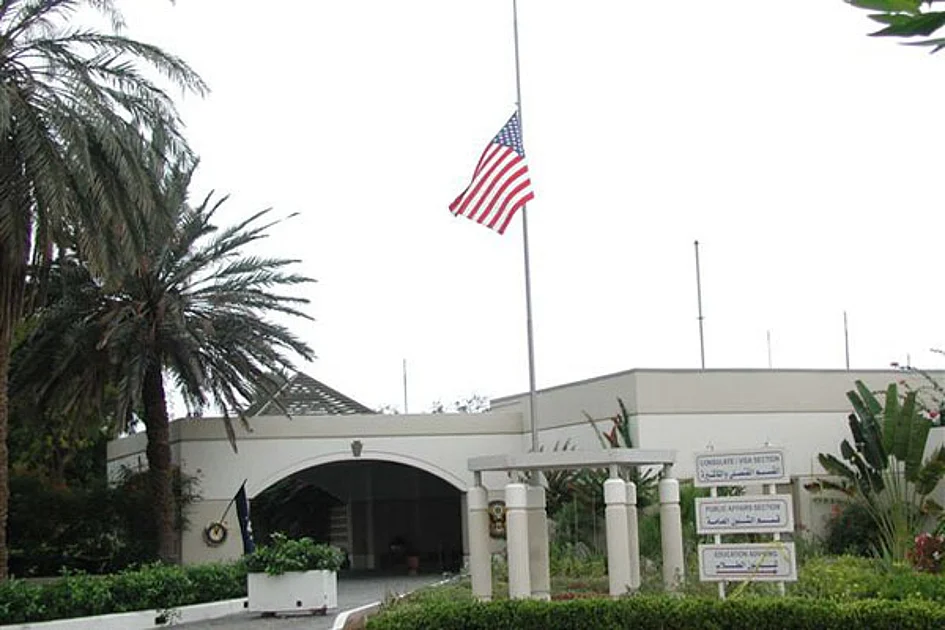
    The United States Embassy in Riyadh has issued a formal security advisory urging its personnel and American citizens throughout Saudi Arabia to exercise heightened vigilance due to escalating regional tensions. The alert, published on the embassy’s official website on Wednesday, specifically recommends avoiding non-essential travel near military installations and maintaining increased situational awareness.

    Citing ongoing geopolitical instability, the embassy emphasized that while mission operations and consular services continue normally, all individuals should review personal safety plans and prepare for potential disruptions. The advisory coincides with Washington’s stated intentions to respond to Iran’s government crackdown on protests, creating a climate of heightened security concern throughout the Gulf region.

    The embassy provided comprehensive safety guidelines, including enrollment in the State Department’s Smart Traveler Enrollment Program (STEP) for real-time security updates, ensuring passport validity for emergency travel, and avoiding demonstrations or large gatherings. Officials confirmed they are continuously monitoring the regional situation and encouraged travelers to consult official information sources while following instructions from local authorities.

    Despite the elevated alert status, embassy staffing remains unchanged, and all consular services continue operating without interruption. The security notice concludes by emphasizing the importance of maintaining personal safety protocols, as crises can develop unexpectedly while residing or traveling abroad.

  • Iran’s June strike on US’ Qatar base shows ability ‘to respond to attack’: Khamenei adviser

    Iran’s June strike on US’ Qatar base shows ability ‘to respond to attack’: Khamenei adviser

    A senior advisor to Iran’s Supreme Leader Ayatollah Ali Khamenei has issued a stark warning to the United States, citing a previously undisclosed June strike on a key American military installation in Qatar as evidence of Tehran’s capacity to respond to external aggression. Ali Shamkhani, who also serves as a former defense minister, utilized social media platform X to deliver his message directly to Washington.

    The advisory specifically referenced the Al Udeid Air Base incident, characterizing it as a measured response to U.S. support for Israeli military operations against Iran earlier this year. This revelation comes amid escalating tensions in the region and repeated refusals by American officials to rule out additional military engagement with Iran.

    Shamkhani’s personal experience adds credibility to his warning—the former minister survived severe injuries from an Israeli strike, providing him with firsthand understanding of regional conflict dynamics. The Al Udeid base represents one of America’s most significant military assets in the Middle East, housing thousands of troops and serving as a critical operations center for U.S. Central Command.

    The disclosure underscores Tehran’s strategic positioning and willingness to engage in asymmetric warfare against superior military powers. This development occurs against a backdrop of increased regional instability and demonstrates Iran’s continued pursuit of assertive foreign policy measures despite international pressure and sanctions.

  • Qatar confirms some personnel departed US base amid ‘current regional tensions’

    Qatar confirms some personnel departed US base amid ‘current regional tensions’

    Qatar has officially confirmed the partial departure of personnel from Al Udeid Air Base, the United States’ largest military installation in the Middle East, citing ongoing regional security concerns. The Gulf nation’s Foreign Ministry disclosed on Wednesday that these measures represent a direct response to escalating tensions throughout the area.

    In an official statement, Qatari authorities emphasized their continued commitment to implementing all necessary protocols to ensure the safety and security of both citizens and residents. This includes enhanced protective measures for critical infrastructure and military facilities. The International Media Office of Qatar further indicated that any subsequent developments would be communicated exclusively through designated official channels.

    This confirmation follows revelations from U.S. officials to Reuters regarding the precautionary withdrawal of American personnel from strategic bases across the region. The decision comes amid heightened alert levels following threatening statements from senior Iranian officials. Tehran has reportedly issued warnings to neighboring nations hosting U.S. military assets, indicating possible retaliatory strikes against American bases should Washington initiate offensive operations.

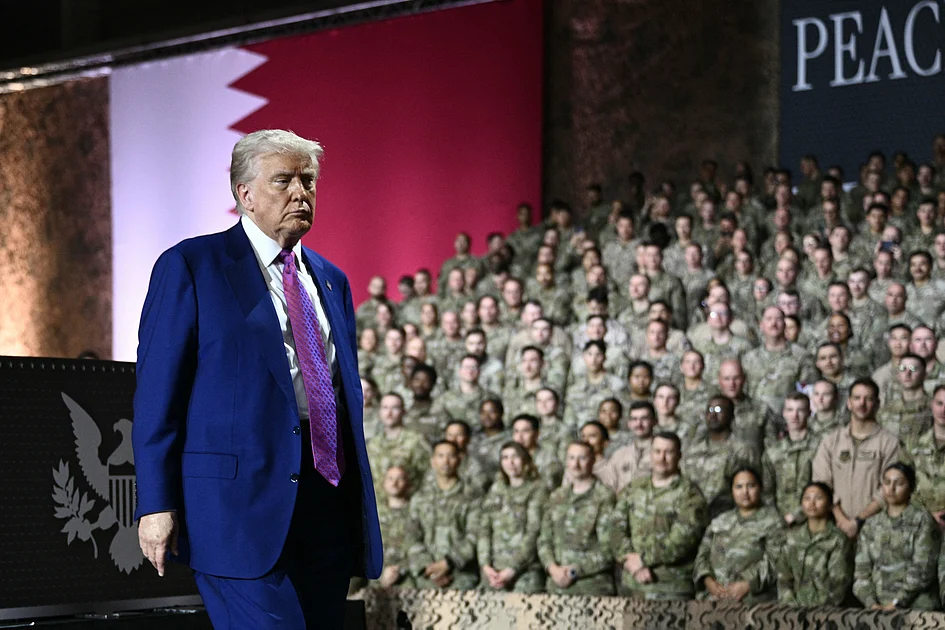
    The geopolitical landscape has grown increasingly volatile following U.S. President Donald Trump’s expressed willingness to intervene in Iran, where widespread anti-government protests have persisted since late December. President Trump’s recent encouragement to Iranian protesters to continue demonstrations and seize state institutions has further complicated diplomatic relations.

    Al Udeid Air Base, situated in Qatar and housing approximately 10,000 American troops, represents a cornerstone of U.S. military presence in the Middle East. The facility previously came under Iranian attack during the June conflict between Israel and Iran, highlighting its strategic significance and vulnerability during regional conflicts.

  • UAE offers condolences to Thailand over victims of deadly crane fall on train

    UAE offers condolences to Thailand over victims of deadly crane fall on train

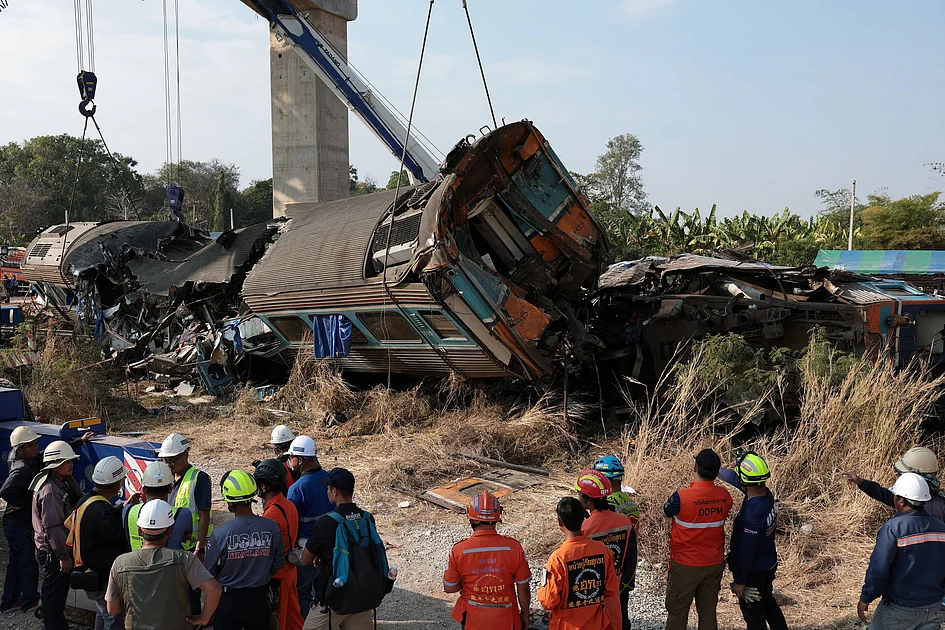
    The United Arab Emirates has formally expressed solidarity with Thailand following a catastrophic rail incident that resulted in significant casualties in the northeastern Nakhon Ratchasima province. The tragedy unfolded on Wednesday when a construction crane operating on a high-speed rail project collapsed onto a moving passenger train, causing a devastating derailment and subsequent fire.

    Official reports confirm the incident occurred in the Sikhio district, approximately 230 kilometers northeast of Bangkok. The affected train, traveling from the capital to Ubon Ratchathani province, was carrying 195 passengers at the time of impact. Current casualty figures indicate 32 fatalities and 66 individuals sustaining various injuries.

    In an official statement released by the UAE Ministry of Foreign Affairs, the Emirates conveyed profound condolences and sympathy to the bereaved families, the Royal Thai Government, and the nation’s citizens. The ministry further extended wishes for the rapid and complete recovery of all injured parties.

    The collapsed crane was actively engaged in construction activities for Thailand’s developing high-speed rail infrastructure when structural failure caused it to strike multiple carriages of the passing train. The force of impact precipitated the train’s derailment and initiated a temporary fire at the scene. Emergency response teams promptly mobilized to the location to execute rescue operations and provide immediate medical assistance to survivors.

  • Iran protests explained: 5 questions on nationwide unrest in the Islamic Republic

    Iran protests explained: 5 questions on nationwide unrest in the Islamic Republic

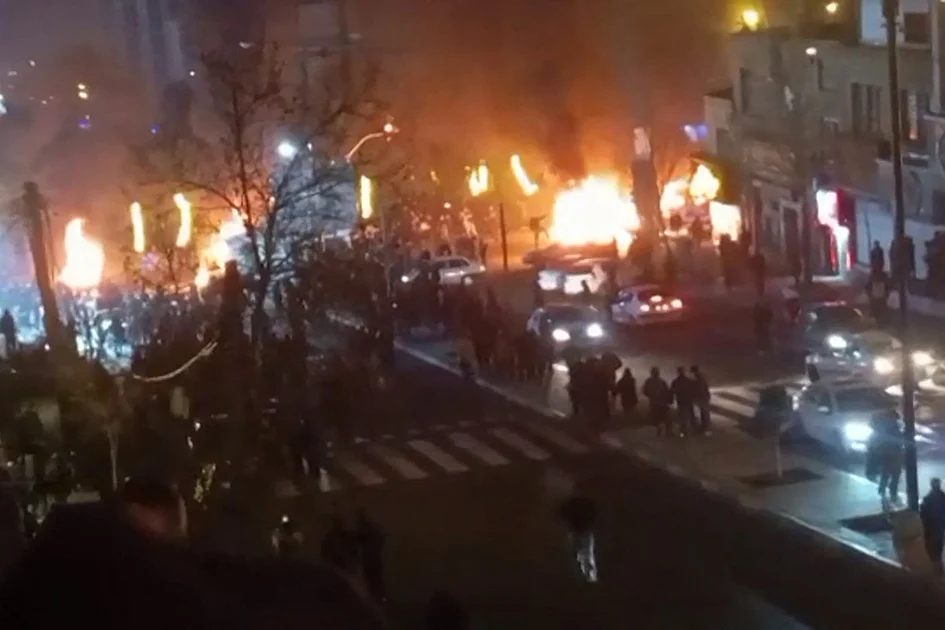
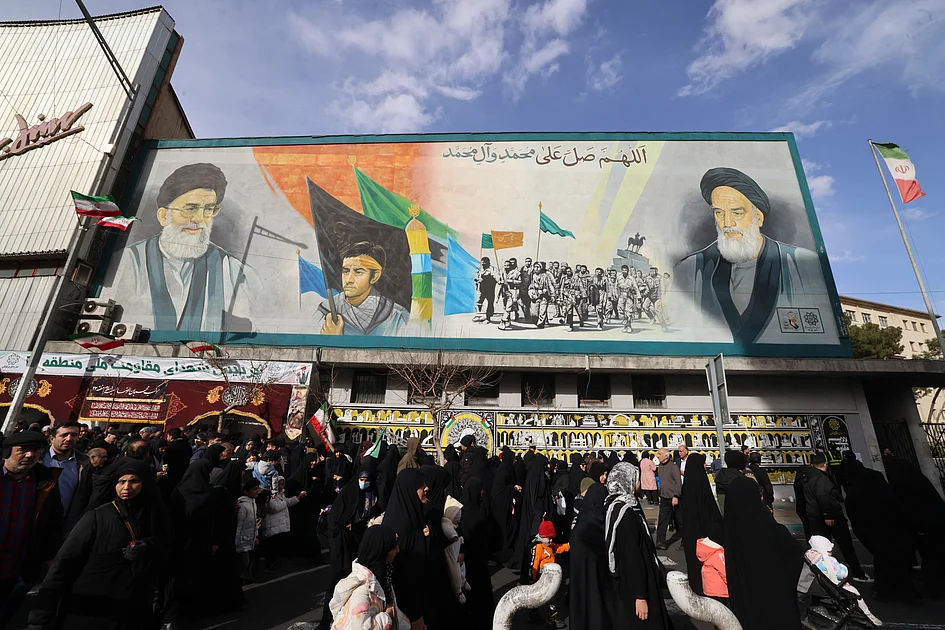
    A significant wave of civil unrest has swept across Iran since late December 2025, presenting one of the most substantial challenges to the country’s clerical establishment since the 1979 revolution. The protests originated in Tehran’s Grand Bazaar among merchants demonstrating against the rial’s drastic devaluation, which lost nearly half its value against the dollar throughout 2025, coupled with official inflation rates reaching 42.5% by December.

    The demonstrations have rapidly evolved from economic complaints to direct challenges against Iran’s governing system. Protesters have been documented burning images of Supreme Leader Ayatollah Ali Khamenei while chanting anti-government slogans, despite facing security forces equipped with tear gas, batons, and live ammunition. Iranian authorities have acknowledged economic difficulties while attributing the unrest to foreign interference from the United States and Israel.

    Government spokesperson Fatemeh Mohajerani stated on January 13 that authorities consider both security forces and protesters as ‘children’ of the state, claiming efforts to address legitimate grievances while condemning what they describe as terrorist elements hijacking the movement. Official reports now acknowledge approximately 2,000 fatalities, including security personnel, marking the first government recognition of the substantial human cost during the two-week crackdown.

    International response has been swift, with U.S. President Donald Trump warning Iran against suppressing protests and promising American support for demonstrators. The administration has announced 25% tariffs on nations trading with Iran and is exploring methods to restore internet access restricted by Tehran. White House Press Secretary Karoline Leavitt maintained that only President Trump knows what specific actions might follow, stating ‘the world can keep waiting and guessing.’

    Multiple countries have issued travel advisories for their citizens in Iran. India’s Ministry of External Affairs has recommended avoiding travel to Iran entirely, while Pakistan’s ambassador has urged nationals to keep immigration documents readily accessible. The U.S. State Department has advised immediate departure for American citizens, highlighting risks including kidnapping, arbitrary arrest, and wrongful detention.

    Regarding regional implications, UAE officials have expressed confidence that tensions will not significantly affect their nation. Sultan bin Sulayem, Chairman of DP World and Ports, Customs and Free Zone Corporation, characterized the UAE as a secure business environment, noting that previous regional crises had minimal impact. UAE Minister of Foreign Trade Thani Al Zeyoudi commented on the uncertainty surrounding U.S. tariff implementation and potential effects on food imports, given the UAE’s position as Iran’s second-largest trading partner after China.

  • Public holiday, empty roads: How Dubai welcomed ex-US President George Bush 18 years ago

    Public holiday, empty roads: How Dubai welcomed ex-US President George Bush 18 years ago

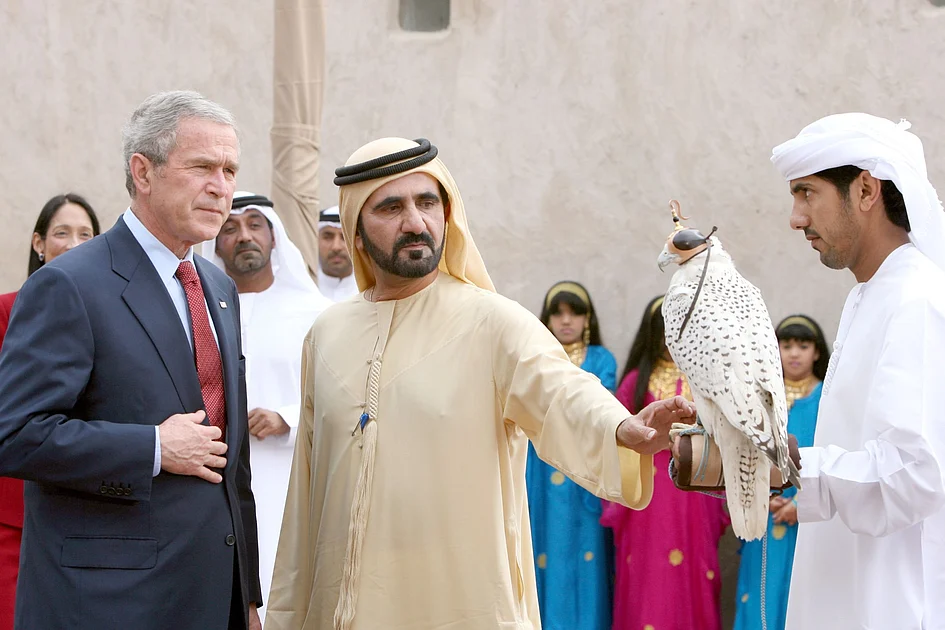
    Eighteen years ago, Dubai experienced a remarkable transformation from its characteristic bustle to unprecedented tranquility to host a distinguished American leader. On January 14, 2008, the emirate implemented extraordinary measures to welcome President George W. Bush, marking the first visit by an incumbent US president to the UAE.

    Authorities declared an unexpected public holiday, creating a surreal urban landscape where normally congested highways stood empty. From 6:00 AM until 4:00 PM, Dubai’s extensive road network underwent comprehensive closures as part of an elaborate security operation. Major transportation arteries including Garhoud Bridge, Maktoum Bridge, and Shindagha Tunnel were secured, while alternative routes were designated for essential travel.

    The presidential itinerary featured culturally significant engagements, beginning at the historic former residence of Dubai’s Ruler, now converted into a museum preserving the emirate’s heritage. President Bush experienced traditional performances and participated in an informal lunch with students at the Dubai School of Government, seated on cushions in a circle while dining from bowls placed on carpeted floors.

    At the iconic Burj Al Arab, the president addressed entrepreneurs, expressing particular admiration for Dubai’s ambitious spirit. “I am most impressed with what I’ve seen here,” Bush remarked, highlighting the city’s entrepreneurial dynamism and commitment to creating societal opportunities.

    While residents adapted creatively to the unexpected holiday—with children playing cricket in suddenly quiet streets and families enjoying mall visits—the transportation disruptions presented significant challenges. Airport arrivals faced extended stranding periods, with passengers from international flights like one family from Lahore reporting taxi services unavailable until road reopenings. Dubai Duty Free employees completed night shifts only to undertake long walks to residential areas like Satwa due to suspended public transport.

    Despite the logistical complexities, the day concluded without reported accidents or official complaints—a testament to both the comprehensive planning and public cooperation. The event remains etched in civic memory as a demonstration of Arabian hospitality that briefly but completely altered the rhythm of one of the world’s most dynamic cities.

  • Slow genocide: Death and displacement continue in Gaza months into ceasefire

    Slow genocide: Death and displacement continue in Gaza months into ceasefire

    While the cessation of active bombing has brought a measure of relief to Gaza, a profound humanitarian crisis continues to unfold silently for the territory’s most vulnerable residents. The fragile ceasefire has failed to address critical medical shortages, displacement, and systemic infrastructure collapse, creating what many describe as a slow-motion disaster.

    Najat Sayed al-Hessi, a 61-year-old Palestinian cancer patient, embodies this ongoing tragedy. For 27 consecutive months, she has been deprived of essential cancer medications, a situation unchanged since the October 2023 ceasefire began. Her scheduled medical transfer to Ramallah for treatment coincided with the outbreak of hostilities, initiating a desperate wait that continues from her makeshift shelter in Deir al-Balah. “I fear the disease is advancing in my body with each passing day,” she reports, a sentiment echoed by approximately 11,000 cancer patients across Gaza.

    The healthcare system faces catastrophic shortages. According to the Palestinian health ministry, 56% of essential drugs, 68% of medical consumables, and 67% of laboratory supplies were unavailable as of November. Dr. Muhammad Abunada, medical director of the Gaza Cancer Centre, confirms a 70% deficit in cancer medications and painkillers, rendering even available treatments largely ineffective due to missing combination therapies. Mortality rates among cancer patients have consequently surged from one daily death before the war to two or three presently.

    This health emergency extends beyond oncology. UNICEF data reveals a 75% increase in newborn mortality rates during the final quarter of the war, with monthly averages jumping from 27 deaths in 2022 to 47 between July and September 2023. These alarming trends persist despite the ceasefire, exacerbated by Israel’s restrictions on border crossings and medical supply entry.

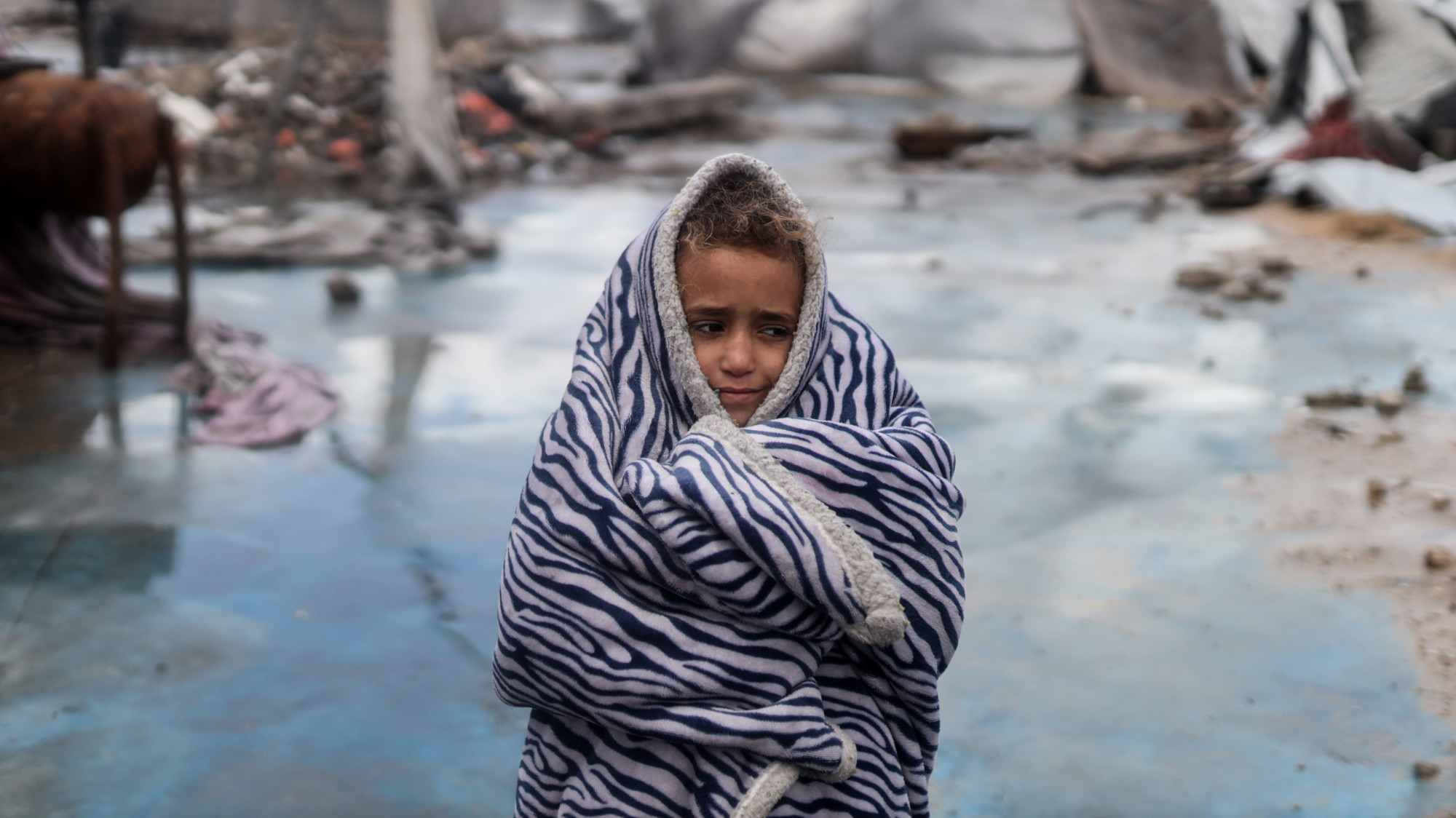
    The situation on the ground remains perilous for displaced populations. An estimated 1.5 million Palestinians endure a third consecutive winter in dilapidated tents, with recent storms destroying thousands of temporary shelters and causing at least 31 cold-related deaths, including 19 children. Rajaa Jendiya, a displaced widow and mother, describes winter as “another assault you have to survive,” with flooding tents and deteriorating health due to prolonged starvation.

    Complicating recovery efforts, Israel’s unilaterally imposed “Yellow Line” no-go zone now encompasses approximately 60% of Gaza’s territory, steadily expanding westward and preventing residents from returning to their homes. This barrier, coupled with new administrative restrictions on international NGOs, has crippled reconstruction efforts and humanitarian aid delivery. The systematic destruction of Gaza’s agricultural land (80%) and fishing sector (95%) has further dismantled local food self-sufficiency, creating near-total dependence on external assistance that remains severely constrained.

    As Abu Rafiq Ubeid, a father of three displaced in Gaza City, summarizes: “We are still living under the same threats and circumstances, only with less noise.” The ceasefire has merely transformed an overt genocide into a protracted humanitarian collapse, with vulnerable populations paying the highest price.

  • Indian nationals ‘strongly advised’ to avoid travel to Iran until further notice

    Indian nationals ‘strongly advised’ to avoid travel to Iran until further notice

    The Indian Ministry of External Affairs has significantly escalated its travel guidance concerning Iran, issuing a formal advisory on Wednesday, January 14th, 2026. The new directive strongly advises all Indian nationals against any travel to the Islamic Republic of Iran until further notice. This represents a notable intensification from a prior caution issued on January 5th, which had merely urged citizens to ‘exercise due caution’ within the country.

    The updated advisory carries specific instructions for the Indian community already residing in Iran. All individuals holding resident visas are being instructed to formally register their details with the Indian Embassy in Tehran if they have not done so already. Furthermore, those presently in the country are being directed to exercise heightened vigilance by strictly avoiding all areas where protests or public demonstrations are occurring.

    The Ministry emphasizes the importance of staying informed through official channels. Indian citizens in Iran are advised to monitor local news developments closely and to consistently check the official Embassy website and its social media platforms for any emergent instructions or critical updates. This advisory reflects growing concerns over the regional security environment and a proactive measure by the Indian government to ensure the safety of its citizens abroad.

  • Some personnel advised to leave US military base in Qatar, say diplomats

    Some personnel advised to leave US military base in Qatar, say diplomats

    The United States military has initiated precautionary personnel adjustments at its strategic Al Udeid Air Base in Qatar, with diplomatic sources confirming that select personnel received recommendations to depart the facility by Wednesday evening. This development occurs against a backdrop of escalating regional tensions and explicit security warnings from Washington regarding potential intervention to safeguard protesters in Iran.

    Three diplomatic officials with knowledge of the situation clarified to Reuters that this constitutes a strategic posture modification rather than a mandated evacuation. The precise rationale behind this operational shift remains unspecified, according to one diplomat who spoke on condition of anonymity.

    Al Udeid Air Base represents America’s most significant military installation across the Middle East, accommodating approximately 10,000 military personnel and serving as a critical operational hub for regional security operations. The base’s strategic importance has grown substantially in recent years as a coordination center for air operations throughout the Middle East.

    This security recalibration follows earlier statements from Iranian officials warning neighboring nations that Tehran would target US military installations in retaliation for any American offensive actions. These threats emerged subsequent to former President Donald Trump’s declarations regarding potential intervention in Iran’s internal affairs.

    The current situation echoes similar precautionary measures implemented in the previous year, when US forces relocated selected personnel and military families from Middle Eastern bases more than a week prior to conducting airstrikes against Iranian targets. In June of that year, Iran retaliated with missile strikes targeting the Qatari base, demonstrating the facility’s vulnerability during regional conflicts.

    Neither the US Embassy in Doha nor Qatar’s Ministry of Foreign Affairs provided immediate commentary or confirmation regarding these recent developments when contacted by Reuters. The absence of official statements has heightened attention on the evolving security dynamics in the Persian Gulf region.