分类: world

  • Weekly quiz: Where are BTS kicking off their comeback tour?

    Weekly quiz: Where are BTS kicking off their comeback tour?

    This week witnessed significant developments across global affairs, space exploration, and entertainment, underscoring a period of intense international activity. Iranian authorities implemented severe measures to quell domestic protests, resulting in numerous casualties and drawing international condemnation. The crackdown represents one of the most forceful governmental responses to civil unrest in the region this year, highlighting ongoing tensions within the country.

    In a landmark space mission, four astronauts executed an emergency return from the International Space Station following an unprecedented medical evacuation. The crew made a safe landing back on Earth, marking a critical moment for space agencies and their emergency protocols. This incident represents the first medical evacuation of its kind from the orbital laboratory, testing the resilience and preparedness of international space collaboration.

    Meanwhile, production of the popular reality series ‘Love Island: All Stars’ faced sudden disruption as cast and crew were evacuated from the filming villa due to rapidly spreading wildfires. The incident forced temporary suspension of filming, with contestants relocated to secure locations as firefighters battled the blazes.

    These events occurred alongside numerous other global developments, including continued tensions on the Korean Peninsula following statements from K-pop group BTS regarding their mandatory military service, and ongoing diplomatic maneuvers in international relations. News organization Ben Fell compiled these events into a weekly news quiz, challenging readers to test their awareness of current affairs alongside archival quizzes and retrospectives.

  • Kuwait to test emergency warning siren on Monday as monthly checks begin

    Kuwait to test emergency warning siren on Monday as monthly checks begin

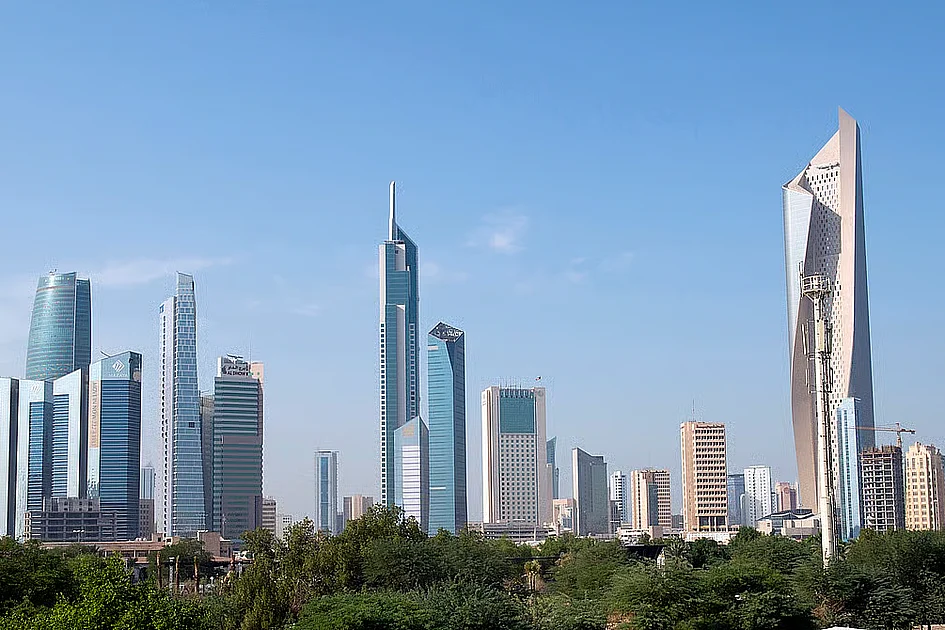
    Kuwait’s Ministry of Interior has announced the implementation of a comprehensive emergency warning system testing program, with the inaugural monthly siren test scheduled for Monday, January 19 at 10:00 AM local time. The initiative establishes a recurring testing protocol that will occur systematically on the first Monday of each month at the designated hour.

    Authorities have emphasized the routine and precautionary nature of these tests, designed to ensure the nation’s emergency alert infrastructure remains fully operational. The announcement follows Kuwait’s previous security enhancement measures implemented in 2025, when rising regional tensions prompted the construction of protective shelters within the government complex.

    These shelters, capable of accommodating approximately 900 individuals, were developed in response to escalating security concerns following US military actions against Iranian nuclear facilities. The new monthly testing regimen represents Kuwait’s ongoing commitment to national preparedness and public safety protocols.

    The Ministry of Interior has communicated these developments through official channels, including press statements and social media platforms, to ensure public awareness and prevent unnecessary alarm during the scheduled tests. Citizens and residents are advised to recognize the scheduled tests as part of Kuwait’s standardized emergency response preparedness strategy.

  • Syrian swimmer among activists cleared by Greek court of aiding migrant rescues

    Syrian swimmer among activists cleared by Greek court of aiding migrant rescues

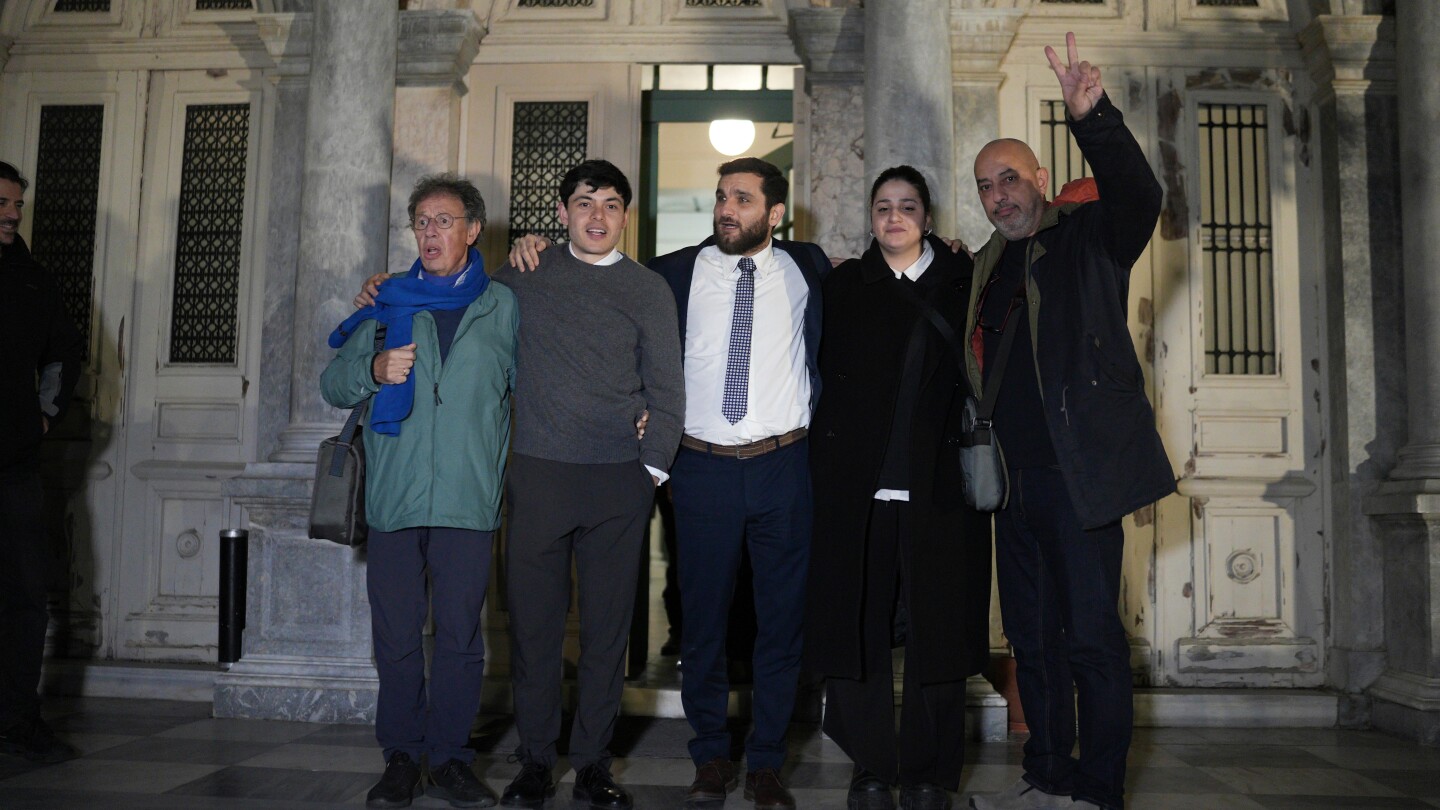
    In a landmark verdict with profound implications for humanitarian aid operations, a Greek judicial panel on Thursday exonerated 24 volunteer rescuers who provided assistance to migrants arriving on the shores of Lesbos. The decision concludes a protracted legal battle that had drawn international condemnation from human rights organizations worldwide.

    Among those cleared was Syrian Olympian Sarah Mardini, whose harrowing escape from conflict and subsequent humanitarian work formed the narrative foundation for the 2022 Netflix biographical drama ‘The Swimmers’. The Mytilene court determined that volunteers affiliated with Emergency Response Centre International, a Greece-based nonprofit organization, were not culpable of charges alleging facilitation of illegal entry and establishment of a criminal enterprise.

    The prosecution itself had previously recommended dismissal of all charges, emphasizing the absence of incriminating evidence and highlighting the defendants’ consistent practice of notifying port authorities of approaching migrant vessels. This judicial outcome triggered emotional celebrations outside the courthouse, with supporters applauding as the acquitted individuals emerged. Several volunteers marked their vindication with a symbolic nighttime swim in the island’s harbor.

    ‘We committed no unlawful acts,’ Mardini declared following the verdict. ‘If rendering assistance to fellow human beings constitutes criminal behavior, then we must all bear guilt.’

    The ruling arrives amid intensified migration enforcement measures across several European Union governments, including Greece’s expanded deportation protocols for rejected asylum seekers. Human rights advocates characterized the acquittal as both a personal victory for the defendants and a critical precedent for humanitarian operations. Eva Cosse of Human Rights Watch noted that while the outcome represented legal vindication, it remained ‘bittersweet’ following a seven-year judicial ordeal based on unsubstantiated allegations.

    Mardini’s journey from Syrian refugee to Olympic athlete and aid worker exemplifies the complex realities of contemporary migration patterns. After she and her sister Yusra—who later competed in the Rio Olympics’ inaugural refugee team—narrowly survived a perilous sea crossing to Lesbos in 2015, Sarah returned to the island to volunteer before facing arrest and pretrial detention in 2018.

    Amnesty International’s Eve Geddie interpreted the verdict as a potent message to European governments, asserting that ‘solidarity, compassion and defending human rights should be protected and celebrated, not punished.’

  • Children expected to die of hunger in Darfur ‘within days’, says UN Sudan chief

    Children expected to die of hunger in Darfur ‘within days’, says UN Sudan chief

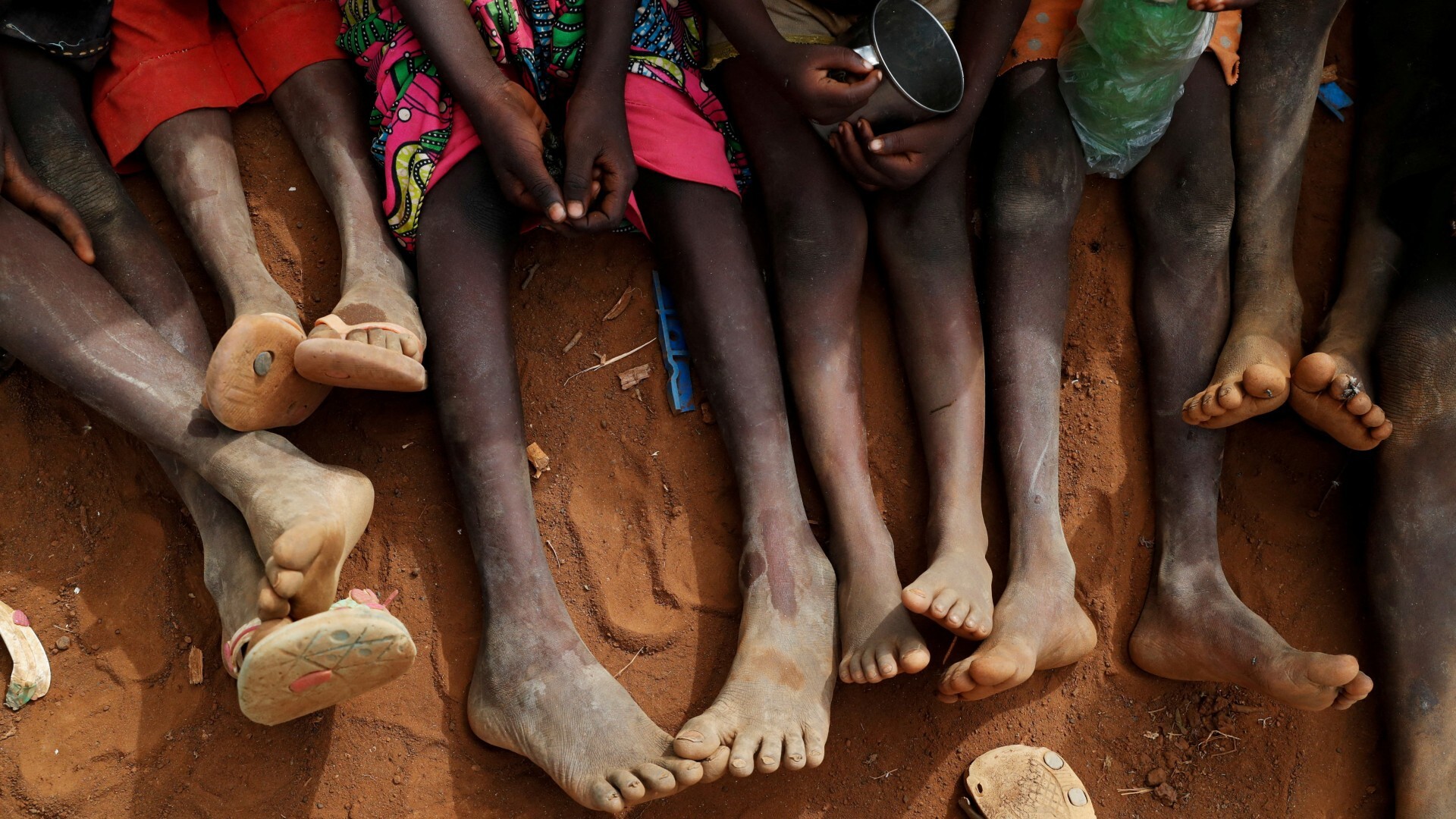
    The United Nations has issued a dire warning that children in Sudan’s Darfur region face imminent death from starvation within days, marking a catastrophic escalation in the world’s worst humanitarian crisis. UN Humanitarian Coordinator for Sudan Denise Brown revealed to Middle East Eye that malnutrition rates among children in North Darfur’s Um Baru have reached a staggering 53%—triple the emergency threshold—describing conditions as the most severe she has witnessed in her career.

    The conflict between the Sudanese Armed Forces (SAF) and Rapid Support Forces (RSF), ongoing since April 2023, has created a devastating pattern of atrocities that has displaced nearly 13 million people and pushed over 40% of the population into acute food insecurity. Recent UN assessments confirm that famine conditions persist in multiple locations including el-Fasher in North Darfur and Kadugli in South Kordofan, even during what should be Sudan’s post-harvest period.

    Humanitarian access remains critically constrained, with Fews Net warning that besieged towns face worsening conditions as RSF forces implement full blockades. The situation in el-Fasher—brutally seized by the RSF in October after a 550-day siege—is particularly volatile, with widespread destruction, unexploded ordnance contamination, and destroyed water infrastructure leading to cholera outbreaks. Between January and November 2025, Sudan recorded over 72,000 cholera cases, more than double the previous year’s count.

    Evidence suggests systematic violence against civilians, with multiple reports of RSF fighters killing fleeing civilians and conducting door-to-door executions during the capture of el-Fasher. A Yale Humanitarian Research Lab report indicates the paramilitary group has likely buried or burned tens of thousands of bodies to conceal evidence of mass killings.

    Despite the scale of suffering, the international response remains severely underfunded, with the UN’s Sudan appeal only 27% funded by late 2025. Brown emphasized that world leaders must urgently interrupt the pattern of atrocities before further devastation occurs, particularly for women and children who bear the war’s heaviest burden.

  • Nearly 5-hour Iran airspace closure: What is Flightradar24 showing?

    Nearly 5-hour Iran airspace closure: What is Flightradar24 showing?

    Iran implemented an unexpected five-hour closure of its national airspace overnight Wednesday, creating significant aviation disruptions amid escalating geopolitical tensions with the United States. The unprecedented move, affecting numerous international flight paths, came as both nations engaged in diplomatic maneuvering regarding Iran’s internal protest situation.

    The airspace restriction, lasting from approximately 10:00 PM to 3:00 AM local time on January 14, required special permits for any aircraft seeking to traverse Iranian territory. This development occurred against the backdrop of stern warnings from the Trump administration, which had previously threatened ‘very strong action’ should Iran proceed with executing protesters.

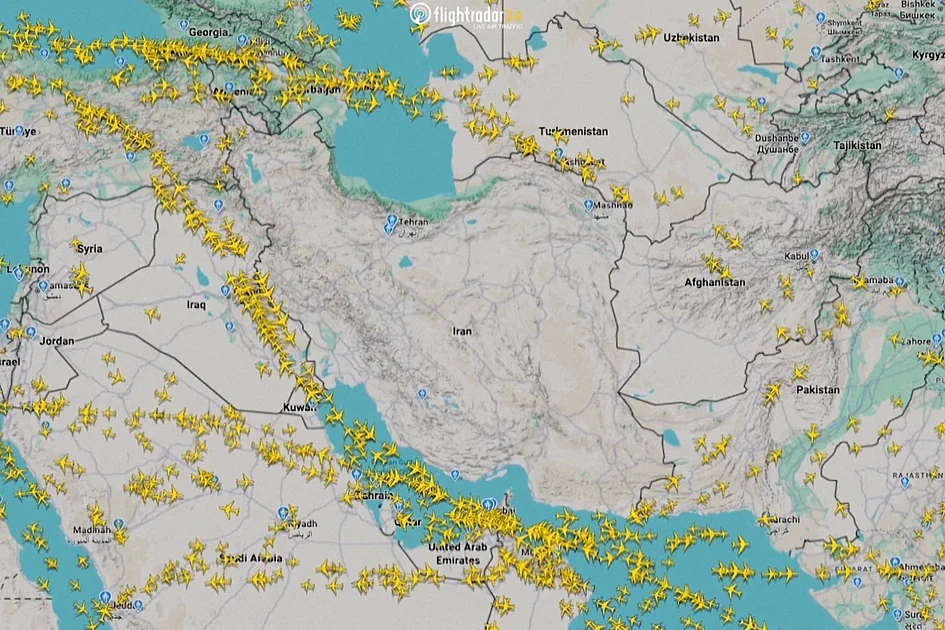
    Aviation tracking service Flightradar24 documented the immediate impact, showing aircraft circumventing Iranian airspace entirely during the closure period. Major carriers including India’s IndiGo and Air India reported substantial schedule disruptions, with many flights requiring alternative routing that resulted in extended flight times and potential cancellations. Russia’s Aeroflot notably returned a Tehran-bound flight to Moscow mid-journey.

    The airspace closure represents a precautionary measure by Iranian authorities following the United States’ partial withdrawal of personnel from Middle Eastern bases. This military repositioning came after Iranian officials warned neighboring countries that American bases would be targeted if Washington initiated strikes against Iran.

    Civil aviation experts note that such airspace restrictions, communicated through official Notice to Air Missions (NOTAM) systems, force airlines to implement extensive safety protocols. These include avoiding high-risk airspace entirely and adhering strictly to international civil aviation advisories, even when resulting in substantial operational inconveniences and increased fuel consumption.

    As of Thursday morning, Flightradar24 data indicates normal traffic patterns have resumed over Iranian airspace, though the aviation community remains alert to potential further developments in the politically volatile region.

  • German air traffic control advises avoiding Iranian airspace until Feb 10

    German air traffic control advises avoiding Iranian airspace until Feb 10

    Germany’s national air traffic control authority has issued a formal recommendation for all aircraft to avoid Iranian airspace through February 10th, citing heightened regional security concerns. The directive from Germany’s Flight Safety Office comes amid escalating geopolitical tensions and follows recent warnings from the United States regarding potential military intervention in Iran.

    The aviation advisory, implemented under instruction from Germany’s Federal Transport Ministry, represents a significant precautionary measure for international air travel routing. While not a mandatory flight ban, the recommendation carries substantial weight within global aviation circles and reflects growing apprehension among Western nations about potential airspace risks.

    This development marks a notable escalation in international response to the deteriorating security situation in the region. Aviation experts note that such advisories typically precede more formal airspace restrictions and often trigger similar actions from other nations’ aviation authorities. The February 10th timeframe suggests intelligence assessments anticipate a prolonged period of elevated risk rather than an immediate, short-term threat.

    The recommendation affects numerous international flight paths that traditionally traverse Iranian airspace, potentially necessizing significant rerouting for airlines operating between Europe, the Middle East, and Asia. This could result in extended flight times, increased fuel consumption, and operational complications for carriers that regularly use these corridors.

    Aviation industry analysts are monitoring whether other nations will issue similar guidance, which could further isolate Iranian airspace and create substantial disruptions to global flight patterns. The German advisory represents the most specific and time-delimited warning issued by any nation to date regarding air travel in the region.

  • ‘When will Baba come back?’ Gaza’s widows and orphans struggle to survive

    ‘When will Baba come back?’ Gaza’s widows and orphans struggle to survive

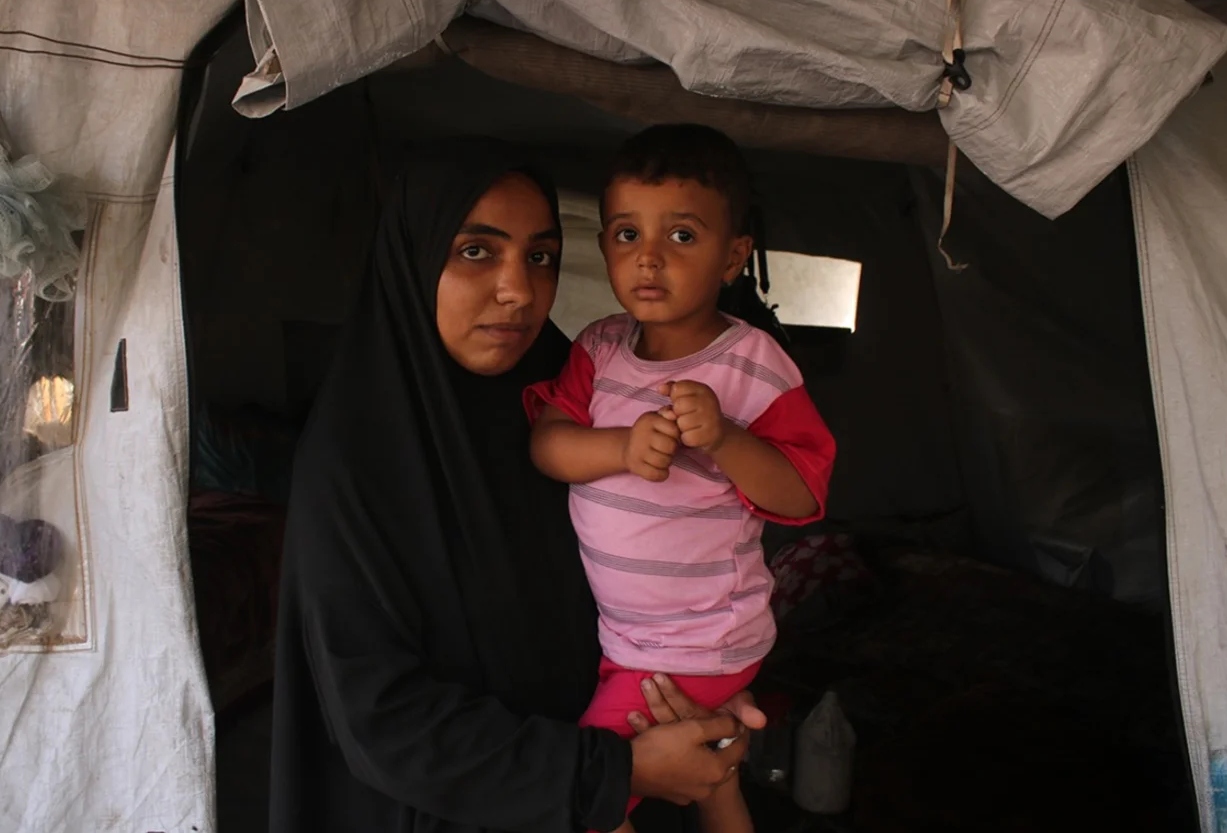
    In the rubble-strewn courtyard of a decimated school in Gaza City’s al-Zaytoun neighborhood, four-year-old Zain al-Halawani maintains his daily vigil at the tent entrance, awaiting a father who will never return. His mother, 25-year-old Nada al-Halawani, watches with a heart heavy with the knowledge that her son’s childhood mirrors her own—growing up parentless in a conflict zone.

    This poignant scene encapsulates the invisible humanitarian crisis unfolding among Gaza’s most vulnerable populations. Since Israel’s military offensive began in October 2023, official statistics reveal over 16,000 women have been widowed and more than 44,000 children orphaned amidst a death toll exceeding 71,424 Palestinians. These numbers only hint at the profound social catastrophe emerging from the rubble.

    The personal tragedies are countless. Ashraf al-Halawani, Zain’s father, was killed by an Israeli sniper while attempting to reach an aid distribution point last September. His body remains unrecovered, officially categorized among Gaza’s 11,000 missing persons. For Nada, this administrative limbo compounds her tragedy—without a death certificate, she cannot register for essential aid distributions that require paternal documentation.

    Twenty-seven-year-old Rawand Salim embodies another dimension of this crisis. After losing her husband Mohammed during a February 2025 ceasefire violation, she now navigates the impossible calculus of survival—selling precious wedding jewelry to feed her children, standing in endless lines for contaminated water and meager food portions, and witnessing the psychological deterioration of her young sons.

    The trauma manifests physically and emotionally in Gaza’s children: psoriasis outbreaks, hair loss, weakened immune systems, and severe anxiety disorders. Six-year-old Abdelrahman Salim’s attempt to excavate his father’s grave with bare hands represents the profound psychological damage inflicted upon an entire generation.

    Compounding these personal tragedies is the systematic destruction of Gaza’s support infrastructure. More than 80% of educational institutions lie in ruins, including specialized schools operated by the Al-Salah Charitable Society that previously provided orphans with free education, meals, and psychological support. Local and international aid organizations have either been destroyed by military operations or forced to suspend services indefinitely.

    The United Nations has documented Israel’s ‘systematic obliteration’ of Gaza’s education system—a crucial lifeline for vulnerable populations. Meanwhile, Israel’s continued blockade severely restricts humanitarian aid, creating what UN experts term a ‘policy of starvation’ that disproportionately affects female-headed households.

    Despite these overwhelming challenges, Gaza’s widows demonstrate extraordinary resilience. Nada al-Halawani dreams of pursuing graduate studies to provide better opportunities for her son, while Rawand Salim finds solace in her children’s gradual emotional recovery through educational initiatives. Their stories reveal not only the depth of human suffering but also the remarkable endurance of maternal love amidst unimaginable adversity.

    As one widow poignantly observed: ‘The world has forgotten about us. Our children have seen horrors no child should ever witness. They are all I have—I give them all my love, time, and effort just to see them smile, to give them a chance for a better future.’

  • Iran postpones execution of 26-year-old protester, family and rights group say

    Iran postpones execution of 26-year-old protester, family and rights group say

    In a significant development amid ongoing civil unrest, Iranian authorities have postponed the execution of 26-year-old demonstrator Erfan Soltani, according to human rights organizations and family sources. The decision emerges against a backdrop of violent clashes between protesters and security forces that have resulted in substantial casualties across the country.

    The postponement follows stern warnings from U.S. President Donald Trump, who threatened “strong action” if Iran proceeded with executions of protesters. Trump subsequently acknowledged receiving assurances through diplomatic channels that executions had been halted, though Iranian Foreign Minister Abbas Araqchi denied any planned hangings, characterizing such reports as misinformation designed to provoke American engagement.

    Soltani’s case has drawn international attention due to the accelerated judicial process surrounding his detention. Arrested on January 8 at his residence west of Tehran, the young protester was denied legal representation and faced a death sentence just four days after his arrest, according to the Norway-based Hengaw Organization for Human Rights.

    The protests, initially sparked by economic grievances, have evolved into the most significant challenge to Iran’s clerical establishment in years. Human rights organizations report between 2,500-3,400 fatalities since the unrest began, though accurate assessment remains difficult due to extensive internet restrictions that persisted for nearly a week.

    Iranian officials have increasingly adopted a hardline stance toward demonstrators, with Chief Justice Gholam-Hossein Mohseni-Ejei calling for expedited trials and executions of what authorities term “rioters.” State television has broadcast numerous forced confessions, typically showing blurred faces of detainees alongside footage allegedly depicting attacks on security forces.

    The geopolitical implications continue to escalate, with Trump indicating continued monitoring of Iranian actions while Tehran has restricted its airspace to pre-approved international flights. Senior Iranian officials have responded with counter-threats, referencing previous missile strikes against U.S. bases in the region and emphasizing Iran’s capacity to respond to any aggression.

  • Myanmar’s military government claims a record seizure of illicit drugs at production sites

    Myanmar’s military government claims a record seizure of illicit drugs at production sites

    In a significant counter-narcotics operation, Myanmar’s military government has reported the largest drug seizure in the nation’s history. State media confirmed on Thursday that security forces conducted extensive raids from January 8-12 targeting dual threats: drug production facilities and online scam centers in northern Shan state.

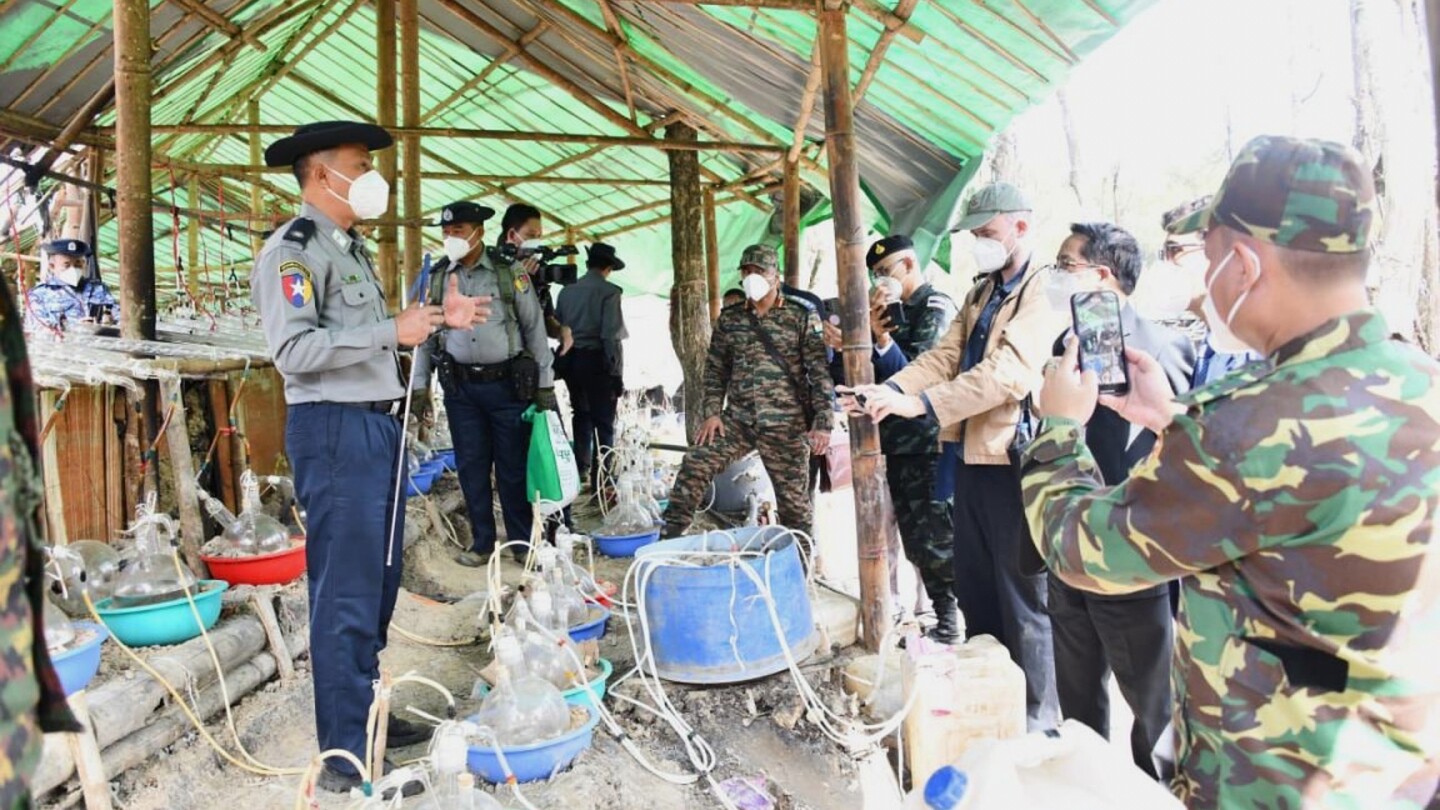
    The operation focused on Mongyai township, approximately 200 kilometers northeast of Mandalay, where authorities dismantled three major drug manufacturing facilities located within kilometers of each other. Home Affairs Minister Lt. Gen. Tun Tun Naung disclosed that these sites produced heroin, methamphetamine, and crystal methamphetamine (‘ice’).

    Photographic evidence released by the military revealed sophisticated production setups featuring dozens of blue plastic barrels filled with powdery substances, industrial gas cylinders, large mixing vats, and complex glass flask systems connected by tubing in makeshift structures.

    Military spokesperson Maj. Gen. Zaw Min Tun characterized these facilities as potentially the country’s primary drug-production hubs, with trafficking routes extending to neighboring Bangladesh, Thailand, and Malaysia through conflict areas in western, northwestern, and southeastern Myanmar.

    The context of Myanmar’s escalating civil war, which intensified following the 2021 military takeover, has created conditions that facilitate both drug production and distribution. Ethnic armed groups and local resistance forces have long been accused of using drug revenues to fund their operations, though the Shan State Progress Party specifically denied involvement in the targeted regions.

    According to official statistics, Myanmar authorities have seized drugs valued at approximately $2.8 billion over the past five years, destroyed over 10,000 hectares of opium poppy fields, and made more than 43,900 drug-related arrests.

    This development occurs against the backdrop of a December UN report indicating opium poppy cultivation in Myanmar has reached its highest level in a decade, with the country maintaining its status as the world’s largest methamphetamine producer.

  • Saudi Arabia says will invest $500 million in Yemen development projects

    Saudi Arabia says will invest $500 million in Yemen development projects

    In a significant move to bolster Yemen’s reconstruction efforts, Saudi Arabia has unveiled a comprehensive $506 million development package targeting critical infrastructure across ten governorates. The announcement came from Saudi Defense Minister Prince Khalid bin Salman, who confirmed the initiative through an official statement on social media platform X.

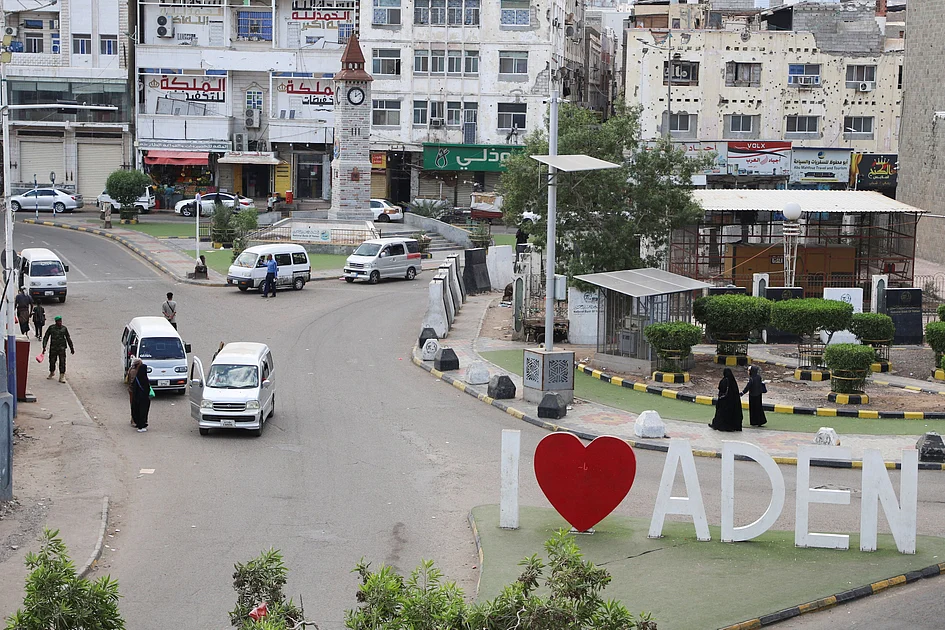
    The substantial investment will be administered through the Saudi Development and Reconstruction Program for Yemen (SDRPY), which has operated within the Arabian Peninsula’s most impoverished nation since 2018. The funding encompasses several landmark projects including the establishment of Yemen’s inaugural desalination plant, extensive rehabilitation of Aden International Airport, development of a modern medical facility on Socotra Island, and the construction and furnishing of 30 educational institutions.

    According to program officials, these resources will finance entirely new initiatives primarily within southern governorates where the separatist Southern Transitional Council maintains influence. This strategic investment places Riyadh at the forefront of coordinating disparate factions within Yemen’s government while confronting the monumental task of rebuilding a nation devastated by prolonged conflict.

    Analysts note that Saudi Arabia now assumes primary responsibility for reconstructing damaged infrastructure and sustaining military forces under its jurisdiction. Farea al-Muslimi, a Yemen specialist at Chatham House, observed that ‘This will all become the burden of Saudi Arabia,’ highlighting the Kingdom’s expanding role in shaping Yemen’s political future through planned negotiations between southern factions.