分类: world

  • Famed safari park shuts as deadly floods strike South Africa

    Famed safari park shuts as deadly floods strike South Africa

    South Africa’s northern regions are grappling with catastrophic flooding that has claimed at least 19 lives and triggered large-scale emergency operations. The disaster has particularly devastated Limpopo and Mpumalanga provinces, where relentless torrential rains have caused severe flooding, prompting President Cyril Ramaphosa to personally visit affected communities.

    The humanitarian tragedy includes the death of a five-year-old boy in Giyani, Limpopo, whose family received presidential condolences during Ramaphosa’s damage assessment tour. The South African Weather Service has escalated warnings to red level 10—the highest alert—predicting additional rainfall and urging extreme caution in flood-prone areas.

    Emergency protocols have been activated nationwide, with military units and helicopter teams deployed to execute rescue missions in the most severely impacted zones. Authorities have issued critical safety guidelines advising residents to remain indoors, avoid flooded roads, relocate valuables and livestock to elevated areas, and disconnect electrical sources.

    One of South Africa’s premier tourist destinations, Kruger National Park, has suspended all visitor activities and initiated aerial evacuations of guests and staff members. Climate scientists attribute the increasing frequency and intensity of southeastern Africa’s flooding to climate change, which has amplified storm systems in the Indian Ocean region.

    The government continues to coordinate disaster response efforts while meteorological services monitor ongoing weather patterns that threaten to exacerbate the already dire situation across multiple provinces.

  • Gaza truce plan ‘enters 2nd phase’

    Gaza truce plan ‘enters 2nd phase’

    The fragile Gaza ceasefire agreement has transitioned into its second implementation phase, marking a critical juncture in the conflict resolution process despite persistent violations and unresolved humanitarian challenges. This development follows US Presidential Special Envoy Steve Witkoff’s announcement that the truce is progressing from initial ceasefire measures toward demilitarization, technocratic governance, and reconstruction efforts under President Donald Trump’s 20-point peace framework.

    Regional mediators Egypt, Turkey, and Qatar have welcomed the establishment of a Palestinian technocratic committee, led by former deputy planning minister Ali Abdel Hamid Shaath, to administer Gaza’s governance. The tripartite mediation body characterized this development as instrumental in stabilizing the region and improving dire humanitarian conditions that have plagued the coastal territory.

    However, stark contrasts emerge between diplomatic declarations and ground realities. UN agencies report escalating military activities, while displaced Palestinians continue enduring severe winter conditions in makeshift shelters amid widespread destruction. The unresolved status of Ran Gvili, the last remaining Israeli hostage whose body remains unrecovered, represents a significant point of contention, with Israeli Prime Minister Benjamin Netanyahu demanding full compliance from Hamas regarding hostage returns.

    Analyst Nagapushpa Devendra from Germany’s University of Erfurt warns of the agreement’s fragility, noting that the transition from rule-based mediation to power-based coercion fundamentally undermines the ceasefire’s credibility. This shift primarily serves Israeli strategic interests while leaving Palestinians subject to conditional and potentially reversible arrangements, despite the Palestinian Presidency’s emphasis on unifying West Bank and Gaza governance structures.

  • Investigation after Air India jet engine sucks in cargo container at Delhi airport

    Investigation after Air India jet engine sucks in cargo container at Delhi airport

    India’s aviation authority has initiated a comprehensive investigation following a serious ground incident at Delhi International Airport involving an Air India Airbus A350 aircraft. The wide-body jet ingested a cargo container into its right engine while taxiing with passengers aboard, causing significant engine damage and grounding the aircraft.

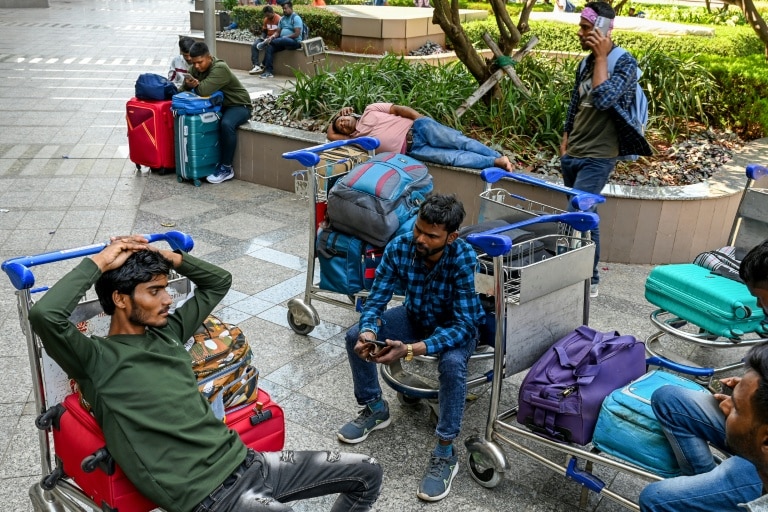
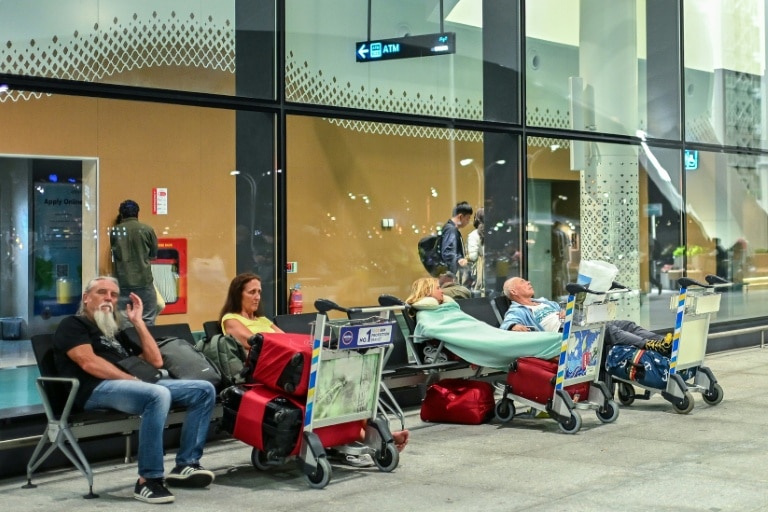
    The incident occurred early Thursday morning at approximately 05:25 local time amid challenging visibility conditions caused by dense fog. The aircraft, flight AI105 bound for New York, had previously returned to Delhi shortly after takeoff due to the temporary closure of Iranian airspace, necessitating rerouting of numerous flights.

    According to India’s Ministry of Civil Aviation, the cargo container had accidentally dislodged from a ground vehicle and fallen onto the taxiway intersection. An Air India spokesperson elaborated that the container fell after a wheel detached from a cart being towed by a baggage handling vehicle. The vehicle operator reportedly noticed the approaching aircraft and departed the area, inadvertently leaving the fallen container behind.

    The Directorate General of Civil Aviation (DGCA) confirmed that approximately 240 passengers and between six to eight crew members were onboard during the incident. While no injuries were reported, photographic evidence shared by DGCA on social media platform X revealed substantial damage to the engine casing and fan blades, along with metallic debris scattered across the taxiway.

    This event has intensified scrutiny regarding ground safety protocols at India’s increasingly congested airports. The incident follows a June 2023 DGCA audit that identified 51 safety violations across major Indian airports and airlines, including concerns about faded runway markings, inadequate maintenance procedures, crew fatigue, and unauthorized cockpit access.

    Air India has acknowledged potential disruptions on select A350 routes as the damaged aircraft undergoes repairs. The airline currently operates six Airbus A350 aircraft primarily on long-haul routes to destinations including London and New York, though specific affected routes remain unspecified.

    Aviation experts emphasize that such incidents, while rare, highlight the critical importance of rigorous ground handling procedures and enhanced safety protocols during adverse weather conditions, particularly at rapidly expanding aviation hubs like Delhi.

  • Fraudsters flee Cambodia’s ‘scam city’ after accused boss taken down

    Fraudsters flee Cambodia’s ‘scam city’ after accused boss taken down

    A dramatic exodus unfolded in Cambodia’s coastal city of Sihanoukville this week as hundreds of suspected cyberfraud operators evacuated compounds following the high-profile arrest and extradition of alleged scam kingpin Chen Zhi to China. Witnesses described chaotic scenes with individuals hauling computers, luggage, and personal belongings while boarding various vehicles including tuk-tuks, luxury SUVs, and coaches.

    The mass departure from notorious hubs like Amber Casino occurred amid Cambodia’s announced crackdown on multibillion-dollar cybercrime operations that have transformed Sihanoukville into a global scam epicenter. These criminal enterprises typically lure victims worldwide through fake romantic relationships and fraudulent cryptocurrency investments, generating estimated global losses up to $37 billion annually according to UN data.

    While Cambodian authorities claim to have raided 118 scam locations and arrested approximately 5,000 people over six months, analysts suggest many operations received advanced warning. Former anti-trafficking NGO head Mark Taylor described ‘preemptive shifting of scam center resources’ as potentially indicating collusion between operators and officials—a strategy that simultaneously boosts government anti-crime credentials while allowing criminal networks to survive and adapt.

    The situation reveals complex transnational dimensions with China increasingly pursuing scam figures across Southeast Asia. Many workers at these facilities remain vulnerable—some willing participants but others trafficked foreign nationals coerced into operation under threat of violence. As one Bangladeshi evacuee noted while blending into the departing crowd: ‘This is about survival now.’

  • Venezuelans in Spain are caught between hope and fear after Maduro’s capture

    Venezuelans in Spain are caught between hope and fear after Maduro’s capture

    MADRID — The dramatic capture of Venezuelan leader Nicolás Maduro by U.S. forces has triggered powerful emotional responses among the 600,000 Venezuelan expatriates residing in Spain—the largest diaspora community outside the Americas. Many originally fled political persecution, violence, and economic collapse under Maduro’s regime, establishing new lives in Madrid’s healthcare, hospitality, and service industries.

    David Vallenilla, a 65-year-old Caracas native living in Madrid, received the news through frantic messages from relatives. His personal tragedy epitomizes the regime’s brutality: In 2017, his 22-year-old nursing student son was fatally shot point-blank by a Venezuelan soldier during protests. The widely circulated video of the incident became symbolic of state violence. After demanding justice, Vallenilla faced threats and relocated to Spain with NGO assistance. While acknowledging that nothing can restore his son, he views recent developments as potential light after years of darkness.

    Journalist Carleth Morales, who arrived in Madrid twenty-five years ago anticipating temporary studies, never envisioned Venezuela’s prolonged deterioration. She founded the Venezuelan Journalists Association in Spain, connecting hundreds of exiled professionals. Though skeptical about returning personally after decades abroad, she dreams of her daughters someday considering Venezuela a land of opportunity rather than trauma.

    Verónica Noya embodies the anguish of families with imprisoned relatives. Her husband, army Captain Antonio Sequea, remains in solitary confinement since 2020 for participating in a military operation against Maduro. With four relatives still detained, she awaits news of their promised release while struggling to explain her husband’s absence to their children. Despite obtaining Spanish citizenship through family roots, she maintains her Venezuelan identity and hopes for a democratic homeland.

  • Explosion causes large fire in Dutch town of Utrecht, at least four injured

    Explosion causes large fire in Dutch town of Utrecht, at least four injured

    A significant explosion triggered a massive blaze in the historic center of Utrecht, one of the Netherlands’ principal urban centers, on Thursday afternoon, resulting in at least four confirmed injuries. Emergency services rushed to the scene following the detonation, which ignited a ferocious fire that continued to rage for hours. Local municipal authorities confirmed to national broadcaster NOS that an emergency field hospital was rapidly established near the incident site to treat casualties and assist emergency responders. As of 4:30 PM GMT, the fire remained uncontained, with intense flames and structural instability preventing firefighters from entering the affected building to conduct search and rescue operations. The precise number of potential individuals still inside the structure remains unknown due to the ongoing dangers. Municipal officials have stated that the definitive cause of the explosion is currently under investigation, with no immediate determination available. The incident has drawn a substantial emergency response, with multiple fire crews, paramedics, and police units deployed to secure the area and provide assistance.

  • Indian embassy issues safety advisory for its nationals in Israel amid regional tensions

    Indian embassy issues safety advisory for its nationals in Israel amid regional tensions

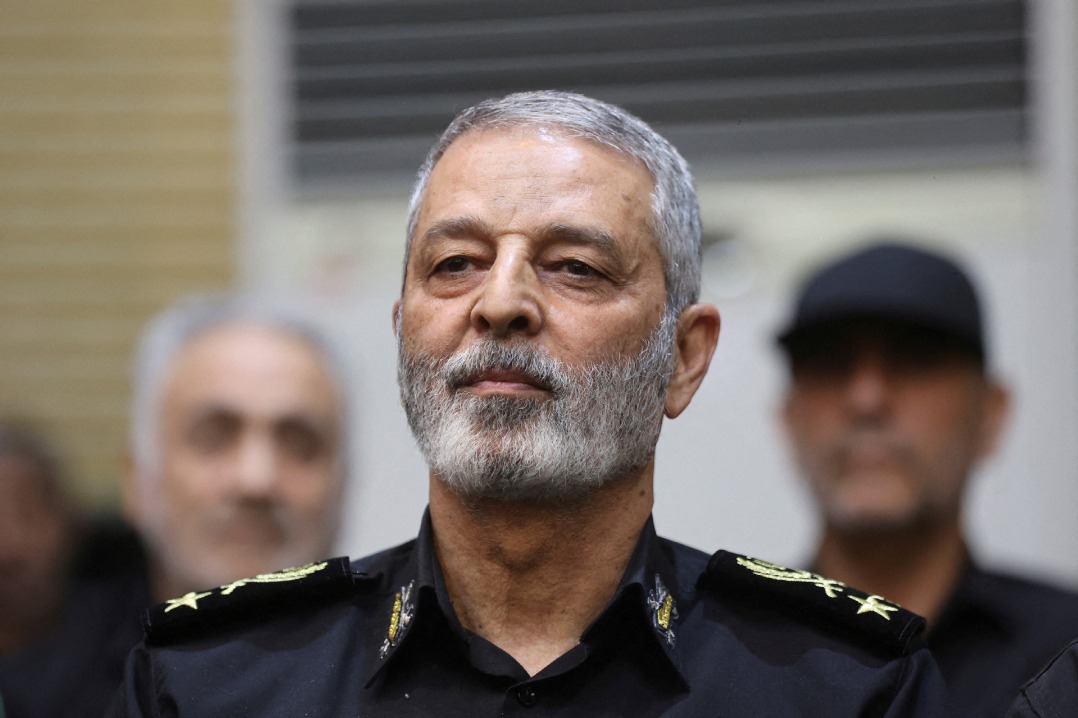
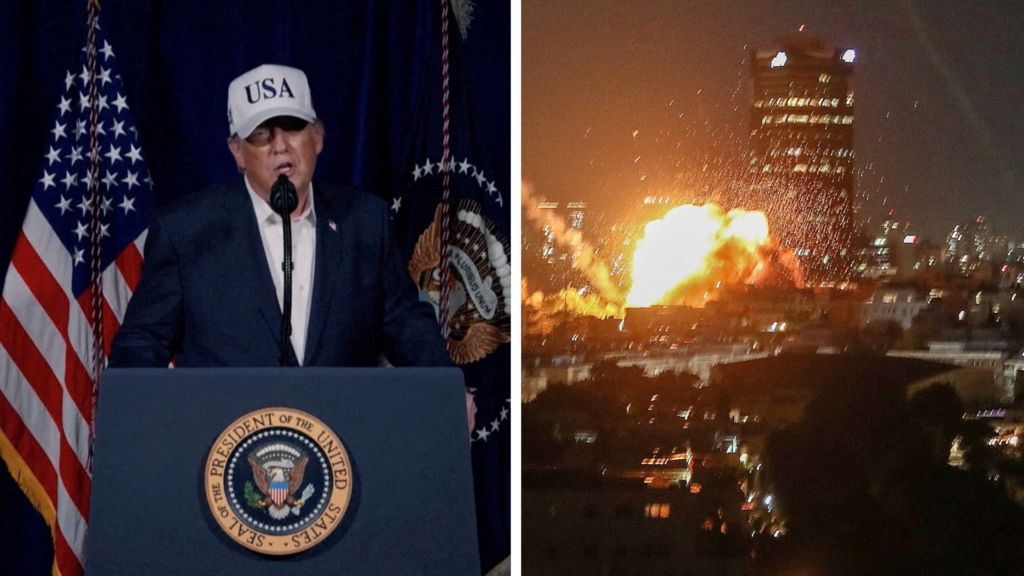
    The United States has implemented a new sanctions regime targeting senior Iranian officials believed to be responsible for the violent suppression of nationwide protests. This decisive action represents a significant escalation in diplomatic pressure against Tehran’s human rights record.

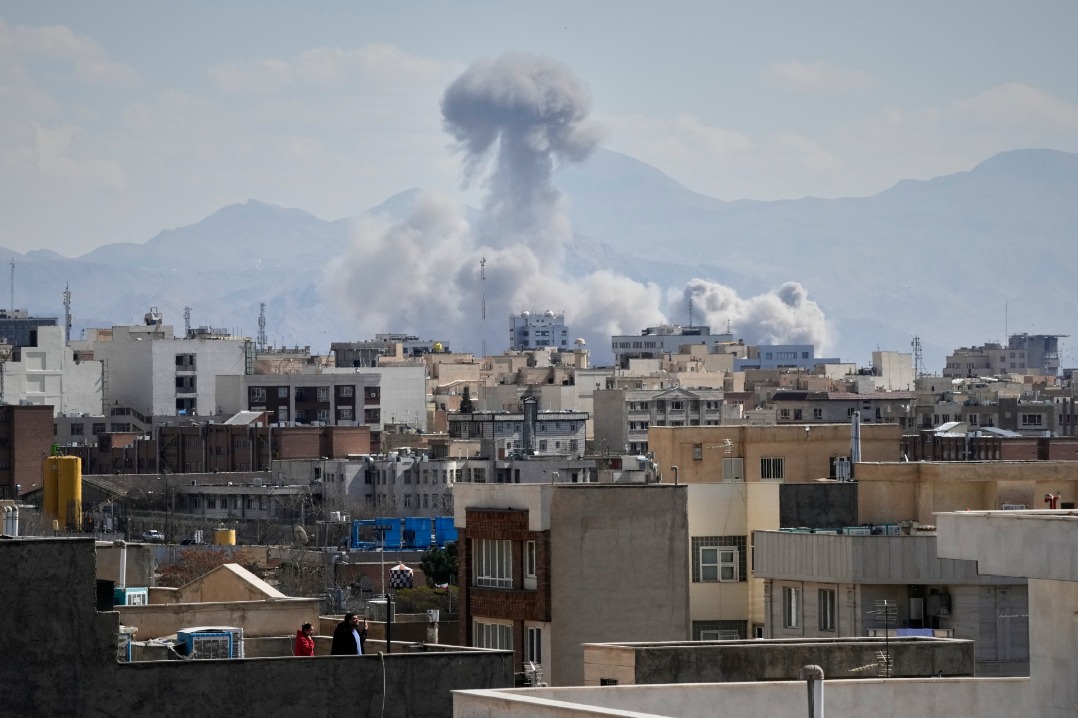
    Concurrently, the Israeli Defense Forces conducted precision military strikes against multiple Hezbollah positions across southern Lebanon. The operations targeted what military officials described as terrorist infrastructure and launch sites that pose an immediate threat to Israeli security.

    These parallel developments reflect the continuing volatility in Middle Eastern geopolitics, where internal civil unrest and cross-border tensions frequently intersect. The U.S. Treasury Department specifically identified several high-ranking figures within Iran’s security apparatus for their roles in quelling dissent through excessive force. Asset freezes and travel bans have been imposed on these individuals, effectively cutting them off from the global financial system.

    Meanwhile, the Israeli military operations represent the most substantial engagement along the Lebanon-Israel border in recent months. Military analysts suggest these strikes constitute a proactive response to heightened threat levels from the Iran-backed militant group, which continues to maintain substantial arsenals along Israel’s northern frontier.

    The geopolitical implications of these simultaneous actions highlight the complex interplay between domestic governance issues and regional security dynamics. Both developments underscore the ongoing proxy conflicts and ideological divisions that continue to shape the Middle East’s strategic landscape.

  • Kuwait army concludes emergency drill for radioactive, biological, chemical incidents

    Kuwait army concludes emergency drill for radioactive, biological, chemical incidents

    The United States has implemented a new wave of sanctions targeting senior Iranian officials implicated in the violent suppression of domestic protests, according to an announcement from the Treasury Department. The sanctions specifically name multiple high-ranking leaders within Iran’s security apparatus and morality police units, freezing any U.S.-based assets and prohibiting American entities from conducting business with them.

    Concurrently, the Israeli Defense Forces conducted precision airstrikes against Hezbollah operational sites across southern Lebanon. Military spokespersons confirmed the strikes targeted weapons depots, observation posts, and command centers belonging to the Iranian-backed militant group. The operations were characterized as defensive measures against perceived imminent threats along Israel’s northern border.

    The dual developments highlight escalating tensions in the Middle East, where Iran’s internal governance conflicts intersect with its regional proxy warfare strategies. Washington’s sanctions reflect continued pressure on Tehran’s human rights record, while Israel’s military actions demonstrate ongoing security concerns regarding Iranian-sponsored militant activities near its borders.

    Regional analysts note these simultaneous actions represent the complex multidimensional nature of Middle Eastern conflicts, where domestic governance issues frequently intertwine with international security concerns. The United States and Israel maintain coordinated strategies regarding Iranian influence, though officials stress these specific actions were independently timed.

  • Christian schools in Jerusalem suspend classes to protest at Israeli restrictions

    Christian schools in Jerusalem suspend classes to protest at Israeli restrictions

    Christian educational institutions in Jerusalem have initiated a significant escalation of protest measures, including widespread class suspensions and a comprehensive strike. This decisive action represents a forceful rejection of Israeli administrative policies that school administrators characterize as arbitrary and disruptive to their educational operations.

    The catalyst for this educational crisis emerged when Israeli authorities implemented stringent restrictions on work permit renewals for educators residing in the West Bank. This bureaucratic intervention has created substantial staffing shortages, directly compromising the educational experience for thousands of students across Jerusalem’s Christian school system.

    According to institutional data, these 15 Christian schools collectively educate more than 12,000 students while employing 820 educational professionals. Among these, 235 teachers holding West Bank identification cards issued by the Palestinian Authority have been particularly affected. These educators traditionally secured access through entry permits renewed at each academic term’s commencement.

    At the beginning of the current term, the Israeli Civil Administration implemented a new permit protocol: outright denial for some educators, placement under administrative review for others, and issuance of restricted third-category permits valid only for specific weekdays for the remainder.

    Ibrahim Faltas, Principal of Terra Sancta School in Jerusalem, revealed to Middle East Eye that the majority of West Bank teachers now lack comprehensive permits, specifically prohibiting their entry into Jerusalem on Saturdays—a regular school day within the Christian educational calendar. Faltas emphasized this represents an unprecedented administrative approach, noting that despite official assurances of resolution, numerous educators continue facing permit denials.

    “The operational challenge is profound,” Faltas explained. “These West Bank teachers bring over two decades of invaluable classroom experience that cannot be readily replaced. Furthermore, we are confronting the potential economic devastation of 235 families whose livelihoods are now imperiled.”

    Beyond their educational excellence, Jerusalem’s Christian schools maintain historical significance as among the city’s most prestigious institutions, maintaining affiliations with all Christian denominations in Jerusalem without exception.

    Reverend Munther Ishaq, Pastor of the Evangelical Lutheran Church in Bethlehem, characterized the timing as revealing governmental hypocrisy. “While presenting themselves as protectors of Christian communities, they simultaneously undermine Christian education through permit restrictions,” he stated. Ishaq condemned the permit system as fundamentally unacceptable, arguing it perpetuates occupation dynamics and systemic injustice.

    “The suggestion that military-issued permits constitute some form of generosity is offensive,” Ishaq continued. “We are indigenous people with two millennia of continuous worship in this land. Now we must secure military authorization to teach in schools that predate the Israeli state itself.”

    Reverend Ishaq interpreted these developments as evidence of systematic targeting of Christian presence in Jerusalem, part of broader efforts to reshape the city’s religious character through Judaization policies.

    Education analysts note this crisis occurs within a context of systematic challenges facing Jerusalem’s educational sector. These include forced curriculum changes, financial pressures through funding mechanisms, operational licensing complications, and infrastructure neglect resulting in severe classroom shortages.

    According to the Faisal Husseini Foundation, which specializes in Jerusalem education statistics, the city requires approximately 80 new classrooms annually to accommodate population growth. Israeli authorities typically provide fewer than half this number, creating a cumulative deficit exceeding 10,000 school places.

    Fakhri Abu Diab, a Jerusalem affairs researcher, argues Israel pursues a coordinated strategy to control educational content and institutional administration. “The ultimate objective appears to be reshaping student mentality and cultural awareness,” Abu Diab suggested. “This constitutes a comprehensive campaign against Arab educational culture throughout Jerusalem.”

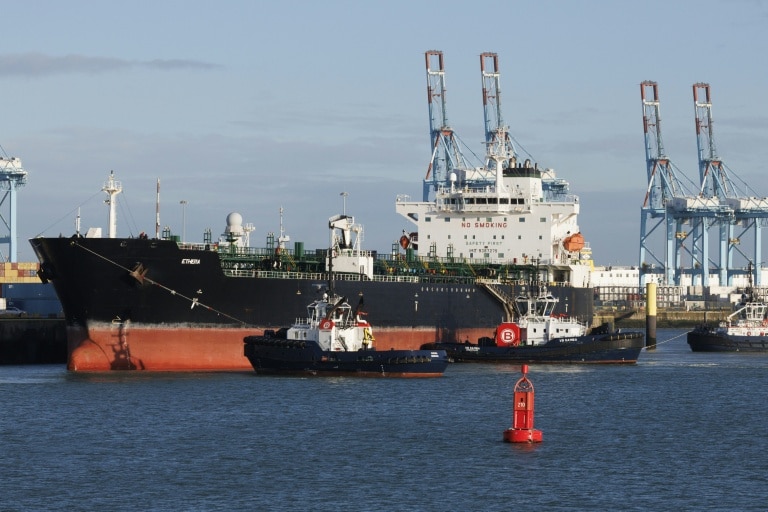
  • 16 Indian ship crew members detained in Iran; family appeals to PM Modi

    16 Indian ship crew members detained in Iran; family appeals to PM Modi

    The United States has intensified its diplomatic and economic pressure on Iran by imposing sanctions on key security officials implicated in the violent suppression of domestic protests. Concurrently, escalating tensions along Israel’s northern border culminated in the Israeli military executing targeted strikes against Hezbollah positions within Lebanese territory.

    The U.S. Treasury Department’s Office of Foreign Assets Control (OFAC) designated multiple Iranian leaders for their roles in the government’s crackdown on widespread civil unrest. These sanctions specifically target commanders within the Islamic Revolutionary Guard Corps (IRGC) and Iran’s Law Enforcement Forces (LEF), effectively freezing any U.S.-based assets and prohibiting American entities from conducting business with them. This action represents a direct response to allegations of severe human rights abuses against demonstrators.

    In a separate but regionally linked development, the Israeli Defense Forces (IDF) launched aerial and artillery assaults on what they identified as Hezbollah military infrastructure across several areas in southern Lebanon. Israeli authorities stated the operation was a retaliatory measure against repeated cross-border attacks and was aimed at neutralizing imminent threats. The strikes targeted launch sites, observation posts, and other assets belonging to the Iranian-backed militant group.

    Analysts observe that these simultaneous events highlight the volatile and interconnected nature of security dynamics in the Middle East. The U.S. sanctions underscore a continued strategy of confronting Iranian aggression both domestically and through its proxy networks, while Israel’s military actions demonstrate a low tolerance for threats on its borders. The situation continues to develop with potential implications for regional stability.