分类: world

  • Pakistanis in UAE, other nations barred from used car imports under ‘personal baggage’ scheme

    Pakistanis in UAE, other nations barred from used car imports under ‘personal baggage’ scheme

    Pakistan has implemented significant restrictions on vehicle imports by its overseas citizens residing in the UAE, Gulf nations, and other countries. The Ministry of Economy has amended its Import Policy Order 2022 through Statutory Regulatory Order (SRO) 61 (I)/2006, effectively eliminating the “personal baggage” scheme for car imports.

    The new regulations now permit vehicle imports exclusively under two categories: “transfer of residence” and “gift schemes.” Vehicles imported through these channels face a mandatory one-year ownership transfer restriction from their import date. Additionally, vehicles brought into Pakistan under the transfer of residence scheme must originate from the same country where the overseas Pakistani resides.

    The policy changes affect approximately 9 million Pakistani diaspora members worldwide, including 5.5 million throughout GCC nations and 1.7 million specifically in the UAE. The ministry has concurrently extended the import timeframe from 700 to 850 days from the date of the last Goods Declaration filing.

    All imported vehicles must now meet minimum safety standards, environmental requirements, and regulatory measures equivalent to those governing commercially imported used vehicles. These standards will be enforced by the Ministry of Industries and Production and the Engineering Development Board.

    The decision follows the Federal Cabinet’s approval of the Economic Coordination Committee’s December 9, 2025 resolution, which authorized the import of used vehicles up to three years old under the revised schemes. This policy shift occurs alongside a 46% increase in domestic car sales during the first half of 2025, with over 13,200 units sold.

  • ‘Utensils for olive oil’: Inside the West Bank’s deepening economic collapse

    ‘Utensils for olive oil’: Inside the West Bank’s deepening economic collapse

    In the occupied West Bank, a disturbing new economic reality has emerged as Palestinian families resort to trading household possessions for basic sustenance. What began as community Facebook groups for exchanging surplus items has transformed into a digital marketplace of desperation, where mothers now offer furniture, children’s clothing, and kitchenware in exchange for olive oil and za’atar—staples that have become symbols of deepening poverty.

    The economic collapse, accelerating since October 2023, represents what economist Dr. Haitham Oweida describes as “voluntary economic displacement” affecting all societal layers. With unemployment reaching 28% and GDP contracting by 13%, the territory faces a hunger crisis defined by consistent inability to secure nutritious food rather than total deprivation.

    Three primary economic pillars have crumbled simultaneously: the loss of 200,000 Palestinian workers from Israeli employment (eliminating $460 million monthly income), the collapse of domestic tourism from Palestinian citizens of Israel (another $460 million monthly loss), and the instability of clearance revenues from Israel to the Palestinian Authority ($260-310 million monthly). International aid has simultaneously declined to approximately $740 million annually.

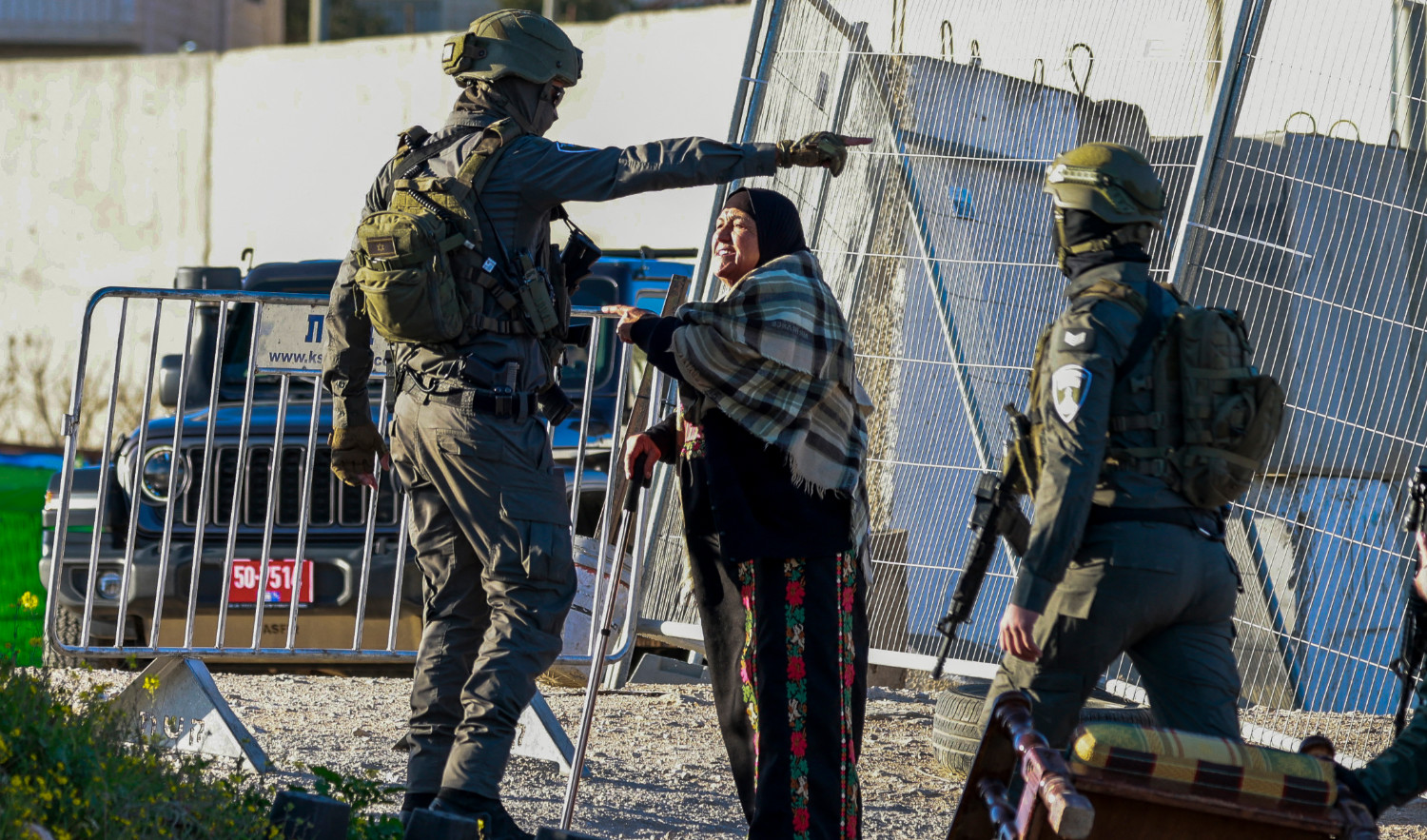
    The consequences are starkly visible in both macroeconomic indicators and human tragedy. Palestinian workers now risk their lives daily attempting to cross separation barriers, with 38 confirmed deaths and over 1,500 injuries reported since October 2023—though actual numbers are believed higher due to underreporting.

    One such casualty was Jihad Qazmar, 58, who told his brother before his fatal attempt: “I have no choice left but to beg for my family’s food outside mosques.” Similarly, Salim Rajab al-Far perished after being detained and beaten by Israeli soldiers during a crossing attempt, leaving behind a wife and seven children who had exhausted all savings and sold jewelry before his final journey.

    As military checkpoints increased to 898 alongside 300 military gates according to UN OCHA, internal movement and trade remain largely paralyzed. The Palestinian Authority struggles to pay full public-sector salaries while approximately 50% of private-sector institutions report significant operational impacts. With no effective government intervention in sight, families continue trading their last possessions simply to survive another day.

  • US completes first Venezuelan oil sales valued at $500 million, US official says

    US completes first Venezuelan oil sales valued at $500 million, US official says

    The United States has successfully concluded its inaugural petroleum transaction with Venezuela, marking a significant milestone in the recently established $2 billion energy agreement between the two nations. According to a senior U.S. administration official who spoke with Reuters on Wednesday, this initial sale represents approximately $500 million in value, with subsequent transactions anticipated throughout the coming weeks.

    The revenue generated from these oil sales is being securely held within U.S. government-controlled banking institutions, as mandated by an official order issued on Friday. Financial industry sources reveal that the primary escrow account has been established in Qatar, strategically selected as a neutral financial jurisdiction that facilitates secure fund transfers with American oversight while minimizing risks of asset seizure.

    This development follows the broader bilateral arrangement reached earlier this month between the administrations in Caracas and Washington, representing a notable shift in energy diplomacy between the historically opposed nations. The selection of Qatar as the financial intermediary highlights the complex international dimensions of this economic relationship, with the Gulf nation providing a mutually acceptable banking solution that satisfies both parties’ security requirements.

    The completion of this transaction was initially reported by Semafor, with subsequent confirmation from U.S. officials indicating that the framework for additional petroleum sales under the $2 billion agreement is now operational.

  • Myanmar begins defence in landmark genocide case at UN court

    Myanmar begins defence in landmark genocide case at UN court

    In a landmark legal confrontation at the International Court of Justice (ICJ), Myanmar has vigorously refuted accusations of genocide against the Rohingya minority, asserting that The Gambia’s case lacks substantiating evidence. Government representative Ko Ko Hlaing defended Myanmar’s military operations in Rakhine State as necessary counter-insurgency measures against terrorist threats, rejecting characterization as ethnic cleansing.

    The legal proceedings, initiated by The Gambia in 2019 with backing from the 57-nation Organisation of Islamic Cooperation, center on alleged violations of the 1948 UN Genocide Convention. Gambian Foreign Minister Dawda Jallow previously argued that Myanmar implemented ‘genocidal policies’ intended to erase the Muslim minority, citing systematic persecution, village destruction, and mass casualties during the 2017 military crackdown that forced over 700,000 refugees into Bangladesh.

    Myanmar’s defense acknowledged the humanitarian consequences but maintained that operational necessities justified the clearance campaigns. Hlaing emphasized Myanmar’s commitment to repatriating Rohingya from overcrowded Bangladeshi camps while blaming external factors like COVID-19 for delayed progress. He warned that a genocide ruling would inflict permanent damage to Myanmar’s international standing.

    The case represents the first major genocide hearing at the ICJ in over a decade and is anticipated to establish precedent for ongoing cases, including South Africa’s proceedings against Israel regarding Gaza. Closed sessions featuring testimony from Rohingya survivors will precede a final ruling expected in late 2026. The outcome will refine legal interpretations of genocidal intent under international law.

  • UAE condemns attack in Chad after several members of armed forces killed

    UAE condemns attack in Chad after several members of armed forces killed

    The United Arab Emirates has issued a formal condemnation of a deadly terrorist assault targeting Chadian military personnel in the nation’s southern region. The attack, executed by an unidentified armed faction, resulted in numerous casualties among security forces members.

    In an official communiqué released by the Ministry of Foreign Affairs, the Emirates government articulated its vehement disapproval of these violent acts, characterizing them as criminal offenses that fundamentally contradict international peace and security norms. The statement further reaffirmed the UAE’s categorical rejection of all manifestations of extremism and terrorism, emphasizing their destabilizing impact on regional security architectures.

    The diplomatic correspondence extended profound sympathies and official condolences to both the bereaved families of deceased service members and the broader Chadian population. Additionally, the UAE government conveyed earnest wishes for the prompt and complete recovery of those injured during the hostilities.

    This development occurs amidst increasing security challenges in the Sahel region, where multiple nations continue grappling with insurgent activities by non-state armed groups. The UAE’s pronouncement underscores its consistent foreign policy stance against transnational terrorism and its humanitarian commitment to conflict-affected nations.

  • Tears and anger in Europe as exiled Iranians protest government crackdown

    Tears and anger in Europe as exiled Iranians protest government crackdown

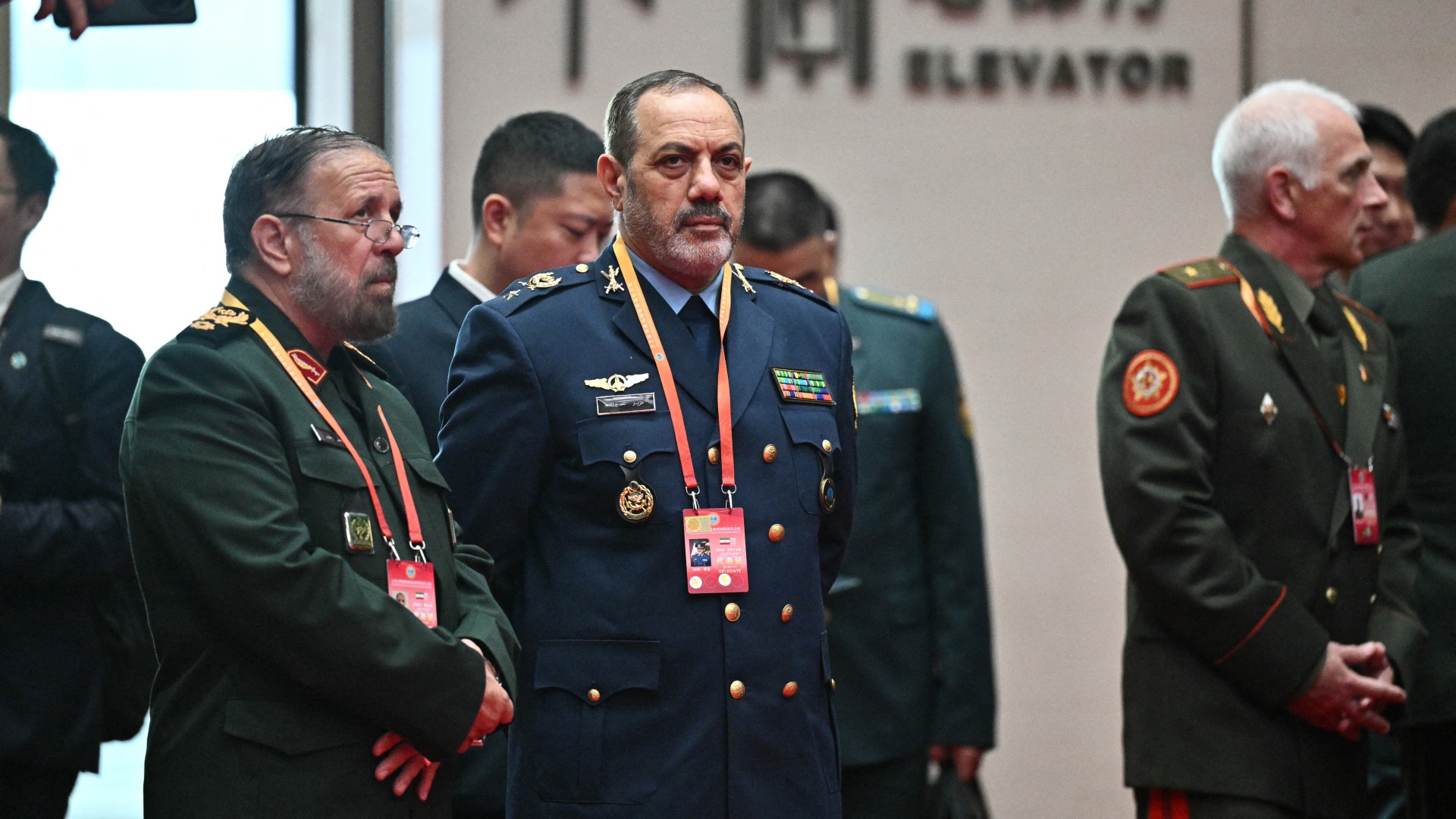
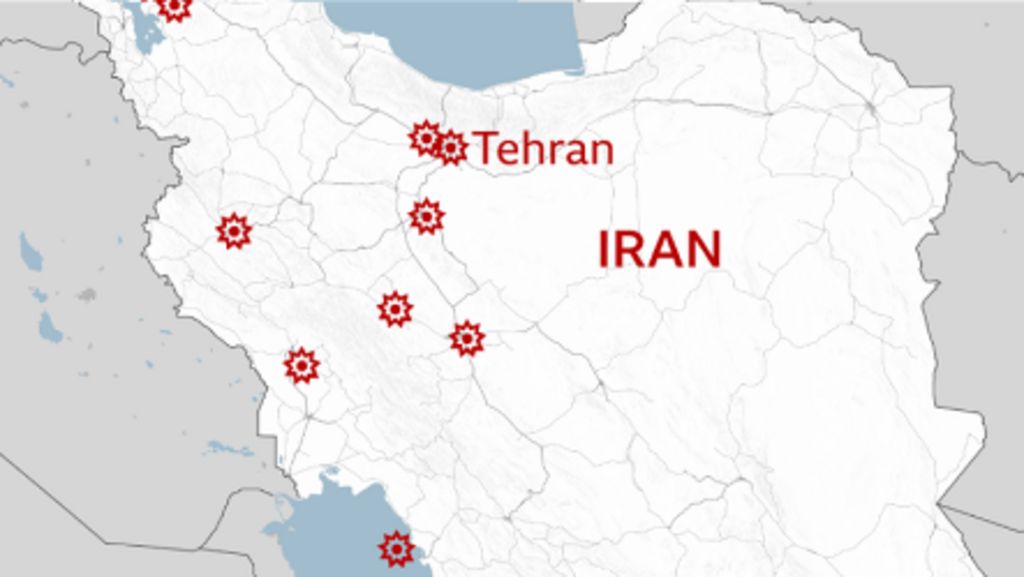
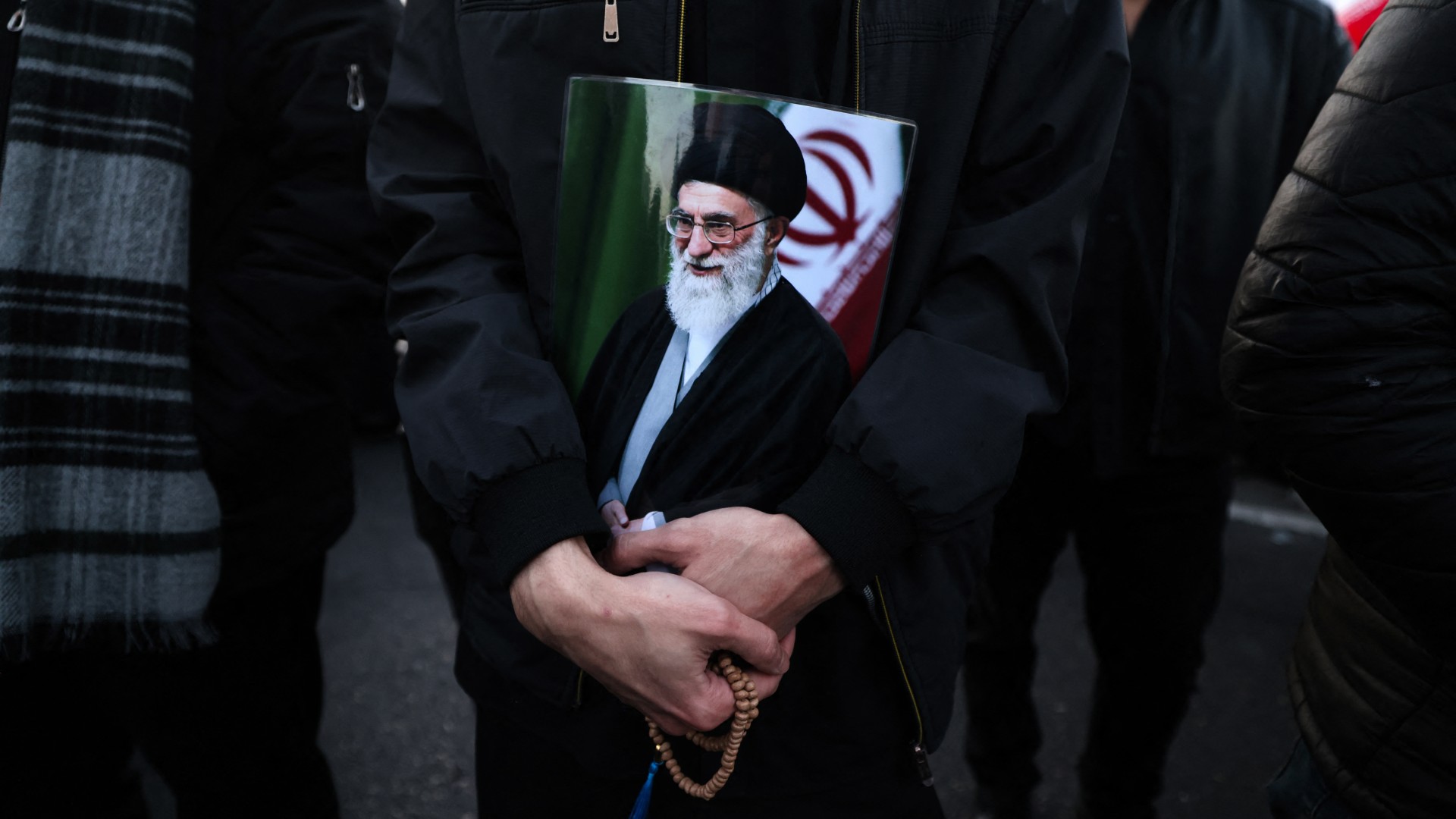
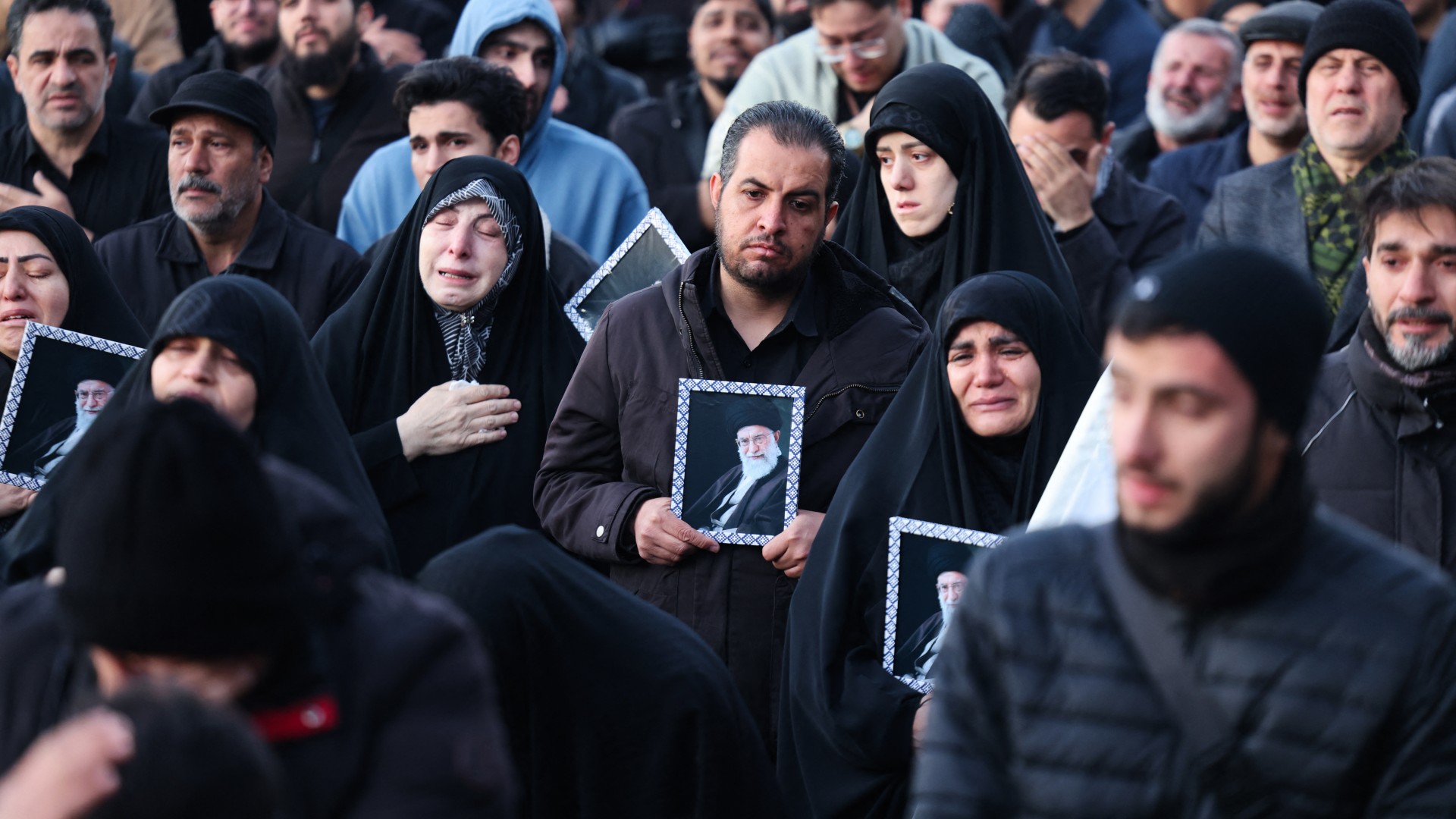
    Across European capitals, exiled Iranians are mobilizing in sustained protests against Tehran’s theocratic regime, channeling collective fury over its violent suppression of domestic demonstrations. The movement has taken particular root in Berlin, home to one of Europe’s largest Iranian expatriate communities, where daily rallies amplify demands for regime change.

    At the forefront are women like Anahita Safarnejad, 34, who seven years ago fled Iran for academic pursuits but now divides her time between bartending and activism. From atop a moving truck during a recent Berlin march, she galvanized hundreds with chants of ‘No more dictatorship in Iran, the mullahs must go!’—a sentiment reverberating through Iranian diasporas from London to Paris.

    The protests erupt against a grim backdrop: Iran’s regime has imposed near-total internet blackouts and communication restrictions, severing exiles from relatives amid reports of thousands killed in crackdowns. This information vacuum fuels agonizing uncertainty, with participants like Safarnejad scouring social media for glimpses of missing family members among casualty footage.

    Beyond street demonstrations, cultural hubs like Berlin’s Hedayat Cafe have evolved into informal sanctuaries for processing trauma. Proprietor Mehregan Maroufi, daughter of late Iranian author Abbas Maroufi, observes that many patrons are too overwhelmed for conversation yet find solace in shared presence. Her establishment serves as both refuge and incubator for political visions of post-theocratic Iran.

    Those visions remain fractious. While protesters universally demand an end to clerical rule, proposed alternatives range from constitutional monarchy under Reza Pahlavi (son of the deposed shah) to decentralized parliamentary models. This ideological diversity reflects deeper debates about avoiding personality cults and ensuring inclusive representation in any future government.

    Despite diverging on endpoints, protesters unite in immediate demands: restoring communication channels, ending state violence, and establishing democratic governance. Their sustained mobilization—fueled equally by hope and horror—signals a pivotal moment in four decades of opposition from abroad.

  • Germany returns stolen fragments of Bayeux Tapestry to France

    Germany returns stolen fragments of Bayeux Tapestry to France

    In a significant act of historical restitution, Germany has formally repatriated two small fragments of the renowned Bayeux Tapestry to France. The pieces of unembroidered linen fabric, each measuring just a few centimeters, were stolen during the Nazi occupation of France in 1941.

    The fragments were discovered unexpectedly in 2023 by historians conducting an inventory at the state archives in Schleswig-Holstein, northern Germany. They were found among the collection of the late German textile specialist Karl Schlabow, preserved on a glass plate with identifying documentation. Schlabow, who died in 1984, had been sent to Bayeux as part of a Nazi SS research team studying Germany’s so-called ‘ancestral heritage’—a project steeped in racist and antisemitic ideology.

    Rainer Hering, head of the Schleswig-Holstein archive, presented the fragments to the mayor of Bayeux on Thursday, stating it was ‘obvious’ that these culturally significant artifacts, taken by the Nazis 85 years earlier, must be returned to France. The fragments are believed to have been removed from the underside of the tapestry.

    The Bayeux Tapestry itself is a massive 70-meter (230-foot) embroidery that vividly depicts the Norman conquest of England in 1066, including William the Conqueror’s seizure of the English throne from Harold Godwinson at the Battle of Hastings. The work features 58 scenes spanning two decades of history, with 626 characters and 202 horses.

    This restitution comes as the complete tapestry prepares for a controversial loan to the British Museum in London scheduled for September. The move has faced substantial opposition, with over 77,000 people signing a petition citing the artwork’s fragility. Prominent UK artist David Hockney has called the transportation plan ‘madness,’ asserting that ‘some things are too precious to take a risk with.’

    In response, the British Museum has vowed to implement stringent protective measures, backed by an unprecedented £800 million insurance policy from the UK government. Recognized for its immense historical value to both British and French heritage, the Bayeux Tapestry was inscribed on UNESCO’s ‘Memory of the World’ register in 2007.

  • More than 100 dead in torrential rain and floods across southern Africa

    More than 100 dead in torrential rain and floods across southern Africa

    Southern Africa is confronting a severe humanitarian crisis as relentless torrential rains have triggered catastrophic flooding across multiple nations, resulting in a confirmed death toll exceeding 100 individuals. The disaster has inflicted widespread devastation in South Africa, Mozambique, and Zimbabwe, with authorities issuing urgent warnings of impending severe weather conditions.

    In South Africa, the calamity has claimed at least 19 lives, primarily in the northern Limpopo and Mpumalanga provinces. President Cyril Ramaphosa, during a visit to the stricken Limpopo region, described scenes of utter destruction, noting one district where 36 houses were completely erased from the landscape. The South African Weather Service has escalated alerts to a red-level 10 warning, anticipating further life-threatening downpours and potential infrastructure collapse.

    The renowned Kruger National Park, spanning approximately 22,000 square kilometers, has been severely compromised. Park authorities have executed helicopter evacuations, rescuing approximately 600 tourists and staff members from flooded camps to higher ground. While the park reported no casualties, extensive damage to roads, bridges, and facilities has forced its complete closure to visitors.

    Neighboring Mozambique faces the most severe impact, with its Disaster Management Institute reporting 103 fatalities from various rain-related incidents including electrocution, drowning, structural collapses, and a cholera outbreak. The World Food Program estimates over 200,000 people have been affected in central and southern regions, with tens of thousands of homes damaged and widespread evacuations underway.

    Zimbabwe’s disaster agency confirmed 70 deaths and the destruction of more than 1,000 homes, alongside critical damage to educational institutions and transportation networks. The crisis has extended to Madagascar, Malawi, and Zambia, where additional fatalities have been reported.

    Meteorologists attribute the extreme weather pattern to the La Niña phenomenon, which historically delivers intensified rainfall to southeastern Africa. The U.S. Famine Early Warning System has noted flooding occurrences or expectations across at least seven nations in the region.

    The compounding disasters have exacerbated existing vulnerabilities. The World Food Program highlighted that over 70,000 hectares of crops in Mozambique have been waterlogged, severely impacting rice and corn production and deepening food insecurity for thousands of subsistence farmers. This event continues a troubling pattern of extreme weather in southern Africa, including recent cyclones and droughts that have strained the region’s resilience and food security.

  • Ukraine’s battered power grid faces unprecedented challenge, energy minister says

    Ukraine’s battered power grid faces unprecedented challenge, energy minister says

    KYIV, Ukraine — Ukraine’s energy infrastructure has sustained devastating damage from systematic Russian attacks, with not a single power plant remaining unscathed since the full-scale invasion began, Energy Minister Denys Shmyhal revealed Friday. The intensification of aerial bombardments during extreme winter conditions has plunged hundreds of thousands into darkness and cold amid temperatures dropping to -18°C (-0.4°F).

    Addressing Parliament, Shmyhal characterized the situation as historically unprecedented, detailing that Russian forces executed 612 targeted strikes against energy facilities throughout the past year. This strategic targeting of critical infrastructure represents what Ukrainian officials describe as Moscow’s deliberate ‘weaponization of winter’ to break national resistance.

    President Volodymyr Zelenskyy concurrently highlighted the critical challenges in securing air defense missiles, disclosing that some systems had been completely depleted until a fresh shipment arrived Friday morning. The acquisition process remains fraught with diplomatic complexities due to allied nations’ stockpile limitations and legal restrictions.

    ‘Amid warfare, what significance do these regulations hold when we desperately require these missiles?’ Zelenskyy questioned during a Kyiv news conference with Czech President Petr Pavel.

    The humanitarian impact has reached crisis proportions. Jaime Wah of the International Federation of Red Cross and Red Crescent Societies described this as ‘the hardest winter since the conflict’s escalation,’ with millions enduring extreme cold without heating or electricity atop years of violence and economic hardship.

    Emergency measures now include relaxed curfews to facilitate access to public heating centers, while businesses face requests to extinguish decorative lighting to conserve scarce power. ‘Prioritize providing energy to the people—this constitutes today’s utmost importance,’ Shmyhal urged.

    Diplomatic movements coincide with the crisis, as a Ukrainian delegation travels to Washington to finalize security guarantees and economic recovery documents. Potential signing could occur at the upcoming World Economic Forum in Davos, where U.S. President Donald Trump is scheduled to appear.

    International support continues with Britain announcing an additional £20 million ($27 million) for energy infrastructure repairs during Deputy Prime Minister David Lammy’s Kyiv visit marking the UK-Ukraine ‘100-year partnership’ anniversary.

    Despite Russia’s military superiority, the conflict remains stalemated along the 1,000-kilometer front line, with Moscow controlling under 20% of Ukrainian territory since 2014.

  • Myanmar tells ICJ Rohingya genocide claims ‘unsubstantiated’

    Myanmar tells ICJ Rohingya genocide claims ‘unsubstantiated’

    Myanmar has formally rejected accusations of genocide against its Rohingya minority at the International Court of Justice (ICJ), labeling the claims as “unsubstantiated” and defending its 2017 military operations as necessary counter-terrorism measures. The case, initiated by The Gambia under the 1948 UN Genocide Convention, represents a critical legal challenge to Myanmar’s actions in Rakhine State.

    Ko Ko Hlaing, a minister in Myanmar’s presidential office, addressed the UN’s highest court in The Hague, arguing that the case must be decided on “proven facts” rather than emotional allegations. He asserted that Myanmar’s armed forces, the Tatmadaw, conducted “clearance operations” in response to coordinated attacks by Rohingya insurgents that killed security personnel, justifying the military response as legitimate national defense.

    The proceedings come after The Gambia’s legal team presented extensive evidence alleging systematic atrocities, including mass rape, indiscriminate killings, and torture, claiming these actions demonstrated “genocidal intent” against the Rohingya population. Approximately 1.17 million Rohingya refugees now reside in overcrowded camps in Bangladesh’s Cox’s Bazar district after fleeing the violence.

    While Myanmar expressed commitment to repatriating refugees from Bangladesh, the ICJ’s final ruling may take years. Although the court lacks enforcement mechanisms, a finding against Myanmar would carry significant political consequences and potentially establish legal precedents affecting other international cases, including those against Israel in Gaza.

    Parallel investigations into alleged Rohingya persecution are underway at the International Criminal Court and in Argentina under universal jurisdiction principles. The ICJ hearings conclude on January 29, after which judges will review victim testimony in closed sessions before deliberating on this landmark international law case.