分类: world

  • Gunmen kill at least 13 people in northern Nigeria, police say

    Gunmen kill at least 13 people in northern Nigeria, police say

    ABUJA, Nigeria — Nigeria’s escalating security crisis manifested in renewed violence this week as separate militant attacks across northern regions resulted in significant casualties, according to official statements released Wednesday.

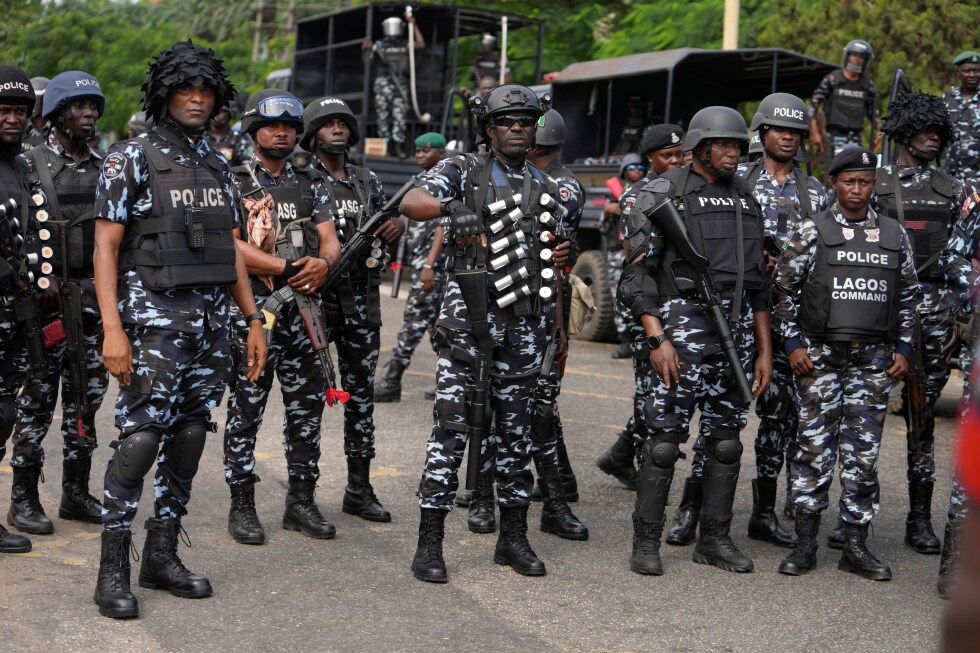
    In northwestern Katsina state, armed assailants wielding dangerous weapons unleashed sporadic gunfire in Doma village within the Faskari area on Tuesday, killing at least 13 civilians. Police spokesman Abubakar Sadiq Aliyu confirmed authorities have launched comprehensive investigations to determine the circumstances and identify perpetrators.

    Simultaneously, north-central Kwara state witnessed devastating violence when armed militants struck Woro and Nuku communities. Governor AbdulRahman AbdulRazaq characterized the assault as a “cowardly expression of frustration by terrorist cells” retaliating against ongoing counterterrorism operations. While official casualty figures remain pending, local media reports indicate the death toll exceeds 30 victims. State police authorities have not yet issued formal statements regarding the Kwara incident.

    This surge in violence occurs amid Nigeria’s multifaceted security emergency, combining persistent Islamic militant insurgencies in northeast territories with rampant kidnapping epidemics across northwestern and north-central regions. The pattern continued last week when extremist factions killed 36 individuals in coordinated assaults on a construction site and military installation in northeastern Nigeria.

    International response to the crisis has intensified, with U.S. Africa Command deploying a specialized military advisory team to Nigeria this week. This development follows December’s American airstrikes against Islamic State-affiliated cells operating within Nigerian territory. The security collaboration unfolds against a complex diplomatic backdrop, including previous tensions between the nations regarding religious protection policies.

  • ‘Notorious Tanzanian drug trafficker’ arrested during raid in Zambia

    ‘Notorious Tanzanian drug trafficker’ arrested during raid in Zambia

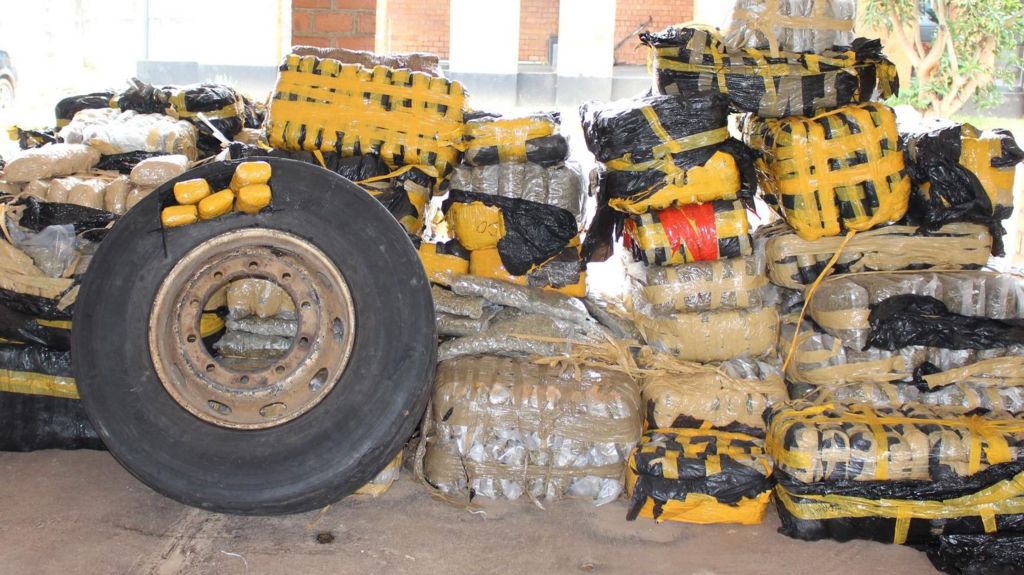
    Zambian law enforcement authorities have apprehended a high-profile Tanzanian narcotics trafficker in a significant intelligence-driven operation targeting transnational drug networks. Ahmed Muharram, identified as a notorious kingpin long monitored by the Drug Enforcement Commission (DEC), was captured in Lusaka alongside multiple accomplices.

    The coordinated raids, executed on Tuesday, yielded substantial drug seizures including 1,380.8 kilograms of high-grade cannabis discovered in multiple locations. Authorities revealed that 221.2kg was initially found concealed within a commercial vehicle in the Lilayi district, with an additional 1,159.6kg uncovered during a subsequent search of Muharram’s residential property in the same area.

    In parallel operations, DEC officers arrested several other suspects involved in sophisticated trafficking schemes. These included a Zambian national apprehended with 55 boxes of codeine-based cough syrup, two additional Zambians transporting cannabis in their vehicle, and two Burundian nationals caught at the Chirundu border crossing with drugs hidden in innovative concealment methods. The contraband was discovered inside spare tire compartments, gas compressors, and mixed with household substances like sugar, salt, and paint within sealed containers.

    DEC officials emphasized that Muharram’s arrest represents a major breakthrough in combating organized drug trafficking in the region. The suspect, who has remained silent since his detention, faces serious charges under Zambian narcotics legislation that prohibits possession, trafficking, and use of dangerous drugs including cannabis. Penalties upon conviction may include substantial fines or imprisonment.

    The commission reaffirmed its commitment to preventing Zambia from being utilized either as a transit corridor or destination for international drug trafficking operations. All detained suspects remain in lawful custody awaiting formal court proceedings.

  • Chinese Ambassador Xie Feng: Youth exchanges can instill vitality

    Chinese Ambassador Xie Feng: Youth exchanges can instill vitality

    Chinese Ambassador to the United States Xie Feng has emphasized the critical role of youth engagement in fostering bilateral relations between the two nations. Speaking at the 2026 China-US Youth Spring Festival Gala hosted by the Chinese Embassy in Washington on January 31st, Ambassador Xie articulated that cross-cultural exchanges among young people serve as a fundamental catalyst for mutual understanding and diplomatic vitality.

    The ambassador’s address highlighted how educational and cultural interactions between American and Chinese students create lasting foundations for international cooperation. Xie Feng noted that such exchanges allow emerging leaders from both countries to develop firsthand appreciation for each other’s cultures, values, and perspectives beyond governmental dialogues.

    This event, organized as part of Lunar New Year celebrations, brought together hundreds of students, educators, and cultural representatives from both nations. The gala featured traditional performances, cultural exhibitions, and networking opportunities designed to facilitate meaningful connections between participants.

    Ambassador Xie’s remarks come at a time of complex diplomatic relations between Washington and Beijing, positioning youth diplomacy as an essential channel for maintaining open communication. The Chinese Embassy has increasingly prioritized such cultural initiatives as part of its broader efforts to sustain people-to-people connections regardless of political climate fluctuations.

    The 2026 gathering represents a continuation of pre-pandemic exchange traditions that had been temporarily suspended, signaling a renewed commitment to educational diplomacy. Both governments have acknowledged the importance of such programs in developing future leaders who can navigate the complexities of Sino-American relations with cultural competence and mutual respect.

  • The US and UN launch a humanitarian fund with $700 million for war-ravaged Sudan

    The US and UN launch a humanitarian fund with $700 million for war-ravaged Sudan

    In a coordinated international response to Sudan’s escalating humanitarian catastrophe, the United States and United Nations have jointly established a new Sudan Humanitarian Fund with initial contributions totaling $700 million. The United Arab Emirates pledged $500 million while the United States committed $200 million toward the initiative, drawing from a $2 billion global humanitarian assistance fund established late last year.

    The fundraising event, co-hosted in Washington by U.N. humanitarian chief Tom Fletcher and U.S. senior adviser for Arab and African affairs Massad Boulos, aimed to galvanize global support for Sudan’s war-ravaged population. Saudi Arabia and several other nations indicated they would make additional pledges, though specific amounts remain undisclosed.

    Fletcher, who heads the U.N. Office for the Coordination of Humanitarian Affairs (OCHA), emphasized the urgency of the situation, setting the beginning of Ramadan on February 17 as a target date for demonstrating tangible progress. “Today we are signaling that the international community will work together to bring this suffering to an end,” Fletcher stated during the event.

    The humanitarian crisis stems from the ongoing power struggle between Sudan’s military and the Rapid Support Forces paramilitary group, which has plunged the nation into conflict since 2023. UN estimates indicate at least 40,000 fatalities, though actual numbers are believed to be significantly higher.

    This conflict has created the world’s largest displacement crisis, forcing over 14 million people from their homes and triggering famine declarations across multiple regions. Recent fighting has concentrated in the Kordofan regions following the RSF’s capture of el-Fasher, one of the military’s last strongholds in Darfur.

    In a concerning development, the RSF launched a drone attack on Tuesday that struck a medical center in Kadugli, killing 15 people including seven children according to the Sudan Doctors Network. This occurred despite the military’s recent gains in breaking the RSF’s siege of Kadugli and reopening a crucial supply route to the neighboring town of Dilling.

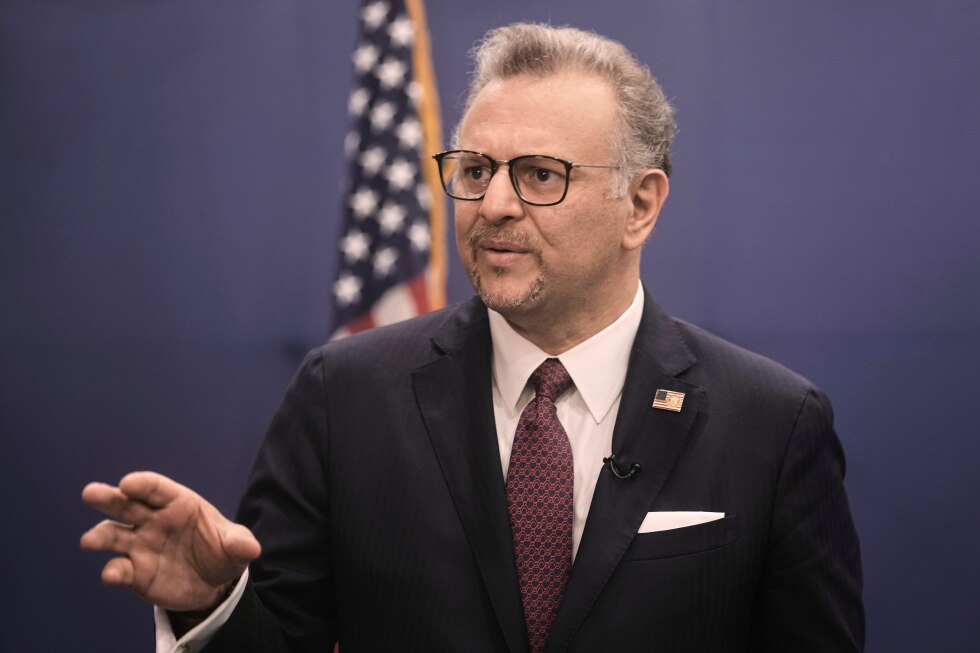
    Boulos revealed that the U.S. has presented a “comprehensive proposal” for a humanitarian truce that could be finalized within weeks, offering potential relief to millions facing starvation and violence.

  • Israel strikes Gaza, killing 21 including women and children, after saying Hamas violated deal

    Israel strikes Gaza, killing 21 including women and children, after saying Hamas violated deal

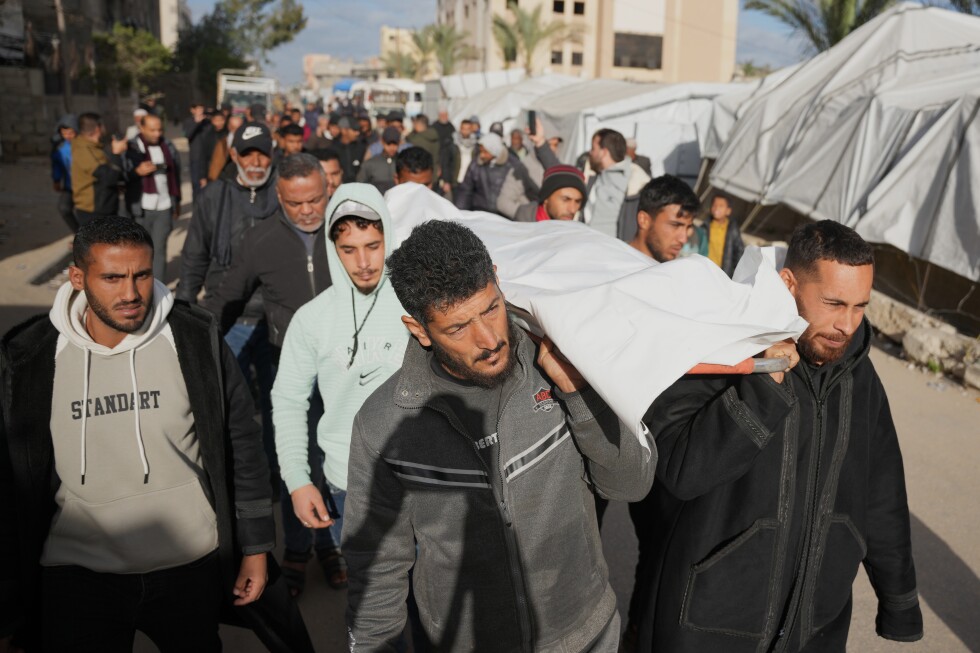
    Israeli military operations resumed with intensity across Gaza on Wednesday, resulting in at least 21 Palestinian fatalities including five children and seven women, according to hospital authorities. The strikes targeted multiple locations including the Tuffah neighborhood and Khan Younis, where residential structures and temporary shelters were hit.

    The violence represents the most significant breach of the October ceasefire agreement to date, with Palestinian health officials reporting 556 deaths since the truce began. Among the casualties were two infants from the Khabbaz family—10-day-old Wateen and 5-month-old Mira—killed alongside their grandmother in a single strike. Hussein Hassan Hussein al-Semieri, an on-duty paramedic, also perished in the attacks.

    Israeli military officials, speaking anonymously, justified the operations as responses to militant gunfire that seriously wounded one reservist soldier earlier Wednesday. This pattern of response has characterized the fragile ceasefire period, with both sides accusing the other of violations.

    The humanitarian situation at the Rafah border crossing remains problematic despite its recent reopening. Only 40 Palestinians managed to cross into Gaza throughout Tuesday, with three women reporting being blindfolded, handcuffed, and interrogated by Israeli forces for several hours. European Union officials monitoring the crossing acknowledged operational challenges but denied knowledge of specific mistreatment incidents.

    While some ceasefire provisions have advanced—including hostage exchanges and increased aid delivery—key elements like international security deployment and reconstruction efforts have stalled. The United States has provided no timeline for implementing these critical components, leaving Gaza’s future governance uncertain amid continuing violence.

  • Russian attacks on Ukraine energy sites ‘particularly depraved’, UK PM Starmer says

    Russian attacks on Ukraine energy sites ‘particularly depraved’, UK PM Starmer says

    As temperatures plummeted to -20°C (-4°F), Russia resumed its devastating assault on Ukraine’s energy infrastructure Monday night, ending a brief week-long humanitarian pause. The attacks targeted power plants and critical facilities across Kyiv and other regions, creating what UK Prime Minister Sir Keir Starmer described as ‘barbaric’ and ‘particularly depraved’ acts.

    The renewed offensive came despite diplomatic efforts by former US President Donald Trump, who had previously secured a temporary cessation of hostilities from Russian President Vladimir Putin. Trump acknowledged that Putin had technically ‘kept his word’ by observing a seven-day pause before resuming attacks, noting ‘we’ll take anything, because it’s really, really cold over there.’

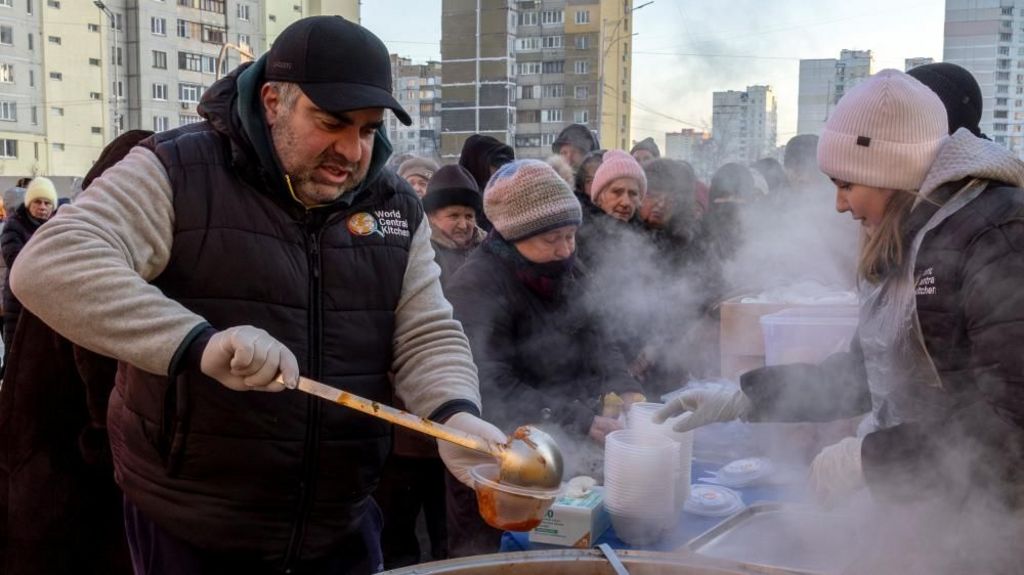
    Kyiv now faces an unprecedented humanitarian crisis with over 1,000 apartment blocks without heating and extensive damage to energy facilities, including a power plant in Kharkiv rendered beyond repair. Residents have been forced to seek refuge in metro stations, with some erecting tents on platforms for protection against the freezing conditions.

    Municipal authorities are responding by establishing communal heating centers and importing additional generators to manage prolonged blackout periods while engineers attempt repairs. Ukraine continues to highlight critical shortages in missile defense systems, with NATO Secretary-General Mark Rutte urging member states to ‘dig deep in their stockpiles’ during his emergency visit to Kyiv.

    Parallel diplomatic efforts continue as US envoys Steve Witkoff and Jared Kushner meet with Russian and Ukrainian negotiators in Abu Dhabi to discuss a US-proposed peace deal. The most contentious issue remains Russia’s demand for Ukraine to cede remaining territories in the Donbas region not currently under Moscow’s control.

  • UN Security Council condemns the latest militant attacks in Pakistan that killed dozens

    UN Security Council condemns the latest militant attacks in Pakistan that killed dozens

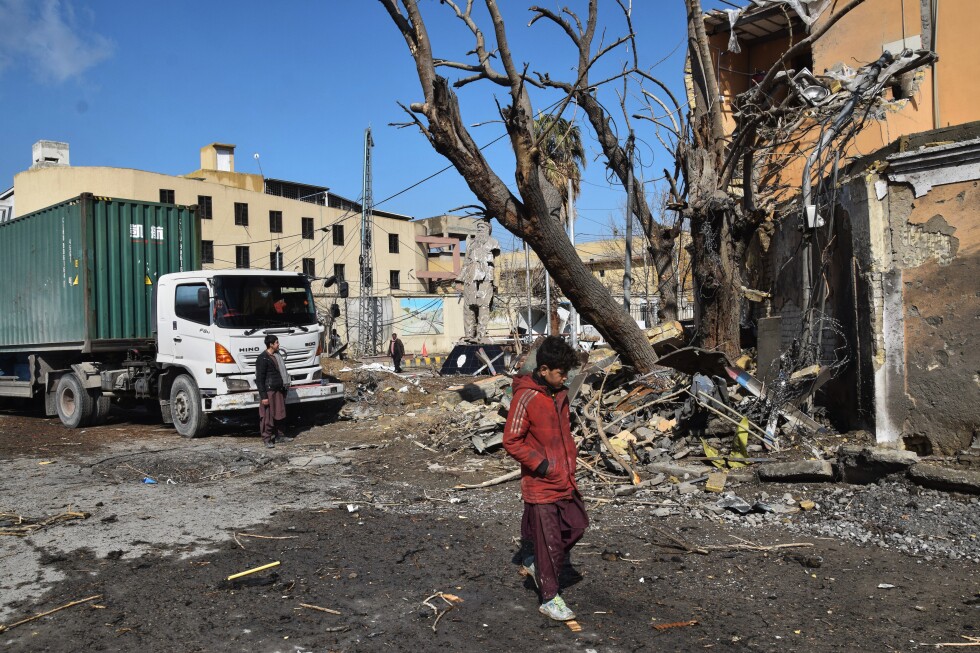
    The United Nations Security Council has issued a forceful condemnation of a devastating wave of militant assaults in Pakistan’s southwestern Balochistan province, which resulted in significant civilian and security force casualties. This strong rebuke comes as Pakistani military operations intensify against insurgent factions in the volatile region.

    According to official statements from federal and provincial authorities, the coordinated offensive, which commenced last Saturday, specifically targeted both civilian populations and installations housing police and security personnel. The initial death toll reports indicate at least 36 non-combatants and 17 members of the security forces lost their lives in the attacks.

    In response, Pakistani security forces launched a comprehensive counter-insurgency campaign, reporting the elimination of 197 militants affiliated with the proscribed Baloch Liberation Army (BLA). This group has publicly claimed responsibility for the recent series of suicide bombings and armed assaults.

    UN Security Council President James Kariuki released an official statement characterizing the multi-location attacks as ‘heinous and cowardly terrorist acts.’ The Council extended its profound sympathies to the families of the victims, the Pakistani government, and its citizens.

    The province of Balochistan has been the epicenter of a long-standing separatist movement, with ethnic Baloch groups engaging in an insurgency seeking either greater regional autonomy or complete independence from the central government in Islamabad. While Pakistani officials have repeatedly declared the insurgency to be largely suppressed, the persistence of violent episodes demonstrates the ongoing challenges in achieving lasting stability in the region.

  • US-Iran drone encounter clouds prospects for talks

    US-Iran drone encounter clouds prospects for talks

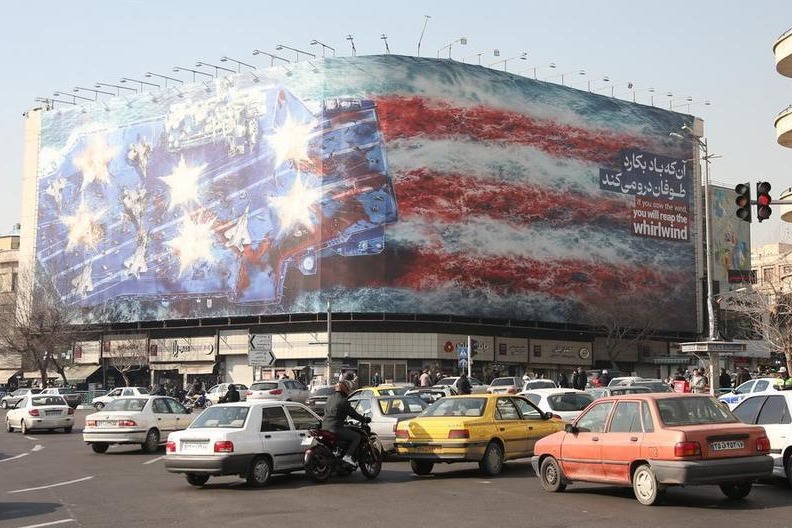
    A tense aerial encounter between US and Iranian forces in international waters has cast uncertainty over upcoming diplomatic talks between the longstanding adversaries. The incident occurred Tuesday when a US F-35C fighter jet shot down an Iranian Shahed-139 drone that the US Central Command stated had “aggressively approached” the USS Abraham Lincoln aircraft carrier approximately 800 kilometers from Iran’s coastline.

    The US military characterized the engagement as “an act of self-defense” necessitated by the drone’s “unnecessary maneuvering” toward the carrier. No American personnel were injured nor equipment damaged during the confrontation.

    Iranian media presented a contrasting narrative, with Fars news agency reporting their drone had successfully completed a “surveillance mission” in international waters, monitoring military movements and transmitting real-time data to ground bases. Simultaneously, Tasnim news agency acknowledged Iran had lost contact with one of its drones, with the cause under investigation.

    The aerial confrontation comes amid fragile diplomatic overtures. Iranian President Masoud Pezeshkian announced he had instructed the Foreign Ministry to pursue “fair and equitable” negotiations with the United States, responding to a proposal from US President Donald Trump that regional governments had urged Iran to consider. Pezeshkian emphasized any talks must occur within a framework of “dignity, prudence and expediency.”

    Diplomatic preparations face multiple complications. While Turkey has offered mediation services, Iran reportedly prefers Oman as a venue and favors direct bilateral talks rather than a broader format involving Arab and Muslim states. The diplomatic initiative has also drawn resistance from Israel, with Prime Minister Benjamin Netanyahu’s office asserting Iran “has repeatedly demonstrated it cannot be trusted to keep its promises.” Israeli officials are reportedly seeking US assurances of “operational freedom of action” against Iran and pressing for complete cessation of Tehran’s ballistic missile program and uranium enrichment.

    Further complicating the diplomatic landscape, Iran faces renewed tensions with the European Union following the bloc’s designation of the Islamic Revolutionary Guard Corps as a terrorist organization. Tehran responded by labeling EU militaries as “terrorist groups” and summoned EU ambassadors to protest the move.

    Domestically, Iranian authorities announced the arrest of 139 foreign nationals in Yazd during recent anti-government protests that began in response to currency depreciation but escalated into violent clashes. Tehran has consistently blamed the United States and Israel for instigating the unrest.

  • Bangladesh’s Hindu minority in fear as attacks rise and a national election nears

    Bangladesh’s Hindu minority in fear as attacks rise and a national election nears

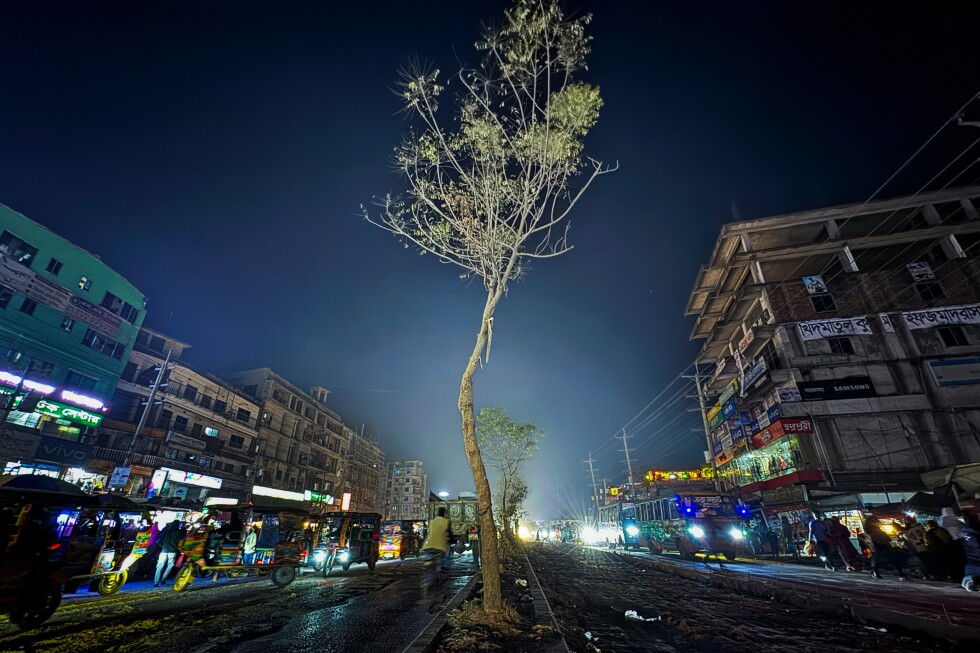
    In Bangladesh, escalating violence against religious minorities has created an atmosphere of pervasive fear as the nation approaches critical elections. The brutal killing of 27-year-old Hindu garment worker Dipu Chandra Das in December exemplifies the crisis—accused by Muslim colleagues of blasphemy, he was beaten to death, hanged from a tree, and set ablaze by a violent mob.

    This incident triggered widespread protests across Dhaka and other cities, with demonstrators demanding justice and enhanced protections. The interim government under Muhammad Yunus initiated an investigation resulting in approximately a dozen arrests. However, human rights organizations and Hindu leaders maintain this represents not an isolated event but a systematic pattern of violence fueled by rising polarization, resurgent Islamist influence, and a culture of impunity.

    Statistical evidence reveals alarming trends: The Bangladesh Hindu Buddhist Christian Unity Council has documented over 2,000 communal violence incidents since the ousting of former Prime Minister Sheikh Hasina in August 2024. These include at least 61 killings, 28 gender-based violence cases including rapes, and 95 attacks on places of worship involving vandalism, looting, and arson.

    The political landscape has significantly contributed to the crisis. With Hasina’s Awami League barred from elections and her exile in India, Hindus—historically perceived as aligned with her party—face increased vulnerability. The reemergence of Jamaat-e-Islami, Bangladesh’s largest Islamist party, alongside its student wing National Citizen Party, has further intensified tensions. Although these groups have attempted image rehabilitation through symbolic gestures like nominating Hindu candidates, analysts consider these moves largely superficial.

    The violence has transcended national borders, inflaming diplomatic tensions with India. New Delhi has accused Bangladesh of minimizing what it terms ‘disturbing patterns of recurring attacks,’ while Dhaka characterizes Indian criticism as systematic anti-Bangladesh sentiment. The dispute has expanded to include visa service suspensions and even affected sporting events, including cricket tournaments.

    For affected families like Das’s relatives in Mymensingh district, the trauma remains profound. As his mother Shefali Rani Das demands justice for her son’s horrific killing, the broader Hindu community confronts what human rights activist Ranjan Karmaker describes as ‘an existential crisis’ with many fearing the upcoming elections may unleash even greater violence.

  • Hong Kong firm begins arbitration proceedings over ruling against its Panama Canal port contract

    Hong Kong firm begins arbitration proceedings over ruling against its Panama Canal port contract

    Hong Kong-based conglomerate CK Hutchison Holdings has initiated international arbitration proceedings against Panama following a controversial Supreme Court decision that invalidated its subsidiary’s concession to operate ports along the vital Panama Canal. The legal escalation marks a significant deterioration in diplomatic relations and highlights growing geopolitical tensions in the region.

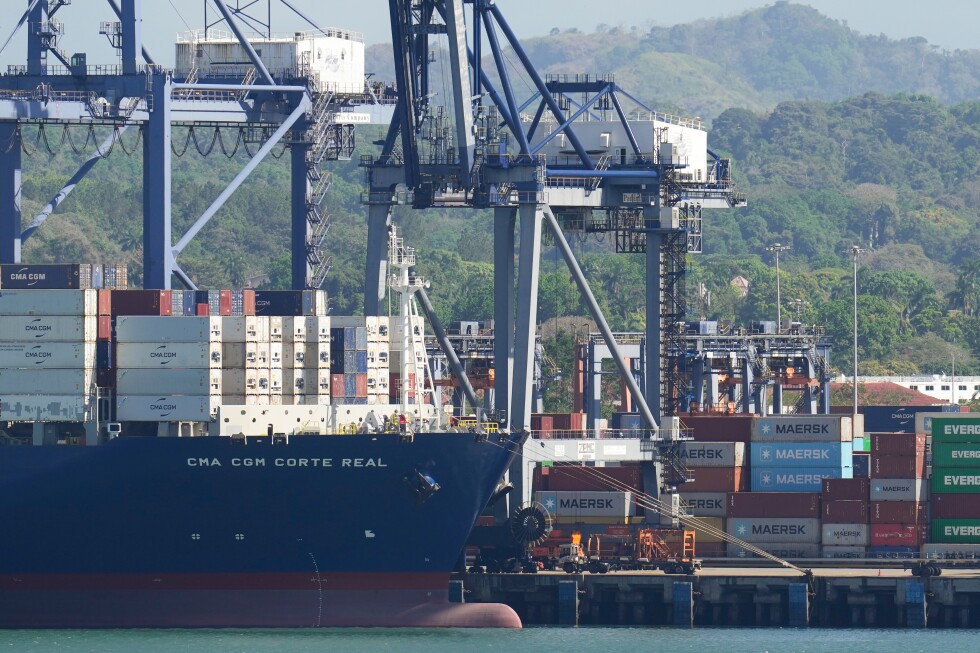
    The dispute centers on Panama Ports Company, a Hutchison subsidiary that has managed terminal operations at both Atlantic and Pacific entrances to the strategic waterway since 1997. Last week’s Panamanian court ruling, which declared the operating concession unconstitutional, has drawn fierce condemnation from Chinese authorities who warned of substantial political and economic consequences should Panama maintain its position.

    China’s Hong Kong Affairs Office issued a strongly-worded statement via WeChat, characterizing the judicial decision as “legally groundless and ridiculous” while accusing Panamanian authorities of capitulating to “hegemonic powers”—an apparent reference to United States influence. The statement emphasized China’s “sufficient means and tools” to protect its interests within the international economic order.

    The arbitration proceedings, filed under the rules of the International Chamber of Commerce’s Paris-based International Court of Arbitration, introduce new complexity to Hutchison’s pending $4 billion port asset sale to a consortium including BlackRock’s Global Infrastructure Partners. The transaction has already faced scrutiny from Chinese anti-monopoly regulators amid worsening US-China relations.

    Panamanian President Laurentino Cortizo has sought to reassure citizens regarding uninterrupted port operations, while US officials including Senator Marco Rubio have characterized port management as a national security concern. The situation places CK Hutchison—controlled by Hong Kong billionaire Li Ka-shing’s family—in a delicate position between Beijing’s expectations and Western geopolitical interests.