分类: world

  • Supply chains and China’s Hormuz imperative

    Supply chains and China’s Hormuz imperative

    While maritime tensions in East Asia frequently dominate energy security discussions, a deeper structural examination reveals that Asia’s economic stability hinges thousands of miles westward in the Persian Gulf. As geopolitical alliances continue evolving through 2026, China’s industrial expansion remains fundamentally tethered to the stability and accessibility of this critical region.

    The emerging ‘Hormuz Imperative’—distinct from the more commonly referenced ‘Malacca Dilemma’—illustrates how the East Asian consumer-West Asian producer relationship has matured into an intricate security complex. Within this framework, external pressures on energy flows don’t merely target suppliers but expose strategic vulnerabilities of the world’s largest energy importer. Market data and energy flow analysis confirm that Strait of Hormuz stability represents not just a regional concern but a macroeconomic necessity for Beijing.

    China’s crude oil imports maintained historic peaks in late 2025, averaging over 13.18 million barrels daily. Despite substantial renewable energy investments, China’s industrial base—particularly petrochemical and heavy transport sectors—retains structural dependence on hydrocarbon imports. Approximately 50% of China’s crude originates from the Persian Gulf, making Hormuz a point of origin rather than merely a transit chokepoint like Malacca.

    This interdependence creates mutual vulnerability: Gulf producers require market access for revenue generation while Chinese consumers require supply security to maintain industrial output. The economic relationship’s critical component centers in Shandong province, where independent refineries (colloquially ‘teapots’) account for roughly one-quarter of China’s refining capacity.

    Western market intelligence firms estimate 1.3-1.4 million barrels daily flowed from Iran to China in 2025, trading at an $8-12 per barrel discount due to sanctions. For Shandong’s refiners, this ‘regulatory discount’ functions as a vital subsidy, lowering production costs for diesel and chemical derivatives while maintaining Chinese manufacturing exports’ global competitiveness.

    Industry analysts describe this trade as supported by a ‘resilient decentralized network’ of maritime logistics involving ship-to-ship transfers in international waters and diverse flagging strategies. This sophisticated parallel logistics system demonstrates how market demand frequently circumvents political barriers.

    Three primary strategic scenarios could disrupt this flow:

    1. Supply Chain Constriction: intensified sanctions enforcement targeting logistical nodes could force refiners to replace discounted barrels with market-rate crude, potentially eroding margins and driving domestic fuel prices higher.

    2. Market Normalization: diplomatic resolution lifting sanctions would eliminate China’s monopsony power, inviting European and Indian competitors back to the market and increasing China’s national energy bill.

    3. Kinetic Deterrence: high-intensity conflict disrupting Hormuz could spike oil prices above $150/barrel. Despite China’s Strategic Petroleum Reserve covering approximately 90 days of imports, prolonged disruption would bypass these buffers.

    Energy disruptions would disproportionately affect southern industrial zones (Guangdong, Fujian, Zhejiang), which rely heavily on imported liquid fuels. Sustained high energy prices could constrain industrial output and complicate China’s transition from property-led growth.

    Beijing’s dual-track mitigation strategy involves aggressive renewable energy expansion and investments in overland pipelines through Pakistan (CPEC) and Russia (ESPO). However, oil remains irreplaceable for heavy industry and maritime transport through the medium term (2025-2030), and pipeline capacity represents only a fraction of Hormuz’s volume.

    The ‘Hormuz Imperative’ reveals not simple dependency but complex interdependence. While external powers retain leverage through financial and maritime architecture control, parallel export networks demonstrate unilateral coercion’s limits. For Beijing, Persian Gulf stability isn’t a foreign policy luxury but a domestic economic necessity—the global supply chain remains secure only while its key nodes stay stable, creating a balance where disruption costs become prohibitively high for any single actor.


  • Jeffrey Epstein was told to keep ‘close eye’ on Saudi Arabia amid Ritz Carlton purge

    Jeffrey Epstein was told to keep ‘close eye’ on Saudi Arabia amid Ritz Carlton purge

    Newly unsealed court documents from the U.S. Department of Justice reveal convicted sex offender Jeffrey Epstein was actively monitoring Saudi Arabia’s 2017 political upheaval, maintaining communications with Gulf elites and allegedly leveraging connections to the highest levels of Saudi leadership.

    The documents contain a November 4, 2017 email exchange where an unidentified correspondent advised Epstein to ‘keep close eye on what is going on in Saudi right now.’ Epstein specifically inquired whether the reference concerned ‘the missile or the anti corruption,’ receiving confirmation it related to the latter. This correspondence occurred immediately preceding Crown Prince Mohammed bin Salman’s unprecedented anti-corruption campaign that detained numerous royals and business figures at Riyadh’s Ritz-Carlton hotel.

    Evidence suggests Epstein cultivated relationships within Saudi leadership circles. In a March 2017 email exchange with former New York Times reporter Thomas Landon Jr., Epstein appeared to reference direct access to the Crown Prince (referred to as ‘bin salman’) while attempting to facilitate connections between Landon and Saudi investment officials. Photographic evidence within the document trove shows Epstein smiling alongside the Saudi leader.

    The documents further reveal Epstein’s brokerage of high-level meetings between Middle Eastern power players, including a previously undisclosed 2018 encounter between former Israeli Prime Minister Ehud Barak and former Qatari Prime Minister Hamad bin Jassim bin Jaber al-Thani.

    Among Gulf figures, Dubai Ports World CEO Sultan Ahmed bin Sulayem appears most frequently in Epstein’s communications. Their exchanges include discussions ranging from religious commentary to disturbing references to ‘a fresh 100% female Russian’ on Sulayem’s yacht.

    Epstein’s communications demonstrate particular interest in Saudi political dynamics. In October 2016, he provided Landon with analysis of Saudi royal family structure, comparing its complexity to U.S. government branches. He controversially asserted that social reforms like women’s driving rights were driven by Western pressure rather than domestic demand, stating ‘It is the americans that are demanding women drive. not the saudis.’

    These revelations emerge amid increased scrutiny of Gulf rivalries, particularly UAE-Saudi competition in the Red Sea region where DP World’s operations have gained strategic importance.

  • Malaysia bans e-waste imports, vows to end illegal dumping

    Malaysia bans e-waste imports, vows to end illegal dumping

    KUALA LUMPUR, Malaysia — In a decisive environmental policy shift, Malaysia has enacted an immediate and comprehensive prohibition on all electronic waste imports, declaring the nation will no longer serve as the world’s refuse repository. The Malaysian Anti-Corruption Commission (MACC) announced Wednesday that e-waste has been reclassified under an “absolute prohibition” category, effectively stripping the Department of Environment of its previous authority to grant import exemptions.

    MACC Chief Commissioner Azam Baki emphasized the finality of the new directive, stating, “E-waste is no longer permitted,” while promising “firm and integrated enforcement action” to combat illegal shipments. The policy transformation follows years of environmental advocacy and mounting evidence of hazardous materials contaminating Malaysian soil and water systems.

    The ban coincides with an expanding corruption investigation within environmental regulatory bodies. Last week, authorities detained the Environment Department’s director-general and his deputy over alleged power abuse and corruption related to e-waste oversight. The probe has resulted in frozen bank accounts and seized assets connected to the case.

    Environmental scientists have long warned that improperly processed e-waste—discarded electronics containing lead, mercury, cadmium and other toxins—poses severe threats to public health and ecological systems. Malaysia has repeatedly intercepted hundreds of suspicious containers at its ports in recent years, often mandating their return to originating countries.

    The Home Ministry reinforced the policy shift through social media channels, asserting that “e-waste is not just garbage but a serious threat to environment, people’s health and national security.” The statement unequivocally declared: “Malaysia is not a dumping ground for the world’s waste.”

  • Turkish Airlines flight makes emergency landing in India after fire in engine

    Turkish Airlines flight makes emergency landing in India after fire in engine

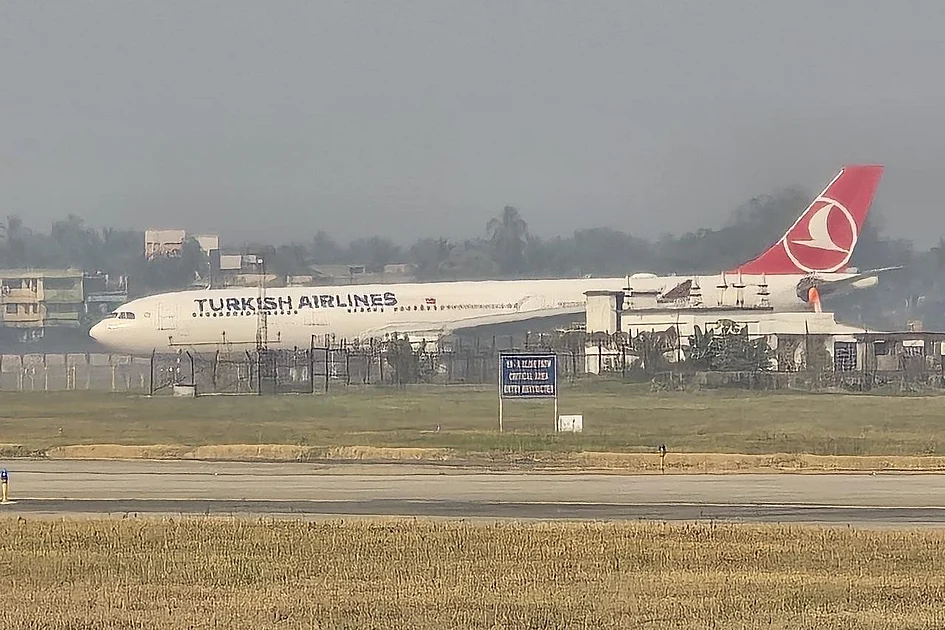
    A Turkish Airlines aircraft operating from Kathmandu to Istanbul was compelled to execute an emergency landing at Kolkata’s Netaji Subhash Chandra Bose International Airport on Wednesday following an engine fire incident. The Indian Civil Aviation Ministry confirmed the aircraft issued a ‘PAN PAN’ distress signal—a international aviation alert indicating an urgent situation—at approximately 1:38 PM local time. The pilot reported a fire in the right engine and subsequent failure of that engine, necessitating an immediate diversion to the nearest suitable airport. Airport emergency services were placed on full alert as the aircraft approached. The fire was successfully extinguished by ground crews by 1:51 PM, just minutes after the plane touched down. Authorities have confirmed that all passengers and crew aboard the flight emerged unharmed, with no injuries reported. The incident highlights the critical importance of pilot training and emergency response protocols in managing in-flight technical failures, ensuring passenger safety during unforeseen aviation emergencies.

  • Israeli army bulldozes Gaza cemetery containing Allied soldiers’ graves

    Israeli army bulldozes Gaza cemetery containing Allied soldiers’ graves

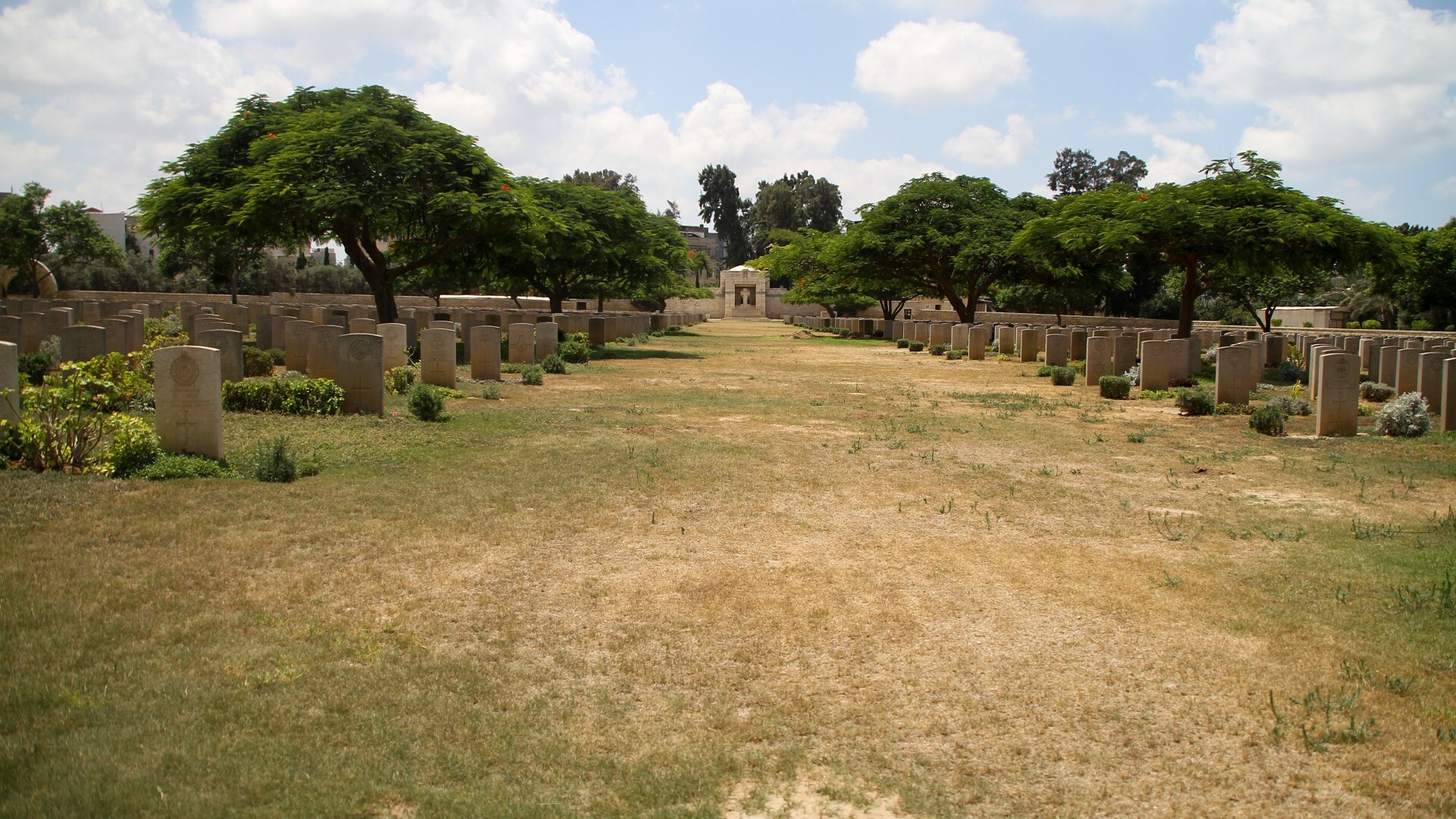
    Satellite imagery analysis has confirmed extensive destruction at a historic Commonwealth war cemetery in Gaza City, with Israel’s military acknowledging operational activities at the site. The al-Tuffah cemetery, containing graves of British, Australian, and other Commonwealth soldiers who perished in both World Wars, has undergone systematic demolition using heavy machinery.

    Guardian-reviewed satellite photographs document months of earthworks throughout 2025 that churned the ground and removed entire rows of gravestones. Essam Jaradah, the cemetery’s former caretaker, witnessed two distinct bulldozing operations that expanded from visitor areas to the memorial monument itself.

    The Israeli Defense Forces spokesperson confirmed military operations in the area, stating measures were taken to “neutralise identified threats” in what was described as “an active combat zone.” This incident continues a pattern of damage to the sacred site, which previously suffered partial destruction from an Israeli missile in 2006, resulting in £90,000 compensation, and sustained further damage during the 2009 Gaza offensive.

    The Gaza War Cemetery contains 3,217 graves, including 781 unidentified remains, with casualties from both World Wars alongside 30 post-war burials. Current reports indicate that journalists and local residents are being prevented from accessing the Deir al-Balah cemetery site, raising concerns about transparency and preservation of this historically significant location.

  • Fearing Russia will seize her town, war widow moves husband’s grave to Kyiv

    Fearing Russia will seize her town, war widow moves husband’s grave to Kyiv

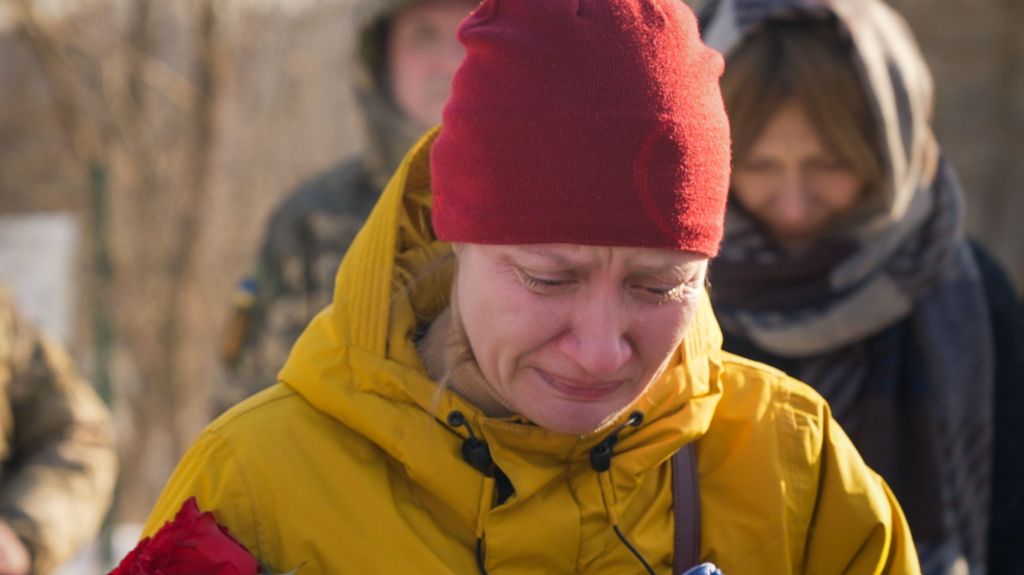
    The crisp silence of a Kyiv military cemetery fractures under the solemn sound of a trumpet salute, followed by the sharp report of rifle fire. Soldiers stand at attention, a Ukrainian flag draped over a polished wooden coffin as snow blankets the ground in silent tribute. A woman’s anguished cry pierces the ceremony—Natalia is burying her husband Vitaly for the second time.

    Killed in 2022 during intense fighting in eastern Donbas, Vitaly was initially laid to rest in his hometown of Slovyansk. However, with Russian forces advancing and the region becoming increasingly vulnerable to occupation, Natalia made the painful decision to exhume her husband’s remains and relocate them hundreds of miles to the relative safety of Ukraine’s capital.

    ‘When we first buried him in Slovyansk, Ukrainian forces were liberating territory and we believed the war would conclude quickly,’ Natalia explains through tears. ‘Now the frontline shifts ever closer, and I feared Vitaly might end up under Russian occupation.’

    Vitaly, a ceramics artist by profession, had volunteered to defend his country during the initial days of Russia’s full-scale invasion. ‘He didn’t want to go, but felt compelled—he was a true patriot,’ Natalia recalls. Tragically, he never met their daughter, as Natalia was pregnant when he was killed.

    This deeply personal story unfolds against the backdrop of complex geopolitical negotiations. As the United States attempts to broker a peace agreement between Moscow and Kyiv, Russia continues its relentless assault on Ukrainian energy infrastructure and frontline positions. The most significant pressure for compromise currently rests on Ukraine’s shoulders.

    The impending talks are expected to address the most sensitive issue: the status of the eastern Donbas region where countless soldiers like Vitaly have perished. While Ukraine maintains control of approximately one-fifth of the territory, including Slovyansk, Russian forces continue their push to capture more ground.

    Kyiv’s position favors a frozen conflict without additional territorial concessions, while Moscow demands control over the entire region—a proposition reportedly receiving consideration from American mediators. This potential compromise, though far from Vladimir Putin’s original ambition to capture all of Ukraine, would nonetheless allow the Russian leader to claim a form of victory.

    Meanwhile, the reality on ground remains brutally dangerous. Natalia describes Slovyansk’s current conditions: ‘Drones strike minibuses in the streets, glide bombs crater the city center. Attacks occurred weekly months ago; now they happen every few days.’

    North of Slovyansk, around Kharkiv, defensive measures intensify as the danger zone expands. Workers install protective netting over roads to shield against Russian drones, while Ukrainian soldiers innovate in clandestine workshops to counter Russia’s numerical and resource advantages.

    In one such underground facility, soldiers of the Typhoon unit repair battle-damaged drones and develop new technologies. Their commander, 29-year-old Roman, avoids discussions about territorial concessions: ‘People quarrel over this, but we need unity against the Russians instead.’ Having lost numerous comrades during two years of infantry service in Donbas, Roman believes ceding territory to Putin would only invite future aggression.

    Another soldier, Maksym, offers a redefined perspective on victory: ‘Our triumph lies in preserving statehood. Even with minimal territory, maintaining our constitution and institutions means Ukraine endures.’ He acknowledges Russia’s overwhelming size advantage but insists surrender cannot be an option.

    Back in Kyiv, as gravediggers complete their solemn task, Natalia finds comfort in having her husband securely relocated where she and their daughter Vitalina can visit safely. The child, who knows her father only through videos and photographs, ‘loves him deeply despite never meeting him,’ Natalia shares with a bittersweet smile.

    In a testament to hope amid tragedy, Natalia reveals the couple had preserved sperm at a clinic days before Vitaly’s death. She hopes to soon tell him she’s pregnant again—a practice increasingly common among Ukrainian soldiers deploying to the front.

    The devastating human cost of four years of full-scale war weighs heavily. Natalia acknowledges that many quietly accept ceding Russian-controlled territory, but she cannot bear the thought of surrendering additional land, including the town where she and Vitaly built their life together.

    With unwavering conviction, she states: ‘I have no doubt Vitaly would want the army to continue fighting rather than concede. Russia might pause for a year, then achieve another breakthrough toward Kharkiv. I simply don’t believe they will stop.’

    The story of Vitaly’s reburial encapsulates Ukraine’s painful dilemma—honoring immense sacrifice while facing impossible choices between territorial integrity and potential peace.

  • Iran state agency posts images of US bases in Middle East with no context amid tensions

    Iran state agency posts images of US bases in Middle East with no context amid tensions

    Tehran-based Fars News Agency, known for its connections to Iranian security forces, has generated international concern by publishing unexplained imagery of American military installations across the Middle East. The photographs, displaying facilities like Bahrain’s Isa Air Base where US aircraft are stationed, appeared without editorial commentary beyond Persian calendar dates.

    This psychological maneuver occurs against a backdrop of heightened US-Iran tensions. President Donald Trump has threatened military intervention should Iran refuse constraints on its nuclear program following the government’s violent suppression of domestic protests. Iranian officials have consistently warned of immediate retaliation against Gulf-based American assets if attacked.

    The imagery publication coincides with anticipated but unconfirmed diplomatic exchanges between Iranian Foreign Minister Abbas Araghchi and US envoy Steve Witkoff. In a separate display of hostility, a provocative billboard emerged in Tehran depicting crashed American planes with Iranians triumphantly waving national flags above the wreckage.

    France expressed particular alarm regarding these developments due to its military presence in the region. President Emmanuel Macron confirmed enhanced vigilance, stating, “We are obviously very vigilant regarding this situation. We have taken all necessary measures to ensure our soldiers there are deployed in optimal security conditions.”

    The tension recently manifested militarily when a US fighter jet eliminated an Iranian drone approaching the USS Abraham Lincoln aircraft carrier deployment. However, security analysts note the published imagery appears to be archival material rather than fresh intelligence, with AFP confirming the Bahrain base photographs are dated.

  • Filipina nurse dead, 2 others injured in Saudi Arabia hit-and-run incident

    Filipina nurse dead, 2 others injured in Saudi Arabia hit-and-run incident

    A tragic hit-and-run incident in northwestern Saudi Arabia has resulted in the death of one Filipina healthcare worker and left two others with serious injuries, prompting an urgent response from Philippine authorities. The accident occurred in the early hours of Saturday, January 31st, in Tabuk’s Muruj Al Amir district as the three nurses were returning home after shopping at a local mall.

    According to the Migrant Workers Office (MWO) in Jeddah, the victims were struck by a speeding vehicle while crossing a wide roadway adjacent to Tabuk Park Mall at approximately 1:00 AM. All three nurses, employed by a major medical clinic in Tabuk, were rendered unconscious immediately upon impact and transported via ambulance to King Khalid Hospital.

    The Philippine Department of Migrant Workers (DMW) confirmed Wednesday that one nurse remained unresponsive upon arrival at the medical facility and subsequently succumbed to her injuries. The two surviving nurses regained consciousness the following day, February 1st, with one requiring transfer to a specialized medical facility in Riyadh for advanced surgical intervention.

    Saudi authorities apprehended the motorist allegedly responsible after an attempted escape. The driver currently remains under investigation by local law enforcement officials.

    The DMW has initiated comprehensive support measures, including facilitating the repatriation of the deceased’s remains and assisting family members with necessary documentation. Next of kin for all affected individuals have been formally notified of the incident.

    The Philippine government continues to monitor the medical condition of the injured nurses while coordinating with Saudi officials regarding the ongoing investigation into the circumstances surrounding the fatal collision.

  • Uruguayan president’s call links voices across continents

    Uruguayan president’s call links voices across continents

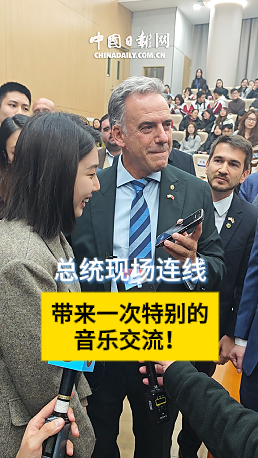
    In a remarkable display of cultural diplomacy, Uruguayan President Yamandu Orsi transformed a routine university visit into an extraordinary cross-continental connection during his Wednesday appearance at Beijing Foreign Studies University. The presidential engagement reached its emotional peak when Orsi witnessed Chinese student Li Yuelin’s heartfelt performance of the classic Uruguayan ballad ‘Tu Vestido’.

    Demonstrating the power of modern technology to bridge geographical divides, President Orsi immediately placed a live voice call to Ana Prada, the original singer and composer of the beloved Uruguayan song. This spontaneous act created a magical moment where the Chinese performer, the Uruguayan artist, and the South American president became interconnected through shared musical appreciation.

    The impromptu musical conference call served as a powerful metaphor for international relations, showcasing how cultural exchange can transcend political and linguistic barriers. President Orsi’s gesture highlighted the growing soft diplomacy initiatives between China and Uruguay, two nations separated by vast oceans but increasingly connected through educational and cultural partnerships.

    This incident occurred against the backdrop of strengthening Sino-Uruguayan relations, with both nations recently expanding cooperation in trade, education, and cultural exchange programs. The Beijing Foreign Studies University, known for cultivating China’s diplomatic and international relations talent, provided the perfect setting for this demonstration of people-to-people diplomacy through artistic expression.

  • Blindfolded, beaten, humiliated: How Israeli forces abused Palestinians returning to Gaza

    Blindfolded, beaten, humiliated: How Israeli forces abused Palestinians returning to Gaza

    The partial reopening of the Rafah border crossing, the first since May 2024, has been marred by reports of systematic harassment and intimidation against Palestinian returnees. Under a new arrangement heavily restricted by Israeli authorities, returning Palestinians are subjected to intense scrutiny, prolonged interrogations, and confiscation of essential belongings.

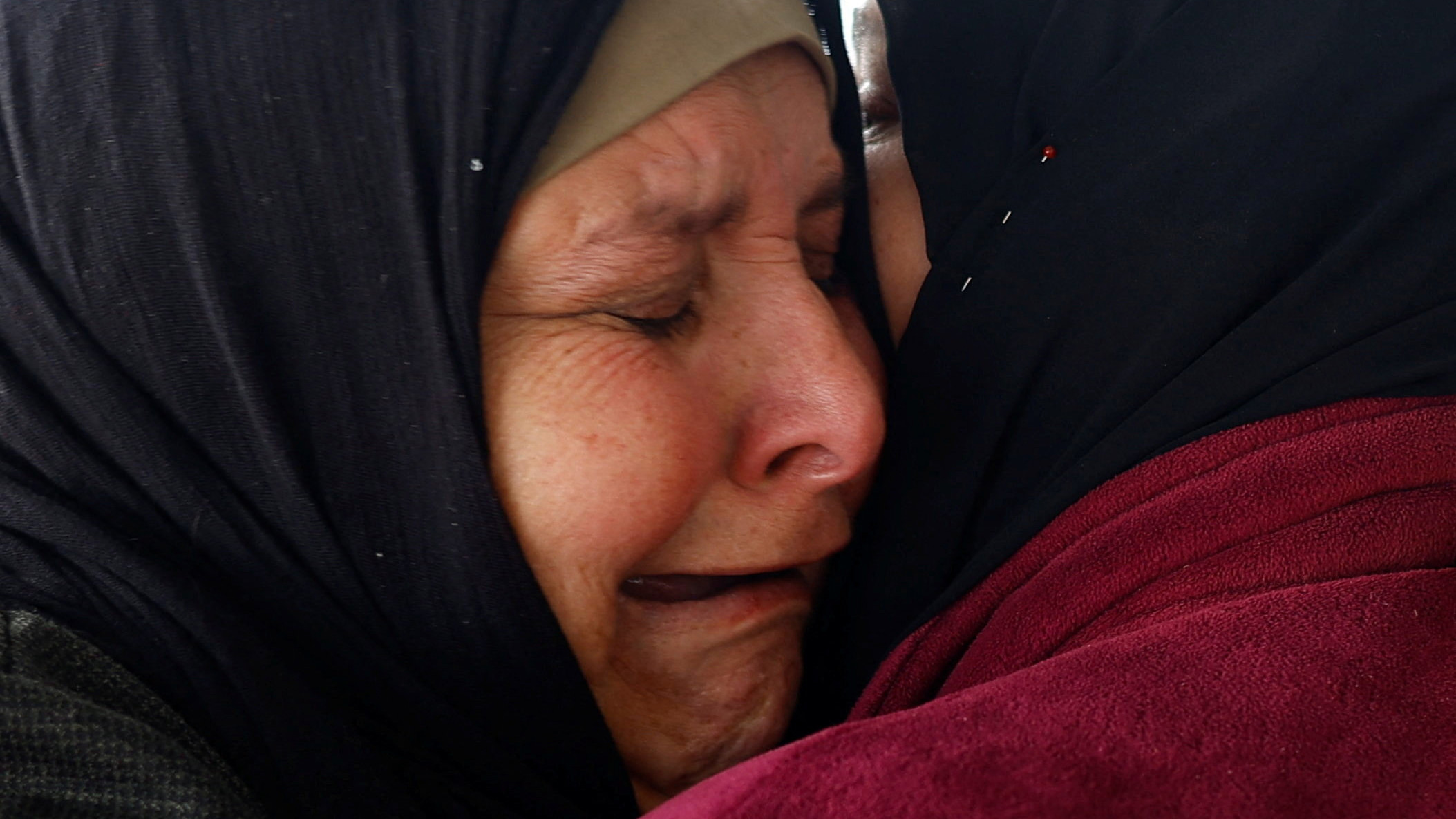
    Huda Abu Abed, a 57-year-old heart patient, became one of the first to experience this new reality. After being evacuated to Egypt for urgent medical treatment during the conflict, she was among just 12 people who successfully completed the return journey on Monday. While Egyptian officials treated them “with dignity,” Abu Abed described the treatment on the Palestinian side as “the worst.”

    The process involves multiple layers of inspection: first by Palestinian staff and European Union Border Assistance Mission (EUBAM) supervisors, then by Israeli-backed militias, and finally by the Israeli army itself. Returnees reported having all non-clothing items confiscated, including essential medications, mobile phones, and children’s toys. Abu Abed begged for hours to recover her personal phone containing family photos and critical information.

    Even after clearing inspections, returnees must await Israeli approval simply to enter their own country. The new restrictions impose a strict daily quota of only 50 returnees to Gaza, creating a massive backlog. With approximately 30,000 Palestinians registered to return in Cairo alone, and tens of thousands more stranded elsewhere, the current system would require nearly two years to process existing cases.

    The most disturbing accounts emerge from interrogations conducted by Israeli forces. Abu Abed described being blindfolded, handcuffed, and subjected to hours of questioning by masked officers who demanded information about Hamas affiliations. Her daughter, Rotana Atiyya al-Raqb, was reportedly beaten and humiliated in a separate room. Another returnee, Sabah Ismail al-Raqb, was doused with cold water and threatened with detention unless she agreed to collaborate with authorities.

    These operations occur with the involvement of Israeli-backed militias, including one led by Ghassan al-Dahini, a criminal with past connections to Islamic State. The militia network, opposed to Hamas, operates with Israeli backing in eastern Rafah.

    The reopening follows the October ceasefire agreement that required Israel to reopen Rafah during its first phase. Israeli officials had conditioned this on the recovery of the last captive’s body, which was accomplished last week. However, the resulting arrangement appears designed to create maximum discomfort for returnees, with many believing the systematic harassment aims to discourage Palestinians from returning to Gaza altogether.