分类: world

  • Over 50,000 arrested in Iran protest crackdown, reveals rights group

    Over 50,000 arrested in Iran protest crackdown, reveals rights group

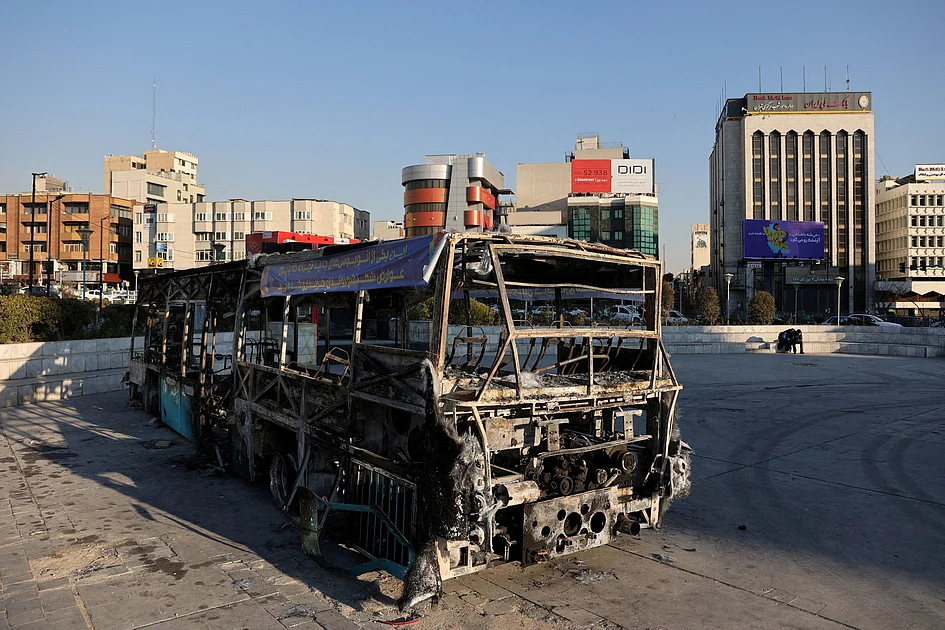
    Iranian authorities have initiated one of the most extensive suppression campaigns in recent history, with independent monitoring groups reporting more than 50,000 citizens detained during nationwide protests. The Human Rights Activists News Agency (HRANA), a U.S.-based organization, documented at least 50,235 arrests connected to demonstrations that reached their peak intensity on January 8-9 before gradually diminishing.

    The crackdown has targeted diverse segments of Iranian society, including students, intellectuals, educators, and cultural figures. Security forces have conducted widespread home invasions, confiscating personal property during arrest operations. Most alarmingly, HRANA has verified over 300 instances where detainees were coerced into televised confessions through physical and psychological torture techniques.

    Amnesty International has corroborated these findings, warning that thousands of apprehended individuals, including minors, face severe risks of enforced disappearance, systematic torture, fatal outcomes in detention facilities, and arbitrary executions following unjust judicial proceedings. The judicial apparatus, under leadership of Gholamhossein Mohseni Ejei, has explicitly promised zero leniency toward protesters, with many facing capital charges.

    Recent high-profile arrests include Mehdi Mahmoudian, screenwriter for Jafar Panahi’s Oscar-nominated film ‘It was Just an Accident,’ which recently earned the Palme d’Or at the 2025 Cannes Festival. Simultaneously, authorities detained Abdollah Momeni and women’s rights advocate Vida Rabbani after they endorsed a collective statement condemning what they termed “organized state crimes against humanity.”

    The situation remains particularly dire for Nobel Peace Laureate Narges Mohammadi, arrested during December demonstrations preceding the current protest wave. Mohammadi has been permitted only one monitored telephone communication with relatives since her detention, with authorities imposing strict censorship conditions on future contacts that she has refused to accept.
  • Zimbabwe’s Mugabe latest former African leader to be mentioned in Epstein files

    Zimbabwe’s Mugabe latest former African leader to be mentioned in Epstein files

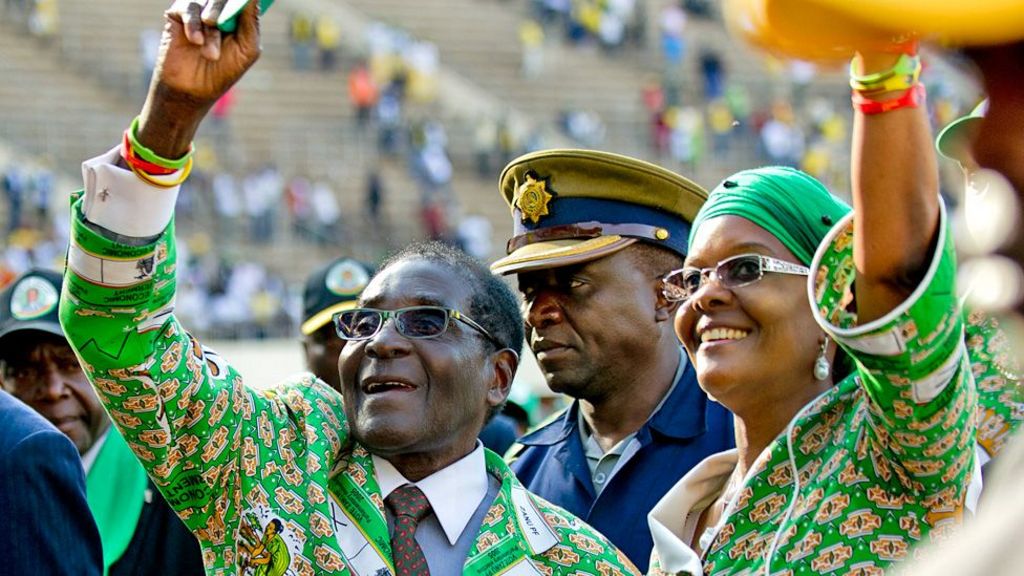
    Newly unsealed court documents from the Jeffrey Epstein case have revealed potential financial connections between the convicted sex offender and Zimbabwe’s late President Robert Mugabe. The documents, released by the US Department of Justice, contain email correspondence suggesting Epstein contemplated engaging with Mugabe’s administration during Zimbabwe’s severe economic crisis.

    In a 2015 email exchange with Japanese entrepreneur Joi Ito, Epstein proposed approaching then-President Mugabe to provide Zimbabwe with a new currency following the collapse of the local dollar due to hyperinflation. When Ito questioned whether Epstein had existing ties to Mugabe, Epstein responded that he could “easily get his attention” and described Zimbabwe as a “great petrie dish” for such financial endeavors.

    Separate FBI documents from 2017 contain unverified testimony from a confidential human source claiming Epstein served as a wealth manager for both Russian President Vladimir Putin and Robert Mugabe. These allegations remain uncorroborated and being named in the Epstein files does not constitute evidence of wrongdoing.

    The revelations present potential legal complications, as Mugabe had been under US sanctions since 2003, prohibiting American companies and citizens from conducting financial transactions with him. Had Epstein provided financial services to Mugabe, he would have been violating these sanctions.

    Additional correspondence within the files includes a 2012 email that incorrectly reported Mugabe was on his deathbed in Italy. The sender, identified only as “Jonathan,” sought Epstein’s contacts in Zimbabwe, suggesting investment opportunities if Mugabe’s rule was ending. Mugabe, then 88, appeared healthy days later upon returning from Singapore to lead independence celebrations.

    Zimbabwe continues to be governed by Mugabe’s Zanu-PF party and has struggled with inflation for decades after abandoning the Zimbabwean dollar in 2009. The country recently introduced a gold-backed currency called the Zig, which has shown signs of stabilizing the economy after initial difficulties.

    Both Mugabe, who died in 2019 at age 95, and Epstein, who died by suicide in prison while awaiting trial on sex-trafficking charges, are unable to respond to these allegations. The BBC has contacted both the Mugabe family and the FBI for additional information regarding these documents.

  • The deadly landmine legacy of Syria’s war

    The deadly landmine legacy of Syria’s war

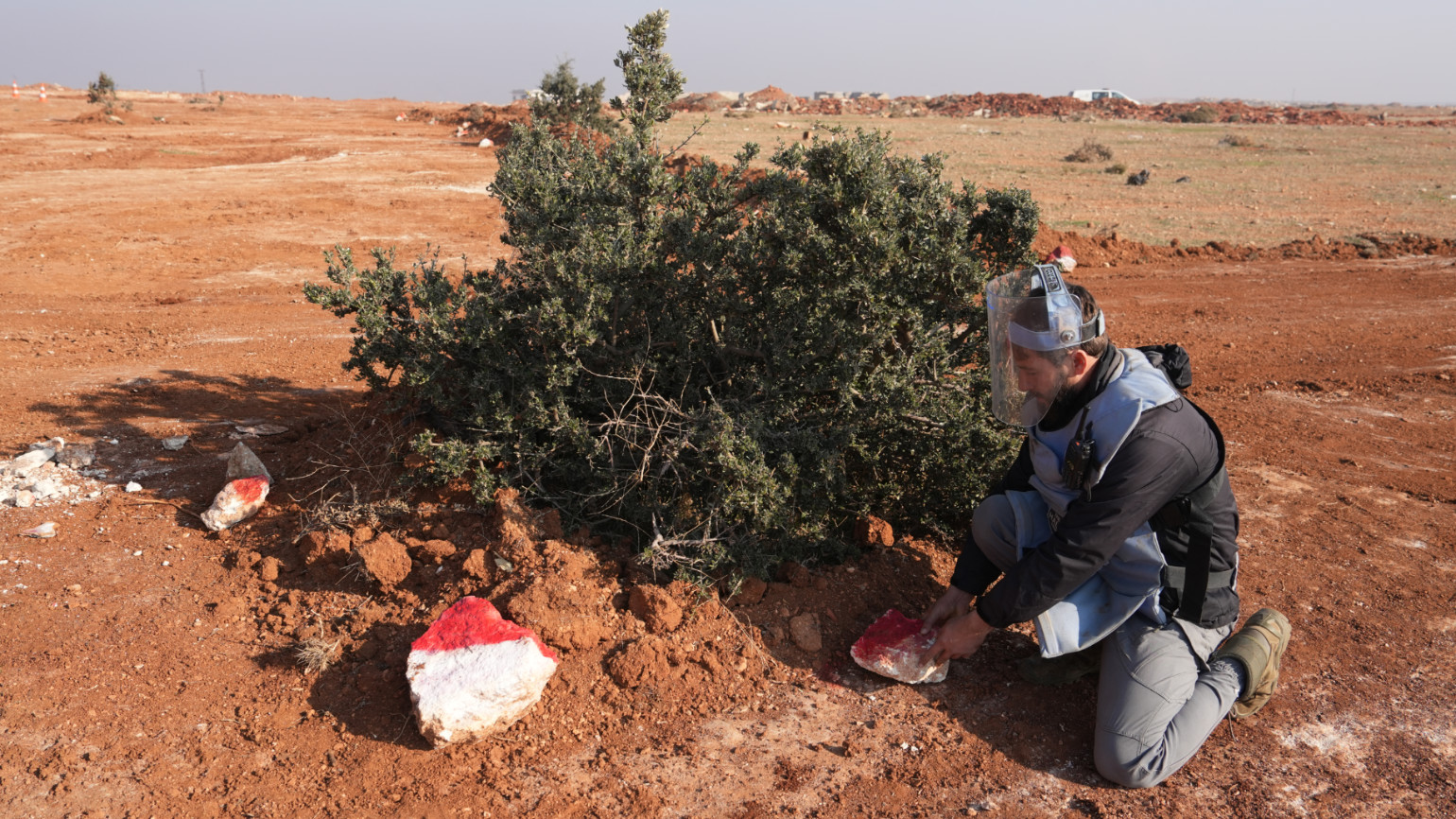
    The enduring legacy of Syria’s civil conflict continues to claim innocent lives through hidden explosives, transforming returning communities into perilous landscapes. A tragic incident in Khan Shaykhun, Idlib province, exemplifies this ongoing crisis: ten-year-old Mohammed discovered what appeared to be a toy buried in the earth, only to trigger an anti-personnel mine that proved fatal for him and severely injured his younger brothers.

    This family’s tragedy reflects a broader national emergency. Approximately 2.6 million Syrians have returned to their homes over the past fourteen months, many to former frontline areas where an estimated 300,000 active explosive devices remain concealed beneath soil and rubble. According to the International NGO Safety Organisation, these remnants of war have killed or maimed over 1,600 individuals since the ousting of long-time president Bashar al-Assad in December 2024.

    Idlib province represents one of the most heavily contaminated regions, having witnessed intense clashes between government forces and opposition groups. Both regime and rebel fighters employed extensive mining tactics, leaving behind anti-personnel mines, improvised explosive devices, and booby traps in residential areas, vehicles, and public buildings.

    Humanitarian organizations face monumental challenges in addressing this crisis. The Halo Trust, operating in Syria since 2017 with 250 personnel, conducts meticulous clearance operations along a several hundred-kilometer frontline from southern Idlib to northern Aleppo. Their teams perform controlled detonations of cluster munitions, artillery shells, rockets, and grenades—yet the scale of contamination overwhelms current resources.

    Syria’s decimated healthcare infrastructure compounds the tragedy. Specialized facilities like Idlib Surgical Specialized Hospital struggle with inadequate medical supplies and equipment. Medical professionals report performing approximately four emergency procedures daily for mine victims, often resorting to amputations due to infection risks and limited surgical capabilities.

    Prevention efforts have intensified through organizations like the Mines Advisory Group (MAG), which expanded mine-risk education programs across Syria and refugee-hosting countries. Through community outreach and digital campaigns targeting displaced populations considering return, these initiatives aim to reduce casualties by teaching explosive recognition and avoidance strategies.

    For families like Mustafa al-Azraq’s, who returned to their home after five years in displacement camps only to lose a child to unexploded ordnance, the conflict’s end has brought renewed tragedy rather than security. Their story underscores the urgent need for comprehensive demining operations and international support to make Syria’s landscape truly safe for returning populations.

  • What is the Ibrahimi Mosque and why does it matter?

    What is the Ibrahimi Mosque and why does it matter?

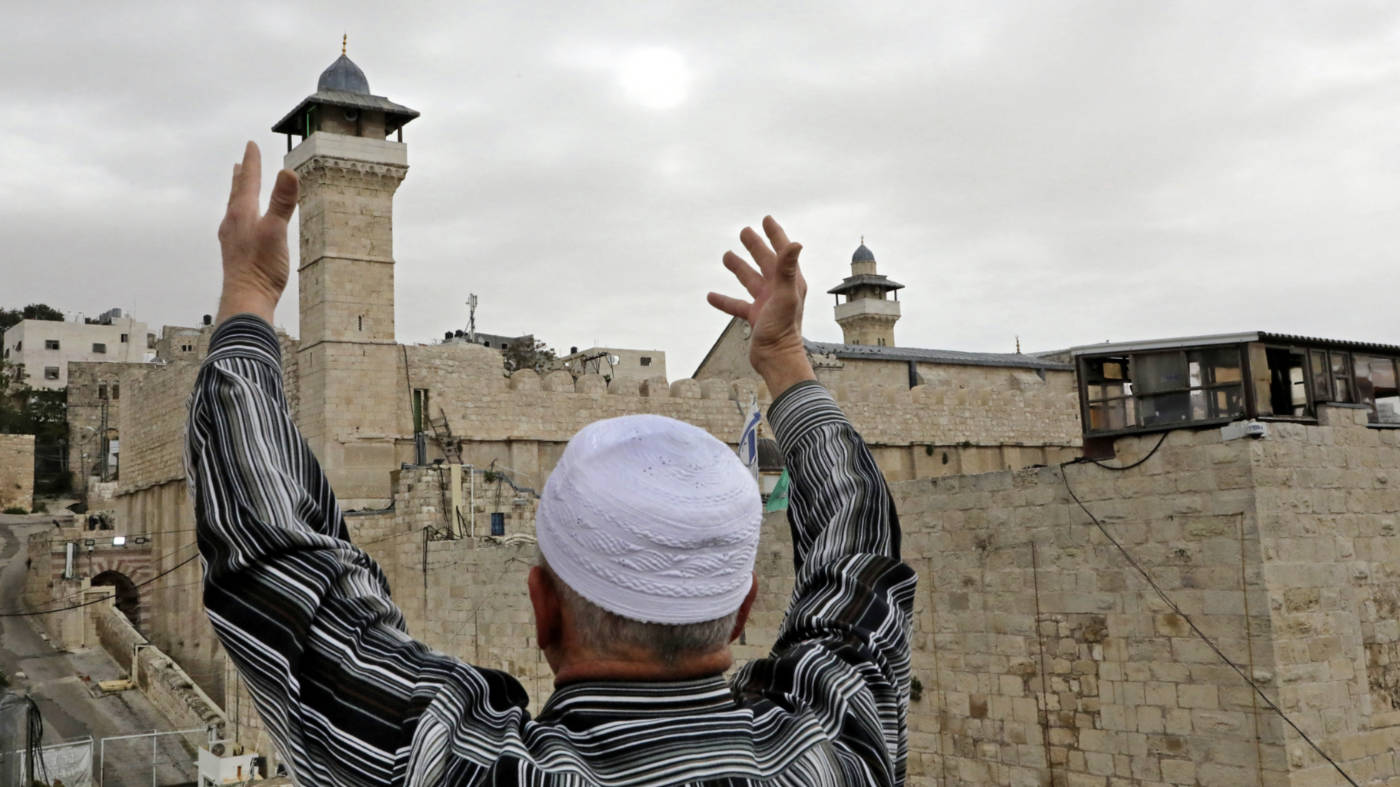
    The Ibrahimi Mosque in Hebron, a revered holy site for Islam, Judaism, and Christianity, has become the epicenter of escalating tensions in the occupied West Bank. This medieval structure, built above ancient tombs believed to hold biblical patriarch Abraham and his family, has been administered by Palestinians as a mosque for over 1,400 years. Recent Israeli actions, however, have fundamentally altered the status quo at one of the region’s most contested religious sites.

    In January, Israeli authorities barred the mosque’s Palestinian directors and seized planning rights over portions of the complex, violating longstanding arrangements that had governed the site for decades. This move represents the latest in a series of access restrictions and settler attacks against Palestinian holy sites that have intensified since October 2023, affecting including Al-Aqsa Mosque in Jerusalem and Joseph’s Tomb in Nablus.

    The historical significance of the Ibrahimi Mosque (known to Jews as the Cave of the Patriarchs and to Christians as the Cave of Machpelah) spans millennia. The current structure incorporates a 12th-century Romanesque Christian church constructed atop an earlier mosque destroyed during the Crusades. After conversion back to a mosque by the Muslim Ayubbid dynasty, the site remained exclusively accessible to Muslims throughout Mamluk and Ottoman rule until the British Mandate period.

    Modern tensions escalated significantly after Israel’s occupation of the West Bank in 1967. The establishment of the Kiryat Arba settlement on confiscated Palestinian land brought thousands of settlers to Hebron’s outskirts, creating a segregated enclave adjacent to 200,000 Palestinians. The conflict reached a horrific climax in 1994 when American-Israeli settler Baruch Goldstein massacred 29 Palestinian worshippers during Ramadan prayers. This tragedy led to the formal partition of the prayer hall, with two-thirds reserved for Jewish worship and one-third for Muslims.

    The current situation reflects intensified Israeli control measures. The Civil Administration, Israel’s governing body in the West Bank, unilaterally seized municipal control of the mosque’s central courtyard in December, enabling construction projects opposed by Palestinian authorities. Israeli settlers have increasingly stormed the mosque, hosting weddings and music festivals in violation of prayer arrangements, while far-right ministers Bezalel Smotrich and Itamar Ben Gvir (a Kiryat Arba resident) have made provocative visits with large security details.

    The Palestinian Authority has condemned these actions as part of Israel’s ‘Judaization projects’ in the West Bank, stating they constitute ‘flagrant violations of international resolutions and law.’ Hamas similarly criticized the moves as undermining the mosque’s Islamic identity. While Qatar, Turkey, and the UAE have issued diplomatic condemnations, the international community has taken limited concrete action.

    Palestinian lawyers are now petitioning Israel’s Supreme Court, citing UNESCO’s 2017 designation of the site as an endangered World Heritage Site belonging to Palestine. They argue that Israeli decisions regarding the mosque were made ‘without authority’ and represent ‘systematic and unlawful violation of the status quo.’ As legal battles continue, the Ibrahimi Mosque remains both a sacred space and a symbol of the broader Israeli-Palestinian conflict.

  • Gunmen reportedly kill dozens in Nigeria as US military deployment confirmed

    Gunmen reportedly kill dozens in Nigeria as US military deployment confirmed

    In a devastating escalation of violence, unidentified gunmen have launched a brutal assault on the neighboring villages of Nuku and Woro in Nigeria’s western Kwara State, resulting in significant casualties and widespread destruction. Local authorities report that attackers systematically torched homes, commercial establishments, and even the residence of the traditional leader, forcing mass displacement of residents.

    The precise death toll remains contested amid ongoing recovery operations. While local legislator Saidu Baba Ahmed confirmed at least 30 fatalities, Red Cross official Babaomo Ayodeji provided AFP with a substantially higher figure of 162 casualties, noting that search efforts for additional victims continue. The whereabouts of the community’s traditional monarch remain unknown following the Tuesday evening attack that commenced at approximately 17:30 local time.

    Kwara police spokesperson Adetoun Ejire-Adeyemi attributed the assault to suspected bandits—criminal elements notorious for looting and kidnappings for ransom—marking concerning geographical expansion of their operations from traditional northwest strongholds into central regions.

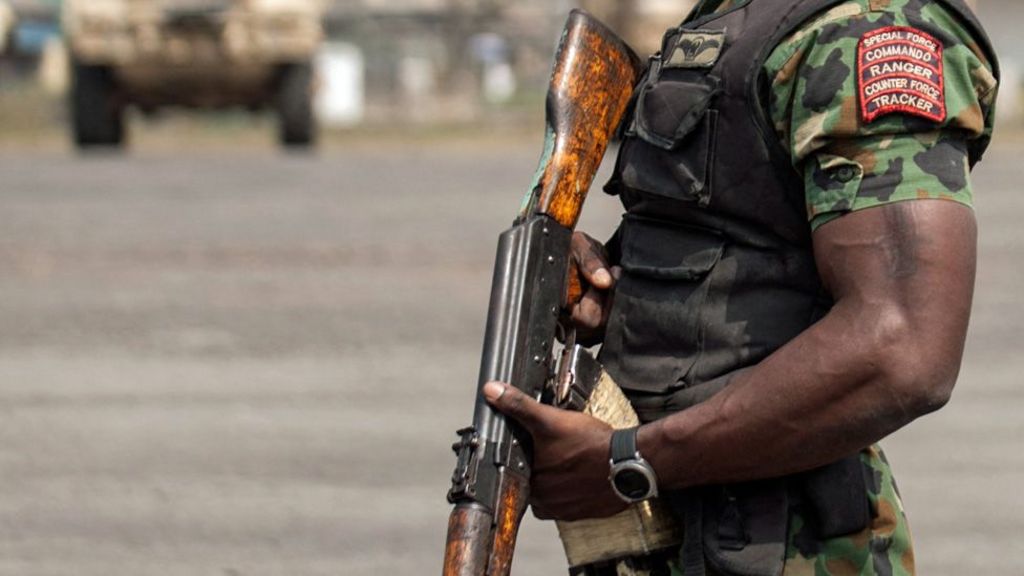
    This tragedy coincides with Nigeria’s defense ministry confirming the presence of American military personnel within the country—the first official acknowledgment since former President Donald Trump’s November directive to prepare for operations against Islamist militants. Defense Minister Christopher Musa clarified that the limited US contingent focuses on intelligence support and training, though specifics regarding deployment size, timing, location, and duration remain undisclosed.

    The development follows statements by US Africa Command’s General Dagvin Anderson, who characterized the deployment as response to Nigerian requests for specialized capabilities. ‘Our partnership with Nigeria exemplifies collaboration with a willing and capable partner seeking unique US capabilities,’ Anderson noted Tuesday.

    Kwara State Governor AbdulRahman AbdulRazaq interpreted the violence as retaliatory action for recent counter-terrorism successes, with his office stating the attack aimed to ‘distract security forces who have successfully neutralized several terrorist and kidnapping gangs.’

    Simultaneously, northeastern Borno State experienced parallel violence as suspected Boko Haram militants killed 17 individuals in coordinated attacks. Security analysts note concerning convergence between criminal banditry and ideological extremism, with some jihadists—potentially Boko Haram splinter factions—conducting targeted killings while utilizing motorcycle mobility to attack markets and community protection groups.

    US-Nigerian security cooperation has intensified significantly following Christmas Day airstrikes against Islamist militant camps in northwestern Nigeria—operations approved by President Bola Tinubu and involving Nigerian forces. The White House had previously pressured Nigeria to enhance security protections for Christian communities amid Trump’s controversial ‘Christian genocide’ allegations, which the Nigerian government vehemently rejected citing equal victimization across religious demographics.

    Recent weeks have witnessed intensified military operations against armed groups, including Sunday’s announcement of a senior Boko Haram commander and ten militants neutralized in Borno state. The US delivered critical security equipment to Nigerian forces last month, though military officials clarified these were previously purchased assets for counter-insurgency campaigns.

  • Ukraine says Russia is illegally targeting the power grid. Here’s what the law says

    Ukraine says Russia is illegally targeting the power grid. Here’s what the law says

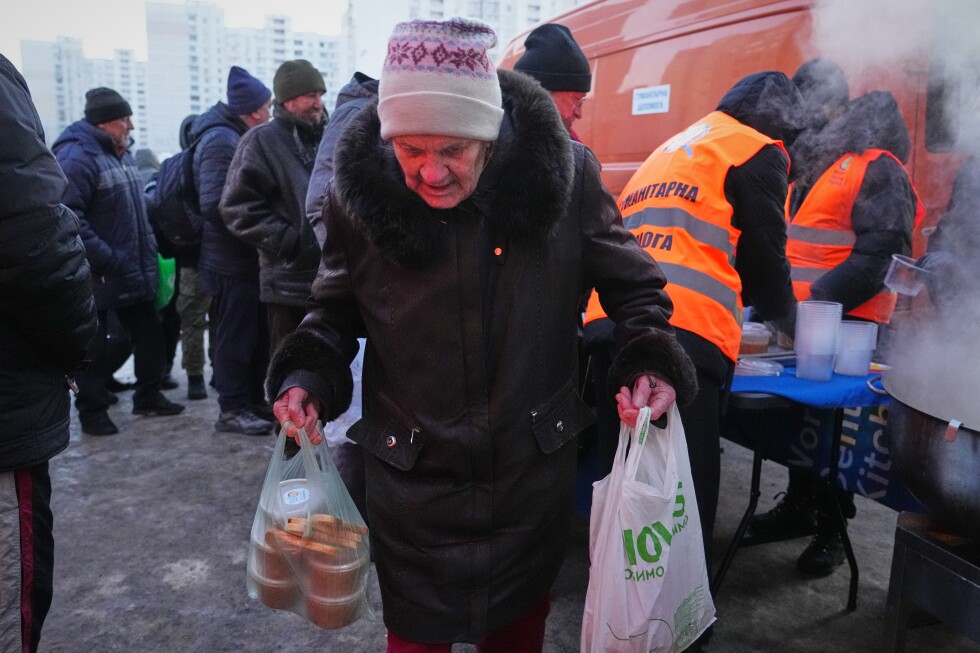
    THE HAGUE, Netherlands — As Ukraine endures one of its most severe winters on record, Russian missile and drone assaults have systematically devastated the nation’s energy infrastructure, leaving millions without heating, electricity, or running water amid subzero temperatures. Ukrainian authorities characterize these attacks as deliberate attempts to demoralize civilians through calculated suffering.

    Ukrainian President Volodymyr Zelenskyy condemned Russia’s timing, stating on Tuesday that ‘exploiting the coldest winter days to terrorize populations appears more consequential to Moscow than diplomatic resolutions.’ His remarks coincided with renewed peace negotiations while Kyiv temperatures plummeted to -20°C (-3°F).

    International legal experts assert that while combatants may legally target energy systems with direct military applications, Russia’s widespread bombardment violates fundamental principles of international humanitarian law. David Crane, former chief prosecutor at the UN Special Court for Sierra Leone, emphasized that ‘the indiscriminate and extensive nature of these offensives fails to meet legal standards,’ noting the requirement for attacks to avoid disproportionate civilian harm.

    The International Committee of the Red Cross clarifies that energy components providing essential civilian services ‘are protected against direct attack, reprisals, and incidental damage.’ This position has found judicial support at the International Criminal Court (ICC), where pretrial judges issued arrest warrants in 2024 for former Russian Defense Minister Sergei Shoigu and Chief Military Officer Gen. Valery Gerasimov. The court determined reasonable evidence that these strikes targeted civilian objects and caused clearly excessive civilian suffering relative to any military advantage.

    Moscow maintains that its operations exclusively target Ukraine’s military-industrial complex. Kremlin spokesman Dmitry Peskov reiterated that ‘our military strikes objectives associated with the Kyiv regime’s war capabilities.’

    However, energy sector assessments reveal catastrophic damage exceeding $20 billion, according to World Bank, European Commission, and UN joint estimates. Ukraine’s largest private energy firm, DTEK, reported nine major assaults on its thermal plants since October alone, demonstrating a sustained campaign against critical infrastructure.

  • More than 250 people killed in separatist attacks in Pakistan: Official

    More than 250 people killed in separatist attacks in Pakistan: Official

    Pakistan’s southwestern Balochistan province has been plunged into a severe security crisis following a wave of meticulously coordinated attacks by Baloch separatist militants. Since Saturday, these assaults have resulted in the deaths of more than 250 individuals, according to an official security assessment delivered on Wednesday.

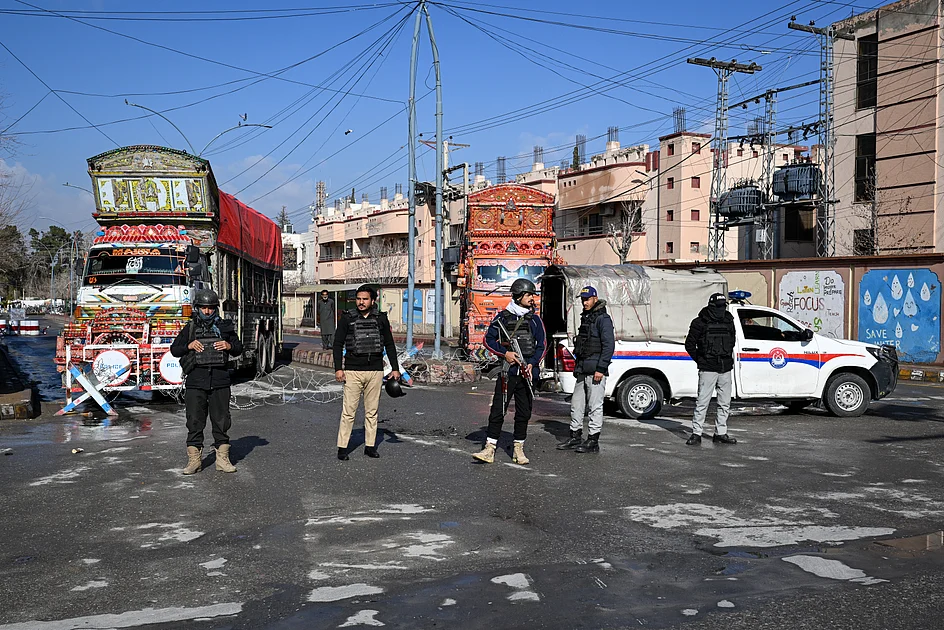
    The violence, which represents a significant escalation in a long-simmering conflict, targeted a spectrum of critical infrastructure and security installations. Militants stormed banks, penitentiaries, police stations, and military facilities across the restive province, which is strategically significant due to its rich mineral resources and its borders with Afghanistan and Iran.

    In response to the onslaught, Pakistani security forces launched extensive counter-terrorism operations. A senior official, speaking anonymously, confirmed that 197 militants had been neutralized in these ongoing actions. The human cost of the attacks was profound, claiming the lives of at least 36 civilians and 22 members of the security forces. As of mid-week, sporadic clashes continued in several districts as government troops pursued the insurgents.

    The Baloch Liberation Army (BLA), the region’s most prominent militant separatist group—which is designated as a terrorist organization by the United States—publicly claimed responsibility for the coordinated campaign. In a statement to AFP, the group stated its operatives had targeted military installations, police, and civil administration officials through a combination of gun attacks and suicide bombings. This incident continues a pattern of intensified BLA operations against both Pakistani nationals from other provinces working in Balochistan and foreign energy companies operating there.

    Balochistan Chief Minister Sarfraz Bugti, addressing a news conference in Quetta, asserted that all districts initially under attack had been cleared by security forces, vowing, “We are chasing them, we will not let them go so easily.” The international community, through the United Nations, condemned the attacks, labeling them as “heinous and cowardly.” This devastating event echoes previous major assaults by the group, including a deadly two-day siege on a passenger train just last year.

  • Hungarian court sentences German anti-fascist activist to 8 years for far-right rally assaults

    Hungarian court sentences German anti-fascist activist to 8 years for far-right rally assaults

    A Hungarian court has delivered an eight-year prison sentence to a German anti-fascist activist identified as Maja T. for her alleged participation in violent clashes during a far-right gathering in Budapest. The 25-year-old defendant was convicted on charges of attempted aggravated bodily harm and assault as part of a criminal organization during the February 2023 “Day of Honor” rally—one of Europe’s largest neo-Nazi events commemorating the failed 1945 Nazi breakout attempt during the Red Army’s siege.

    The case has drawn international scrutiny following Maja T.’s extradition from Germany in December 2024, which Germany’s Constitutional Court previously deemed unlawful due to concerns about potential inhumane treatment in Hungarian custody. The verdict emerges amid growing tensions between Hungary’s right-wing government and left-wing activist groups.

    Prime Minister Viktor Orbán’s administration designated antifa (an umbrella term for anti-fascist activists) as a terrorist organization in 2023, following similar moves by former U.S. President Donald Trump. Supporters of Maja T. have raised serious concerns about detention conditions and the fairness of judicial proceedings in Hungary, with the defendant’s father reporting “solitary confinement” and “degrading conditions” during custody.

    The conviction marks the second high-profile case involving foreign anti-fascist activists in Hungary, following the detention of Italian activist Ilaria Salis for over a year in connection with the same events. Salis was released to house arrest in May 2024 and subsequently gained legal immunity through election to the European Parliament, though Hungarian authorities continue to seek her return for trial with prosecutors requesting an 11-year sentence. Wednesday’s ruling remains subject to appeal.

  • Israel kills at least ten Palestinians in Gaza, including three children

    Israel kills at least ten Palestinians in Gaza, including three children

    Israeli military operations resulted in the deaths of at least ten Palestinians, including three children, during early Wednesday attacks across Gaza. Hamas has urgently called upon international mediators and guarantor states to intervene against what it describes as daily violations of the ceasefire agreement.

    According to a source within Gaza’s ambulance and emergency services who spoke with Al Jazeera Arabic, Israeli artillery strikes targeted the Zaytoun and Tuffah neighborhoods east of Gaza City at dawn, killing seven individuals including two infant girls. Simultaneously, in southern Gaza, the Nasser Medical Complex reported that an Israeli strike hit tents sheltering displaced Palestinians outside Khan Younis, resulting in three additional fatalities including one child.

    These developments follow Tuesday’s demolitions conducted by Israeli troops targeting buildings and facilities in areas under their control east of Al-Tuffah. Despite a ceasefire agreement that took effect in October of last year, Israeli operations have reportedly killed more than 526 Palestinians and wounded 1,447 others through repeated violations of the truce.

    The ceasefire initially halted Israel’s military campaign on Gaza that commenced on October 8, 2023—a conflict that has claimed at least 72,000 Palestinian lives, injured over 171,000, and destroyed or damaged approximately 90% of the enclave’s infrastructure. Thousands more remain buried under rubble according to estimates.

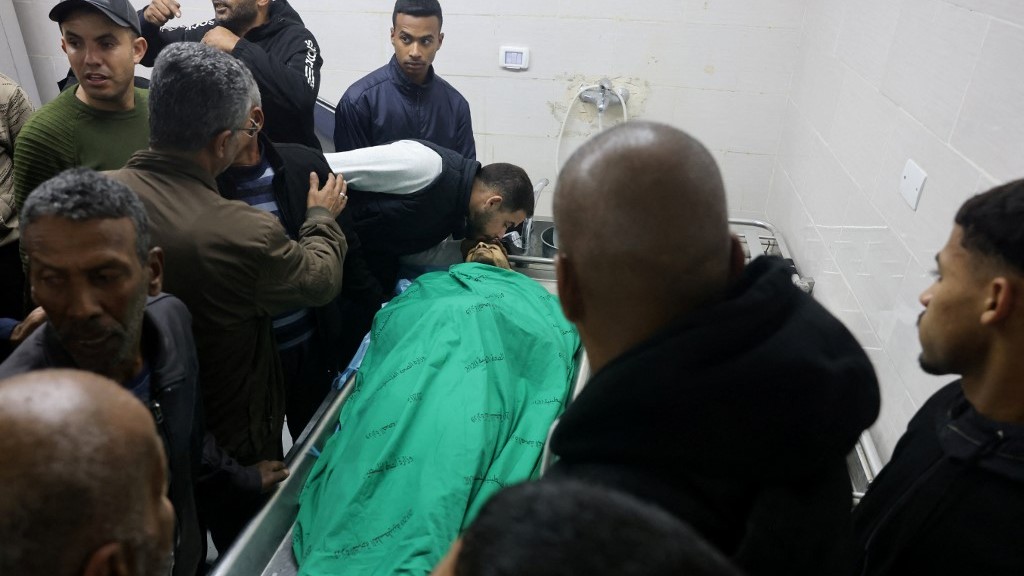
    In a separate incident in the occupied West Bank, Israeli forces shot and killed 24-year-old Palestinian man Saeed Nael Saeed al-Sheikh during a Tuesday evening raid in Jericho. Palestinian officials confirmed the death, with Riyad Eid, director of Jericho Governmental Hospital, detailing that al-Sheikh sustained a fatal abdominal gunshot wound causing severe internal damage, including liver rupture. Three other Palestinians suffered injuries of varying severity during the incursion.

    Meanwhile, despite an agreement to reopen the Rafah crossing, only forty Palestinians returned to Gaza early Wednesday after significant delays, with Israeli forces implementing rigorous searches, questioning, and movement restrictions. The crossing had reopened on February 2nd on a limited basis for the first time in nearly two years under strict Israeli restrictions. While the agreement anticipated 50 Palestinians returning to Gaza and 50 patients (each with two companions) exiting to Egypt on the first day, actual numbers fell dramatically short with only 12 entries and 8 exits recorded.

    Hamas condemned the mistreatment of returnees at Rafah as ‘a crime’ and urged mediators to take immediate action. The group further accused Israel of maintaining severe limitations on humanitarian aid entry despite ceasefire provisions. Hamas spokesperson Hazem Qassem warned that worsening cold-weather conditions are exacerbating the dire situation for displaced families living in tents, while Israel continues to restrict adequate quantities of fuel and cooking gas from entering the territory.

  • Greece blames smugglers over migrant deaths but early accounts have been questioned before

    Greece blames smugglers over migrant deaths but early accounts have been questioned before

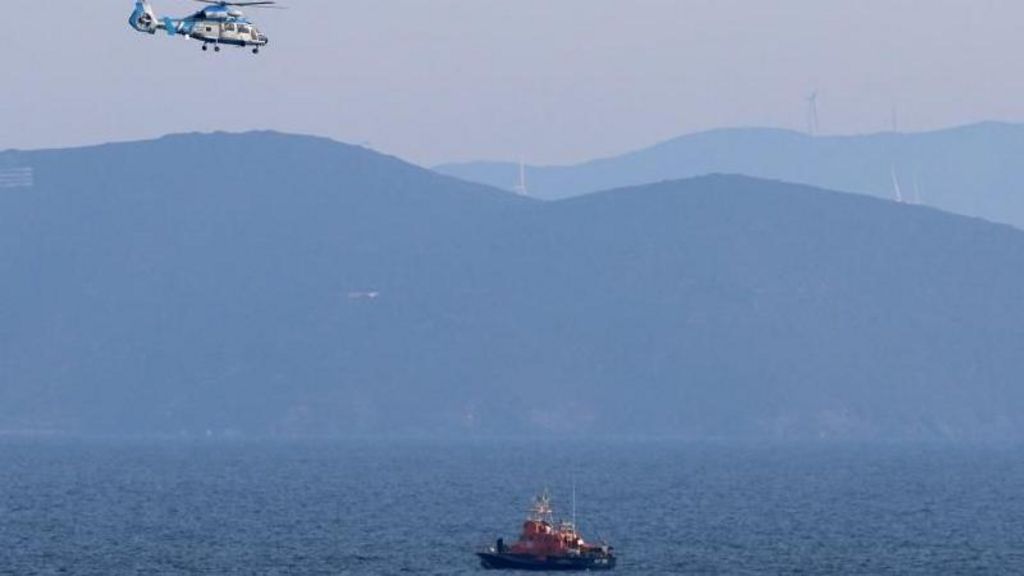
    A recent maritime incident near the Chios Strait has resulted in the deaths of 15 Afghan and Moroccan migrants after their speedboat collided with a Greek coastguard vessel, leaving 24 others injured. Greek authorities have promptly characterized the event as straightforward, attributing blame to smugglers who allegedly failed to comply with visual and audible signals from the Hellenic Coast Guard.

    The official narrative, released in a Tuesday statement, maintains that the migrant vessel executed dangerous maneuvers before veering into the patrol ship. However, this explanation faces scrutiny given historical precedents of disputed accounts involving Greek maritime authorities.

    This incident evokes memories of the 2023 Adriana disaster, where initial official claims that a migrant fishing boat capsized due to overcrowding were later contradicted by survivor testimonies. Those accounts suggested coastguard intervention actually caused the vessel to capsize during a botched towing attempt. Nearly three years later, 21 coastguard officers, including four senior figures and the current commander, face criminal prosecution for negligent manslaughter in that case.

    Regarding the latest tragedy, significant evidentiary gaps remain. No survivor testimony has yet emerged to either corroborate or challenge the official version, and independent verification is absent. The availability of video evidence—whether from coastguard equipment or migrant mobile phones—could prove pivotal, though its existence remains uncertain. Historical patterns raise concerns about evidence preservation; during the 2023 investigation, 20 migrant phones disappeared for 25 days before being discovered abandoned on a coastguard vessel.

    Greece continues to serve as a primary migration route into the European Union, with UNHCR reporting 41,696 sea arrivals in 2025—a decrease from 54,417 the previous year. The conservative government under Prime Minister Kyriakos Mitsotakis has implemented increasingly stringent immigration policies, which have proven politically popular despite criticism from human rights organizations.

    The EU border agency is currently reviewing 12 potential human rights violation cases involving Greece, including allegations of asylum seekers being pushed back from Greek frontiers. Following the latest incident, opposition politicians have condemned the coastguard’s actions, with one senior left-wing figure describing Greek waters as having become ‘a cemetery’ due to government policies.

    Migration Minister Thanos Plevris has expressed full confidence in the coastguard’s account of events, praising their efforts while criticizing activists who ‘complained but saved no-one.’ As investigations continue, many details remain unknown, and historical patterns suggest the complete truth may never emerge from the Mediterranean’s darkness.