分类: world

  • This woman fought back when jihadists killed her sons

    This woman fought back when jihadists killed her sons

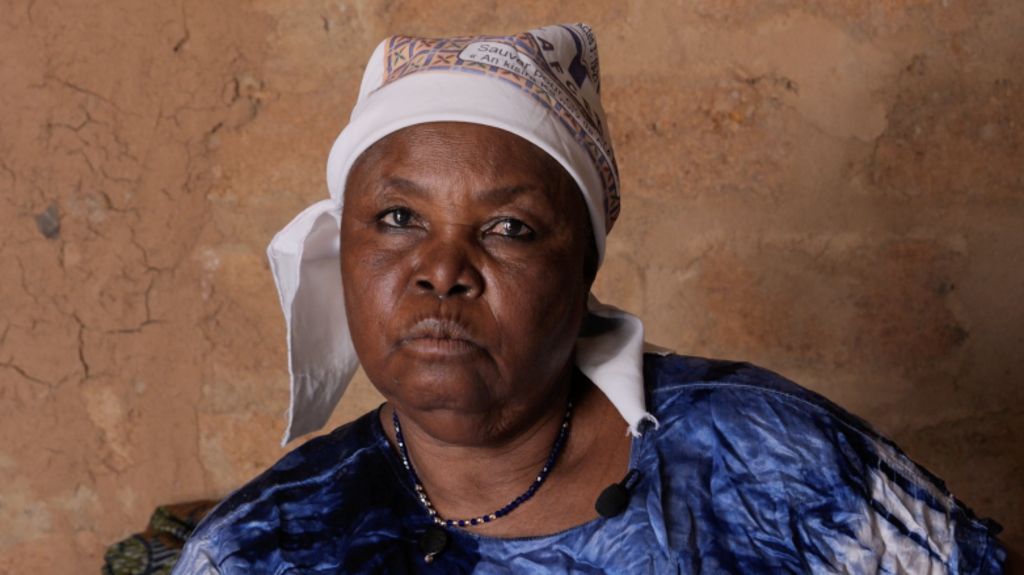
    In the dim confines of a refugee camp in Ivory Coast, 57-year-old Yameogo Aminata grapples with the traumatic memory of her four sons being executed by jihadist fighters in Burkina Faso. The attack occurred in 2022 when armed insurgents—who have terrorized central Burkina Faso for nearly fifteen years—overran her village, slaughtering residents and seizing property.

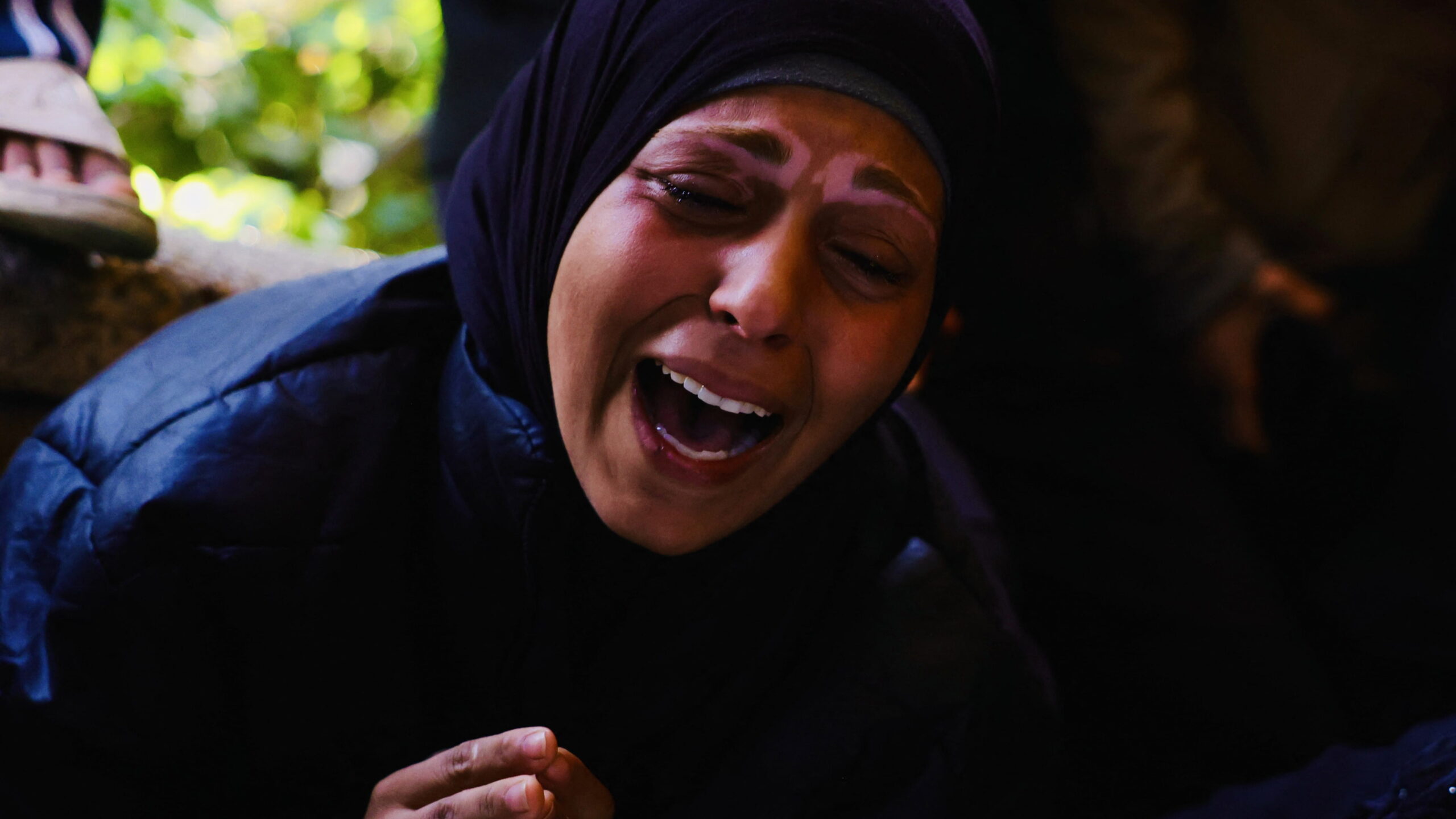
    “They slit the throats of four of my children,” Aminata recounted to the BBC, her voice trembling with emotion. “When I arrived, they were killing my fourth son.” Despite attempting to fight back with a knife, she was overpowered, severely beaten, and left with critical injuries. Her daughter remains missing since the assault.

    Aminata is among thousands who have fled to the Nioronigué camp, established in 2023 near the Burkinabé border through a collaboration between the United Nations and Ivorian authorities. Here, she preserves the bloodied clothing from the attack as a harrowing reminder of her loss.

    The Sahel region, described by the UN as the “epicentre” of global jihadist violence, has seen over 10,000 fatalities and the displacement of more than three million people. Countries like Burkina Faso, Mali, and Niger have been particularly affected, leading to military coups and a strategic pivot from Western alliances to Russian military support under the Africa Corps. Yet, insurgency persists, notably from al-Qaeda affiliate JNIM.

    Hassane Tall, a 60-year-old farmer, escaped northern Burkina Faso with his three wives and 19 children after repeated attacks. “We thought we would die,” he said. Now in Nioronigué, he mourns the loss of his ancestral land but sees no safe future at home.

    The camp, designed for 6,000 people, now shelters approximately 13,000 refugees—far exceeding its capacity. More than 80,000 Burkinabés currently reside in Ivorian camps, with many others integrated into local communities. This influx strains resources, despite the Ivorian government’s commitment to welcome refugees as “brothers” sharing cultural and historical ties.

    Blerta Cela of the UN Development Programme warned that host communities and infrastructure are under severe pressure. Meanwhile, refugees like a 27-year-old Malian finance graduate describe fleeing pervasive fear and violence after family members were targeted.

    For Aminata, the struggle to rebuild her life is overshadowed by enduring trauma. “I still cannot erase what happened to me,” she confessed. “We just pray to God that peace comes back to Burkina Faso.”
  • Russian strike near Kharkiv kills four, including children, official says

    Russian strike near Kharkiv kills four, including children, official says

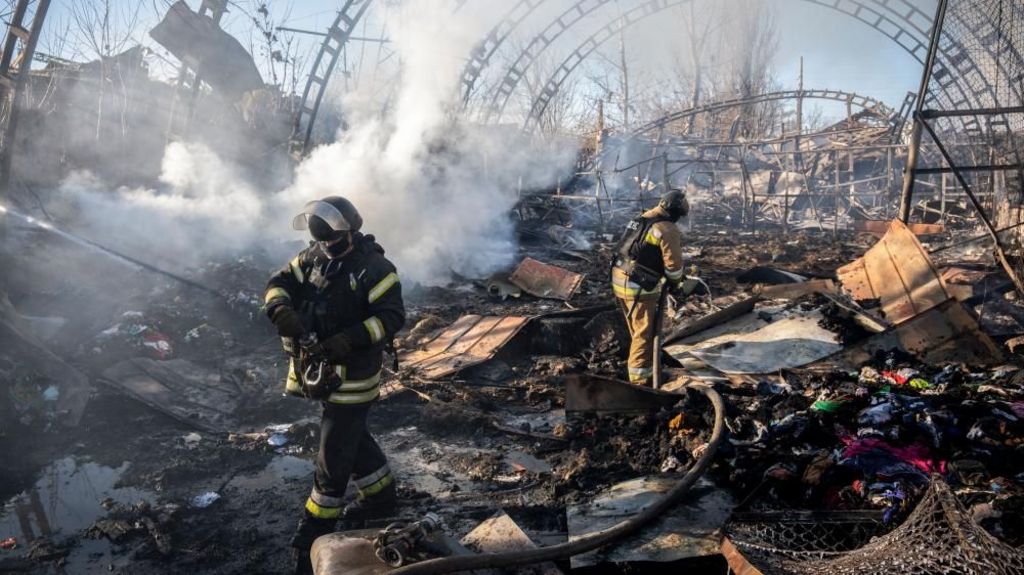
    A Russian drone strike on the town of Bohodukhiv, located west of Kharkiv, has resulted in the deaths of at least four individuals, tragically including three very young children, according to a statement from a senior Ukrainian official. Oleg Synegubov, head of the Kharkiv Regional Military Administration, identified the victims as two one-year-old boys, a two-year-old girl, and a 34-year-old man who were inside a residential house at the time of the attack. A 35-year-old pregnant woman and a 76-year-old woman sustained injuries and are receiving medical treatment.

    This devastating incident occurred on Tuesday night, marking a severe escalation as Russian forces resume widespread offensive operations across Ukraine. The renewed strikes follow the expiration of a brief, week-long pause in hostilities. This pause had been reportedly initiated at the request of U.S. President Donald Trump to Russian President Vladimir Putin, intended to provide a humanitarian reprieve for Ukrainians enduring a severe cold snap with temperatures plummeting to -20°C.

    In a separate and simultaneous attack on Tuesday, Russian forces deployed seven bombs on the city of Slovyansk in the Donetsk region around noon, as confirmed by Regional Governor Vadym Filashkin via Telegram. That assault claimed two more lives, including an 11-year-old girl.

    The town of Bohodukhiv has been subjected to repeated attacks. Just a day prior, on Monday, overnight drone strikes nationwide resulted in the deaths of at least four other people, including a mother and her 10-year-old son in the same town, and left tens of thousands without power.

    Ukrainian President Volodymyr Zelensky has stated that Russian forces are intensifying pressure on the Kharkiv region, specifically targeting critical transport and energy infrastructure with a record number of ballistic missiles. This sustained campaign has prompted local authorities to declare a state of emergency over the dire energy situation. The recent attacks signify a brutal end to the temporary ‘energy truce’ that had offered a short-lived respite to Ukraine’s beleaguered energy grid.

    Amid the violence, President Zelensky has revealed that the United States is seeking an end to the war by June and has extended invitations to both sides for talks in the U.S. next week. In a related development, Russian authorities reported a massive Ukrainian drone attack on the town of Volzhsky in the Volgograd region on Wednesday night. Andrei Bocharov, the regional governor, reported damage to an apartment building and a fire at an industrial facility.

  • Chinese sea captain pleads not guilty in Hong Kong court to damaging Baltic Sea cables

    Chinese sea captain pleads not guilty in Hong Kong court to damaging Baltic Sea cables

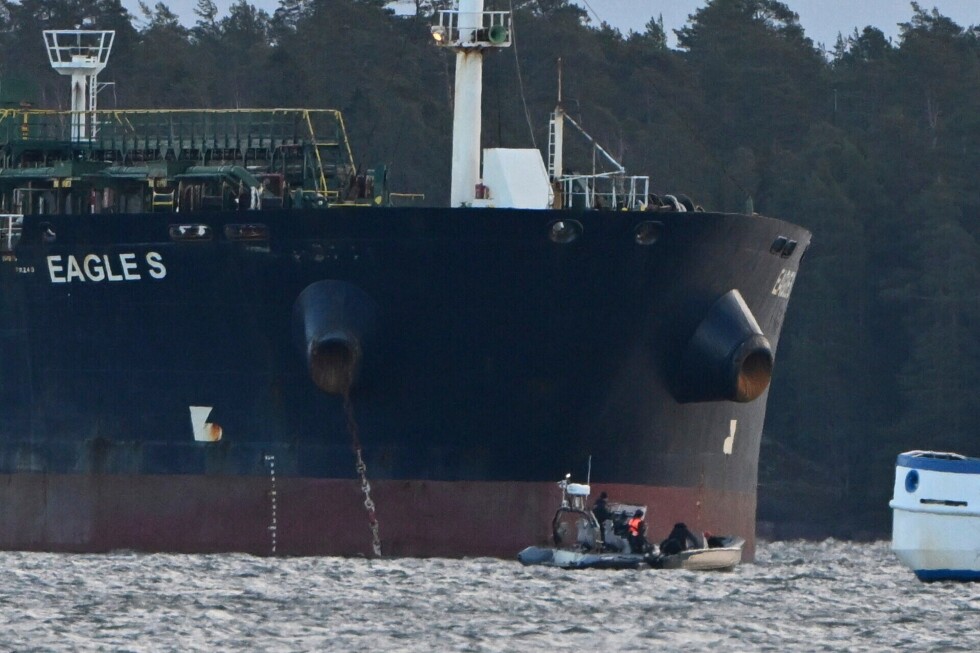
    The captain of a Hong Kong-registered container vessel appeared in a Hong Kong magistrate court on Wednesday, entering a plea of not guilty to charges of damaging critical undersea infrastructure in the Baltic Sea. Wan Wenguo, captain of the Newnew Polar Bear, faces one count of criminal damage for allegedly damaging a natural gas pipeline and submarine telecommunications cables between Finland and Estonia in October 2023. Additionally, he pleaded not guilty to two separate charges concerning violations of marine safety requirements for his vessel.

    The case emerges amid heightened security concerns regarding undersea infrastructure security in the Baltic region following Russia’s invasion of Ukraine in 2022. Finnish investigation authorities had previously identified the Newnew Polar Bear as responsible for damaging the Balticconnector gas pipeline, a critical energy link between Finland and Estonia. Finland subsequently sought cooperation from Chinese officials during its investigation into the incident.

    The Hong Kong judicial system is handling the case due to the vessel’s registration in the special administrative region. Court proceedings revealed that approximately 18 witnesses may be called to testify as the case develops. The charge sheet, reviewed by The Associated Press, alleges that Wan, who is in his 40s, acted “without lawful excuse” and was “reckless as to whether such property would be damaged” in relation to the infrastructure damage.

  • UAE expresses solidarity with Morocco over deadly floods

    UAE expresses solidarity with Morocco over deadly floods

    The United Arab Emirates has formally expressed its profound condolences and unwavering solidarity with the Kingdom of Morocco following catastrophic flooding that has ravaged multiple regions. Through an official declaration from the Ministry of Foreign Affairs (Mofa), the Emirates conveyed heartfelt sympathies to both the bereaved families and the Moroccan nation, while extending wishes for the rapid recovery of all injured individuals.

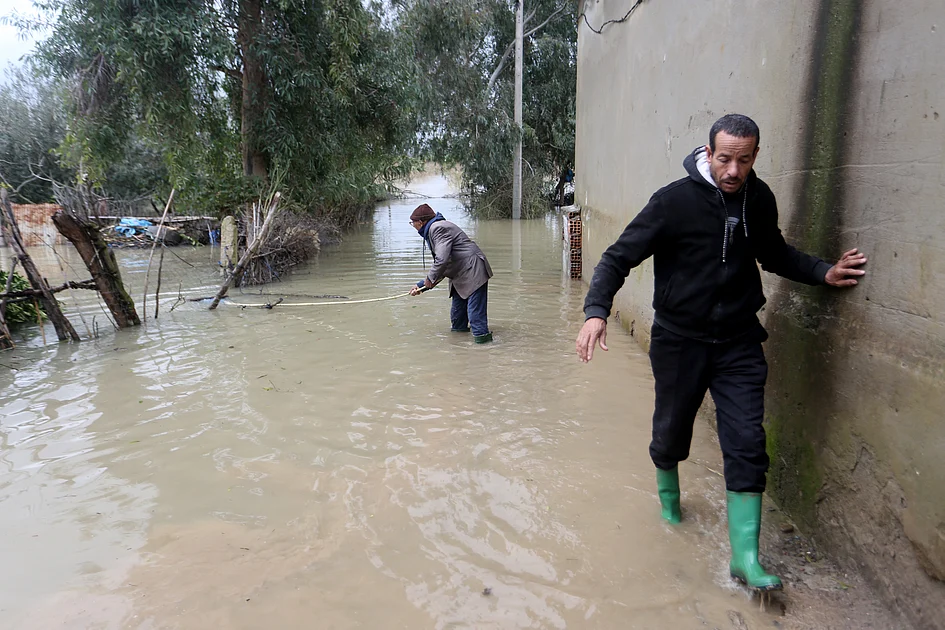
    The devastating weather event has claimed at least four lives, including a two-year-old child, with an additional individual reported missing. Moroccan authorities confirmed these casualties occurred when a vehicle was unexpectedly engulfed by sudden torrents near Tetouan. Rescue operations successfully recovered the victims’ bodies between Saturday night and Sunday morning, with ongoing search efforts for the missing person.

    This natural disaster has prompted one of the largest emergency responses in recent Moroccan history, with official reports indicating the evacuation of approximately 150,000 residents since the flooding commenced. Northwestern provinces have endured particularly severe rainfall over the past week, exacerbating the already critical situation.

    This tragedy echoes previous weather-related disasters in the region, notably the December flooding in Safi that resulted in 37 fatalities—Morocco’s most deadly climate event in the past ten years. The current meteorological crisis extends beyond Moroccan borders, with neighboring Algeria reporting two flood-related deaths including a child, and Tunisia experiencing at least five casualties during its heaviest rainfall in seventy years.

    Further north, Iberian nations Portugal and Spain have simultaneously battled severe storms and torrential rains, suggesting a broader regional weather pattern affecting Northwestern Africa and Southern Europe. The interconnected nature of these events highlights growing concerns about climate volatility in the Mediterranean region.

  • China’s panda diplomacy is becoming a liability for Beijing

    China’s panda diplomacy is becoming a liability for Beijing

    Japan marked a historic diplomatic milestone on January 27th as the nation bid farewell to its last remaining giant pandas, Xiao Xiao and Lei Lei, who were returned to China ahead of schedule. This departure signifies the first time since 1972—when diplomatic relations between Tokyo and Beijing were normalized—that Japan finds itself without any pandas within its borders.

    The repatriation of these beloved creatures occurs against a backdrop of escalating tensions between the two Asian powers. The situation deteriorated notably following November comments by Japanese Prime Minister Sanae Takaichi suggesting potential military response to Chinese actions toward Taiwan, which provoked strong objections from Beijing.

    China’s longstanding practice of ‘panda diplomacy’ dates back to the 7th century Empress Wu Zetian, who gifted bears to Japan as goodwill gestures. Modern panda diplomacy emerged in the 1970s as China sought to build international relationships, presenting pandas to major economies including the US, France, and the UK. Since 1984, due to declining wild populations, China has transitioned to long-term loan agreements requiring host countries to pay up to $1 million annually in conservation fees.

    The current reduction in panda loans—from 21 countries in 2019 to 16 today—reflects both diplomatic considerations and domestic pressures. Pandas hold profound emotional significance for the Chinese public as national treasures, and perceived mistreatment abroad can generate substantial backlash. This sensitivity was demonstrated when panda Le Le’s death at Memphis Zoo in 2023 sparked accusations of mishandling on Chinese social media.

    Despite being a soft power tool, panda diplomacy faces limitations beyond geopolitical tensions. Conservationists criticize the practice for using animals as political pawns, while questions persist about its actual conservation impact despite the significant fees involved. The International Union for Conservation of Nature still classifies giant pandas as ‘vulnerable.’

    The early recall of Japan’s pandas and suspension of negotiations for new loans illustrates how these charismatic animals remain entangled in the complex web of international relations, serving as both ambassadors and indicators of diplomatic climates between nations.

  • Lebanon, Jordan seek solutions after Damascus bans non-Syrian trucks

    Lebanon, Jordan seek solutions after Damascus bans non-Syrian trucks

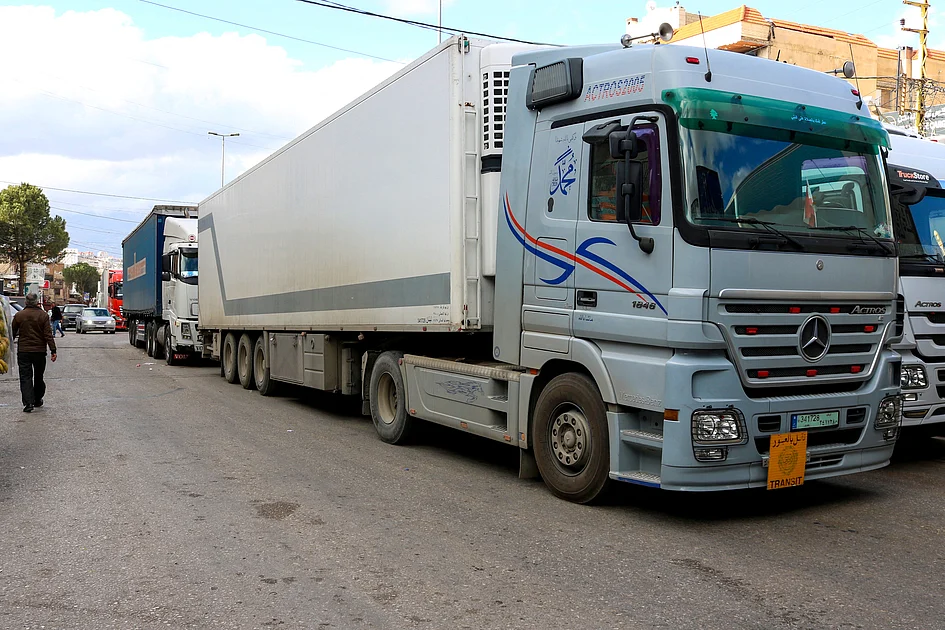
    A sudden regulatory shift by Syrian authorities prohibiting foreign commercial trucks from entering its territory has triggered significant logistical disruptions and prompted urgent diplomatic engagement from neighboring Lebanon and Jordan. The policy directive, enacted on Saturday, mandates that all non-Syrian freight carriers must unload their cargo at designated border zones, effectively barring them from transiting through Syrian road networks.

    Visual evidence from the Masnaa border crossing revealed extensive queues of stranded Lebanese trucks, illustrating the immediate impact of Damascus’s decision. Lebanese transportation official Ahmad Tamer clarified that this measure represents a broader regulatory action rather than a targeted sanction, with approximately 500 Lebanese trucks typically crossing into Syria daily. Concurrently, Jordanian authorities reported similar operational challenges at the Nassib crossing, where roughly 250 Jordanian trucks undergo daily processing.

    The Syrian General Authority for Ports and Customs characterized the move as part of ongoing efforts to systematize cargo movement through national ports. However, Lebanese transport associations have voiced strong opposition, warning through official channels about potentially severe economic repercussions given Syria’s critical role as Lebanon’s sole land conduit to Gulf markets.

    This trade disruption occurs against a backdrop of gradual diplomatic normalization. Mere days before the truck ban implementation, Lebanese and Syrian officials finalized an agreement transferring 300 Syrian prisoners from Lebanese to Damascus custody, signaling continued efforts to rebuild bilateral relations despite current trade complications.

  • Indonesia plans to send up to 8,000 troops to Gaza in support of Trump’s Board of Peace

    Indonesia plans to send up to 8,000 troops to Gaza in support of Trump’s Board of Peace

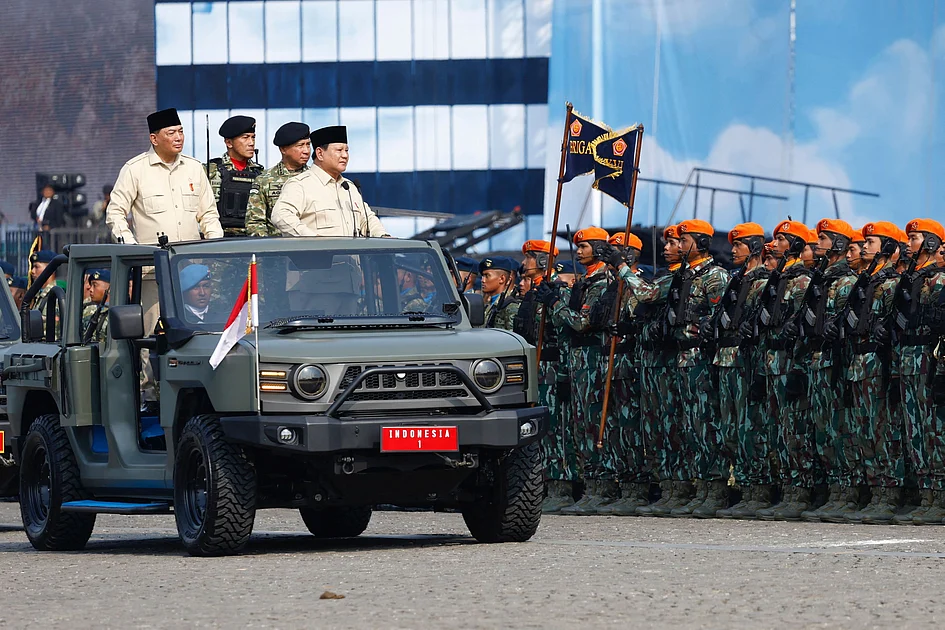
    In a significant development for international peacekeeping efforts, Indonesia is contemplating the deployment of up to 8,000 military personnel to Gaza. This potential move would position the world’s largest Muslim-majority nation as the inaugural contributor to the proposed international stabilization force (ISF) tasked with executing the second phase of former US President Donald Trump’s peace framework.

    General Maruli Simanjuntak, Chief of Staff of the Indonesian Army, emphasized that the plan remains provisional, with final numbers yet to be determined. The announcement’s timing carries substantial diplomatic significance, following closely after Indonesian President Prabowo Subianto received an invitation to attend the inaugural leadership summit for the Gaza ‘Board of Peace’ in the United States on February 19. The upcoming visit also presents opportunities for enhanced bilateral relations, including the potential signing of a trade agreement between Indonesia and the US.

    The Board of Peace, which counts Indonesia and Vietnam as its sole Southeast Asian members, is designed to provide strategic supervision and coordinate international resources for Gaza’s stabilization. According to General Maruli, the contemplated deployment would consist of approximately one brigade-sized force, with personnel primarily dedicated to humanitarian assistance and reconstruction initiatives rather than combat operations.

    Despite the ambitious planning, implementation challenges persist. A United Nations Security Council resolution adopted in November authorized the creation of the Board of Peace and its associated stabilization force. However, the ceasefire initiated in October has stagnated in its initial phase, with subsequent stages facing significant obstacles. Both Israeli and Hamas representatives remain deeply divided on critical aspects of the proposed next phase, with mutual accusations of violations continuing to undermine progress.

    While the intensity of hostilities has diminished since the ceasefire’s implementation, daily aerial bombardments persist. United Nations assessments depict increasingly dire living conditions for Gaza’s population, with over 80% of essential infrastructure reportedly destroyed, complicating both immediate humanitarian response and long-term reconstruction planning.

  • Israeli weapons ‘evaporate’ thousands of Palestinians in Gaza: Investigation

    Israeli weapons ‘evaporate’ thousands of Palestinians in Gaza: Investigation

    An in-depth investigation by Al Jazeera has uncovered disturbing evidence that Israeli forces are deploying internationally prohibited thermal and thermobaric weapons in Gaza, resulting in the complete vaporization of thousands of Palestinian bodies. The findings reveal a systematic pattern of destruction that extends beyond conventional warfare tactics.

    According to documentation from Gaza’s civil defense teams, over 2,800 cases of Palestinians have been recorded as vanished since the beginning of the conflict in October 2023. The Al Jazeera Arabic programme ‘The Rest of the Story’ reported that these individuals have effectively evaporated, leaving behind only minimal biological traces—fragments of flesh, blood specks on walls, or mere ash.

    The scale of destruction in Gaza is unprecedented, with approximately 90% of the territory’s infrastructure reduced to rubble. Israeli combat engineers have methodically demolished countless homes through controlled explosions, while armored bulldozers have systematically leveled entire neighborhoods, including schools, businesses, and medical facilities.

    Weapons experts and ground testimonies attribute the phenomenon of human vaporization to Israel’s deployment of US-supplied thermal munitions, commonly referred to as vacuum or aerosol bombs. These weapons generate extreme temperatures exceeding 3,500 degrees Celsius (6,332 degrees Fahrenheit)—far beyond water’s boiling point of 100 degrees Celsius. The intense heat is produced by tritonal, a mixture of TNT and aluminum powder used in American-made bombs.

    Civil defense spokesperson Mahmoud Basal explained the meticulous verification process: ‘When a family reports five people were inside a structure, and we recover only three intact bodies, we classify the remaining two as evaporated only after exhaustive searches yield nothing but biological evidence.’

    Munir al-Bursh, Director General of Gaza’s Palestinian Ministry of Health, confirmed the scientific plausibility of vaporization, noting that human bodies—composed of 80% water—would inevitably turn to ash when exposed to such extreme temperatures.

    The investigation identified specific US-manufactured munitions deployed in Gaza, including the MK-84 ‘Hammer’, BLU-109 bunker buster, and GBU-39 small diameter bomb. Notably, the BLU-109 was reportedly used in an attack on al-Mawasi—an area Israel had previously designated as a ‘safe zone’—resulting in the vaporization of 22 Palestinians in September 2024.

    In late November, Hamas called for an international committee to investigate Israel’s use of prohibited weapons, citing horrific testimonies from citizens and doctors in northern Gaza. The Palestinian movement accused Israel’s ‘terrorist occupation army’ of deploying internationally banned munitions that cause bodily vaporization.

    The human cost continues to mount, with current figures indicating over 72,037 fatalities and nearly complete destruction of Gaza’s infrastructure, creating one of the most severe humanitarian crises in modern conflict.

  • Opposition grows in Congo over US mineral deal

    Opposition grows in Congo over US mineral deal

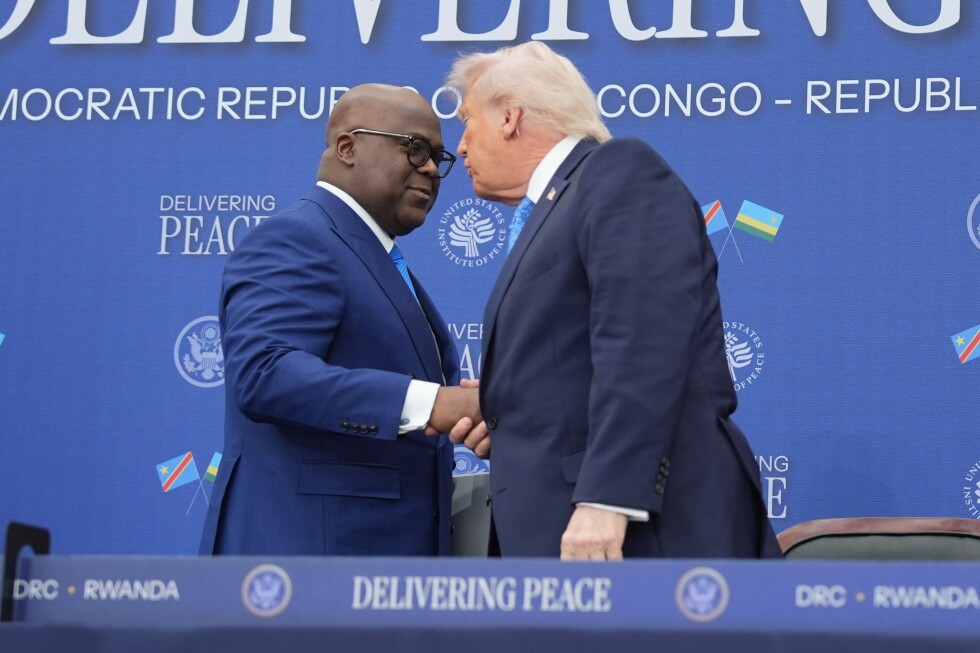
    A landmark minerals partnership between the Democratic Republic of Congo and the United States is encountering escalating domestic resistance despite recent high-level diplomatic endorsements. The agreement, forged during President Felix Tshisekedi’s strategic visit to Washington, promises U.S. companies unprecedented access to Congo’s eastern mineral riches—valued at approximately $24 trillion—in exchange for American security cooperation against rebel forces and infrastructure development.

    The arrangement emerges as the U.S. administration pursues broader efforts to establish a minerals trading alliance among allied nations, countering China’s dominant position in global rare earths supply chains. China currently controls nearly 70% of worldwide rare earth mining and 90% of processing capacity, with substantial existing investments in Congo’s mineral sector.

    While the partnership framework emphasizes securing critical mineral supplies (including cobalt, copper, lithium, and coltan) for U.S. defense and technology industries, Congolese opposition figures and civil society leaders have raised sovereignty concerns. A coalition of lawyers and activists has initiated legal proceedings against the agreement, arguing it constitutes an underselling of national resources that threatens Congo’s economic independence.

    Security challenges further complicate implementation prospects. Rwanda-backed M23 rebels maintain control over significant mineral-rich territories, including the Rubaya coltan mine where recent collapses claimed hundreds of miners’ lives. Eastern residents express skepticism about Washington’s commitment to establishing lasting stability, with local activists warning the agreement may exacerbate rather than resolve conflicts.

    Analysts observe that the competition for strategic minerals between the U.S. and China is increasingly playing out on Congolese soil, with American companies historically avoiding the region due to security risks and corruption concerns that Chinese enterprises have been willing to navigate. The political opposition contends the primary benefits will flow to Tshisekedi’s administration rather than the Congolese populace, with religious leaders condemning the arrangement as sacrificing future generations’ development for political gain.

  • African artefacts looted by British to be returned

    African artefacts looted by British to be returned

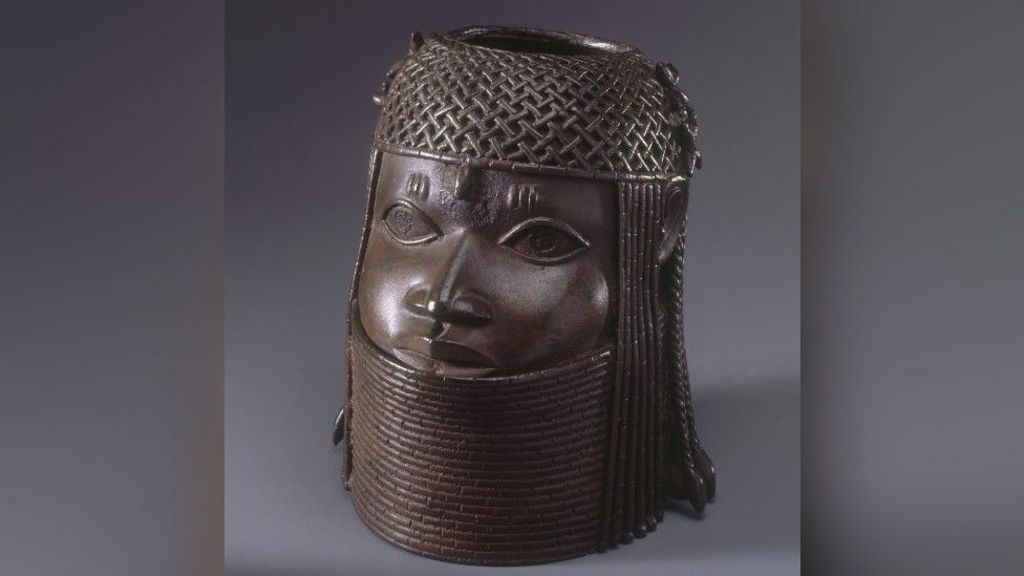
    In a landmark decision addressing colonial-era restitution, the University of Cambridge has formally transferred ownership of 116 cultural artefacts looted from Africa to Nigeria. The artefacts, historically known as the Benin Bronzes, were seized by British military forces during the violent occupation of Benin City in 1897.

    The transfer follows a formal repatriation request submitted by Nigeria’s National Commission for Museums and Monuments (NCMM) in January 2022. The university endorsed the request, with final approval granted by the UK Charity Commission. The artefacts, currently housed at Cambridge’s Museum of Archaeology and Anthropology (MAA), include commemorative heads of Obas (kings) and intricate brass penannular bracelets renowned for their exceptional craftsmanship.

    Planning is underway for the physical return of the majority of these culturally significant objects, with Nigerian authorities anticipating their arrival before year-end. NCMM Director General Olugbile Holloway confirmed the artefacts will be permanently exhibited in museums in Lagos and Benin City, with a new dedicated exhibition planned for the future.

    Not all pieces will immediately leave Cambridge. Seventeen artefacts will remain on loan at the MAA for an initial three-year period, ensuring continued access for researchers, students, and visitors. This arrangement reflects the museum’s decade-long engagement with Nigerian stakeholders, including the Royal Court of the Benin kingdom, scholars, and artists.

    Professor Nicholas Thomas, Director of the MAA, described the extensive dialogue with Nigerian counterparts as “immensely rewarding,” noting broad institutional and international support for repatriating objects appropriated through colonial violence. Holloway emphasized that beyond physical restitution, this return represents the “restoration of the pride and dignity” lost when these spiritually and historically vital objects were taken.