分类: world

  • At least 21 dead after boat sinks on Sudan’s River Nile

    At least 21 dead after boat sinks on Sudan’s River Nile

    A devastating maritime accident on the Nile River has resulted in significant loss of life, with at least 21 fatalities confirmed after a passenger vessel capsized in Sudan’s River Nile state. The tragedy occurred Wednesday evening in the Shendi area when the small boat, transporting approximately 30 passengers between the villages of Tayba al-Khawad and Deim al-Qarai, succumbed to powerful waves according to eyewitness accounts.

    The Sudan Doctors Network, which provided initial casualty figures to the BBC, reported that victims included vulnerable groups such as women, elderly individuals, and children. Dr. Mohamed Faisal Hassan, the network’s spokesperson, confirmed that six individuals survived the incident while rescue operations continue with the expectation of recovering additional victims.

    Medical authorities have urgently appealed for enhanced rescue capabilities, calling for specialized teams and equipment to accelerate search efforts. The organization emphasized the preventable nature of such disasters, highlighting systemic failures in river transport safety regulations and infrastructure.

    This incident exposes critical vulnerabilities in Sudan’s transportation network, where traditional boats serve as essential transit means across the Nile due to insufficient bridge infrastructure, particularly in rural regions. The tragedy occurs against the backdrop of nationwide instability stemming from the ongoing conflict between the Sudanese army and paramilitary Rapid Support Forces, which has strained resources and infrastructure despite River Nile State remaining outside direct combat zones.

    Dr. Hassan attributed the disaster to inadequate regulatory oversight, noting that many Nile vessels operate as private enterprises without proper safety protocols or government supervision. Authorities had not issued an immediate response to these allegations at the time of reporting.

  • Russia fires another barrage at Ukrainian cities as next round of US-brokered talks is unclear

    Russia fires another barrage at Ukrainian cities as next round of US-brokered talks is unclear

    Ukrainian cities endured another devastating night of Russian missile and drone attacks as diplomatic efforts to end the conflict faced renewed uncertainty. According to Ukrainian officials, Russian forces launched a massive assault overnight Wednesday to Thursday, targeting civilian infrastructure across multiple population centers.

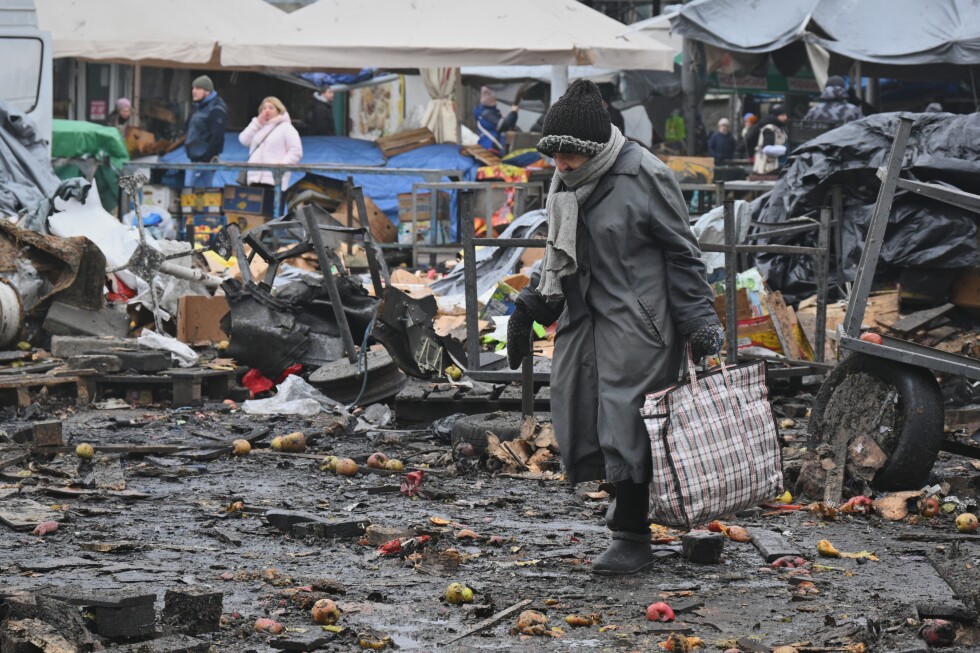
    The aerial offensive involved 219 long-range strike drones, 24 ballistic missiles, and a guided aircraft missile, with Kyiv, Kharkiv, Dnipro, and Odesa serving as primary targets. The attacks resulted in significant damage to residential buildings and critical infrastructure, leaving thousands without heating during freezing temperatures.

    In Dnipro, four civilians including a 4-year-old girl and a newborn boy sustained injuries from the strikes. Kyiv reported damage to several residential buildings with two injuries, while Odesa saw a residential high-rise partially destroyed and commercial establishments set ablaze, leaving one person wounded.

    The escalation in military aggression coincides with diplomatic maneuvering behind the scenes. Ukrainian President Volodymyr Zelenskyy revealed that Washington has proposed additional negotiations between Russian and Ukrainian delegations scheduled for next week in either Miami or Abu Dhabi. While Ukraine has “immediately confirmed” its participation, Zelenskyy indicated that Moscow appears to be “hesitating” about committing to the talks.

    Kremlin spokesman Dmitry Peskov offered a vague acknowledgment that another round of discussions was expected “soon” but provided no concrete details. The potential negotiations form part of a yearlong peace initiative by the Trump administration, which has reportedly set a June deadline for both parties to reach an agreement.

    Substantial obstacles remain to any comprehensive settlement. The two nations remain deeply divided over critical issues including the status of Ukrainian territories currently occupied by Russian forces, particularly in the eastern Donbas region. Moscow continues to demand additional territorial concessions from Kyiv, while Ukraine seeks Western-backed security guarantees, EU membership prospects, and a postwar reconstruction package before considering any proposed 20-point settlement.

    Meanwhile, Russia has persisted in targeting Ukrainian civilian areas and energy infrastructure, ignoring U.S. proposals for an “energy ceasefire” that would also restrict Ukrainian drone strikes on Russian oil facilities.

  • China seen as reliable global partner amid uncertainties

    China seen as reliable global partner amid uncertainties

    Amidst a backdrop of persistent global uncertainties, China is increasingly being perceived as a reliable international partner capable of delivering concrete benefits and fostering stability. This shift in perception is substantiated by a series of influential international surveys and expert analyses conducted throughout early 2026.

    The European Council on Foreign Relations’ January global opinion poll revealed growing anticipation for China’s expanding global influence over the coming decade, with many respondents now classifying Beijing as either an ‘ally’ or necessary partner. This sentiment finds reinforcement across multiple reputable institutions including Pew Research Center, Gallup, and Singapore’s ISEAS-Yusof Ishak Institute, all documenting a consistent upward trajectory in trust toward China in recent years.

    Brand Finance’s Global Soft Power Index 2026 positioned China as the sole nation within the top ten to enhance its soft power rating this year. The report emphasized China’s combination of domestic advancement with structured global engagement, resulting in perceptions of predictability, reliability, and tangible benefit delivery.

    Experts contend that China’s credibility surge stems not from temporary geopolitical fluctuations but from sustained capacity building. Key factors include enhanced manufacturing capabilities, provision of international public goods through initiatives like the Belt and Road, and steadfast support for multilateralism and the UN-centered international framework.

    The technological dimension emerges as particularly significant. Within the EU, most citizens anticipate China leading electric vehicle production within the next decade—a belief that has strengthened over the past two years. Brand Finance’s complementary Global 500 2026 report noted Chinese brands achieving unprecedented total value, representing 15.1% of the ranking’s overall worth, securing China’s position as second globally in brand representation.

    Asian analysts highlight specific success stories. Christine Susanna Tjhin of Indonesia’s Gentala Institute pointed to brands like BYD, Huawei, and Xiaomi, alongside green technology advancements in solar panels and wind farms, as embodiments of China’s industrial prowess penetrating global consciousness.

    The Belt and Road Initiative receives particular attention as a cornerstone of China’s soft power expansion. The China Belt and Road Initiative Investment Report 2025, co-published by Chinese and Australian institutes, documented 2025 as a record year for BRI engagement. Professor Christoph Nedopil Wang noted developing nations demonstrate growing trust in Chinese companies to execute large-scale projects, citing increased corporate size and execution capability.

    Infrastructure projects like the Jakarta-Bandung High-Speed Railway—the first complete overseas transfer of China’s HSR system encompassing technology, standards, construction, and operations—exemplify China’s capacity to deliver complex mega-infrastructure while generating employment, technology transfer, and human development through extensive training.

    Jasna Plevnik, President of the Geoeconomic Forum Croatia, emphasized the BRI’s attractiveness lies in its constant modernization and friendship-oriented approach, functioning as a mechanism for fostering balanced economic globalization through infrastructural connectivity.

    Critical to this trust-building is China’s contrasting approach to international relations. As noted by experts, Global South nations have developed confidence through interactions with a country that imposes neither economic pressure nor geopolitical sanctions, instead delivering economic and infrastructural growth.

    China’s commitment to existing global governance structures—including support for the United Nations, engagement with the WTO, contributions to peacekeeping operations, and strengthening regional frameworks—further amplifies this reliability perception. The China-ASEAN relationship exemplifies how participation in regional mechanisms elevates mutual trust and stability.

    In conclusion, as articulated by Einar Tangen of the Centre for International Governance Innovation, China’s philosophy frames international cooperation around solving collective practical challenges. In a polarized global landscape, this consistent focus on development, institutional cooperation, and tangible outcomes forges a deep foundation of trust, making China’s role as a necessary partner an increasingly logical conclusion for nations worldwide.

  • Pentagon ready to deploy 2nd aircraft carrier to Middle East: report

    Pentagon ready to deploy 2nd aircraft carrier to Middle East: report

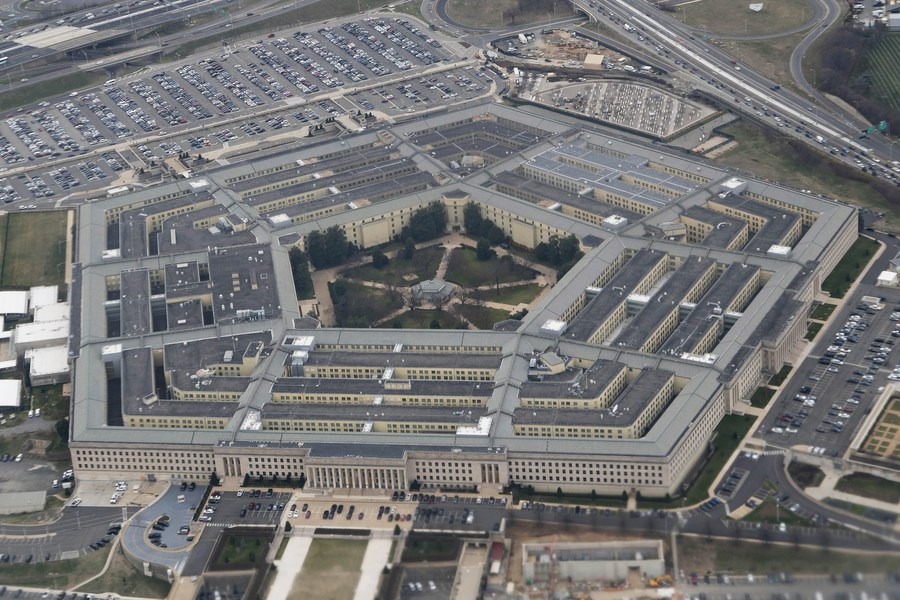
    The United States Department of Defense is positioned to dispatch a second aircraft carrier to the Middle Eastern theater within a fortnight, according to a Wall Street Journal report published Wednesday. This strategic mobilization occurs against a backdrop of intensifying diplomatic friction between Washington and Tehran.

    The prospective deployment would involve the USS George H.W. Bush, currently conducting training operations off the Virginia coast. Military officials indicated these exercises could be accelerated to facilitate quicker deployment, though final authorization from President Donald Trump remains pending. The carrier would originate from the U.S. East Coast contingent.

    Should the deployment proceed, the USS George H.W. Bush would join the USS Abraham Lincoln already stationed in the region. This would mark the first dual-carrier presence since March 2025, when the Truman and Vinson strike groups coordinated operations against Houthi forces in Yemen.

    The military preparations coincide with delicate diplomatic engagements. Both nations recently conducted indirect negotiations in Muscat, Oman—their first dialogue since U.S. airstrikes targeted Iranian nuclear facilities in June 2025. President Trump acknowledged the carrier deployment consideration, framing it as contingency planning should diplomatic efforts falter.

  • Gaza City initiates cleanup project to clear path for economic recovery

    Gaza City initiates cleanup project to clear path for economic recovery

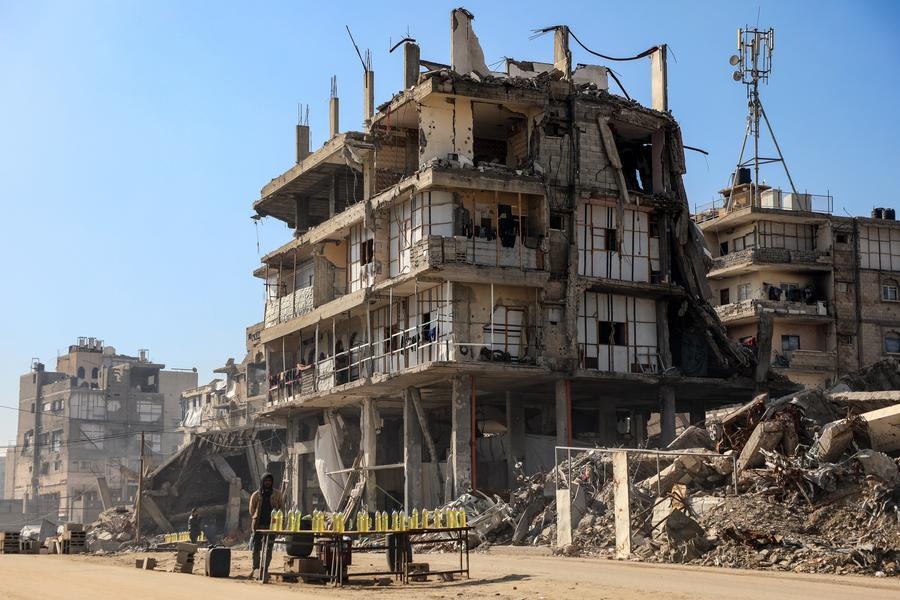
    GAZA CITY – Municipal authorities have launched a critical environmental initiative to remove approximately 350,000 cubic meters of accumulated waste from the Firas Market area in central Gaza City. The project, implemented in partnership with the United Nations Development Programme, represents a significant step toward addressing severe public health hazards while attempting to revitalize commercial activity in a region devastated by conflict.

    The operation involves transferring massive waste deposits from the temporary landfill at Firas Market to an alternative designated site in southern Gaza City. Municipal officials describe this as an interim solution until crews can access the primary landfill facility in Juhr al-Dik area, which remains inaccessible due to ongoing restrictions.

    Gaza Mayor Yahya al-Sarraj informed reporters that the transfer process alone would require at least six months to complete given the enormous volume of accumulated refuse. “The continued piling up of garbage has created serious environmental and health challenges for residents,” al-Sarraj stated, emphasizing that proper waste management infrastructure remains essential to preventing further deterioration.

    Health authorities have raised alarms about the proliferation of insects and rodents throughout the city, with municipal spokesperson Husni Muhanna warning that “the proliferation of flies, mosquitoes and rodents increases the risk of disease outbreaks.” Muhanna attributed part of the crisis to restrictions that have limited municipalities’ ability to import necessary equipment and machinery for waste management.

    According to Alaa al-Batta, deputy head of the Union of Municipalities in the Gaza Strip, approximately 700,000 tons of waste are currently accumulated across the territory. This buildup has led to the re-emergence of informal dumping sites and raised concerns about potential groundwater contamination.

    Local residents and business owners have welcomed the cleanup initiative. Ibrahim Nejim, a resident of the al-Samar neighborhood near the market, reported noticeable improvements: “The air has become noticeably cleaner compared with previous months, when foul odors and insects were widespread.”

    Former shop owner Hassan Khalil expressed hope that restoring cleanliness would help revive economic activity in what was once a major commercial hub and social gathering spot. Amjad al-Shawa, director of the NGO Network in Gaza, described the waste removal as “a positive development” that offers “an opportunity to improve the local environment after months of suffering from insects and diseases linked to garbage.”

  • US FAA lifts temporary closure at El Paso intl airport in Texas

    US FAA lifts temporary closure at El Paso intl airport in Texas

    EL PASO, Texas – The U.S. Federal Aviation Administration (FAA) has reinstated normal flight operations at El Paso International Airport following a temporary airspace closure enacted for special security reasons on Wednesday. The shutdown, which halted all inbound and outbound commercial traffic for several hours, was implemented in response to an unauthorized drone incursion near the U.S.-Mexico border.

    Transportation Secretary Sean Duffy confirmed via social media platform X that the FAA and the U.S. Department of Defense coordinated a rapid response to what was identified as a ‘cartel drone incursion.’ Authorities successfully neutralized the perceived threat, with Duffy assuring the public that ‘there is no danger to commercial travel in the region.’

    The FAA’s official communication on X stated: ‘The temporary closure of airspace over El Paso has been lifted. There is no threat to commercial aviation. All flights will resume as normal.’

    The abrupt closure drew immediate criticism from U.S. Congresswoman Veronica Escobar, who represents Texas’ 16th Congressional District encompassing El Paso. The legislator urged federal authorities to promptly lift the flight restrictions affecting the strategically important border region.

    Aviation security personnel, including K-9 units, were visibly active throughout the incident, conducting enhanced security screenings as operations gradually returned to normal. Photo documentation showed specialized police dogs meticulously inspecting luggage in the terminal following the resolution of the security situation.

  • Five Pakistani police officers killed in militant attack; no claim of responsibility

    Five Pakistani police officers killed in militant attack; no claim of responsibility

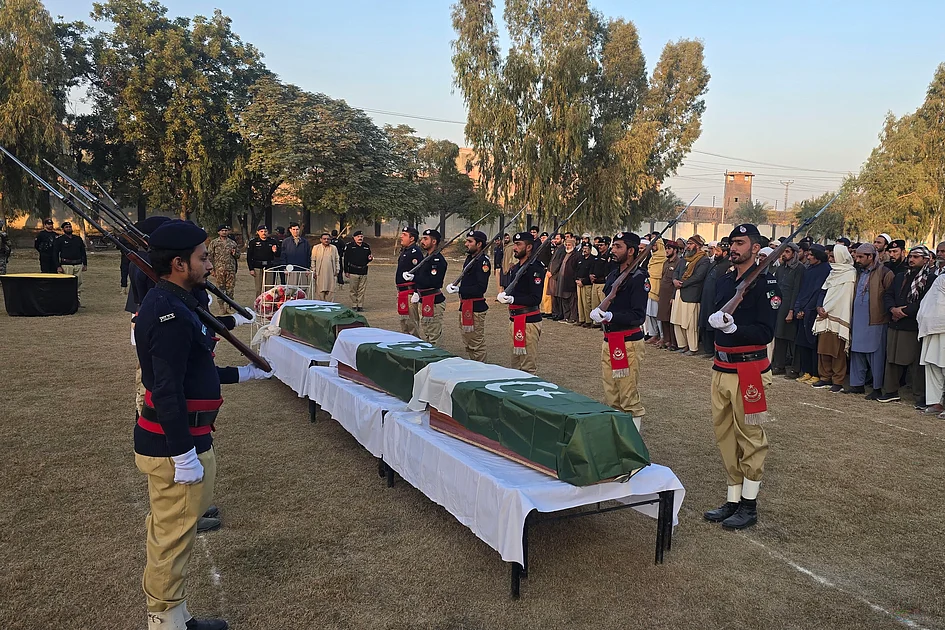
    In a devastating security incident in Pakistan’s volatile northwest region, five police officers were fatally attacked by militants on Wednesday. The assault occurred as officers returned from a counter-terrorism operation on the outskirts of Dera Ismail Khan, a city bordering the lawless Waziristan district near Afghanistan.

    According to official police statements, concealed militants stationed within forested terrain initiated sudden gunfire on the returning police patrols. The security forces responded with retaliatory action, resulting in the elimination of four assailants during the exchange. No militant organization has yet claimed responsibility for the coordinated attack.

    This violence occurs against a backdrop of deteriorating security conditions throughout Pakistan, particularly following the Tehreek-e-Taliban Pakistan’s (TTP) termination of its ceasefire agreement with the government in late 2022. The region has long served as a stronghold for Islamist militant groups, including both local Taliban factions and other extremist organizations.

    The recent attack compounds an already grave security situation, coming just days after a separate suicide bombing at an Islamabad mosque claimed over 30 lives last Friday. These consecutive incidents highlight the mounting challenges facing Pakistani security forces as they combat resurgent militant activities across the nation’s border regions.

  • Gaza: Palestinians living along the ‘Yellow Line’ endure daily Israeli attacks

    Gaza: Palestinians living along the ‘Yellow Line’ endure daily Israeli attacks

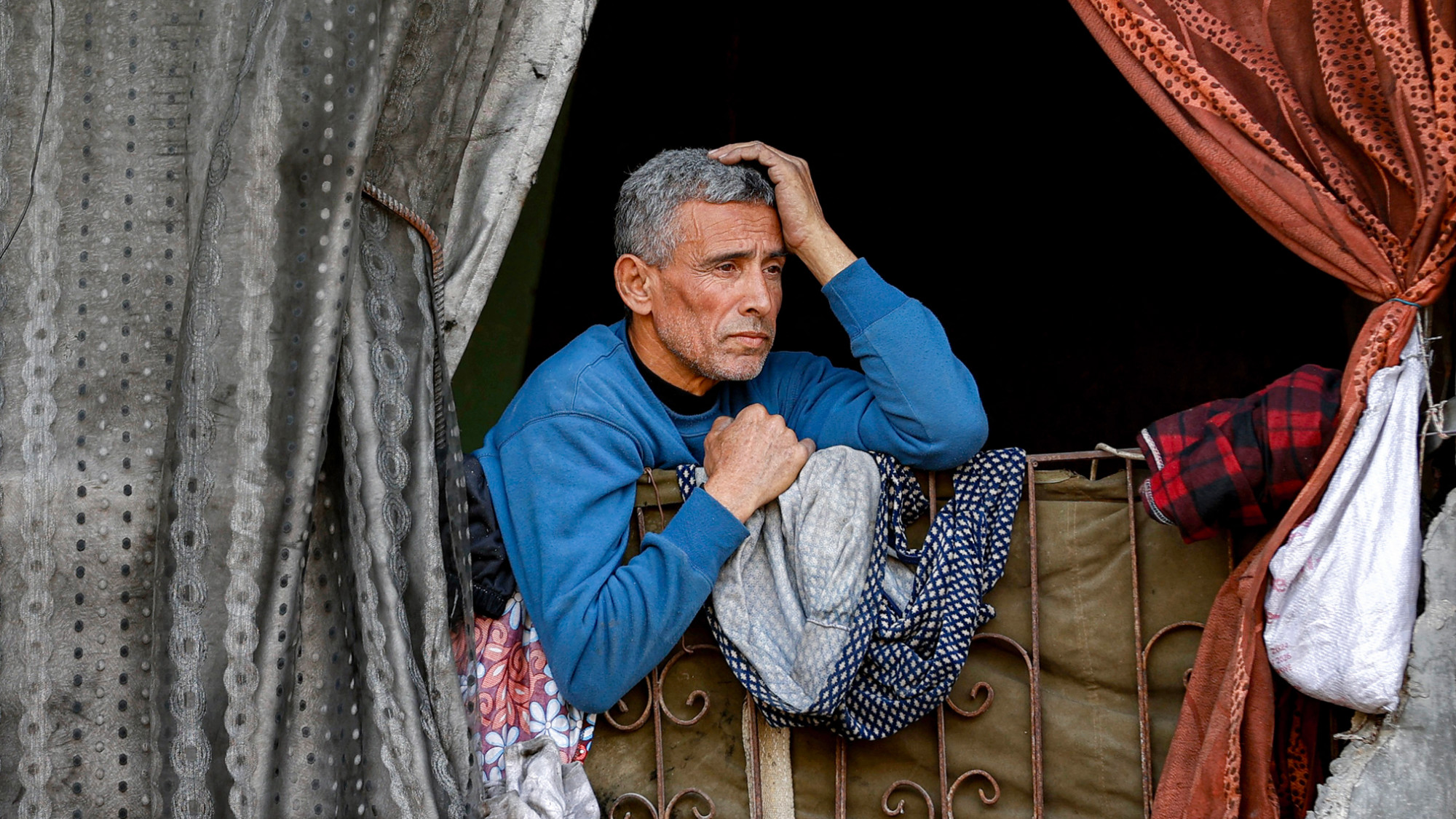
    Along the Israeli-imposed demarcation zone in Gaza known as the ‘Yellow Line,’ nocturnal existence has become a terrifying ordeal for Palestinian residents. Hamed, a 25-year-old from Khan Younis who requested anonymity for security reasons, describes sleeping patterns routinely shattered by explosive detonations and sustained gunfire that commences each evening and continues until dawn.

    The Yellow Line, established as a temporary withdrawal boundary under October’s ceasefire agreement, now represents a constantly shifting frontier where Israeli military presence controls approximately 58% of Gaza territory. What began as a security buffer has progressively encroached deeper into Palestinian domains, shrinking from nearly two kilometers to less than one kilometer from residential areas in recent weeks.

    This geographical compression has been accompanied by escalating military activity. ‘We now visually identify tanks as they approach, open fire, and subsequently retreat. The experience is utterly terrifying,’ Hamed reported to Middle East Eye. The psychological warfare compounds physical dangers, with multiple neighbors having sustained injuries from gunfire while inside their homes.

    The humanitarian impact extends across Gaza’s regions. In al-Bureij, central Gaza, Khaled (also using pseudonym for safety) described indiscriminate shooting forcing his uncles to abandon their property adjacent to the boundary. Meanwhile, in al-Maghazi refugee camp, mother of six Houida Salim articulated the perpetual anxiety: ‘The war never finished. Whenever we hear tank movements, we feel imprisoned within our homes.’

    International human rights organizations have condemned Israel’s operations along the Yellow Line. The Euro-Med Human Rights Monitor characterizes these actions as ‘illegal seizure and systematic plundering of resources’ in occupied territory, violating established international law.

    According to Palestinian health authorities, at least 591 fatalities have occurred since the truce began four months ago, predominantly near the Yellow Line. The shifting boundary has triggered repeated displacements, restricted access to agricultural lands, and created generations traumatized by relentless military presence with no viable refuge remaining for countless families.

  • Clashes continue in Manipur; houses burned, internet suspended for 5 days

    Clashes continue in Manipur; houses burned, internet suspended for 5 days

    A state of heightened tension persists in Manipur’s Ukhrul district as renewed ethnic clashes between Tangkhul Naga and Kuki-Zo communities continue to destabilize the region. The violence, which erupted following a seemingly minor altercation, has exposed deeper socio-political fissures rooted in longstanding territorial disputes.

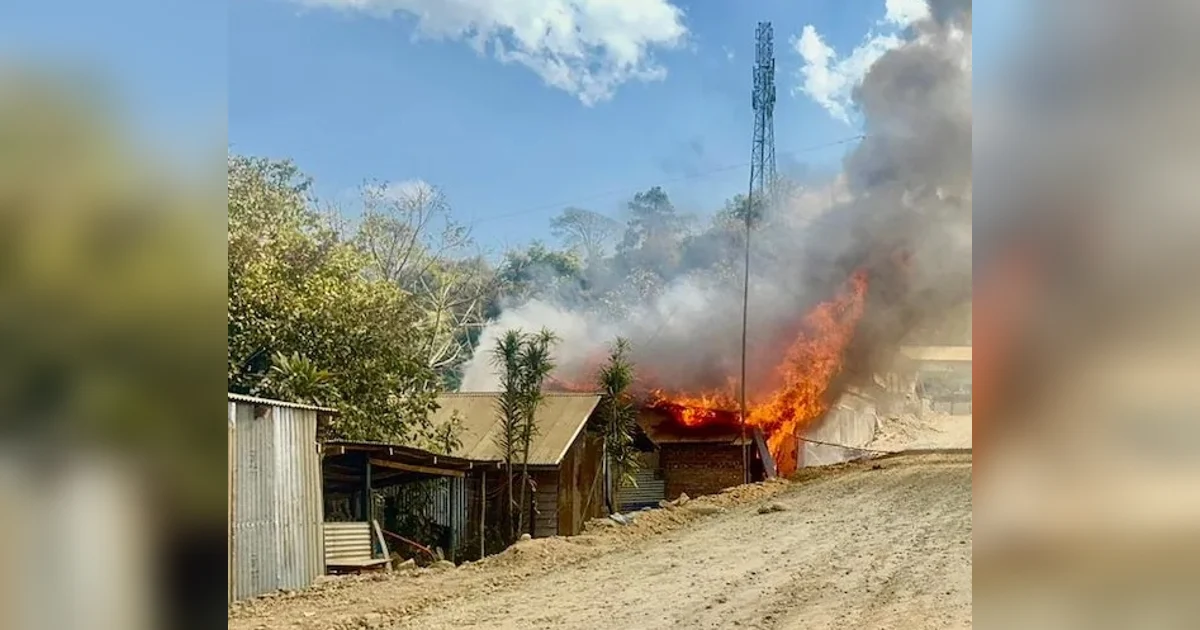
    According to state government officials, the initial confrontation began as a drunken brawl on February 7th but rapidly escalated into organized violence. By Sunday evening, scores of residential and commercial properties in Litan village were deliberately set ablaze by unidentified arsonists. The district administration responded by implementing strict measures including a comprehensive ban on firearms display and suspension of internet services for five days as a preventive strategy.

    Deputy Chief Minister Losii Dikho characterized the situation as being driven by isolated individuals rather than collective community animosity. “Both sides fundamentally desire peace and harmony,” Dikho stated to press representatives. “The government remains committed to apprehending those responsible and restoring normalcy.”

    Civil society organizations from both ethnic factions convened with Chief Minister Yumnam Khemchand Singh on February 11th in a concerted effort to mediate tensions. Despite these diplomatic interventions, resolution remains elusive as underlying land disputes continue to fuel hostilities.

    Community leaders expressed growing apprehension regarding the persistence of violence despite substantial security deployments. RS Jollyson, Vice President of Tangkhul Naga Long, highlighted concerns about safety within indigenous territories, while Ukhrul Kuki Students’ Organization representative Mercy Khongsai emphasized the tragic transformation of individual conflicts into collective suffering.

    The regional government maintains that the internet suspension and weapon restrictions constitute necessary precautions to prevent further escalation and misinformation spread. Security forces continue monitoring sensitive areas while judicial processes advance against identified perpetrators.

  • ‘I just want him home’, says wife of Irish man detained by ICE

    ‘I just want him home’, says wife of Irish man detained by ICE

    An Irish citizen’s extended detention by U.S. Immigration and Customs Enforcement (ICE) has drawn significant attention to immigration enforcement practices and consular protection efforts. Seamus Culleton, who entered the United States in 2009 through the visa waiver program, was apprehended by immigration authorities in September 2025 while finalizing his green card application process.

    Culleton’s spouse, Tiffany Smith, emotionally recounted the profound distress caused by her husband’s detention during a recent press conference. “The experience has been completely overwhelming,” Smith stated, emphasizing her desire to have her husband “home where he belongs.” She reported concerning deterioration in Culleton’s health during her visit two weeks prior, describing significant weight loss and apparent jaundice.

    The detained individual, originally from County Kilkenny’s Glenmore area, has established substantial ties to the United States over his 18-year residence. Culleton operates a plastering business in the Boston region and is married to an American citizen. His legal representative, Ogor Winnie Okoye, has formally requested immediate release to enable completion of the green card application process.

    From the El Paso detention facility, Culleton provided disturbing accounts of living conditions, characterizing them as squalid and inadequate. He described confinement with 71 other detainees in cramped quarters, insufficient nutrition, and severely limited access to outdoor recreation. “The uncertainty is terrifying—you never know what each day might bring,” Culleton conveyed during an interview with RTÉ’s Liveline.

    The case has escalated to diplomatic levels, with Taoiseach Micheál Martin acknowledging multiple instances of Irish citizens in ICE custody. The Irish government has adopted a cautious approach, with Martin emphasizing the necessity of effective assistance that doesn’t inadvertently worsen the situation. Foreign Affairs Minister Helen McEntee confirmed consular assistance through the Austin Consulate General and diplomatic engagement with Homeland Security officials in Washington.

    ICE officials presented a contrasting narrative through Department of Homeland Security Assistant Secretary Tricia McLaughlin, who characterized Culleton as an “illegal alien” who received full due process and was issued a removal order. McLaughlin asserted that Culleton elected to remain in custody despite being offered voluntary departure to Ireland. The administration’s stance maintains that detention represents a choice for individuals with pending applications, and highlighted a program offering financial incentives for self-deportation.

    The case highlights ongoing tensions between immigration enforcement priorities and humanitarian considerations, with significant implications for bilateral relations and consular protection protocols.