分类: world

  • Gunman holds students and teachers hostage at Thai school; number unknown

    Gunman holds students and teachers hostage at Thai school; number unknown

    A severe security emergency erupted in southern Thailand on Wednesday when an armed assailant stormed a school in Songkhla province, taking an undisclosed number of students and educators hostage. Provincial authorities confirmed the ongoing crisis through official social media channels, indicating that negotiations were underway.

    Initial reports from law enforcement revealed that at least three individuals sustained injuries during the initial shooting incident that preceded the hostage situation. The precise condition of the wounded victims remains unclear as emergency responders established a security perimeter around the educational facility.

    The incident, which occurred on February 11, 2026, represents one of the most serious school security breaches in recent Thai history. Local police and special forces units have been deployed to the scene, though officials have maintained tight control over information disclosure to ensure operational security during the critical response phase.

    Educational institutions throughout the region have been placed on heightened alert as authorities work to resolve the situation without further casualties. The identity of the perpetrator and their specific motivations remain unknown at this developing stage of the investigation.

  • Women suicide bombers, new weapons give boost to insurgents in Pakistan

    Women suicide bombers, new weapons give boost to insurgents in Pakistan

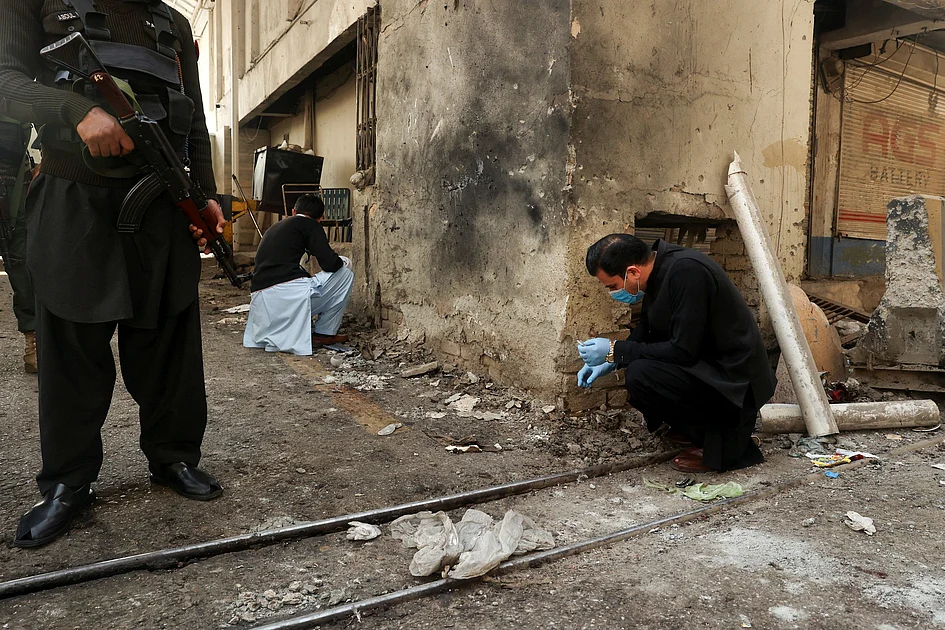
    A disturbing tactical shift is underway within Pakistan’s Balochistan insurgency, marked by the strategic deployment of female suicide bombers and sophisticated US-manufactured weaponry. The Baloch Liberation Army (BLA), now identified by security analysts as South Asia’s most formidable insurgent group, is leveraging these developments to amplify its impact and propaganda reach.

    The emergence of women combatants represents a significant evolution in the conflict’s dynamics. In January 2026 alone, three female suicide bombers participated in coordinated attacks that killed 58 people and brought the resource-rich province to a standstill. Before these attacks, records indicated only five women had conducted suicide missions for the BLA since the first such attack in 2022.

    These female recruits, some possessing university education according to a Pakistani counter-terrorism report, hail from diverse socioeconomic backgrounds. Their participation signals the insurgency’s expanding appeal beyond traditional male-dominated tribal structures to a broader cross-section of Baloch society.

    Concurrently, the group’s military capabilities have been dramatically enhanced by access to advanced American weaponry abandoned during the 2021 withdrawal from Afghanistan. Pakistan’s military reports recovering 272 US-made rifles and 33 night vision devices by June 2025, with additional sophisticated equipment captured following January’s attacks.

    The BLA has demonstrated increasing sophistication in operations, employing drones for reconnaissance and satellite communications during a major train hijacking in February 2025. This technological advancement, combined with strategic propaganda featuring images of combatants like Yasma Baloch and her husband Waseem—who died together in a joint suicide mission—has transformed the insurgency into a more complex security challenge.

    Pakistani officials acknowledge the dual threat posed by these developments, with Junior Interior Minister Talal Chaudhry noting that female participation ‘impresses on their community that the fight has entered their homes.’ The government has engaged with social media platforms to counter the BLA’s online recruitment efforts, though the group’s propaganda continues to circulate widely.

    Security analysts describe this convergence of gender strategy and advanced weaponry as representing ‘a dangerous evolution in terrorist tactics’ that significantly elevates the threat level in Pakistan’s largest yet poorest province, endangering substantial international investments, including Chinese and American interests in the region.

  • Female shooter? Nine killed in Canada mass shooting that targeted school, residence

    Female shooter? Nine killed in Canada mass shooting that targeted school, residence

    A remote mountain community in western Canada is grappling with an unprecedented tragedy after a mass shooting claimed nine lives and left 27 injured at Tumbler Ridge Secondary School and a connected residence. The horrific incident, which unfolded on Tuesday in the picturesque foothills of the Rockies, represents one of Canada’s deadliest school shootings in recent history.

    According to the Royal Canadian Mounted Police, the attack resulted in two critically injured victims and 25 others with non-life-threatening wounds. While Canadian media outlets have reported the shooter was female, authorities have declined to confirm the suspect’s identity during press briefings. The assailant was found deceased at the school with what appeared to be a self-inflicted gunshot wound.

    The violence prompted an immediate lockdown response at the secondary school, where six victims were discovered fatally shot. A seventh victim succumbed to injuries while en route to medical facilities. Simultaneously, police discovered two additional fatalities at a residential property believed connected to the incident.

    Prime Minister Mark Carney expressed being ‘devastated’ by the ‘horrific acts of violence,’ canceling his scheduled appearance at the Munich Security Conference to address the domestic crisis. The community of Tumbler Ridge, with approximately 2,400 residents located 1,100 kilometers north of Vancouver, has been plunged into mourning.

    Eyewitness accounts describe the terror that gripped the school during the lockdown. Student Darian Quist recounted to CBC how disturbing images of the carnage circulated among students during the two-hour ordeal before police tactical teams secured the building. His mother, Shelley Quist, emotionally declared her son wouldn’t be ‘out of my sight for a while’ following the traumatic event.

    The RCMP’s northern district commander Ken Floyd characterized the situation as ‘rapidly evolving and dynamic,’ with investigators continuing to search additional properties for potential connections to the attack. This tragedy follows another recent mass casualty event in Vancouver, where 11 people died in a vehicle attack targeting a Filipino cultural festival in April, challenging Canada’s reputation for low rates of mass violence.

  • 2 killed after civilian airplane shot on landing in Indonesia’s Papua

    2 killed after civilian airplane shot on landing in Indonesia’s Papua

    In a tragic incident highlighting ongoing security challenges in Indonesia’s eastern region, two pilots were killed when unknown assailants opened fire on a civilian aircraft during landing in Papua on Wednesday. The attack occurred at approximately 11:17 AM local time as the Smart Air Cessna Caravan approached Korowai Airport in Boven Digoel, South Papua province.

    According to police spokesman Cahyo Sukarnito, the aircraft was carrying 13 passengers alongside the flight crew when gunfire targeted the plane upon touchdown. In response to the attack, both pilots and all passengers evacuated the aircraft and sought refuge in nearby forested terrain surrounding the airport facility.

    Tragically, both the pilot and co-pilot sustained fatal injuries during the incident. All passengers aboard the flight were confirmed safe and accounted for following the attack. Authorities have not yet identified the perpetrators behind the shooting, with police investigations ongoing to determine responsibility.

    The attack occurs against the backdrop of long-simmering tensions in Indonesia’s resource-rich Papua region, where separatist groups have maintained a low-intensity independence conflict since the territory’s controversial incorporation into Indonesia following a UN-supervised vote in 1969. The region has experienced escalating violence in recent years despite increased security presence.

    Smart Air, the operator of the targeted aircraft, has not issued an immediate public statement regarding the attack or the loss of their flight crew members. The incident represents one of the most direct attacks on civilian aviation in the region’s ongoing conflict, raising concerns about the safety of air transport in remote areas of Papua.

  • Filipino farmers, environmentalists score victory against British mining firm

    Filipino farmers, environmentalists score victory against British mining firm

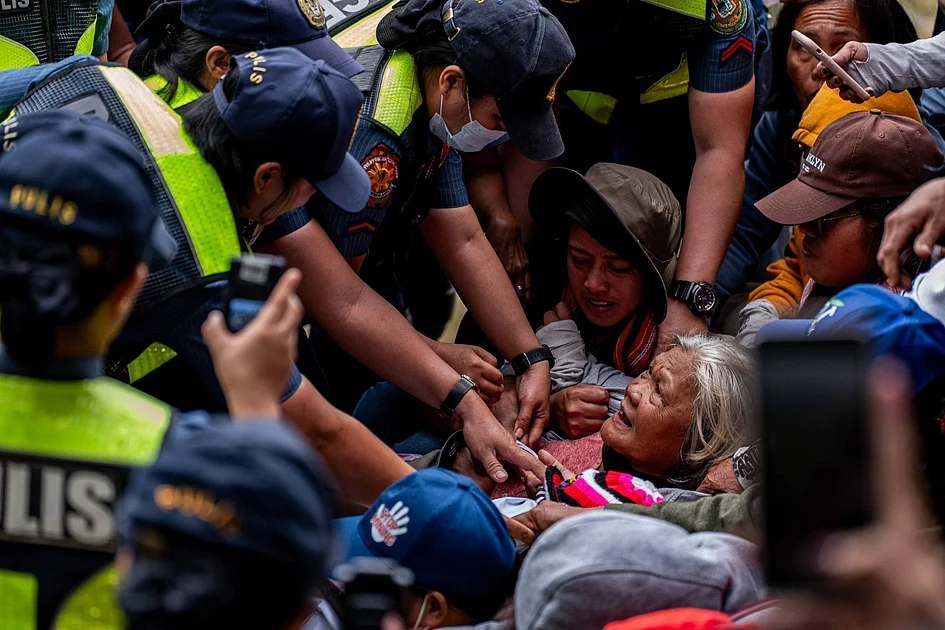
    In a significant environmental victory, residents of Dupax del Norte in the northern Philippines have successfully compelled government authorities to suspend mineral exploration activities by British mining subsidiary Woggle Corporation. The community’s persistent resistance, maintained through months of police confrontations and arrests, culminated in the Mines and Geosciences Bureau (MGB) issuing an immediate cease-and-desist order against the mining operations.

    MGB Director Michael Cabalda justified the suspension by citing ongoing blockades along access roads that prevented safe entry to exploration sites, creating concerns regarding public safety and order. The order remains effective until normalization of conditions allows for lawful exploration activities to resume safely.

    Woggle Corporation, a subsidiary of Metals Exploration, holds substantial interests in local gold and nickel deposits. The company faced widespread criticism for obtaining court orders against community opposition that resulted in mass arrests of protesters.

    Environmental organizations and indigenous rights advocates have celebrated the suspension as a triumph of collective action. Indigenous rights group Katribu welcomed the development while emphasizing the temporary nature of the victory and pledging continued solidarity until Woggle Corporation completely withdraws from the region.

    Regional support organization Taripnong Cagayan Valley cautioned that the temporary suspension might represent a strategic pause rather than a permanent solution, warning that the company could employ military or police support to resume operations through alternative means. The group called for a permanent ban on mining activities in the area to protect both environmental integrity and indigenous rights.

  • Powerful cyclone kills at least 20 as it tears through Madagascar port

    Powerful cyclone kills at least 20 as it tears through Madagascar port

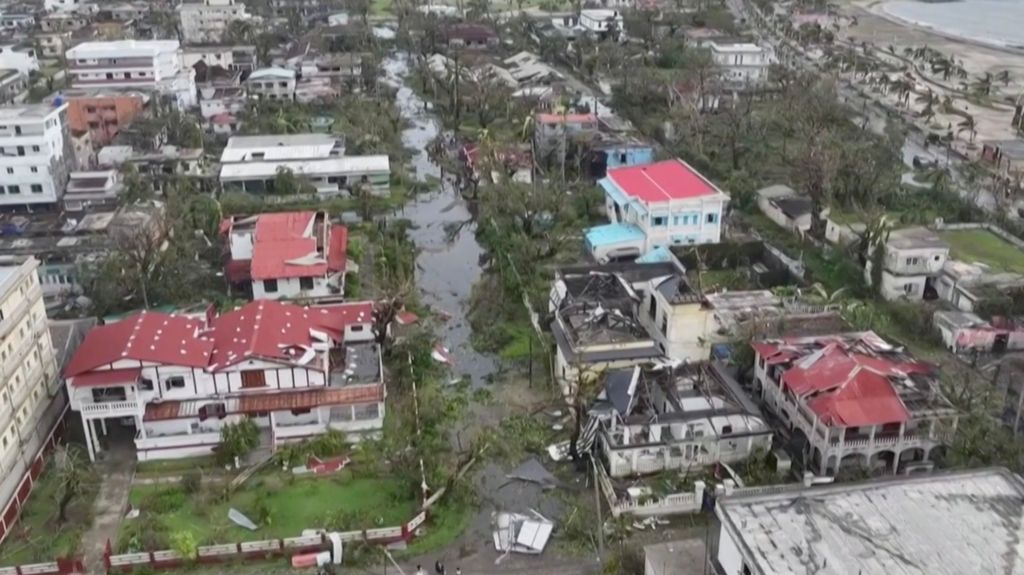
    A devastating cyclone has unleashed catastrophic damage across eastern Madagascar, claiming at least 20 lives and plunging the port city of Toamasina into what authorities describe as ‘total chaos.’ Cyclone Gezani made landfall on Tuesday, striking with ferocious winds reaching 250 km/h (155 mph) – one of the most intense storms recorded in the satellite era for the region.

    According to the National Office for Risk and Disaster Management, the majority of fatalities occurred when residential structures collapsed under the cyclone’s brutal force. The storm’s impact zone witnessed widespread destruction: approximately 90% of houses suffered complete or partial roof loss, power lines snapped creating widespread blackouts, and trees were violently uprooted across neighborhoods.

    The disaster management office has executed emergency evacuations, relocating dozens of injured individuals and hundreds of residents from districts surrounding Toamasina, a urban center housing approximately 400,000 people. Survivors recounted terrifying experiences as the cyclone struck. ‘I have never experienced winds this violent… The doors and windows are made of metal, but they are being violently shaken,’ Harimanga Ranaivo told Reuters.

    This catastrophic event marks the second major cyclone to batter Madagascar within just ten days. Tropical cyclone Fytia recently claimed 14 lives and displaced over 31,000 people according to UN humanitarian reports, compounding the nation’s emergency response challenges.

    In preparation for Gezani’s arrival, Malagasy authorities had implemented preventive measures including school closures and emergency shelter preparations. By Wednesday morning, the meteorological service reported the system had weakened to a moderate tropical storm, moving westward inland approximately 100km north of the capital Antananarivo. Forecasters project the storm will cross the central highlands before exiting into the Mozambique Channel.

    The nation’s new leader, Colonel Michael Randrianirina – who assumed power in October – was personally assessing the damage in Toamasina on Wednesday morning. The Indian Ocean cyclone season typically spans November through April, generating approximately a dozen annual storms in the region according to meteorological patterns.

  • NATO launches Arctic Sentry military effort as it seeks to move on from Greenland dispute

    NATO launches Arctic Sentry military effort as it seeks to move on from Greenland dispute

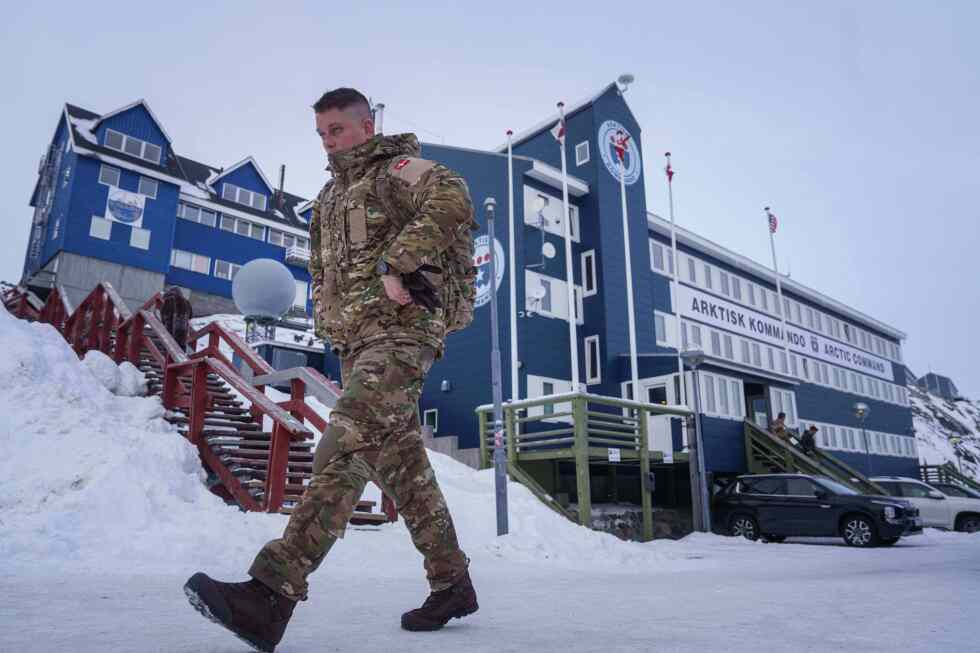
    BRUSSELS — NATO has officially initiated a new strategic military operation named ‘Arctic Sentry’ designed to enhance security coordination in the High North region. This development occurs just one month after former U.S. President Donald Trump created diplomatic friction within the alliance through his controversial remarks regarding the potential annexation of Greenland.

    The Arctic Sentry framework will initially serve as an umbrella designation for existing national military exercises conducted by member states in the Arctic region. This includes Denmark’s ‘Arctic Endurance’ maneuvers—which previously provoked Trump’s threats of imposing tariffs on participating allies—and Norway’s ‘Cold Response’ drills. Notably, the program does not entail permanent or extended troop deployments under NATO command in the region.

    Coordinated through NATO’s U.S. headquarters in Norfolk, Virginia, this series of military activities aims to counter expanding Russian and Chinese influence in the strategically vital High North, which encompasses Greenland. U.S. Air Force General Alexus Grynkewich, NATO’s Supreme Allied Commander Europe, emphasized that ‘Arctic Sentry demonstrates the alliance’s dedication to protecting member states and preserving stability in one of the globe’s most strategically crucial and environmentally demanding regions.’

    In support of this initiative, the United Kingdom has declared its intention to double British troop presence in Norway over the next three years, increasing from 1,000 to 2,000 personnel. Some forces will participate in the previously scheduled ‘Exercise Lion Protector’ this September.

    While specific operational details remain limited, NATO plans to incorporate additional activities into Arctic Sentry following comprehensive security assessments and as national military exercises conclude. Both France and Germany have committed to participation though troop contribution numbers remain unspecified.

    Although Arctic security has maintained a position on NATO’s agenda in recent years—with seven allied nations bordering the region alongside Russia—the urgency for action intensified following Trump’s acquisition attempts targeting Greenland. The prospect of the alliance’s most powerful member threatening to annex territory from Denmark, a fellow NATO ally, has profoundly unsettled other member states.

    European allies now anticipate that Arctic Sentry, combined with ongoing diplomatic discussions between the Trump administration, Denmark, and Greenland, will enable NATO to redirect focus toward Europe’s paramount security concern: Russia’s ongoing war in Ukraine.

  • UN rings in Year of the Horse with call for global unity

    UN rings in Year of the Horse with call for global unity

    In a powerful address marking the Chinese Lunar New Year, United Nations Secretary-General Antonio Guterres harnessed the symbolism of the Year of the Horse to issue a compelling call for international solidarity. Against the backdrop of mounting global challenges—including escalating conflicts, deepening inequality, and the accelerating climate emergency—Guterres emphasized the urgent need for collective action and renewed multilateral commitment.

    The Secretary-General’s video message, released during the UN’s ‘Galloping Forward with the United Nations’ celebration, framed the horse as an emblem of vitality, triumph, and courageous advancement—qualities he identified as essential for navigating contemporary global crises. ‘This season of renewal reminds us that together we can build a safer, more inclusive future,’ Guterres stated, urging nations to reaffirm their dedication to peace, dignity, and sustainable development for all.

    The festivities at UN Headquarters brought together diplomatic representatives from over 120 nations alongside 500 distinguished guests from Eastern U.S. sectors. China’s Permanent Representative to the UN, Fu Cong, articulated China’s commitment to bolstering UN initiatives, particularly as the country embarks on its 15th Five-Year Plan (2026-2030). Fu outlined China’s dual focus on domestic socioeconomic advancement and international win-win cooperation, highlighting China’s role as the second-largest contributor to the UN regular budget and a Security Council permanent member.

    The cultural dimension of the event featured immersive experiences curated by Chinese institutions. The Shanghai Museum organized interactive activities including traditional rubbings and a virtual reality journey along the Huangpu River, while the Beijing Municipal Bureau of Culture and Tourism collaborated with the Central Academy of Fine Arts to present a dynamic zodiac exhibition celebrating the Year of the Horse.

    Technological innovation shared the spotlight with tradition as eight Chinese-designed robots made their UN debut, captivating attendees with synchronized dance routines, calligraphy demonstrations, and engaging audience interactions. This fusion of heritage and cutting-edge technology offered international guests a tangible experience of China’s cultural richness and modernization achievements, fostering shared optimism for a collaborative global future.

  • Tropical Cyclone Gezani hits Madagascar and kills at least 9 on the Indian Ocean island

    Tropical Cyclone Gezani hits Madagascar and kills at least 9 on the Indian Ocean island

    ANTANANARIVO, Madagascar — Tropical Cyclone Gezani has unleashed catastrophic damage across Madagascar, claiming at least nine lives and injuring 19 others after making landfall in the nation’s primary port city of Toamasina. The powerful storm struck with ferocious winds exceeding 195 kph (121 mph), triggering red alerts across multiple regions for potential flooding and landslides.

    The National Office for Risk and Disaster Management confirmed the casualties resulted primarily from structural collapses as the cyclone battered the eastern coastline late Tuesday. Toamasina, a critical economic hub with approximately 300,000 residents, suffered the most severe impact, with eyewitnesses describing widespread devastation including destroyed buildings, uprooted trees, and severed power infrastructure.

    Madagascar President Michael Randrianirina, who assumed power following an October military coup, visited the disaster zone to assess damage and coordinate response efforts. Official social media footage revealed extensive flooding, commercial and residential structures with shattered windows and missing roofs, and streets littered with debris.

    This meteorological disaster compounds existing vulnerabilities for the Indian Ocean nation, which endured another deadly cyclone less than two weeks prior. Tropical Cyclone Fytia killed 14 people and displaced over 85,000 residents on January 31st, highlighting the region’s recurrent weather crises.

    Meteorological services reported Gezani weakened to tropical storm status while moving inland Wednesday, though red alerts remained active for the capital region Antananarivo due to flooding risks. The storm system is projected to enter the Mozambique Channel on Thursday, where it could potentially regain cyclone strength and threaten Madagascar’s southwestern coast next week.

    With annual cyclone seasons from November through March consistently battering one of the world’s poorest nations, Madagascar faces perpetual recovery challenges. The United Nations Office for Disaster Risk Reduction estimates weather disasters cause approximately $85 million in annual infrastructure damage, severely hampering national development efforts.

  • Russian drone kills a father and 3 children in Ukraine, pregnant mother badly injured

    Russian drone kills a father and 3 children in Ukraine, pregnant mother badly injured

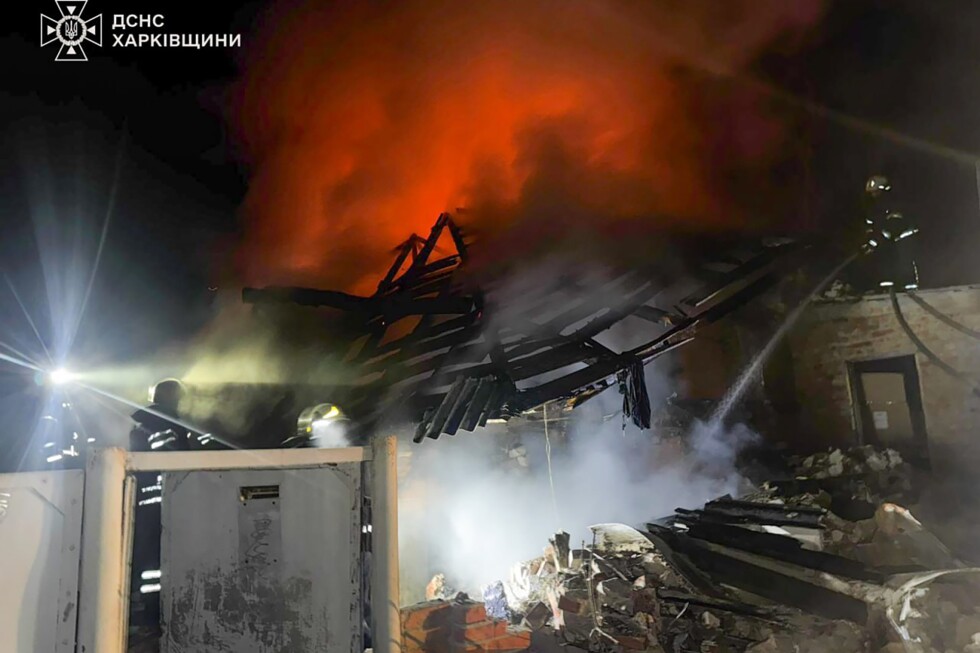
    A devastating Russian drone attack has obliterated a residential home in northeastern Ukraine’s Kharkiv region, resulting in the tragic deaths of a father and his three young children while leaving their pregnant wife critically injured. The overnight strike in the border town of Bohodukhiv completely destroyed the brick residence and ignited a fierce fire, trapping the entire family beneath collapsed rubble according to regional prosecutors.

    The victims include a 34-year-old father and his three small children—twin boys aged two and their one-year-old sister. Rescue teams managed to extract the 35-week pregnant mother alive from the wreckage, though she sustained severe injuries including blast trauma, traumatic brain injury, extensive burns, and significant hearing loss. Medical personnel are currently fighting to save both her life and that of her unborn child.

    Bohodukhiv Mayor Volodymyr Bielyi declared three days of mourning following the catastrophe, describing the incident as the loss of ‘our future’ in an emotional social media statement. The town of 15,000 inhabitants lies merely 22 kilometers from the Russian border, though officials have not confirmed whether any military infrastructure was located near the targeted property.

    The attack utilized a Geran-2 drone, a Russian-manufactured variant of the Iranian-designed Shahed unmanned aerial vehicle. This tragedy occurs amid escalating civilian casualties throughout Ukraine, with UN monitoring missions reporting 2025 as the deadliest year for non-combatants since the conflict’s initiation in 2022. Official figures indicate 2,514 civilian fatalities and 12,142 injuries last year—representing a 31% increase from 2024 statistics.

    Ukrainian President Volodymyr Zelenskyy condemned the strike as undermining diplomatic peace efforts, emphasizing that such attacks ‘again and again prove that only strong pressure on Russia and clear security guarantees for Ukraine are the real key to stopping the killings.’ Zelenskyy simultaneously acknowledged ongoing revisions to Ukraine’s aerial defense strategies, particularly regarding short-range air protection systems.

    The incident adds to growing allegations of Russian war crimes documented by European institutions and the International Criminal Court, which maintains outstanding arrest warrants for multiple Russian officials including President Vladimir Putin for alleged child abductions from Ukraine.

    Meanwhile, military assistance dynamics continue shifting as U.S. weapons shipments declined by 13% last year under the Trump administration according to Germany’s Kiel Institute. European nations have partially compensated with a 67% increase in military aid, though overall foreign humanitarian and financial support dropped by 5% compared to 2022-2024 averages.

    Overnight warfare intensified reciprocally, with Ukrainian drone attacks triggering a fire at a Volgograd industrial plant and damaging residential structures, while eight Russian airports temporarily suspended operations due to aerial threats. Both nations continue employing long-range drones, with Ukraine’s Air Force reporting 129 Russian drones launched overnight.