分类: world

  • Paris police shoot and injure a knife-wielding man who tried to attack officers at Arc de Triomphe

    Paris police shoot and injure a knife-wielding man who tried to attack officers at Arc de Triomphe

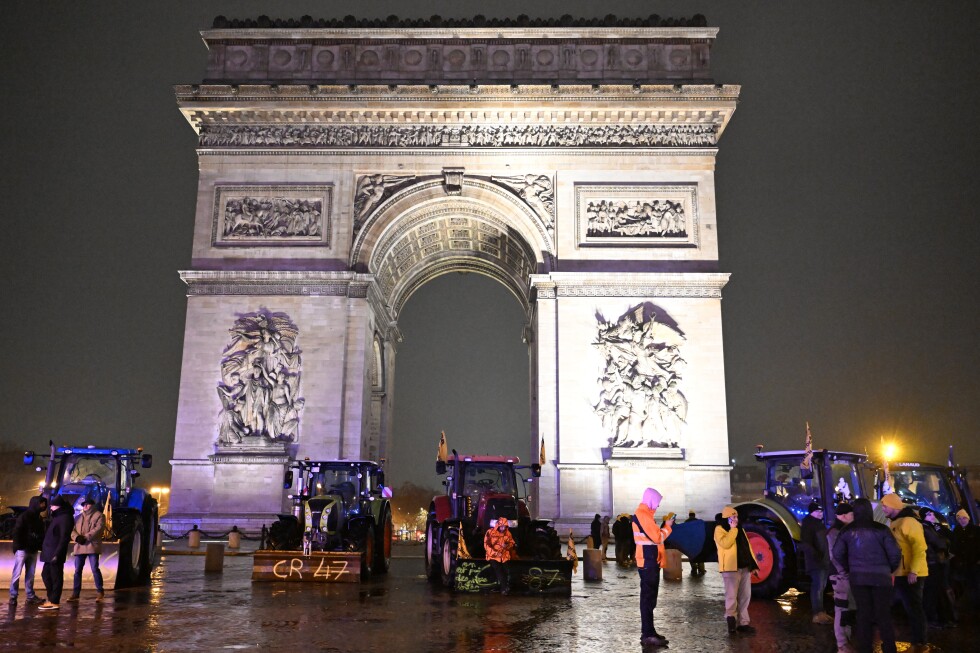
    French authorities are investigating a security incident at Paris’s iconic Arc de Triomphe after an armed assailant attempted to attack police officers during a ceremonial event on Friday. According to official statements from Paris police, the individual brandishing a knife targeted an officer who was providing security for the relighting ceremony of the eternal flame—a tribute to unknown soldiers beneath the historic monument.

    The situation escalated rapidly when another officer on site responded to the threat by firing at the attacker, who sustained injuries and was subsequently transported to a nearby hospital. Preliminary reports confirm that no bystanders or additional law enforcement personnel were harmed during the confrontation.

    France’s specialized counterterrorism prosecutor’s office has assumed control of the investigation, dispatching personnel to the scene to gather evidence and determine potential motives. The Arc de Triomphe, situated at the western terminus of the bustling Champs-Élysées avenue, represents one of the French capital’s most visited landmarks and symbolizes national military heritage.

    While details regarding the perpetrator’s identity or possible ideological affiliations remain undisclosed, the incident highlights ongoing security challenges at high-profile public gatherings. The ceremony proceeded with heightened vigilance following the intervention, as officials reaffirmed their commitment to public safety at monuments of national significance.

  • Sudan war crimes saw 6,000 killed in three days, UN says

    Sudan war crimes saw 6,000 killed in three days, UN says

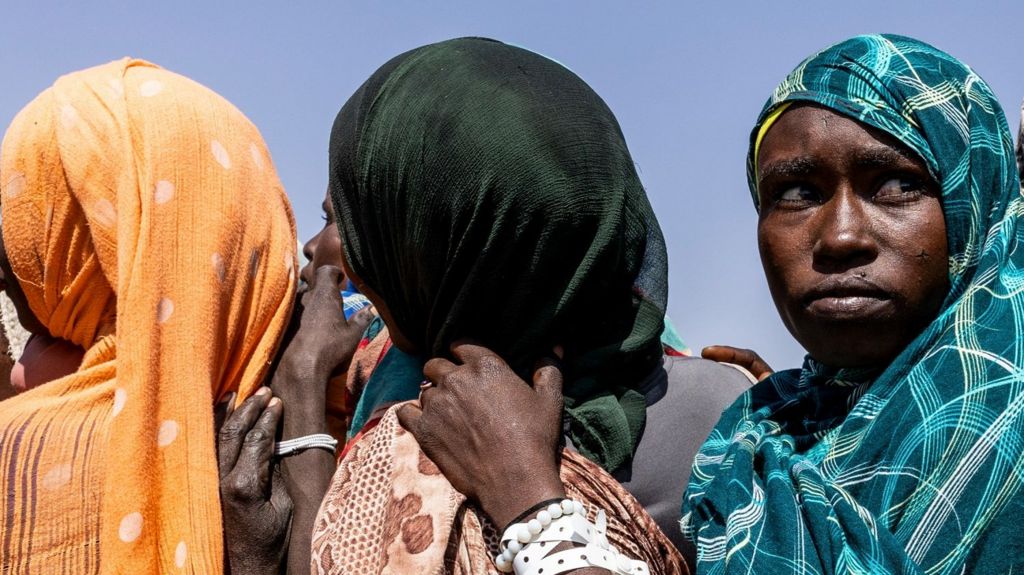
    A United Nations investigation has revealed harrowing details of mass violence during the paramilitary Rapid Support Forces’ (RSF) capture of el-Fasher, Sudan, with over 6,000 civilians reportedly killed within just three days last year. The comprehensive report, based on testimonies from more than 140 victims and witnesses gathered in Sudan’s Northern state and eastern Chad in late 2025, describes scenes of unprecedented brutality.

    According to eyewitness accounts, RSF fighters opened fire on approximately 1,000 people seeking refuge in a university building last October, with one survivor describing the incident as ‘a scene out of a horror movie’ with bodies thrown into the air from the impact of gunfire. The UN documentation provides evidence of systematic mass killings, summary executions, torture, abductions, and widespread sexual violence against civilians—atrocities that the report classifies as war crimes and potential crimes against humanity.

    The siege of el-Fasher, a strategically vital city in the Darfur region, lasted 18 months and has become emblematic of the nearly three-year power struggle between Sudan’s regular army and the RSF paramilitaries. The ongoing civil conflict has resulted in hundreds of thousands of deaths and displaced more than 13 million people from their homes, with sexual violence being systematically employed as a weapon of war against men, women, and children.

    While the RSF has not responded to the specific allegations in the UN report, the paramilitary group has consistently denied previous accusations of atrocities. Both the RSF and the Sudanese Armed Forces face international condemnation for human rights violations.

    The United States and Human Rights Watch have characterized the RSF’s campaign in Darfur as genocide targeting the Massalit people and other non-Arab communities, though recent UN reports have stopped short of using this terminology.

    UN Human Rights Chief Volker Türk has intensified calls for all conflict parties to cease violations perpetrated by forces under their command. Meanwhile, international pressure mounts on external backers of the conflict, with the United Arab Emirates denying widespread allegations that it serves as the primary arms supplier to RSF fighters.

    In response to the escalating crisis, the United Kingdom recently imposed sanctions on six key figures accused of fueling Sudan’s war, including senior commanders from both the army and RSF, plus three foreign nationals allegedly responsible for recruiting Colombian mercenaries for the paramilitary force. British lawmakers have also addressed concerns about UK-manufactured weapons being diverted to the RSF via the UAE.

    In a concerning political development, a coalition aligned with the RSF known as the Sudan Founding Alliance has announced plans to establish a rival government based in western Sudan—a move rejected by the African Union as threatening any prospect of national unity.

    Amid the humanitarian catastrophe, the BBC World Service has launched a new season of its educational program ‘Dars’ (Lesson) in Arabic to support children in Sudan and other Arabic-speaking countries who face restricted access to education due to the conflict.

  • A US shipment of medicines and medical supplies to Venezuela signals a new era of cooperation

    A US shipment of medicines and medical supplies to Venezuela signals a new era of cooperation

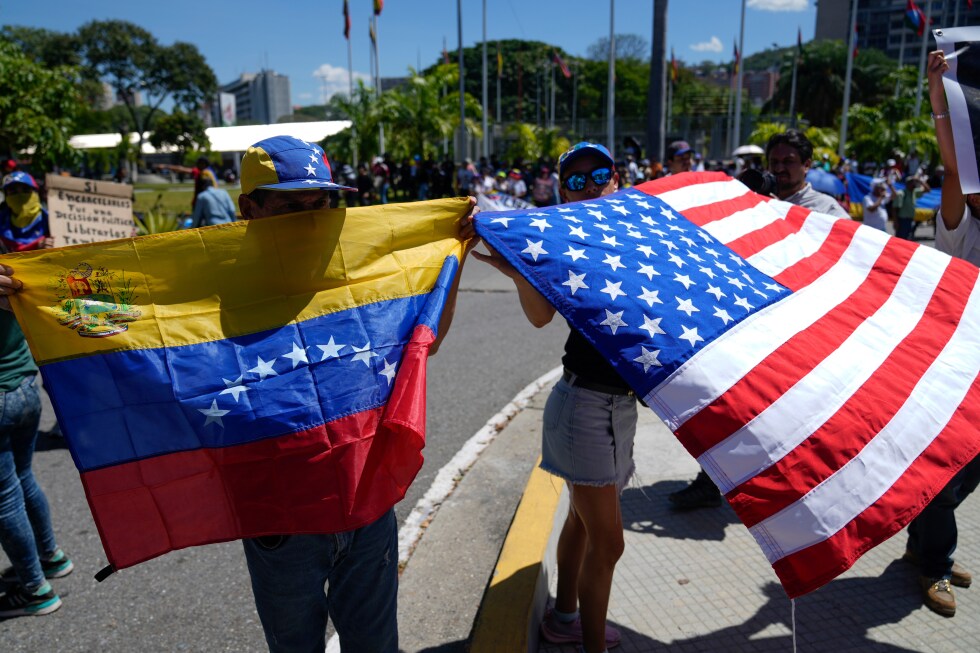
    In a significant diplomatic development, the United States has delivered its first shipment of medical aid to Venezuela following a notable shift in bilateral relations. The 6-metric-ton consignment of essential medicines and medical supplies arrived at Maiquetía Airport outside Caracas on Friday, marking a new chapter in previously strained interactions between the two nations.

    The delivery comes weeks after the dramatic capture of former President Nicolás Maduro and signals a potential normalization of relations. Senior diplomats from both countries personally oversaw the arrival of the humanitarian aid, with U.S. Chargé d’Affaires Laura Dogu and Venezuelan diplomat Félix Plasencia jointly receiving the shipment at the airport.

    Ms. Dogu emphasized the critical nature of the assistance, stating, “This contribution is vital for stabilizing Venezuela’s healthcare infrastructure.” She further revealed that this initial delivery represents “the first of numerous planned donations” with additional shipments expected in the immediate future.

    Venezuela’s healthcare system has experienced catastrophic decline throughout its prolonged economic and political crisis, now entering its second decade. Medical facilities face severe equipment shortages, frequently requiring patients to provide basic medical necessities ranging from syringes to surgical hardware.

    Mr. Plasencia characterized the American donation as representing “a message of cooperation between two sovereign nations acting in the best interests of their citizens.” The collaborative reception of aid suggests both governments are pursuing pragmatic diplomacy despite historical tensions, potentially foreshadowing broader cooperation in addressing Venezuela’s humanitarian challenges.

  • Second US aircraft carrier to head to Middle East amid Iran tensions, US media reports

    Second US aircraft carrier to head to Middle East amid Iran tensions, US media reports

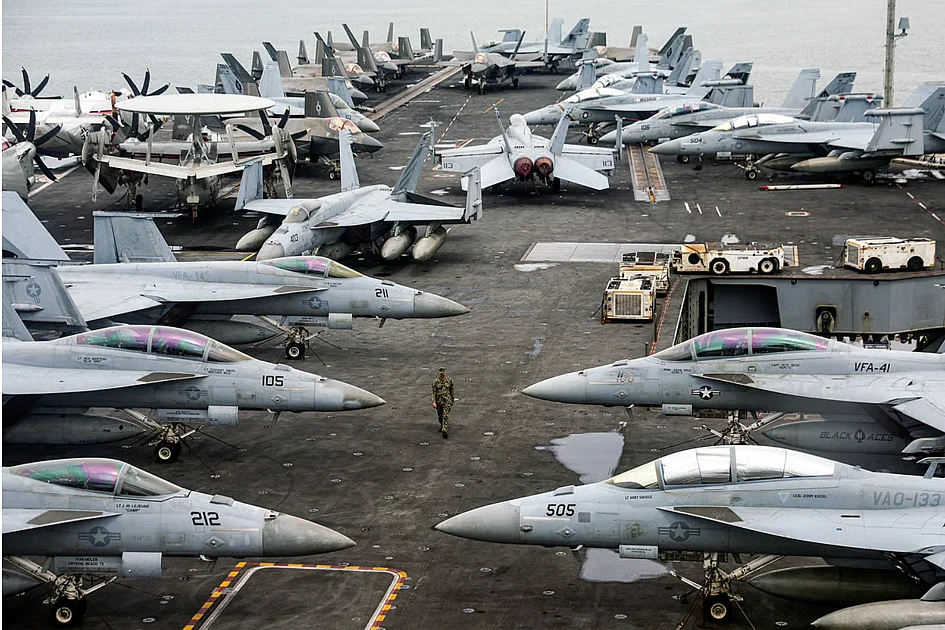
    In a significant military escalation, the United States is deploying a second nuclear-powered aircraft carrier to the Middle East as diplomatic tensions with Iran continue to intensify. According to multiple U.S. media reports confirmed on Thursday evening, the USS Gerald R. Ford carrier strike group will reposition from the Caribbean to the volatile Persian Gulf region.

    This strategic mobilization follows the earlier deployment of the USS Abraham Lincoln battlegroup, which arrived in January accompanied by several guided-missile destroyers. The dual carrier presence represents one of the most substantial U.S. naval demonstrations in the region in recent years.

    The development comes amid ongoing diplomatic maneuvers between Washington and Tehran. President Donald Trump acknowledged the high-stakes nature of the situation, telling reporters that reaching an agreement with Iran is imperative to avoid ‘very traumatic’ consequences. His comments suggested potential breakthrough negotiations could occur within the coming month.

    Israeli Prime Minister Benjamin Netanyahu expressed cautious optimism regarding the military buildup, characterizing it as creating favorable conditions for diplomatic resolution rather than armed conflict. The White House and Pentagon declined immediate commentary when contacted during non-business hours.

    The USS Gerald R. Ford represents the newest generation of American aircraft carriers, incorporating advanced electromagnetic aircraft launch systems and enhanced warfare capabilities. Its deployment signals Washington’s serious commitment to maintaining maritime security amid ongoing regional instability.

  • Palestinian paramedic from Gaza dies in Israeli custody

    Palestinian paramedic from Gaza dies in Israeli custody

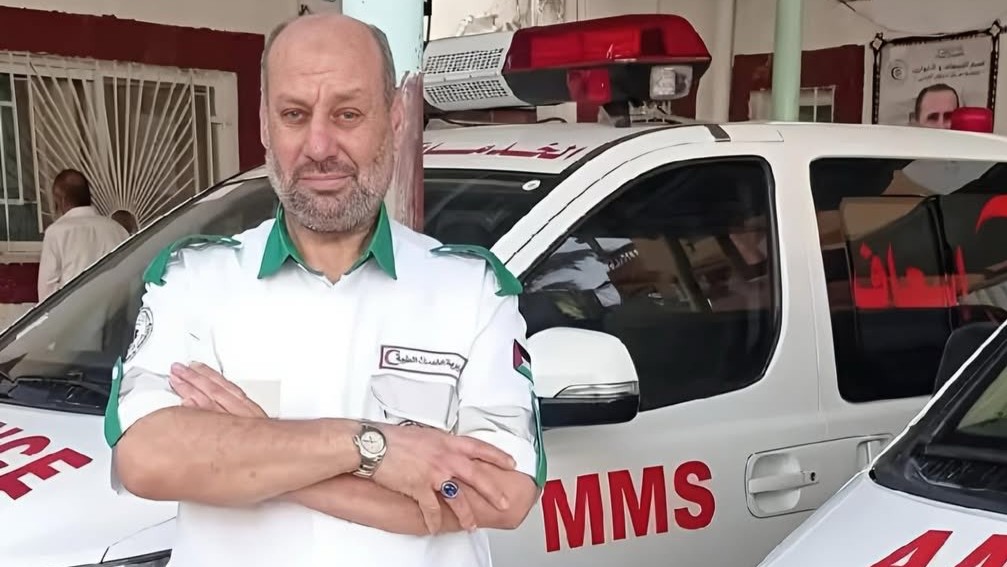
    A prominent Palestinian medical worker from Gaza has died while imprisoned in an Israeli detention facility, intensifying concerns over systematic mistreatment within the prison system. Hatem Ismail Rayyan, 59 years old, was declared deceased at the Negev desert prison complex, as confirmed by Palestinian authorities on Thursday.

    Rayyan, a dedicated paramedic, was apprehended alongside his injured son, Muath, during an Israeli military operation at Kamal Adwan Hospital in northern Gaza’s Beit Lahia on December 27, 2024. The raid resulted in the detention of numerous medical staff, patients, and family members present at the medical facility. Witness accounts describe individuals being forced to undress to their undergarments at gunpoint before being transported to undisclosed locations.

    According to Muneer al-Boursh, Director General of the Health Ministry, Rayyan represented the epitome of medical professionalism rather than combatant activity. ‘He was detained from within a hospital—a sanctuary intended for saving lives—and transformed from a lifesaver into merely a prisoner number,’ Boursh stated in a social media post, characterizing Israeli detention centers as ‘slow-moving graves’ that constitute ‘another arena of suffering.’

    This incident occurs against the backdrop of a comprehensive report jointly issued by the Palestinian Prisoners’ Society and Addameer Prisoner Support and Human Rights Association. The document outlines what it describes as ‘severely inhumane systematic policies’ leading to prisoner fatalities. These facilities, according to the report, have evolved into centers of torture specifically designed to physically and mentally break inmates through prolonged suffering and what the organizations term ‘slow-execution policies.’

    The report further indicates that the past two years have witnessed unprecedented brutality, with prisoner fatalities during this period equaling the total number of detainee deaths over the preceding 24 years. These findings lead the rights groups to assert that Palestinian prisoners are experiencing ‘systematic genocide,’ subjected to torture, starvation, medical neglect, sexual violence, mass isolation, and deprivation of fundamental human necessities.

    Medical personnel and journalists are identified as particularly targeted groups within the detention system. Current estimates indicate over 100 Palestinian prisoners have died since the beginning of the conflict, with 86 officially identified. As of December 2025, more than 9,300 Palestinians remain in Israeli custody, approximately half of whom (4,750) are held without formal charges or trial. The actual number of detainees is believed to be higher due to Israel’s withholding of information regarding hundreds seized from Gaza.

  • The return of millions of Afghans from Pakistan and Iran pushes Afghanistan to the brink, UN warns

    The return of millions of Afghans from Pakistan and Iran pushes Afghanistan to the brink, UN warns

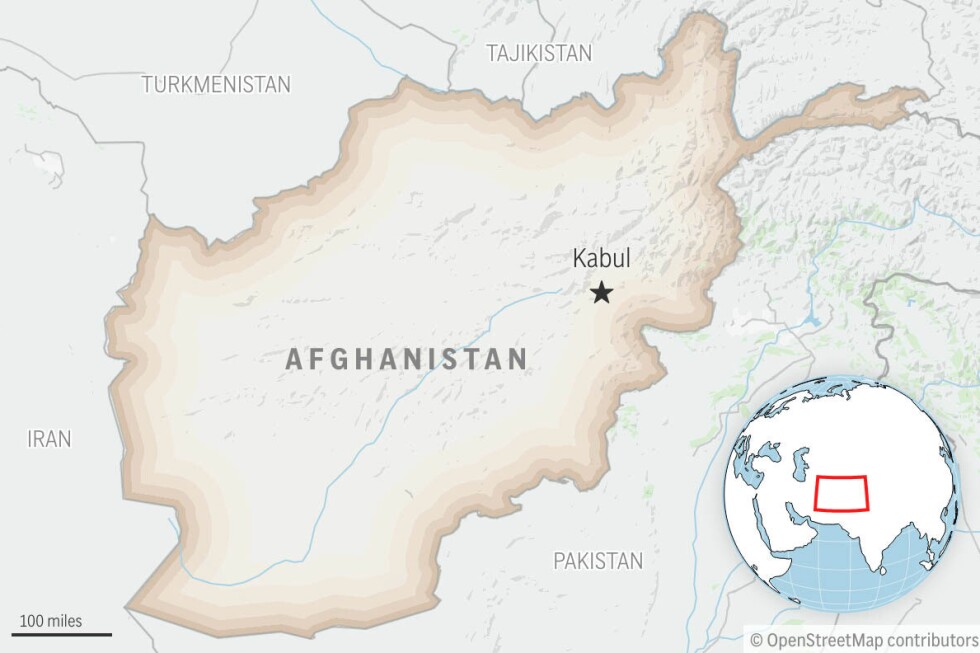
    GENEVA (AP) — Afghanistan faces an unprecedented humanitarian crisis as millions of expelled migrants return from neighboring countries, creating what the UN refugee agency describes as a situation pushing the nation to the brink. According to UNHCR’s Afghanistan representative Arafat Jamal, approximately 5.4 million individuals have returned to Afghanistan since October 2023, primarily from Pakistan and Iran.

    The massive influx represents approximately 12% of Afghanistan’s total population and has placed severe strain on a country already grappling with economic collapse, drought, earthquakes, and widespread human rights concerns. Jamal characterized the returns as occurring at “an unprecedented scale and speed” during a UN briefing conducted via video link from Kabul.

    The crisis emerged following coordinated crackdowns on undocumented migrants by both Pakistan and Iran beginning in October 2023. Pakistan initiated a sweeping deportation campaign that encouraged voluntary departure but included arrests and forced removals. Iran implemented similar measures around the same period.

    Among those returning are individuals who had established entire lives in host countries, including some born in Pakistan decades earlier who built businesses and raised families there. Last year alone witnessed 2.9 million returns—the largest number ever documented to any single country according to UNHCR records.

    Afghanistan’s Taliban leadership has condemned the mass expulsions while attempting to provide minimal support through care packages containing food aid, cash assistance, SIM cards, and transportation to potential family locations. However, these measures prove insufficient given the nation’s preexisting vulnerabilities.

    A November assessment by the UN Development Program revealed alarming coping strategies among families in high-return areas, with nine out of ten households resorting to skipping meals, accumulating debt, or selling possessions to survive. Jamal expressed deep concern about the sustainability of these returns, noting that while only 5% of returnees plan to leave Afghanistan again, over 10% know someone who has already departed—a trend driven not by lack of desire to remain but by inability to rebuild viable lives.

  • 5.5 magnitude earthquake strikes Pakistan, GFZ says

    5.5 magnitude earthquake strikes Pakistan, GFZ says

    A moderate seismic event registering 5.5 magnitude occurred in Pakistan on Friday, February 13, 2026, according to data from the German Research Centre for Geosciences (GFZ). The earthquake’s epicenter was located at a shallow depth of approximately 10 kilometers (6.21 miles), potentially amplifying ground shaking intensity despite its moderate magnitude.

    The GFZ, recognized as a premier European geoscience research institution, provided the initial seismic parameters through its global monitoring network. Shallow-focus earthquakes typically generate more significant ground motion compared to deeper tremors of similar magnitude, raising concerns about potential structural damage in affected regions.

    This seismic activity follows recent earthquake events in the region, including a previous magnitude 6.0 quake in Pakistan that resulted in casualties and property damage. The South Asian nation, situated at the convergence of the Indian and Eurasian tectonic plates, experiences frequent seismic activity due to complex geological interactions.

    Earthquake preparedness remains a critical concern for Pakistani authorities, particularly in regions with vulnerable infrastructure. The timing of the tremor—during daylight hours—may have influenced evacuation effectiveness and emergency response coordination. Local meteorological and disaster management agencies are assessing potential aftershocks and evaluating the earthquake’s impact on populated areas.

  • China’s efforts in African infrastructure hailed

    China’s efforts in African infrastructure hailed

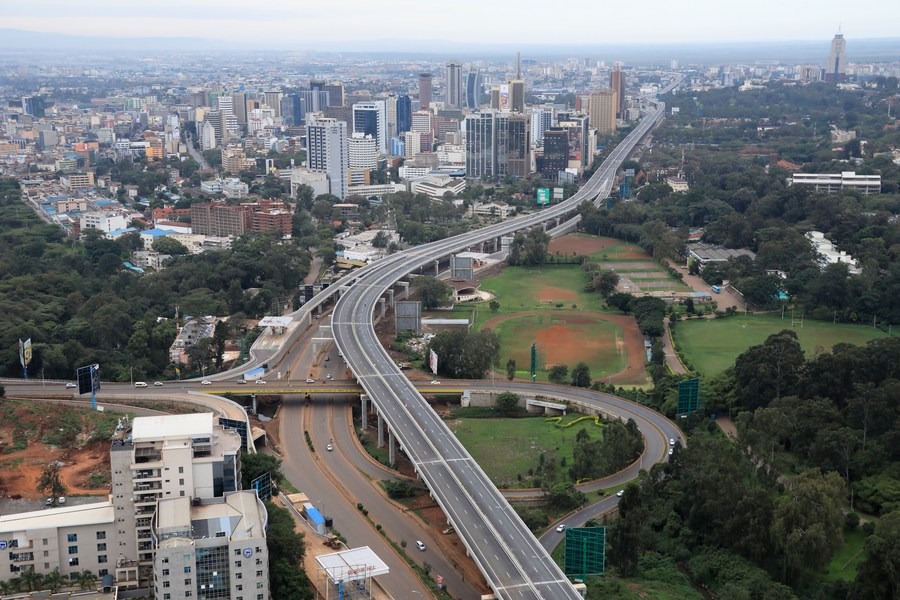
    ADDIS ABABA, Ethiopia – China has earned recognition as a pivotal infrastructure financing ally across Africa, with continental leaders advocating for deepened collaborations that align with domestic industrial expansion and increased mobilization of indigenous capital. The assessment emerged during high-level discussions preceding the 39th African Union Summit, scheduled for this weekend in the Ethiopian capital.

    Lerato Dorothy Mataboge, Commissioner for Infrastructure and Energy at the African Union Commission, emphasized China’s substantial contributions to Africa’s infrastructural advancement, describing it as fundamental to sustainable development. “This positions China as a strategic partner in efforts to bridge long-standing infrastructure gaps,” Mataboge stated in an exclusive interview with China Daily.

    The commissioner outlined a vision for future cooperation that transcends mere financing, focusing instead on alignment with Africa’s industrial ambitions through strengthened local content requirements, skills transfer, and domestic value addition. She revealed that African governments currently bear the majority of infrastructure expenditures, with private sector participation remaining constrained.

    Highlighting the continent’s substantial untapped financial resources, Mataboge cited an estimated $4.6 trillion in domestic capital that remains largely unexploited for infrastructure development. She urged African nations to leverage pension funds and other capital pools, typically invested in low-risk instruments, toward productive infrastructure sectors.

    Through initiatives like the Belt and Road Initiative, China has extensively invested in Africa’s transportation networks, energy systems, and port facilities, completing numerous landmark projects over the past decade. The upcoming AU Summit, themed “Assuring Sustainable Water Availability and Safe Sanitation Systems to Achieve the Goals of Agenda 2063,” will address infrastructure investments supporting long-term economic transformation.

    African Union Commission Chairperson Mahmoud Ali Youssouf reinforced the need for innovative financing mechanisms and strengthened partnerships with private entities and civil society. He reaffirmed that the African Continental Free Trade Area and AU institutions remain central to advancing regional integration, infrastructure expansion, and cross-border trade.

    United Nations Under-Secretary-General Claver Gatete underscored infrastructure’s critical role in promoting socioeconomic development, noting that water accessibility remains a severe challenge. Gatete revealed that over 300 million Africans lack access to safe drinking water, while nearly 780 million experience inadequate sanitation, resulting in waterborne diseases that claim lives and impair economic productivity.

    “Without reliable water infrastructure, industrial zones struggle to compete, logistics hubs cannot scale efficiently, and urban economies face limits to sustainable growth,” Gatete emphasized, advocating for integrated development approaches where infrastructure, finance, trade, and industrial policy operate cohesively.

    Mataboge concluded by urging member states to synchronize national infrastructure plans with continental priorities, ensuring policy continuity beyond electoral cycles and accelerating Africa’s industrial transformation.
  • China, Central Asia boost desertification measures

    China, Central Asia boost desertification measures

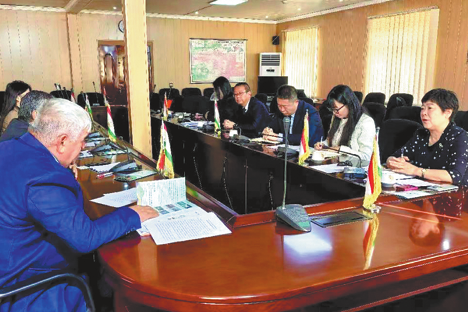
    In a significant ecological initiative, the China-Central Asia Cooperation Center for Desertification Prevention has mobilized a coordinated environmental campaign across four Central Asian nations. The center is deploying cutting-edge technologies developed in China’s Ningxia region to address critical soil and water conservation challenges in Uzbekistan, Kazakhstan, Tajikistan, and Kyrgyzstan.

    The collaboration follows an extensive assessment mission completed in December that identified specific environmental vulnerabilities across the region. The mission revealed distinct ecological challenges in each country, with Uzbekistan struggling with soil salinization and inadequate irrigation infrastructure, while mountainous Tajikistan faces more pressing concerns regarding soil erosion, pest management, and wildfire prevention.

    Feng Zhanwen, director of the center, noted that Central Asian countries have expressed strong appreciation for China’s achievements in combating desertification and related environmental challenges. “China’s experience with desertification prevention and control is of universal value,” Feng stated, emphasizing the center’s mission to share this expertise globally.

    The cooperation framework includes six demonstration bases for technology transfer and project implementation. China’s assistance will involve deploying expert teams, ecological monitoring systems, and specialized training programs that integrate proven strategies from Ningxia’s own environmental transformation.

    Diplomatic support was reinforced during a January meeting in Yinchuan, where Uzbekistan’s Ambassador to China, Farhod Arziev, emphasized that local cooperation represents a vital component of China-Uzbekistan relations. The ambassador expressed willingness to learn from Ningxia’s experience in multiple domains including poverty reduction, water-saving agriculture, and tourism development.

    Liu Jun, vice-chairperson of the Ningxia government, highlighted the global nature of desertification challenges, noting shared experiences with sandstorms between Uzbekistan and Ningxia. “This shared experience is the most solid foundation for cooperation between the two sides,” Liu stated, outlining plans to export mature technologies including multilayered windbreak systems and photovoltaic-powered groundwater desalination to Central Asia.

    The initiative will further involve joint laboratory construction, technical training programs, and mutual talent exchanges, aiming to establish a robust regional ecological security barrier across Central Asia.

  • A seat at the table or on the menu? Africa grapples with the new world order

    A seat at the table or on the menu? Africa grapples with the new world order

    African heads of state convened in Addis Ababa for their annual summit this weekend, facing a transformed global landscape where the continent’s strategic positioning requires urgent reassessment. The gathering occurs amidst a fundamental shift in international relations characterized by the decline of multilateralism and the ascendancy of great-power politics.

    This geopolitical transformation has been accelerated during President Donald Trump’s second term, marked by a distinct ‘America First’ approach that explicitly prioritizes Western hemisphere interests alongside Middle Eastern concerns, inevitably reducing Africa’s prominence in US foreign policy. The updated White House security strategy openly acknowledges that not every global region can receive equal attention, compelling African nations to reconsider their traditional reliance on international institutions like the UN, World Bank, and WTO.

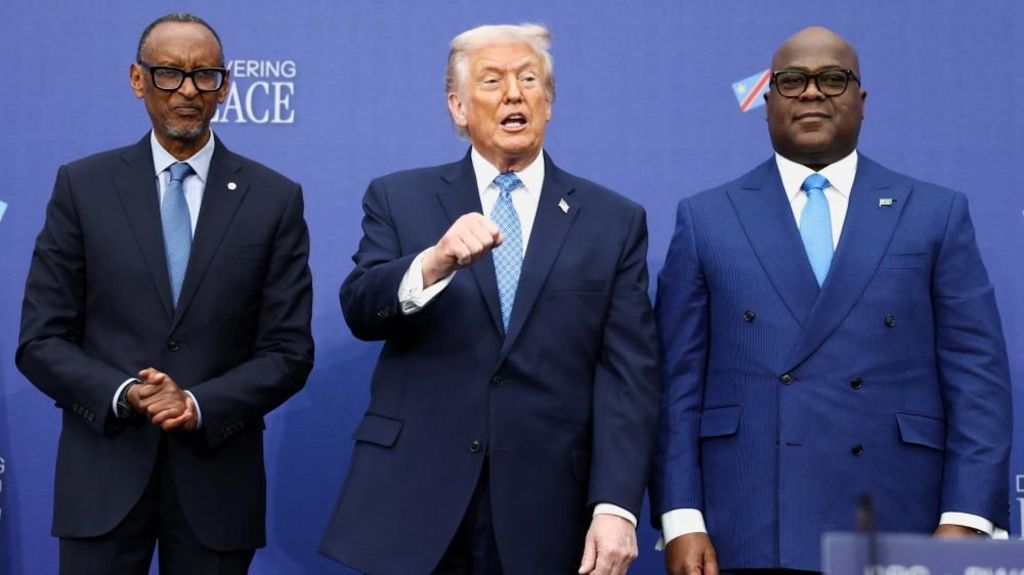
    The policy contrast with the previous administration is stark. While President Joe Biden declared in 2024 that the United States was ‘all-in on Africa’s future,’ his actual engagement proved limited with just one brief presidential visit to sub-Saharan Africa during his final month in office. The current administration has adopted a more transactional, bilateral approach focused primarily on securing mineral resources critical for electronic manufacturing, as demonstrated by December’s agreement with the Democratic Republic of Congo.

    Peter Pham, former US special envoy to Africa, defends this realistic approach: ‘There’s no way any country, even a superpower, can be all things to everyone. We must steward our resources to achieve optimal outcomes for American citizens and our partners.’ However, critics like Georgetown University’s Ken Opalo warn that bilateral deals weaken Africa’s bargaining position, potentially leading to unfavorable terms that prioritize American corporate interests over comprehensive economic cooperation.

    The strategic vacuum extends beyond economic matters. Africa’s inability to resolve conflicts like Sudan’s civil war—now labeled the world’s worst humanitarian crisis—demonstrates limited continental agency. Various global powers including Russia, Turkey, UAE, and Iran have been accused of supplying weapons to warring factions, further complicating resolution efforts.

    Ghana’s President John Mahama has emerged as a vocal advocate for continental self-reliance, declaring at Davos that Africa has ‘lost its sovereignty and was caught in a dependency trap.’ His Accra Reset project promotes coordinated industrialization, skills development, and unified negotiation with external partners. Yet analysts note that implementation challenges persist, including the tension between national and regional interests and the domestic pressures facing potential continental leaders like Nigeria, Egypt, Ethiopia, Kenya, and South Africa.

    Despite existing frameworks like the African Continental Free Trade Area and Agenda 2063, progress toward unified action remains slow. As global power dynamics continue evolving, African nations face the pressing challenge of developing coherent strategies to ensure they secure a place at the international table rather than becoming part of the menu.