分类: world

  • Philippine senators Dela Rosa, Go named ‘co-perpetrators’ in Duterte ICC case

    Philippine senators Dela Rosa, Go named ‘co-perpetrators’ in Duterte ICC case

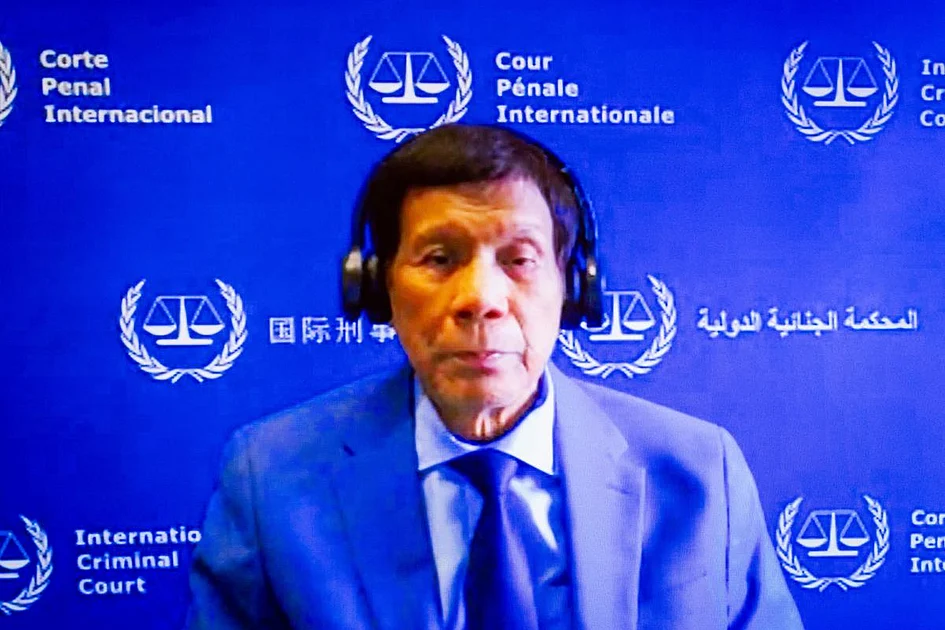
    The International Criminal Court has formally implicated two sitting Philippine senators as alleged co-perpetrators in former president Rodrigo Duterte’s crimes against humanity case. Prosecutorial documents dated February 13 and published on the ICC’s website identify Senators Ronald Dela Rosa and Christopher Go among eight current and former officials accused of participating in Duterte’s controversial anti-drug campaign.

    ICC prosecutors have charged Duterte with three distinct counts of crimes against humanity, connecting him to at least 76 murders committed during his administration’s war on drugs. The prosecution’s filing states that “Duterte and his co-perpetrators shared a common plan or agreement to ‘neutralise’ alleged criminals in the Philippines through violent crimes including murder.”

    Senator Dela Rosa, who previously served as national police chief and primary enforcer of Duterte’s drug war, has been notably absent from public view for several months after previously expressing concerns about potential arrest. Senator Go, recently re-elected by a substantial margin, maintained a long-standing political alliance with Duterte dating back to their time in Davao City governance.

    The prosecution document outlines three chronological categories of alleged offenses: 19 murders occurring between 2013-2016 during Duterte’s mayoral tenure in Davao City; 14 targeted killings of so-called “High Value Targets” in 2016-2017; and 43 murders during anti-drug operations against lower-level suspects from 2016-2018.

    Duterte is scheduled to undergo a four-day “confirmation of charges” hearing commencing February 23, where ICC judges will determine whether the evidence warrants proceeding to full trial. The court has previously rejected arguments questioning the 80-year-old former leader’s fitness for trial following his arrest and transfer to Netherlands custody in March of last year.
  • US military says it struck a vessel in Caribbean, killing three

    US military says it struck a vessel in Caribbean, killing three

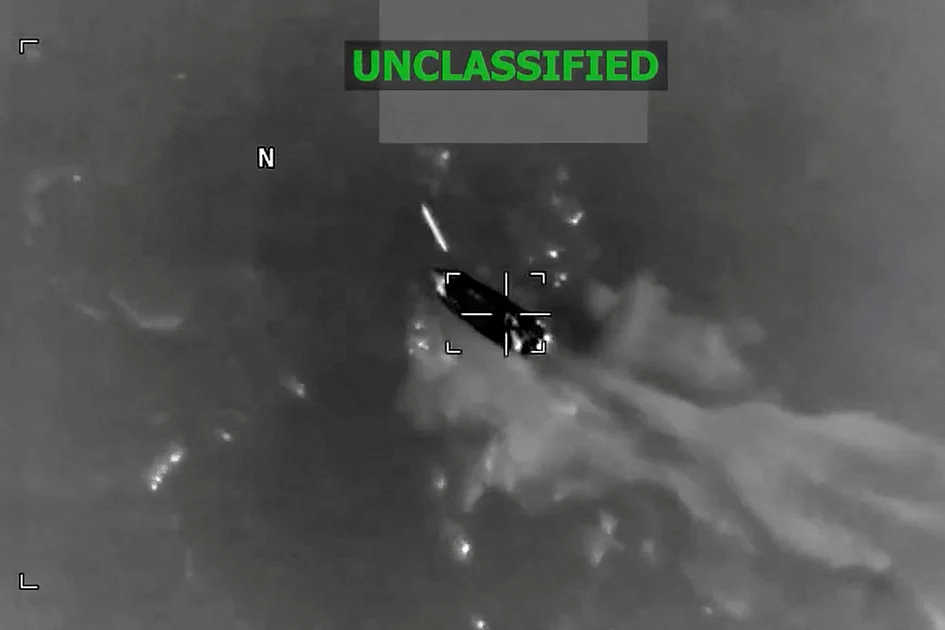
    In a targeted operation against maritime drug trafficking, the United States military conducted a lethal strike on a suspect vessel in Caribbean waters on Friday, resulting in three fatalities. The operation represents the latest in a series of intensified counter-narcotics actions undertaken by US forces in the region.

    The US military’s Southern Command officially confirmed the incident through a social media post on platform X, stating the targeted vessel was actively “engaged in narco-trafficking operations” at the time of the engagement. The statement provided no further details regarding the nationality of the vessel or the identities of the deceased individuals.

    This military action occurs within the broader context of the Trump administration’s publicly stated commitment to disrupting and dismantling transnational drug trafficking networks operating in maritime corridors near the American coastline. The administration has frequently highlighted such operations as evidence of its robust approach to national security and border protection.

    International news agency Reuters noted that it could not independently verify the specific details of the strike or the allegations of narcotics trafficking at the time of reporting. The incident follows a similar pattern of engagements in recent months, including a previously reported strike in the Eastern Pacific that resulted in two casualties, indicating a sustained and proactive military strategy against suspected drug smuggling vessels in international waters.

  • Drone strikes kill 2 in Ukraine and Russia ahead of US-brokered peace talks in Geneva

    Drone strikes kill 2 in Ukraine and Russia ahead of US-brokered peace talks in Geneva

    As preparations intensify for a new round of U.S.-mediated negotiations, the ongoing conflict between Russia and Ukraine has witnessed a tragic escalation in cross-border drone strikes, resulting in civilian casualties on both sides.

    Ukrainian authorities reported that an elderly woman perished in the Black Sea port city of Odesa following a Russian drone attack that struck a residential building. Emergency services confirmed the fatality, highlighting the continued targeting of civilian infrastructure.

    Simultaneously, Russian officials in the Bryansk border region announced that a civilian was killed when a Ukrainian drone struck a vehicle. This incident occurred merely one day after a Ukrainian missile attack on the Russian city of Belgorod claimed two lives and injured five individuals, according to regional governor Vyacheslav Gladkov.

    Against this backdrop of intensified hostilities, diplomatic efforts are set to resume with scheduled talks in Geneva on Tuesday and Wednesday. Both Kremlin spokesperson Dmitry Peskov and Ukrainian President Zelenskyy’s communications adviser Dmytro Lytvyn have confirmed their participation in these U.S.-brokered negotiations.

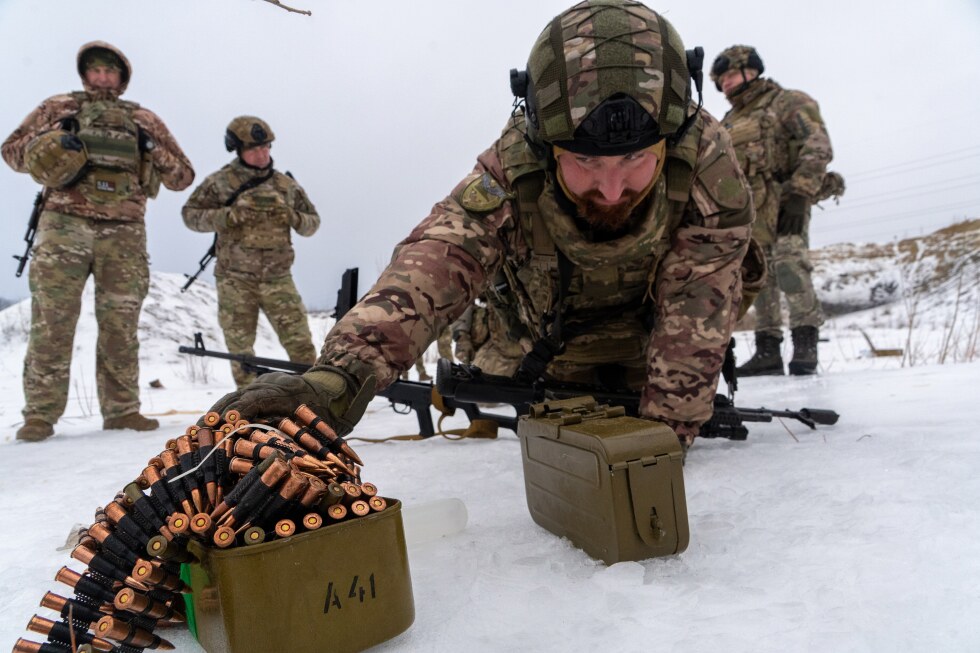
    The upcoming discussions unfold against a complex military reality characterized by persistent fighting along the 1,250-kilometer front line, continuous Russian bombardment of Ukrainian civilian areas and energy infrastructure, and regular Ukrainian drone operations targeting Russian military assets.

    These negotiations represent the latest in a series of attempted diplomatic breakthroughs, following previous unsuccessful rounds in Abu Dhabi that failed to resolve critical issues including the status of Ukraine’s occupied Donbas region. The talks gain additional significance as they precede the fourth anniversary of Russia’s full-scale invasion and occur against a reported June deadline for reaching a settlement, according to previous statements by Ukrainian leadership.

  • Oil refinery ablaze in Cuba as fuel crisis deepens

    Oil refinery ablaze in Cuba as fuel crisis deepens

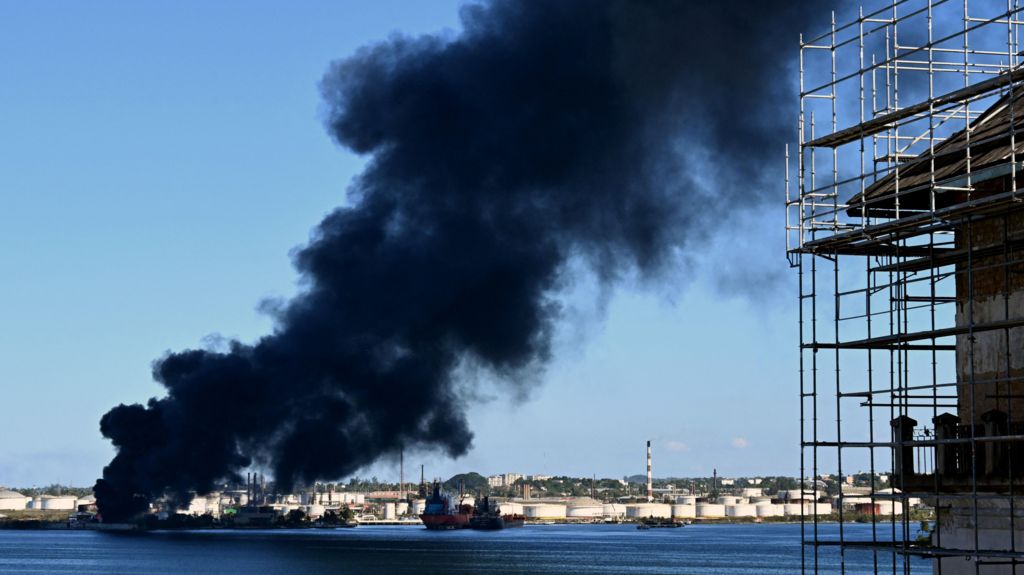
    A significant fire erupted at the Ñico López Refinery in Havana, Cuba, on Friday, sending plumes of black smoke over the capital’s bay area. Cuban energy officials confirmed the blaze has been contained without injuries, though it occurred perilously close to moored oil tankers in Havana Bay. An official investigation into the incident has been initiated.

    This industrial accident exacerbates Cuba’s severe fuel crisis, intensified by recent US actions against Venezuelan oil shipments. The United States military’s seizure of former Venezuelan President Nicolás Maduro in Caracas on January 3rd triggered a chain of events that has strangled Cuba’s energy supply. Washington subsequently confiscated Venezuelan oil tankers and imposed new tariffs on nations supplying petroleum to Cuba, effectively blocking the approximately 35,000 barrels of oil Venezuela previously provided daily.

    The embargo’s consequences are reverberating across Cuban society. Hospitals report emergency ward disruptions, dialysis patients face treatment uncertainties, and critical infrastructure like water pumping stations suffers operational failures. The aviation fuel shortage has compelled multiple airlines to suspend services to the island, prompting several countries including the United Kingdom to issue travel advisories against non-essential visits.

    Cuban authorities have implemented strict fuel rationing and scaled back public services across healthcare, education, and transportation sectors. Despite these challenges, humanitarian efforts continue with two Mexican vessels delivering 800 tonnes of aid to Havana Bay on Thursday.

    United Nations human rights experts have condemned Washington’s restrictions as “an extreme form of unilateral economic coercion,” with UN human rights chief Volker Türk expressing extreme concern over the deteriorating situation. The current crisis extends the longstanding US economic and trade embargo on Cuba that has persisted since 1960.

  • Chinese robots and culture converge at UN’s Year of the Horse celebration

    Chinese robots and culture converge at UN’s Year of the Horse celebration

    The United Nations headquarters in New York transformed into a showcase of technological innovation and cultural diplomacy during Thursday’s Chinese New Year gala. Organized by the UN Chinese Book Club, the event featured an unprecedented performance where robotic lion dancers, panda-shaped robots, and humanoid dancing machines shared the stage, captivating hundreds of UN staff members, diplomats, and international visitors.

    The celebration marked a significant milestone as the Spring Festival now holds official recognition as a floating holiday on the United Nations calendar and appears on UNESCO’s list of intangible cultural heritage. China’s Permanent Representative to the UN, Fu Cong, emphasized the festival’s global significance, stating that ‘Spring Festival conveys to the world the values of harmony in diversity and peaceful coexistence, and embodies people’s shared aspiration for a better life.’

    Fu Cong called for strengthened cooperation between China and the United Nations, urging all parties to move forward ‘with unstoppable momentum and tireless vitality’ in the Year of the Horse. The event occurred against the backdrop of broader UN challenges addressed by Li Junhua, UN Under-Secretary-General for Economic and Social Affairs, who noted the organization faces ‘unprecedented challenges’ including raging conflicts, declining mutual trust, and widening poverty gaps.

    The technological demonstration represented more than entertainment, appearing for the second time within a week at UN headquarters. Cuban Deputy Permanent Representative Yuri Gala Lopez acknowledged China’s technological leadership, expressing admiration for the display. Dima Al-Khatib, Director of the UN Office for South-South Cooperation, found the performance ‘very impressive’ and indicated interest in exploring technology transfer opportunities to Global South countries.

    The convergence of robotics and traditional celebration highlighted China’s growing role in both technological innovation and cultural diplomacy. Khaled Khiari, UN Assistant Secretary-General for multiple regions, recognized China’s substantial contributions to UN peacekeeping operations, where China remains one of the largest troop contributors among Security Council permanent members.

  • Appeal rejected: Ex-Philippine leader Rodrigo Duterte to stand trial on Feb 23

    Appeal rejected: Ex-Philippine leader Rodrigo Duterte to stand trial on Feb 23

    The International Criminal Court has definitively rejected former Philippine President Rodrigo Duterte’s appeal to avoid trial proceedings, setting the stage for a landmark hearing on February 23rd. This decisive ruling marks a significant development in the long-running investigation into Duterte’s controversial anti-narcotics campaign that resulted in thousands of fatalities.

    ICC Pre-Trial Chamber I, comprising judges Iulia Antoanella Motoc, Reine Adélaïde Sophie Alapini-Gansou, and María del Socorro Flores Liera, issued a comprehensive dismissal of all defense arguments on Friday. The judicial panel determined that Duterte’s legal team had ‘misrepresented relevant findings’ from the court’s January 26th decision that initially declared the former leader fit for trial.

    The court’s assessment relied heavily on evaluations from three independent medical experts who thoroughly examined Duterte’s health condition and capacity to participate in legal proceedings. These specialists, chosen for their expertise in international tribunal fitness assessments, incorporated defense-submitted medical reports into their analysis before reaching their conclusive determination.

    The judicial chamber specifically addressed defense concerns about potential health deterioration during trial, characterizing such arguments as ‘speculative in nature.’ The ruling emphasized that the fitness determination remains subject to reassessment should circumstances change, ensuring procedural fairness throughout the judicial process.

    The upcoming confirmation of charges hearing, scheduled to commence at 10:00 AM Hague local time on February 23rd, will feature oral submissions from prosecution, defense, and victim representation teams across four days of proceedings. Following these hearings, the Chamber will deliver its decision within 60 days regarding whether the case will advance to trial phase.

    Duterte faces allegations of crimes against humanity, specifically murder and attempted murder, connected to his administration’s aggressive narcotics crackdown. While official Philippine National Police records acknowledge approximately 6,000 deaths during the campaign, independent human rights organizations estimate the actual death toll may reach 30,000.

  • British couple held by Taliban describe ‘culture shock’ returning to UK

    British couple held by Taliban describe ‘culture shock’ returning to UK

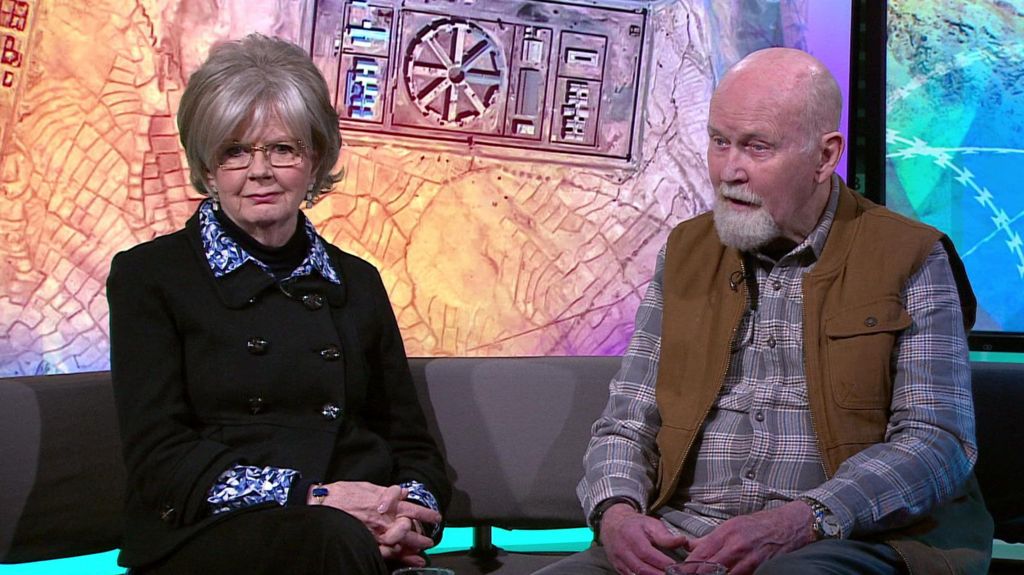
    A British couple detained by Taliban authorities in Afghanistan for over seven months has broken their silence about the harrowing experience and their subsequent reintegration into Western society. Peter Reynolds, 80, and his wife Barbie, 76, were held without formal charges from February to September 2025 before being unexpectedly released through Qatari diplomatic channels.

    The Reynolds, who operated charitable programs in Afghanistan for nearly twenty years, described their captivity across ten different detention facilities, including the notorious Pul-e-Charkhi maximum security prison. Their ordeal included two months in windowless basement cells before being transferred to above-ground accommodations with improved conditions during their final weeks of detention.

    Barbie Reynolds provided disturbing details about the prison conditions, revealing she shared a block with 240 women while numerous other blocks housed additional female prisoners and approximately 40 children. Sanitation was severely inadequate with only seven toilets available for hundreds of inmates, malfunctioning showers, and consistently overflowing drainage systems.

    The couple’s health deteriorated significantly during captivity. Barbie developed severe anemia and malnutrition, particularly during Ramadan when meals were restricted. Peter remarked that his wife appeared to have aged two decades when they were reunited, noting she could barely walk due to her deteriorated condition.

    Despite Taliban officials maintaining that the couple received adequate medical care and that their human rights were respected, the Reynolds characterized their detention reason as ‘a complete mystery.’ They were initially arrested after chartering a flight from Kabul to Bamiyan province alongside friends Faye Hall and their translator, who were subsequently released.

    Now back in the United Kingdom after five months, the couple experiences profound ‘cultural shock’ regarding Western freedoms. Barbie specifically noted the striking contrast between Taliban-enforced dress codes and behavioral restrictions versus the liberty to ‘wear what they want, go where they want’ in Britain.

    In a remarkable display of forgiveness, the Reynolds expressed willingness to embrace their captors and continue supporting Afghan people. They also sent a message of hope to Craig and Lindsay Foreman, another British couple detained by the Taliban in January 2025, urging them to ‘hang in there’ and maintain hope.

  • Pentagon to move world’s largest carrier to Middle East, US officials say

    Pentagon to move world’s largest carrier to Middle East, US officials say

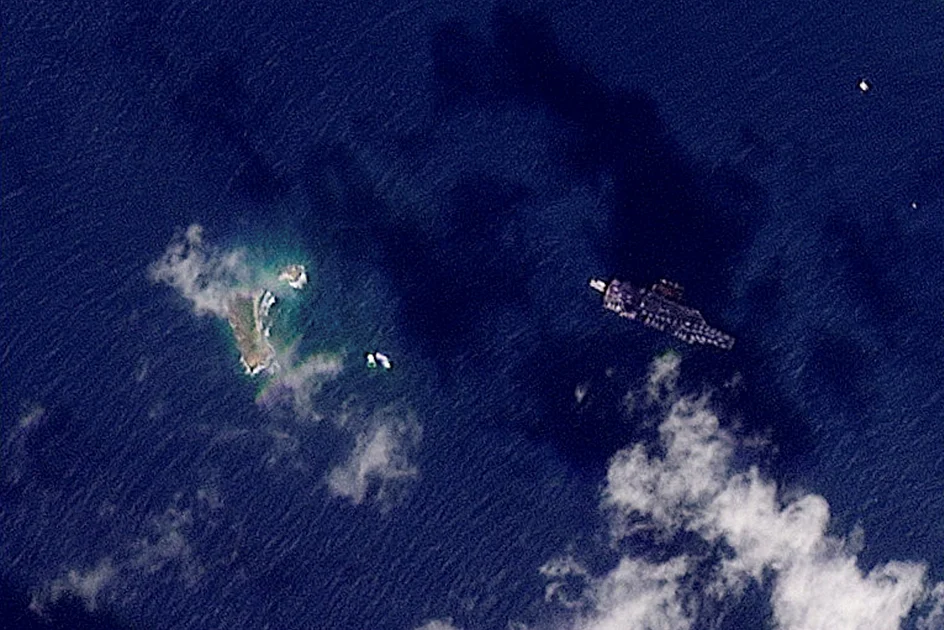
    In a significant military repositioning, the Pentagon is deploying the USS Gerald R. Ford—the world’s largest and most advanced aircraft carrier—from the Caribbean to the Middle East, according to two U.S. officials speaking anonymously to Reuters on Friday. This strategic movement will place two American carrier strike groups in the region simultaneously as diplomatic tensions with Iran intensify.

    The nuclear-powered Gerald R. Ford, accompanied by its escort vessels, has been operating in Caribbean waters where it participated in operations near Venezuela earlier this year. The carrier’s transition to Middle Eastern waters is expected to require at least one week of transit time.

    This deployment represents a substantial commitment of military resources, particularly given that the U.S. Navy maintains only eleven aircraft carriers total, with schedules typically planned far in advance. The Ford will join the USS Abraham Lincoln carrier group, which recently arrived in the region alongside multiple guided-missile destroyers, fighter aircraft, and surveillance platforms.

    The decision follows statements from President Donald Trump, who indicated earlier this week that he was considering deploying additional carrier support to the Middle East if diplomatic progress with Iran stalled. However, on Thursday, Trump suggested a potential breakthrough, noting that an agreement with Iran might be achievable within the coming month. ‘We have to make a deal, otherwise it’s going to be very traumatic,’ the president told reporters.

    The Ford’s extended deployment—continuously at sea since June 2025—highlights the operational strain on naval assets. Originally slated for European operations, the carrier was unexpectedly redirected to the Caribbean in November. While standard carrier deployments typically span nine months, extensions during periods of heightened military activity are not uncommon, though Navy officials have repeatedly warned that prolonged sea duty can adversely affect crew morale.

    Administration officials reportedly considered deploying the USS Bush instead, but certification requirements would have delayed its arrival by over a month. The Ford’s advanced capabilities include capacity for more than 75 military aircraft, sophisticated radar systems for air traffic control and navigation, and the escort support of cruisers and destroyers equipped with comprehensive surface-to-air, surface-to-surface, and anti-submarine warfare systems.

  • Gaza: 8,000 bodies remain under the rubble, Civil Defence says

    Gaza: 8,000 bodies remain under the rubble, Civil Defence says

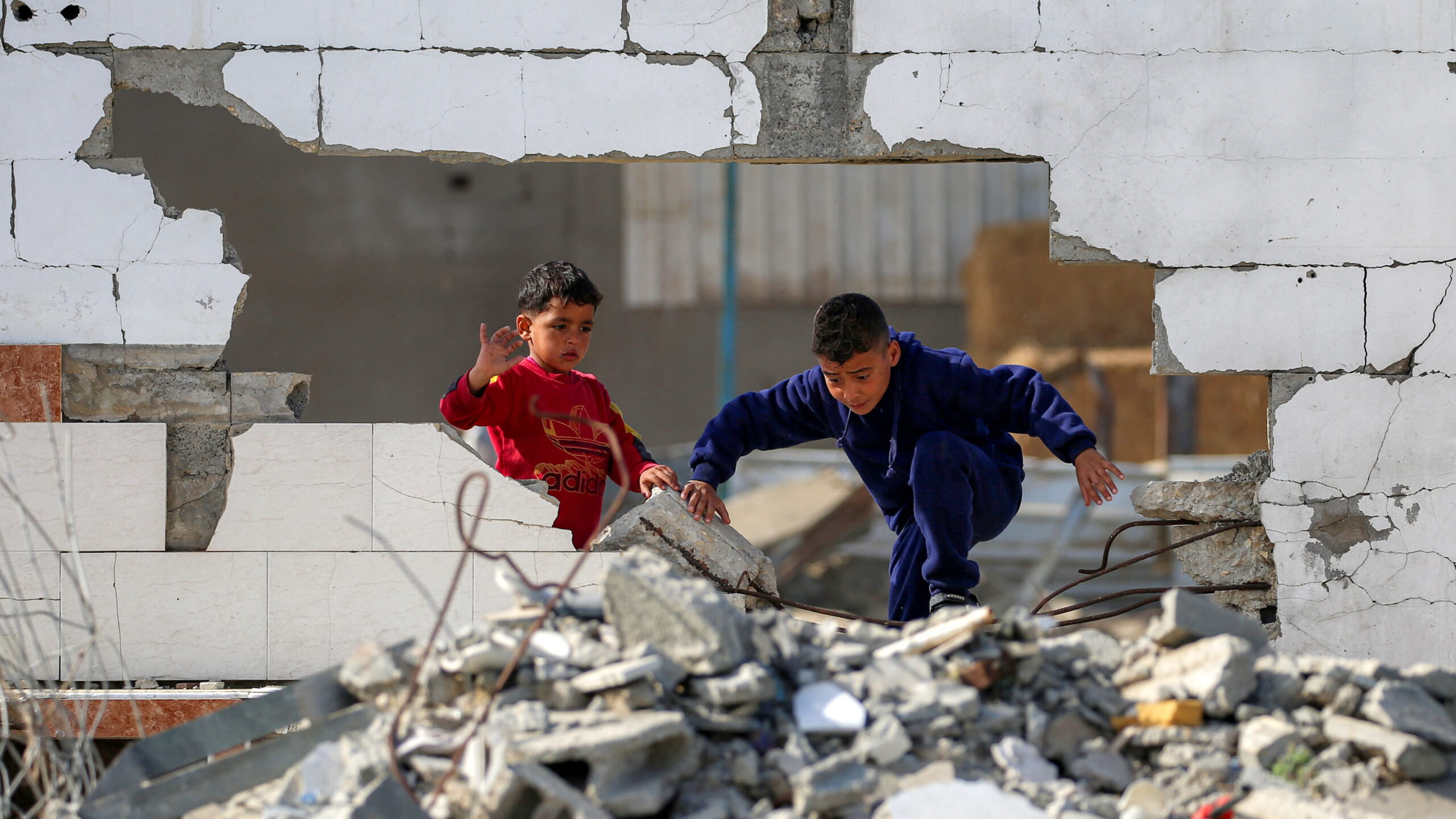
    Gaza’s Civil Defence agency revealed on Thursday that approximately 8,000 Palestinian victims of Israel’s military offensive remain buried beneath massive rubble deposits, despite extensive recovery efforts. The disclosure highlights the staggering hidden death toll extending beyond officially confirmed casualties.

    Spokesperson Mahmoud Basal further indicated that over 3,000 individuals are officially classified as missing, with their status—whether alive, deceased, or detained—remaining undetermined. Recovery operations have faced severe complications, with Basal confirming the disappearance and decomposition of hundreds of bodies during search efforts.

    The scale of destruction presents unprecedented challenges. According to a United Nations Environment Programme assessment, Gaza is buried under at least 61 million tonnes of debris, with approximately 15% potentially contaminated with hazardous materials including asbestos, industrial waste, and heavy metals. UNEP noted that nearly two-thirds of this rubble accumulated during the first five months of hostilities, with destruction accelerating significantly before the current ceasefire.

    Recovery operations confront multiple obstacles: continued Israeli demolitions and shelling, widespread unexploded ordnance, and restrictions on importing essential equipment and machinery. Recent reports document ongoing military activities, including large-scale demolition operations in Khan Younis and shelling in Gaza City’s Zeitoun neighborhood, alongside indiscriminate firing along coastal areas.

    An Al Jazeera investigation published Monday added another dimension to the tragedy, alleging Israel’s use of internationally prohibited thermal and thermobaric weapons that reportedly caused over 2,800 cases of “evaporated” Palestinian bodies. Since the October ceasefire took effect, recovery teams have located over 700 bodies, but hundreds of Israeli violations have been recorded, resulting in nearly 600 additional fatalities and over 1,500 injuries.

    The overall devastation encompasses approximately 90% of Gaza’s infrastructure destruction and over 72,000 fatalities throughout the two-year conflict, creating a recovery operation of historic proportions with profound humanitarian implications.

  • Guizhou seed specialist helps Nigerian farmers develop rice cultivation

    Guizhou seed specialist helps Nigerian farmers develop rice cultivation

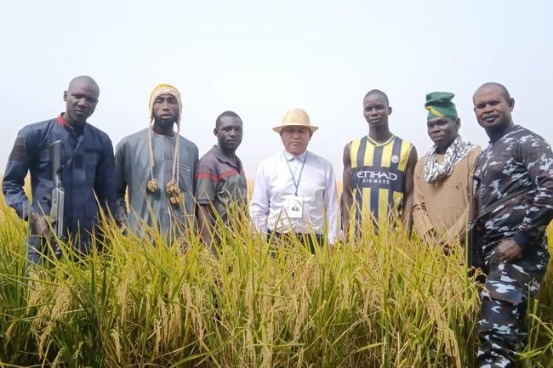
    A decade-long agricultural collaboration between China and Nigeria has yielded remarkable results in rice production, with yields tripling in Nigeria’s Jigawa region thanks to specialized knowledge transfer from Guizhou province. Yang Xiugang, a rice seed-production specialist, has been instrumental in this transformation since first arriving in 2017 through a seed company assignment.

    When Yang began his work, local farmers were harvesting approximately 200 kilograms per mu (0.067 hectares). Through the introduction of high-quality hybrid varieties and adapted cultivation techniques, average yields have now surged to between 600-650 kilograms per mu—a dramatic improvement that local technicians and farmers directly attribute to Yang’s comprehensive approach.

    The specialist implemented a phased knowledge transfer program, beginning with fundamental techniques like land preparation and seedling management before progressing to sophisticated fertilization, pest control, and water management systems tailored to Nigeria’s specific soil and climate conditions. Rather than imposing standardized solutions, Yang emphasized adaptive learning, teaching farmers methodological principles and judgment skills developed through his experience at Cengong county, Guizhou’s only national-level hybrid rice seed production base.

    This agricultural transformation has extended beyond production metrics to influence dietary patterns across the region. Many families in Yang’s service area have transitioned from coarse grains to rice as their primary staple, reflecting both increased availability and changing food preferences.

    The success in Nigeria represents part of a broader international outreach from Cengong county, which produces approximately 8 million kilograms of seeds annually across 10 townships. Over the past two decades, more than 20 agricultural technicians from the region have shared their expertise in over 10 countries including Bangladesh, Indonesia, Myanmar, and Thailand, creating a global network of agricultural knowledge exchange that supports food security and sustainable farming practices worldwide.