分类: world

  • US military preparing for potentially weeks-long Iran operations

    US military preparing for potentially weeks-long Iran operations

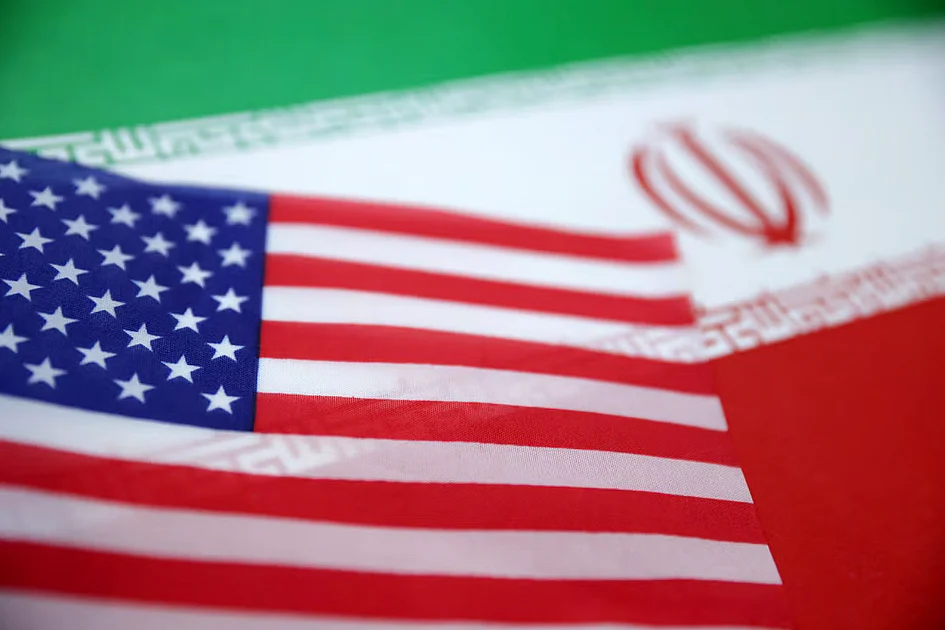
    The United States military is actively preparing for potentially prolonged military operations against Iran that could span several weeks, should President Donald Trump authorize such action. According to two anonymous officials familiar with the sensitive planning, this preparation signals a potential escalation beyond previous confrontations between the two nations.

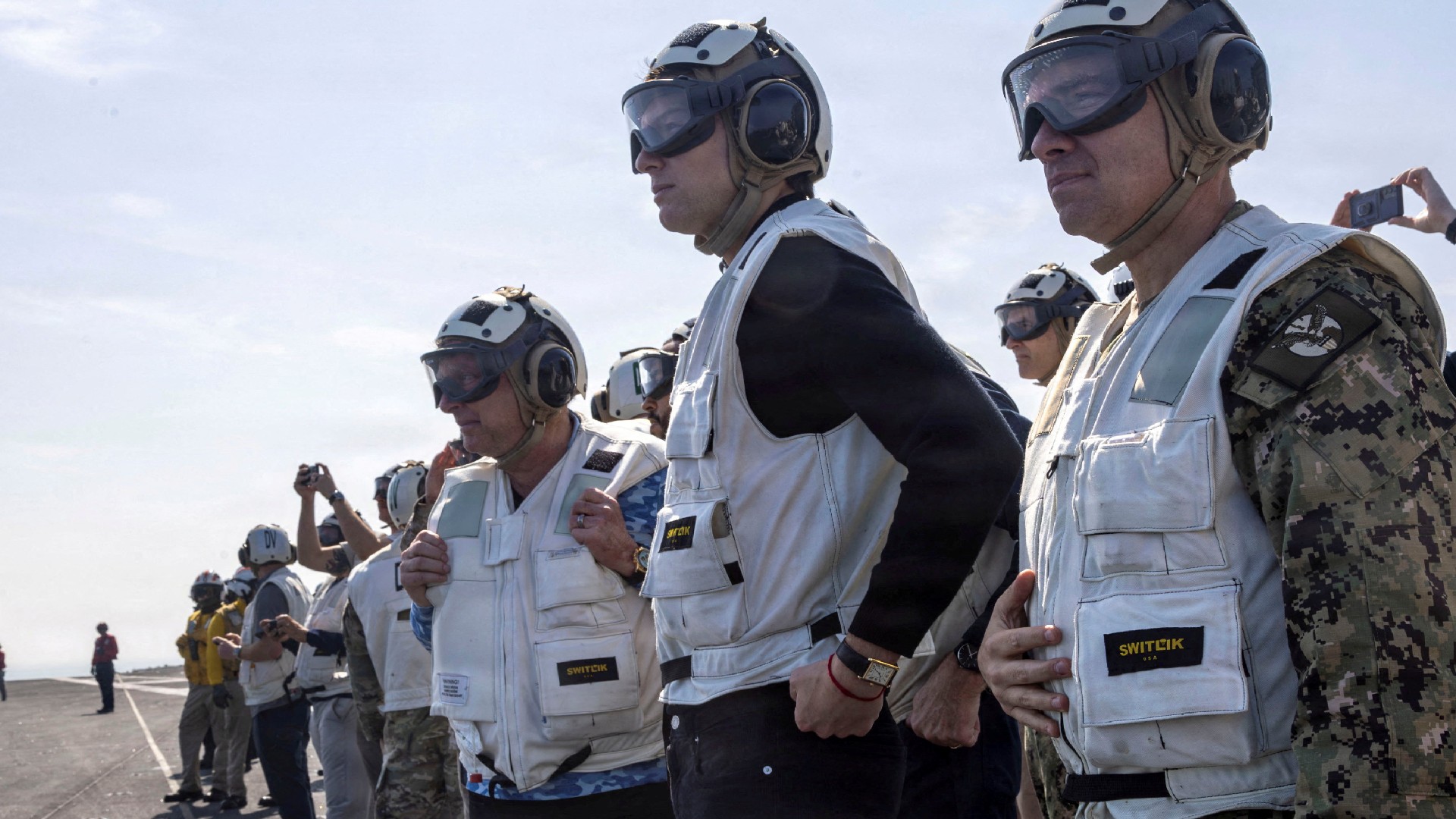
    The Pentagon has significantly bolstered its military presence in the Middle East, deploying an additional aircraft carrier alongside thousands of troops, fighter aircraft, and guided-missile destroyers. This substantial force accumulation represents both offensive strike capabilities and defensive measures against potential retaliation.

    While diplomatic channels remain active with US envoys Steve Witkoff and Jared Kushner scheduled to negotiate with Iranian representatives in Geneva on Tuesday—with Omani mediators facilitating discussions—Secretary of State Marco Rubio acknowledged the challenges in reaching a diplomatic resolution. “Trump’s preference is to reach a deal with Tehran, but that’s very hard to do,” Rubio stated on Saturday.

    President Trump has openly contemplated regime change in Iran, commenting after a military event at Fort Bragg that replacing the Iranian government “seems like that would be the best thing that could happen.” When pressed about potential successors, Trump cryptically noted “there are people” without providing specifics.

    The current military planning differs significantly from last year’s “Midnight Hammer” operation, which involved a single strike on Iranian nuclear facilities using stealth bombers. Officials indicate that any sustained campaign would likely target a broader range of Iranian state and security infrastructure beyond nuclear sites.

    Military experts warn that operations against Iran carry substantially higher risks due to the country’s formidable missile arsenal and capacity for retaliation. Such actions could potentially trigger a broader regional conflict, with Iranian Revolutionary Guard forces already warning they would target US military bases in response to any strikes on Iranian territory.

    The complex situation is further complicated by regional dynamics, including Israeli Prime Minister Benjamin Netanyahu’s recent meeting with Trump, where he emphasized that any agreement with Iran “must include the elements that are vital to Israel.”

    Meanwhile, exiled Iranian opposition figure Reza Pahlavi has advocated for US military intervention, suggesting it could accelerate the collapse of Tehran’s government. “We are hoping that this attack will expedite the process and the people can be finally back in the streets and take it all the way to the ultimate regime’s downfall,” said the son of Iran’s deposed shah.

  • Thousands of western nationals serve in Israel’s army amid Gaza genocide: Report

    Thousands of western nationals serve in Israel’s army amid Gaza genocide: Report

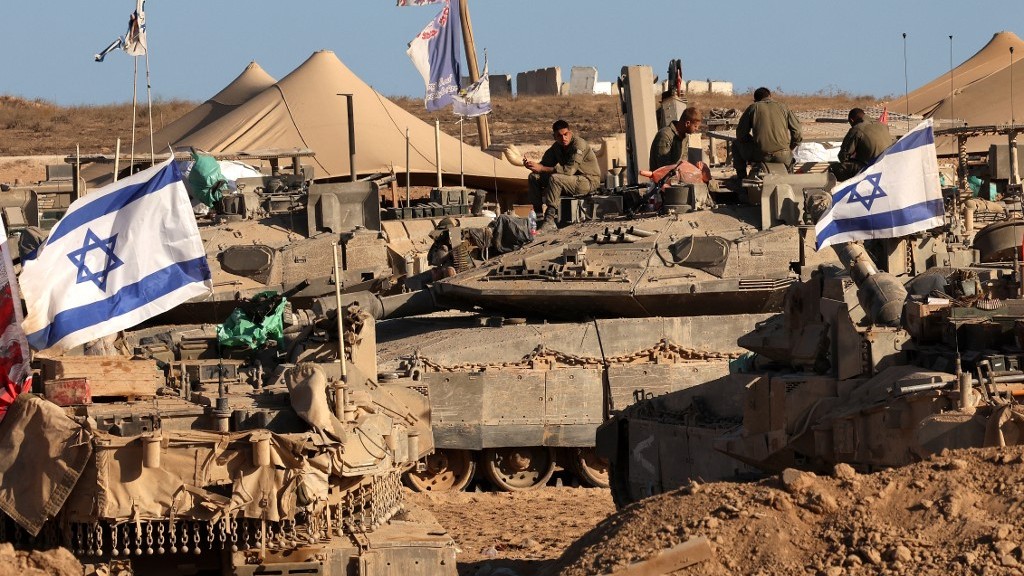
    For the first time, the Israeli military has officially disclosed comprehensive data revealing the significant presence of dual-nationality personnel within its ranks. According to information obtained through a Freedom of Information request by NGO Hatzlacha, a total of 50,632 active soldiers hold citizenship in at least one additional country alongside their Israeli nationality.

    The breakdown shows soldiers from Western nations constitute the majority of foreign passport holders. United States citizens form the largest contingent with 12,135 soldiers, followed by France (over 6,100) and Russia (approximately 5,000). The United Kingdom contributes 2,069 soldiers, a figure that substantially revises previous estimates that focused only on approximately 54 ‘lone soldiers’ without Israeli citizenship.

    Additional significant representation comes from Germany, Ukraine, Romania, Poland, Canada and several Latin American countries. The data also identifies a smaller number of personnel holding citizenship from Arab states including Yemen, Tunisia, Lebanon, Syria and Algeria.

    Notably, the documentation reveals 4,440 soldiers maintain two foreign citizenships in addition to Israeli nationality, while 162 personnel possess three or more foreign passports.

    This disclosure comes amid increasing international legal scrutiny as these dual-national soldiers have participated in military operations in Gaza since October 2023. The scale of foreign participation has triggered examinations under universal jurisdiction principles, which enable national courts to prosecute individuals for alleged war crimes regardless of where violations occurred.

    Major human rights organizations including Human Rights Watch and Amnesty International have called for independent investigations and urged governments to examine the conduct of their nationals serving in the Israeli military. Legal initiatives have already commenced in several countries, with Canadian authorities opening probes into suspected war crimes potentially involving dual-national reservists. Rights groups in Belgium and the United Kingdom have similarly filed complaints targeting hundreds of individuals holding European citizenship.

    Legal experts note that some foreign nationals, including Britons, could face exposure under domestic legislation that restricts participation in foreign military forces under certain circumstances. The International Court of Justice’s January 2024 warning of a plausible risk of genocide in Gaza has intensified calls for states to investigate whether their citizens participated in violations of international law.

    The conflict, which has resulted in over 72,000 Palestinian fatalities and 171,000 injuries according to the report, has destroyed approximately 90% of civilian infrastructure across Gaza.

  • Indigo gets second bomb scare in a day, finds threat written in lipstick

    Indigo gets second bomb scare in a day, finds threat written in lipstick

    Kolkata’s Netaji Subhas Chandra Bose International Airport became the center of security operations on Saturday as IndiGo Airlines confronted two separate bomb threats targeting its aircraft within a single day. The most recent incident involved flight 6E6894, an A-320 aircraft traveling from Dibrugarh Airport in Assam to Kolkata, which executed an emergency landing protocol after crew members discovered a threatening message inscribed in lipstick inside one of the aircraft’s lavatories.

    According to official statements, the aircraft touched down safely at 7:37 PM local time and was immediately redirected to an isolated security bay following established safety protocols. All passengers were evacuated from the aircraft without incident as security teams commenced comprehensive sweeps of the cabin and cargo areas.

    This event marked the second security scare for the airline within hours. Earlier that morning, another IndiGo flight (6E3074) scheduled to depart for Shillong at 9:15 AM was similarly diverted to isolation after ground staff discovered a handwritten bomb threat note within the aircraft’s toilet compartment. That incident also resulted in the complete evacuation of passengers and thorough security inspections.

    Airport authorities have launched investigations into both occurrences, examining security footage and passenger manifests to identify potential perpetrators. Aviation security experts note that such hoaxes, while ultimately false, trigger massive operational disruptions and incur significant financial losses for airlines. The repeated targeting of a single carrier within hours has raised questions about potential coordinated efforts to undermine aviation security.

    IndiGo officials have reiterated their commitment to passenger safety while acknowledging the disruptive impact of such security threats on flight operations. The airline is cooperating fully with investigative agencies to determine the origin of both threats.

  • Motorbike raids on villages kill at least 30 in Nigeria

    Motorbike raids on villages kill at least 30 in Nigeria

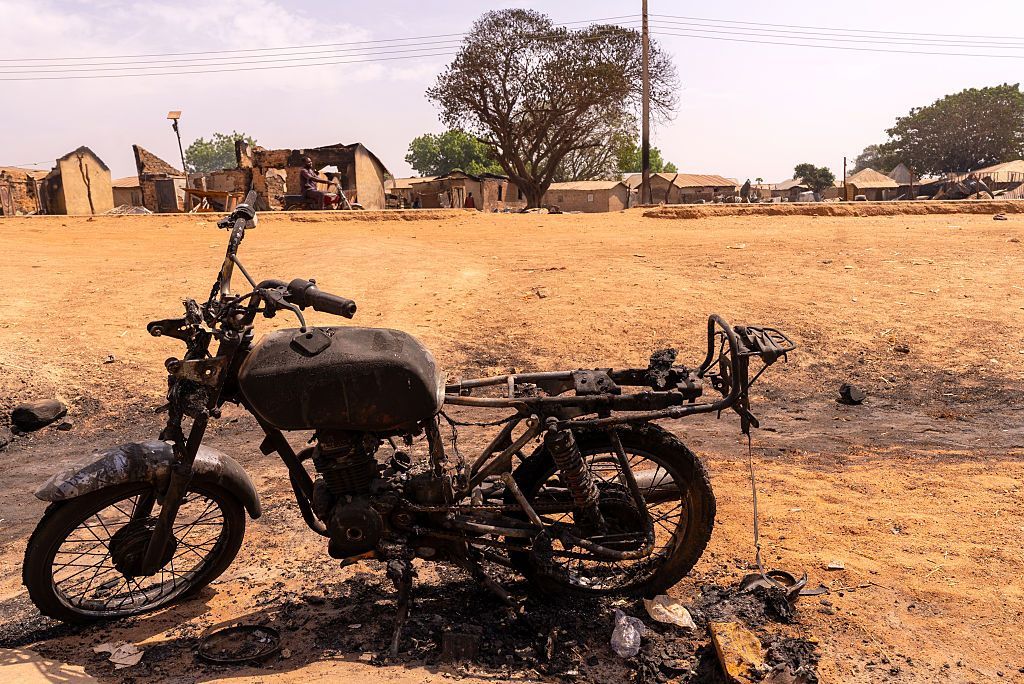
    Northwestern Nigeria has been plunged into a fresh wave of terror following a series of brutal, coordinated dawn assaults on three rural villages in Niger State. According to verified local reports disseminated by AFP, scores of armed assailants on motorcycles descended upon the communities of Tunga-Makeri, Konkoso, and Pissa, executing civilians through gunfire and throat-slitting before systematically setting homes ablaze and seizing an unspecified number of captives.

    The scale of the violence is staggering yet familiar. Initial casualty figures conflict, with Reuters reporting approximately 32 fatalities and AFP citing at least 46 deaths—a toll expected to rise as assessments continue. A security briefing reviewed by AFP detailed a formidable invading force of “41 motorcycles, each carrying two or three men,” indicating a highly organized operation. In Konkoso, the devastation was near-total, with witnesses confirming the burning of almost all dwellings and the abduction of four women.

    This atrocity occurs mere weeks after a suspected jihadist massacre in the same region claimed over 100 lives, employing a nearly identical modus operandi. While these predatory armed factions, locally termed ‘bandits,’ have plagued Nigeria for years through kidnappings and assaults, their operational tempo in western and central territories has intensified dramatically.

    The Nigerian government faces mounting internal and international pressure to quell the escalating insecurity. Compounding the crisis, the nation grapples with a multifront conflict: jihadist insurgencies entrenching in the northwest, alongside separatist movements mobilizing in the southeast. The complexity of the threat was further highlighted by recent U.S. military strikes in northern Sokoto state targeting Islamist militants, accompanied by warnings from former President Trump, illustrating the international dimensions of Nigeria’s security quagmire.

  • Palestinian leader urges removal of all Israeli ‘obstacles’ on Gaza ceasefire

    Palestinian leader urges removal of all Israeli ‘obstacles’ on Gaza ceasefire

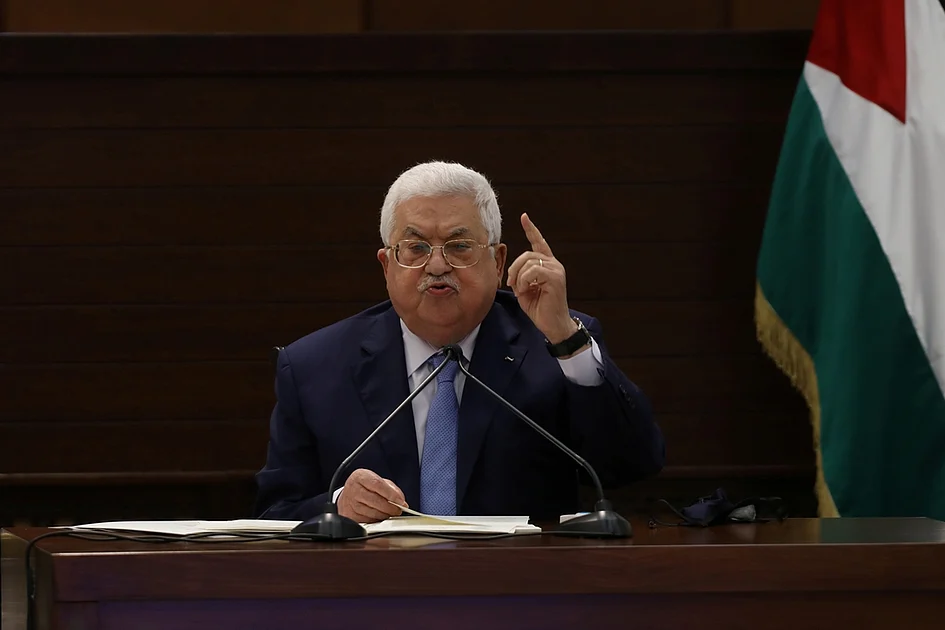
    Speaking at the African Union summit in Addis Ababa on Saturday, Palestinian President Mahmoud Abbas issued a forceful appeal for Israel to remove what he characterized as deliberate obstructions hindering the implementation of the second phase of the US-backed Gaza ceasefire. The address, delivered on his behalf by Prime Minister Mohammed Mustafa, underscored escalating tensions surrounding the fragile truce that took effect in October.

    Abbas explicitly accused Israel of persistent violations of the agreement, stating that these actions have resulted in more than 500 Palestinian fatalities since the ceasefire was announced. He emphasized that these casualties directly threaten the durability of the truce and the successful execution of its subsequent phases. The Palestinian leader identified the removal of Israeli-imposed obstacles as essential to ensuring the continuity of humanitarian services, coordinating aid efforts, and enabling a swift recovery in the devastated territory.

    Central to the dispute is the operation of a technocratic committee established to oversee Gaza’s day-to-day governance. Abbas revealed that fifteen Palestinian experts appointed to this committee remain based in Egypt, unable to fully assume their duties despite the partial reopening of the Rafah border crossing on February 2. This crossing represents Gaza’s sole access point to the outside world that doesn’t transit through Israeli territory.

    The ceasefire agreement, brokered by the United States and endorsed by the United Nations in November, stipulates that its second phase requires the gradual withdrawal of Israeli forces from Gaza alongside the disarmament of Hamas, with an international stabilization force deployed to ensure security. However, the implementation has stalled amid mutual accusations of violations. Hamas maintains that complete disarmament represents a ‘red line,’ though the group has indicated potential willingness to transfer weapons to a future Palestinian governing authority. Meanwhile, the Israeli military continues to control over half of the Gaza Strip, with both sides trading daily allegations of ceasefire breaches.

  • US preparing for potential weeks-long military campaign against Iran: Report

    US preparing for potential weeks-long military campaign against Iran: Report

    Senior U.S. defense officials have confirmed that military strategists are developing plans for a potential extended offensive against Iran, should President Donald Trump authorize such action. These preparations, discussed anonymously due to the sensitive nature of the information, acknowledge the high probability of significant Iranian counterstrikes that could ignite a major regional conflict far exceeding previous confrontations in scale and severity.

    The contemplated military operation would extend beyond targeting nuclear facilities to include Iranian state security infrastructure, marking an escalation from last year’s strikes which primarily focused on nuclear sites. This strategic shift occurs amid deteriorating diplomatic relations and increasingly bellicose rhetoric from both nations.

    Tensions intensified substantially with the recent deployment of the USS Gerald R Ford aircraft carrier—the world’s largest—to the Middle East, bringing thousands of additional troops and substantial firepower to the region. This represents the second carrier deployment following similar movements preceding previous U.S. attacks on Iran.

    President Trump reinforced his hardened stance during remarks to troops at a North Carolina military base, stating that negotiations with Iran have proven ‘difficult’ and suggesting that ‘sometimes you have to have fear’ to resolve situations effectively. The White House maintained that ‘all options remain on the table’ regarding Iran policy, emphasizing the president’s ultimate authority in national security decisions.

    This military posturing follows a consequential meeting between Trump and Israeli Prime Minister Benjamin Netanyahu, who reportedly urged the American president to adopt a firmer position against Iranian ‘games.’ Despite the military preparations, diplomatic channels remain active with recent indirect negotiations in Oman addressing Iran’s nuclear and ballistic missile programs. While Tehran maintained its refusal to cease nuclear fuel enrichment, both parties expressed openness to continued dialogue, with additional talks scheduled for the coming week.

  • US officials release photo of Nikhil Gupta accused of plot against Sikh separatist

    US officials release photo of Nikhil Gupta accused of plot against Sikh separatist

    US authorities have publicly disclosed photographs of Nikhil Gupta, an Indian national facing serious charges for his alleged involvement in a thwarted assassination scheme targeting Gurpatwant Singh Pannun, an American citizen designated as a terrorist by India. The New York Drug Enforcement Administration released the images following Gupta’s guilty plea in a federal court, resulting in a substantial prison sentence of up to 24 years.

    The Federal Bureau of Investigation characterized the case as a stark example of transnational repression, emphasizing that the intended victim was targeted specifically for exercising constitutionally protected speech rights. FBI Assistant Director Roman Rozhavsky stated that Gupta played a central role in orchestrating the murder-for-hire plot, which was successfully prevented through coordinated US law enforcement intervention.

    According to judicial documents, the operation involved an unnamed Indian government official, referenced as CC-1 in court filings, who allegedly recruited Gupta to arrange the assassination. The Indian Ministry of External Affairs confirmed in October 2024 that the individual implicated in the US Justice Department’s indictment had previously been employed by the government but was no longer serving in that capacity at the time of the disclosure.

    Pannun, who holds dual citizenship in both the United States and Canada, remains officially designated as a terrorist by Indian authorities. The case has significant implications for international relations and demonstrates the FBI’s continued vigilance against foreign threats targeting American citizens and their fundamental rights.

  • At least 6,000 killed over 3 days during RSF attack on Sudan’s el-Fasher, UN says

    At least 6,000 killed over 3 days during RSF attack on Sudan’s el-Fasher, UN says

    A comprehensive United Nations investigation has exposed systematic atrocities committed by Sudan’s Rapid Support Forces (RSF) during their October offensive in el-Fasher, Darfur, with documented evidence pointing to widespread war crimes and potential crimes against humanity.

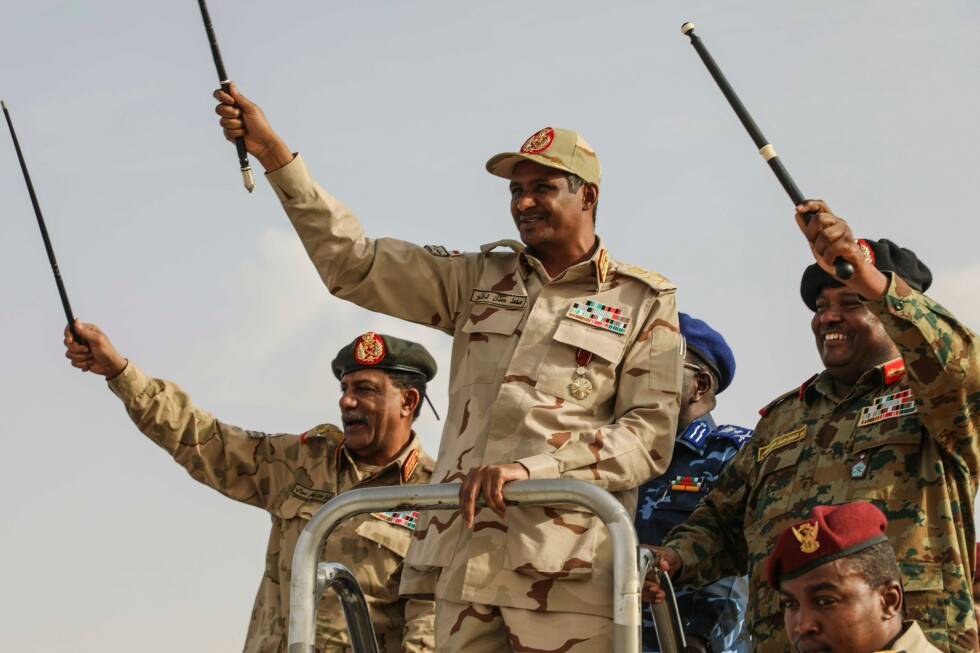
    The UN Human Rights Office’s 29-page report, released Friday, reveals that over 6,000 civilians were killed during a three-day period of ‘intense violence shocking in its scale and brutality’ between October 25-27. The paramilitary group and their allied Arab militias, known as Janjaweed, overran el-Fasher—the Sudanese army’s final stronghold in Darfur—on October 26 after an 18-month siege.

    UN High Commissioner for Human Rights Volker Türk, who recently visited Sudan, stated the offensive demonstrated ‘reasonable grounds’ for war crimes charges, noting that ‘persistent impunity fuels continued cycles of violence.’ The documented violations include mass killings, summary executions, sexual violence, abductions for ransom, torture, and enforced disappearances, many targeting the African Zaghawa non-Arab tribes.

    The investigation, based on 140 victim and witness testimonies corroborated by satellite imagery and video footage, describes particularly horrific incidents. On October 26, RSF fighters opened fire with heavy weapons on approximately 1,000 people sheltering at Rashid dormitory in el-Fasher University, killing around 500. Witnesses described bodies being thrown into the air ‘like a scene out of a horror movie.’ That same day, some 600 people, including 50 children, were executed while seeking refuge in university facilities.

    The actual death toll is believed to be ‘significantly higher,’ with additional massacres documented at the Saudi Maternity hospital (460 killed) and Abu Shouk displacement camp (300 killed). The report further details systematic sexual violence ‘used as a weapon of war’ against women and girls, plus the operation of at least 10 detention facilities—including a converted children’s hospital—where thousands remain missing.

    The RSF, whose commander General Mohammed Hamdan Dagalo has previously acknowledged some abuses while disputing their scale, did not respond to requests for comment. The conflict, which began in April 2023 as a power struggle between the RSF and Sudanese military, has created the world’s largest humanitarian crisis with famine conditions emerging across parts of Sudan.

  • Cuban cigar festival called off as US blockade fuels energy crisis

    Cuban cigar festival called off as US blockade fuels energy crisis

    Havana’s renowned Festival del Habano has been indefinitely postponed due to severe fuel shortages exacerbated by the United States’ economic embargo against Cuba. The organizing committee announced the decision on Saturday, citing the “complex economic situation” created by Washington’s longstanding restrictions as the primary reason for delaying the five-day event originally scheduled for late February.

    The fuel crisis, intensified by recent US seizures of Venezuelan oil shipments destined for Cuba, has created widespread power outages lasting up to 18 hours daily across the Caribbean nation. This energy shortage has critically impacted essential services including hospital emergency wards and medical treatments for dialysis patients.

    Compounding the situation, Cuba faces an aviation fuel deficit that has prompted several airlines to suspend services to the island. Multiple countries, including the United Kingdom, have issued travel advisories recommending against non-essential visits to Cuba.

    The Habano Festival typically attracts over 1,300 attendees from approximately 70 countries who come to sample premium Cuban cigars, visit tobacco plantations, and tour manufacturing facilities. Cuban cigars, while considered among the world’s finest, remain illegal in the United States due to trade embargoes dating back to 1960.

    Organizers emphasized their commitment to maintaining the event’s international prestige, stating they are working to establish new dates when conditions improve. “The priority of the Habano Festival is to offer its participants a comprehensive experience at the height of the relevance and prestige that this event represents internationally,” the committee explained.

    The current situation reflects deteriorating US-Cuba relations following improvements during the Obama administration. President Donald Trump has recently urged Cuban leaders to “make a deal” while facing unspecified consequences. United Nations human rights experts have characterized Washington’s restrictions on Cuba’s oil imports as an “extreme form of unilateral economic coercion.”

    The postponement highlights how geopolitical tensions continue to affect cultural and economic activities in Cuba six decades after the implementation of the US embargo following Fidel Castro’s revolution.

  • 39th AU Summit opens in Addis Ababa with focus on water security, development

    39th AU Summit opens in Addis Ababa with focus on water security, development

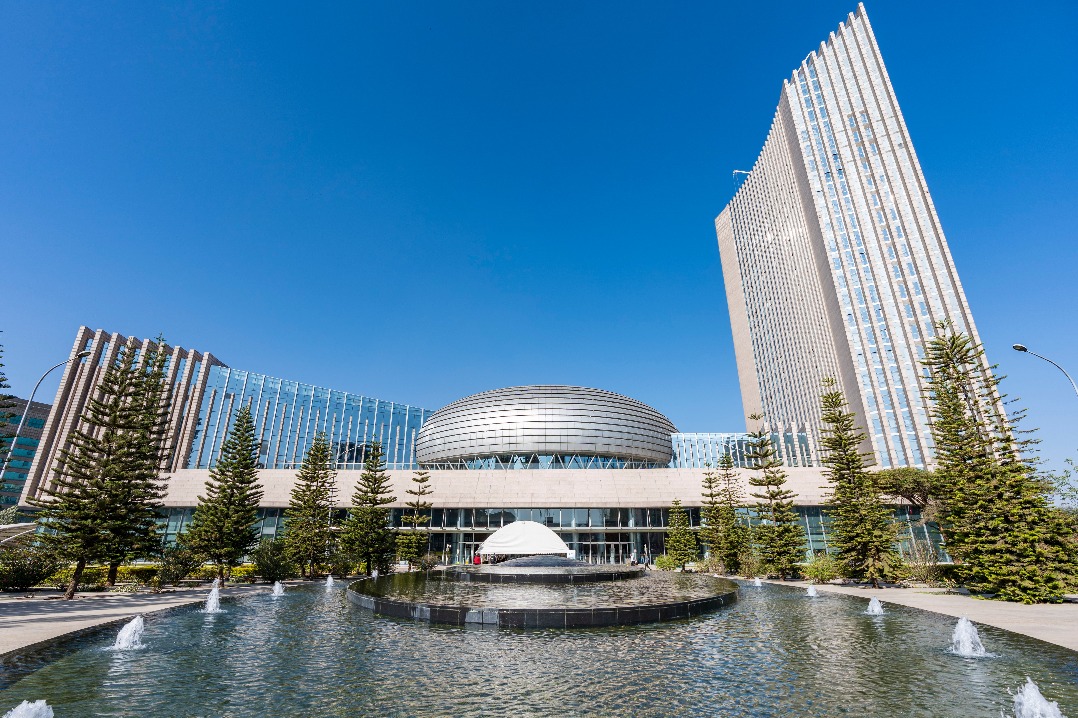
    ADDIS ABABA — The African Union Headquarters in Ethiopia’s capital became the epicenter of continental diplomacy as the 39th Ordinary Session of the Assembly of Heads of State and Government commenced on Saturday. This pivotal gathering, spanning two days, has drawn leadership from across the African continent to deliberate on critical regional challenges and opportunities.

    The summit’s proceedings are guided by the Union’s thematic focus for 2026: ‘Assuring Sustainable Water Availability and Safe Sanitation Systems to Achieve the Goals of Agenda 2063.’ This theme establishes water security and sanitation infrastructure as fundamental prerequisites for realizing Africa’s long-term developmental blueprint.

    Beyond hydrological concerns, the agenda encompasses comprehensive deliberations on peacebuilding, political stabilization, economic advancement, and regional integration frameworks. Delegates are further examining strategies to enhance Africa’s collective influence within global governance architectures and strengthen multilateral cooperation mechanisms.

    The inaugural ceremony witnessed the participation of numerous heads of state and government, accompanied by representatives from prominent international organizations. Notable attendees included Chairperson of the AU Commission Mahmoud Ali Youssouf and United Nations Secretary-General Antonio Guterres, signaling the importance of intercontinental partnerships in addressing Africa’s developmental priorities.