分类: world

  • Air India flight 171 crash: Gov’t rejects claim pilot cut fuel line, says report not yet final

    Air India flight 171 crash: Gov’t rejects claim pilot cut fuel line, says report not yet final

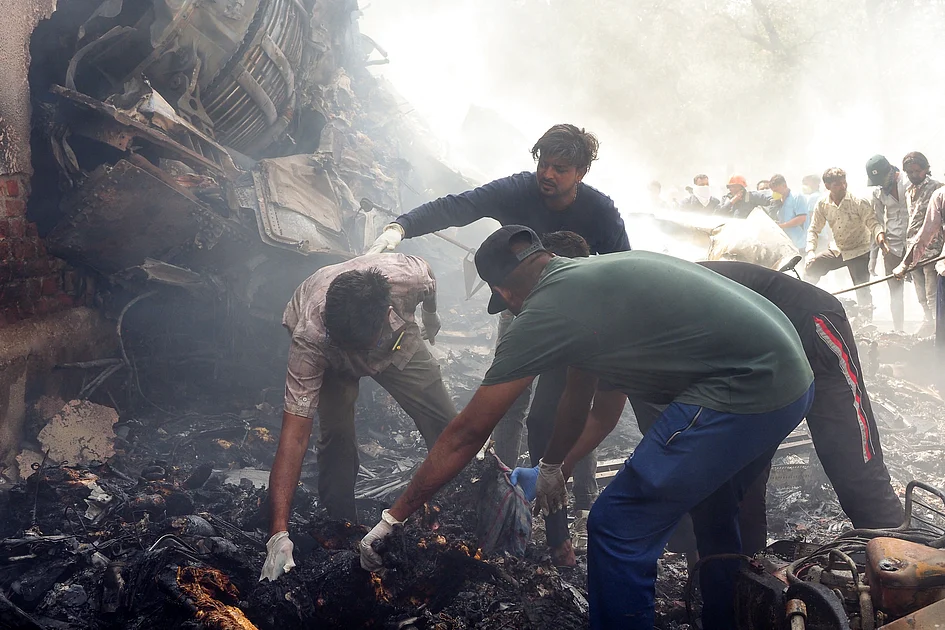
    The Indian government has formally dismissed international media speculation regarding the cause of the tragic Air India Flight 171 crash that occurred in June 2025. This rebuttal comes in response to claims published by Italian newspaper Corriere della Sera suggesting pilot intentionality behind the disaster that claimed 260 lives.

    India’s Civil Aviation Ministry, through Junior Minister Murlidhar Mohol, has emphatically rejected the foreign publication’s assertions that Captain Sumeet Sabharwal deliberately switched off the aircraft’s fuel switches. Minister Mohol challenged the credibility of external sources, stating: “Should we have faith in our own agencies or outsiders? Our agencies are working on it. Once the final report is finalised, then only will it be justifiable to comment on it.”

    The Aircraft Accident Investigation Bureau (AAIB) has issued an official clarification addressing the growing speculation surrounding the Ahmedabad crash. The agency emphasized that the investigation remains ongoing and that no conclusions have been reached regarding causation or responsibility. “It would be inappropriate to assign blame to any individual or factor before the inquiry is fully completed,” the Bureau stated.

    AAIB officials outlined the comprehensive nature of air crash investigations, which require meticulous technical analysis including examination of flight data recorders, cockpit voice recordings, and complex aircraft systems. The Bureau specifically denied reports that the probe had been finalized and urged both media and the public to rely exclusively on official updates.

    The investigation agency confirmed that all findings will undergo transparent review before public release, with the final report encompassing technical determinations and contributing factors behind the catastrophic incident. This process ensures thorough examination of all available evidence before reaching definitive conclusions about the circumstances that led to the Boeing Dreamliner’s crash.


  • Kenyan officials hail China–Kenya Culture and Tourism Season

    Kenyan officials hail China–Kenya Culture and Tourism Season

    NAIROBI—The recently concluded China-Kenya Culture and Tourism Season 2025 has been hailed as a transformative chapter in bilateral relations, with senior Kenyan officials celebrating unprecedented cultural exchange achievements. The program’s closing ceremony, integrated with Chinese New Year celebrations held on February 10, 2026, showcased the deepening ties between the two nations.

    Ummi Bashir, Kenya’s Principal Secretary for Culture and Heritage, revealed that 131 Kenyan professionals across cultural sectors received specialized training in China through the exchange initiative. The comprehensive program encompassed cultural heritage preservation, tourism development, creative economy enhancement, and sports cooperation since its inauguration in June 2025.

    Among the standout collaborations was the Sino-Kenyan paleolithic archaeological project, which conducted groundbreaking research around Lake Baringo and Lake Bogoria to study human origins. This scientific partnership not only advanced academic knowledge but also strengthened diplomatic bonds through shared cultural discovery.

    The cultural season featured an impressive array of cross-cultural events, including live broadcasts of the spectacular wildebeest migration in Maasai Mara National Reserve, the China Animated Film Festival, the Kenya Wushu National Championship, the Africa Championship of Chinese Cuisine, and the China-Kenya Friendship Games.

    Chinese Ambassador to Kenya Guo Haiyan emphasized the timing significance, noting that 2026 marks both the 70th anniversary of China-Africa diplomatic relations and the China-Africa Year of People-to-People Exchanges. She reaffirmed China’s commitment to “deepen mutually beneficial cooperation and open a new chapter of partnership” with African nations.

    The Spring Festival reception demonstrated cultural fusion through performances including joint Chinese-Kenyan wushu demonstrations, acrobatics, traditional music, and Kenyan folk dances. The Confucius Institute at Moi University’s fashion troupe presented innovative designs blending Chinese and African aesthetic traditions, symbolizing the creative synergy between the two cultures.

  • The dart frog toxin allegedly used to kill Alexei Navalny

    The dart frog toxin allegedly used to kill Alexei Navalny

    A potent neurotoxin derived from South American dart frogs has entered the spotlight of international security concerns following its alleged use in a high-profile assassination. Epibatidine, a compound approximately 200 times more powerful than morphine, is now under intense scrutiny by toxicologists and intelligence agencies. This substance can be sourced directly from the skin of poisonous frogs native to Ecuador and Colombia or synthesized in laboratory settings, creating a dual-origin challenge for detection and prevention.

    The emergence of this biological agent marks a concerning evolution in covert poisoning methodologies. Unlike traditional chemical weapons, naturally-derived toxins like epibatidine offer perpetrators a complex forensic footprint that blends natural occurrence with potential human manipulation. The compound works by binding to nicotine receptors in the nervous system, potentially causing paralysis, respiratory failure, and cardiac arrest at minute doses measured in micrograms.

    Toxicology experts note that weaponizing such substances requires sophisticated knowledge in both chemistry and biology, suggesting involvement of highly specialized actors. The dual availability—through natural extraction and synthetic production—creates significant obstacles for international monitoring regimes established under the Chemical Weapons Convention. This development represents a blurring of lines between biological and chemical threats, challenging existing non-proliferation frameworks and necessitating enhanced forensic capabilities within international security organizations.

  • Austrian man faces terror charges over Taylor Swift concert attack plot

    Austrian man faces terror charges over Taylor Swift concert attack plot

    Austrian prosecutors have formally charged a 21-year-old man with terrorism offenses for plotting an attack on a Taylor Swift concert scheduled for Vienna in August 2024. The suspect, identified only as Beran A under Austrian privacy laws, faces multiple charges including membership in a terrorist organization, manufacturing explosives, and attempting to illegally procure weapons.

    The Vienna prosecutor’s office revealed that Beran A had received online instructions from Islamic State operatives and had actively worked to construct a shrapnel bomb using triacetone triperoxide (TATP), an explosive compound frequently employed in IS attacks. The indictment further alleges he sought guidance from IS members on executing a mass casualty bombing.

    The plot was thwarted following a critical tip-off from the CIA, leading to the suspect’s arrest just before Swift’s scheduled performances. Three sold-out concerts at Vienna’s Ernst Happel Stadium—expected to draw over 195,000 attendees—were subsequently canceled as a security precaution.

    This case involves multiple defendants, including two additional teenagers arrested in 2024. In a related development, a 16-year-old Syrian national received an 18-month suspended sentence in Germany last year for his involvement in the plot, avoiding incarceration under juvenile sentencing guidelines.

    Prosecutors disclosed that Beran A had also contemplated an earlier attack in Dubai in March 2024, allegedly part of a coordinated multi-city IS operation that was abandoned at the last moment. If convicted on all charges, the primary suspect could face up to 20 years imprisonment.

    Taylor Swift previously expressed her devastation over the concert cancellations while acknowledging her gratitude to law enforcement authorities, noting that their intervention meant ‘grieving concerts and not lives.’

  • Ramadan appeal: UNHCR seeks Zakat, Sadaqah as funding cuts hit refugee aid

    Ramadan appeal: UNHCR seeks Zakat, Sadaqah as funding cuts hit refugee aid

    With humanitarian budgets facing unprecedented constraints, the UN Refugee Agency (UNHCR) is intensifying its call for Zakat and Sadaqah donations during Ramadan to address critical gaps in refugee assistance programs worldwide. The appeal comes as funding reductions force suspensions of essential services including medical care, education, child protection, and shelter provisions across multiple crisis zones including Egypt, Afghanistan, Lebanon, and Bangladesh.

    The agency’s recently released 8th Islamic Philanthropy Annual Report reveals that nearly 60% of all Zakat and Sadaqah contributions in 2025 originated from MENA region donors, with the United Arab Emirates, Qatar, and Saudi Arabia emerging as leading contributors. The report highlights how faith-based giving is increasingly serving as a vital humanitarian lifeline amid tightening budgets.

    Notable initiatives include the Dubai-based Mohammed Bin Rashid Al Maktoum Global Initiatives, which supported approximately 70,000 forcibly displaced people across seven nations through country-wide fundraising campaigns. The Refugee Zakat Fund demonstrated significant impact, raising over $23 million in Zakat contributions—surpassing previous records—while assisting more than 579,000 refugees and internally displaced persons across 17 countries. Complementary Sadaqah contributions reached nearly $16 million, supporting over 453,000 individuals across 18 nations.

    Collectively, strategic partnerships and campaigns generated $39 million in 2025, enabling assistance to more than one million people across 25 countries. This effort was bolstered by 45 major donors and Islamic institutions alongside tens of thousands of online supporters who entrusted UNHCR with their charitable distributions.

    Dr. Khaled Khalifa, Senior Advisor to the High Commissioner for Refugees for Islamic Philanthropy and Regional Representative to GCC countries, emphasized the tangible consequences of funding reductions: ‘Amidst a year of unprecedented budget cuts, the humanitarian lifeline has been left fraying with millions of displaced families hanging on by a thread. These cuts are not abstract figures—they are felt in the lives of real people who, after being forced to flee their homes, are being pushed to the edge of survival every day.’

    The report also documents expanded geographical reach, with Islamic philanthropy extending to four new countries in 2025: Brazil, Colombia, the Central African Republic, and Botswana. Sadaqah Jariyah activities reached Bangladesh, where 280,000 people gained improved access to clean water for communities, agriculture, and livestock.

    Since its establishment in 2017, the Refugee Zakat Fund has raised over $300 million from more than 70,000 donors, supporting nearly 10 million beneficiaries across 36 countries. Endorsed by 18 fatwas, the Fund stands as a legitimate mechanism for mobilizing Islamic charitable resources to address global displacement crises.

  • Italy’s ‘Lovers’ Arch’ collapses into sea on Valentine’s Day

    Italy’s ‘Lovers’ Arch’ collapses into sea on Valentine’s Day

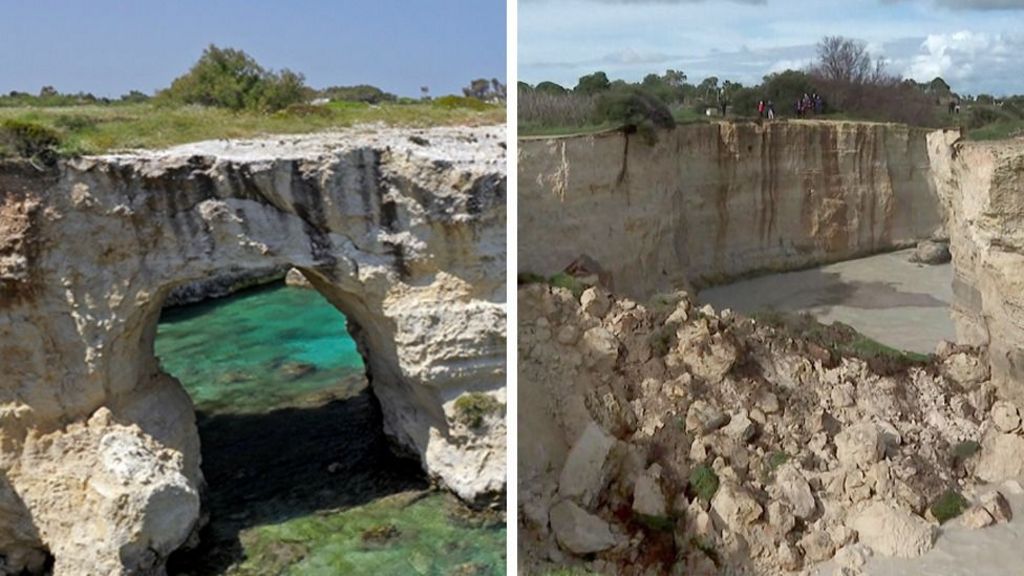
    Italy’s renowned natural landmark known as ‘Lovers’ Arch’ has tragically collapsed following days of severe weather conditions along the Adriatic coastline. The iconic rock formation, located in Sant’Andrea within the Melendugno municipality of Puglia, crumbled on Valentine’s Day—a timing that local authorities described as particularly poignant.

    The arch had long served as a cherished destination for romantic occasions, particularly wedding proposals, drawing visitors from across the globe to its picturesque setting. Its sudden disappearance was first noted by local residents on Sunday morning, revealing only scattered rubble where the natural wonder once stood.

    Meteorological experts attribute the collapse to accelerated erosion caused by Storm Oriana, which has relentlessly battered southern Italy with heavy rainfall and powerful winds in recent days. The extreme weather conditions evidently weakened the geological structure beyond its natural endurance limits.

    Melendugno Mayor Maurizio Cisternino expressed profound sorrow, characterizing the event as ‘an unwanted Valentine’s Day gift’ and ‘a very hard blow’ for regional tourism. He philosophically noted that ‘Nature as it created the bow, has taken it back,’ acknowledging the inevitable processes of natural transformation.

    Puglia’s Regional President Antonio Decaro confirmed the permanent loss of what he described as ‘one of our region’s defining characteristics and symbolic assets.’ During an onsite press conference Monday, Decaro emphasized that while natural erosion processes occur continuously, meteorological phenomena like Storm Oriana can dramatically accelerate these changes.

    The collapse has prompted urgent calls for enhanced coastal preservation measures. Decaro emphasized the necessity for authorities to focus on implementing strategies to slow coastal erosion and protect vulnerable natural landmarks throughout the Salento region, which remains one of Italy’s most popular tourist destinations.

  • Ghana tomato traders among dead in Burkina Faso attack

    Ghana tomato traders among dead in Burkina Faso attack

    Northern Burkina Faso witnessed a devastating series of coordinated attacks on Saturday, resulting in significant casualties and destruction. The jihadist organization Jama’at Nusrat al-Islam wal-Muslimin (JNIM), an al-Qaeda affiliate, has publicly claimed responsibility for the assault on the town of Titao.

    Initial reports confirm a minimum of twenty fatalities. Among the victims were seven Ghanaian nationals, tomato traders traveling on a supply truck that was specifically targeted. Ghana’s Interior Minister, Mohammed Muntaka Mubarak, stated the individuals were tragically “burnt beyond recognition,” complicating identification efforts. Roadblocks imposed in the aftermath have severely hindered evacuation and recovery operations, preventing Ghanaian embassy personnel from accessing the site.

    Eyewitness accounts describe a highly organized, multi-pronged offensive. Assailants reportedly divided into three tactical units: one engaged a local military camp, a second group systematically destroyed telecommunications infrastructure to isolate the area, while a third focused on looting and setting fire to commercial establishments and supply vehicles. Security sources, speaking anonymously to AFP, suggested that ‘hundreds’ of militants overwhelmed the Titao military base, a facility noted for being one of the nation’s best-equipped, leaving it partially destroyed.

    The Burkinabè military junta, which seized power vowing to eradicate extremist violence, has not released an official death toll. However, army spokesman Lieutenant Colonel Abdoul Aziz Ouedraogo appeared on state broadcaster RTB on Sunday, asserting that government forces had demonstrated “valour and professionalism” and had inflicted a “heavy defeat” on the terrorists, neutralizing dozens. He attributed the attack to recent military operations in the north and Sahel regions that displaced militant groups westward.

    This incident is part of a dangerous escalation of violence in the region, occurring just two days after suspected JNIM fighters seized the eastern town of Bilanga, killing 18 soldiers. The ongoing instability has critically endangered cross-border trade. The Ghanaian truck drivers’ association highlighted the perpetual risks faced by traders, noting the attackers set the vehicle ablaze after the driver attempted to seek cover.

    With the victims’ bodies beginning to decompose, Ghanaian and Burkinabè authorities are coordinating a burial. Unharmed Ghanaian women survivors have been asked to witness and document the interment process. Burkinabè officials have pledged military support to create a safe passage for evacuating the remaining survivors to the Ghanaian mission in the capital, Ouagadougou, following the burial.

  • Five injured as Swiss train derails in heavy snow

    Five injured as Swiss train derails in heavy snow

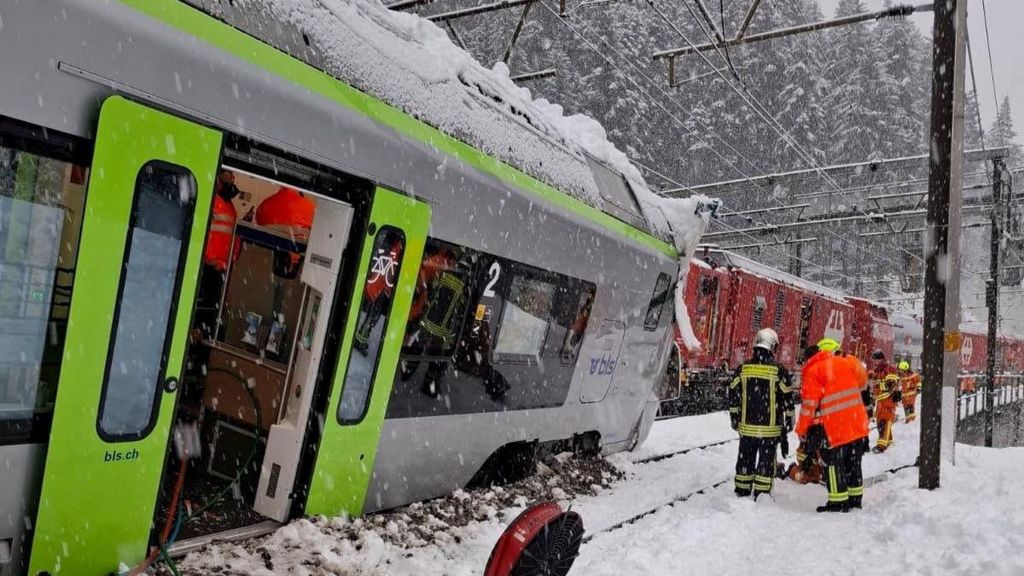
    A regional commuter train derailed near the alpine village of Goppenstein in southern Switzerland on Sunday morning, leaving five people injured with one requiring hospitalization. The incident occurred at approximately 07:00 local time as the train was exiting the critical Lötschberg rail tunnel, a major transportation artery connecting Spiez to Brig.

    Swiss authorities indicated that preliminary evidence suggests an avalanche may have struck the tracks moments before the train’s passage. This theory aligns with current conditions, as the region remains under a Level 4 avalanche warning—the second-highest alert level—amid heavy snowfall and severe weather patterns affecting the Alpine region.

    All 29 passengers aboard the derailed train have been successfully evacuated to safety. While most injuries were minor, one individual was transported to a medical facility for further treatment. The local public prosecutor’s office has initiated a formal investigation to determine the exact cause of the derailment.

    The incident highlights growing safety concerns across Switzerland’s mountainous regions. The country’s Institute for Snow and Avalanche Research has maintained avalanche risk assessments at ‘very high’ levels throughout the Alps following persistent heavy precipitation. In related developments, approximately 50 residents were evacuated from Orsières, a village near the French border, due to accumulating snowpack dangers.

    Transport officials and safety authorities have issued renewed warnings for winter sports enthusiasts, advising skiers to remain on marked slopes and urging all mountain travelers to consult avalanche bulletins before embarking on excursions. This derailment follows last month’s avalanche tragedy that claimed the life of a German cross-country skier and injured four others in the Swiss Alps, underscoring the heightened risks during this winter season.

  • China’s green push colliding with America’s fossil fixation

    China’s green push colliding with America’s fossil fixation

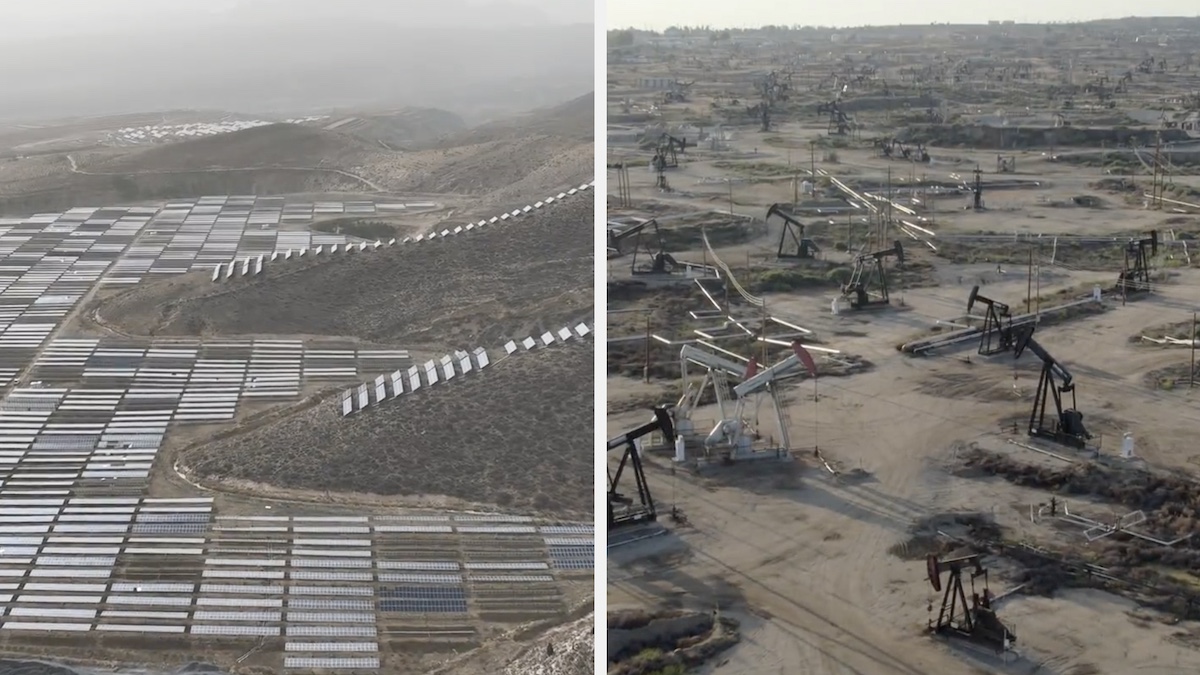
    The world’s two economic superpowers are pursuing radically different energy strategies that will determine the industrial architecture of the 21st century. China is executing a comprehensive industrial policy focused on dominating clean-energy sectors including solar manufacturing, battery supply chains, electric vehicles, and grid infrastructure. This strategic push accounted for a substantial portion of China’s economic growth in 2025 and represents more than environmental policy—it’s a calculated play for long-term economic and geopolitical advantage.

    Meanwhile, the United States presents a contradictory energy landscape. While federal policy emphasizes fossil fuel development and slower renewable approvals, private sector investment and state-level initiatives maintain robust clean-energy funding. This creates a national dichotomy where Washington’s rhetoric conflicts with market realities that continue supporting renewable development based on economic viability.

    Both approaches carry significant risks. China’s clean-energy surge coexists with continued coal dependency, as Beijing approves new coal capacity to ensure energy security and satisfy powerful provincial interests. The US struggles with policy inconsistency that undermines its ability to transform innovation into durable industrial advantage.

    The competition extends beyond climate considerations to fundamental questions about who will manufacture and control the hardware of modern life: power generation systems, storage solutions, transmission networks, EVs, and charging infrastructure. China’s early recognition that energy transition represents industrial transition has allowed it to build manufacturing ecosystems that competitors cannot quickly replicate, creating cost advantages that make Chinese technology the default choice for many developing nations.

    This technological dominance introduces new security concerns as clean energy becomes increasingly connected through software, sensors, and data flows. Governments worldwide worry about potential vulnerabilities in networked systems, creating what security experts call ‘kill switch anxiety.’ These concerns are mutual—China itself restricts Tesla operations in sensitive areas, recognizing that networked machines represent critical infrastructure.

    For Asian economies positioned between these competing systems, the path forward involves strategic diversification: sourcing affordable hardware while insisting on verifiable cybersecurity standards, transparent data governance, and procurement rules that prevent single-supplier dependency. ASEAN members and major manufacturers can benefit from supply-chain rebalancing by building trusted capacity in critical mineral processing and battery ecosystems.

    The ultimate gamble reflects historical precedent—the nation that builds the infrastructure others depend on typically shapes the rules. China bets that clean-energy dominance will yield economic and geopolitical leverage despite coal contradictions, while America wagers that fossil fuel abundance and market dynamism will preserve its primacy despite policy volatility. The outcome will determine not just energy futures but global economic leadership for decades to come.

  • Over 30,000 homes without power, flights disrupted as wild storm hits New Zealand

    Over 30,000 homes without power, flights disrupted as wild storm hits New Zealand

    A severe weather system has unleashed chaos across New Zealand’s North Island, resulting in massive infrastructure disruption and widespread damage. Meteorological reports indicate a deepening low-pressure system east of the island has been driving the extreme conditions, characterized by torrential rains and destructive gale-force winds since the weekend.

    The immediate impact has been most severe on transportation networks and energy infrastructure. Wellington International Airport canceled or delayed the majority of its flight operations, with national carrier Air New Zealand suspending services entirely at multiple airports including Wellington, Napier, and Palmerston North. Surface transportation suffered equally, with train and ferry services suspended and numerous road closures implemented due to flooding and structural damage.

    Energy authorities confirmed over 30,000 properties experienced power outages, with approximately 10,000 customers affected in the Wellington region alone. Emergency response teams from Emergency New Zealand reported handling 852 calls overnight, with more than half originating from the capital region. Assistant National Commander Ken Cooper described the situation as requiring continuous response from firefighting crews.

    The storm’s aftermath revealed significant property damage across semi-rural communities. Digital documentation shared across social media platforms showed extensive residential flooding, compromised road systems where sections completely collapsed, and widespread debris from fallen trees. The situation in Wellington was further exacerbated by the failure of the city’s main wastewater treatment plant earlier this month, with storm surges washing raw sewage back onto coastal areas—an event residents graphically described as a ‘poonami’ on social media.

    Personal accounts from affected residents highlighted the storm’s severity. Marilyn Bulford, a resident of Bunnythorpe located approximately 160 kilometers north of Wellington, described the experience as ‘absolutely terrifying’ to local media, noting unprecedented tree damage affecting vehicles, fences, and public spaces.

    Tragically, the weather event has claimed at least one life, with authorities discovering a deceased individual in a submerged vehicle on Saturday. With meteorological forecasts predicting the storm’s movement toward the South Island on Tuesday, officials have issued renewed warnings for potential further disruptions and advised continued caution.