分类: world

  • New US military-led group aided Mexico’s hunt for ‘El Mencho’ cartel boss

    New US military-led group aided Mexico’s hunt for ‘El Mencho’ cartel boss

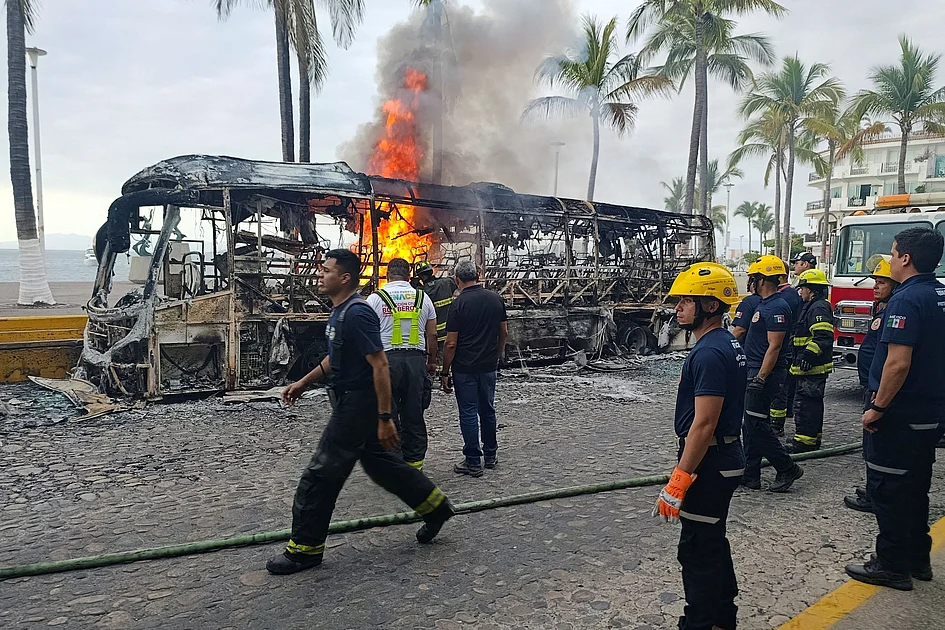
    A recently established U.S. military-led intelligence unit played a pivotal role in supporting the Mexican military operation that resulted in the death of notorious drug lord Nemesio Oseguera Cervantes, alias ‘El Mencho’. The shadowy leader of the Jalisco New Generation Cartel (CJNG) was killed during a raid in western Jalisco state on Sunday, triggering widespread retaliatory violence across multiple Mexican states.

    The Joint Interagency Task Force-Counter Cartel (JITF-CC), formally launched last month, specializes in intelligence gathering against drug trafficking organizations operating along the U.S.-Mexico border. According to U.S. defense officials speaking anonymously, the multi-agency task force provided critical intelligence that aided Mexican authorities in locating one of Mexico’s most elusive criminal figures.

    Mexican Defense Ministry officials confirmed receiving ‘complementary information’ from U.S. counterparts but emphasized the operation was exclusively planned and executed by Mexican forces without physical U.S. military involvement. A former U.S. official revealed that American agencies had compiled an extensive target package on El Mencho, incorporating intelligence from multiple law enforcement and security agencies.

    The operation’s success represents a significant victory in Mexico’s protracted war against drug cartels responsible for smuggling billions of dollars worth of narcotics, particularly fentanyl and cocaine, into the United States. The Trump administration has intensified pressure on Mexican President Claudia Sheinbaum’s government to combat drug trafficking, including threats of direct intervention.

    Brigadier General Maurizio Calabrese, leading the JITF-CC, described how the task force applies counterterrorism methodologies developed against groups like al Qaeda and Daesh to map cartel networks. While noting fundamental differences in motivations, Calabrese emphasized the importance of identifying entire criminal ecosystems for effective disruption.

    The aftermath of El Mencho’s death has been marked by extreme violence, with Mexican Security Minister Omar Garcia Harfuch reporting 25 National Guard members and one security guard killed in 27 separate cartel attacks. Authorities confirmed 30 cartel operatives and one bystander killed, with at least 70 arrests across seven states as government forces monitor potential cartel restructuring.

    The JITF-CC represents part of a broader U.S. strategy that includes increased military operational control along the border and controversial strikes on suspected drug vessels in international waters, measures that have faced legal challenges from Democratic lawmakers and experts.
  • Father and son killed by mudslide in Peru as floods affect thousands of homes in southern provinces

    Father and son killed by mudslide in Peru as floods affect thousands of homes in southern provinces

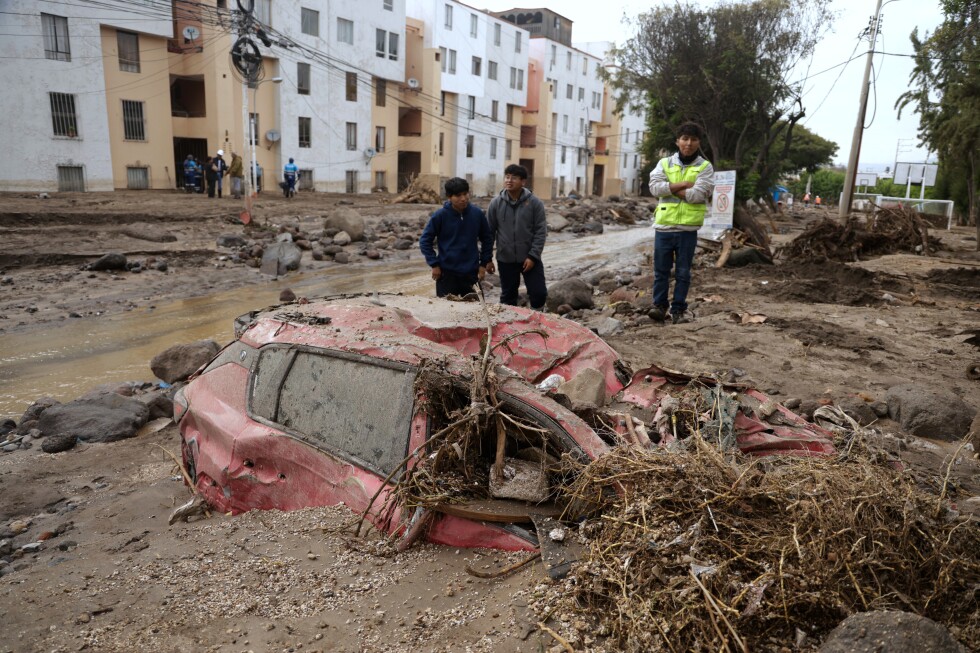
    LIMA, Peru — A devastating landslide triggered by torrential rains in southern Peru has claimed the lives of a father and son, highlighting critical urban planning failures as climate extremes batter the region. The tragedy occurred in Arequipa, where authorities confirmed the victims were swept away in a neighborhood constructed directly atop a historic natural waterway.

    The catastrophic mudslides have impacted approximately 5,500 households, prompting mass evacuations across the region. Experts emphasize that these residential areas dangerously encroach upon ancient drainage paths that have channeled stormwaters for centuries during peak rainfall periods.

    In response to the escalating crisis, Arequipa authorities have urgently petitioned Peru’s interim president to declare a state of emergency. Regional Governor Dr. Rohel Sánchez Sánchez announced the immediate establishment of multiple emergency shelters throughout Arequipa, with the National Institute of Civil Defense and regional government distributing essential supplies including food and tents to displaced residents.

    Meteorologists attribute the extreme weather to the El Niño Costero phenomenon, which has produced weeks of intense rainfall. Official reports indicate warming Pacific waters are expected to slightly intensify this climate pattern through March. This oceanic warming creates elevated evaporation rates, generating extreme precipitation events and significantly increasing river flows throughout vulnerable regions.

  • Why attacking Iran could be riskier than capturing Maduro

    Why attacking Iran could be riskier than capturing Maduro

    Military analysts and regional experts are issuing stark warnings about the profound complexities and potential catastrophic consequences of any U.S. military action against Iran, drawing sharp contrasts with the recent operation in Venezuela. Unlike the swift capture of President Nicolás Maduro in Caracas, which concluded within hours, confronting Iran would engage a nation with extensive military capabilities and a sophisticated network of regional proxy forces capable of sustaining prolonged resistance.

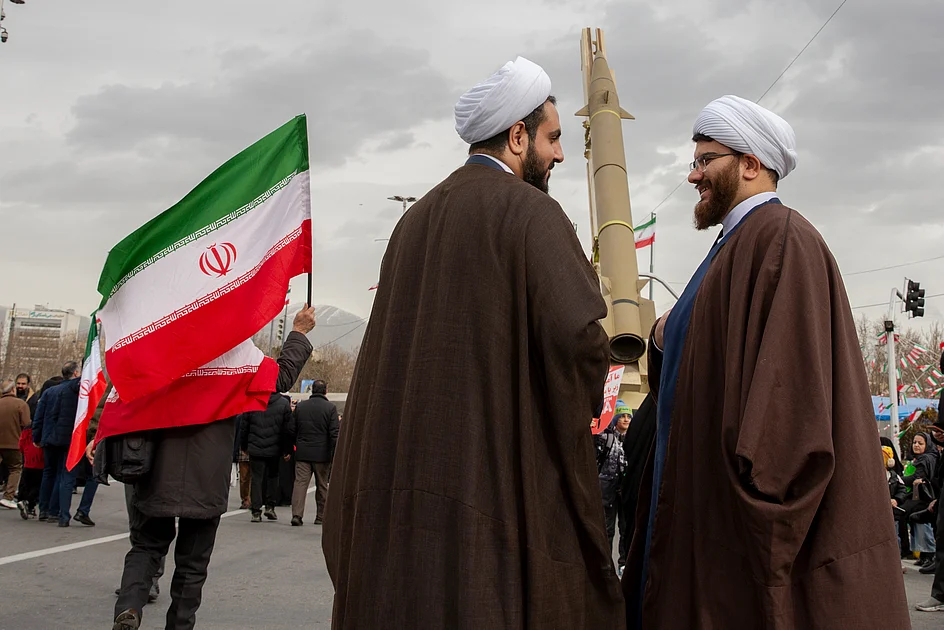
    Iran possesses one of the most substantial and diverse missile arsenals in the Middle East, including medium-range ballistic missiles with a reach exceeding 1,200 miles. This capability places U.S. bases across the region—from western Turkey to Israel and the Arabian Gulf States—within striking distance. Recent demonstrations of military prowess, such as the testing of a new sea-based air defense missile in the Strait of Hormuz, underscore Tehran’s readiness to respond decisively to any aggression.

    Beyond its conventional forces, Iran’s strategic doctrine relies on its ‘Axis of Resistance’—a network of proxy groups including the Houthis in Yemen and Hezbollah in Lebanon. These allied forces could open multiple retaliatory fronts against U.S. interests and allies, potentially escalating a limited strike into a broader regional conflict. Intelligence officials note that Israel’s defense systems, already strained from prolonged engagements, might be overwhelmed by a concentrated Iranian missile barrage.

    The economic implications of such a conflict would be immediate and severe. Iran has repeatedly threatened to close the Strait of Hormuz, a critical chokepoint for global energy transit through which approximately 20% of the world’s oil and liquefied natural gas passes. Any disruption would trigger dramatic spikes in energy prices worldwide, creating economic shockwaves far beyond the conflict zone.

    Political analysts emphasize that Iran’s leadership structure presents another layer of complexity. Unlike Venezuela, where power was concentrated in Maduro, Iran’s theocratic regime is deeply entrenched with multiple power centers and ideological foundations solidified over nearly five decades. This makes any attempt at ‘decapitation’ significantly more challenging than the Venezuela operation.

    As President Trump contemplates military options in an election year, experts caution that there exists no low-cost, clean military solution regarding Iran. The consensus among conflict resolution specialists is that any military engagement would likely result in American casualties and potentially draw the United States into another protracted Middle Eastern conflict with unpredictable outcomes.

  • Kuwait mandates military service for male citizens aged 18

    Kuwait mandates military service for male citizens aged 18

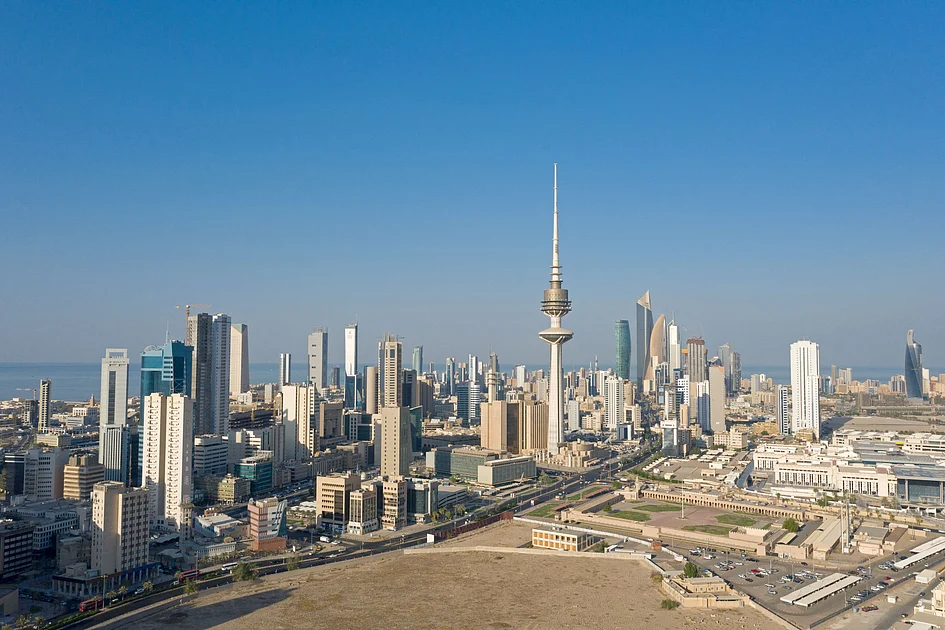
    Kuwait has enacted sweeping legislative reforms making military service compulsory for all male citizens upon reaching 18 years of age. The new mandate, which applies retroactively to individuals born on or after January 1, 2012, represents a significant shift in the nation’s defense policy framework.

    The National Assembly approved substantial amendments to the 2015 National Military Service Law, addressing what officials described as ‘legislative and procedural gaps’ in the original legislation. According to the Kuwait News Agency (KUNA), the revisions aim to streamline administrative processes and clarify previously ambiguous provisions.

    Key modifications include a tripled registration window extension from 60 to 180 days, providing young citizens substantially more time to comply with conscription requirements. The updated statute also introduces familial considerations by exempting only sons from mandatory service obligations.

    Notably, the amendments expand professional exemptions to include Kuwait Oil Company firefighters, granting them parity with their counterparts in the Kuwait Fire Force. Employed conscripts will maintain their full compensation packages—including salaries, allowances, and bonuses—throughout their service period. Additionally, their military tenure will contribute directly to retirement and seniority calculations.

    The National Military Service Authority retains jurisdiction to assign recruits across four critical security sectors: the Kuwait Armed Forces, Ministry of Interior, Kuwait National Guard, and Kuwait Fire Force. This structural flexibility aims to optimize national security resources while accommodating individual skill sets.

    Government sources indicate these reforms address systemic challenges in transaction processing and legal interpretation that emerged under the previous legislative framework. The changes reflect Kuwait’s strategic response to regional security dynamics while modernizing its national service administration.

  • US orders non-essential staff at Beirut embassy to leave

    US orders non-essential staff at Beirut embassy to leave

    In a significant security development, the United States Department of State has mandated the departure of non-emergency personnel and family members from its embassy in Beirut, Lebanon. The directive was confirmed by a senior official on Monday, February 23, 2026, signaling heightened concerns over the stability of the region.

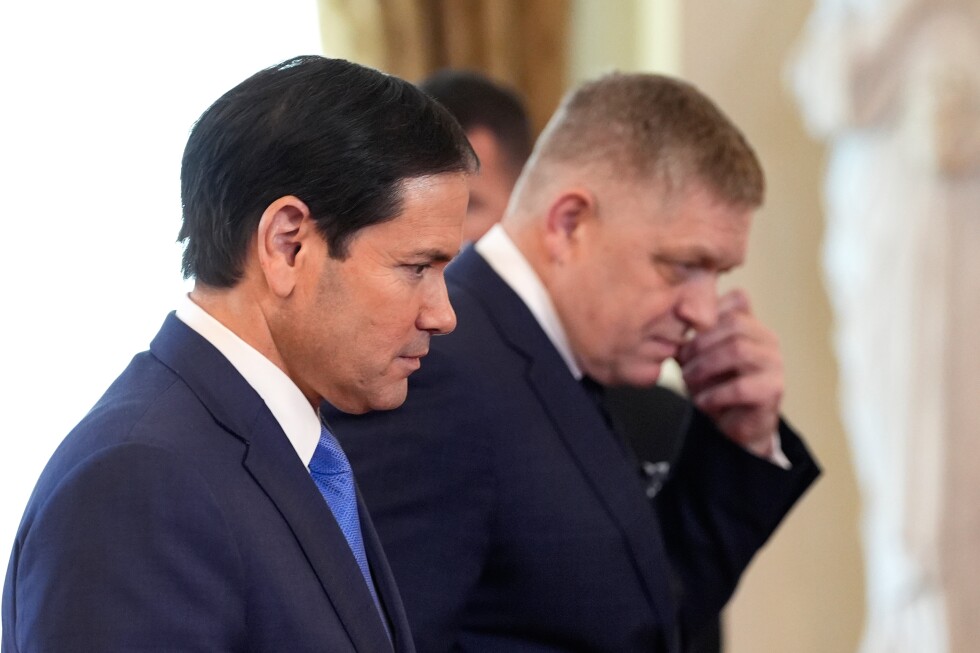
    The evacuation order comes amidst a complex geopolitical backdrop. While Secretary of State Marco Rubio currently maintains plans for an official visit to Israel, a State Department spokesperson indicated this itinerary remains fluid and subject to alteration based on evolving security assessments. This cautious approach reflects the administration’s prioritization of diplomatic security.

    This decision aligns with a pattern of heightened security protocols across U.S. diplomatic missions in the Middle East. Recent advisories, including an ‘increased caution’ alert for personnel in Saudi Arabia and Qatar’s announcement of implementing its own precautionary measures, suggest a coordinated response to broader regional instability. The move is often interpreted by analysts as a precautionary measure against potential retaliatory actions or escalating violence that could threaten American interests abroad.

    The State Department’s decision underscores the volatile climate in the region, potentially linked to recent military engagements and political friction between neighboring states, though the official statement did not cite a specific immediate threat. The safety of U.S. government employees and their families remains the paramount concern, guiding such proactive security determinations.

  • Israeli minister says army to occupy all Gaza if Hamas does not disarm

    Israeli minister says army to occupy all Gaza if Hamas does not disarm

    Israeli Finance Minister Bezalel Smotrich, a key member of the nation’s security cabinet, declared on Monday that Hamas faces an imminent deadline to surrender its weapons or risk comprehensive military occupation of Gaza by Israeli forces. In a televised interview with public broadcaster Kan, the far-right minister revealed that Palestinian militants would shortly receive a formal ultimatum demanding complete demilitarization.

    Smotrich asserted that should Hamas refuse compliance, the Israel Defense Forces would possess both international legitimacy and American support to execute a full-scale occupation. The minister confirmed military strategists are already developing operational plans for this contingency, with multiple alternatives under active consideration.

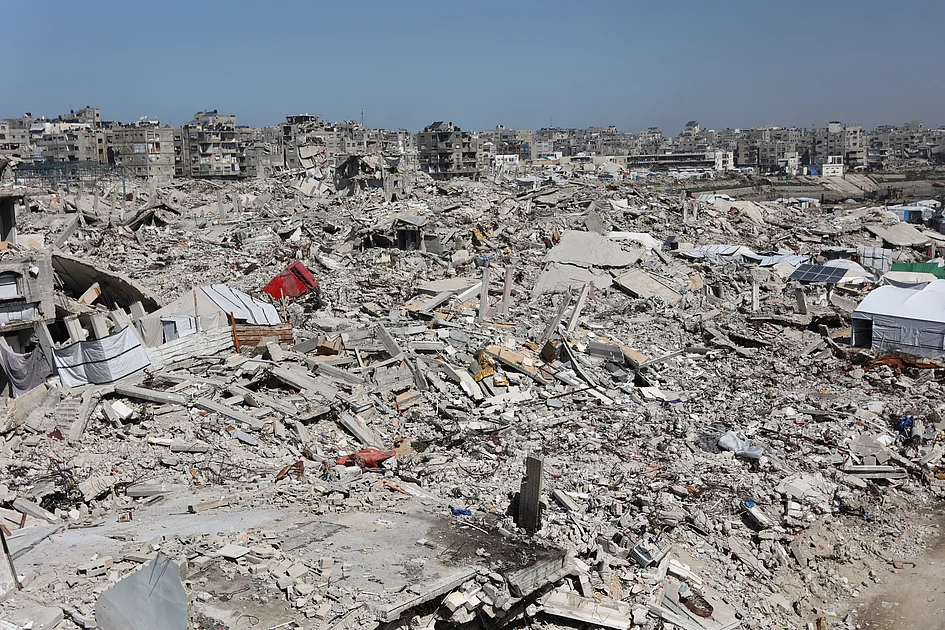
    This development occurs within the fragile framework of a U.S.-brokered ceasefire agreement that recently concluded two years of sustained conflict. During the initial phase, Israeli troops withdrew to positions behind the designated Yellow Line while maintaining control over more than half of Gaza’s territory. The subsequent phase, initiated last month, envisions progressive Israeli military withdrawal coupled with Hamas disarmament—a provision the militant organization has vigorously opposed.

    The American peace proposal, championed by President Donald Trump, additionally calls for establishing a 20,000-strong International Stabilization Force (ISF). While several nations have pledged troop contributions, Smotrich expressed skepticism regarding the rapid deployment of international forces. He suggested coordinated arrangements with American officials would ensure foreign troops quickly withdraw to facilitate Israeli military operations if necessary.

  • Slovakia halts emergency electricity supplies to Ukraine amid oil delivery dispute

    Slovakia halts emergency electricity supplies to Ukraine amid oil delivery dispute

    BRATISLAVA, Slovakia — In a significant escalation of regional tensions, Slovakia has suspended emergency electricity supplies to Ukraine amidst a deepening dispute over interrupted Russian oil shipments via the Druzhba pipeline. The move comes as Ukraine continues to grapple with severe power shortages resulting from systematic Russian bombardment of its energy infrastructure.

    The conflict centers on the suspension of Russian oil deliveries to Slovakia and Hungary since January 27. Ukrainian authorities attribute the interruption to damage caused by Russian drone attacks on the critical pipeline infrastructure. However, the governments of both Slovakia and Hungary—recognized as the European Union’s most Russia-friendly members—have accused Ukraine of deliberately withholding oil shipments despite having received special exemptions from EU sanctions prohibiting Russian oil imports.

    Slovak Prime Minister Robert Fico, a populist leader, announced the retaliatory measure after claiming Ukrainian President Volodymyr Zelenskyy declined to engage in discussions until after Wednesday. “Given the seriousness of the situation and the declared state of oil emergency in Slovakia, we are forced to take the first reciprocal measure immediately,” Fico stated, adding that the electricity suspension would be lifted once oil transit resumes.

    The Slovak opposition has condemned the government’s decision, while Ukrainian Foreign Minister Andrii Sybiha appealed for “constructive cooperation and responsible behavior” from both nations. Fico has threatened additional measures if oil shipments don’t resume, including potentially withdrawing support for Ukraine’s European Union membership aspirations.

    Both Slovakia and Hungary have challenged Ukraine’s damage claims, asserting without providing evidence that the Druzhba pipeline remains operational. Fico revealed that Slovakia’s ambassador to Kyiv has been denied access to inspect the allegedly damaged sections. The Slovak leader characterized the oil suspension as “a purely political decision with the aim of blackmailing Slovakia” due to its divergent views on Russia’s war against Ukraine compared to mainstream European perspectives.

  • From Odesa to Bakhmut, revisiting a Ukrainian family torn by war

    From Odesa to Bakhmut, revisiting a Ukrainian family torn by war

    The Glodan family’s story encapsulates the profound human cost of Russia’s invasion of Ukraine, where a single missile strike erased three generations before claiming a fourth life on the battlefield. On the eve of Orthodox Easter in 2022, as Valeria and Yuriy Glodan prepared celebrations with their infant daughter Kira in Odesa, a Russian missile destroyed their apartment, instantly killing three-month-old Kira, 28-year-old Valeria, and her 54-year-old mother Lyudmyla.

    This tragedy, which sparked international outrage, represents one among countless others in the four-year conflict. According to UN estimates, over 15,000 Ukrainian civilians have perished since the invasion began, with actual numbers believed to be significantly higher when combined with military casualties.

    Yuriy’s subsequent journey from grieving husband to fallen soldier completed the family’s devastation. After joining Ukraine’s armed forces, he was killed in September 2023 during the brutal Battle of Bakhmut, one of the war’s deadliest engagements. The family now rests divided in Avangard cemetery—Kira, Valeria, and Lyudmyla on one side of a pathway, Yuriy facing them from the other.

    Nina Glodan, Yuriy’s mother, describes existing in perpetual April 2022: “We’re still living in that month. And we haven’t moved past it.” Family photographs reveal a picture-perfect life—wedding celebrations, romantic trips to Rome, and joyful images of wide-eyed Kira. Friends remember Valeria as radiating sunshine with an infectious laugh, deeply connected to Odesa’s culture and opera.

    Yuriy’s army comrade Dmytro Gudz recalled how the tragedy hollowed him: “He was empty inside.” After intensive training with Ukraine’s elite third assault unit, Yuriy fell during an assault near Andriivka, reportedly killed by an enemy drone. His funeral coincided symbolically with the invasion’s second anniversary on February 24, 2024, closing a devastating chapter that began with Easter preparations and ended in ultimate sacrifice.

  • Explained: Why Kuwait is protesting Iraq’s border map as GCC allies voice support

    Explained: Why Kuwait is protesting Iraq’s border map as GCC allies voice support

    A significant diplomatic confrontation has emerged in the Arabian Gulf as Kuwait vigorously protests Iraq’s recently submitted maritime border maps to the United Nations. The dispute centers on coordinates that Kuwait claims violate its sovereign maritime territories and established water elevations.

    Iraq’s Ministry of Foreign Affairs submitted the controversial maps to the UN Secretary-General on January 19 and February 9, 2026, presenting them as compliant with the 1982 United Nations Convention on the Law of the Sea (UNCLOS). These documents outline Iraq’s territorial sea baselines and maritime zones using the World Geodetic System 1984 (WGS-84) standard.

    The core of the conflict revolves around the Khor Abdullah waterway, a historically contentious area between Kuwait’s Bubiyan and Warbah islands and Iraq’s Al Faw Peninsula. This dispute originates from the aftermath of Iraq’s 1990 invasion of Kuwait and subsequent UN Security Council Resolution 833 in 1991, which established land boundaries but left maritime delimitations ambiguous.

    Kuwait delivered an official protest note to Iraq’s Chargé d’Affaires in Kuwait on February 21, asserting that the newly claimed areas, including Fashat al-Qaid and Fashat al-Ayj elevations, were never previously disputed. Kuwait’s Foreign Ministry urged Iraq to consider their historical bilateral relations and adhere to international law and existing agreements.

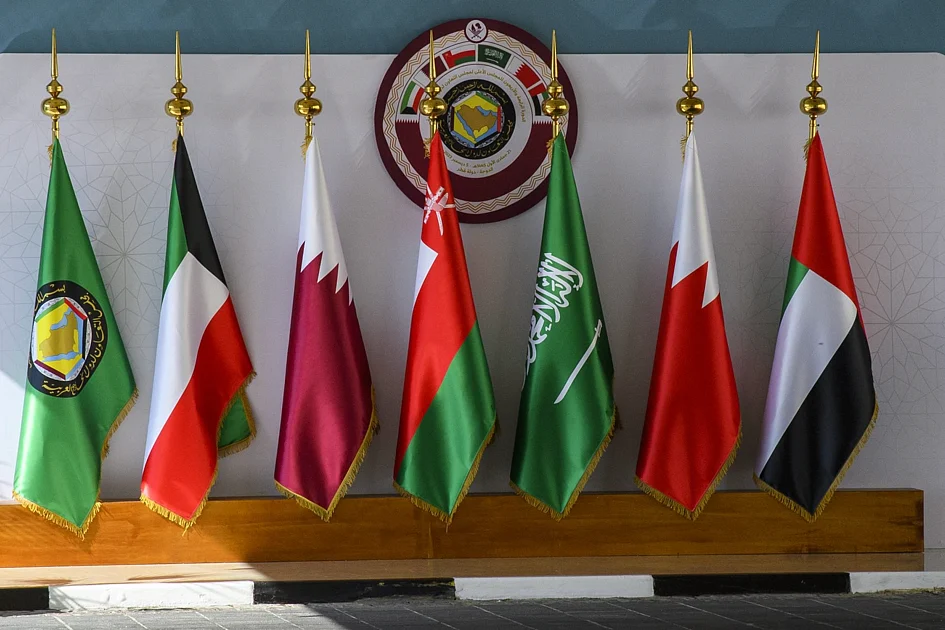
    The Gulf Cooperation Council (GCC) members have unanimously supported Kuwait’s position. The UAE expressed full solidarity, condemning Iraq’s coordinate submission, while Bahrain voiced deep concern over sovereignty infringements. Oman emphasized historical fraternal relations and principles of good neighborliness, and Qatar reaffirmed support for Kuwait’s maritime sovereignty. Saudi Arabia, monitoring with “high interest and concern,” rejected Iraq’s claims near the Saudi-Kuwaiti divided zone, emphasizing the need for continued shared resource management according to existing agreements.

    Iraq maintains its actions comply with international law, stating the submission aims to update maritime data and enhance legal clarity regarding its sovereign zones. The coordinates have been published on the UN’s Division for Ocean Affairs website for member state access.

    The United Nations Convention on the Law of the Sea, established in 1982, provides the legal framework for marine activities, ocean boundaries, and resource management, making it the central reference point for resolving such international maritime disputes.

  • US partially evacuates Beirut embassy amid rising Iran tensions

    US partially evacuates Beirut embassy amid rising Iran tensions

    The United States has initiated a partial evacuation of its embassy in Beirut, Lebanon, directing non-essential personnel to depart following a comprehensive security assessment. A senior State Department official confirmed the move to the BBC, characterizing it as a “prudent” measure to safeguard American staff while maintaining core diplomatic operations.

    The decision unfolds against a backdrop of severely heightened tensions between the U.S. and Iran. President Donald Trump has issued stark warnings, threatening military action against Tehran if it fails to agree to terms on its nuclear program. This rhetoric has ignited fears of potential Iranian retaliation, with U.S. bases and facilities across the Middle East considered probable targets. Iran’s Supreme Leader, Ayatollah Ali Khamenei, has amplified these concerns through social media posts threatening U.S. forces.

    Approximately 50 staff members are affected by the order. An airport official reported to Reuters that 32 personnel and their families departed via Beirut airport on Monday. The embassy, however, remains functional with a skeleton crew of essential staff.

    The current standoff is rooted in long-standing suspicions from the U.S. and its European allies that Iran is advancing toward a nuclear weapon—a claim Iran consistently denies. Historical animosity also plays a role; Washington holds the Iranian-backed Lebanese group Hezbollah responsible for the devastating 1983 bombings of the U.S. Marine barracks and embassy in Beirut.

    Despite recent diplomatic talks in Switzerland, which officials from both sides acknowledged had made progress, the U.S. continues to bolster its military presence in the region. Satellite imagery has identified warships, including the nuclear-powered aircraft carrier USS Abraham Lincoln, positioned near Oman. Furthermore, the world’s largest warship, the USS Gerald R Ford, appears to be en route to the area.

    President Trump has set an ambiguous deadline, suggesting the world would know within “probably, 10 days” whether a deal is reached or if the U.S. will initiate strikes. This echoes a similar prelude to last year’s U.S.-Israel military action against Iran, which was followed by Iranian missile strikes on a U.S. base in Qatar.

    Concurrently, U.S. Secretary of State Marco Rubio has unexpectedly delayed a planned trip to Israel, with the State Department citing a schedule “subject to change.” The delay coincides with Israeli Prime Minister Benjamin Netanyahu’s declaration that Israel is prepared for “any scenario” and would respond to any Iranian attack with unimaginable force.

    Amid the international crisis, domestic unrest within Iran has resurfaced, with anti-government protests erupting at several universities over the weekend—the first significant demonstrations since a deadly crackdown in January.