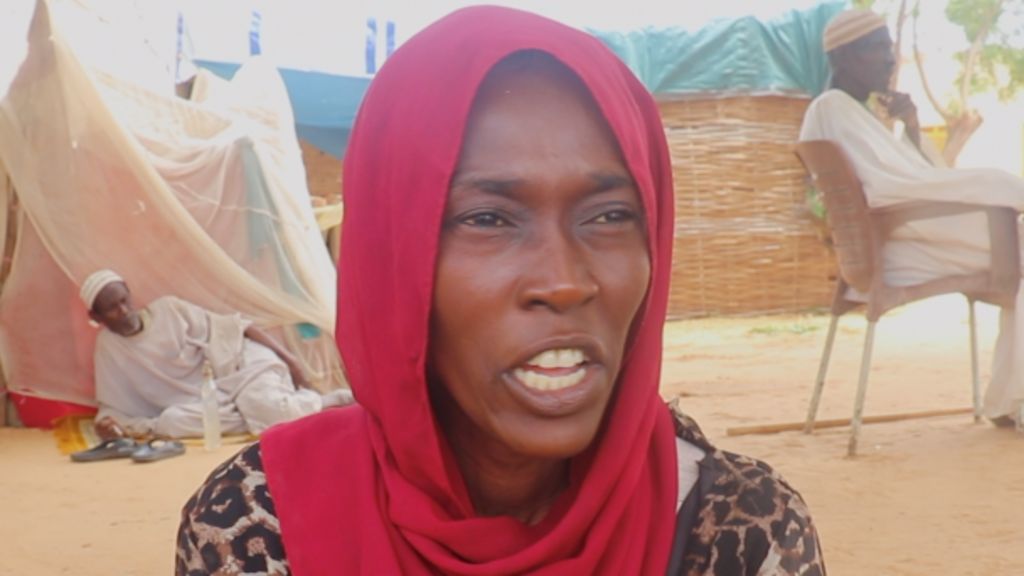
The city of el-Fasher in Sudan has become a harrowing symbol of the ongoing civil war, as residents face starvation, disease, and relentless violence. Rare footage obtained by the BBC reveals the dire conditions inside the besieged city, where women at a community kitchen express their despair. ‘Our children are dying before our eyes,’ one woman laments, highlighting the innocence of those caught in the crossfire. Food scarcity has driven prices to unprecedented levels, with money that once bought a week’s worth of meals now covering just one. International aid organizations have condemned the deliberate use of starvation as a weapon of war, while a cholera outbreak exacerbates the crisis. Doctors Without Borders (MSF) reports nearly 100,000 cholera cases and 2,470 deaths in the past year, with el-Fasher at the epicenter. The conflict between the Sudanese army and the Rapid Support Forces (RSF) has raged for over two years, with el-Fasher emerging as one of the most brutal frontlines. The RSF has tightened its blockade, escalating attacks on the city. Despite the army’s clearance for aid convoys, the UN awaits official approval from the RSF, which accuses the army of using civilians as shields. Hospitals are overwhelmed, with shortages of medical supplies and therapeutic food. ‘The children of el-Fasher are dying daily due to lack of food and medicine,’ says Dr. Ibrahim Abdullah Khater. The international community has been urged to intervene as NGOs warn of a deliberate strategy to break civilians through hunger and fear. Meanwhile, displaced persons face violence and extortion as they flee to overcrowded camps, where cholera thrives due to polluted water and inadequate facilities. The situation remains catastrophic, with residents pleading for any form of assistance to end their suffering.
分类: world
-
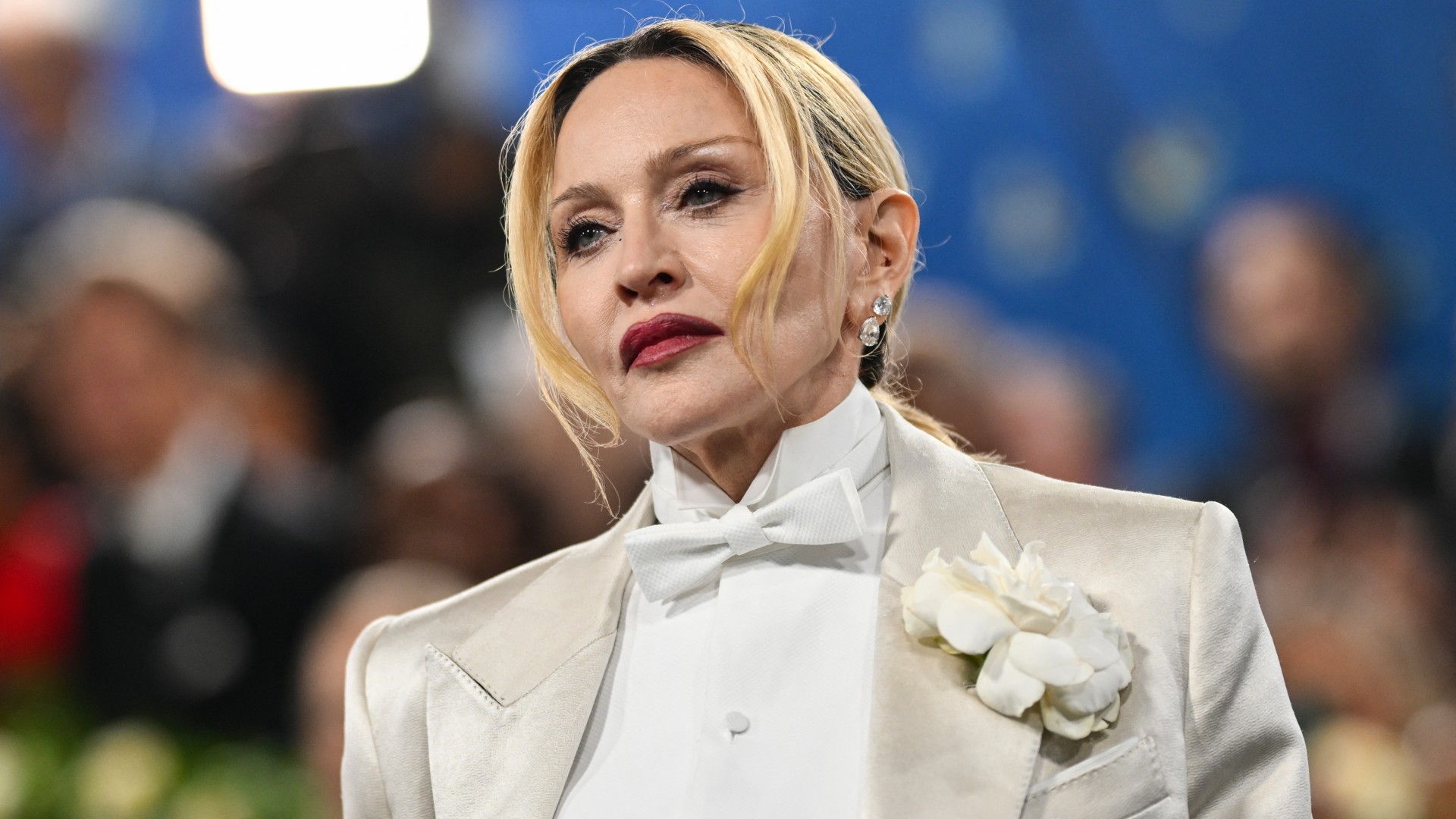
Madonna to Pope Leo: ‘Please say you will go to Gaza’
Pop icon Madonna has issued a direct public appeal to Pope Leo, urging him to personally travel to Gaza to alleviate the suffering of children affected by the ongoing humanitarian crisis. In a heartfelt Instagram post published Monday evening, the music superstar addressed the pontiff with the words: “Most Holy Father, Please go to Gaza and bring your light to the children before it’s too late.
The artist, speaking from her perspective as a mother, expressed profound distress at witnessing the deteriorating conditions, stating she could no longer bear to observe the anguish of innocent children. Madonna emphasized the universal responsibility toward children worldwide, noting that the Pope possesses unique diplomatic and spiritual authority that might facilitate access where others are denied.
This plea emerges amidst growing international concern over Gaza’s humanitarian situation. Last month witnessed a rare visit by Cardinal Pierbattista Pizzaballa, Jerusalem’s highest-ranking Catholic official, who toured Gaza alongside Greek Orthodox Patriarch Theophilos III. Their visit followed a tragic incident where an Israeli strike on Gaza City’s Holy Family Church—the territory’s last Catholic church—resulted in three Palestinian fatalities and multiple injuries.
Pope Leo initially faced criticism for his measured response to the church attack, which acknowledged casualties without explicitly identifying Israel as responsible. He later attributed the strike to the Israeli military, drawing comparisons to his predecessor Pope Francis’s more outspoken condemnation of Israel’s military actions.
The blockade imposed by Israel since March has severely restricted food and humanitarian assistance entering Gaza, creating widespread starvation and malnutrition. Despite the controversial US and Israel-backed Gaza Humanitarian Foundation (GHF) assuming control of aid distribution in late May, the organization has distributed only a fraction of required supplies. Tragically, at least 1,800 Palestinians have perished while seeking aid, predominantly near heavily militarized GHF locations.
According to Gaza’s Palestinian health ministry, at least 222 Palestinians, including 101 children, have died from starvation since the conflict began.
Madonna carefully framed her appeal as humanitarian rather than political, explicitly stating: “I am not pointing fingers, placing blame or taking sides. Everyone is suffering. Including the mothers of the hostages. I pray that they are released as well.” She characterized her outreach as an attempt to leverage spiritual consciousness rather than political discourse, describing the Pope as “a Man of God” who might effect change where politics has failed.
The singer’s relationship with the Catholic Church has been historically complex. Raised Roman Catholic, Madonna has frequently incorporated Catholic imagery into her artistic work, sometimes provocatively. Her Blond Ambition Tour (1990) was condemned by Pope John Paul II as “one of the most satanic shows in the history of humanity,” while her 2006 Confessions tour drew criticism from Cardinal Ersilio Tonini—speaking with Pope Benedict XVI’s approval—as “a blasphemous challenge to the faith.” Most recently, Madonna sparked controversy by sharing an AI-generated image depicting Pope Francis with his arm around her waist.
Adding an intriguing dimension to their relationship, a New York Times investigation revealed in June that Madonna and Pope Leo share a common ancestor six generations removed, making them ninth cousins.
-
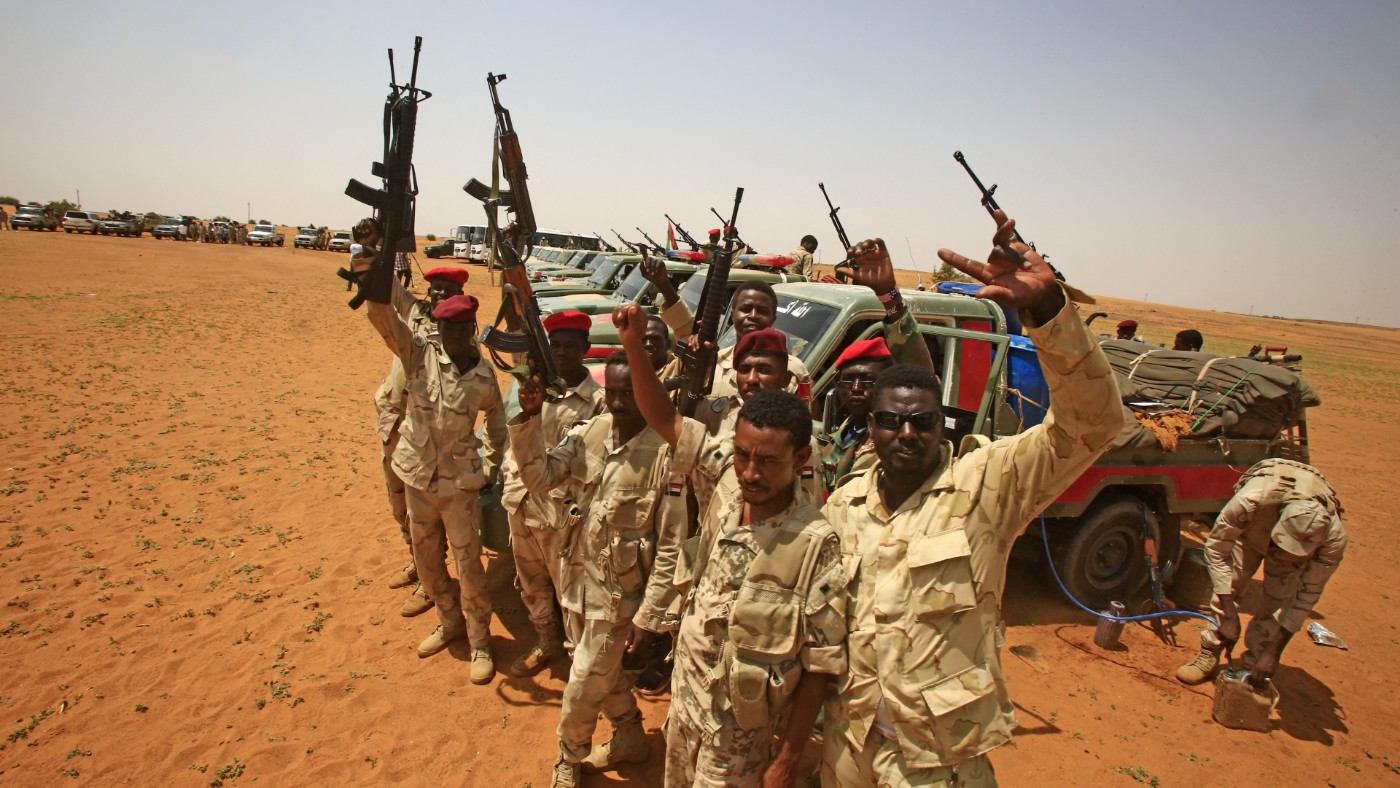
UAE and Haftar behind RSF capture of Sudan’s triangle border region
In a significant escalation of the ongoing conflict in Sudan, the Rapid Support Forces (RSF), a Sudanese paramilitary group, has taken control of the strategic Almuthallath triangle border region, which connects Sudan, Libya, and Egypt. The operation, which began on June 10, saw over 250 military vehicles, including fighters from the RSF and Libyan mercenary groups affiliated with eastern Libyan commander Khalifa Haftar, enter the area. According to Ismail Hassan, a local gold miner and trader, the RSF declared control of the region and proceeded to loot markets, taking gold, money, vehicles, and other valuables. The Sudanese Armed Forces (SAF) and their allied Joint Forces militia were forced to retreat following the attack. The RSF’s success in the lawless border region was reportedly facilitated by logistical support from the United Arab Emirates (UAE) and Russia, as well as the involvement of Haftar’s Libyan forces. Satellite imagery and flight tracking data revealed that Emirati planes delivered weapons and supplies to the RSF via southeastern Libya’s al-Kufra airport. The UAE’s involvement has further strained its relations with Egypt, which has attempted to mediate between Haftar and SAF leader Abdel Fattah al-Burhan. The RSF’s control of the border region has solidified its hold on western Sudan, particularly Darfur, and has raised concerns about the potential for prolonged conflict and regional instability. The RSF has also declared a parallel government in Nyala, South Darfur, which borders five countries, including Libya and Egypt. Analysts warn that the RSF’s control of border areas could exacerbate Sudan’s war, facilitate weapons smuggling, and enable the illegal extraction of gold and other resources.
-
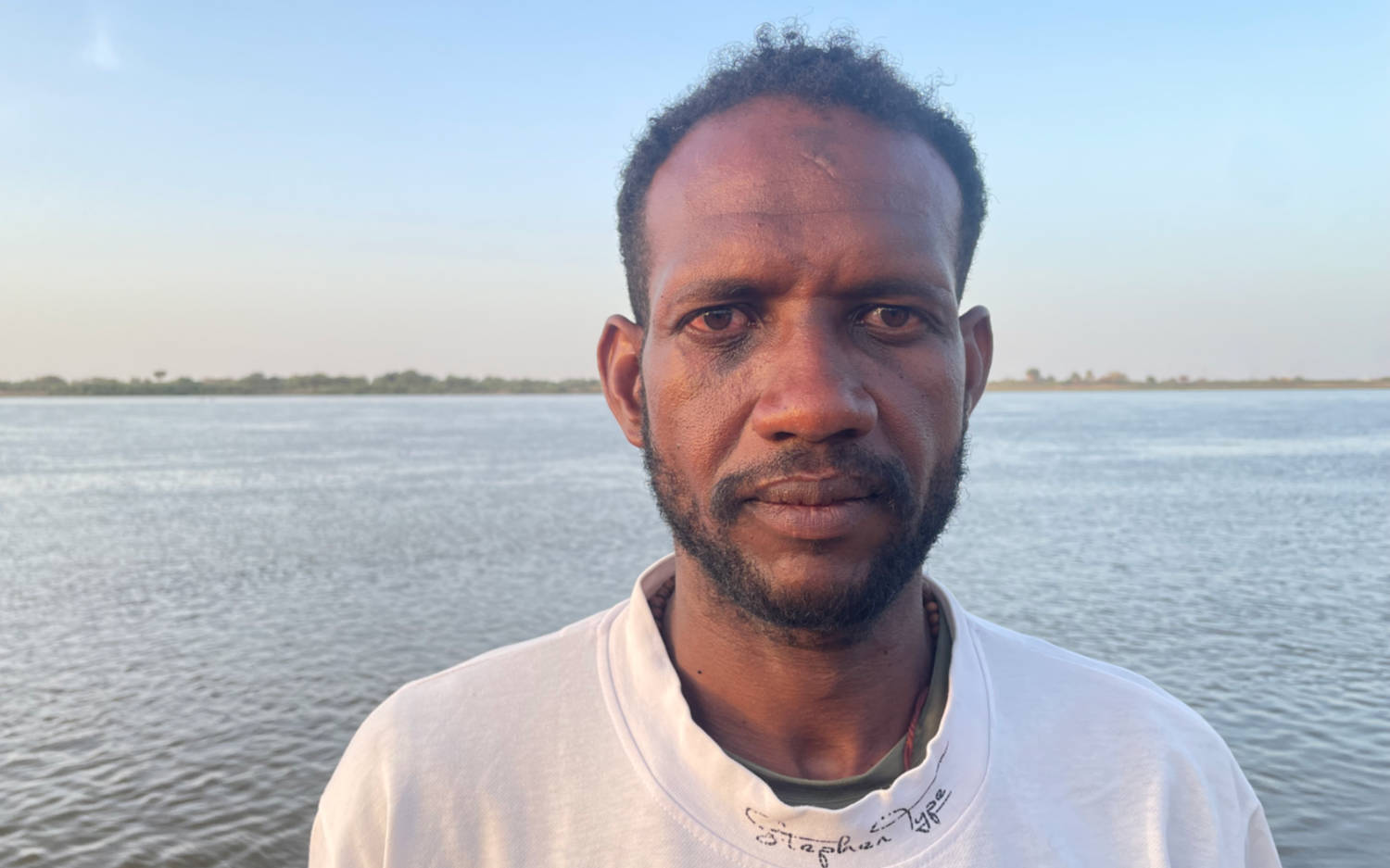
‘I learnt to fire an RPG with YouTube’: How one Sudanese village fought the RSF – and won
In the heart of Sudan’s al-Jazira state lies al-Tekeina, a village that has become a symbol of resilience and self-reliance in the face of war. Before the conflict erupted in April 2023, al-Amin Idriss Mohammed, a 41-year-old businessman, had never held a weapon. Yet, as the Rapid Support Forces (RSF) advanced, Mohammed and his fellow villagers transformed into a formidable self-taught militia, defending their home against relentless paramilitary attacks.
-
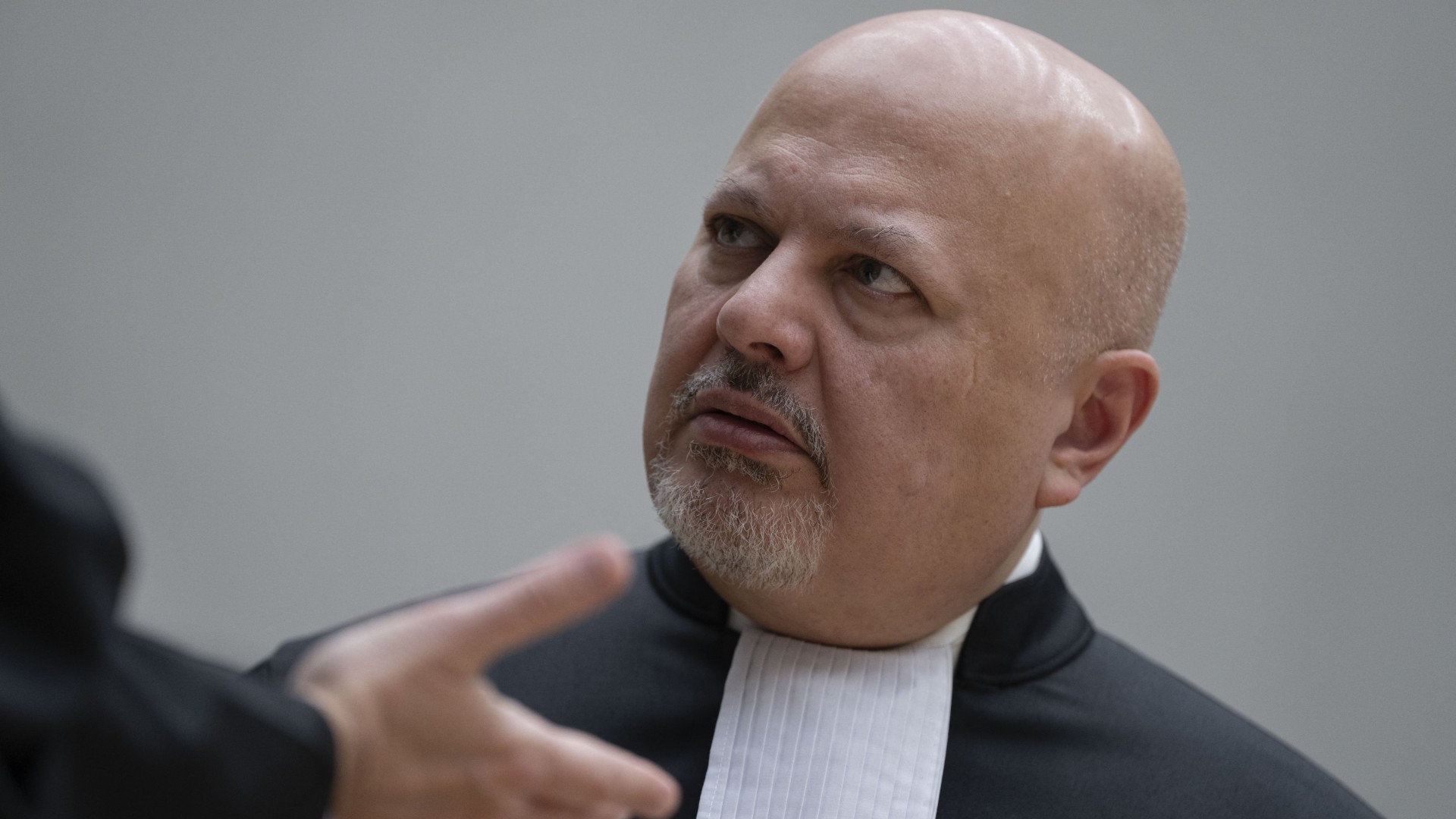
Le Monde publishes new details of campaign against Karim Khan and ICC
An alarming intimidation campaign targeting International Criminal Court Chief Prosecutor Karim Khan has been extensively documented by French publication Le Monde, revealing systematic pressure tactics from multiple nations and internal sabotage attempts. The coordinated effort emerges directly from Khan’s pursuit of war crimes charges against Israeli Prime Minister Benjamin Netanyahu, former Defense Minister Yoav Gallant, and other Israeli officials.
The campaign features direct threats against ICC personnel, including British barrister Andrew Cayley who oversaw the Palestine investigation. Dutch intelligence warned Cayley of security risks in The Hague, followed by explicit December 2024 threats labeling him ‘an enemy of Israel’ who should ‘watch his back.’ Cayley subsequently left his position citing health impacts from pressure and fear of U.S. sanctions.
Internal undermining came from Thomas Lynch, Khan’s senior legal adviser and longtime colleague tasked with liaising with Israel. Lynch allegedly proposed arranging a Jerusalem dinner between Khan and Netanyahu through lawyer Alan Dershowitz—a move Khan reportedly rejected as inappropriate spectacle. Lynch later triggered internal harassment investigations against Khan and attempted to have him suspended following sexual misconduct allegations, which Khan denies.
Government-level intimidation included then-British Foreign Secretary David Cameron’s April 23, 2024 threat that Britain would withdraw from the Rome Statute if Khan pursued arrest warrants, comparing the action to detonating ‘a hydrogen bomb.’ Similarly, British-Israeli ICC lawyer Nicholas Kaufman warned Khan in a May 1 meeting that he and the ICC would be ‘destroyed’ unless warrants were reclassified as confidential to allow private Israeli challenges.
The pressure campaign extends to tangible sanctions: Khan has had his U.S. visa revoked, family members banned from traveling to America, UK bank accounts frozen, and credit cards canceled. Despite these pressures, Khan was reportedly preparing additional warrants for far-right Israeli ministers Bezalel Smotrich and Itamar Ben Gvir over West Bank settlement expansions before taking leave amid internal turmoil. The U.S. escalated pressure further by sanctioning four ICC judges on June 8, with State Department legal adviser Reed Rubinstein warning ‘all options remain on the table’ unless the investigation is dropped.
-

China seeks power beyond water with world’s biggest dam
China has embarked on an ambitious new phase of its infrastructure development with the commencement of the Motuo hydropower project. This mega dam, comprising five cascade hydropower stations, is set to become the world’s largest source of hydroelectric power, surpassing the Three Gorges Dam by a factor of four. Chinese Premier Li Qiang has hailed it as the ‘project of the century,’ underscoring its significance in reflecting China’s geopolitical ambitions and technological prowess. However, the project’s location on the Yarlung Zangbo River, which feeds into the Brahmaputra River flowing through India and Bangladesh, has sparked regional tensions. Both nations have expressed concerns over potential disruptions to their water supplies, particularly given the already strained Sino-Indian relations over the disputed region of Arunachal Pradesh, which China refers to as Zangnan. The dam’s strategic location grants Beijing significant leverage over downstream water flows, a tactic previously demonstrated in the Mekong River Delta. Beyond its geopolitical implications, the Motuo project symbolizes China’s historical quest to control its rivers, a theme deeply rooted in its civilization. It also aligns with China’s push for energy self-sufficiency, with the dam expected to generate 300 billion kilowatt-hours annually—equivalent to the UK’s total electricity production. While the project promises economic and environmental benefits for China, it also raises concerns about its broader impact on regional water security and geopolitical dynamics in South Asia.
-
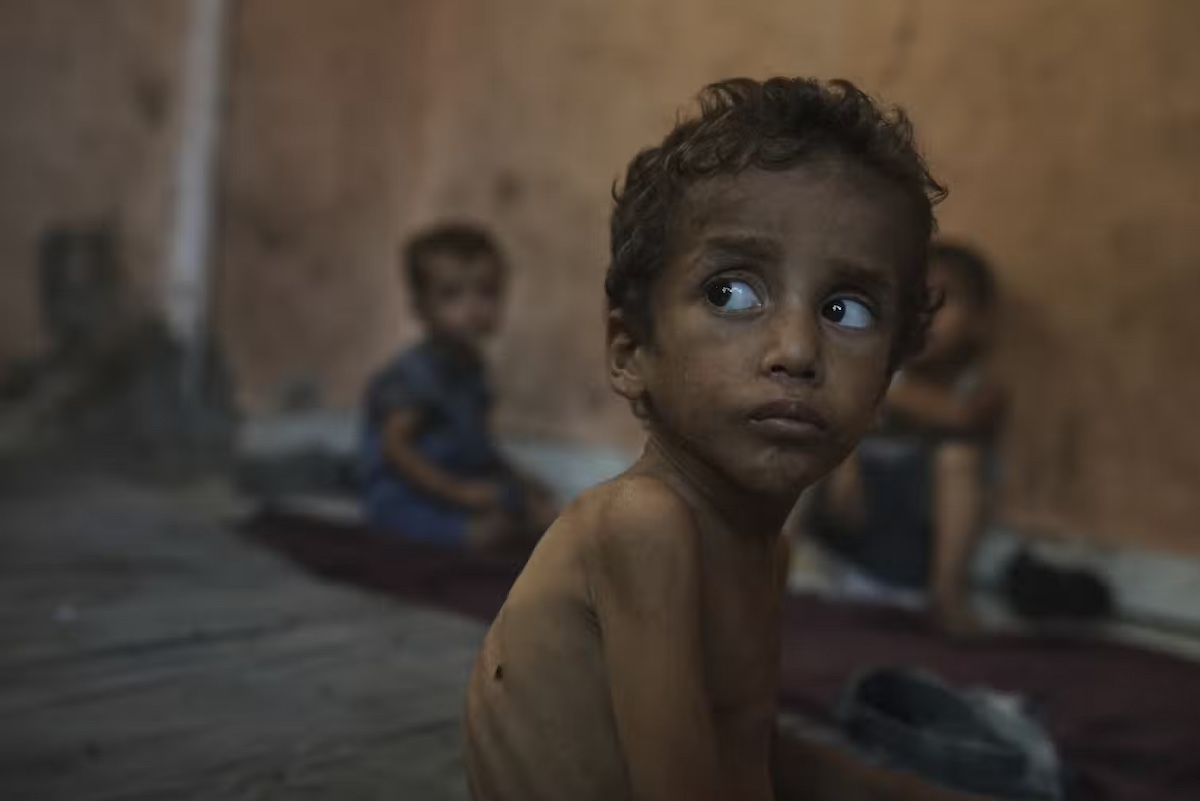
Gaza ceasefire talks collapse as starvation crisis mounts
The latest efforts to broker peace in Gaza have hit a significant roadblock as negotiations in Qatar abruptly ended, with both the United States and Israel withdrawing their delegations. The U.S. special envoy, Steve Witkoff, accused Hamas of lacking genuine intent to reach a ceasefire, stating that the group appeared uncoordinated and unwilling to act in good faith. This development has dashed hopes for an immediate resolution to the 21-month-long siege of Gaza, which has left the territory in a state of humanitarian crisis. The collapse of talks coincides with France’s historic decision to formally recognize a Palestinian state, a move French President Emmanuel Macron described as essential for Middle Eastern security. Meanwhile, the humanitarian situation in Gaza continues to deteriorate, with the United Nations and aid agencies warning of widespread famine. UNRWA Commissioner-General Philippe Lazzarini reported that over 100 people, mostly children, have died of hunger, with one in five children in Gaza City malnourished. Despite having 6,000 trucks of emergency supplies ready in Jordan and Egypt, aid remains blocked due to Israel’s ongoing restrictions. The proposed ceasefire deal, which included a 60-day truce and the release of hostages and prisoners, failed to materialize due to disagreements over the terms of a lasting peace. Israel insists on maintaining a military presence in Gaza, while Hamas demands a complete end to hostilities. The lack of mutual trust has further complicated negotiations. France’s recognition of a Palestinian state adds diplomatic pressure on Israel, but Israeli Prime Minister Benjamin Netanyahu condemned the move, claiming it rewards terrorism. With no clear path forward, the prospects for a new ceasefire appear bleak, leaving Gaza’s population in dire straits.
-
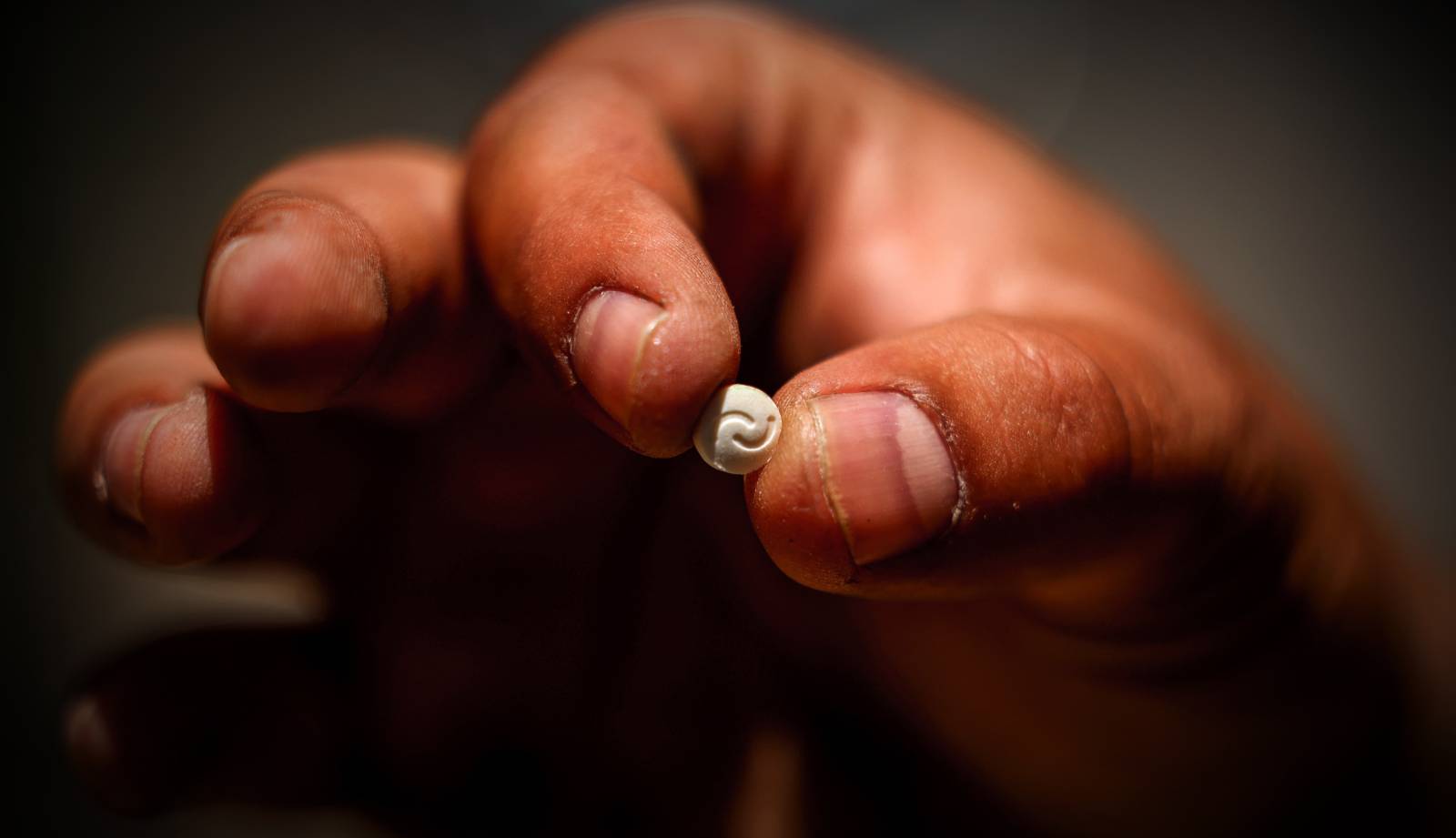
Inside the drugs factory: How captagon is fuelling the war in Sudan
Deep within an industrial wasteland on the eastern bank of the Nile, three inconspicuous, half-finished buildings stand surrounded by a minefield. For months, residents were warned by Rapid Support Forces (RSF) fighters to avoid this walled compound. Inside, authorities discovered machinery and chemical products allegedly used to produce approximately 1,000 captagon pills per hour. This cheap, addictive amphetamine, popular among fighters and partygoers in the Middle East, has become a significant concern for Arab governments. The RSF reportedly distributes the drug to its fighters to enhance alertness and suppress hunger, while also selling it to civilians for profit. Until recently, Syria was the primary hub for captagon production. However, the fall of Bashar al-Assad’s government disrupted the industry, leading to the shutdown of numerous laboratories and smuggling routes. Despite this, Sudan’s ongoing conflict has provided fresh opportunities for captagon production. Earlier this year, the Sudanese Armed Forces (SAF) forced the RSF out of Khartoum and its surrounding areas, uncovering a captagon factory near the al-Jaili oil refinery in February. The facility contained five machines, two of which were operational at the time of discovery. Authorities also found pills bearing the double crescent symbol, a hallmark of illegal captagon production. The other machines were still in their packaging, suggesting the facility was in its early stages of operation. Shipping labels on the equipment indicated it was imported via a Dubai-based company, Amass Middle East Shipping Services, though the company did not respond to inquiries. The UAE has been accused of supplying arms to the RSF, though it denies these allegations. Experts noted the equipment’s similarity to that found in Syrian laboratories, raising concerns about a potential connection between Sudanese and Syrian criminal networks. The compound also contained hundreds of packets of white powder, labeled as veterinary supplements and electrolytes, though their contents remain under investigation. Sudanese police suspect the powder could be precursor materials for captagon production. The discovery of this factory follows earlier findings of captagon labs in Sudan, indicating a growing trend. Authorities are investigating whether the drug was being manufactured for export, given the lucrative Gulf market just across the Red Sea. The collapse of the Syrian captagon market has left a void, and Sudan appears to be filling it. Experts warn that the technical knowledge to produce captagon remains intact and could be redeployed elsewhere, posing a continued threat to regional security.
-
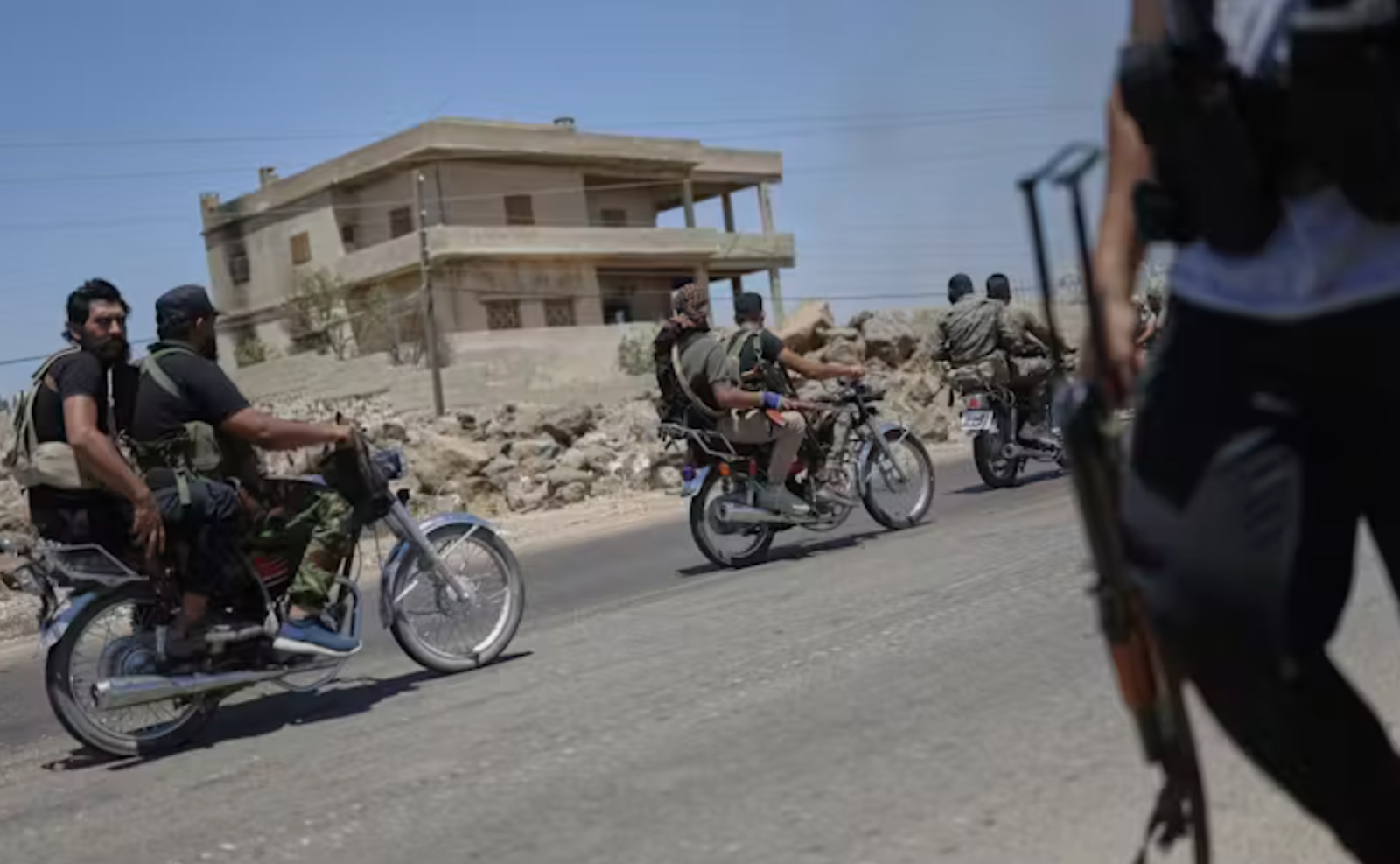
Post-Assad Syria reeling in waves of ethnic violence
In July 2025, the southern Syrian province of Sweida became the epicenter of a deadly sectarian conflict between the Druze religious minority and Sunni Arabs, backed by government-affiliated forces. The clashes resulted in hundreds of casualties, prompting Israel to launch airstrikes in support of the Druze. This violence echoed the March 2025 massacres, where supporters of the former Assad regime targeted security units, leading to retaliatory killings of Alawites by militias aligned with the new Damascus government. Over 1,300 individuals, predominantly Alawites, were killed, with reports of entire families being executed. Despite government promises of investigations, extrajudicial killings, kidnappings, and home invasions persist, particularly against Alawites. The conflict underscores the deep-seated sectarian divisions in post-Assad Syria, where religious minorities like the Alawites and Druze face systemic marginalization and violence. While the new government seeks to project unity, its fractured control and the historical stigmatization of these groups continue to fuel instability. International efforts, including U.S.-brokered ceasefires and Israeli military support for the Druze, add further complexity to the region’s fragile political landscape.
-
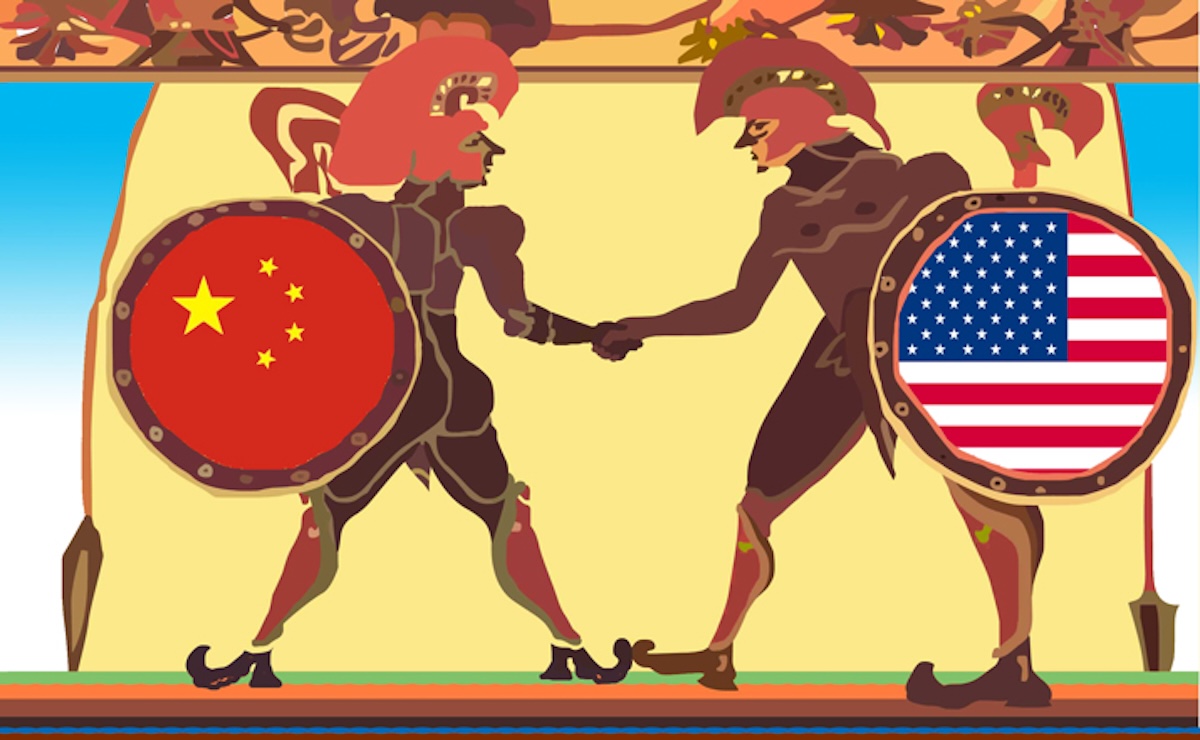
Thucydides trap averted: China speed, dodgy data and the Houthis
The 21st century has witnessed a seismic shift in global power dynamics, with China’s rapid ascent challenging traditional notions of military and economic dominance. The Thucydides Trap, a theory predicting inevitable conflict between a rising power and an established one, may have been averted due to China’s strategic maneuvers and the obsolescence of expeditionary navies. Recent events in the South China Sea, the Black Sea, and the Red Sea have demonstrated that traditional naval power is no longer the ultimate arbiter of global influence. China’s focus on building airstrips, missile sites, and naval bases in the South China Sea has extended its maritime security perimeter, while its anti-ship ballistic missiles (ASBMs) have rendered US carrier strike groups (CSGs) ineffective. The US Navy’s inability to respond decisively to challenges in the Red Sea and the South China Sea has exposed its limitations, leading to a reevaluation of alliances and strategies. Japan, South Korea, and other nations are increasingly realigning with China, recognizing its economic and technological prowess. China’s manufacturing sector, scientific output, and human capital pipeline have surpassed those of the US, solidifying its position as the established power. As nations adapt to this new reality, the speed of realignment will be astonishing, potentially benefiting all involved and allowing the US to focus on domestic recovery after decades of global hegemony.