分类: world

  • Nigerian air force plane’s emergency landing puts Burkina Faso defense forces on high alert

    Nigerian air force plane’s emergency landing puts Burkina Faso defense forces on high alert

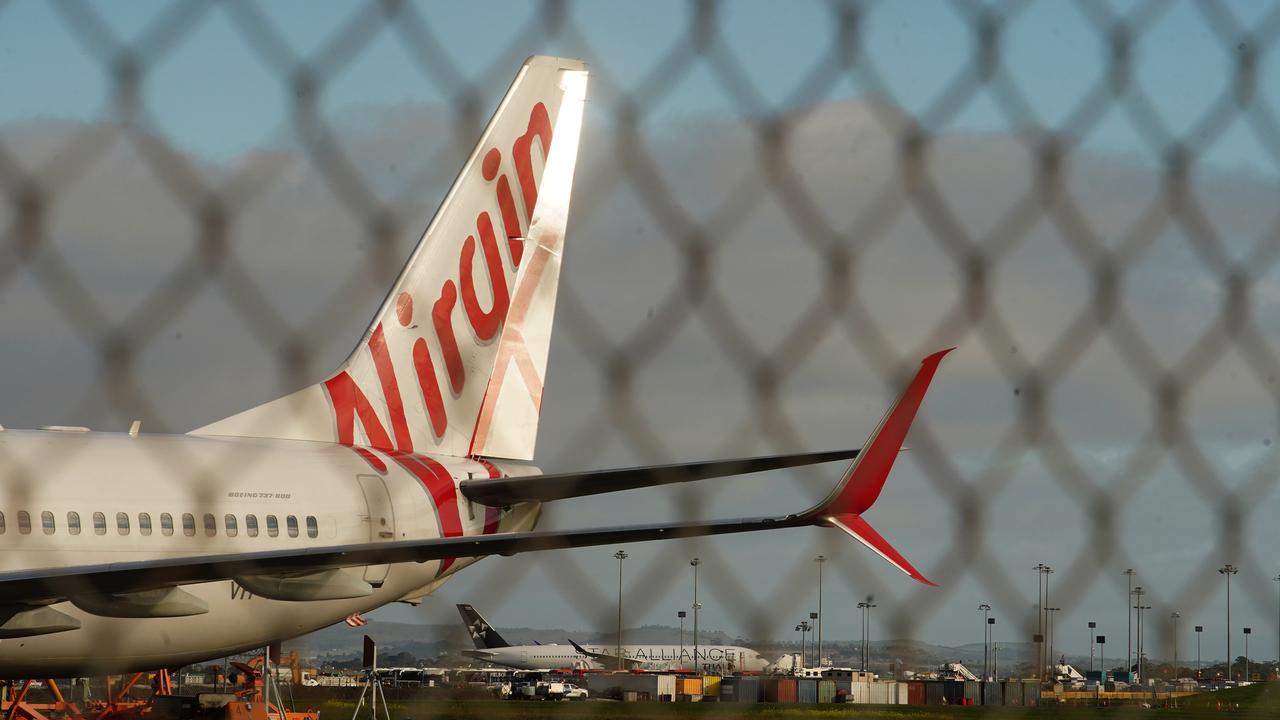
    A Nigerian Air Force aircraft was compelled to execute an emergency landing in Burkina Faso late Monday, triggering heightened military alerts across the Sahel region. The incident occurred when the Nigerian plane experienced an undisclosed in-flight emergency while en route to Portugal, necessitating an immediate diversion to the nearest available airfield in Bobo-Dioulasso, western Burkina Faso.

    The Alliance of Sahel States (AES), comprising Burkina Faso, Mali, and Niger, responded by elevating their collective air and anti-air defense systems to maximum alert status. Malian military junta leader General Assimi Goita issued a statement authorizing defensive forces “to neutralize any aircraft violating the confederation’s airspace,” characterizing the Nigerian plane’s entry as unauthorized.

    Nigerian military officials confirmed the emergency landing followed established international safety protocols. Air Force spokesman Ehimen Ejodame reported that the two crew members and nine passengers aboard received “cordial treatment” from Burkinabè authorities and remained safe throughout the incident.

    This aerial incident occurs against a backdrop of deteriorating regional relations. Nigeria, as a key member of the Economic Community of West African States (ECOWAS), recently supported intervention efforts that thwarted a short-lived coup in Benin on Sunday. The AES nations had previously withdrawn from ECOWAS, accusing the bloc of imposing inhumane sanctions and working against their citizens’ interests following recent military takeovers in the region. Burkina Faso shares a northwestern border with Benin, while Nigeria borders Benin to the east, creating complex geopolitical dynamics in the wake of these security developments.

  • Cooling sustainably

    Cooling sustainably

    BELEM, BRAZIL – At the COP30 climate summit, prominent climate scientist Winston Chow emphasized that regional renewable energy sharing represents the most viable pathway for Southeast Asia to address escalating heat-related challenges without exacerbating carbon emissions.

    As co-chair of the UN’s Intergovernmental Panel on Climate Change working group on climate impacts, adaptation and vulnerability, Chow identified outdoor workers and slum residents as particularly vulnerable to rising temperatures. His analysis followed commitments from 185 cities, including Singapore, to implement localized cooling solutions that are both accessible and environmentally sustainable.

    The urgency of this transition was underscored by a recent UN Environment Programme report warning that global cooling demand could triple by 2050 due to increasing temperatures, population growth, and proliferation of inefficient cooling systems. Unchecked, cooling-related emissions could nearly double, potentially overwhelming power grids and derailing climate objectives.

    Chow, who serves as Professor of Urban Climate at Singapore Management University, noted Southeast Asia’s particular challenge: “We are still starved in terms of access to renewable energies,” highlighting the region’s limited solar, wind and hydropower resources compared to other areas. This scarcity underscores the critical importance of developing an ASEAN renewable energy grid, with member states targeting an interconnected power network by 2045 to ensure more affordable and reliable electricity supply.

    Beyond technological solutions, Chow pointed to nature-based approaches including community gardens, street greenery and urban agriculture that provide natural cooling while delivering co-benefits like carbon sequestration. He particularly commended the UNEP report for addressing risks to vulnerable populations in heat-stressed tropical regions.

    The scientist emphasized that effective cooling strategies must address both adaptation to rising temperatures and their root causes, noting: “You can’t just use air conditioning without realizing that most air conditioning is powered by fossil fuels.”

    Supporting this comprehensive approach, Singapore’s Minister for Sustainability and the Environment Grace Fu announced plans to share technical expertise in sustainable cooling and urban heat resilience through the COP30 cooling initiative led by the Brazilian presidency and UNEP.

    Amid sweltering conditions at the COP30 venue, Chow expressed hope that increasing temperature-related risks would spur more concerted global action, with cross-community and cross-governmental cooperation essential for implementing sustainable cooling solutions.

  • Ex-UN envoy recalls historic vote restoring China’s role

    Ex-UN envoy recalls historic vote restoring China’s role

    In a recent exclusive interview at UN Headquarters in New York, veteran Pakistani diplomat Munir Akram vividly recounted the dramatic events of October 25, 1971, when the United Nations General Assembly voted to restore the People’s Republic of China’s legitimate rights within the organization.

    Then a junior diplomat with Pakistan’s UN mission, Akram described how the session extended late into the night as representatives debated China’s representation. Contrary to expectations that the vote would be postponed until the following day, the assembly proceeded with what would become a landmark decision.

    Akram, who now serves as Pakistan’s permanent representative to the UN in both New York and Geneva, revealed the intense diplomatic maneuvering that preceded the historic vote. Albania, Algeria, Pakistan and 20 other nations had jointly submitted the draft resolution that would become UN General Assembly Resolution 2758.

    Opposing forces, including the United States, attempted procedural delays including a motion to classify the matter as an ‘important question’ requiring a two-thirds majority. Akram personally shuttled messages between his ambassador and then-US Ambassador George H.W. Bush during these critical negotiations.

    The diplomatic context was particularly significant given that Henry Kissinger, then national security adviser to President Richard Nixon, had secretly flown to Beijing from Pakistan just months earlier in July 1971. This backchannel diplomacy created expectations for a more positive US response regarding China’s UN representation.

    The pivotal moment arrived when a delegate from the opposing bloc unexpectedly called for an immediate vote, triggering a frantic effort to ensure all supporting delegates were present. ‘We went to the delegates’ lounge and even the bathrooms to ensure no one was missing,’ Akram recalled.

    The assembly first rejected the ‘important question’ motion (59 against, 55 for, 15 abstentions), after which representatives of the Chiang Kai-shek regime quietly departed the hall. Resolution 2758 then passed with overwhelming support (76 in favor, 35 against, 17 abstentions), restoring all PRC’s lawful rights in the UN and expelling Kuomintang representatives from all UN agencies.

    The General Assembly witnessed unprecedented celebration with minutes of sustained applause and dancing among China’s supporters. ‘We were all overjoyed with the results,’ Akram remembered. ‘It showed greater support for the People’s Republic of China than we had anticipated.’

    Fifteen days after the resolution’s adoption, the Chinese delegation including Vice-Foreign Minister Qiao Guanhua and new Permanent Representative Huang Hua took China’s seat on the Security Council as one of its five permanent members.

    Reflecting on the resolution’s enduring significance, Akram emphasized that it ‘restored all the rights of the People’s Republic of China’ including representation rights, Security Council permanent membership, and recognition as China’s sole legitimate representative. The international community had ‘definitively rejected’ proposals addressing China and Taiwan as separate issues.

    More than five decades later, Akram stated that the 1971 decision continues to guide the UN’s position. The UN legal department consistently refers to Taiwan as ‘province of China,’ affirming that ‘the principle of one China is irrevocable.’ Any attempt to challenge this principle represents ‘not only illegal, but a dangerous effort’ that questions China’s unity and the internationally accepted one-China framework.

  • Pearl Harbor anniversary to see no survivors

    Pearl Harbor anniversary to see no survivors

    The 84th anniversary commemoration of the Pearl Harbor attack will proceed without the presence of any living survivors for only the second time in history, marking a poignant transition in how this historic event will be remembered. With just twelve centenarian survivors remaining from the December 7, 1941 attack, none were medically cleared to travel to Hawaii for this year’s ceremonies.

    Kimberlee Heinrichs, daughter of 105-year-old veteran Ira ‘Ike’ Schab who canceled due to illness, expressed profound emotional impact: ‘The idea of not having a survivor there for the first time—I just, I don’t know—it hurt my heart in a way I can’t describe.’

    The attack, which claimed over 2,400 American lives and wounded nearly 1,200 others, destroyed or damaged approximately 350 aircraft and sank four battleships while damaging more than a dozen additional vessels. President Franklin D. Roosevelt subsequently declared December 7 ‘a date which will live in infamy’ when announcing America’s entry into World War II.

    Current geopolitical context adds significance to this anniversary, as many Asian nations—particularly China—express growing concerns about resurgent Japanese militarism. Recent comments by Japanese Prime Minister Sanae Takaichi suggesting potential military intervention in the Taiwan Strait have drawn sharp criticism from Chinese officials.

    Senior Colonel Jiang Bin, spokesman for China’s Defense Ministry, stated: ‘Instead of repenting its war crimes of invading and colonizing Taiwan, Japan is taking an extremely wrong approach by suggesting military intervention in a so-called Taiwan contingency.’

    The anniversary also highlights the historic military cooperation between China and the United States during World War II. The Doolittle Raid of April 1942—America’s first bombing of the Japanese mainland—resulted in many crew members crash-landing in China where locals assisted their return. The Flying Tigers, American fighter pilots under General Claire Lee Chennault, further cemented this alliance by protecting Chinese supply lines and engaging Japanese aircraft.

    Descendants of Flying Tigers veterans recently gathered at California’s Richard Nixon Presidential Library to commemorate the 80th anniversary of WWII’s conclusion, honoring the shared history that continues to inspire international cooperation and peace efforts.

  • China’s ‘mind-blowing’ green efforts welcomed

    China’s ‘mind-blowing’ green efforts welcomed

    UN Environment Programme Executive Director Inger Andersen has characterized China’s extraordinary acceleration in renewable energy deployment as a transformative force in global climate efforts. Speaking exclusively to China Daily ahead of the seventh UN Environment Assembly in Nairobi, Andersen emphasized that China’s unprecedented scale of clean energy installation—projected to reach 3,600 gigawatts by 2035—demonstrates remarkable achievements through strategic long-term planning, industrial capability, and coherent policy implementation.

    Andersen highlighted that China’s manufacturing dominance has produced significant global spillover effects, dramatically reducing renewable technology costs worldwide. Solar energy prices have plummeted to an average of 3.3 US cents per kilowatt-hour, making clean energy increasingly accessible, particularly across Global South nations. This cost reduction, coupled with expanded availability, represents what Andersen termed ‘magnificent progress’ in the worldwide transition to sustainable energy.

    Beyond energy generation, China’s rapidly evolving electric vehicle ecosystem—encompassing two-wheelers, buses, and passenger cars—is expanding throughout Asia, Africa, and Latin America. Local assembly operations in developing countries are already generating employment opportunities, improving urban air quality, and facilitating the transition to low-emission transportation networks.

    A recent UNEP report corroborates Andersen’s assessment, identifying China’s renewable energy expansion as one of the most decisive factors shaping global climate action. The report notes that China’s projected capacity—six times its 2020 level—could substantially narrow the emissions gap by accelerating clean energy deployment internationally. For developing economies, China’s model of scaling manufacturing, reducing costs, and enabling technology transfer offers a practical blueprint for enhancing South-South cooperation.

    Andersen concluded that China’s coordinated industrial policy provides a powerful example of how rapid, large-scale progress toward Paris Agreement goals can be achieved, offering valuable lessons for all nations committed to climate action.

  • Thai airstrikes target border with Cambodia

    Thai airstrikes target border with Cambodia

    Military tensions between Thailand and Cambodia reached a dangerous new level on Monday as Thai fighter jets conducted aerial assaults along their shared border, marking a significant escalation in the ongoing territorial dispute. The Royal Thai Air Force confirmed deploying F-16 aircraft to strike what it identified as Cambodian fire-support positions, command centers, and logistical routes that allegedly threatened Thai sovereignty.

    The aerial offensive follows weekend ground clashes in the Ubon Ratchathani Province that resulted in the death of at least one Thai soldier and multiple casualties on both sides. Thai military spokesperson Jackkrit Thammavichai asserted that Cambodia had mobilized heavy weaponry and repositioned combat units, necessitating what he described as ‘carefully executed defensive measures.’

    Cambodia’s Defense Ministry vehemently denied these allegations, stating that their forces had not violated any ceasefire agreements and rejecting claims of heavy weapons deployment. According to reports from Agence France-Presse, the recent hostilities have claimed the lives of at least four Cambodian civilians, with Defense Ministry spokeswoman Maly Socheata accusing Thai forces of targeting non-combatants.

    The humanitarian consequences are rapidly mounting, with approximately 400,000 residents evacuated across four Thai border provinces and the closure of hundreds of educational institutions. On the Cambodian side, 377 schools serving nearly 78,600 students have suspended operations indefinitely.

    Thai Prime Minister Anutin Charnvirakul declared that military operations would continue ‘as necessary according to the situation,’ while Cambodian Senate President Hun Sen urged restraint among frontline troops. The economic implications are already causing concern among analysts, with Kiatnakin Phatra Securities economist Pipat Luengnaruemitchai warning of potential damage to tourism and trade networks.

    Academic voices including Professor Puangthong Pawakapan of Chulalongkorn University have called for neutral observers to monitor the conflict and prevent further escalation, emphasizing that the violence ‘benefits no one—especially border communities and the long-term economic stability of both nations.’

  • Ukrainians raise flag to show BBC the fight goes on in city claimed by Russia

    Ukrainians raise flag to show BBC the fight goes on in city claimed by Russia

    Despite Russian President Vladimir Putin’s declaration of victory, Ukrainian military units continue to maintain defensive positions in the strategically vital city of Pokrovsk, according to frontline observations. The city, which has endured nearly 18 months of continuous combat, remains partially under Ukrainian control despite relentless Russian advances from the south.

    At a Ukrainian command post situated behind front lines, military personnel coordinate defensive operations through rapid radio communications while monitoring numerous live drone feeds. In a symbolic demonstration of defiance, soldiers from the Skala Assault Regiment executed a high-risk maneuver to briefly display the Ukrainian flag within the city’s northern sector—a direct refutation of Kremlin claims regarding total occupation.

    Yuri, commander of the Skala Regiment, emphasized the psychological significance of this resistance: ‘The whole world should know we will not just give up our territory. If we do not show this, everyone will lose faith and stop helping Ukraine.’

    Military assessments indicate Ukrainian forces maintain control up to the railway line that bisects the devastated urban landscape. Battalion commanders utilize detailed tactical maps with plastic figurines to track positions, revealing that Russian forces have employed small infiltration teams—sometimes disguised as civilians—to penetrate Ukrainian defenses.

    While acknowledging the challenging conditions, soldiers describe the situation as ‘hard, but under control’ and ‘tense, but not critical.’ The conflict has exacted heavy casualties on both sides, with Ukrainian troops reporting the retrieval of documents from fallen Russian soldiers. One soldier with the call sign Rabbit remarked on the human cost with grim determination: ‘Not enough,’ when asked if they had eliminated sufficient enemy combatants.

    The technological asymmetry presents significant challenges, as Russian forces deploy thermal-imaging drones capable of 24/7 surveillance. Ukrainian troops have developed countermeasures and frequently express hope for adverse weather conditions that impede aerial reconnaissance.

    International perspectives emerge from foreign volunteers like the Latvian deputy commander known as ‘Godfather,’ who warns that Western support remains crucial: ‘If Ukraine loses the war, it’s going to be our country next.’ He criticized international response efforts as containing ‘a lot of talking, a lot of bureaucracy and not enough doing.’

    The collective resolve among Ukrainian defenders remains firm, with soldiers emphasizing their connection to the land and rejecting territorial concessions despite the tremendous physical and psychological toll of prolonged urban warfare.

  • Why are Thailand and Cambodia fighting at the border?

    Why are Thailand and Cambodia fighting at the border?

    The fragile peace agreement brokered by former US President Donald Trump between Thailand and Cambodia has completely unraveled, triggering the most severe military confrontation along their disputed border since July. The renewed violence has resulted in significant casualties, with at least three Thai soldiers and seven Cambodian civilians confirmed dead since hostilities reignited on Monday.

    This latest escalation represents a dramatic breakdown of the Kuala Lumpur peace accord signed in October under Trump’s mediation. Thailand suspended the agreement just two weeks after its signing, and by December, full-scale fighting had resumed. Both nations have exchanged contradictory accounts of how the violence originated, with each accusing the other of initiating hostilities.

    Thailand’s military command reported that their forces responded to Cambodian gunfire in Ubon Ratchathani Province that killed a Thai soldier, subsequently launching airstrikes against military targets along the contested frontier. Conversely, Cambodia’s defense ministry maintains that Thai forces attacked first in Preah Vihear province, claiming they exercised restraint by not retaliating initially.

    The conflict escalated further when Thailand accused Cambodia of deploying multiple-launch rocket systems, bomb-dropping drones, and kamikaze drones against Thai positions, with some projectiles allegedly striking civilian areas. Cambodia countered with allegations that Thailand fired indiscriminately into civilian zones in Pursat Province.

    This border dispute has historical roots stretching back over a century to when French colonial authorities demarcated the boundaries between the two nations. Tensions dramatically intensified in 2008 when Cambodia sought UNESCO World Heritage status for an 11th-century temple located in the contested territory. The current crisis began escalating in May when a Cambodian soldier was killed, plunging bilateral relations to their lowest point in over a decade.

    Prior to the July clashes, both nations had implemented reciprocal border restrictions, with Cambodia banning Thai agricultural imports and cutting off power and internet services. Both countries had also been reinforcing their military presence along the border in recent weeks.

    The October peace agreement had stipulated the withdrawal of heavy weapons from the disputed region and establishment of an interim observer team. The next phase was supposed to include the release of 18 Cambodian soldiers detained in Thailand. With the ceasefire now collapsed, the future of these diplomatic arrangements remains uncertain.

    International travel advisories have been updated, with the British Foreign Office currently recommending against all but essential travel within 50 kilometers of the entire Thailand-Cambodia border region.

  • Court awards MH370 victims 2.9m yuan each

    Court awards MH370 victims 2.9m yuan each

    In a landmark ruling, a Beijing court has mandated Malaysia Airlines to pay approximately 2.9 million yuan ($409,813) to each of eight families who lost relatives in the mysterious disappearance of Flight MH370. The first-instance judgment delivered on Monday represents a significant development in the decade-long legal battle surrounding one of aviation’s most perplexing tragedies.

    The compensation award comes as Malaysian authorities announced the imminent resumption of search operations for the missing aircraft. Malaysia’s transport ministry confirmed that marine robotics firm Ocean Infinity will recommence seabed exploration on December 30, committing to 55 days of intermittent search activities in the area deemed most likely to contain the aircraft’s remains.

    The ill-fated Malaysia Airlines Flight MH370 vanished on March 8, 2014, while en route from Kuala Lumpur to Beijing with 239 people aboard. The Boeing 777’s disappearance triggered the most extensive and costly search operation in aviation history, yet the aircraft’s main wreckage has never been located. Among those on board, approximately two-thirds were Chinese citizens, with the remainder comprising passengers from Malaysia, France, Australia, Indonesia, India, the United States, Ukraine, Canada, and other nations.

    The legal proceedings involved 78 separate cases filed in 2016 by families of 75 passengers against Malaysia Airlines and its parent company Malaysia Airlines Berhad. Through court-mediated negotiations, 47 cases reached settlement agreements and were subsequently withdrawn. The recent judgment addresses eight cases where passengers had been legally declared deceased, while 23 cases remain pending judicial review for families who haven’t completed legal death declaration procedures.

    The court determined the compensation amount in accordance with the Montreal Convention and relevant Chinese legislation, encompassing death compensation, funeral expenses, mental anguish damages, and associated costs. Malaysian authorities emphasized their continued commitment to “providing closure to the affected families” through both the ongoing search efforts and the legal resolution process.

  • Goa nightclub owners fled to Thailand hours after deadly fire, police say

    Goa nightclub owners fled to Thailand hours after deadly fire, police say

    Indian authorities have launched an international manhunt for the owners of a popular Goa nightclub where a catastrophic fire claimed 25 lives on Sunday. Police confirmed that brothers Saurabh and Gaurav Luthra, proprietors of the Birch By Romeo Lane establishment, fled to Phuket, Thailand hours after the tragedy unfolded.

    The devastating inferno erupted in the early morning hours at the upscale venue located in Arpora’s bustling tourist district, known for its high-end nightlife. Preliminary investigations indicate pyrotechnic displays ignited wooden ceiling beams, triggering a rapid spread of flames through the densely packed club. The venue’s unique island layout—situated in the middle of a lake with narrow access walkways—severely hampered evacuation efforts and firefighting operations.

    Victims predominantly included club staff members, many of whom were migrant workers from other Indian states and four Nepalese nationals. Among the deceased were four tourists from Delhi and two brothers engaged to be married next year. Five survivors remain hospitalized with critical injuries.

    Goa police have engaged Interpol for assistance in locating and apprehending the Luthra brothers, noting their abrupt departure demonstrates “intent to avoid police investigation.” While Saurabh Luthra posted a social media statement expressing “profound grief” and promising cooperation, neither brother has submitted to authorities. Four other individuals, including the club manager, have been arrested in connection with the incident.

    Forensic teams have recovered all victims’ remains and returned them to families across multiple states. The tragedy has sparked nationwide scrutiny of safety regulations in India’s entertainment venues, particularly regarding fire prevention measures and emergency protocols.