分类: world

  • Middle East airports closed and thousands of travelers stranded after attack on Iran

    Middle East airports closed and thousands of travelers stranded after attack on Iran

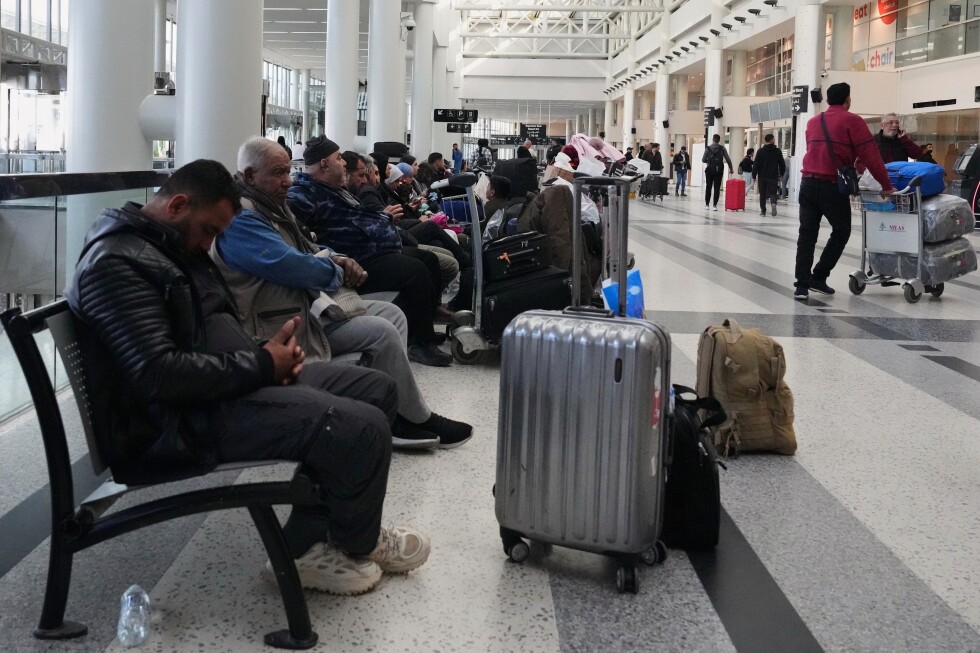
    A severe aviation crisis has gripped the Middle East following military strikes by the United States and Israel against Iranian targets, triggering unprecedented regional airspace closures that have stranded hundreds of thousands of travelers worldwide.

    The coordinated offensive, launched Saturday, prompted immediate shutdowns of airspace across Iran, Israel, Qatar, Syria, Iraq, Kuwait, and Bahrain. The United Arab Emirates implemented a partial airspace closure while Dubai’s Emirates Airlines suspended all operations until at least Sunday afternoon. Qatar Airways extended its closure through Monday morning, creating massive disruptions at three of the world’s busiest aviation hubs in Dubai, Abu Dhabi, and Doha.

    According to aviation analytics firm Cirium, these airports typically handle approximately 90,000 daily passengers through Emirates, Qatar Airways, and Etihad. The conflict has resulted in the cancellation of over 1,800 flights, with major carriers including Air India, Turkish Airlines, Lufthansa, and Air France suspending regional operations through the weekend.

    The aviation chaos extended beyond cancellations as at least 145 aircraft en route to Middle Eastern destinations were diverted to alternative airports in Athens, Istanbul, and Rome. One transatlantic flight from Philadelphia spent nearly 15 hours airborne before returning to its origin point after reaching Spanish airspace.

    Aviation experts warn travelers to expect prolonged disruptions. ‘There’s no way to sugarcoat this,’ said Henry Harteveldt, president of Atmosphere Research Group. ‘Prepare for delays or cancellations for the next few days as these attacks evolve.’

    The crisis has also produced tragic consequences on the ground. Dubai International Airport reported four injuries from attacks, while Abu Dhabi’s Zayed International Airport confirmed one fatality and seven injuries from a drone strike. Kuwait International Airport also experienced strikes, though Iran hasn’t publicly claimed responsibility for these specific incidents.

    Airlines now face substantial operational challenges, having to reroute flights south over Saudi Arabia—adding hours to travel time and significantly increasing fuel consumption. These added costs may quickly translate to higher ticket prices if the conflict persists.

    Mike McCormick, former FAA air traffic control official and current Embry-Riddle Aeronautical University professor, suggested partial airspace reopenings might occur within 24-36 hours as military operations become more defined and Iran’s missile capabilities diminish. However, the situation remains highly volatile, with the previous June 2025 conflict between Israel and Iran having lasted 12 days.

    Travelers like Jonathan Escott, whose Emirates flight from Newcastle to Dubai was canceled, expressed widespread frustration: ‘No one knows what’s going on with the conflict. Not Emirates, Emirates don’t have a clue. No one has a clue.’

    With India’s civil aviation agency designating most Middle Eastern airspace as high-risk and numerous airlines suspending operations indefinitely, aviation authorities recommend passengers verify flight statuses directly with carriers and explore flexible rebooking options during this unprecedented regional aviation crisis.

  • Lyse Doucet: This is an extraordinary moment Iran has been preparing for

    Lyse Doucet: This is an extraordinary moment Iran has been preparing for

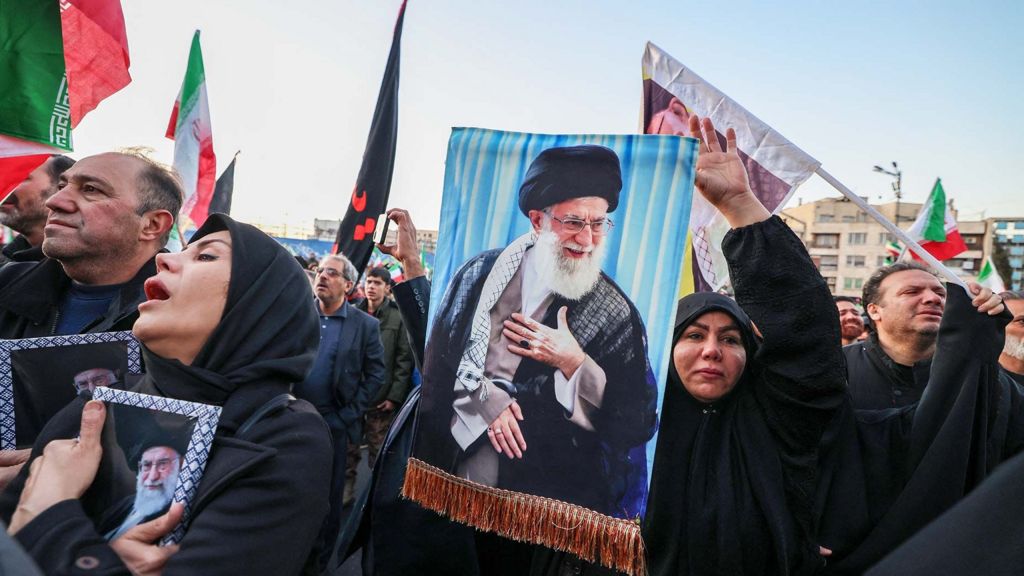
    In a seismic development that has reshaped the Middle Eastern geopolitical landscape, coordinated military strikes by United States and Israeli forces have resulted in the death of Iran’s Supreme Leader Ayatollah Khamenei. The 86-year-old cleric, who ruled Iran for 36 years, was reportedly killed during targeted attacks on his compound, though Iranian officials initially denied the reports before confirming his “martyrdom” through tearful state television announcements.

    The operation unfolded with precision strikes that caused significant damage to the Supreme Leader’s residence visible in satellite imagery. Following hours of conflicting reports and official denials, the confirmation came only after former US President Donald Trump broke the news on his social media platform. The Iranian government has declared forty days of mourning, with pro-government gatherings already emerging to grieve the leader’s passing.

    Contrasting reactions have emerged globally. While government loyalists mourn, verified videos show celebrations erupting in Tehran, Karaj, and among Iranian diaspora communities worldwide, with many expressing hope that this marks the end of hardline Islamic rule. The dramatic events cap years of escalating tensions between Iran and Western powers, particularly following last June’s 12-day conflict that saw Israel eliminate nine nuclear scientists and numerous security officials.

    Historical context reveals this contingency was long anticipated. Khamenei had reportedly prepared succession plans, including identifying three senior clerics as potential replacements and instructing the Assembly of Experts to be ready for any eventuality. Speculation about successors includes his son Mojtaba and other senior figures, though the ruling establishment will likely prioritize continuity and seamless transition to maintain their grip on power.

    The Supreme Leader’s death represents the culmination of growing challenges to his rule, including massive protests against severe security crackdowns that killed thousands of Iranians. His deeply anti-Western, anti-Israel ideology shaped decades of regional policy, suppressing reform movements and confronting international powers.

    As the Islamic Republic enters its most precarious period since the 1979 revolution, questions emerge about whether this leadership change could signal broader directional shifts for the 47-year-old theocratic state. Regardless of who emerges as successor, the primary objective will remain preserving the clerical establishment and powerful Revolutionary Guards control amid a rapidly escalating conflict that continues to unfold in unpredictable and dangerous ways.

  • World leaders react cautiously to US and Israeli strikes and death of Iran leader Ali Khamenei

    World leaders react cautiously to US and Israeli strikes and death of Iran leader Ali Khamenei

    BRUSSELS (AP) — The international community responded with measured apprehension this weekend following coordinated military strikes by the United States and Israel against Iranian targets, an operation that reportedly resulted in the death of Supreme Leader Ayatollah Ali Khamenei and triggered immediate regional retaliation.

    Unverified reports from multiple sources indicate the 86-year-old Iranian leader may have been killed during strikes on his compound early Saturday. U.S. President Donald Trump declared on social media that Khamenei’s apparent demise presented “the single greatest chance for the Iranian people to take back their Country.” Israeli Prime Minister Benjamin Netanyahu subsequently acknowledged “growing signs” supporting these claims, though Iranian state media offered only minimal confirmation without detailing circumstances.

    The potential loss of Iran’s second revolutionary leader—who had not publicly designated a successor—casts immediate uncertainty over the Islamic Republic’s political future while dramatically heightening concerns about broader regional conflict. In response to the escalating situation, the U.N. Security Council convened an emergency session to address the crisis.

    Global reactions revealed a complex diplomatic landscape. European powers including Britain, France, and Germany issued joint statements condemning Iranian retaliatory strikes while carefully avoiding explicit endorsement of the U.S.-Israeli operation. French President Emmanuel Macron emphasized that France was “neither warned nor involved” in the military action, advocating instead for intensified diplomatic efforts.

    The Arab League denounced Iranian counterstrikes as “a blatant violation of the sovereignty of countries that advocate for peace,” though historically critical of both Iranian and Israeli policies. Several Arab states, including Morocco, Jordan, and the United Arab Emirates, specifically criticized Tehran’s attacks on U.S. bases throughout the region.

    Russia and China delivered more direct criticisms, with Moscow’s Foreign Ministry labeling the strikes “a pre-planned and unprovoked act of armed aggression” and Beijing calling for immediate cessation of military actions. Conversely, Canada and Australia expressed open support for the operation, with Canadian leadership describing Iran as “the principal source of instability and terror throughout the Middle East.”

    Regional observers noted palpable tension across conflict zones. In the West Bank, Palestinians continued daily life despite audible missile interceptions, while authorities prepared for potential supply disruptions. Norwegian Foreign Minister Espen Barth Eide voiced concerns about the “failure of negotiations” potentially leading to “a new, extensive war in the Middle East.”

    The International Campaign to Abolish Nuclear Weapons issued a stern warning that the attacks “risk provoking further escalation as well as increasing the danger of nuclear proliferation.” EU leadership and the Arab League jointly appealed for de-escalation and a return to diplomatic channels to prevent further regional destabilization.

  • At least 23 protesters killed in Pakistan after killing of Iran’s Ayatollah Ali Khamenei

    At least 23 protesters killed in Pakistan after killing of Iran’s Ayatollah Ali Khamenei

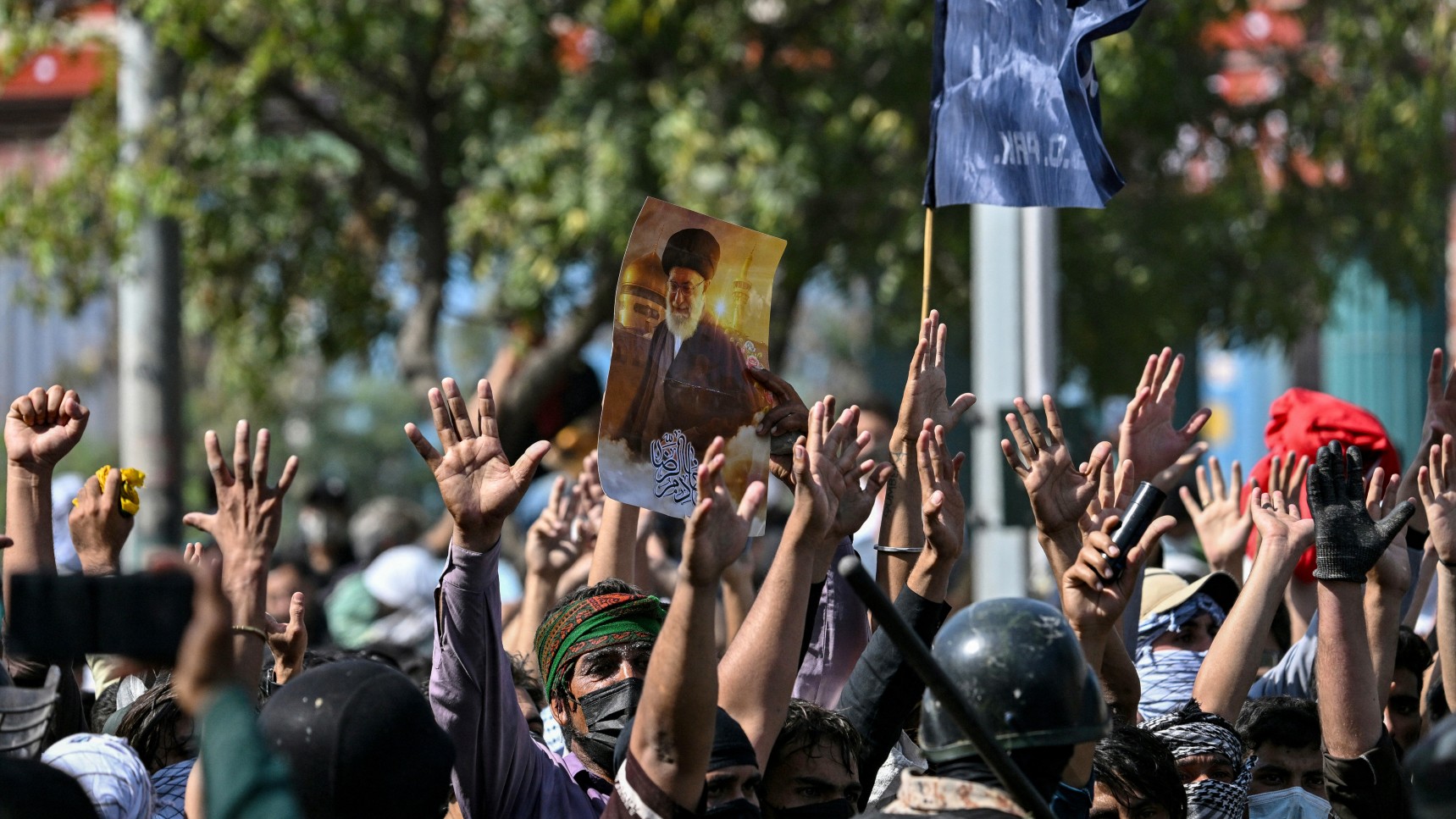
    Pakistan witnessed a day of widespread violence and civil unrest on Sunday as mass protests erupted in response to the killing of Iran’s Supreme Leader Ayatollah Ali Khamenei in a reported US-Israeli operation. The demonstrations turned deadly across multiple cities, resulting in at least 23 confirmed fatalities and numerous injuries.

    In Karachi, the nation’s commercial capital, hundreds of protesters stormed the US consulate complex, with several managing to breach the outer perimeter and inflict damage on the main building’s windows. The confrontation turned lethal as security forces employed live ammunition, tear gas, and rubber bullets against the crowds. According to Sindh’s chief police surgeon Sumaiyya Syed, at least ten individuals lost their lives in Karachi alone, with approximately 60 others sustaining injuries.

    The capital city Islamabad became another focal point of violence, where thousands gathered to express outrage over Khamenei’s death. At least two protesters were killed during demonstrations near the heavily fortified “Red Zone” that houses parliament buildings and diplomatic compounds, including the US embassy.

    The mountainous northern region of Gilgit-Baltistan emerged as a particularly violent flashpoint, with eleven fatalities reported in the city of Skardu. Protesters set fire to the office of the United Nations Military Observer Group, prompting authorities to impose a three-day curfew in the area.

    The widespread unrest stems from Pakistan’s significant Shia Muslim population, which constitutes approximately 20 percent of the country’s 200 million inhabitants. Many Pakistani Shias regarded Khamenei as their spiritual leader and regularly undertake pilgrimages to holy sites in Iran.

    In response to the security crisis, the US embassy in Islamabad announced the cancellation of all visa appointments and consular services for American citizens. Embassy officials advised US nationals in Pakistan to monitor local news, avoid large gatherings, and ensure their registration with the Smart Traveler Enrollment Program (STEP) remained current.

    Pakistani Interior Minister Mohsin Naqvi addressed the nation, acknowledging the shared grief with Iran while urging citizens to “not take the law into their hands” and protest peacefully. The government has condemned what it characterized as “unwarranted attacks” against Iran, noting that these developments occurred amid ongoing diplomatic efforts to achieve peaceful solutions in the region.

    The violence highlights Pakistan’s delicate geopolitical position, caught between its western neighbor Iran and its historical allies in the Gulf region. This balancing act became particularly complex following Pakistan’s recent mutual defense agreement with Saudi Arabia, which commits both nations to treat aggression against one as aggression against both.

  • Explosion, gunfire as Afghan forces shoot at aircraft over Kabul

    Explosion, gunfire as Afghan forces shoot at aircraft over Kabul

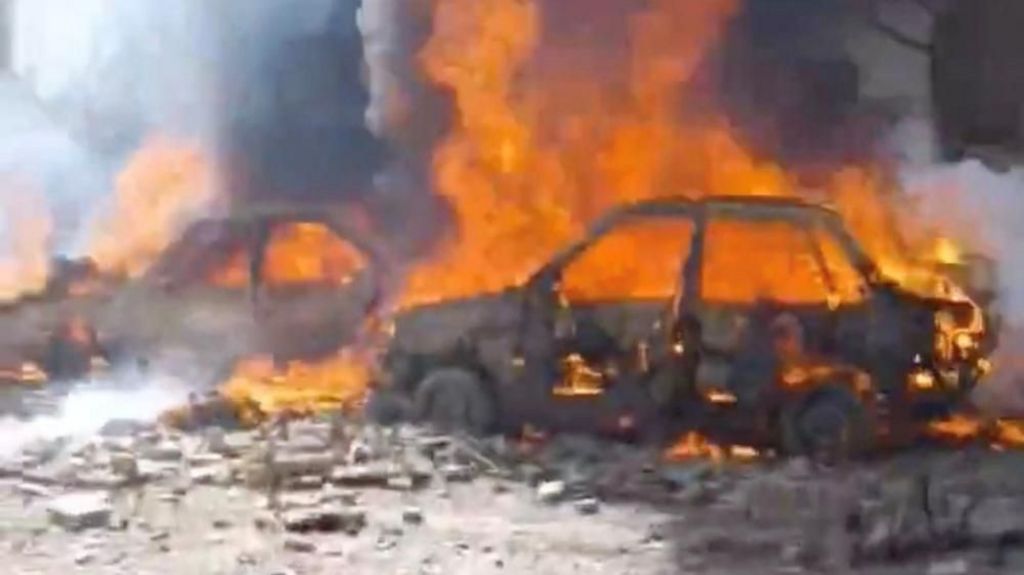
    Kabul was thrust into a state of high alert on Sunday as the sound of explosions and sustained anti-aircraft gunfire echoed through the city center. According to reports from AFP journalists on the ground, the Taliban-led government confirmed its forces were engaging Pakistani aircraft in a significant escalation of ongoing border hostilities.

    The current crisis represents a dangerous intensification of cross-border tensions that have been building for months. The situation deteriorated dramatically on Thursday when Afghan forces initiated an offensive along the contentious frontier, prompting Pakistan to respond with both ground operations and aerial bombardments.

    Taliban government spokesman Zabihullah Mujahid stated Sunday that “anti-aircraft fire is being directed at Pakistani aircraft in Kabul,” confirming the defensive measures being taken in the capital. Pakistan has acknowledged conducting bombing campaigns on Friday targeting key Afghan cities including Kabul and Kandahar—the latter being home to Afghanistan’s supreme leader.

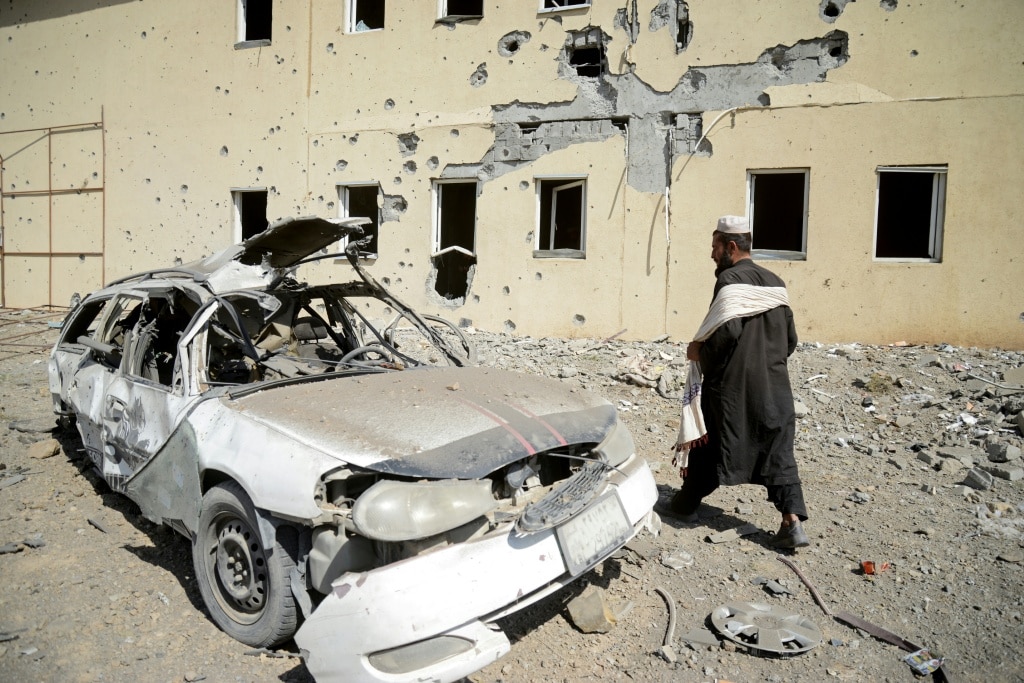
    Civilian casualties have become a central point of contention in the conflict. Afghan authorities have accused Pakistan of killing non-combatants in multiple attacks, allegations that Islamabad has not directly addressed. In rural southern Kandahar, construction workers reported being hit by two airstrikes on Sunday, with site managers confirming three fatalities.

    “Everything went dark before our eyes,” recounted 20-year-old Enamullah, who provided only one name. “I came from Kabul just to earn a piece of bread.”

    According to Afghan government deputy spokesman Hamdullah Fitrat, Pakistani fire has killed 30 civilians across eastern Khost, Kunar, and Paktika provinces since Thursday, in addition to those killed in Kandahar. These casualty figures, like many claims from both sides, remain difficult to verify independently.

    The conflict has expanded beyond aerial engagements. An AFP journalist in Jalalabad reported hearing a jet and two explosions on Saturday, with Afghan security forces claiming they downed a Pakistani fighter jet and captured its pilot—an assertion Islamabad dismissed as “totally untrue.”

    Diplomatic efforts to secure a ceasefire have thus far proven unsuccessful. Saudi Arabia and Qatar have engaged in mediation attempts, while China has stated it is “working with” both countries and called for calm. The United States has expressed support for “Pakistan’s right to defend itself against Taliban attacks,” according to Under Secretary of State for Political Affairs Allison Hooker.

    The fundamental dispute centers on Pakistan’s accusation that Afghanistan has failed to act against militant groups conducting attacks within Pakistani territory—a charge the Taliban government rejects. Many recent assaults have been claimed by Tehreek-e-Taliban Pakistan (TTP), a militant group that has intensified operations since the Taliban returned to power in Kabul in 2021.

    Analysts note that this week’s escalation marks a strategic shift, with Pakistan focusing airstrikes on Afghan government facilities rather than solely targeting militant positions as in previous operations.

    Pakistan’s information minister reported that 37 locations across Afghanistan had been hit by airstrikes since operations began, while Islamabad earlier stated that 12 of its soldiers had been killed. Meanwhile, Afghan officials claim to have killed more than 80 Pakistani soldiers and captured 27 military posts.

    The defense ministry in Kabul has also asserted it conducted air strikes on Pakistani territory over the past two days, which observers believe may have been drone operations.

    With Islamabad declaring “open war” on Friday and the Afghan government calling for “dialogue,” the current violence represents the worst outbreak since October fighting that killed more than 70 people on both sides. Land borders between the neighboring nations have remained largely closed since that time, further complicating the humanitarian and diplomatic situation.

  • Bowen: A dangerous moment, but US and Israel see opportunity not to be missed

    Bowen: A dangerous moment, but US and Israel see opportunity not to be missed

    Tehran has been plunged into crisis following a massive coordinated airstrike by United States and Israeli forces that resulted in the death of Iran’s Supreme Leader Ayatollah Ali Khamenei. The attack, described by Israel as ‘pre-emptive,’ represents the largest aerial operation in Israeli Air Force history according to military officials.

    Security footage from Tehran shows chaotic scenes with smoke rising over residential neighborhoods as emergency services respond to the strikes. The operation appears calculated rather than reactive, with both nations judging Iran vulnerable due to economic crises, damaged defenses from last summer’s conflict, and internal unrest following brutal crackdowns on protesters.

    This military action delivers another blow to international law frameworks, as both President Trump and Prime Minister Netanyahu justified the strikes under self-defense principles despite the enormous power disparity between their nations and Iran. Netanyahu, facing domestic elections, has consistently viewed Iran as Israel’s primary security threat, while Trump’s objectives have shifted from previously declaring Iran’s nuclear program ‘obliterated’ to now emphasizing nuclear ambitions as justification.

    The political calculus appears to include hopes for regime change, with both leaders addressing the Iranian people directly about ‘freedom’ and overthrow opportunities. Historical precedents in Iraq and Libya suggest such outcomes remain highly uncertain and likely to produce catastrophic collateral damage including state collapse and prolonged civil conflict.

    Iran’s complex political structure, maintained through ideological commitment, corruption, and ruthless security enforcement, suggests the regime will persist despite leadership decapitation. The Islamic Revolutionary Guards Corps (IRGC) remains positioned to install a new clerical leader, unlikely to be swayed by Trump’s offers of immunity given the cultural significance of martyrdom in Shia ideology.

    Regional powers including Saudi Arabia face heightened instability as this conflict threatens to export violence across the Middle East and beyond. The deliberate targeting of Khamenei demonstrates a belief in assassination as strategy, though dealing with a state rather than militant movement creates fundamentally different challenges than previous operations against Hamas or Hezbollah leadership.

    With trust obliterated following the US withdrawal from the JCPOA nuclear agreement and recent demands for missile program restrictions, diplomatic solutions appear remote. Iran’s remaining leadership now calculates survival strategies while the world confronts the unpredictable consequences of escalated conflict in an already volatile region.

  • ‘Dubai’s nightmare’: Iranian strikes shatter calm of UAE business hub

    ‘Dubai’s nightmare’: Iranian strikes shatter calm of UAE business hub

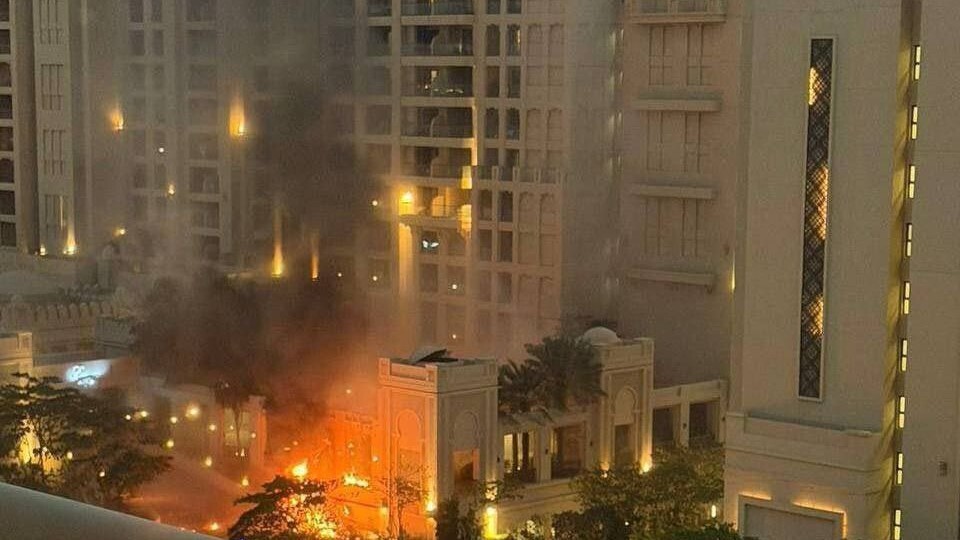
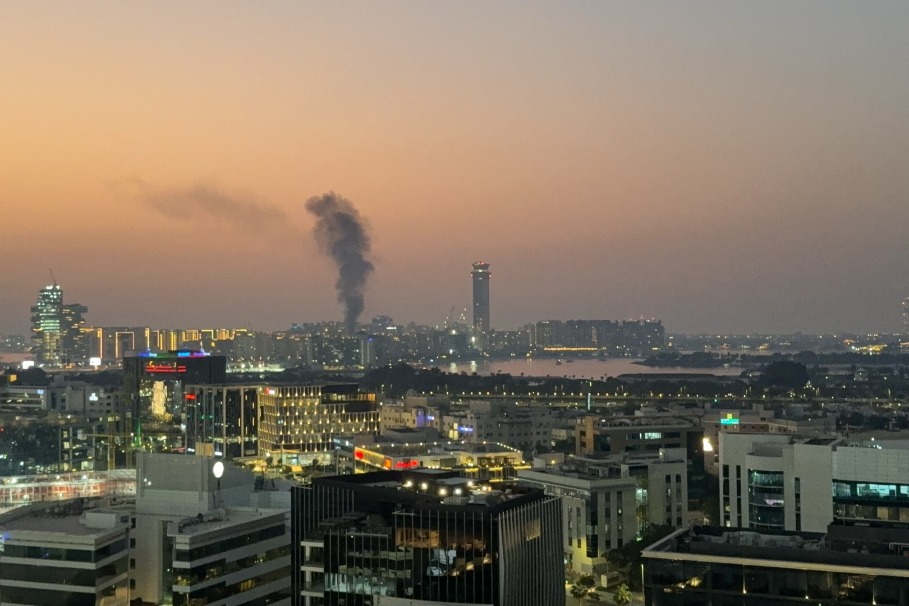
    Dubai’s carefully cultivated image as a secure haven in the turbulent Middle East faced an unprecedented challenge on Saturday as Iranian missiles and drones targeted the emirate. The assault, launched in retaliation for a surprise US-Israeli operation, sent billowing smoke and flames across the skyline of the region’s premier business and entertainment capital.

    The attack carries profound implications beyond immediate geopolitical tensions. Dubai has emerged as the world’s foremost beneficiary of post-pandemic economic trends, attracting London bankers, American finance professionals, and global entrepreneurs with its low-tax environment and efficient bureaucracy. The city-state’s property market has soared by 75% since 2020, while its financial institutions have become magnets for diverse capital flows—from Sudanese militia leaders trading gold to Eastern European expatriates fleeing conflict.

    Symbolic footage of an Iranian drone striking the luxurious Fairmont Hotel on Palm Jumeirah circulated rapidly through expatriate communities, challenging the fundamental calculation that built modern Dubai. The evacuation of the Burj Khalifa—the world’s tallest building—and indefinite flight suspensions at Al Maktoum International Airport further underscored the city’s vulnerability.

    Regional analysts note that Dubai’s essence depended on being a safe oasis in a troubled region. The attacks demonstrate that no amount of economic success can fully insulate the emirate from the Middle East’s unpredictable politics. This development potentially reprices risk assessments for the wealthy global citizens who have fueled Dubai’s boom, with competitors like Doha, Riyadh, and Muscat waiting to offer alternatives.

    The strikes have unexpectedly unified Gulf Cooperation Council leaders, with Saudi Crown Prince Mohammed Bin Salman expressing solidarity with Emirati leadership. Iran’s broader calculation appears to be forcing regional monarchs to either support US military operations or pressure Washington to de-escalate tensions—particularly if economic hubs continue suffering collateral damage.

  • Blasts hit Dubai and Abu Dhabi as UAE sucked into US-Israel conflict with Iran

    Blasts hit Dubai and Abu Dhabi as UAE sucked into US-Israel conflict with Iran

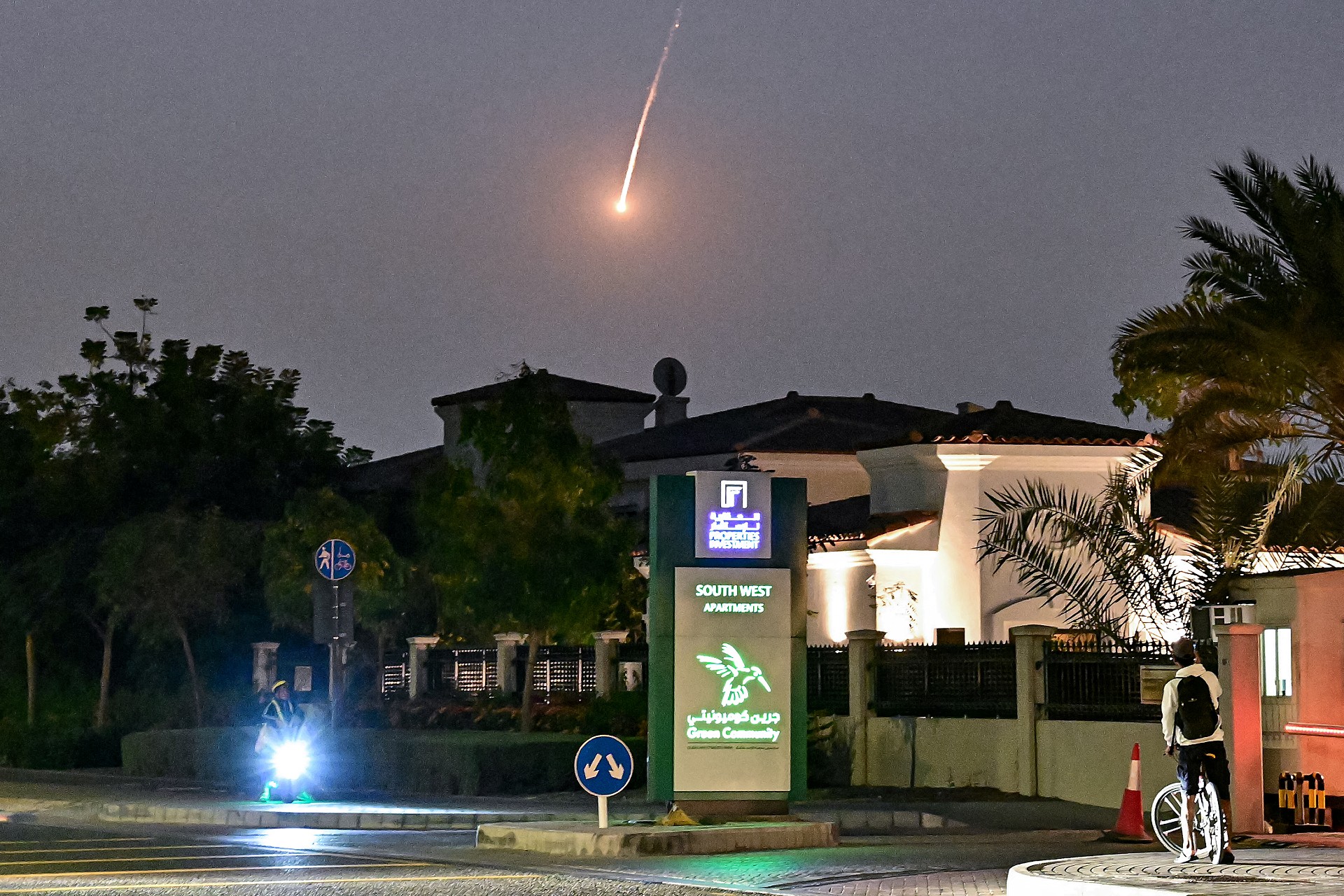
    The United Arab Emirates found itself on the frontline of regional conflict this Saturday as Iranian-origin missiles and drones targeted both Dubai and Abu Dhabi, marking a significant escalation in Middle Eastern tensions. The attacks represent the first major spillover of the US-Israeli conflict with Iran into Gulf states, with UAE air defense systems intercepting multiple projectiles while some managed to penetrate the protective shield.

    Eyewitness accounts from Dubai residents described visible plumes of smoke near prominent landmarks including the Fairmont the Palm and Dubai Marina neighborhoods. Verified video footage circulating online appeared to capture the moment an Iranian Shahed drone struck the city. Simultaneously, Abu Dhabi residents reported hearing distinct sounds of missile interceptions overhead as defense systems engaged incoming threats.

    The UAE stands among several Gulf nations—including Qatar, Kuwait, Saudi Arabia, and Bahrain—that have come under Iranian fire, presumably targeting US military installations throughout the region. The Al Dhafra Air Base, located just outside Abu Dhabi and housing approximately 5,000 American military personnel, represents one such potential target.

    In response to the crisis, UAE President Sheikh Mohammed bin Zayed Al Nahyan initiated emergency communications with Saudi Crown Prince Mohammed bin Salman and Qatari Emir Sheikh Tamim bin Hamad Al Thani. All parties unanimously condemned Tehran’s aggressive actions against regional stability.

    Official statements from UAE authorities emphasized that defense systems handled the missile strikes “with high efficiency, without any serious material damage,” while maintaining that “the situation remains under full control.” Despite these assurances, the Ministry of Economy issued guidance against stockpiling basic commodities, while the National Emergency Crisis and Disasters Management Authority warned residents against approaching or photographing fallen shrapnel.

    Tragically, one Pakistani national confirmed lost his life due to shrapnel impact in Abu Dhabi, marking the first casualty from the attacks.

    The aviation sector experienced significant disruption as authorities initially advised passengers to avoid Dubai International and Al Maktoum International airports before suspending all flights indefinitely by afternoon. Travelers like Mariam (a pseudonym) found themselves stranded for hours before receiving confirmation of flight cancellations, with luggage remaining at airports throughout the crisis.

    Abu Dhabi resident Omar (also a pseudonym) described receiving location-based emergency alerts directing citizens to seek shelter in secure buildings and avoid windows—a precaution not universally distributed across the emirate.

    Despite official attempts to maintain normalcy, visible signs of unease emerged throughout Dubai. Ridesharing driver Akhtar noted significantly lighter than normal traffic patterns “because of the Iran-America situation,” while numerous high-profile retail establishments including Apple’s flagship store and luxury brands like Maison Margiela, Kenzo, and Christian Louboutin closed their doors during typically busy Ramadan shopping periods.

    The UAE’s strict regulations regarding unverified information sharing—with penalties reaching approximately $55,000 for violations—have created a climate of cautious communication among residents. Nevertheless, social media platforms showed Emirati citizens sharing images of smoke plumes and expressing support for national security services at local establishments such as shisha bars in Dubai’s Business Bay district.

  • US-Israel attacks on Iran open Pandora’s box

    US-Israel attacks on Iran open Pandora’s box

    In a dramatic escalation of Middle Eastern tensions, joint United States and Israeli military forces conducted targeted strikes against Iranian facilities on February 28. The offensive operation, authorized by US President Donald Trump, explicitly targeted Iran’s missile production infrastructure with declared objectives of crippling the nation’s defense capabilities.

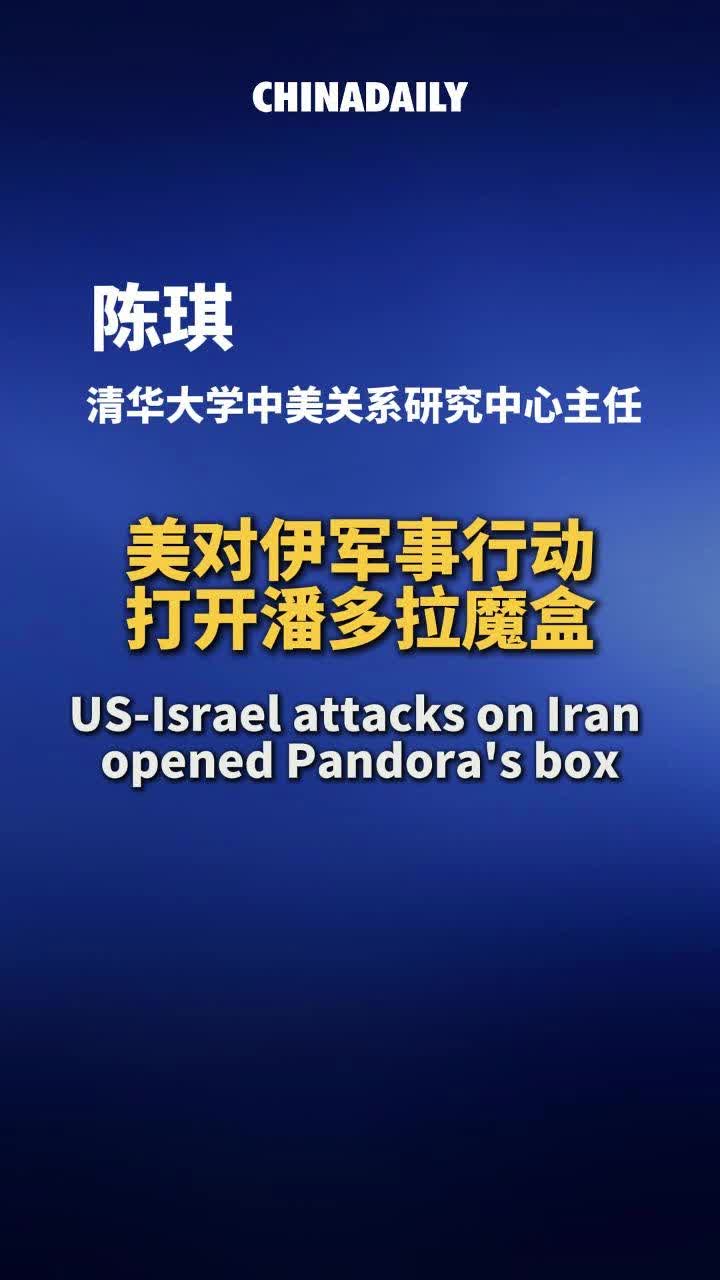
    According to strategic analysis by Professor Chen Qi, Director of the Center for China-US Relations at Tsinghua University, these military actions signify the complete breakdown of preliminary diplomatic negotiations between Washington and Tehran. The professor contends that the offensive serves dual purposes: compelling Iranian concessions in future potential discussions while simultaneously diverting domestic attention from pressing political controversies, including the ongoing Epstein scandal, ahead of critical midterm elections.

    The military engagement has effectively unleashed what experts characterize as a ‘Pandora’s Box’ of regional instability, with immediate repercussions already materializing. Initial reports indicate retaliatory missile strikes targeting the US military installation in Bahrain, resulting in significant casualties estimated at approximately 200 American personnel killed or wounded.

    Strategic analysts project that subsequent developments will predominantly depend on Iran’s retaliatory capabilities and strategic decisions. Particularly concerning to global security experts is the potential closure of the Strait of Hormuz—a critical maritime choke point for international oil transportation. Such action could create politically unsustainable pressure on the Washington administration amid growing domestic scrutiny and escalating regional violence.

  • Saudi, UAE leaders condemn ‘dangerous’ Iran escalation

    Saudi, UAE leaders condemn ‘dangerous’ Iran escalation

    In a significant diplomatic development, Saudi Crown Prince Mohammed bin Salman and UAE President Sheikh Mohamed bin Zayed Al Nahyan convened their first telephone discussion since late December to address Iran’s recent retaliatory strikes against Gulf nations. The high-level conversation occurred on Saturday amid escalating regional tensions.

    The UAE’s official WAM news agency reported that both leaders examined recent regional developments, particularly what they characterized as ‘blatant Iranian attacks’ targeting the UAE and several neighboring nations. The dialogue resulted in a strong joint condemnation of what they described as a ‘dangerous escalation that threatens the region’s security and undermines its stability.’

    Demonstrating Gulf solidarity, Crown Prince Mohammed bin Salman pledged Saudi Arabia’s ‘full solidarity with the UAE’ and offered the kingdom’s resources to support any measures the Emirates might undertake. President Sheikh Mohamed bin Zayed expressed his gratitude for this show of support between the Gulf allies.

    Concurrently, the UAE Ministry of Foreign Affairs issued a formal statement condemning the Iranian missile attacks that affected the Emirates and other Gulf states. The ministry emphasized the indivisible nature of regional security, stating that any infringement on the sovereignty of one nation constitutes a direct threat to the entire region’s stability.

    The UAE reaffirmed its categorical rejection of using regional territories as arenas for settling disputes or expanding conflicts, warning of grave consequences from continued violations that could undermine both regional and international security. The statement highlighted particular concerns about threats to global economic stability and energy security.

    Despite the firm stance, the UAE reiterated its call for restraint and diplomatic solutions, emphasizing that serious dialogue remains the most effective path to overcome the current crisis. The ministry simultaneously underscored that the Emirates retains its full and legitimate right to respond to the attacks, maintaining all options for self-defense.