分类: world

  • Iran’s missile capability is significantly degraded

    Iran’s missile capability is significantly degraded

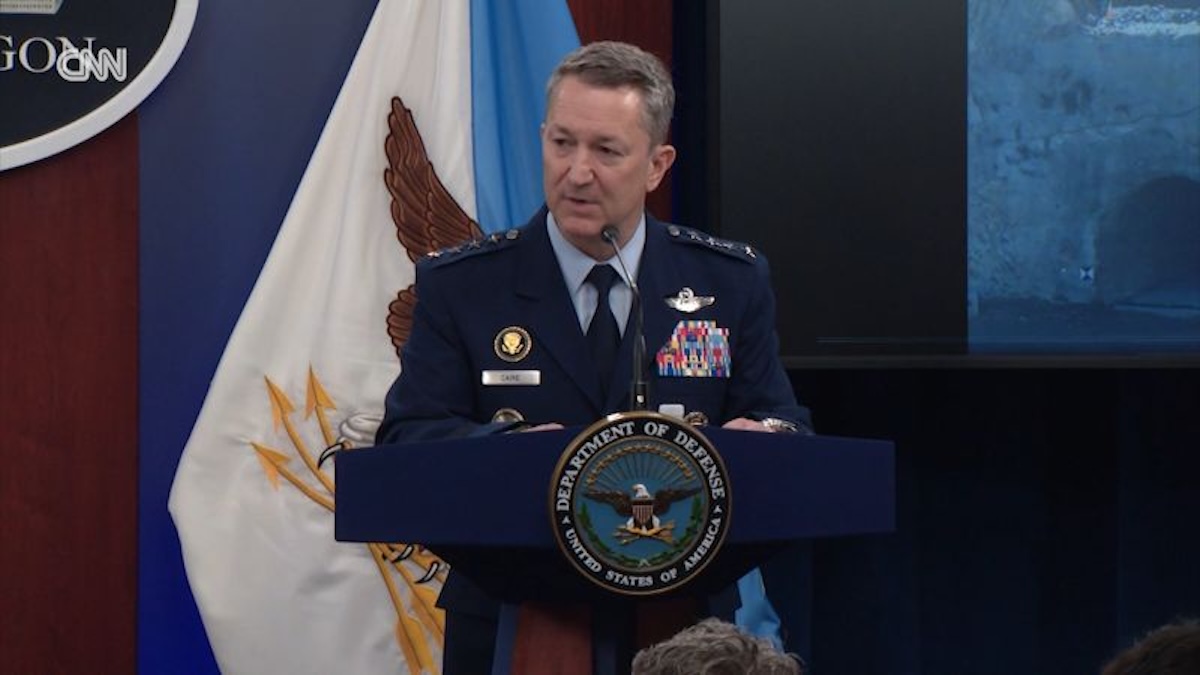
    In a significant escalation of military operations, US-Israeli coalition forces have successfully degraded Iran’s air defense capabilities, achieving air superiority over key western regions including Tehran. General Dan Caine, Chairman of the US Joint Chiefs of Staff, confirmed on March 2 that coalition operations have neutralized approximately 200 Iranian air defense systems since hostilities began on February 28.

    The systematic dismantling of Iran’s integrated air defense network has enabled a tactical shift in aerial operations. With long-range Surface-to-Air Missile (SAM) systems rendered largely ineffective in designated corridors, the United States has deployed B-1 Lancer heavy bombers from continental bases—a strategic adjustment necessitated by Britain’s refusal to permit US operations from British territories including Cyprus and Diego Garcia.

    Military analysts report that coalition forces are prioritizing the destruction of mobile transporter erector launchers (TELs), with expectations of accelerated attrition in coming days. Current assessments indicate Iran’s S-300/S-400 systems are largely non-functional, while domestically produced Bavar-373 systems—developed with Chinese HQ-9B technology—have been severely degraded.

    The conflict has witnessed substantial missile exchanges, with Iran launching between 150-200 ballistic missiles toward Israel in initial salvos, achieving less than 5% penetration rates against advanced interception systems including Arrow-3, David’s Sling, and SM-3 interceptors. Subsequent launches have diminished to sporadic barrages of 9-30 missiles as mobile launch capabilities deteriorate.

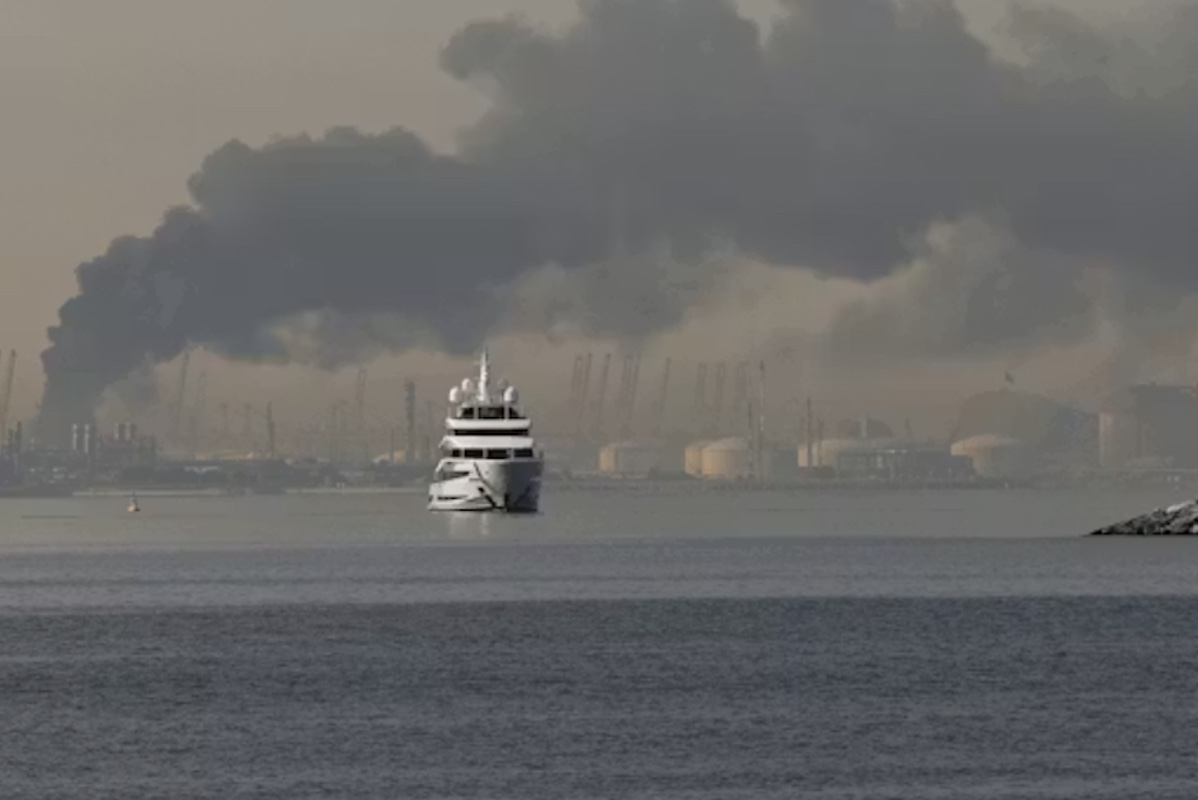
    Parallel naval operations have targeted Iran’s maritime assets, significantly damaging strategic bases at Bandar Abbas and Chahbahar, thereby reducing Tehran’s capacity to threaten critical oil transit routes through the Strait of Hormuz.

    The campaign has also extended to leadership targeting, with the elimination of General Majid ibn al-Reza, recently appointed acting defense minister, underscoring the comprehensive nature of coalition objectives.

    Despite these developments, NATO officials express concern regarding interceptor missile inventories, emphasizing the necessity of enhanced production capabilities and preemptive destruction of enemy assets as optimal defense strategies.


  • US citizens in the Middle East face ‘mayhem’ trying to get home

    US citizens in the Middle East face ‘mayhem’ trying to get home

    American travelers across the Middle East are facing unprecedented chaos and logistical nightmares as escalating military tensions between the US-Israel alliance and Iran disrupt regional stability. The US State Department has issued urgent advisories for citizens in 14 countries—including Saudi Arabia, UAE, Israel, Qatar, and several neighboring nations—to evacuate immediately via commercial transportation. However, numerous travelers report being effectively stranded due to canceled flights, closed airspace, and insufficient governmental guidance.

    In Dubai, Florida residents Krista Hickman and her husband experienced their vacation devolving into what she described as ‘absolute mayhem.’ After multiple unsuccessful attempts to secure assistance through official channels, the couple resorted to paying $1,000 for a private driver to transport them across the border into Oman. Their experience mirrors that of former Army Major General Randy Manner, who remains trapped at Dubai International Airport amidst operational chaos and uncertain flight availability.

    The State Department acknowledges contact with approximately 3,000 Americans currently seeking evacuation, though spokesperson Dylan Johnson confirmed that nearly 9,000 citizens have successfully returned from the region in recent days. Charter flights are being organized for evacuation from UAE, Saudi Arabia, and Jordan, with President Trump encouraging citizens to register online for government-assisted repatriation efforts.

    The human impact extends beyond tourism. Texas resident Harsheet Kummaraguntla revealed his mother became trapped during a layover in Doha when her flight to Dallas abruptly returned to Qatar following airspace closures. Meanwhile, consultant Greg Arnold described the financial strain of securing last-minute flights from Riyadh for his visiting parents, with ticket prices escalating by hundreds of dollars during payment processing.

    Canada has similarly advised against travel to the region, with Foreign Minister Anita Anand seeking Omani airspace access for potential evacuations of its 85,000 registered citizens. The situation remains particularly dire in Lebanon, where NGO worker Nathan Devereaux faces agonizing decisions about evacuating from Beirut amid cross-border strikes between Israel and Hezbollah forces.

    With an estimated 500,000 to one million US nationals residing throughout the Middle East, the evacuation effort represents one of the largest peacetime repatriation challenges in recent history, testing both government response capabilities and the resilience of citizens caught in geopolitical crossfire.

  • War, politics clouding World Cup on 100-day countdown

    War, politics clouding World Cup on 100-day countdown

    With precisely 100 days remaining until the kickoff of the unprecedented 48-team FIFA World Cup 2026, geopolitical conflicts and domestic policy controversies are threatening to overshadow the global football spectacle. The tournament, set to unfold across the United States, Canada, and Mexico, faces mounting challenges as international relations deteriorate under the current U.S. administration.

    The recent aerial assault on Iran resulting in the death of Supreme Leader Ayatollah Ali Khamenei has triggered immediate repercussions in the sporting world. Mehdi Taj, head of the Iranian Football Federation, has indicated potential boycott considerations, stating that his nation “cannot look forward to the World Cup with hope” amidst ongoing hostilities.

    Compounding these international tensions, the U.S. immigration crackdown has created significant barriers for prospective attendees. The visa freeze implemented in mid-January affects citizens from 75 countries, including four World Cup-qualified nations: Iran, Haiti, Senegal, and Ivory Coast. While the White House maintains that tourist visas remain accessible for ticket holders through expedited appointments, widespread apprehension persists regarding border treatment and entry guarantees.

    Domestically, heightened Immigration and Customs Enforcement (ICE) operations have amplified concerns among potential visitors. The fatalities of two U.S. citizens during recent ICE operations in Minneapolis have exacerbated fears that legally compliant fans might face targeting based on ethnic appearance or linguistic characteristics.

    Julien Adonis Kouadio, president of the official Ivorian supporters’ committee, articulated these anxieties: “With this system, we risk not feeling like we’re celebrating football. We must not impose too many restrictions that prevent people from letting loose.”

    Simultaneously, security conditions in host Mexico have deteriorated following military operations against drug cartels. Guadalajara, scheduled to host four matches, experienced a violent weekend resulting in 74 fatalities, casting doubt on safety assurances despite President Claudia Sheinbaum’s insistence of “no risk” to attendees.

    FIFA President Gianni Infantino’s centenary countdown message notably avoided direct conflict references, instead emphasizing the tournament’s unifying potential during “this particular period of time.” However, with plummeting U.S. tourism rates and seven million soccer fans anticipated to revitalize the hospitality sector, the convergence of geopolitical strife and policy controversies presents unprecedented challenges for the quadrennial event.

  • Flights to evacuate stranded travellers in Middle East

    Flights to evacuate stranded travellers in Middle East

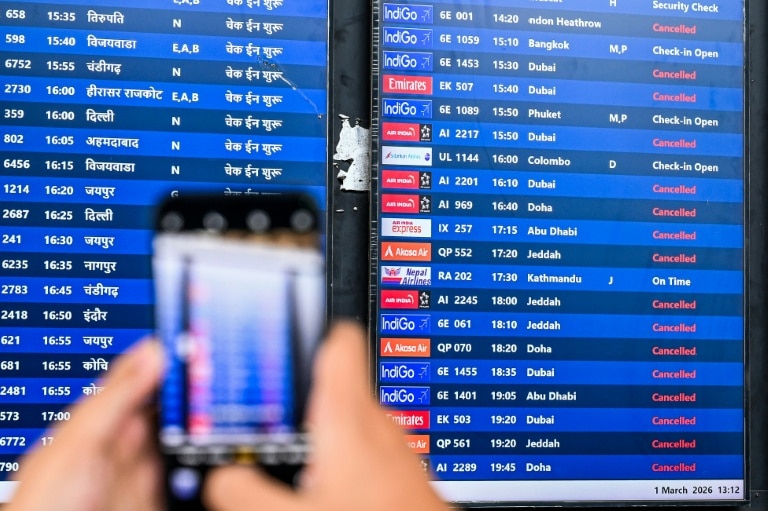
    International governments and airlines have launched coordinated evacuation operations to rescue tens of thousands of travelers stranded across the Middle East following unprecedented airspace closures triggered by regional military conflicts. The crisis emerged after Israel-US strikes on Iran prompted widespread aviation shutdowns, creating what aviation analysts describe as one of the most significant air travel disruptions in recent history.

    According to data from aviation analytics firm Cirium, a staggering 12,903 flights were canceled between Saturday and Monday—representing 40% of all scheduled departures. The cancellations have directly impacted an estimated one million passengers, with Dubai International Airport, the world’s second-busiest aviation hub, experiencing near-total operational suspension during the peak of the closures.

    European nations have spearheaded evacuation efforts, with the Czech Republic, Slovakia, and Romania executing emergency airlifts that returned hundreds of citizens via specially chartered flights. France, facing one of the largest contingents with approximately 400,000 nationals in the region, initiated repatriation flights under direct presidential oversight. Germany organized charter flights from Oman to evacuate some of the 30,000 stranded Germans, while British authorities arranged similar operations from Oman and Jordan.

    The United States confirmed it has facilitated the return of over 9,000 citizens since Saturday through charter flights from Jordan, Saudi Arabia, and the United Arab Emirates. Meanwhile, Russian evacuation teams retrieved nationals who had fled to Azerbaijan from Iran, along with dozens stranded in Egypt.

    Commercial airlines have joined government efforts, with Indian carriers IndiGo, Air India Express, and Akasa Air announcing special evacuation flights. British Airways scheduled a repatriation flight from Oman for Thursday, though numerous carriers including Air France, LOT, Norwegian, SAS, and Finnair have suspended Middle Eastern operations indefinitely, with some cancellations extending through month’s end.

    While Dubai and Abu Dhabi airports resumed limited operations Monday, significant airspace restrictions remain over Iraq, Israel, Kuwait, Libya, and Qatar—where authorities reported blocking an attack on its major aviation hub. Israel announced plans for gradual airspace reopening beginning Wednesday night, initially permitting only repatriation flights for returning nationals.

  • Beirut explosion, Qatar busts spy cells: Latest developments in Mideast war

    Beirut explosion, Qatar busts spy cells: Latest developments in Mideast war

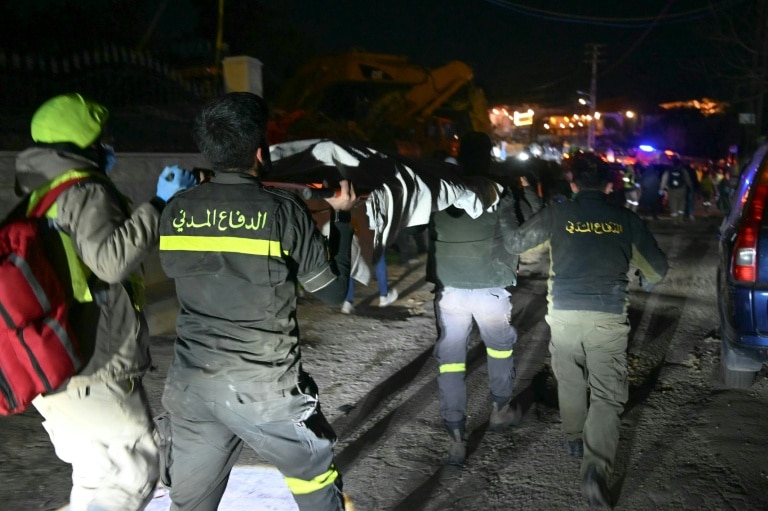
    The Middle East conflict escalated dramatically with significant developments across multiple fronts. In Beirut, a powerful explosion reverberated through the Lebanese capital shortly after midnight Wednesday amid ongoing exchanges between Israeli forces and Hezbollah militants. The confrontation intensified following Hezbollah’s rocket attacks against Israel, which the group stated was retaliation for the killing of Iranian supreme leader Ali Khamenei.

    Qatar made a significant security breakthrough, announcing the dismantling of two Iranian spy cells linked to Iran’s Revolutionary Guards. The nation’s official press agency reported that ten suspects had been apprehended, with investigations revealing their connections to the Revolutionary Guards and instructions to conduct espionage and sabotage operations. This development is particularly notable given Qatar’s hosting of a major US military base and its repeated targeting by Iranian strikes since the conflict’s inception.

    Israel confirmed launching a new wave of strikes against Iranian targets, with military officials describing the operations as ‘broad wave of strikes’ following Iran’s launch of three separate missile barrages toward Israeli territory. Earlier assessments revealed that Israeli forces had targeted an underground nuclear facility in Iran where scientists were allegedly developing critical components for nuclear weapons covertly.

    US Admiral Brad Cooper, commanding Middle East military operations, reported that nearly 2,000 targets had been struck in Iran, significantly degrading Iranian air defenses while destroying hundreds of ballistic missiles, launchers, and drones.

    The conflict expanded to diplomatic fronts with a drone attack causing a fire near the US consulate in Dubai as Iran increased targeting of American diplomatic missions throughout the Gulf region. Witnesses reported hearing explosions before observing flames, with local police establishing security perimeters around the affected area.

    International response intensified as France deployed its flagship aircraft carrier Charles de Gaulle to the Mediterranean. President Emmanuel Macron announced the strategic redeployment from the North Atlantic to address the widening conflict, with the vessel having recently docked in Malmö, Sweden.

    The United States arranged charter flights to facilitate American evacuations from Jordan, Saudi Arabia, and the United Arab Emirates, with the State Department committing to secure additional capacity as security conditions permit.

    Political tensions flared as President Donald Trump threatened to sever all trade relations with Spain following its refusal to permit US military use of its bases for operations against Iran. The administration simultaneously criticized Britain for insufficient cooperation. Spain’s government maintained that US base usage must comply with United Nations Charter provisions.

    Trump further announced that the US Navy would provide escort services for oil tankers through the Strait of Hormuz if necessary, emphasizing America’s commitment to ensuring global energy free flow while ordering Washington to provide shipping insurance guarantees.

    In Iraq, an airstrike struck the Jurf al-Nasr military base in southern territory, causing material damage according to sources from the Iran-backed Kataeb Hezbollah group. The organization has suffered significant losses, with over ten fighters killed in strikes across Iraq since Saturday. Additional explosions were reported in Sulaimaniyah as the autonomous Kurdistan region, hosting US troops and Iranian Kurdish fighters, continued to be a primary target for Iranian drone operations.

  • Australian girl, 8, killed in snowmobile accident in Japan

    Australian girl, 8, killed in snowmobile accident in Japan

    A tragic snowmobile accident in Japan’s popular Hakuba Valley has claimed the life of eight-year-old Australian tourist Chloe Jeffries from Queensland’s Gold Coast. The incident occurred on Saturday when the vehicle overturned during a guided tour, trapping the young girl beneath it despite her mother’s presence as a tandem passenger.

    According to tour operator Hakuba Lion Adventure, the accident transpired near an uphill curve along a forest road where the lead snowmobile veered off course and mounted an embankment before flipping back onto the trail. Despite immediate medical attention and aerial evacuation to a nearby hospital, Jeffries succumbed to her injuries.

    The young netball enthusiast has been memorialized by her community for her ‘beautiful nature’ and ‘infectious, cheeky smile.’ Meanwhile, the tour company has suspended all snowmobile and snowshoe operations indefinitely pending comprehensive safety reviews and ongoing police investigations.

    This devastating event marks the fourth Australian fatality at Japanese ski resorts within the first three months of the year. The series of tragedies began in January with the death of Australian-Indonesian teenager Rylan Henry Pribadi from asphyxiation following a boundary collision at Niseko Ski Resort in Hokkaido.

    Last month witnessed two additional casualties: 27-year-old Melbourne man Michael ‘Micky’ Hurst collapsed suddenly while skiing between Hokkaido resorts, and 22-year-old Brooke Day suffered a fatal heart attack after her backpack became entangled in a chairlift at Tsugaike Mountain Resort in Nagano prefecture.

    The Australian Department of Foreign Affairs and Trade has confirmed providing consular support to the Jeffries family during this devastating time. The consecutive incidents have raised significant concerns about safety protocols at Japanese winter sports destinations, which annually attract thousands of Australian visitors.

  • Israeli-US strikes hit building of assembly choosing new Iran supreme leader

    Israeli-US strikes hit building of assembly choosing new Iran supreme leader

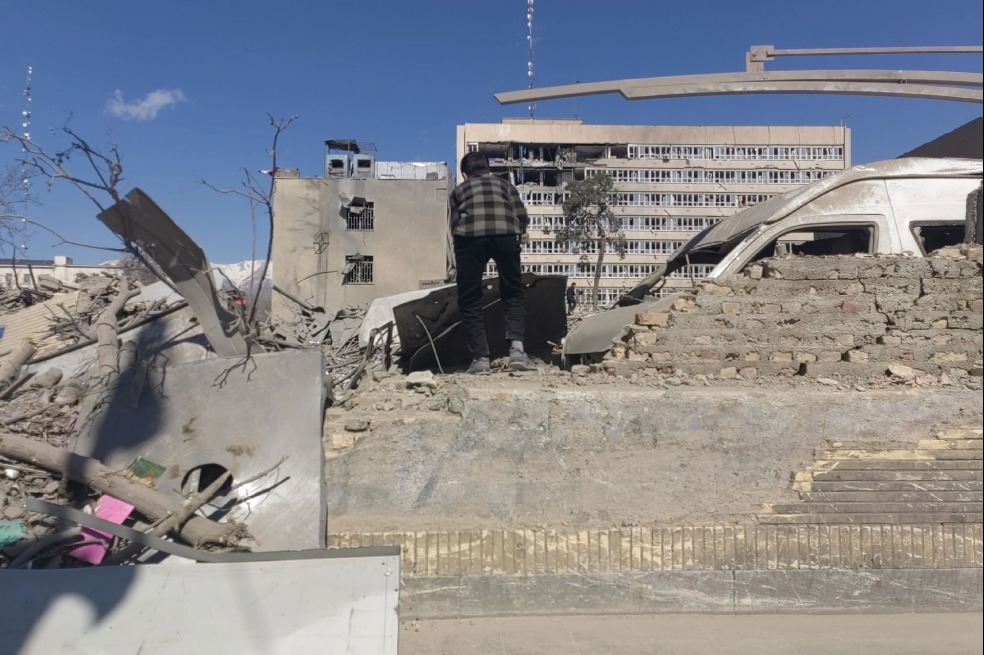
    In a significant escalation of regional tensions, joint American and Israeli military operations have struck a critical Iranian governmental building in the holy city of Qom. According to reports from Iranian state-affiliated media on Tuesday, the targeted structure housed the Assembly of Experts—the powerful body constitutionally mandated with appointing, overseeing, and potentially dismissing Iran’s Supreme Leader.

    Tasnim News Agency characterized the attack as perpetrated by ‘American-Zionist criminals,’ releasing footage showing severe structural damage to the facility. While no immediate casualty figures were provided, the symbolic timing of the strike appears deliberate. A senior Israeli official informed Fox News that the operation occurred while the assembly was ‘counting the votes for the appointment of the supreme leader,’ following the death of former leader Ali Khamenei in a previous wave of U.S.-Israeli attacks on Saturday.

    This incident represents the second assault on institutions central to Iran’s leadership transition. Tasnim further reported that the main headquarters of the Assembly of Experts in Tehran had been targeted just one day prior, on Monday. In response to the power vacuum, Iranian authorities have activated constitutional contingency plans. These measures include establishing an interim leadership council comprising the president, the head of the judiciary, and a jurist from the Guardian Council—the body that oversees legislation and electoral vetting.

    Adding to the complex political landscape, Iran’s top security official, Ali Larijani, has emerged as a pivotal powerbroker during this transitional period. The interim council is tasked with governing the nation while the intricate process of selecting a permanent successor to the supreme leader unfolds, a procedure that typically involves meticulous deliberation by the now-targeted Assembly.

  • US embassy in Riyadh warns of attacks over Saudi city of Dhahran

    US embassy in Riyadh warns of attacks over Saudi city of Dhahran

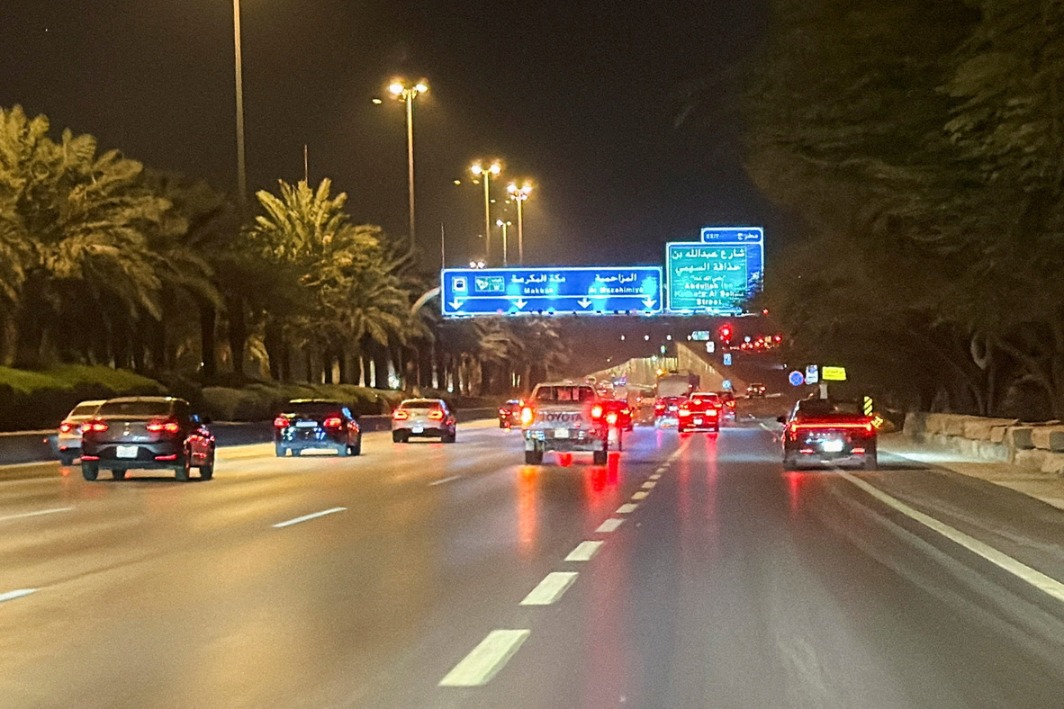
    The United States Embassy in Riyadh has issued an urgent security advisory warning of imminent missile and unmanned aerial vehicle (UAV) attacks targeting the eastern Saudi city of Dhahran. This alert follows a significant escalation of regional tensions triggered by recent military operations.

    The security warning emerges amidst heightened Middle Eastern instability following a coordinated US-Israeli offensive against Iranian targets this past Saturday. In response to these operations, Tehran has launched retaliatory missile and drone strikes toward Israeli territory and American assets throughout the region.

    Dhahran, a strategically significant urban center in Saudi Arabia’s Eastern Province, hosts critical energy infrastructure and international corporate compounds. The city serves as the administrative headquarters for Saudi Aramco, the world’s largest oil company, and contains substantial expatriate residential communities.

    The embassy’s alert specifically cautioned US citizens to maintain heightened situational awareness and implement appropriate personal security measures. Diplomatic officials advised American personnel to avoid crowded areas and monitor local media for developing security information.

    This security development occurs against the backdrop of intensified regional hostilities that began with the weekend’s military actions. The initial strikes against Iranian targets have prompted a series of retaliatory measures that now threaten to expand conflict zones beyond immediate border areas.

    The Arabian Gulf region has experienced increasing military activity in recent days, with multiple nations activating air defense systems in response to incoming projectile threats. Security analysts indicate this escalation represents the most significant regional military confrontation in recent years, with potential implications for global energy markets and international security arrangements.

  • Israeli military says begins large-scale wave of strikes targeting state infrastructure in Tehran

    Israeli military says begins large-scale wave of strikes targeting state infrastructure in Tehran

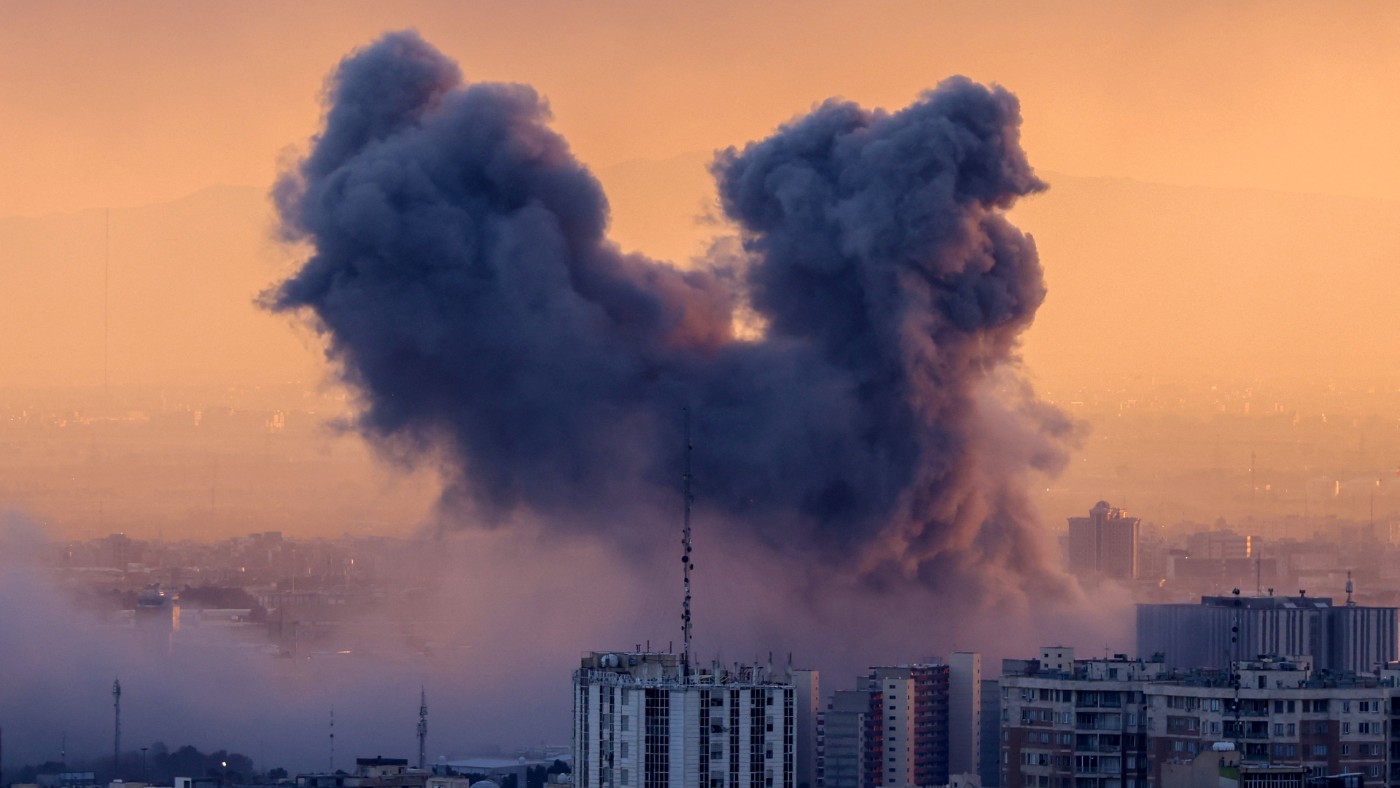
    In a significant escalation of regional tensions, the Israeli military confirmed Tuesday it had initiated extensive aerial operations targeting critical state infrastructure throughout Tehran. The announcement came via official statement, with military representatives indicating this constituted a major offensive campaign against Iranian governmental facilities.

    The operations, described as a “large-scale wave” of precision strikes, represent one of the most direct military confrontations between the two nations in recent history. While specific targets remained undisclosed at the time of reporting, the reference to “state infrastructure” suggests strategic government installations, potentially including communication networks, transportation hubs, and administrative complexes.

    Military officials maintained that additional operational details would be released subsequently, indicating the possibility of ongoing or phased operations. The timing and scale of these strikes suggest a calculated escalation in the long-standing shadow conflict between Israel and Iran, which has previously manifested through proxy engagements across the Middle East.

    This development occurs against a backdrop of increasing regional instability and follows recent heightened tensions between the two nations. The direct targeting of Tehran’s infrastructure marks a notable departure from previous engagements that typically involved peripheral or proxy forces.

  • Iran betting Gulf pain will force Trump to seek a deal

    Iran betting Gulf pain will force Trump to seek a deal

    Persian Gulf allies of the United States now confront a scenario they had meticulously avoided—becoming primary targets in a rapidly expanding Middle Eastern conflict. All six Gulf Cooperation Council nations (Bahrain, Kuwait, Oman, Qatar, Saudi Arabia, and the UAE) have experienced retaliatory strikes from Iran following joint U.S.-Israeli military operations dubbed “Operation Epic Fury.”

    Unlike previous limited engagements, Iran’s current campaign represents a dramatic escalation in both scale and strategy. Military installations across the region have been struck alongside deliberate targeting of civilian infrastructure including international airports, commercial ports, and luxury hotels. This shift marks a departure from Tehran’s comparatively restrained response during the June 2025 conflict, when it limited strikes to a single Qatari military base after providing advance warning.

    Regional experts interpret Iran’s aggressive posture as that of a cornered regime fighting for survival. The Islamic Republic, lacking capability to strike the U.S. mainland directly, has turned to targeting American military assets concentrated throughout the Gulf region. Iranian forces have launched approximately 390 ballistic missiles and 830 drones toward Gulf states in the conflict’s initial phase alone—far exceeding the 14 missiles deployed in last year’s solitary strike on Qatar’s Al-Udeid air base.

    While Gulf air defense systems have successfully intercepted most projectiles, the psychological impact on these carefully cultivated hubs of global commerce may prove more damaging than physical destruction. Cities like Dubai, Abu Dhabi, and Doha have built their international reputations as oases of stability and security—an image now severely compromised by sustained attacks.

    The economic consequences are already materializing through closed airspaces creating the largest disruption to global travel since COVID-19, interrupted shipping through the critical Strait of Hormuz, and rising oil prices. Particularly concerning for regional leaders is the potential targeting of desalination plants that provide fresh water to these arid nations.

    Iran’s strategy appears calculated to pressure Gulf governments into lobbying Washington for conflict resolution. However, this approach risks backfiring by driving regional partners closer to the United States after a period of diplomatic distancing. The situation represents the most significant regional peril since the 1990-91 Gulf War, with implications extending far beyond the Middle East.