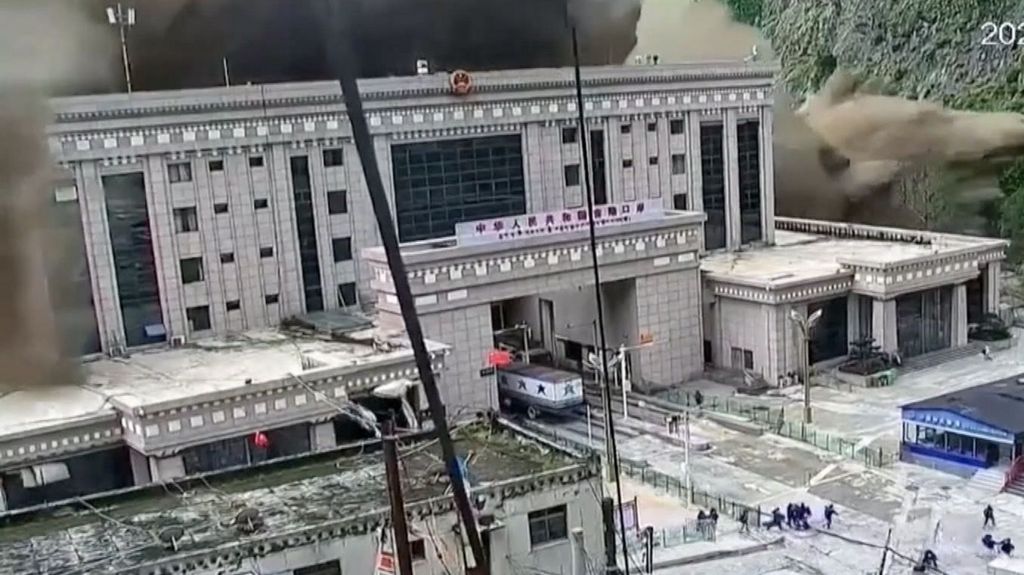
A recently released video has brought the overwhelming destructive scale of a flash flood disaster into sharp public focus, with the catastrophic event impacting border regions spanning Nepal and Tibet. The visual footage, which documents the disaster’s aftermath and ongoing impacts, offers viewers a raw, unfiltered look at how rapidly rising floodwaters have reshaped landscapes and threatened communities across the shared mountainous border zone. Flash floods are a recurring hazard in this high-altitude, geologically active region, where sudden monsoon downpours or glacial melt can trigger fast-moving water surges that catch local populations off guard. As of the latest reporting, the video has circulated widely to highlight the severity of the disaster, prompting calls for closer cross-border coordination on disaster monitoring and early warning systems to mitigate future flood risks for at-risk communities on both sides of the border. Additional reporting on the human and economic impacts of this flood event is expected to be released in coming days as assessment teams complete on-the-ground surveys.
分类: world
-
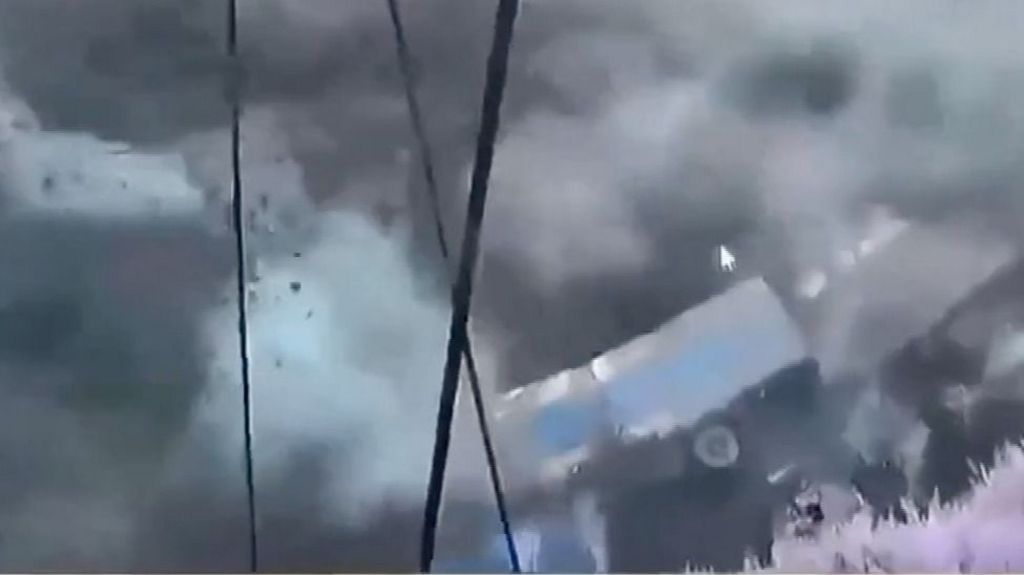
Video shows scale of flash flood hitting Nepal-Tibet border
Newly released video footage, curated and edited by the British Broadcasting Corporation (BBC), has laid bare the catastrophic destructive power of a sudden flash flood that struck the remote Nepal-Tibet border region. Ahead of public distribution, BBC editors added prominent white flash overlays to the raw footage, a modification implemented to mitigate distress for audiences, given the harrowing nature of the content captured.
The cross-border region, known for its rugged, mountainous terrain and proximity to rapidly melting glacial systems, has long been classified as high-risk for sudden water-related disasters. Climate researchers have warned in recent years that rising global temperatures are increasing the frequency of glacial lake outburst events and unexpected flash floods in the Himalayan border zone, putting local communities and infrastructure in extreme danger.
The released footage offers audiences a rare, unflinching look at the speed and force with which flash floods can overwhelm remote landscapes. The edited overlay warnings ensure that viewers are prepared for the disturbing imagery without being fully shielded from the reality of the disaster’s impact, enabling greater public awareness of the growing climate-linked risks facing Himalayan communities.
-
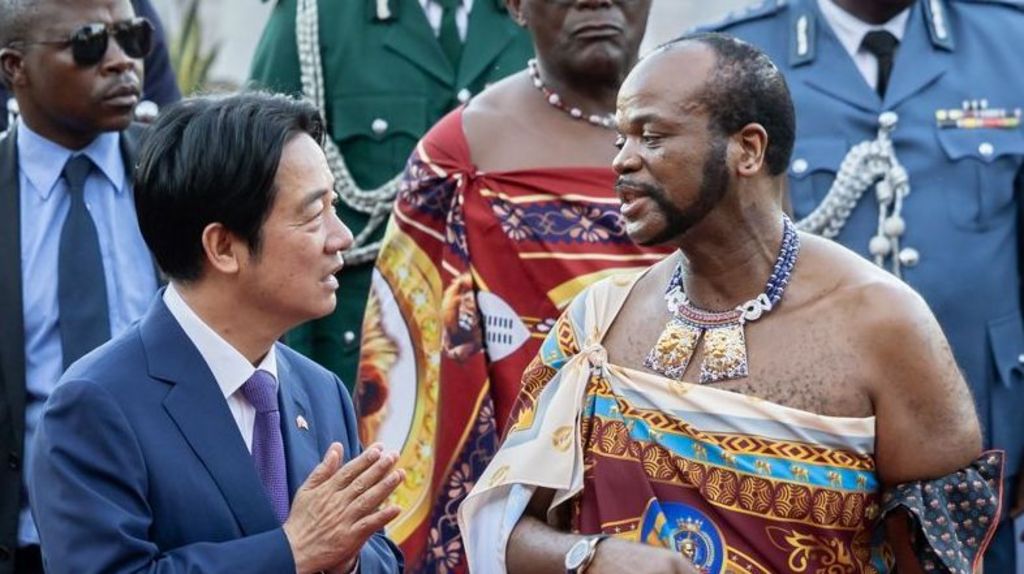
China advises its citizens to leave Taiwan ally Eswatini over ‘security risks’
In a fresh development that intertwines security concerns and long-running diplomatic friction over Taiwan, China’s foreign ministry has issued an urgent advisory calling on all its citizens to depart the southern African kingdom of Eswatini, citing elevated and pervasive security threats within the country.
The announcement names rampant cyber fraud and gambling-linked criminal activity as the core security concerns driving the evacuation order, though no specific granular details about recent incidents were provided in the official statement. To mitigate risk, Chinese authorities are urging their nationals to relocate to neighboring South Africa, which the ministry describes as a relatively safer alternative destination.
Eswatini holds unique diplomatic significance for cross-strait relations: it is the only African country among 13 nations worldwide that maintains formal diplomatic ties with Taiwan, the self-governing island that Beijing formally claims as an inalienable part of its sovereign territory. China has waged sustained diplomatic pressure over decades to push countries to cut official ties with Taipei and recognize Beijing’s one-China principle instead.
Local private media outlet the Times of Eswatini reported this week that 40 Chinese nationals have been held in detention since last month, after being re-arrested while attempting to exit the country. The group was first apprehended in March alongside dozens of other foreign citizens during law enforcement raids targeting suspected illegal online gambling operations in Mbabane, Eswatini’s capital, and surrounding suburban areas. According to the outlet’s reporting, legal representatives for the detained Chinese nationals confirm that their clients pleaded guilty to minor immigration violations, paid all court-ordered fines, and were subsequently ordered released by the Eswatini High Court. The lawyers argue that the second arrest of the 40 citizens violates the country’s own legal framework and is entirely unlawful. As of press time, the Eswatini government has not issued any public comment responding to these claims or to China’s evacuation advisory.
China’s advisory further warns that any Chinese citizens who choose to disregard the order and remain in or travel to Eswatini will expose themselves to extremely high security risks, and that the Chinese government’s ability to provide timely consular assistance to those in trouble will be severely compromised. No official data has been released on the total number of Chinese citizens currently residing or working in Eswatini.
This latest exchange comes after a series of escalating diplomatic tensions between Beijing, Mbabane and Taipei earlier this year. In April, Taiwan accused Beijing of coercing neighboring countries to revoke overflight permission for a planned trip by Taiwanese President Lai Ching-te to Eswatini, an attempt that Taipei said was intended to derail the visit entirely. The trip, originally scheduled to mark the 40th anniversary of King Mswati III’s ascension to the throne, was initially postponed due to the overflight dispute, and Lai ultimately made a low-key, unannounced visit to the kingdom in May. After the visit concluded, Beijing’s foreign ministry issued a scathing statement dismissing Lai as an “international laughing stock”.
In another visible sign of diplomatic friction earlier this year, China eliminated tariffs on imports from all African countries — with the explicit exception of Eswatini.
-
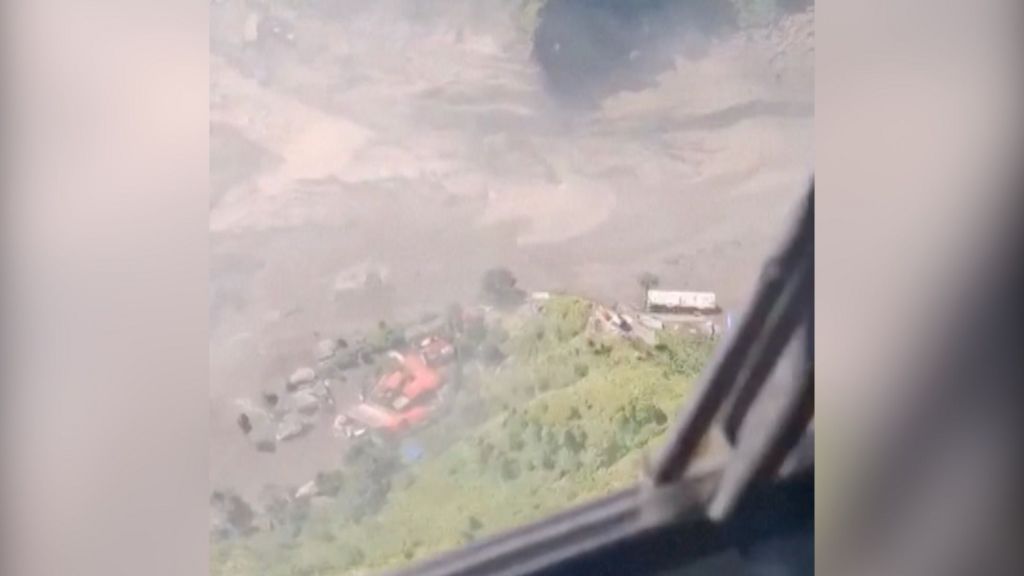
Aerial footage shows flash flood on Nepal-Tibet border
Newly verified aerial video footage captured in the aftermath of a sudden natural disaster has documented destructive flash floods sweeping across low-lying settlements near the Nepal-Tibet international border. The recorded visual evidence, which has undergone formal authentication from Nepalese authorities, clearly shows fast-rising muddy water submerging local town streets, swallowing residential and commercial structures, and sweeping away vehicles and infrastructure in its chaotic path.
In the wake of this unanticipated catastrophe, official search and rescue operations have been launched after local administration confirmed that hundreds of travelers are currently unaccounted for. Among the missing are multiple foreign tourists who were visiting the popular cross-border mountain tourism region when the flood struck. Disaster response teams have been deployed to the affected area, though challenging terrain and lingering hazardous conditions have slowed initial relief and search efforts.
-
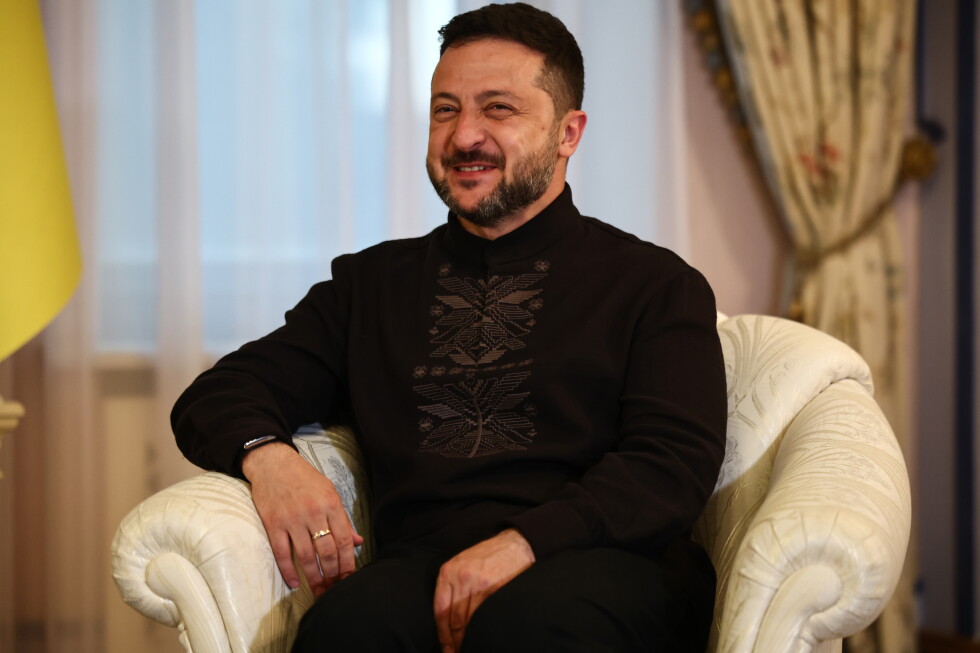
Zelenskyy awards Elon Musk Ukraine’s Order of Freedom for Starlink role
In a formal presidential decree announced Wednesday, Ukrainian President Volodymyr Zelenskyy bestowed the Order of Freedom — one of Ukraine’s most prestigious state honors — on billionaire entrepreneur and SpaceX founder Elon Musk, citing his extraordinary personal contributions to safeguarding Ukrainian human life and national freedom, and deepening bilateral cooperation between Kyiv and Washington.
Musk’s emergence as one of the most consequential and polarizing private figures in Ukraine’s two-year full-scale war against Russian invasion traces directly to his pivotal decision to deploy SpaceX’s Starlink satellite internet network across Ukrainian territory. What began as an emergency connectivity solution has grown into an irreplaceable communications lifeline for both frontline Ukrainian troops and civilian populations across the country, filling critical gaps left after Russia’s widespread attacks on Ukraine’s ground-based telecommunications infrastructure.
Today, Starlink is fully integrated into nearly every layer of Ukraine’s military operations. Frontline commanders and infantry rely on the satellite network to coordinate troop movements and share real-time battlefield intelligence, while Ukrainian drone operators use Starlink’s stable connectivity to maintain control of long-range attack drones, guiding them to targets deep behind enemy lines. Military analysts widely credit Starlink’s support as a core factor behind the unexpected success of Ukraine’s mid-range drone campaign launched earlier this year, which caught Russian logistics units off guard and disrupted critical supply lines for Moscow’s invading forces.
Even as Musk’s technology delivers tangible battlefield gains for Kyiv, the tech entrepreneur’s unilateral control over Starlink’s operating parameters has made him both an indispensable partner and a potential source of strategic vulnerability for Ukraine. Currently, Starlink services are disabled across all Russian territory, a restriction that blocks Ukrainian forces from maintaining connectivity when guiding long-range drone strikes targeting Russian military and energy infrastructure deep inside Russia. Zelenskyy has publicly pushed Musk to reverse this policy, and has even sought diplomatic backing from the U.S. government to pressure SpaceX to adjust its terms of use. Musk has repeatedly pushed back on this request, warning that enabling Starlink use inside Russia would amount to a dangerous escalation of the conflict.
Beyond the battlefield, Musk’s outsized influence has already spilled over into Ukrainian domestic politics, contributing to a high-profile government shake-up earlier this year. Last week, Zelenskyy confirmed that miscommunication around SpaceX’s position on Starlink use inside Russia played a role in the dismissal of former Defense Minister Mykhailo Fedorov, who served as Kyiv’s primary liaison with Musk and SpaceX. According to Zelenskyy, the Ukrainian Defense Ministry incorrectly conveyed that SpaceX had approved expanded Starlink use, leading to an awkward confrontation with former U.S. President Donald Trump, who accused Zelenskyy of misleading him. While Zelenskyy stopped short of accusing Fedorov of intentional misinformation, he confirmed the incident was a contributing factor to Fedorov’s ouster as part of a broader cabinet reshuffle in July.
SpaceX also took a step earlier this year that aligned with Kyiv’s strategic goals, when the company blocked unauthorized Starlink terminals being operated by Russian forces in occupied Ukrainian territory, a move that further strengthened Ukraine’s battlefield position. That action, paired with the provision of civilian and military connectivity within Ukraine, has helped reinforce the positive ties between Kyiv and Musk that Zelenskyy sought to recognize with this week’s honor. As of Wednesday, Musk had not issued any public comment in response to the award.
-
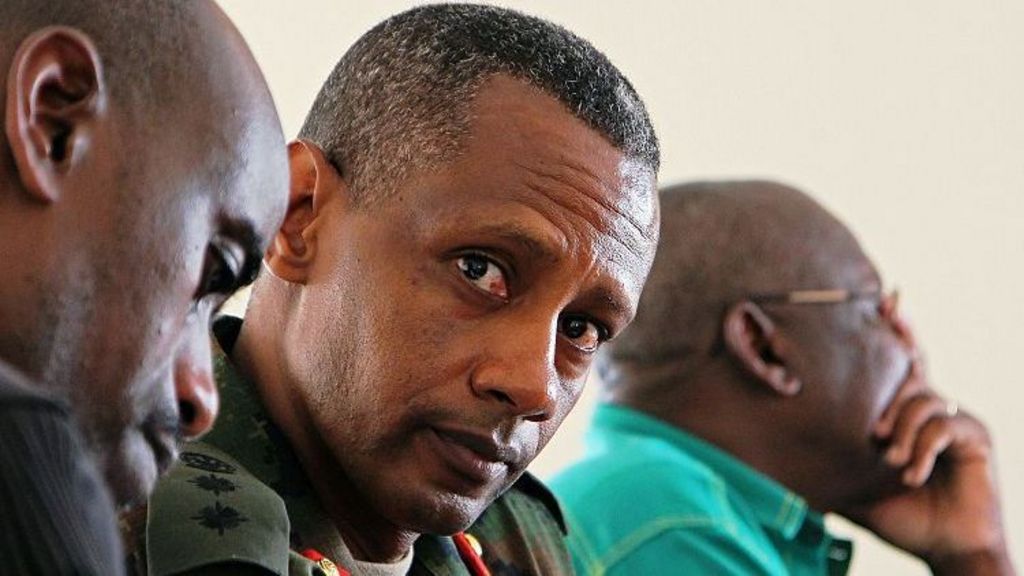
Ex-head of Rwanda’s presidential guard dies in jail 12 years after his arrest
Tom Byabagamba, the 59-year-old former commander of Rwanda’s presidential guard and one-time personal bodyguard to President Paul Kagame, has died while serving a 15-year prison sentence, a development that has reignited longstanding concerns from global human rights organizations about the Rwandan government’s treatment of political dissent.
Byabagamba was first taken into custody in 2014 alongside Frank Rusagara, a retired brigadier-general and former defense ministry secretary-general who was also his brother-in-law. The pair were charged with two widely criticized offenses: spreading unsubstantiated rumors and damaging the reputation of Rwanda and its ruling government. From the opening of his legal proceedings through the conclusion of his appeals process, Byabagamba consistently rejected all allegations against him, maintaining that the charges had been manufactured as a political weapon to silence him.
In 2016, a Rwandan military court found both men guilty and handed down harsh sentences: Byabagamba was originally sentenced to 21 years behind bars, a term that was later cut to 15 years following an appeal. Rusagara received a 20-year prison term. In a tragic parallel to Byabagamba’s death, Rusagara died in custody in March 2023, becoming the second member of the pair to die behind bars after almost a decade of detention.
Details surrounding Byabagamba’s death remain unclear, according to his brother David Himbara. Himbara told the BBC’s Great Lakes service that the family has been given no official information on the cause of death, noting that no family member has been permitted to visit Byabagamba at any point during his decade in detention. This mirrors the circumstances of Rusagara’s death: at the time of his passing, Human Rights Watch (HRW) described it as the “lonely death of a general,” highlighting that Rusagara’s family had not had any contact with him since just days before his 2014 arrest. Authorities only notified his relatives that he had been suffering from terminal cancer after his death, the organization confirmed.
International rights and advocacy groups have long documented what they describe as a consistent pattern of repression targeting political opponents and government critics under President Kagame’s administration. Both Byabagamba and Rusagara’s trials were deeply flawed according to HRW, with credible claims of torture and widespread witness tampering marring the legal process. Washington D.C.-based campaign group Freedom Now has also repeatedly criticized the men’s detention as arbitrary, saying it violated fundamental international human rights law standards. Both groups have renewed their calls for transparency following Byabagamba’s death.
Byabagamba is survived by his wife and two sons.
-
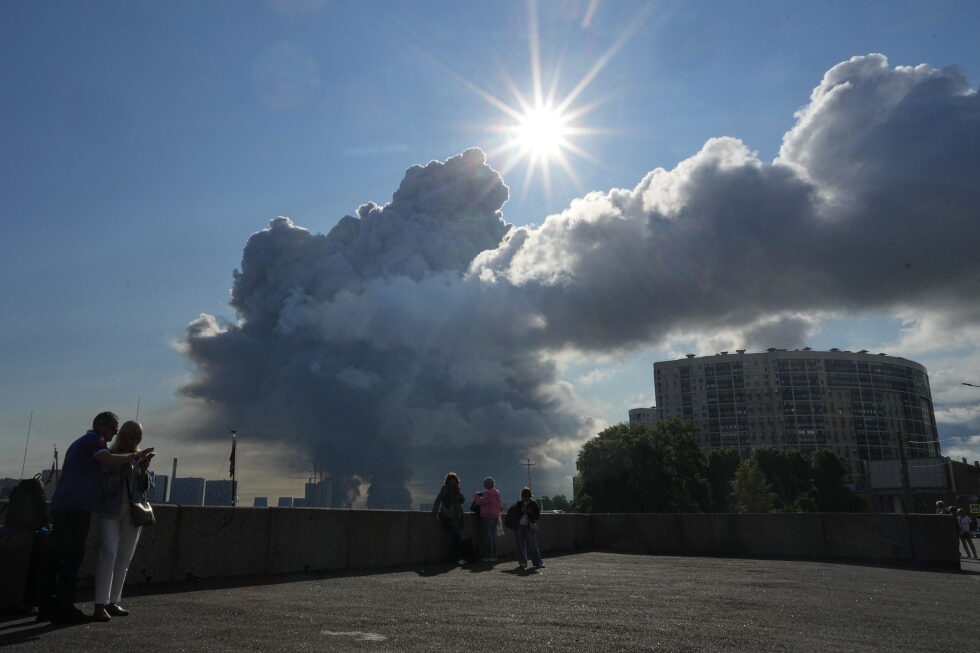
A Wildberries depot in Russia is hit again and destroyed as Ukraine extends its drone campaign
In a dramatic escalation of Ukraine’s cross-border aerial campaign, Ukrainian long-range drones have completely destroyed a major logistics warehouse operated by Russia’s largest e-commerce giant Wildberries — marking the second strike on the same facility in just over a month, local Russian authorities confirmed Wednesday.
Located in Russia’s Tambov region, hundreds of kilometers southeast of Moscow and far from the Ukrainian front lines, the depot first came under Ukrainian attack on July 18. That initial strike killed seven people and opened a new chapter of sustained drone assaults on Wildberries infrastructure that has rippled across Russian territory in recent weeks. Often compared to U.S. retail giant Amazon for its market dominance and central role in Russian domestic commerce, Wildberries has become a key target for Ukrainian forces. Kyiv officials say the company’s product catalog includes military equipment and technical components that directly support Russia’s military operations in Ukraine.
The expanded drone campaign, enabled by advances in Ukrainian unmanned aerial technology developed after Russia’s full-scale invasion in February 2022, has hit dozens of Wildberries facilities across Russia in recent weeks. Beyond disrupting potential military supply chains, the strikes advance Ukraine’s war objectives in two critical ways: they sow uncertainty and anxiety among Russian civilian populations living far from the combat zone, and they create growing strain on the Russian domestic economy.
The strike on the Tambov depot left two people injured, regional governor Yevgeny Pervyshov confirmed. A 19-year-old man suffered a concussion, while a 49-year-old woman sustained a broken finger. Wildberries itself acknowledged the overnight attack and subsequent fire, confirming all personnel were evacuated from the facility, but declined to comment further on the scale of damage. In a separate drone incident Wednesday in Russia’s Lipetsk region, south of Moscow, a falling drone crashed into a residential home and sparked a fire, killing two people and wounding two more, regional governor Igor Artamonov reported.
Wildberries is not the only critical economic target Ukraine has prioritized in its recent drone offensive. Ukrainian forces have also repeatedly targeted Russian oil infrastructure, the backbone of Russia’s state revenue and global economic power as one of the world’s top energy producers. On Wednesday, unconfirmed reports emerged of a large fire at an oil refinery in Russia’s Nizhny Novgorod region, an area that has faced multiple Ukrainian drone strikes in recent months. Regional governor Gleb Nikitin confirmed an attack had caused damage to an unspecified industrial facility, but offered no further details on the site’s identity or the extent of destruction.
The latest wave of drone strikes comes amid consistent heavy exchanges of fire across the conflict. Russia has responded to the nightly drone assaults with large-scale missile and bomb attacks on Ukrainian territory, launching volleys of ballistic missiles, cruise missiles, glide bombs and jet-powered drones that have killed thousands of Ukrainian civilians since the full-scale invasion began. On Wednesday, the Russian Ministry of Defense announced that its air defense systems shot down 426 Ukrainian drones overnight across 15 Russian regions and the illegally annexed Crimean Peninsula. Ukraine has stated its strategy of launching mass drone attacks nearly every night is designed to overwhelm Russian air defense networks, increasing the likelihood that drones reach their intended targets.
In the wake of the strike, Russian President Vladimir Putin has already issued a new decree that allows the Russian state to seize control of private infrastructure damaged in Ukrainian drone attacks, according to related reporting on the conflict.
-
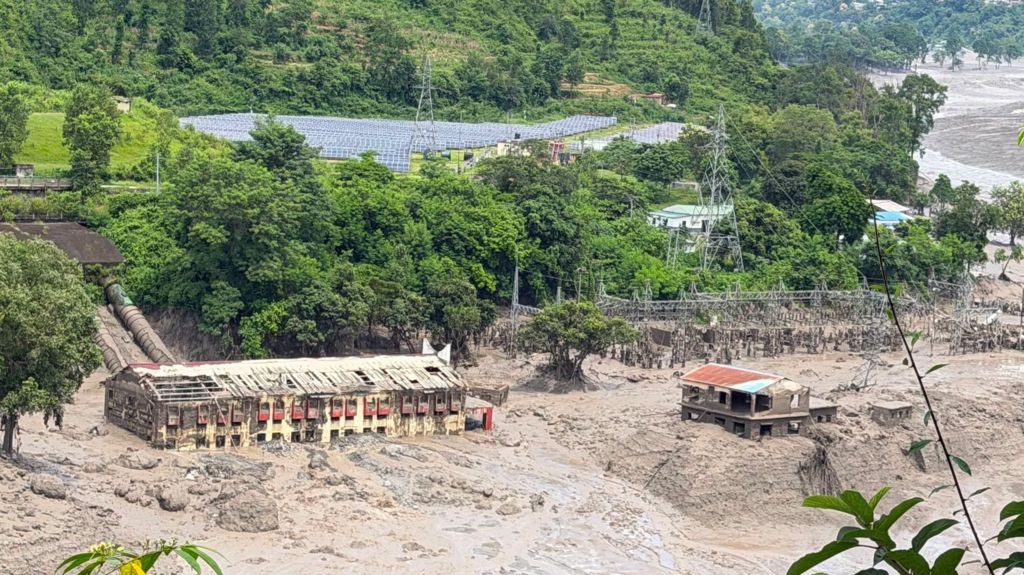
Heavy casualties feared as flash flood sweeps across parts of northern Nepal
A catastrophic flash flood that swept through remote districts of northern Nepal early Wednesday has left entire communities submerged, critical infrastructure destroyed, and dozens of people unaccounted for, with emergency officials warning the final casualty toll could be severe.
The disaster struck Rasuwa district, a mountainous border region located roughly 60 miles north of Nepal’s capital Kathmandu that shares a frontier with China’s Tibet Autonomous Region and serves as the backbone of Nepal-China trade routes. According to local disaster officials, the flood originated when sudden glacial melt from the Himalayan plateau surged into the Bhote Koshi River, which flows across the border into Nepal, triggering a fast-moving wall of water that overwhelmed river banks and downstream communities.
In the hours after the flood hit, initial reports paint a grim picture of destruction. Entire villages along the river have been washed away, and a major hydropower dam in the region has sustained significant damage, raising further risks of downstream flooding for low-lying areas. Several districts along the river’s lower course have already been placed on the highest level of alert, as authorities work to evacuate at-risk populations.
Narendra Pariyar, chief district officer of Rasuwa, told reporters that it remains too early to calculate the full scope of damage, though preliminary assessments confirm destruction is widespread. As of Thursday morning, search and rescue teams have pulled 12 people from flood-hit areas, but operations have been hampered by damaged communication infrastructure, which has left large swathes of the district without mobile or radio signal.That communication blackout has left families and employers waiting for news of missing loved ones and workers. Yee Liang, a Chinese business owner based in Kathmandu, told the BBC his logistics firm had seven container trucks operating along the flood-hit trade route when the disaster hit, with all seven Nepali crew members unaccounted for. “There was no warning ahead of the flood,” Yee said. “While occasional mudslides and landslides are common here during monsoon season, this event is far more severe than anything we have seen in recent years.”
Authorities confirmed Thursday that 13 armed police officers stationed at two outposts in Rasuwa are officially missing, and dozens of additional law enforcement personnel deployed across the district have also not been reached. Nepal’s federal disaster management authority has issued an urgent advisory urging all residents living along river banks in high-risk zones to move to higher ground immediately and take emergency precautions.Nepali Prime Minister Balendra Shah held an emergency cabinet meeting shortly after the disaster to coordinate response efforts, announcing in a subsequent social media post that search and rescue operations are already underway in partnership with local medical teams, scout organizations, and the Nepal Red Cross Society.
This is not the first major flood to hit Rasuwa in the last 12 months. In 2025, a similar glacial outburst flood originating on the Chinese side of the border killed 18 people in the district. But officials familiar with the situation told the BBC Wednesday’s disaster is already on track to be far deadlier and more destructive than last year’s event, highlighting the growing risk of glacial melt-driven disasters in the Himalayan region as global temperatures rise. -
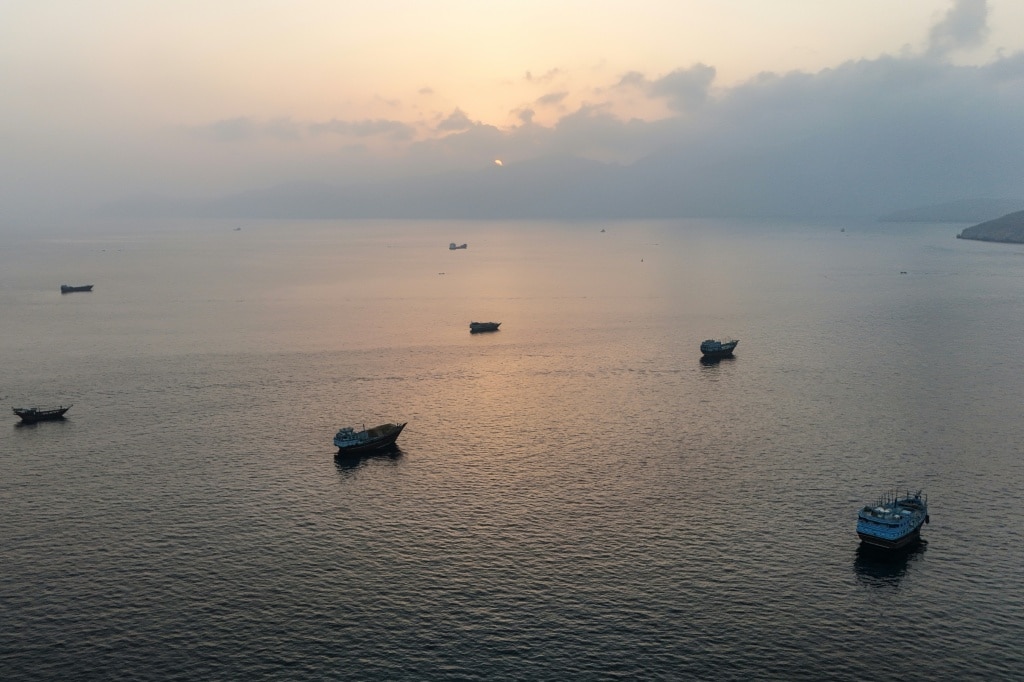
Iran says Hormuz strait still closed despite transit corridor talks
Nearly six months into the open conflict between the United States, Israel and Iran, the strategic Strait of Hormuz remains closed to most commercial and all military traffic, Tehran’s top diplomatic officials confirmed Wednesday, even as discussions with Oman over a proposed temporary transit corridor and joint mine-clearing operations move forward. The closure, which has already upended global energy markets by blocking roughly 20% of the world’s daily oil and liquefied natural gas exports, will remain in place until Washington fulfills its unmet commitments from a June bilateral memorandum of understanding, ends its military campaign against Iran and lifts harsh economic sanctions, Iranian Deputy Foreign Minister Kazem Gharibabadi told state news agency IRNA.
-
Release of Marine veteran from Russian custody turns focus to other detainees with health concerns
The long-awaited release of U.S. Marine veteran Robert Gilman from Russian custody earlier this month has brought his family a long-desired homecoming, but it has also cast a harsh new spotlight on the plight of dozens of other American detainees still held in Russian prisons, many of whom are battling untreated health conditions in substandard correctional healthcare systems.
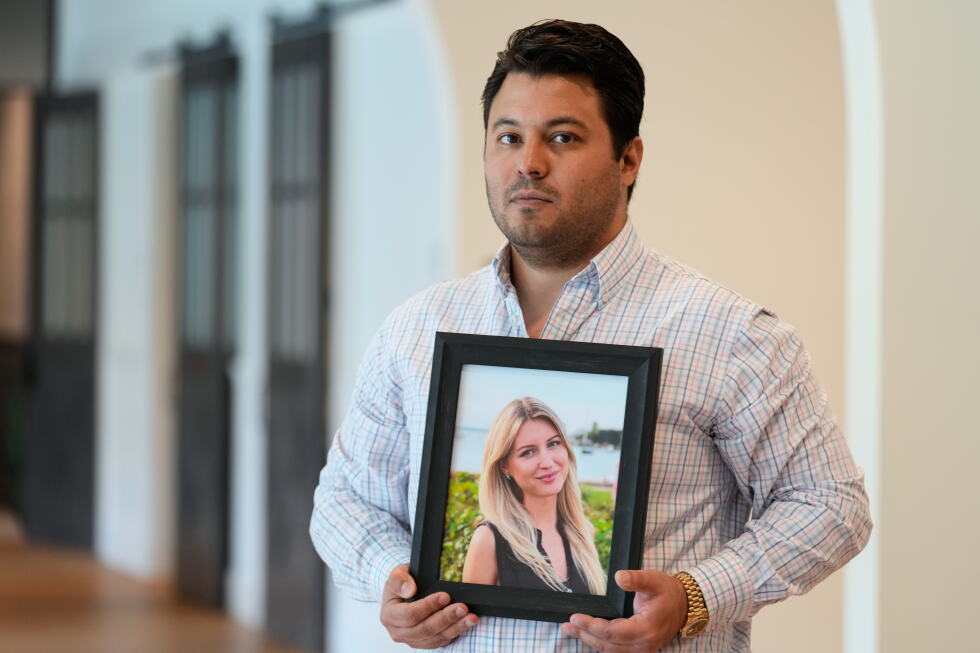
As Harold Jezler, whose wife Olga has been detained in Russia since 2022, watched media coverage of Gilman’s return, the 36-year-old’s gaunt, visibly unwell appearance struck a nerve. Jezler, who already waits anxiously for updates on Olga’s progressing endometriosis, says Gilman’s condition raised alarming questions about how the U.S. prioritizes detainee releases. “You just look at the pictures and the guy is not in good shape. It’s concerning for me and for all the families, I would imagine,” Jezler told The Associated Press in an interview. “Is this what it takes for the government to really make a move and prioritize this — that the person is basically in dire straits? It was a very bittersweet thing to see that.”
Gilman is only the latest American to be released from Russian custody in a years-long string of prisoner exchanges and negotiated releases. But his freedom has done nothing to resolve the crisis of the dozens of Americans still behind bars there. Advocates and family members report that many of the remaining detainees are living with serious, unmanaged medical conditions, receiving inadequate care that has amplified urgency for renewed diplomatic action to bring them home.
Among those still detained are a Navy veteran living with chronic gastrointestinal illness, a man with a life-altering autoimmune disease, another detainee with severe, untreated dental damage, and Olga Jezler, who was diagnosed with endometriosis after her 2022 arrest. Olga traveled to Russia to visit her sister, who was battling cancer, and was detained on charges of possessing legally permitted CBD capsules. Her condition has progressed, with a growth on her ovary steadily expanding; her family fears Russian medical providers will opt to fully remove the ovary rather than pursue fertility-sparing treatment that would standard in the U.S., permanently ending her chance to have children. The couple recently marked their seventh wedding anniversary, the fifth they have spent apart. “She’s been there way over half our marriage,” Harold Jezler lamented.
Eric Lebson, chief strategy officer for Global Reach — an organization that advocates for hostages and detainees and represents multiple Americans jailed in Russia — says there is no excuse for waiting until detainees are on the brink of death to prioritize their release. “These are American citizens who are innocent of violations of Russian law. They’re being held in Russia because they are Americans or because they have American status, and we shouldn’t need to wait for their health to be on the brink of death for there to be an urgency to bring them home,” Lebson said.
Former detainee Paul Whelan, a Michigan man who spent more than five years in Russian custody on baseless espionage charges before being released in a 2024 high-profile prisoner swap, says he has firsthand knowledge of the poor quality of Russian prison healthcare. Whelan, who believes he received better care than most detainees due to his high-profile status and value as a bargaining chip, described systemic deficiencies during his detainment. When COVID-19 spread through Russian prisons, he says authorities distributed extra raw onions as a supposed immunity boost. Prisoners with damaged teeth typically had them pulled instead of receiving restorative care, first-aid supplies were so scarce that inmates had to fashion makeshift bandages, and fresh produce could only be obtained by bartering with guards. When Whelan finally received emergency middle-of-the-night surgery for a hernia he had complained about for months, he watched medical staff pick up dropped instruments off the floor and put them directly back into the surgical tray. “The poor conditions are part of the punishment,” Whelan explained. “You are supposed to get less of everything than normal citizens would get.”
The poor state of Russian prison healthcare is not a new revelation. The issue has drawn international scrutiny for decades, dating back to the 2009 death of Russian whistleblower lawyer Sergei Magnitsky, who died from untreated pancreatitis. More recently, U.S. Marine veteran Trevor Reed reported severe health complications including coughing up blood, lung pain, and a broken rib before his 2022 release.
Gilman, a Massachusetts teacher who had been detained since 2020 on disputed assault charges the U.S. government calls false, was in extremely poor condition by the time he was released. Lebson says Gilman spent 47 days in a “dissociative stupor” from prison abuse before being transferred to a hospital, where he was placed on a feeding tube and handcuffed to his bed. Liz Richards, director of hostage advocacy and research at the Foley Foundation, says images of Gilman’s frail condition on his flight home confirm he never received the care he needed while imprisoned. “I really do think Russia realized, if we don’t release him, he is going to die, and that would create an international incident between our two countries — to have a Marine Corps veteran, an American, die in custody in Russia because of their treatment,” Richards said.
The current crisis is exemplified by the case of 59-year-old Chuck Zimmerman, who was intercepted by the Russian navy in international waters in June 2022 while sailing from the U.S. to New Zealand. Russian authorities charged him with transporting firearms on his yacht, though his representatives note he voluntarily disclosed the weapons after arriving at the Black Sea port of Sochi. He was sentenced to five years in prison, and within months began experiencing excruciating stomach pain so severe he induced vomiting to find temporary relief. Initial Russian tests failed to identify the cause, but independent medical consultations arranged by advocacy groups point to possible diagnoses including a gastric ulcer, pancreatitis, or a hiatal hernia with gastric bypass disorder. “It’s heart-wrenching to know that he’s having to make himself do that to stop the pain,” said his sister Robin Stultz. “It’s hard for me to sit down and eat dinner knowing that he’s throwing up his.”
In recent weeks, 16 U.S. senators sent a letter to Secretary of State Marco Rubio, citing Gilman’s weakened condition to push for more aggressive action to secure the release of five detained Americans beyond Zimmerman and Jezler: Aleksandr Antonov, who lives with a traumatic brain injury; Andre Khachatoorian, jailed for nearly five years with an autoimmune disease; and David Barnes, who needs urgent dental surgery. Other Americans still in Russian custody include Stephen Hubbard, accused of fighting as a mercenary in Ukraine and classified as wrongfully detained by the U.S., and Travis Leake, an American rock musician held on drug charges. Richards estimates that roughly 28 Americans are currently detained in Russia, with six classified as wrongfully detained by the U.S. government.
In response to inquiries, the U.S. State Department said it is aware of concerns about inadequate medical care for detained Americans and continues to raise the issue directly with Russian authorities. The Russian Federal Penitentiary Service did not respond to requests for comment.