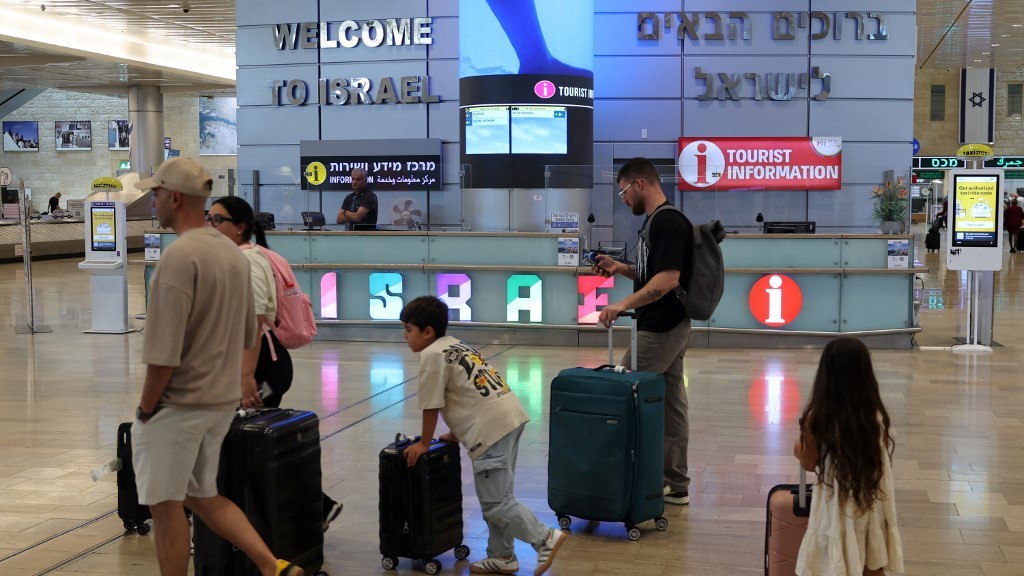
Israel is facing an unprecedented wave of emigration, with record numbers of citizens leaving the country since 2020. A report by the Knesset’s Research and Information Center (RIC) reveals that between 2020 and 2024, approximately 145,900 more Israelis departed for the long term than returned. This alarming trend has sparked concern among policymakers, who fear the implications of a declining Jewish population in the state. The exodus has been particularly pronounced in recent years, with 59,400 Israelis leaving in 2022 and 82,800 in 2023—a surge partly attributed to the onset of the Gaza war in October 2023. Cities like Tel Aviv, Haifa, Netanya, and Jerusalem have seen significant numbers of residents departing. The report was prepared for a session of the Knesset Committee for Immigration, Absorption and Diaspora Affairs, where MP Gilad Kariv described the situation as a ‘tsunami.’ Kariv emphasized that the trend threatens the resilience of Israeli society and is a direct result of government actions that have fractured society and neglected civilian concerns. He called for urgent intervention from Prime Minister Benjamin Netanyahu to address the issue, warning that the current government’s priorities are exacerbating the problem and undermining Zionist values.
分类: world
-

Cambodian PM opens kingdom’s biggest international airport
Cambodia has taken a monumental leap in its aviation and economic development with the inauguration of the Techo International Airport on October 20, 2025. Prime Minister Hun Manet, accompanied by First Lady Lok Chumteav Dr. Pich Chanmony Hun Manet, officially opened the kingdom’s largest and most advanced airport, marking a significant milestone in the nation’s history. The $2.3 billion world-class facility, spanning 2,600 hectares in southern Kandal and Takeo provinces, is strategically located more than 20 kilometers from the capital, Phnom Penh. The Techo International Airport, classified as a 4F-level facility, is designed to enhance air travel and cargo transport, positioning Cambodia as a key hub in Southeast Asia. Prime Minister Hun Manet emphasized that the airport reflects Cambodia’s long-term development vision and will serve as a catalyst for attracting tourists, investors, and fostering economic growth. Mao Havannall, Minister of the State Secretariat of Civil Aviation, highlighted the airport’s role as a critical bridge connecting Cambodia to the global stage, driving tourism, logistics, and economic expansion. The new airport replaces the aging Phnom Penh International Airport, which ceased operations on September 8, 2025. The former airport will be preserved as a reserve runway or transformed into a public park and aviation museum, offering benefits to Phnom Penh residents. The Techo International Airport is poised to redefine Cambodia’s aviation landscape and bolster its position in the global economy.
-
Aerial photos reveal Guizhou’s dramatic karst landscape
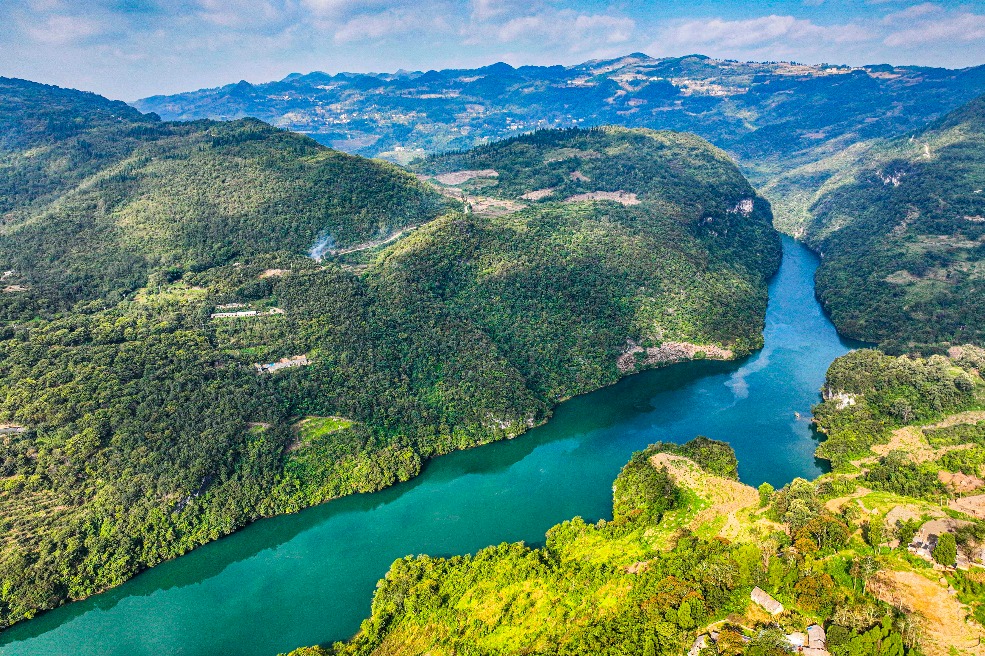
Recent aerial photographs have unveiled the breathtaking karst landscapes of Guizhou province, showcasing its dramatic gorges and serpentine rivers that sculpt the region’s natural beauty. The images, captured near Qianxi city along the upper reaches of the Wujiang River, highlight the crystal-clear waters meandering between towering cliffs. This area exemplifies quintessential karst topography, with jagged mountain peaks of diverse shapes rising abruptly from the canyon’s edges, creating a rugged and awe-inspiring vista. The photographs not only underscore the geological uniqueness of Guizhou but also serve as a testament to the province’s natural wonders, drawing attention to its potential as a destination for eco-tourism and geological studies. The striking visuals provide a rare perspective on one of China’s most distinctive landscapes, emphasizing the interplay of water and rock that has shaped this region over millennia.
-
‘People can breathe’: Hope for peace on Afghan-Pakistan border
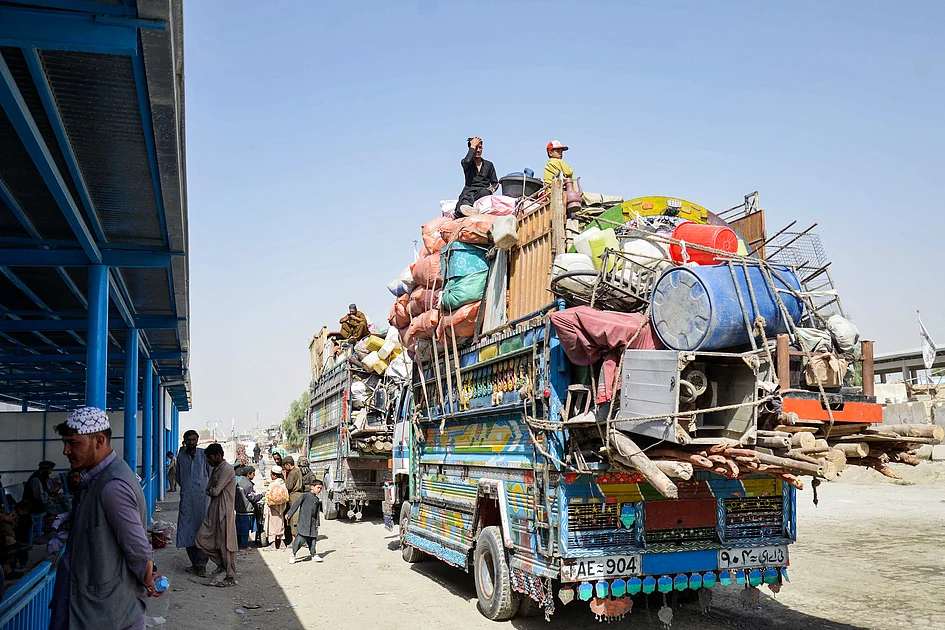
After a week of intense violence, a new ceasefire agreement between Afghanistan and Pakistan has sparked hope for peace and the revival of vital cross-border trade. The clashes, which erupted following explosions in Kabul on October 9, led to retaliatory strikes and significant casualties on both sides. The Taliban government accused Pakistan of orchestrating the blasts, prompting Islamabad to vow a robust response. After initial 48-hour truce on Wednesday, further Pakistani strikes on Friday targeted armed groups allegedly harbored by the Taliban. However, a second ceasefire was approved on Sunday, bringing relief to border communities. Residents in Torkham, a key crossing point, have begun to resume daily activities, with bakers, vendors, and shopkeepers returning to work. Over 1,500 trucks laden with essential goods remain stranded, highlighting the economic toll of the conflict. Abdul Rahman Habib, a Taliban economy ministry spokesman, warned of rising prices, unemployment, and market instability if trade disruptions persist. Both sides have emphasized the need to separate trade from political disputes. Peace talks in Doha, Qatar, have laid the groundwork for lasting peace mechanisms, though details remain undisclosed. Locals on both sides of the border, heavily reliant on cross-border trade, expressed optimism for a durable resolution to the conflict.
-
Cash-strapped Gazans left disappointed as first banks reopen
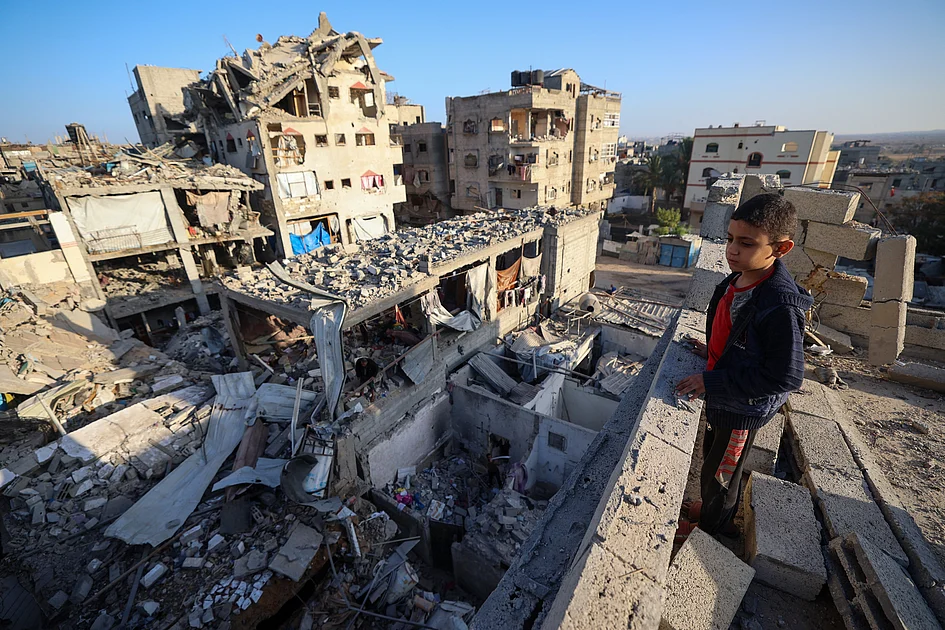
In the war-torn Gaza Strip, the reopening of two bank branches on Sunday brought a glimmer of hope to cash-strapped residents, only to leave them disillusioned once again. Despite the long-awaited resumption of banking services, the branches lacked the necessary liquidity to meet the demands of eager customers. Ahmad Abu Foul, a 38-year-old resident of Khan Yunis, expressed his frustration after failing to withdraw his salary, a situation emblematic of the broader financial crisis gripping the region. The Bank of Palestine’s reopening marked the first such event since March, when a truce collapsed, but the absence of usable currency has rendered the move largely symbolic. Over the past two years, since Hamas’s cross-border attack on Israel and the subsequent military response, Gaza’s financial system has been in disarray. Israeli shekels, the primary currency, have become trapped in a closed loop of small-scale commerce, with many notes deteriorating to the point of being unusable. UN experts have criticized Israel’s ‘financial stranglehold’ on Gaza, citing the destruction of banks and ATMs, the blockade on new currency inflows, and the disruption of digital payments due to frequent power and communication outages. While a recent ceasefire brokered under U.S. pressure has provided a temporary reprieve, the lack of liquidity continues to exacerbate the humanitarian crisis. Residents like Taysir Abu Shabak and Mahmud Nassar lament the exorbitant fees charged by merchants for cash withdrawals, further draining their already meager resources. Nada Abu Amra, a 33-year-old from Deir al-Balah, voiced the collective exhaustion of Gazans, who simply seek access to enough funds to purchase basic necessities. The discovery of large sums of cash in tunnels beneath Gaza, allegedly linked to Iran’s support for Hamas, has done little to alleviate the plight of ordinary citizens. As the region grapples with rampant inflation and a crumbling financial infrastructure, the reopening of banks without liquidity underscores the enduring challenges faced by Gaza’s population.
-

Paris Louvre heist lays bare museum security complaints
A daring heist at the Louvre Museum in Paris has reignited concerns over the security of France’s cultural treasures. Thieves armed with power tools broke into the museum, making off with priceless royal jewels, including crowns and necklaces adorned with sapphires and emeralds. The incident has sparked outrage and raised questions about the adequacy of security measures at one of the world’s most visited museums, which spans 73,000 square meters and houses approximately 35,000 works of art. The robbery occurred just months after museum employees and unions had warned of significant security flaws, including staff reductions that have left the institution vulnerable. Despite a recent security audit and recommendations for improvements, the implementation of these measures appears to have been insufficient. The French government has now pledged to accelerate a $930 million renovation project, which includes a comprehensive security overhaul. However, critics argue that the response has been reactive rather than proactive, leaving France’s cultural heritage at risk. The Louvre is not alone in facing such threats; other French museums have also been targeted, highlighting a growing trend of museum thefts across the country. Authorities are now scrambling to recover the stolen artifacts and prevent future breaches.
-
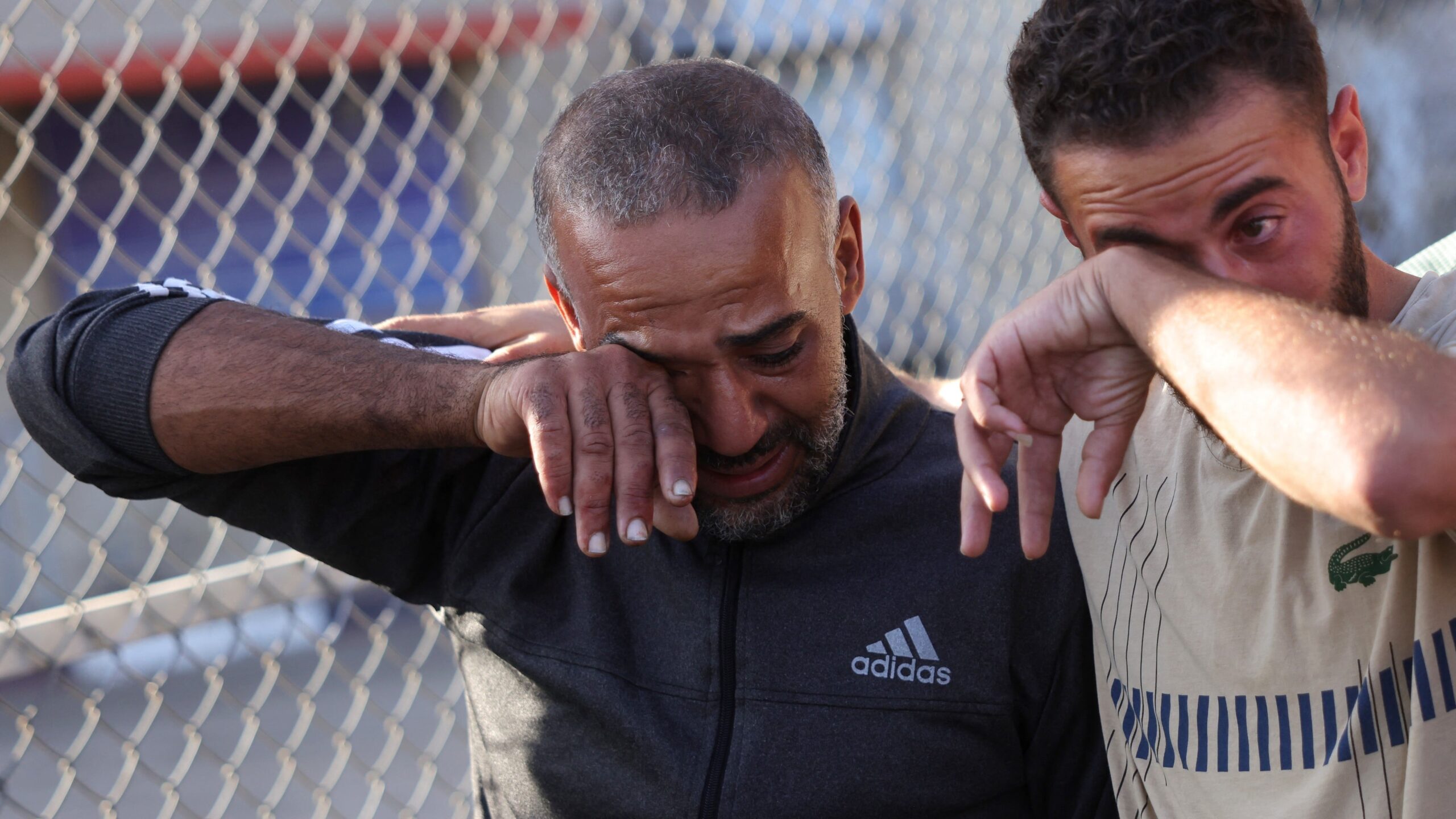
Scores of Palestinians dead, regular arrests: Israel’s ceasefire violations in Gaza so far
As the conflict between Israel and Hamas intensifies, the fragile US-mediated ceasefire in Gaza is on the brink of collapse. On Sunday, Israel launched a series of devastating airstrikes across the besieged territory, claiming retaliation for an alleged Hamas attack on its troops in southern Rafah. The Israeli military reported that the assault involved rocket-propelled grenades and sniper fire, though Hamas’ armed wing, the Izz al-Din al-Qassam Brigades, denied any involvement and reaffirmed its commitment to the truce.
Since the ceasefire took effect on October 11, Israeli forces have been accused of over 80 violations, including artillery fire, airstrikes, and the arrest of civilians. Palestinian authorities report that these breaches have resulted in the deaths of at least 97 people and injuries to over 230 others. The deadliest incident occurred on Sunday, with more than 100 airstrikes targeting areas such as Rafah, Khan Younis, Jabalia, and central Gaza. Among the casualties were civilians, journalists, and displaced families seeking refuge.
Beyond the violence, Israel has also violated the ceasefire’s humanitarian provisions. Despite an ongoing prisoner exchange, Israeli forces have detained Palestinians in Gaza and the occupied West Bank. The Gaza media office reported that 14 individuals were arrested, with five released after enduring abuse. Additionally, Israel has restricted the entry of essential aid into Gaza, despite the agreement stipulating the daily delivery of 400 aid trucks, a figure far from being met.
The situation has drawn widespread condemnation, with rights groups accusing Israel of exacerbating the humanitarian crisis in Gaza. The Government Media Office in Gaza described the aid entering the territory as a ‘drop in the ocean,’ insufficient for the 2.4 million residents. As the violence escalates and the ceasefire teeters, the international community faces mounting pressure to intervene and restore peace in the region.
-
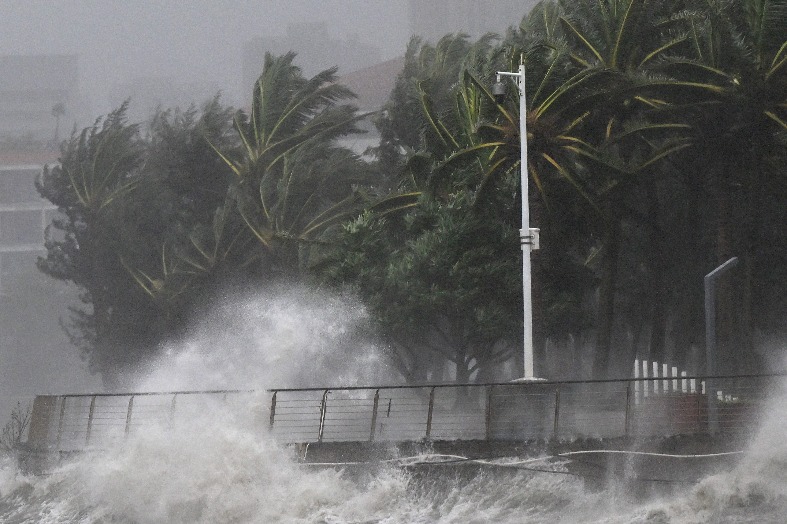
Blue alert issued for Fengshen, 24th typhoon of the year
China’s National Meteorological Center has raised a blue alert for Typhoon Fengshen, the 24th typhoon of the year, as it gains strength over the South China Sea. As of 5 am on Monday, the storm’s center was positioned approximately 520 kilometers east of Sansha city in Hainan province. Currently classified as a tropical storm, Fengshen boasts maximum sustained winds of 23 meters per second, with its wind field extending 220 to 280 kilometers from the center. The typhoon is projected to move northwest at a speed of 20 to 25 kilometers per hour, potentially escalating into a severe tropical storm or even a full-fledged typhoon, with wind speeds reaching 30 to 35 meters per second. By Tuesday, a cold front is expected to redirect Fengshen southwestward toward the central coast of Vietnam, where it will likely weaken. Over the next three days, the storm is set to unleash heavy rainfall and strong winds across eastern and northern Taiwan, the coastal regions of Fujian and Guangdong provinces, Hainan Island, and the northern South China Sea. From 8 am Monday to 8 am Tuesday, northern Taiwan is forecast to experience torrential rains, with some areas receiving 100 to 200 millimeters of precipitation. Concurrently, a cold front will sweep across central and eastern China, causing temperatures to plummet by 4 to 6 degrees Celsius, with some regions experiencing drops of up to 8 degrees Celsius. The combined influence of the cold front and Typhoon Fengshen will also result in powerful winds across the southern East China Sea, Taiwan Strait, and northern and central South China Sea, with gusts reaching up to 36.9 meters per second, prompting the issuance of a yellow alert for strong winds.
-
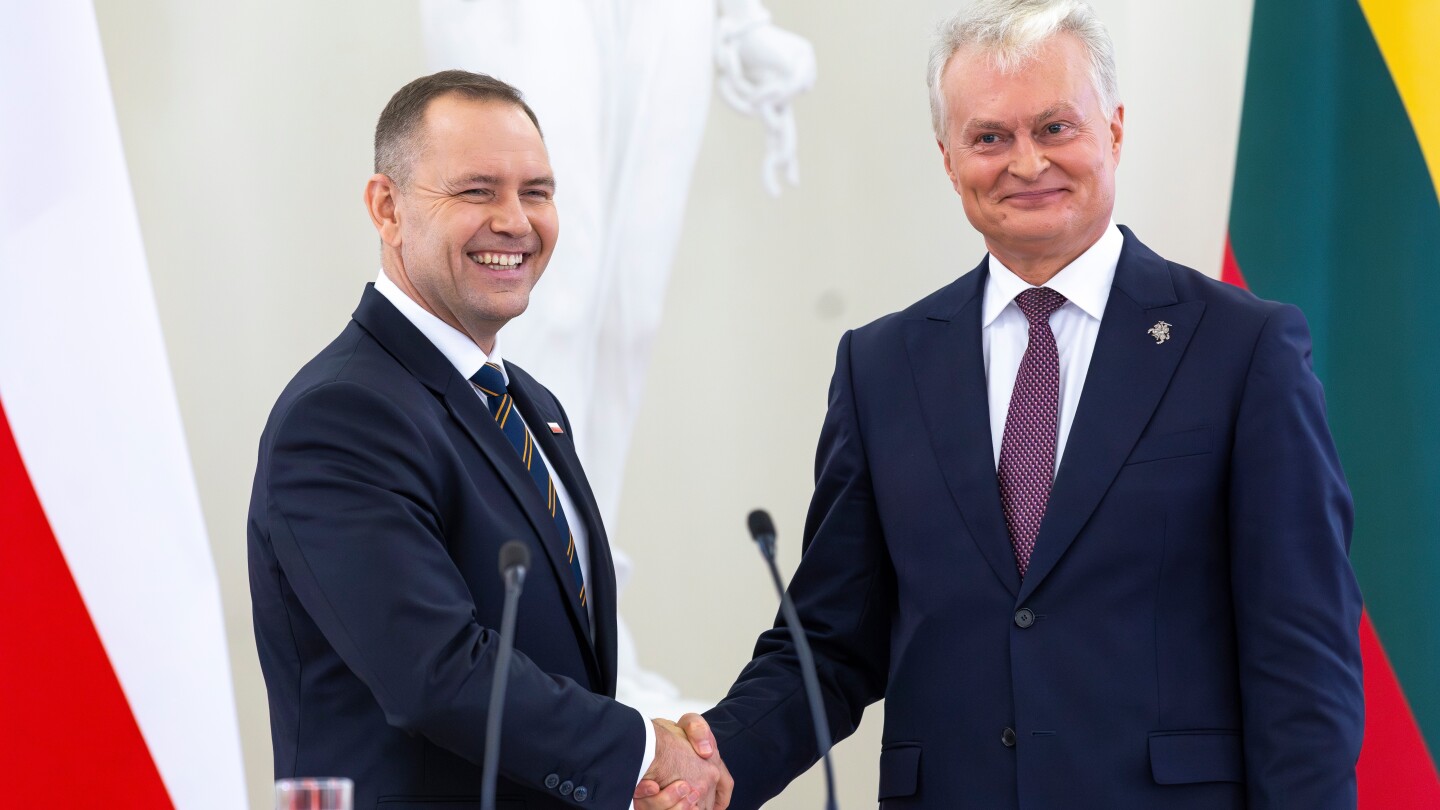
New road linking Baltic states to Poland opens at a time of tensions with Russia
In a significant development for regional connectivity and security, the Via Baltica, a major road linking the Baltic states to Poland, was inaugurated on Monday. This opening comes at a time of heightened tensions between Europe and Russia, particularly following recent incursions of Russian drones into Polish territory and fighter jets into Estonian airspace in September. The 970-kilometer (600-mile) route, which forms part of the European E67 highway, stretches from Warsaw, Poland, through Lithuania, Latvia, and Estonia, culminating in Tallinn. The road traverses the strategically sensitive Suwalki Gap, a narrow strip of land between Belarus and Russia’s Kaliningrad exclave, often cited as a potential flashpoint in any conflict involving NATO and Russia. At the inauguration ceremony on the Polish-Lithuanian border, Polish President Karol Nawrocki and Lithuanian President Gitanas Nausėda emphasized the dual significance of Via Baltica, highlighting its role in bolstering both economic growth and regional defense. Nawrocki stated, ‘This road has a dual purpose – it will help our economy and strengthen the defense capabilities of our region.’ Nausėda echoed these sentiments, describing the road as a symbol of ‘freedom, prosperity, and security,’ while underscoring its economic and logistical importance in connecting Lithuania to the broader European market. The four-lane A5 highway, linking Kaunas, Lithuania’s second-largest city, to Suwalki in Poland, is a key component of Via Baltica. However, some northbound sections remain two lanes and are slated for future expansion, according to Lithuania’s Transportation Ministry. The road’s strategic value lies in its potential to facilitate faster NATO troop movements in the event of a crisis, reinforcing the Baltics’ defense posture amidst ongoing regional instability.
-
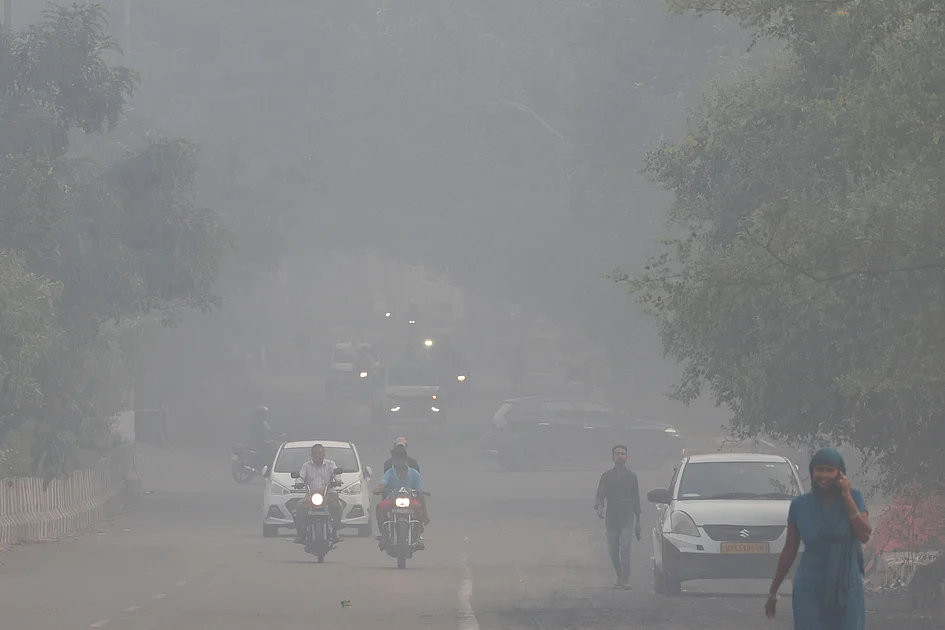
India: Toxic haze chokes Delhi; pollution soars to over 16 times’ ideal levels
New Delhi, India’s bustling capital, is grappling with an unprecedented environmental crisis as a thick, toxic haze envelops the city. On Monday, air pollution levels surged to over 16 times the World Health Organization’s recommended daily maximum, posing severe health risks to its 30 million residents. The city, already notorious for its poor air quality, faces a deadly combination of emissions from crop burning, industrial activities, and heavy vehicular traffic. The situation has been exacerbated by cooler air trapping pollutants close to the ground and the widespread use of fireworks during Diwali, the Hindu festival of lights. Despite the Supreme Court’s allowance of ‘green firecrackers’ designed to reduce pollution, the ban on traditional fireworks was largely ignored. Monitoring data from IQAir revealed PM2.5 levels reaching 248 micrograms per cubic meter in some areas—particles so small they can enter the bloodstream and cause cancer. The government’s Commission of Air Quality Management has warned of further deterioration in air quality and implemented measures such as ensuring uninterrupted power supply to curb diesel generator use. Additionally, Delhi authorities plan to trial cloud seeding this month, a technique to induce rain and clear the air. A Lancet Planetary Health study highlighted the grim reality, estimating 3.8 million deaths in India between 2009 and 2019 were linked to air pollution. The UN children’s agency has also raised alarms about the heightened risk of acute respiratory infections among children due to polluted air.