分类: world

  • Chinese airlines resume Middle East flights amid regional tensions

    Chinese airlines resume Middle East flights amid regional tensions

    Chinese aviation authorities have announced the gradual restoration of flight services to Middle Eastern destinations following extensive safety evaluations. This strategic resumption comes after significant disruptions to regional air travel caused by military actions involving US and Israeli forces against Iran that commenced on February 28th.

    The Civil Aviation Administration of China confirmed that multiple Chinese carriers have implemented carefully coordinated flight schedules to reconnect China with key Gulf destinations. Hainan Airlines successfully operated two round-trip flights between Haikou, the capital of Hainan province, and Jeddah, Saudi Arabia, completing journeys on both Monday and Wednesday of this week.

    Air China has outlined an ambitious operational plan, scheduling daily round-trip services between Beijing Capital International Airport and Riyadh, Saudi Arabia throughout the weekend. Simultaneously, the carrier will maintain additional daily round-trip connections between Beijing and Dubai on Friday, Saturday, and Sunday.

    China Eastern Airlines executed a scheduled round-trip operation between Beijing Daxing International Airport and Muscat on Thursday, while China Southern Airlines prepared for a special Friday flight between Guangzhou and Riyadh specifically designated to repatriate stranded passengers and crew members.

    The resumption of these air services follows a period of considerable aviation disruption across multiple Middle Eastern nations, which compelled international carriers to either reroute trajectories or temporarily suspend operations throughout the region. Chinese aviation officials emphasized that all resumed flights underwent rigorous safety assessments before receiving operational clearance.
  • Egypt’s Taba airport becomes escape route for Israelis fleeing Iran war

    Egypt’s Taba airport becomes escape route for Israelis fleeing Iran war

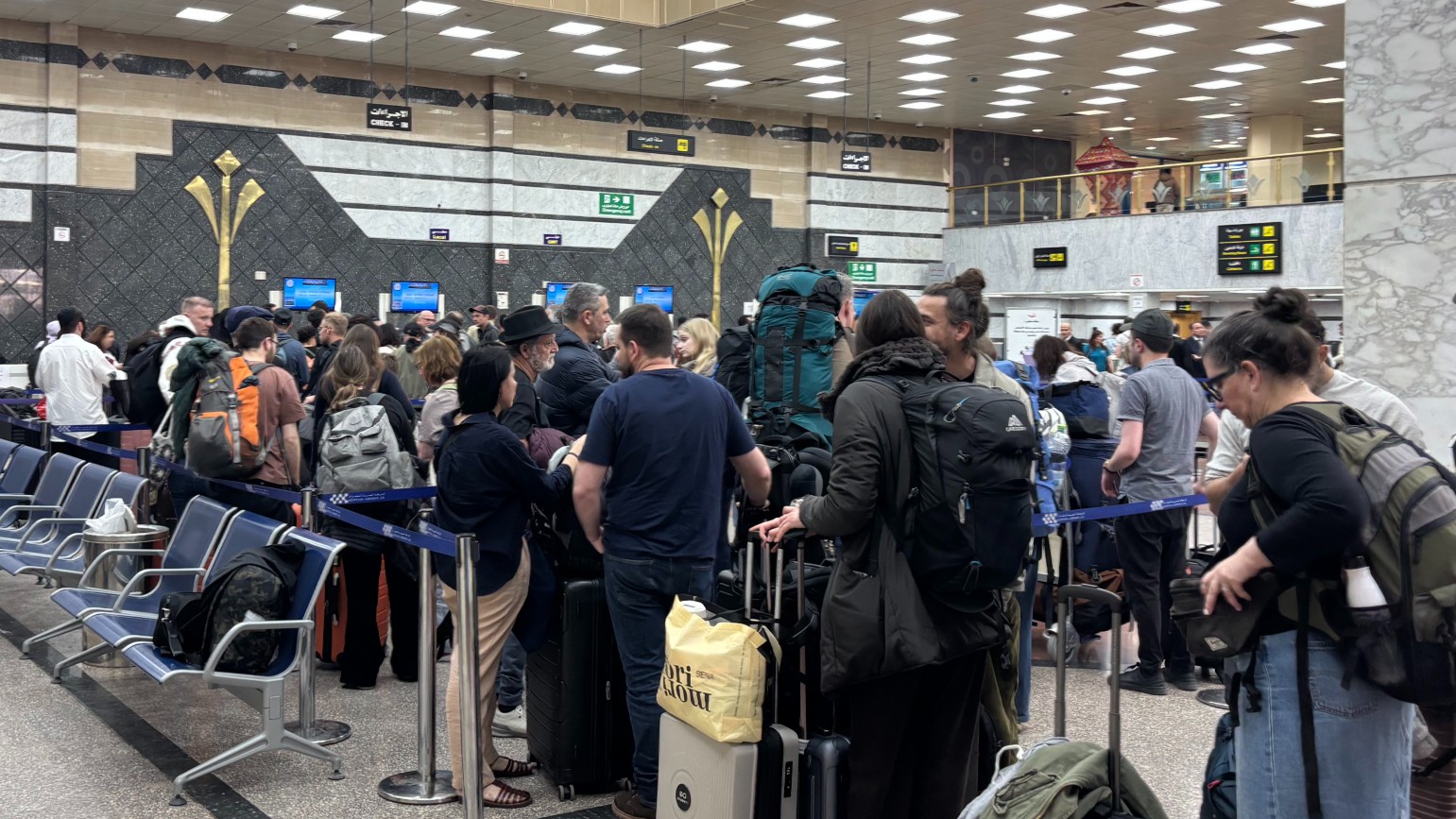
    The tranquil Red Sea resort of Taba, situated at the Egypt-Israel border, has undergone a dramatic transformation into a bustling international transit corridor. This shift follows Israel’s complete airspace closure, implemented in response to its escalating military conflict with Iran that commenced with joint US-Israeli strikes on February 28th.

    The strategically positioned Taba border crossing now witnesses continuous bidirectional movement, with thousands traversing daily. Evacuating foreign nationals and Israelis stream into Egypt to access international flights, while returning citizens and incoming travelers cross into Israel via coordinated bus services. This unprecedented flow has activated the previously underutilized Taba International Airport, which reopened within 48 hours of initial hostilities to accommodate surging demand.

    Israeli airlines Arkia and Israir initiated special flight operations to Athens and six European destinations respectively, joined by Cypriot and Greek carriers. These operations form part of ‘Operation Lion’s Wings,’ Israel’s emergency repatriation program. Notably, flag carrier El Al abstained from Taba operations citing unresolved security apprehensions.

    US Ambassador to Israel Mike Huckabee publicly endorsed the route through social media, directing citizens to tourism ministry-organized buses from major cities to the crossing. Israel’s National Security Council issued specific guidance for transit through Sinai, advising discretion and immediate airport transfer after border processing.

    Travelers report efficient border procedures with consular officials from multiple nations providing assistance. However, the 40-kilometer desert highway journey between border and airport requires independent arrangement, with arriving passengers receiving immediate hydration and snacks before prearranged coach transfers.

    The sudden tourism surge has generated economic opportunities, drawing workers from across Egypt seeking employment in transportation and hospitality. Hotel occupancy in Taba has reached unprecedented levels after years of tourism decline, with rates increasing substantially due to demand.

    Airport personnel confirm consistently fully booked flights, estimating up to 15 daily departures. While approximately 60% of travelers are foreign nationals according to eyewitness accounts, the route also facilitates Israeli departures for those fearing intensified violence.

    The situation evokes memories of similar border activity during the previous summer’s 12-day conflict, though current operations concentrate on Taba’s airport rather than Sharm El Sheikh’s facility. This vibrant transit activity presents stark contrast to the tightly restricted humanitarian situation at Gaza’s Rafah crossing, merely 200 kilometers distant, highlighting the region’s complex geopolitical realities.

  • Gaza’s fragile humanitarian lifelines in Israel’s crosshairs

    Gaza’s fragile humanitarian lifelines in Israel’s crosshairs

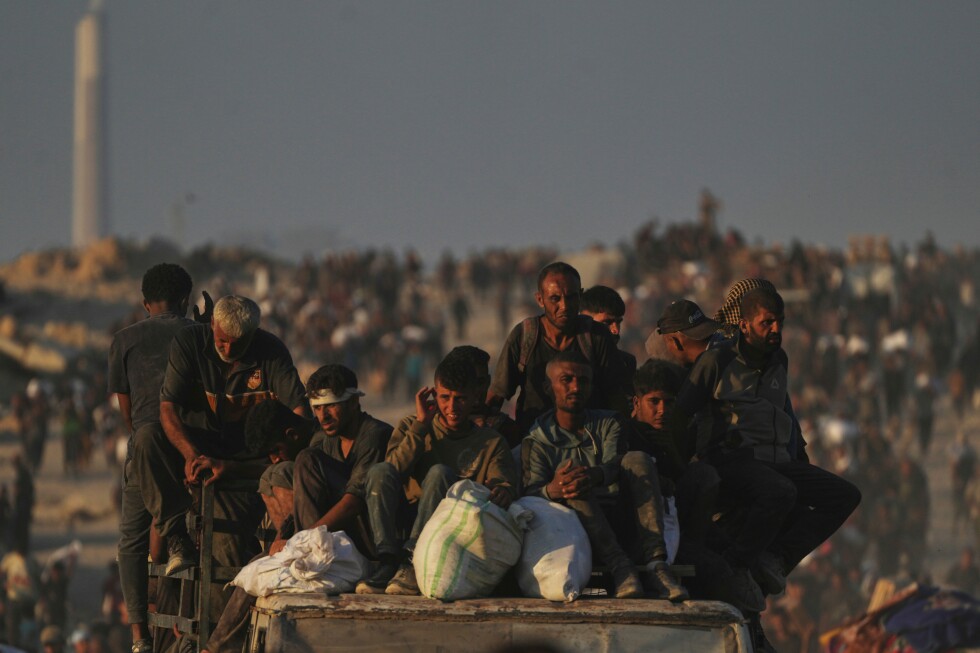
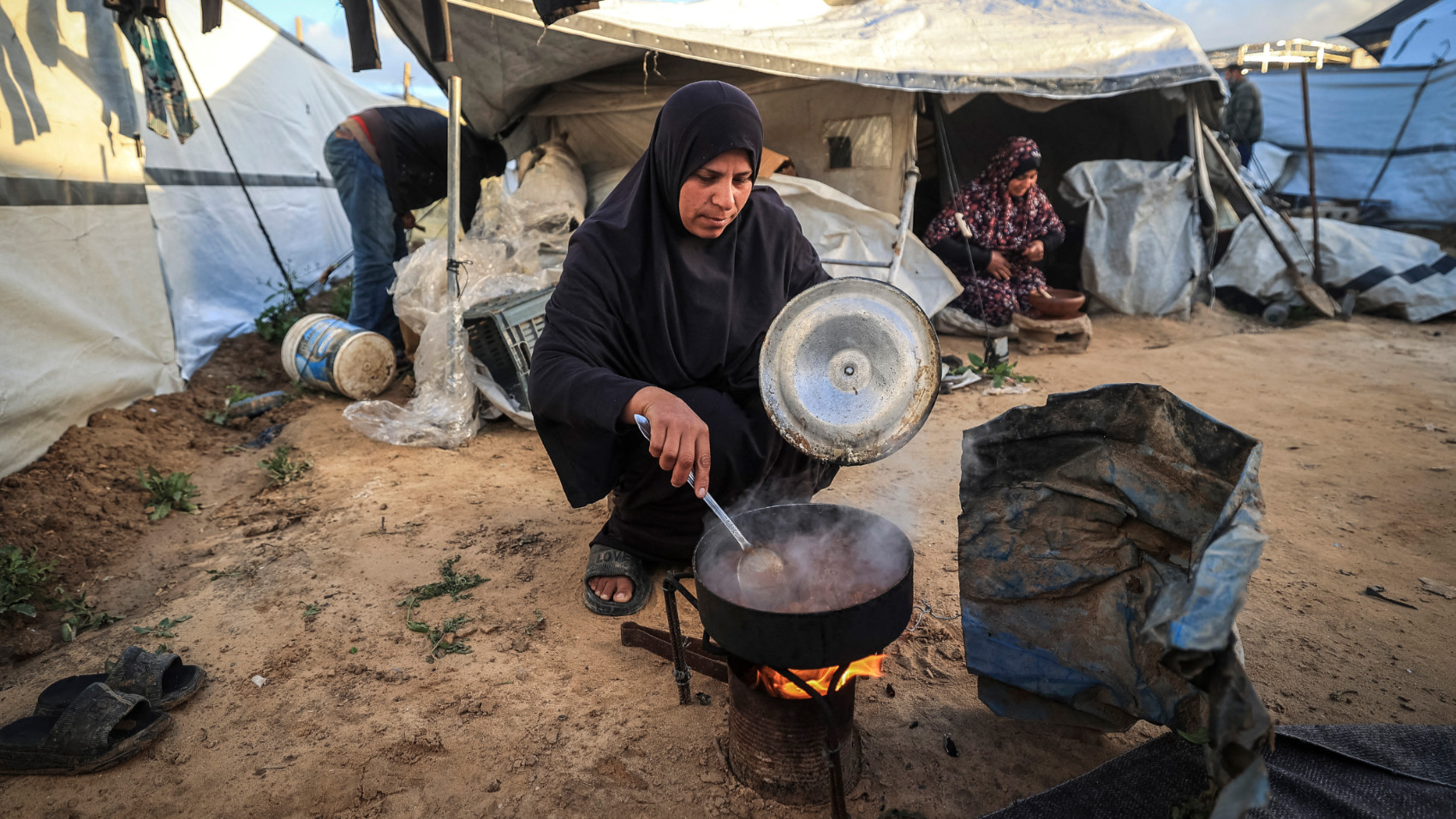
    Amid the rubble of her home, partially reconstructed after Israeli bombardment, Tasneem prepares a Ramadan meal for her family by candlelight. Her story mirrors that of countless Gazans who now depend entirely on international aid organizations for survival following Israel’s devastating military campaign that pushed poverty rates to 81.5 percent and created unlivable conditions across the strip.

    The humanitarian crisis has reached a critical juncture as 37 non-governmental organizations, including Médecins Sans Frontières, Save the Children, Oxfam, and the Norwegian Refugee Council, face potential license suspensions by Israeli authorities. Despite a temporary injunction from Israel’s Supreme Court that allows continued operations after a petition by 17 agencies, the threat looms large over Gaza’s vulnerable population.

    For Tasneem and her family, aid packages represent their primary food source since her husband lost his employment due to the conflict. “One food box is enough for me for almost a month,” she explained, highlighting how these supplies contain essential items like fish and fruits that families can no longer afford independently.

    The situation proves particularly dire for medical patients like Mohammed Alasdoudi, who underwent multiple amputations after being shot by an Israeli sniper in 2018. He depends entirely on MSF for rehabilitation and specialized care unavailable in local hospitals. “If MSF stops its operations, it will be the last nail in the coffin of patients,” Alasdoudi stated, emphasizing the organization’s provision of expensive medications otherwise inaccessible in Gaza.

    MSF’s operations remain crucial, with the organization supporting one in five hospital beds in Gaza last year and assisting with one in three births. Their 15 accessible health centers provide vital services to amputees and trauma patients who cannot reach distant governmental clinics due to transportation shortages.

    According to Claire Nicolet, MSF’s Gaza emergency coordinator, the organization faces severe supply chain disruptions due to Israeli restrictions. “Fortunately, we still have some supplies, but gradually they will run out. If we don’t find a solution to bring them in, we honestly will not be able to continue operating,” she warned.

    The reduction of international staff also diminishes independent witnessing of Gaza’s conditions. Nicolet noted that with international journalists barred entry and Palestinian journalists under attack, the removal of humanitarian workers further isolates the territory from external observation.

    Legal experts emphasize that Israel’s actions violate international humanitarian law. Yahya Muhareb, a specialist in international humanitarian law, stated that suspending aid organizations contravenes Israel’s obligations as an occupying power under the Fourth Geneva Convention and the International Court of Justice’s 2024 provisional measures requiring unhindered aid flow into Gaza.

    Despite a nominal ceasefire, Israel continues to impose obstacles on essential goods entering Gaza while maintaining military operations near the demarcation line. This persistent uncertainty leaves aid-dependent families like Tasneem’s in constant anxiety: “We don’t trust Israel; it may resume the war or close the crossing at any time… if the aid stops, how are people supposed to survive?”

  • Tunisian authorities detain pro-Palestinian activists preparing new Gaza aid flotilla

    Tunisian authorities detain pro-Palestinian activists preparing new Gaza aid flotilla

    Tunisian authorities have initiated a significant crackdown on activists associated with the Global Sumud Flotilla campaign, detaining several key organizers on Friday amid mounting tensions surrounding the planned humanitarian mission to Gaza. The National Guard’s financial crimes unit has launched a formal investigation into alleged money laundering, fraud, and misuse of donated funds intended for the flotilla initiative.

    Among those detained were prominent committee members Wael Naouar, Jawaher Channa, and Nabil Channoufi, though none have been able to provide public statements regarding their detention. Organizers have condemned these actions as deliberate targeting of Palestinian solidarity efforts and are demanding immediate release of all detained activists.

    The crackdown follows several days of disrupted flotilla preparation events in Tunis, including a banned gathering that was expected to feature international figures such as Brazilian campaigner Thiago Ávila and Swedish climate activist Greta Thunberg. Ávila was subsequently detained at Brussels Airport while transiting from Tunis to Amsterdam for a meeting of the Hague Group.

    This development occurs against the backdrop of ongoing humanitarian challenges in Gaza. Despite a fragile ceasefire established in October, the United Nations reports that hundreds of thousands of humanitarian aid pallets remain stranded at crossings into Gaza. Israel has suspended over two dozen humanitarian organizations for non-compliance with new registration requirements, exacerbating the crisis for Gaza’s 2 million residents.

    The planned flotilla represents one of the largest civilian missions to challenge Israeli restrictions, with organizers anticipating participation from more than 1,000 activists including medical professionals, war crimes investigators, and engineers. The maritime component is scheduled to depart from Spain, Tunisia, and Italy, supported by a land convoy expected to attract thousands additional participants.

    Tunisian authorities have not issued official statements regarding the detentions or the ongoing financial investigation.

  • US air defence systems intercepting attacks on Iranian Kurdish groups

    US air defence systems intercepting attacks on Iranian Kurdish groups

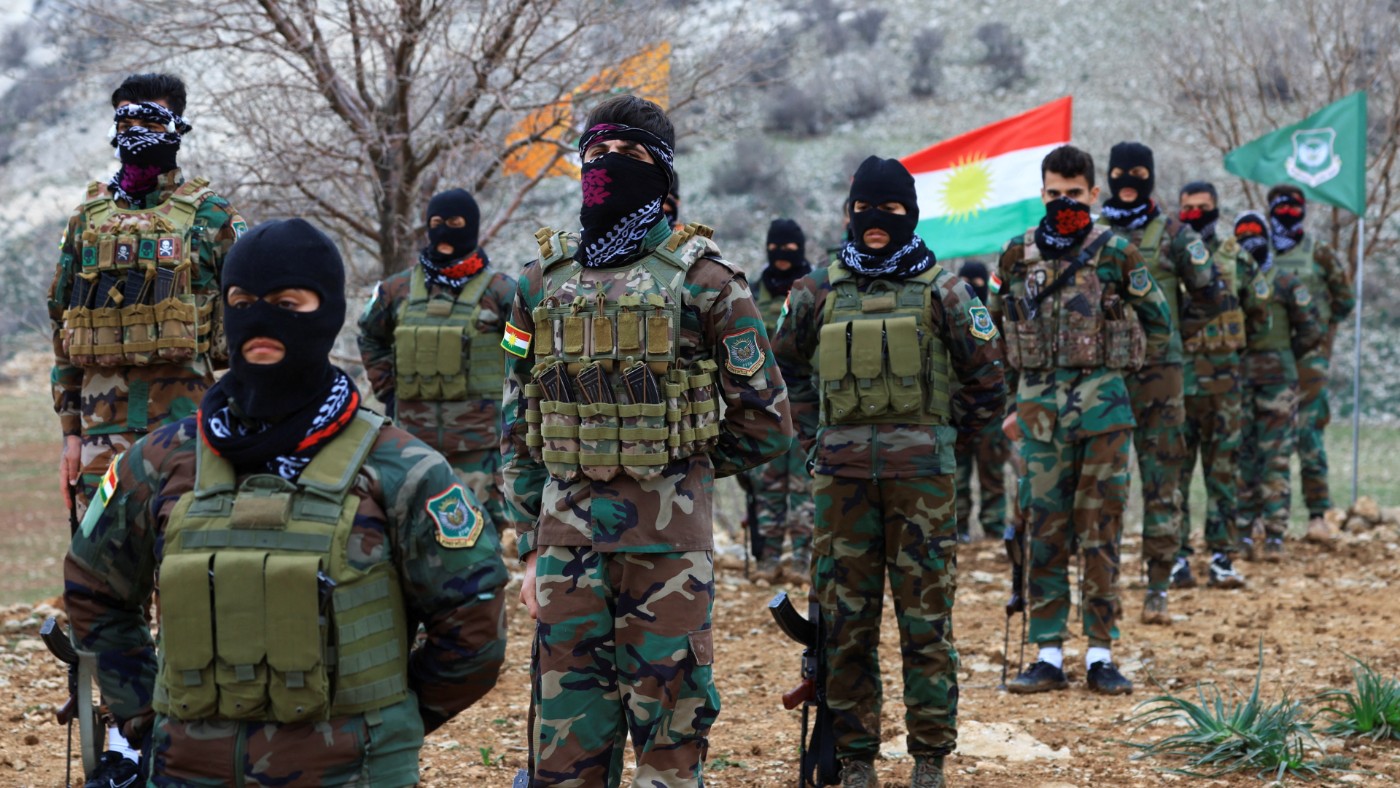
    Amidst a rapidly escalating regional conflict, US air defense systems in northern Iraq are actively intercepting Iranian missiles and drones targeting bases of Iranian Kurdish opposition groups. The Kurdish Freedom Party (PAK) confirmed the ongoing defensive operations, though noting their limitations. A recent Iranian strike on a PAK base in Erbil province resulted in four casualties, including one fatality.

    The PAK is a key member of a coalition of five major Iranian Kurdish opposition parties, formally established in late February. This alliance explicitly states its objective as working toward ‘the overthrow of the Islamic Republic of Iran.’ In response, Iran’s Islamic Revolutionary Guard Corps (IRGC) has vowed a ‘decisive and rapid confrontation,’ utilizing dozens of drones and ballistic missiles against these groups.

    Analysts and officials indicate a significant shift in US strategy. Previously, US air defenses, such as the Patriot system, were primarily deployed to protect Erbil airport and American assets. However, since the commencement of the broader US-Israeli campaign against Iran, these defenses have been expanded to offer ‘as much protection as can be given’ to the Kurdish opposition parties. This change marks a stark contrast to previous incidents, such as the January 2024 Iranian strikes on Erbil that resulted in multiple civilian deaths, which were met with a lack of US intervention and subsequent local criticism.

    The bolstered US protection has proven effective; despite dozens of Iranian attacks launched since late February, only one casualty has been reported, demonstrating the improved interception capabilities. Behind the scenes, communications are reportedly underway between US and Kurdish officials, exploring options for potential cross-border operations into Iran. While Kurdish groups like the PDKI state they have ‘not taken a decision to intervene in this war,’ former US President Donald Trump has publicly endorsed the idea of Kurdish forces entering Iran as ‘wonderful.’

    This development signifies a deepening US-Kurdish regional partnership, viewed by some experts as a critical component of a broader mission objective for the US and Israel, with regime change in Iran now considered non-negotiable. For the Kurdish groups in exile, the established US air defense umbrella provides unprecedented security and represents a potential turning point in their long-standing conflict with Tehran.

  • Schools, hospitals, playgrounds: Iran’s civilian sites hit by US-Israeli strikes

    Schools, hospitals, playgrounds: Iran’s civilian sites hit by US-Israeli strikes

    A devastating humanitarian crisis is unfolding across Iran as civilian infrastructure bears the brunt of ongoing military operations initiated by the United States and Israel. Despite official assertions that strikes exclusively target military and leadership installations, extensive evidence reveals a pattern of attacks on protected civilian sites including educational institutions, medical facilities, and residential areas.

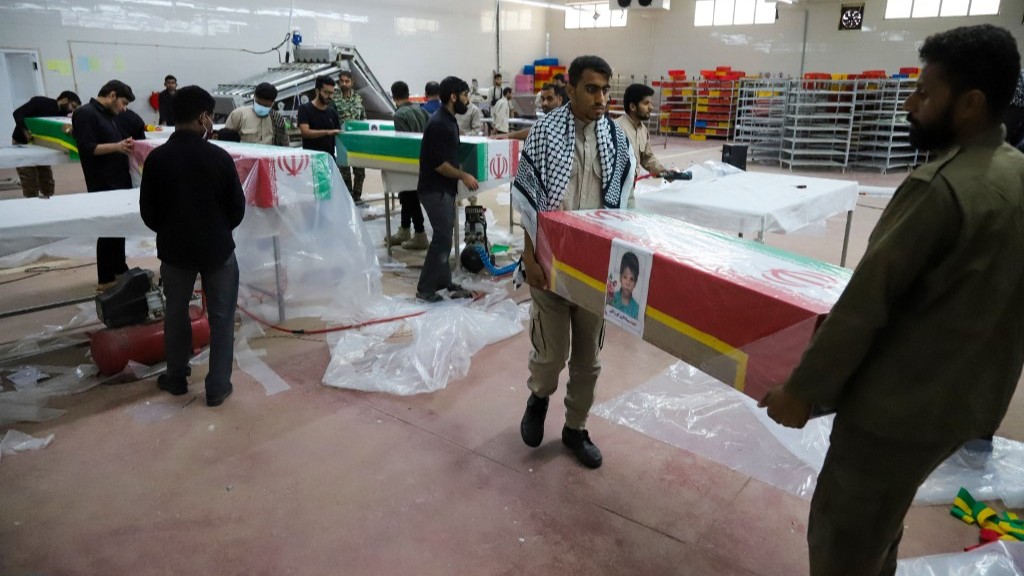
    The offensive, which commenced on Saturday, has resulted in staggering civilian casualties according to Tasnim news agency, reporting over 1,230 fatalities to date. Among the most tragic incidents was the destruction of Shajareh Tayyebeh primary school in Minab, where 165 children aged 7-12 perished in what witnesses describe as a ‘double-tap’ strike pattern—a tactic involving consecutive attacks on the same location.

    Medical infrastructure has suffered systematic damage with the World Health Organization verifying attacks on at least 13 healthcare facilities. The Gandhi Hospital fertility clinic in Tehran sustained severe damage, potentially destroying years of IVF treatment for numerous couples. Healthcare workers reported scrambling to evacuate newborns amid collapsing structures and spreading fires.

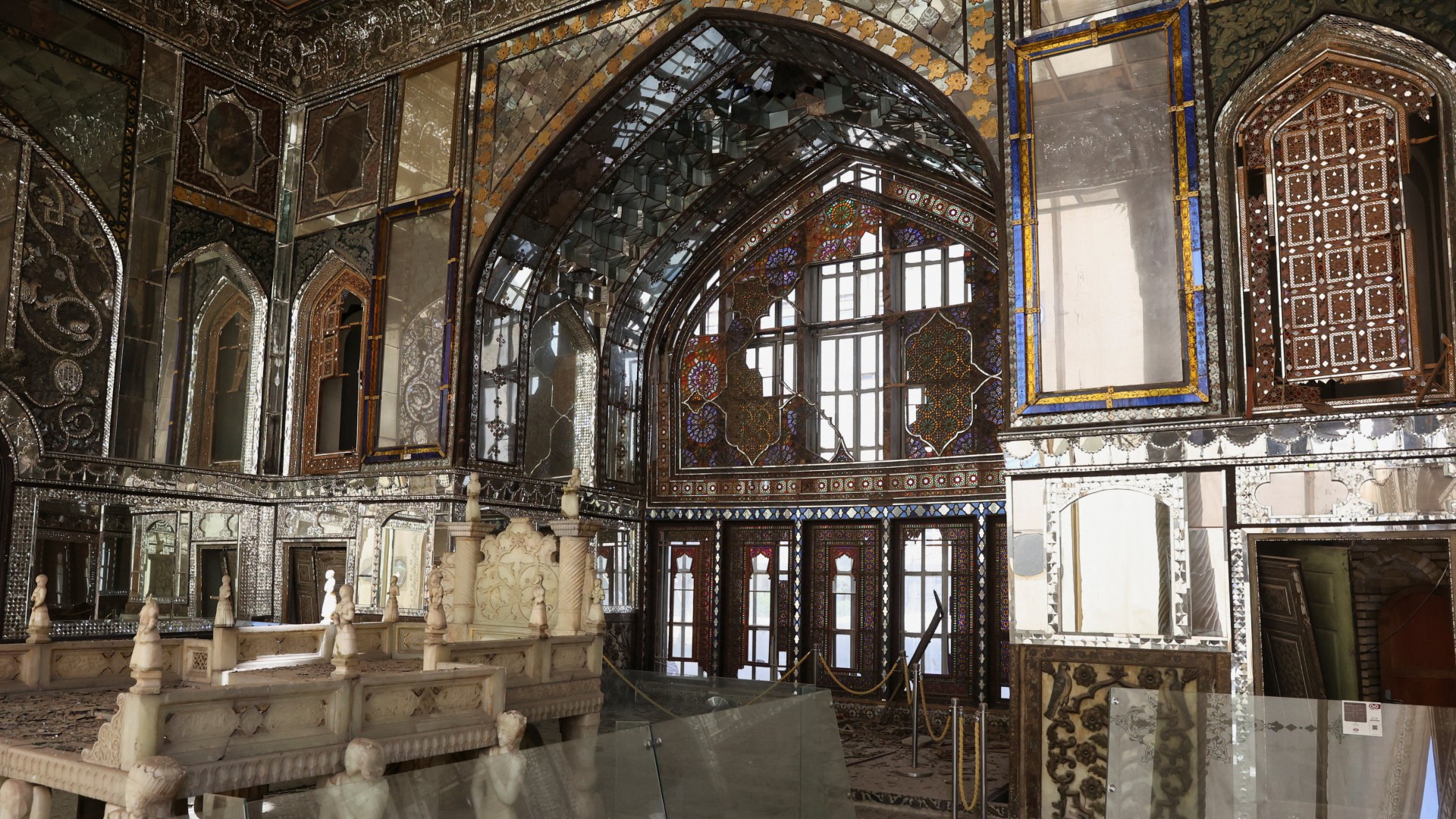
    Cultural and sports venues have not been spared either. Tehran’s 400-year-old Golestan Palace, a UNESCO World Heritage Site, sustained significant damage from nearby explosions. The Azadi sports complex’s 12,000-seat stadium was reduced to rubble, prompting Iran’s Sports Minister to condemn the attack as a violation of international law and the Olympic Charter.

    Iranian officials and international observers have raised concerns about potential use of artificial intelligence in target selection without adequate human oversight. Commentator Trita Parsi highlighted the bombing of a public park mistakenly identified as a government target through apparent algorithmic error.

    The growing similarities between targeting methodologies in Iran and previous operations in Gaza have drawn criticism from humanitarian organizations, with the International Red Cross emphasizing that the destruction of educational, medical, and sports facilities constitutes explicit violations of wartime protections.

  • Human rights court orders Peru to pay compensation for a 1997 forced sterilization death

    Human rights court orders Peru to pay compensation for a 1997 forced sterilization death

    In a historic ruling with profound implications for human rights accountability, the Inter-American Court of Human Rights has mandated that Peru provide substantial reparations to the family of Celia Ramos, a victim of the nation’s coercive sterilization program implemented during Alberto Fujimori’s presidency. The landmark decision marks the first judicial condemnation by Latin America’s supreme human rights tribunal regarding Peru’s systematic sterilization campaign that predominantly targeted impoverished and Indigenous women.

    Court documents reveal that Ramos, a 34-year-old mother of three from an Andean village, sought medical attention at a state health facility in 1997 only to be subjected to coercive tubal ligation procedures. The operation was conducted under critically substandard conditions, lacking essential medical equipment and necessary medications to address potential complications. During the procedure, Ramos suffered a severe allergic reaction but waited approximately thirty minutes before transfer to intensive care. She succumbed to complications nineteen days later on July 22, 1997.

    The Peruvian state subsequently failed to conduct a formal autopsy and provided no transparent explanation to Ramos’ grieving family regarding her tragic demise. As rectification for these grave injustices, the court has ordered compensation totaling approximately $340,000 to the Ramos family, encompassing reimbursement for medical expenses and compensation for lost lifetime earnings.

    This ruling emerges despite Peru’s judicial system having recently overturned criminal proceedings against the late President Fujimori in August 2024 regarding forced sterilizations. With Fujimori’s passing, legal attention has shifted toward establishing criminal accountability for other high-ranking officials, including multiple former health ministers implicated in the sterilization program. Peru’s Ministry of Justice had not issued an immediate response to requests for commentary regarding the court’s decision.

  • Iraqi journalist: China brings peace to the world

    Iraqi journalist: China brings peace to the world

    BEIJING – Amid extensive international media coverage of China’s annual Two Sessions, Iraqi journalist Al-Obaidi Ameen from China-Arab TV has commended China’s persistent dedication to fostering global peace and development. The seasoned correspondent, who previously covered significant events including the Victory Day parade and appeared at the 2026 CMG Spring Festival Gala, shared his perspectives during the ongoing session of China’s top legislature.

    In an interview with China Daily reporter Yan An, Ameen emphasized China’s unwavering commitment to peace advocacy worldwide. “China has been working tirelessly to champion peace across the world,” stated the Iraqi journalist, who further expressed his hope that more international journalists would help communicate China’s authentic narrative to global audiences.

    Ameen noted that despite current global instability, China demonstrates remarkable confidence and stability in determining its future trajectory through the Two Sessions framework. The journalist added that this steadfast approach has generated admiration internationally, remarking that “people in many countries envy you” in reference to China’s political process and development model.

    The Two Sessions, referring to the annual meetings of China’s National People’s Congress and the Chinese People’s Political Consultative Conference National Committee, have attracted widespread attention from both domestic and foreign media outlets covering China’s policy directions and development priorities.

  • ‘Massive’ numbers killed by gunmen in latest Nigeria attack, senator tells BBC

    ‘Massive’ numbers killed by gunmen in latest Nigeria attack, senator tells BBC

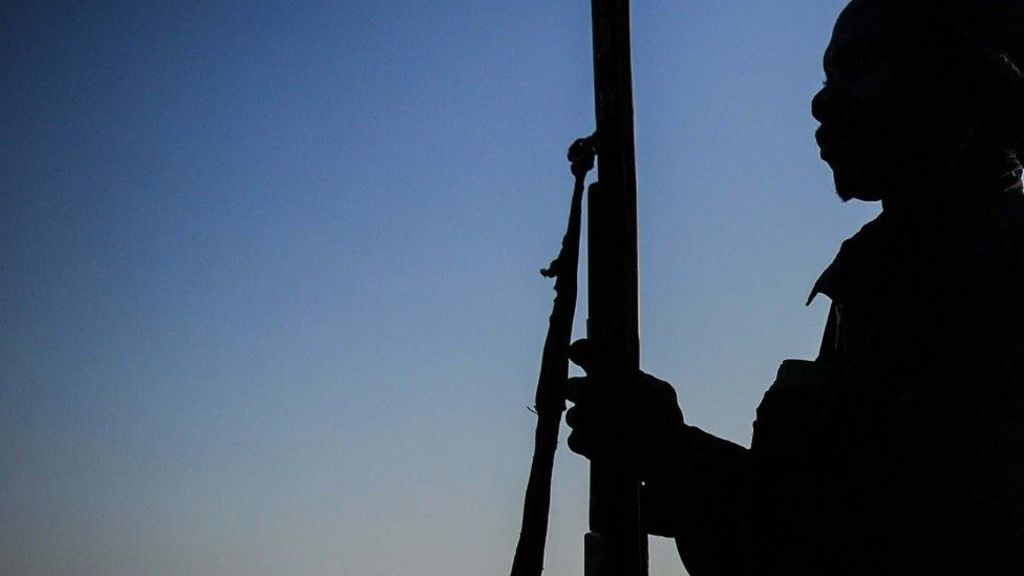
    A devastating militant attack has struck the remote village of Ngoshe in Nigeria’s conflict-ridden Borno state, resulting in significant civilian casualties and mass abductions during Ramadan evening prayers. Nigerian Senator Mohammed Ali Ndume described the assault as “massive” in scale, though precise death tolls remain unconfirmed due to the remote location and ongoing assessments.

    The attack occurred Wednesday evening as residents were breaking their daily fast, with suspected Islamist militants targeting both civilian populations and security installations. Local reports indicate over 100 women and children were abducted during the coordinated assault, which also targeted a military base and camp for displaced persons. Several soldiers and civilians were killed, including the village’s chief cleric and community elders.

    Senator Ndume revealed to BBC Hausa that militants maintained control of Ngoshe for approximately 48 hours before Nigerian military forces deployed aerial strikes and ground troops to reclaim the area. The lawmaker expressed concern that stolen military equipment from the overrun base could enhance the militants’ capabilities for future operations.

    This represents the most severe attack in the region since Boko Haram’s peak dominance over a decade ago, according to local accounts. Umaru Yakubu Kirawa, a Borno-based journalist, confirmed residents reported substantial casualties and hundreds of abductions during the Ramadan violation.

    The incident highlights the persistent security challenges in northeastern Nigeria, where Boko Haram and Islamic State West Africa Province (Iswap) maintain active insurgencies. Despite nearly doubled defense budgets from 2024-2025, civilian protection remains inadequate according to critics.

    Official response included Borno state police spokesperson Nahum Daso Kenneth acknowledging the Wednesday night incident while emphasizing successful repulsion of insurgents. Search and rescue operations continue as Governor Babagana Umara Zulum met with survivors, distributing supplies and promising comprehensive efforts to secure hostages’ release.

  • US investigators ‘say American strike most likely responsible’ for Iranian school massacre

    US investigators ‘say American strike most likely responsible’ for Iranian school massacre

    Multiple investigative reports are converging on the conclusion that U.S. military forces were responsible for a devastating attack on the Shajareh Tayyebeh school in the Iranian city of Minab, which resulted in 165 fatalities. The incident, which occurred last Saturday, is being characterized as a ‘double-tap’ strike—a tactic where an initial explosion is followed by a second strike targeting first responders and survivors.

    According to two U.S. officials speaking to Reuters, while the investigation remains ongoing and no final conclusion has been reached, initial findings point toward U.S. responsibility. This assessment aligns with separate investigations conducted by The New York Times and Middle East Eye (MEE), which utilized satellite imagery, open-source evidence, and verified video footage. Their analysis confirms the school was severely damaged by a precision strike that coincided with attacks on a nearby Islamic Revolutionary Guard Corps (IRGC) naval base.

    The MEE investigation specifically revealed that the school was hit by two separate strikes, with the second missile killing civilians, including children, who had sought shelter or arrived to aid victims. The BBC later corroborated these findings, reporting based on satellite data that the area suffered ‘multiple simultaneous or near-simultaneous strikes.’

    Earlier misleading claims on social media, which attempted to attribute the bombing to the IRGC, have been thoroughly debunked. In response to the allegations, White House press secretary Karoline Leavitt stated that ‘the Iranian regime targets civilians and children, not the United States of America,’ noting that the Department of War is investigating the matter. Israel, another actor in the regional conflict, has also announced it is looking into the incident.

    The severity of the attack has prompted international concern. The UN human rights office has called for a transparent investigation into the strike. ‘The onus is on the forces that carried out the attack to investigate it,’ stated spokesperson Ravina Shamdasani during a press briefing in Geneva, without explicitly assigning blame.