
The Chinese Navy has officially designated the Sanya Military Port in Hainan Province as the home base for the Fujian, China’s first domestically built aircraft carrier equipped with advanced electromagnetic catapults. The commissioning and flag-presenting ceremony took place on November 5, 2025, marking a significant milestone in China’s naval capabilities. The Fujian represents a leap forward in China’s military technology, showcasing its ability to develop cutting-edge naval assets. The Sanya Military Port, strategically located in the South China Sea, underscores China’s commitment to strengthening its maritime presence and safeguarding its territorial interests. This development is expected to enhance China’s operational readiness and influence in the region, particularly in contested waters. The commissioning of the Fujian is a testament to China’s growing prowess in naval engineering and its ambitions to become a dominant maritime power.
分类: world
-
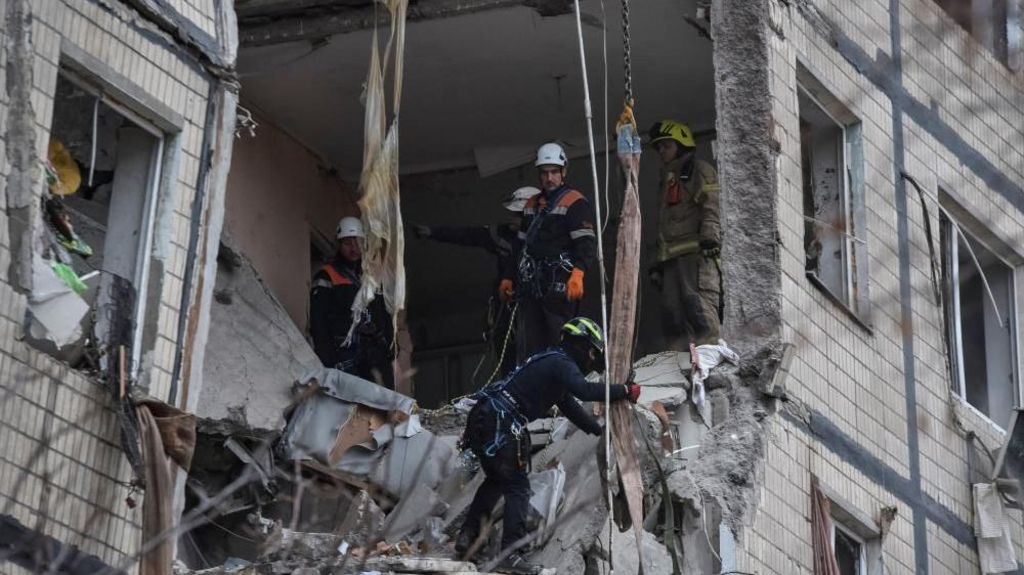
Six dead as Russia hits energy and residential sites in Ukraine
In a devastating overnight assault, Russian forces launched hundreds of missile and drone attacks across Ukraine, targeting energy infrastructure and residential areas, resulting in at least six fatalities. Among the casualties, two individuals lost their lives when an apartment building in Dnipro was struck, leaving 12 others injured. Additionally, three deaths were reported in Zaporizhzhia. The attacks spanned 25 locations, including Kyiv, causing widespread power outages and heating disruptions. Ukrainian Prime Minister Yulia Svyrydenko confirmed significant damage to energy facilities in the Poltava, Kharkiv, and Kyiv regions, with restoration efforts currently underway. The Ukrainian Energy Ministry noted power cuts in multiple regions, including Dnipropetrovsk, Chernihiv, Zaporizhzhya, Odesa, and Kirovohrad, but assured that critical infrastructure was being reconnected using generators. Meanwhile, Russia’s defense ministry claimed to have intercepted 79 Ukrainian drones. The Ukrainian air force reported that Russia had deployed over 450 explosive drones and 45 missiles, with 406 drones and nine missiles successfully neutralized. Russian officials justified the strikes as targeting Ukrainian military assets, but Kyiv officials expressed concerns that Moscow’s broader aim is to cripple Ukraine’s economy and morale by disrupting its energy network. Ukrainian President Volodymyr Zelensky condemned the attacks, urging Western nations to impose comprehensive sanctions on Russian energy without exceptions. His remarks followed a controversial U.S. decision to grant Hungary a one-year exemption from restrictions on purchasing Russian oil and gas. Zelensky emphasized the need for intensified pressure on Moscow, calling for coordinated sanctions from the U.S., Europe, and the G7 in response to Russia’s aggression.
-
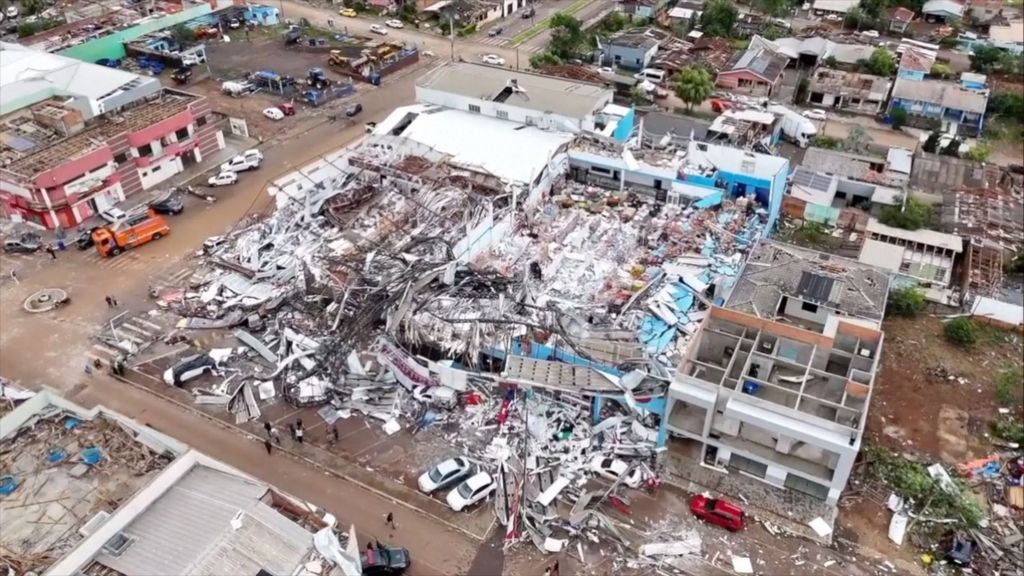
Watch: Drone footage shows town destroyed by deadly Brazil tornado
A catastrophic tornado has left a trail of destruction in a Brazilian town, with aerial drone footage capturing the extensive damage caused by the natural disaster. According to local authorities, the violent twister claimed the lives of at least six individuals and left 437 others injured. The footage, which has been widely circulated, shows flattened buildings, uprooted trees, and debris scattered across the area, painting a grim picture of the aftermath. Emergency response teams have been deployed to assist survivors and assess the full extent of the damage. This tragic event underscores the increasing frequency and severity of extreme weather phenomena in the region, raising concerns about climate change and disaster preparedness.
-
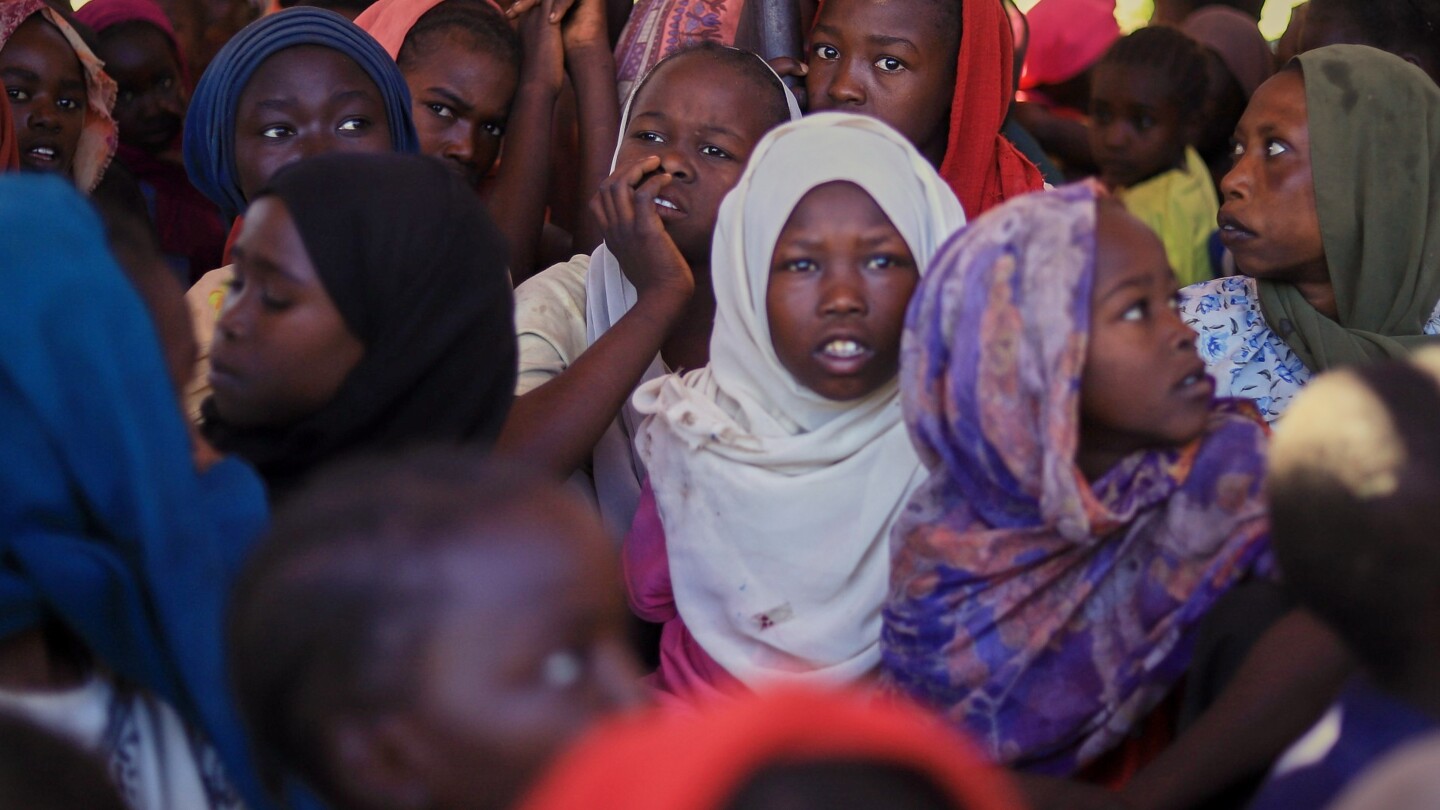
Thousands flee to overcrowded camps after Sudan’s paramilitary captures el-Fasher
The ongoing conflict in Sudan has plunged the Darfur region into a deepening humanitarian crisis, with tens of thousands of civilians fleeing their homes to escape reported atrocities by the Rapid Support Forces (RSF). Since the RSF captured el-Fasher on October 26, over 16,200 people have sought refuge in overcrowded camps in Tawila, located approximately 70 kilometers from the city. The International Organization for Migration estimates that around 82,000 individuals have fled el-Fasher and its surrounding areas as of November 4, many of them arriving in Tawila on foot. The camps, already strained by previous waves of displacement, are ill-equipped to handle the influx, with makeshift tents and scarce resources. Aid groups report severe malnutrition among children and adults, while displaced families struggle to survive on just one or two meals a day. The RSF and the Sudanese army have been locked in a brutal war since April 2023, with at least 40,000 people killed and 12 million displaced nationwide. The conflict has exacerbated food insecurity, leaving nearly half of Sudan’s population in dire need. The RSF’s recent seizure of el-Fasher, following an 18-month siege, has been marked by widespread violence, including summary executions, sexual assaults, and attacks on civilians. Despite a proposed humanitarian truce by a U.S.-led mediator group, the RSF and the army remain at odds over the conditions for a ceasefire. The fall of el-Fasher and escalating violence in North Kordofan signal the RSF’s growing strategic advantage, further destabilizing the region and intensifying the suffering of civilians.
-
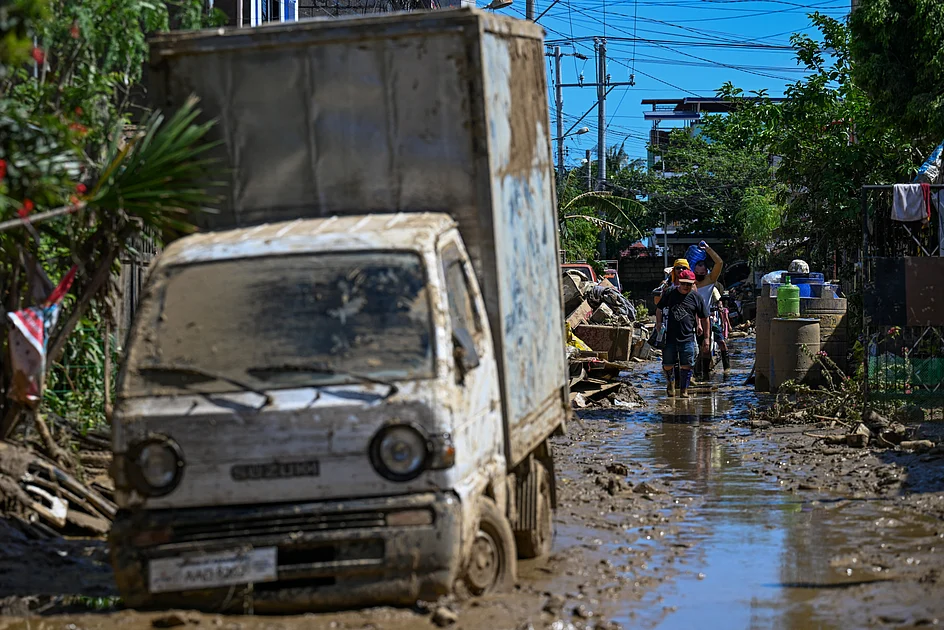
Philippines warns of deadly storm surges as Fung-wong nears super typhoon strength
The Philippines is on high alert as Typhoon Fung-wong, rapidly intensifying toward super typhoon status, approaches the country’s eastern coast. The Philippine Atmospheric, Geophysical, and Astronomical Services Administration (PAGASA) has issued dire warnings of life-threatening storm surges reaching up to five meters and destructive winds capable of widespread devastation. The typhoon, locally named Uwan, is expected to make landfall on Sunday night, with its massive 1,500-kilometer circulation already unleashing heavy rains and strong winds across eastern regions. PAGASA forecaster Benison Estareja emphasized the storm’s potential to cover nearly the entire country, with maximum sustained winds of 140 kph and gusts up to 170 kph, possibly intensifying to 185 kph upon landfall. Such force could obliterate homes, uproot trees, and flatten structures. Eastern provinces, particularly the Bicol region and parts of Samar, are forecast to receive up to 200 mm of rainfall, heightening risks of severe flooding and landslides. Northern and central Luzon may also experience 100-200 mm of rain. Authorities have urged residents in low-lying and coastal areas to evacuate immediately and halt all marine activities. In preparation, several local governments have suspended classes for Monday, and the national flag carrier has canceled multiple flights. The looming threat follows the devastation caused by Typhoon Kalmaegi, which recently claimed 204 lives in the Philippines and five in Vietnam, displaced hundreds of thousands, and caused extensive damage to infrastructure. Both nations, situated along the Pacific typhoon belt, remain highly vulnerable to such extreme weather events. Scientists attribute the increasing intensity of storms like Kalmaegi and Fung-wong to rising global temperatures, underscoring the escalating impact of climate change.
-

What to know about COP30, this year’s UN climate talks
As the world grapples with escalating climate crises, Belem, Brazil, has become the focal point for the 30th United Nations Climate Summit, COP30. Delegates from across the globe are converging at the gateway of the Amazon, aiming to forge collective strategies to mitigate the devastating impacts of human-induced climate change. Despite the urgency, many experts warn that the window to achieve meaningful progress is rapidly closing. The stakes are monumental, as climate change continues to exacerbate life-threatening disasters for billions worldwide. Delaying action, they argue, will only deepen the crisis. This year’s summit places a spotlight on Indigenous communities, forest conservation, and sustainable agriculture, recognizing their pivotal role in combating climate change. Brazil’s government is championing the Tropical Forests Forever Facility, an innovative initiative offering financial incentives for forest protection. However, the success of this program hinges on substantial financial commitments from global leaders. The summit also underscores the need to overhaul food systems and safeguard ecosystems that absorb pollution and protect against diseases. Despite these efforts, the world remains off track from the Paris Agreement’s goals, with global temperatures rising alarmingly. While renewable energy has become more cost-effective than fossil fuels, many nations’ climate plans fall short of what is required. COP30 is not expected to yield a landmark agreement but is instead framed as an ‘implementation COP,’ focusing on accelerating existing commitments. Critics, however, remain skeptical, with some labeling such gatherings as ineffective bureaucratic exercises. As the world watches, the question remains: Can COP30 catalyze the urgent action needed to avert climate catastrophe?
-
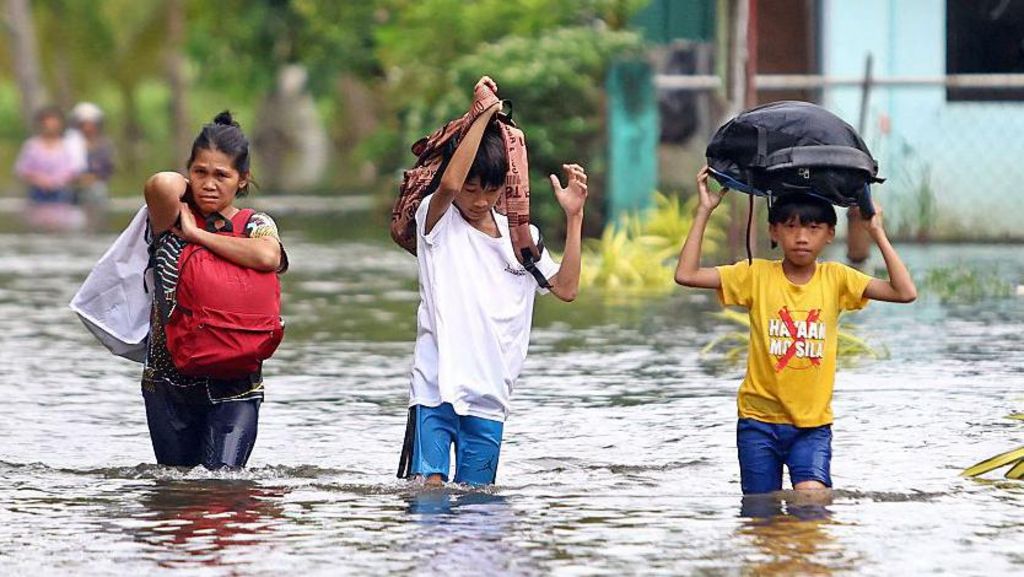
New typhoon bears down on Philippines days after deadly storm
The Philippines is preparing for the imminent arrival of Super Typhoon Fung-wong, locally known as Uwan, just days after Typhoon Kalmaegi wreaked havoc across the nation, claiming at least 200 lives and causing widespread destruction. Fung-wong is forecast to intensify with sustained winds exceeding 185 km/h (115 mph) before making landfall on Luzon, the country’s largest island, as early as Sunday evening. The Philippine Atmospheric, Geophysical, and Astronomical Services Administration (Pagasa) has warned of life-threatening storm surges and torrential rains accompanying the typhoon.
-
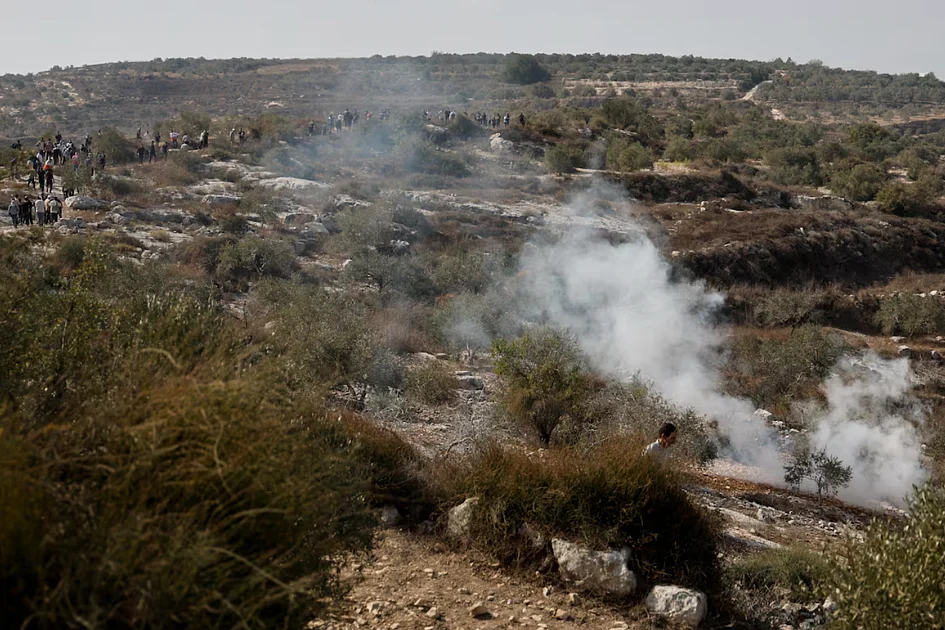
Israeli settler attacks against Palestinians reach record number in October, UN reports
The United Nations has revealed a disturbing escalation in violence against Palestinians in the occupied West Bank, with Israeli settlers carrying out at least 264 attacks in October 2025. This marks the highest monthly tally since the UN began documenting such incidents in 2006. The UN Office for the Coordination of Humanitarian Affairs (OCHA) highlighted the severity of the situation, noting that these attacks, which caused both casualties and property damage, averaged eight incidents per day. Since 2006, OCHA has recorded over 9,600 such attacks, with approximately 1,500 occurring in 2025 alone, accounting for roughly 15% of the total. The West Bank, home to 2.7 million Palestinians, remains central to the vision of a future Palestinian state coexisting with Israel. However, rapid expansion of Israeli settlements has fragmented the region. The UN, Palestinians, and most nations consider these settlements illegal under international law, a stance Israel disputes. Over half a million Israeli settlers currently reside in the West Bank. OCHA also reported that, as of Wednesday, 42 Palestinian children had been killed by Israeli forces in the West Bank this year, meaning one in every five Palestinian fatalities has been a child. Despite a US-brokered ceasefire in Gaza in October, which has largely calmed hostilities and facilitated the return of hostages, violence in the West Bank persists. Israel’s mission to the UN has yet to comment on these findings.
-
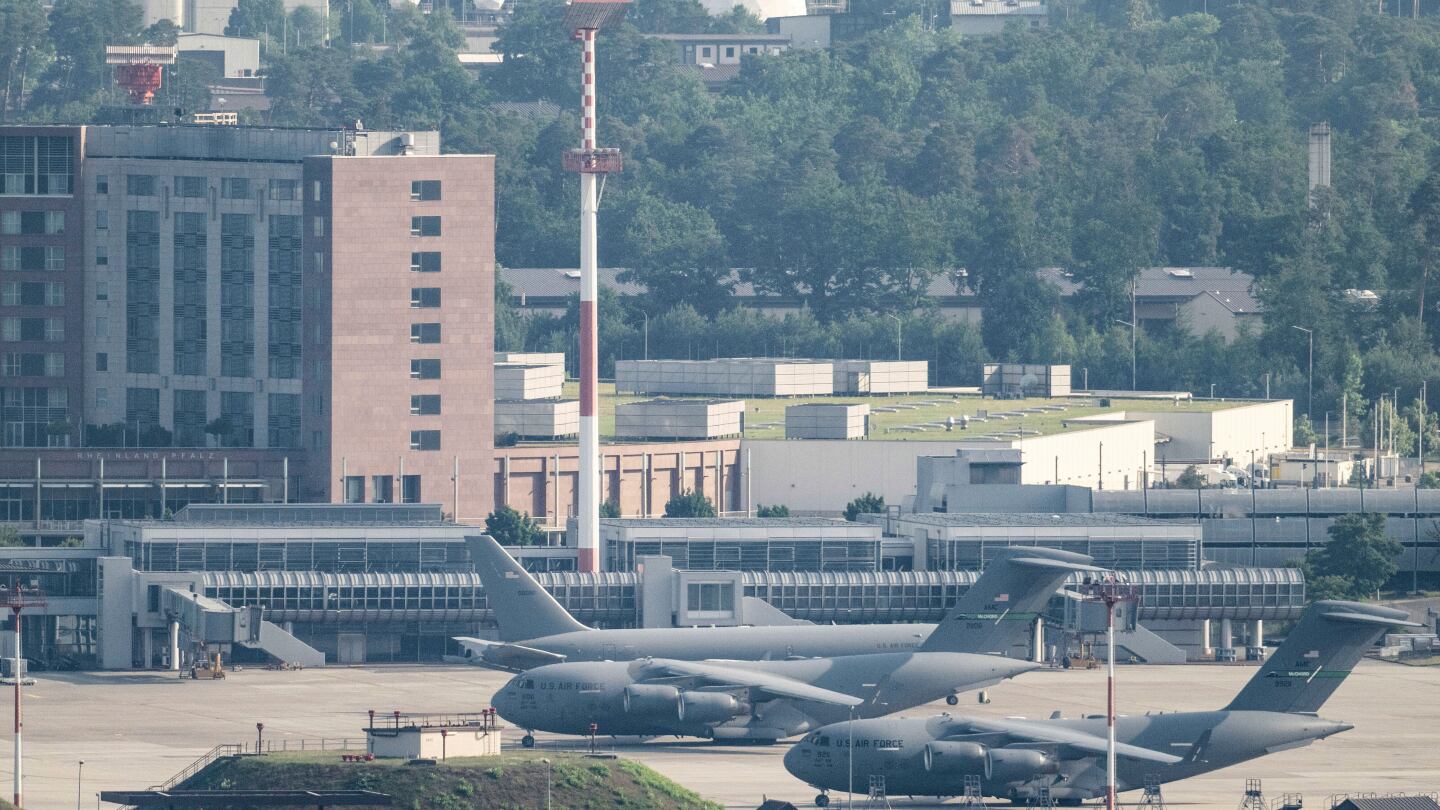
US government shutdown forces local workers at some overseas bases to go without pay
The unprecedented U.S. government shutdown, now in its sixth week, is not only disrupting domestic operations but also creating significant challenges for local workers at American military bases across Europe. Over 2,000 employees in countries such as Italy, Portugal, and Germany have experienced salary interruptions, with some host governments stepping in to cover payments temporarily. In Italy, union coordinator Angelo Zaccaria described the situation as ‘absurd,’ with workers struggling to meet basic financial obligations like mortgages and childcare. Similarly, in Portugal, over 360 workers at the Lajes Field base have gone unpaid, though the Azores regional government has approved a loan to provide interim relief. Germany has also intervened to pay nearly 11,000 civilian employees at U.S. bases, expecting reimbursement once the shutdown ends. Experts like Harvard professor Linda Bilmes highlight that contractors are particularly vulnerable during such shutdowns, as they are not always guaranteed back pay. While Spain has resolved payment delays for its workers, other countries like Poland, Lithuania, and Greenland remain silent on their involvement. The prolonged shutdown underscores the far-reaching consequences of political gridlock in Washington, leaving thousands of workers in limbo.
-
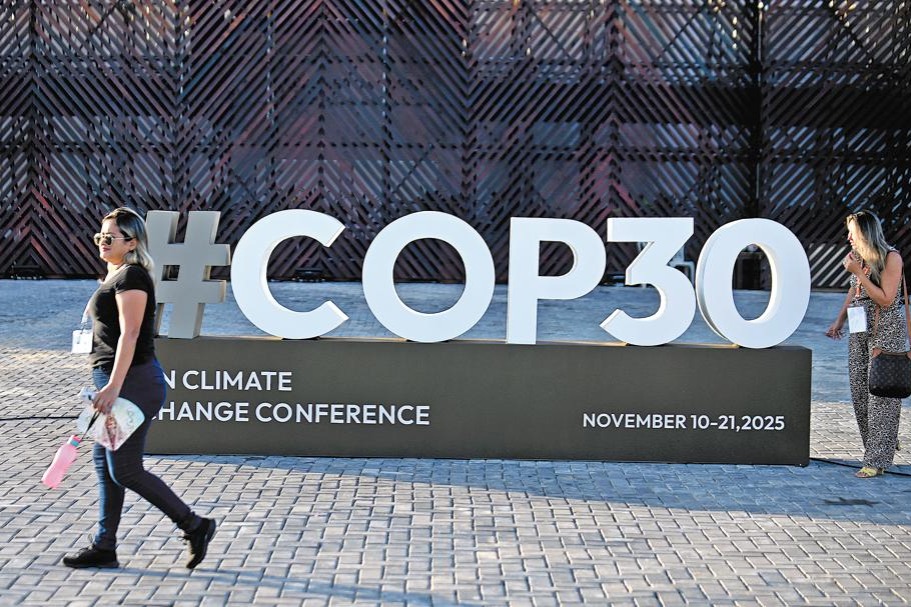
China injects strong impetus to global climate governance: white paper
China is playing a pivotal role in advancing global climate governance, as highlighted in a recent white paper titled ‘Carbon Peaking and Carbon Neutrality: China’s Plans and Solutions.’ Released by the State Council Information Office, the document underscores China’s commitment to multilateralism and international cooperation in addressing climate change. The white paper outlines China’s active engagement in global climate governance, its leadership in promoting green development under the Belt and Road Initiative (BRI), and its efforts to foster international collaboration on green and low-carbon development. China has demonstrated its ambition through substantial Nationally Determined Contributions, aligning with the Paris Agreement’s objectives. The country has expanded green infrastructure, energy, and transport cooperation with BRI partner nations, establishing energy partnerships with 34 countries and collaborating on green energy projects with over 100 countries and regions. Adhering to the principle of common but differentiated responsibilities, China has provided financial, technological, and capacity-building support to developing nations. By October 2025, China had signed 55 memoranda of understanding on South-South climate cooperation with 43 developing countries and conducted over 300 capacity-building sessions. Looking ahead, China is committed to working with the international community to promote ecological conservation, green development, and the protection of the planet, aiming for a cleaner and more sustainable world.