分类: world

  • Palestinian infant dies from cold in Gaza after parents’ 17-year wait

    Palestinian infant dies from cold in Gaza after parents’ 17-year wait

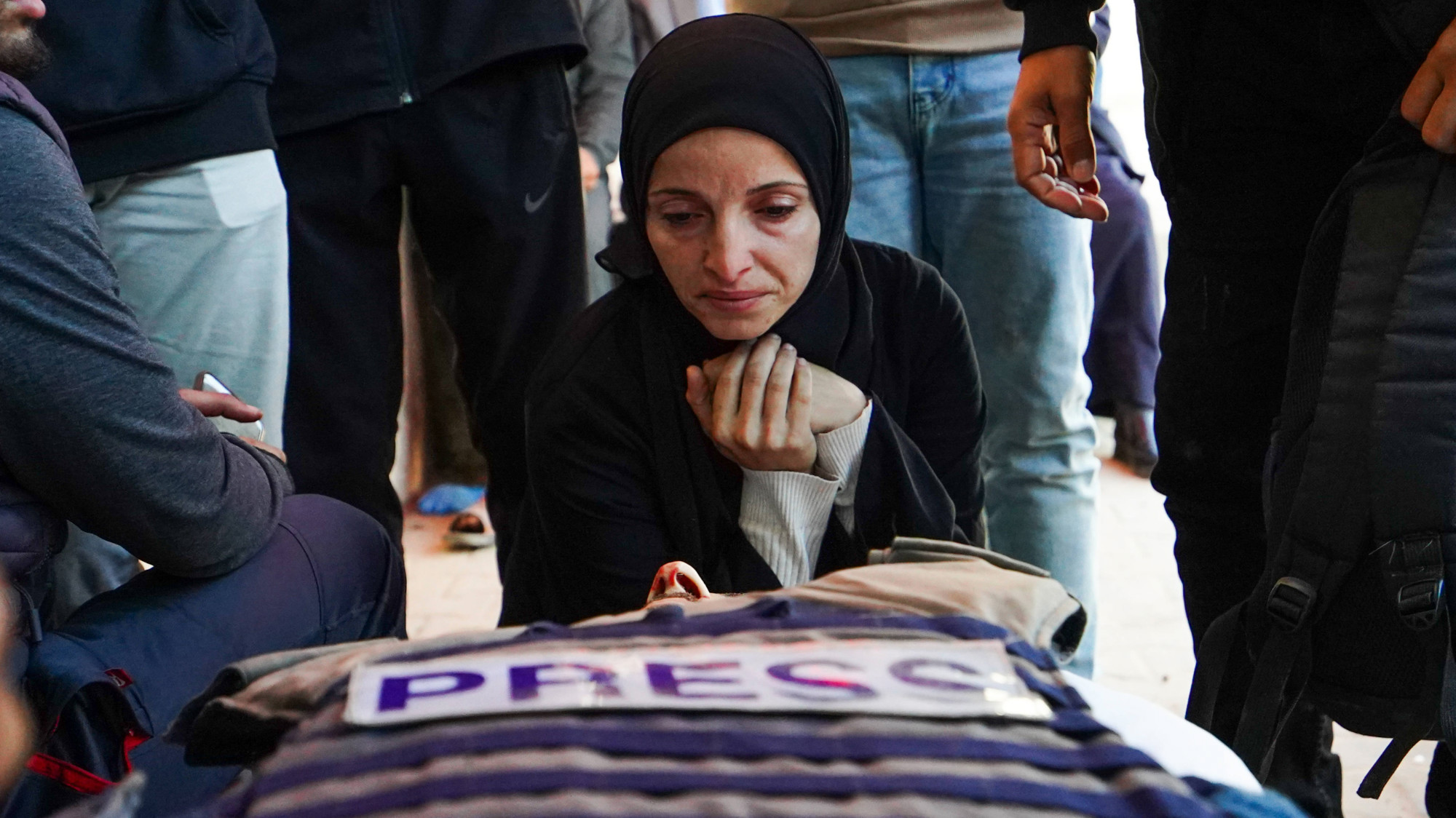
    The Gaza Strip is confronting a severe humanitarian emergency as winter conditions turn fatal for its most vulnerable residents. Medical authorities confirm that two Palestinian infants, six-month-old Youssef Abu Hammad and three-month-old Ali Abo al-Zour, perished on Thursday due to exposure to extreme cold and contaminated environments. These tragic fatalities elevate the official count of child hypothermia deaths to ten since the winter season commenced.

    Youssef Abu Hammad’s story epitomizes the crisis. Born after 17 years of parental anticipation for a male heir, he represented a profound blessing to his family of six sisters. The displaced Abu Hammad family had been residing adjacent to a sewage disposal site in Khan Younis, southern Gaza. Despite repeated pleas for essential supplies like infant formula and diapers, their appeals remained unanswered. Medical professionals attributed Youssef’s death to severe dehydration and hypothermia induced by sewage pollution exposure.

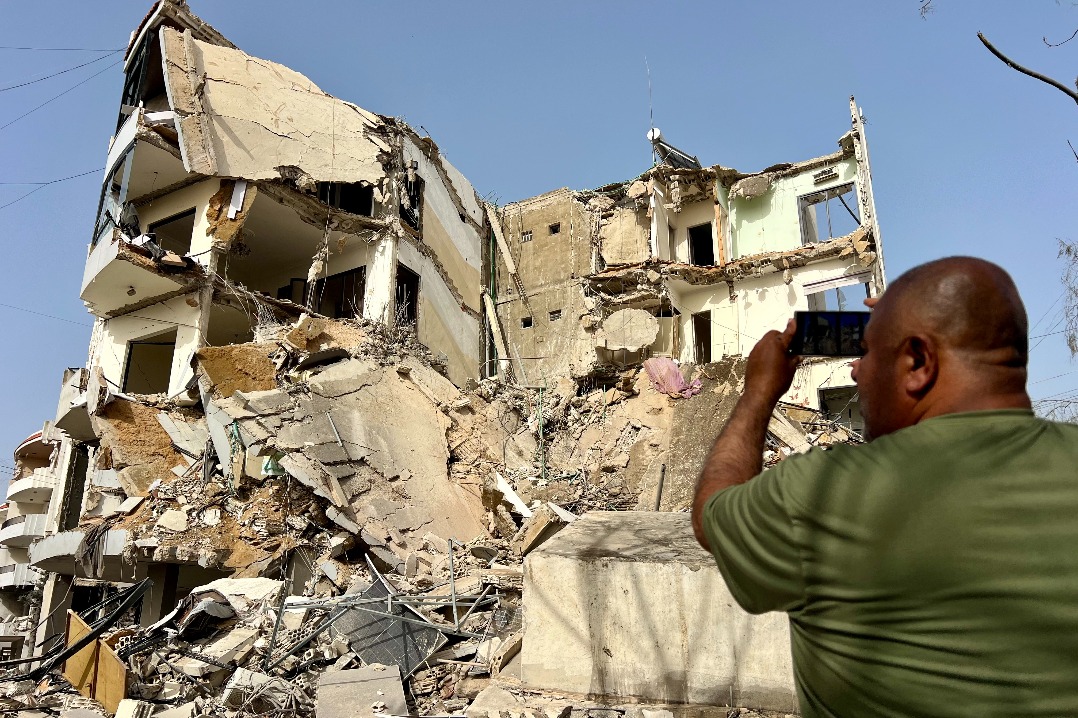
    This humanitarian disaster stems from extensive infrastructure collapse. Israeli military operations have reportedly demolished approximately 90% of Gaza’s infrastructure since October 2023, forcing most inhabitants into inadequate temporary shelters lacking proper heating. A stringent Israeli blockade continues to prohibit critical provisions including food, medicine, fuel, and winter supplies.

    Despite a October agreement between Israel and Hamas intended to conclude hostilities and relax restrictions, implementation remains insufficient. More than three months later, border crossings remain largely closed with only minimal aid access permitted. Construction materials for shelters and heating equipment remain on the banned items list.

    Munir al-Bursh, Director General of the Palestinian Health Ministry in Gaza, characterizes the situation as an “unprecedented humanitarian crisis” deliberately manufactured through occupation policies and international inaction. “Death in Gaza no longer stems solely from bombardment but increasingly from cold, starvation, exposure, and medical shortages,” al-Bursh stated, emphasizing this constitutes a man-made catastrophe rather than natural disaster.

    The October ceasefire agreement, designed to terminate a two-year conflict that claimed over 71,000 Palestinian lives, has failed to stop the violence entirely. Palestinian sources report more than 481 fatalities since the agreement took effect, including two children killed in a northern Gaza drone strike on Saturday.

  • Snow, ice hit western, central US as massive storm sweeps nation

    Snow, ice hit western, central US as massive storm sweeps nation

    A formidable Arctic onslaught has unleashed a cascade of snow and freezing rain across the western and central United States, advancing relentlessly toward the Northeast. This immense weather system poses severe threats of widespread blackouts, transportation gridlock, and perilously cold conditions for tens of millions of Americans.

    In anticipation of the storm’s fury, which the National Weather Service (NWS) warned could produce ‘catastrophic’ ice accumulations, consumers engaged in frantic stockpiling, emptying supermarket shelves. Transportation Secretary Sean Duffy indicated that a staggering 240 million individuals could feel the storm’s impact, prompting at least 16 states and Washington D.C. to preemptively declare states of emergency.

    The travel sector experienced immediate disruption, with over 3,400 U.S. flights canceled and an additional 1,100 delayed on Saturday alone, according to data from FlightAware. Southern metropolises like Dallas saw temperatures plunge to 21°F (-6°C) amid freezing rain. Houston Mayor John Whitmire urgently advised the city’s residents to secure themselves in place for the next 72 hours, with warming centers being activated to assist those in need.

    Officials in Texas sought to provide assurances that the state’s power grid was substantially more resilient than during the catastrophic failure five years prior, which had left millions without electricity in deadly conditions. The storm has already deposited up to six inches (15 cm) of snow in parts of Oklahoma and Arkansas.

    Meteorologists project the system will subsequently batter the densely populated mid-Atlantic and northeastern regions before a lingering frigid air mass sets in. The NWS cautioned that icy surfaces from snow and sleet will present persistently dangerous travel conditions well into the following week. Consequently, the federal government announced the preemptive closure of its offices on Monday.

    The scientific community attributes the storm’s intensity to a distorted polar vortex—a vast area of cold, low-pressure air in the Arctic. This system, which typically remains compact, has stretched and sent Arctic air spilling into North America. While a growing body of research suggests climate change may be increasing the frequency of such polar vortex disruptions, the phenomenon remains a subject of ongoing scientific debate, intertwined with natural climate variability.

    Amid the crisis, political figures responded differently. New York Governor Kathy Hochul warned that mere minutes outdoors could pose serious health risks, urging citizens to protect property and check on vulnerable neighbors. Conversely, former President Donald Trump, from Washington, used the event to question the reality of global warming on his social media platform.

    Authorities issued grave warnings about life-threatening wind chills, potentially diving below -50°F (-45°C) in the Northern Plains and Upper Midwest, where frostbite can occur within minutes. The severe conditions have also forced the rescheduling of numerous professional and collegiate sporting events.

  • Dubai’s Emirates cancels some flights to US ahead of Storm Fern

    Dubai’s Emirates cancels some flights to US ahead of Storm Fern

    Dubai-based Emirates Airline has proactively canceled multiple flights to and from the United States in anticipation of Winter Storm Fern, a massive weather system forecasted to bring severe conditions across a significant portion of the country. The cancellations, affecting routes through Thursday and Friday, are a direct response to warnings of heavy snowfall, potential infrastructure damage, and widespread travel chaos.

    The storm is predicted to impact an estimated 175 million people across a staggering 2,000-mile corridor, stretching from Texas and the Great Plains to the mid-Atlantic and northeastern states. In preparation, Texas has already declared a state of emergency. Forecasters are warning of apocalyptic conditions, including a 1,500-mile ‘snow zone’ capable of producing record-breaking accumulations, ‘crippling ice,’ and freezing rain that could lead to prolonged power outages by damaging critical infrastructure.

    Specific canceled Emirates flights include EK203/204 and EK201/202 on the Dubai-New York route for January 25th and 26th. Additional axed services involve flights to Dallas (EK221/222), Washington D.C. (EK231/232), and transatlantic routes from Milan and Athens to New York and Newark. The airline has explicitly stated that passengers booked on these flights, including those connecting through Dubai, will not be accepted for travel from their point of origin. All affected travelers are being urged to contact their booking agents or the airline directly to reschedule.

    The mid-Atlantic region, particularly Virginia and Maryland, is expected to bear the brunt of the storm, with projections of more than a foot of snow. Major urban centers are also on high alert. New York City, the nation’s financial capital, is forecast to receive up to 12 inches of snow, exacerbating an existing cold snap that recently delivered the city’s coldest temperature this winter at 16°F (-9°C), feeling like -17°C with wind chill. The airline’s decision underscores the severe and far-reaching impact Storm Fern is anticipated to have on domestic and international travel networks.

  • Rescuers dig for six missing, youngest 15, in New Zealand landslide

    Rescuers dig for six missing, youngest 15, in New Zealand landslide

    Emergency crews in New Zealand are engaged in a critical search operation for six individuals, including a 15-year-old teenager, following a catastrophic landslide that engulfed a popular campsite near Mount Maunganui on Thursday. The disaster, triggered by torrential rains that saturated an extinct volcano’s slopes, sent a massive wall of mud and debris crashing onto holidaymakers, demolishing facilities and vehicles.

    A multi-agency response team comprising search and rescue specialists, contractors operating heavy excavators, and police dog units has been working relentlessly through the night and into a second day. Initial reports from the scene indicated voices calling for help from beneath the rubble immediately after the collapse, but no further signs of life have been detected since, according to witnesses and officials.

    The recovery operation, described by Fire and Emergency assistant national commander David Guard as a ‘complex and high-risk environment,’ is proceeding with painstaking caution. The somber mood at the site was underscored when machinery was halted and a hearse was witnessed departing, though officials have refrained from confirming any fatalities out of respect for the families awaiting news.

    Assistant Police Commissioner Tim Anderson confirmed the six missing persons while acknowledging efforts to verify the whereabouts of three other campers who may have left the area. ‘Not as of today, but we live in hope,’ Anderson stated regarding potential survivors.

    The tragedy has prompted serious questions regarding preventative measures, as reports emerged of a smaller landslip at the same location earlier that day. Local Tauranga mayor Mahe Drysdale acknowledged these concerns, stating ‘Those questions will be answered,’ while noting some individuals had reportedly moved away from the initial minor slip.

    Prime Minister Christopher Luxon expressed the nation’s anguish after speaking with affected families, describing their state as ‘highly anxious, clearly hopeful.’ The incident marks another devastating weather-related tragedy after two fatalities were confirmed from a separate landslide in nearby Tauranga, one of whom was identified as a Chinese national.

  • ‘It felt like doomsday’: Karachi mall inferno came after ignored warnings, delayed response

    ‘It felt like doomsday’: Karachi mall inferno came after ignored warnings, delayed response

    A catastrophic fire that engulfed Karachi’s Gul Plaza shopping complex on January 17th has exposed critical safety failures and institutional neglect, resulting in one of Pakistan’s deadliest urban disasters in recent memory. The inferno claimed at least 67 lives with 15 individuals still missing and presumed dead, according to police official Asad Ali Raza.

    Survivors described apocalyptic scenes as smoke rapidly filled the multi-story building within seconds, plunging the complex into complete darkness. Muhammad Imran, a shop owner with pre-existing health conditions, recounted the horror: ‘It felt like doomsday. You couldn’t see the person next to you.’ His escape, along with dozens of others, was severely hampered by locked emergency exits and inadequate ventilation systems.

    Investigative findings reveal that Gul Plaza had been operating in violation of building safety standards for over a decade. Documents obtained by Reuters show the provincial Sindh Building Control Authority had filed multiple court cases regarding safety compliance issues dating back to 1992, with the most recent inspections in 2023-2024 categorizing the building’s fire safety systems as ‘unsatisfactory’ across critical categories including alarm systems, emergency lighting, and firefighting equipment.

    The tragedy was compounded by delayed emergency response and inadequate resources. While provincial spokesperson Sukhdev Assardas Hemnani stated the first fire vehicles arrived within 10 minutes of the initial emergency call, survivors reported watching the complex burn as firefighters struggled with equipment limitations and logistical challenges. The blaze, fueled by flammable materials and over 50 gas cylinders stored within the building, raged for nearly two days before being fully extinguished.

    The human toll continues to unfold as families await DNA identification of remains. Many of the missing were shop employees and traders who reportedly helped others escape before succumbing to the flames themselves. The disaster has left Karachi’s commercial community traumatized and questioning how repeatedly identified safety violations were allowed to persist unchecked.

  • Iran says two Daesh‑linked men executed for 2023 bus bombing

    Iran says two Daesh‑linked men executed for 2023 bus bombing

    Iranian judiciary authorities have carried out the execution of two individuals convicted of orchestrating a deadly 2023 bus bombing that targeted pilgrims, with official sources confirming their affiliation with the terrorist organization Daesh (ISIS).

    The Mizan News Agency, the official media outlet of Iran’s judiciary, reported on Saturday that both executed individuals were directly responsible for planting and detonating the explosive device that struck a passenger bus traveling from Tehran to Ilam province. The western region of Ilam shares a strategic border with Iraq and serves as a frequent transit route for religious pilgrims.

    The tragic incident, which occurred in 2023, resulted in the death of a young child and caused significant injuries to multiple other passengers aboard the vehicle. The attack represented one of several security challenges Iran has faced from extremist groups operating within the region.

    Judicial proceedings determined that the perpetrators had established operational ties with ISIS, which has historically claimed responsibility for similar attacks targeting civilian populations in Iran. The execution demonstrates Tehran’s continued hardline approach toward security threats and terrorist activities within its borders.

    This development occurs amid ongoing regional tensions and reflects Iran’s persistent concerns regarding terrorist infiltration and operations targeting its civilian infrastructure and religious sites.

  • How Soviet urban planning is helping Russia freeze Ukraine

    How Soviet urban planning is helping Russia freeze Ukraine

    Ukraine is enduring its most severe winter in modern history as Russia systematically targets centralized heating infrastructure, leaving approximately one million residents without heat during temperatures plunging below -15°C. The capital city of Kyiv has become the primary focus of these attacks, with the January 24th bombardment marking the third major assault on heating systems in just over two weeks.

    According to Kyiv Mayor Vitaly Klitschko, nearly 6,000 apartment buildings lost heating capabilities following the latest overnight attack. This strategic targeting exploits Ukraine’s Soviet-era dependency on communal heating systems where water is heated at centralized plants before being distributed to residential radiators. The scale of these facilities means single attacks can affect thousands of households simultaneously.

    Urban residents describe increasingly desperate conditions. “Living in Kyiv is a bit of a gamble these days,” explained local resident Rita. “If you have heating and gas, there’s no electricity and water. If you have electricity and water, there’s no heating. Coming home is like playing a guessing game every day.” Many report sleeping in multiple clothing layers and hats to combat the freezing temperatures.

    Energy expert Yuriy Korolchuk reveals that approximately 11 million Ukrainian households relied on centralized heating before Russia’s 2022 invasion, compared to just seven million with autonomous systems. This infrastructure legacy stems from Soviet mass housing initiatives that produced ubiquitous prefabricated concrete apartment blocks known as ‘panelki’ and ‘khrushchevki’.

    The vulnerability of these systems represents a new tactical approach in Russia’s campaign. Korolchuk notes that “during previous winters, there were no such strikes against the heating system. They happened only occasionally, and they didn’t directly target heating plants.” He suggests these attacks may constitute negotiation pressure tactics.

    Ukrainian authorities have established warming tents for displaced residents, while the government plans long-term solutions including mandatory individual heating points for apartment complexes. However, reversing decades of Soviet urban planning remains a formidable challenge that will require significant time and resources to implement effectively.

  • Iran will treat any attack as ‘all-out war against us,’ says senior Iran official

    Iran will treat any attack as ‘all-out war against us,’ says senior Iran official

    Iran has declared it will interpret any form of military strike as a declaration of total war, according to a high-ranking official speaking anonymously on Friday. The warning comes amid escalating tensions as a US aircraft carrier strike group approaches the Middle East region.

    The senior Iranian official emphasized that the nation’s military remains on maximum alert, prepared for worst-case scenarios despite hopes that the American naval buildup isn’t intended for actual combat operations. “This time we will treat any attack—whether limited, unlimited, surgical, kinetic, or whatever terminology they employ—as comprehensive warfare against our sovereignty,” the official stated. “We will counter with the most severe measures available to resolve this confrontation.”

    The heightened rhetoric follows US President Donald Trump’s Thursday remarks about an American “armada” en route to the region, coupled with renewed warnings against Tehran regarding protest suppression and nuclear program advancement. The Iranian official maintained that any violation of Iran’s territorial integrity would prompt immediate retaliation, though specific response mechanisms remained unspecified.

    Historical context reveals the US military has previously augmented Middle Eastern presence during tense periods, typically for defensive purposes. However, last year’s significant force accumulation preceded June strikes targeting Iran’s nuclear facilities, indicating potential offensive capabilities.

    The anonymous official concluded that nations facing persistent military threats must utilize all available resources to deter aggression and reestablish strategic equilibrium against potential attackers.

  • Air France suspends service to Dubai; KLM halts Middle East flights

    Air France suspends service to Dubai; KLM halts Middle East flights

    Two major European carriers have announced significant flight suspensions to Middle Eastern destinations as geopolitical tensions escalate in the region. Air France has temporarily halted all services to Dubai, while KLM Royal Dutch Airlines has suspended flights to multiple Middle Eastern cities and restricted airspace transit through several countries.

    Air France confirmed the suspension in an official statement, citing the ‘current situation in the Middle East’ as the primary reason for the decision. The French national carrier emphasized its continuous monitoring of geopolitical developments across its service routes and overflight territories to maintain the highest safety standards for its operations. The airline has committed to providing regular updates regarding schedule adjustments as the situation evolves.

    Meanwhile, KLM has implemented a broader suspension affecting services to Tel Aviv, Dubai, Dammam, and Riyadh until further notice. The Dutch carrier has additionally prohibited flights through the airspace of Iraq, Iran, Israel, and several Gulf nations. According to reports from Netherlands’ public broadcaster NOS, KLM is maintaining close coordination with Dutch authorities regarding these operational changes, though the airline has not explicitly detailed the specific reasons behind each route suspension.

    The flight disruptions coincide with heightened military posturing from the United States. President Donald Trump confirmed on Thursday that substantial naval forces are advancing toward the Gulf region, stating ‘We have a big force going toward Iran’ while simultaneously suggesting that Tehran appears interested in diplomatic discussions. This development follows weeks of tension regarding potential U.S. military action against Iran, which had appeared to diminish after reports that Iran halted planned executions of demonstrators involved in recent protests.

    The aviation industry’s response reflects growing concerns about regional stability and flight safety, with carriers taking precautionary measures despite the absence of immediate threats to civilian aircraft. The situation remains fluid, with airlines monitoring developments closely to determine when normal operations might resume.

  • Africa looks to diversify markets amid uncertainty

    Africa looks to diversify markets amid uncertainty

    Against a backdrop of deepening global geopolitical fractures, African nations are strategically repositioning their international economic alliances. The continent finds itself navigating between tightening Western restrictions and expanding Eastern opportunities, prompting a fundamental reassessment of its global engagement strategy.

    Stephen Nduvi, a Nairobi-based public policy expert, observes that Washington’s shift toward unilateralism—manifested through stricter visa regimes and reduced overseas aid—is significantly constraining African economies and mobility. Simultaneously, China is moving in the opposite direction, offering zero-tariff market access to 53 African nations, creating alternative trade corridors that are reshaping the continent’s external economic options.

    The immediate consequences of US policy changes are already materializing. Declining American assistance is straining health systems, humanitarian programs, and governance reforms that remain dependent on external financing. Furthermore, tightened visa policies are restricting business mobility, academic exchanges, and research collaboration. Nduvi characterizes these restrictions as ‘nontariff barriers’ that subtly undermine innovation, entrepreneurship, and access to global knowledge networks.

    Charles Onunaiju, Director of Nigeria’s Centre for China Studies, interprets Washington’s retreat not as a sudden shock but as the culmination of a long-running trend. He notes that Africa should have anticipated a more inward-looking US, referencing years of limited market access under initiatives like the African Growth and Opportunity Act, which frequently imposed political and ideological conditions.

    African nations have already initiated diversification efforts, particularly toward the Asia-Pacific region, which now accounts for nearly half of global trade. Growing ties with China, Southeast Asia, and emerging blocs like BRICS, coupled with efforts to boost intra-African trade, demonstrate the continent’s proactive approach to building buffers against external shocks.

    Both experts emphasize that China’s zero-tariff policy could prove transformative by not only expanding export earnings but also providing a pathway for structural economic transformation. Access to the Chinese market could incentivize local processing, manufacturing, and job creation, enabling African nations to ascend value chains rather than perpetuating raw material exports.

    However, external opportunities will only yield lasting benefits if matched by internal reforms. Nduvi stresses that reducing dependence on foreign aid requires shifting from consumption-led growth to production-driven development. Strengthening domestic resource mobilization through tax base expansion, digital systems, and reduced financial leakages is critical, alongside industrial policy aligned with infrastructure, finance, and skills development.

    Onunaiju adds that resilience in an increasingly volatile world will depend on state capacity and social consensus, emphasizing that strong institutions, inclusive governance, and regional connectivity are essential for absorbing geopolitical shocks.

    As African representatives engage at international forums like Davos, the continent is projected to demonstrate confidence, coherence, and strategic clarity. The future of Africa’s global partnerships will be defined less by aid and more by reciprocity, value addition, technology transfer, and mutual respect for sovereignty.