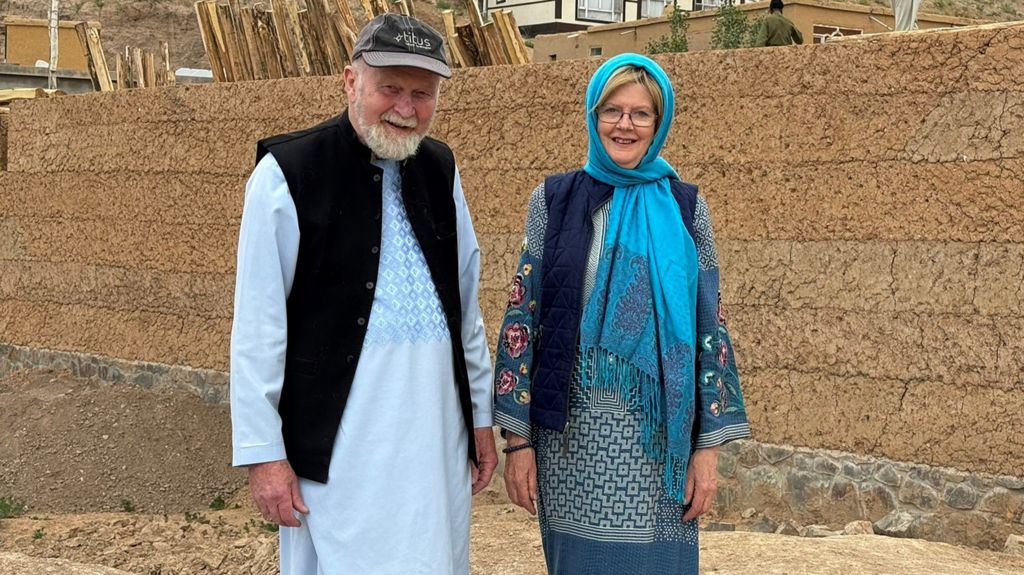
An elderly British couple, Peter Reynolds, 80, and his wife Barbie, 76, who had been detained by the Taliban in Afghanistan for nearly eight months, have finally been released. The couple, who had lived in Afghanistan for almost two decades, were apprehended on February 1 while traveling home. Their release was secured through Qatari mediation, according to an official familiar with the case. During the final stages of negotiations, the couple was transferred from Kabul’s central prison to a larger facility. A Qatari official confirmed that the couple will first travel to Qatar for medical evaluations before returning to the UK, despite their long-term residence in Afghanistan’s Bamiyan province. The release comes after months of relentless public advocacy by their family. Just six days prior to their release, Faye Hall, an American woman who had been detained with them but was released two months into her captivity, shared with the BBC that the couple’s health had severely deteriorated in prison, stating they were ‘literally dying’ and that ‘time is running out.’
分类: world
-

Fans, food and fast feet: Africa’s top shots
This week, Africa showcased a vibrant tapestry of cultural, culinary, and athletic achievements, capturing the world’s attention. In Lagos, Nigeria, Comic Con Africa brought together enthusiasts of gaming, comics, and animation. Among the attendees was 23-year-old Toni Olaguniu, who dressed as Mother Miranda from *Resident Evil*, and 24-year-old Toby Adekunle, who embodied Ekko from *League of Legends*. The event, held annually in cities worldwide, celebrates the creativity and passion of super-fans. Meanwhile, Nigerian chef Hilda Baci and her team made headlines by creating the world’s largest vat of jollof rice, weighing nearly nine tonnes, a testament to West Africa’s culinary prowess. In Paris, Ivorian cuisine took center stage at the Gastronomic Village, where over 60 countries showcased their culinary heritage. On the athletic front, Ethiopia’s Sembo Almayew set a personal best in the 3000m steeplechase in Japan, while Kenya’s Beatrice Chebet triumphed in the 10,000m race at the World Athletics Championships. In Malawi, political fervor gripped the nation as supporters of the governing MCP rallied ahead of the presidential election, with both the president and the main opposition leader claiming victory despite delayed official results. Elsewhere, Nigerian artist Nnenna Okoreon displayed her eco-conscious artwork, *Between Earth and Sky*, at London’s Kew Gardens, highlighting the intersection of plants, textiles, and sustainability. In Mogadishu, Somalia, 17-year-old Zakaria Mohamed demonstrated community spirit by caring for pigeons in his neighborhood. Finally, Beninese music icon Angélique Kidjo captivated audiences with a powerful performance at the Vatican, reaffirming her status as a global cultural ambassador. These stories underscore Africa’s dynamic contributions to global culture, sports, and innovation.
-
Second migrant removed to France after court bid fails
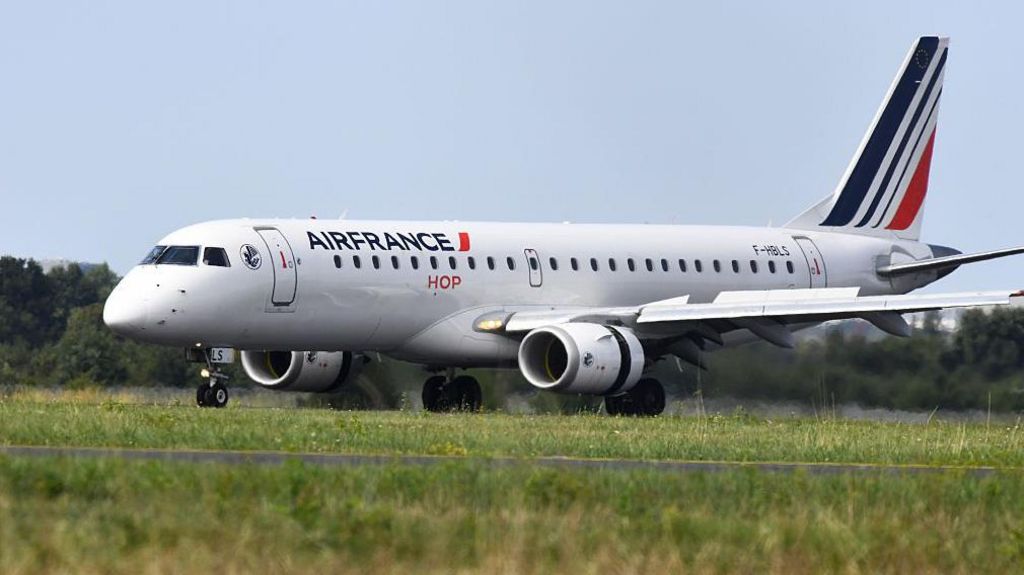
An Eritrean man has been deported from the UK to France under the government’s ‘one in, one out’ migration agreement, marking the second such removal since the policy was introduced. The man, whose identity remains undisclosed, was escorted by Home Office officials on an Air France flight from Heathrow to Paris. This action follows a failed last-minute court appeal to delay his departure, with the presiding judge ruling there was no legal justification to halt the process. The ‘one in, one out’ scheme, a year-long pilot agreement between the UK and France, aims to deter illegal small boat crossings by returning migrants to France while allowing asylum seekers with strong cases to enter the UK in exchange. The first deportation under this policy involved an Indian national, who was returned to France earlier this month. The Eritrean man, who arrived in the UK via a small boat in August, had claimed to be a victim of human trafficking. However, the judge noted inconsistencies in his account, leading to the decision to proceed with his removal. The Home Office has confirmed that more flights are planned, though ongoing legal challenges may affect their execution. Since the scheme began in August, approximately 5,590 migrants have reached the UK, with around 100 currently detained in immigration removal centers near Heathrow.
-

Historic tunnel created under the Alps to connect Italy and Austria
In a landmark achievement for European infrastructure, workers on Thursday breached the final layer of rock in the construction of the Brenner Base Tunnel, a monumental project set to become the world’s longest underground rail connection. This tunnel, linking Austria and Italy, is a cornerstone of the European Union’s strategy to reduce road freight traffic, lower pollution, and enhance cross-border trade. Italian Prime Minister Giorgia Meloni hailed the event as a “decisive step” in building one of the continent’s most ambitious infrastructure projects, calling it a historic milestone for Italy, Austria, and Europe as a whole. Scheduled to open in 2032—16 years behind schedule—the tunnel will span 55 kilometers (34 miles) and, when connected to an existing underground link to Innsbruck, extend to 64 kilometers. It promises to slash travel times between Fortezza, Italy, and Innsbruck, Austria, from 80 minutes to under 25 minutes. The Brenner Pass, one of Europe’s busiest freight routes, currently sees over 2.5 million trucks and 50 million tonnes of goods annually, contributing to severe congestion and environmental strain. The tunnel aims to shift 70% of trans-Alpine freight traffic from roads to rail, reversing the current imbalance. However, the project’s full potential could be hindered by Germany’s delay in finalizing crucial northern access routes to the tunnel, which are essential for maximizing its impact on reducing road traffic through the Alps. With a budget now exceeding 8.5 billion euros ($10 billion), the Brenner Base Tunnel represents a significant investment in Europe’s sustainable transportation future.
-
US, Israel criticise UN staff over Gaza war stance amid protests, documents show
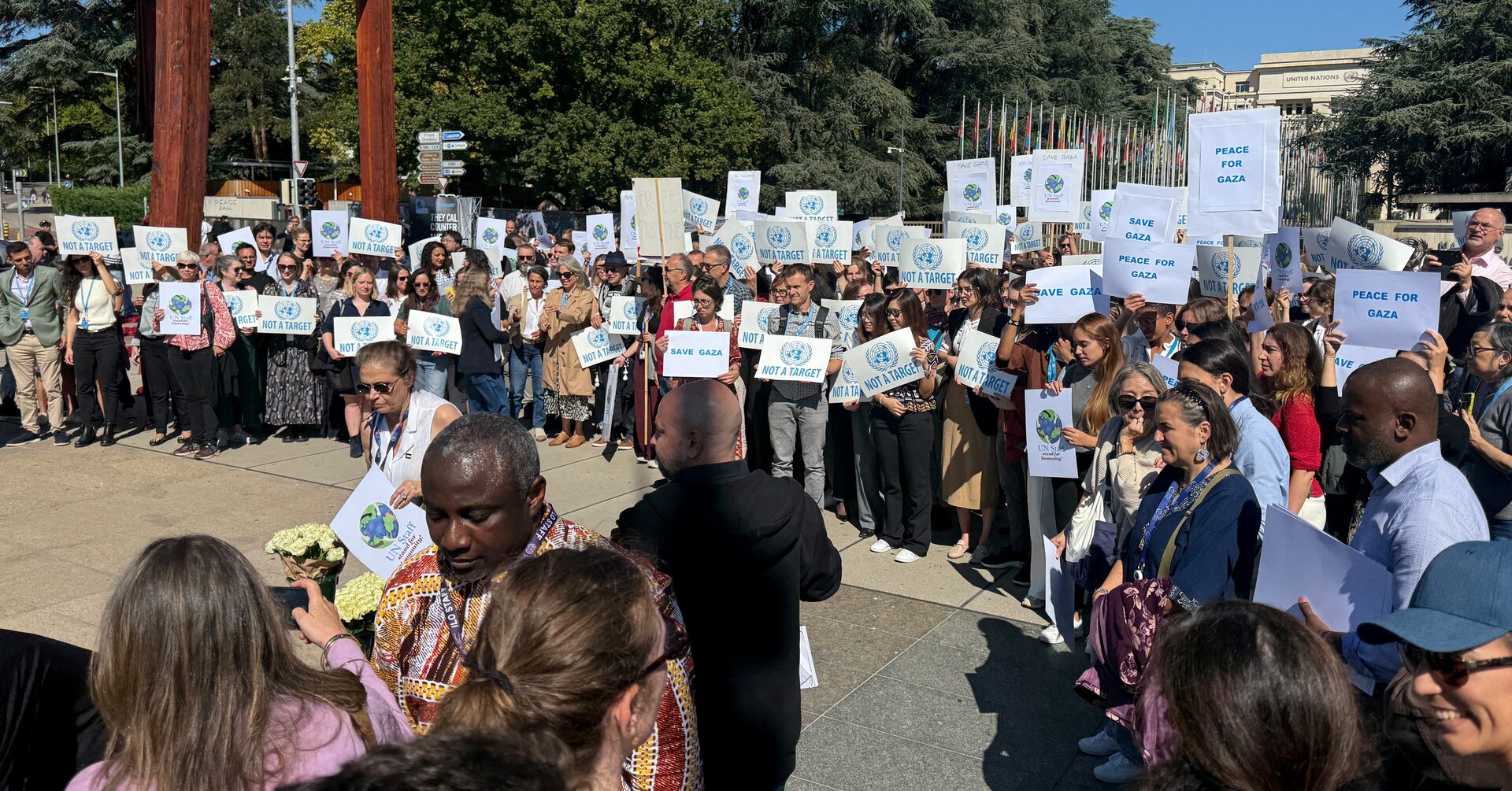
In a poignant demonstration of solidarity, hundreds of United Nations staff gathered outside the European headquarters in Geneva on September 18, 2025, to denounce the killings of their colleagues in Gaza since the onset of the Israel-Hamas conflict in October 2023. The protest, marked by placards reading ‘Peace for Gaza’ and ‘Not a Target,’ also featured the laying of 370 white roses—a somber tribute to each UN aid worker lost in the nearly two-year war. Nathalie Meynet, president of the UN refugee agency staff council, emphasized the urgency of the protest, stating, ‘Enough is enough. We cannot kill our colleagues in Gaza with such impunity.’
The event, however, has sparked significant controversy. Both the United States and Israel have lodged formal complaints with UN leadership, accusing the organization of breaching its principle of impartiality. In a letter dated September 10, Israel’s ambassador to the UN in Geneva, Daniel Meron, criticized the protest as politically charged and called for disciplinary action against participants. Similarly, US Charge d’Affaires Tressa Finerty condemned the event, labeling it a ‘grave violation of the UN’s principle of neutrality’ and alleging systemic anti-Israel bias within the organization.
Amid these tensions, UN management has reiterated the importance of neutrality. A confidential memo issued on September 17 reminded staff to avoid activities perceived as political, warning of potential risks to the organization’s integrity. Despite these directives, many UN employees remain outraged by the scale of the losses and the perceived failure to uphold humanitarian law. Yousra Ahmed, a UN staff worker at the protest, asserted, ‘It’s not a question of neutrality. I’m just outraged that the rules of the United Nations and humanitarian law are not being applied.’
The protest and subsequent backlash underscore the deepening rift between the UN and its largest funder, the US, which has previously disengaged from the UN Human Rights Council over allegations of anti-Israel bias. With over 543 aid workers killed in Gaza, including 373 UN staff members, the conflict has exacted an unprecedented toll on the organization’s humanitarian efforts. As the UN grapples with these challenges, the balance between neutrality and advocacy remains a contentious issue.
-
Russia dismisses Yale report on Ukrainian children as fake propaganda
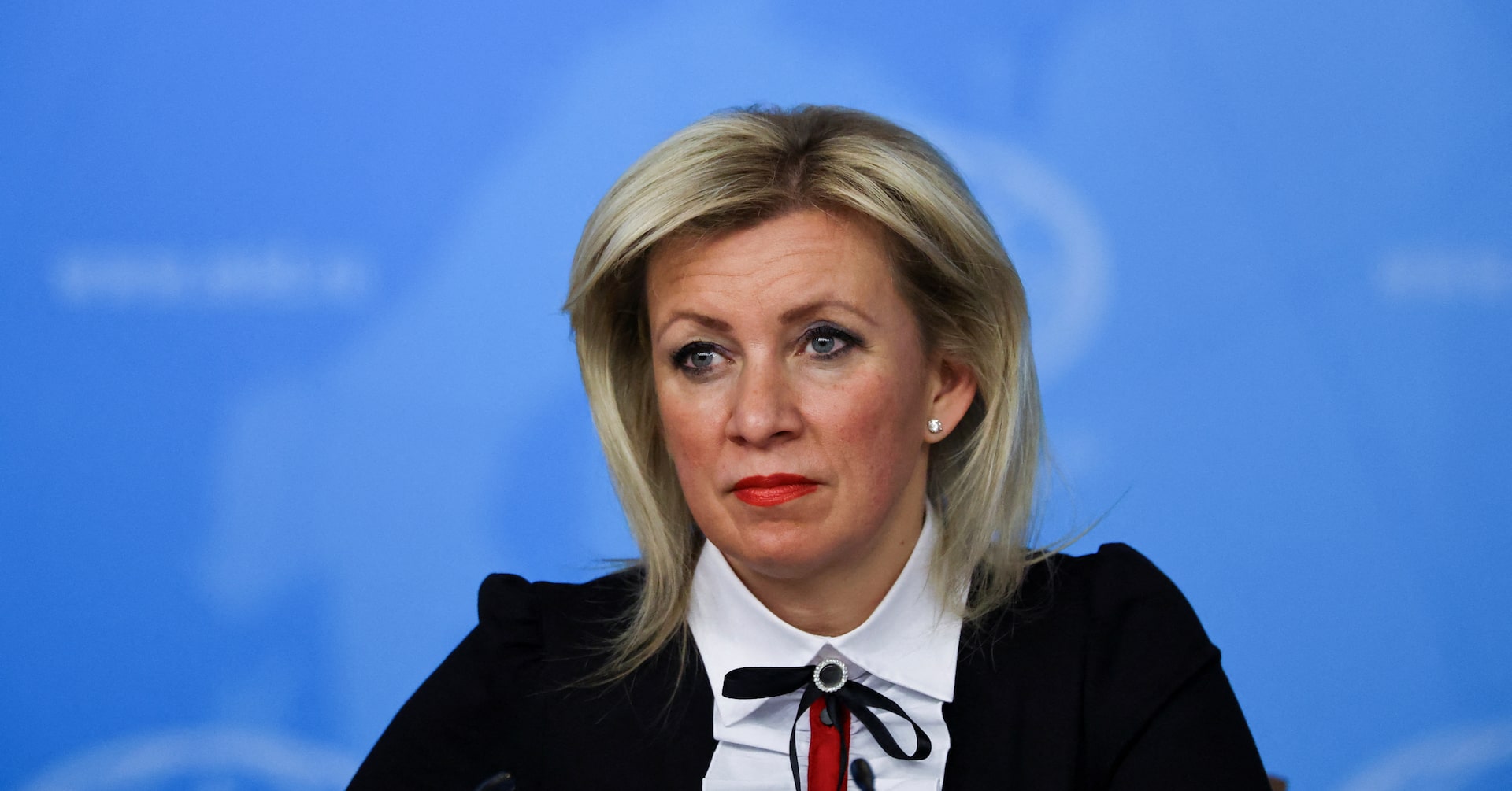
MOSCOW, Sept 18 (Reuters) – Russia’s Foreign Ministry has vehemently rejected a report from Yale’s School of Public Health, labeling it as anti-scientific propaganda filled with baseless claims and dubious data. The report, published earlier this week, alleged that over 210 sites in Russia are being used for the forced re-education of Ukrainian children, including military training and drone manufacturing, as part of a large-scale deportation program. Maria Zakharova, the ministry’s spokesperson, dismissed the findings during a press briefing, questioning the methodology and integrity of the data collection. She specifically criticized Yale’s estimate that 35,000 Ukrainian children had been illegally deported or displaced, calling it ‘fake fabrications’ and accusing the institution of failing to verify its claims. Zakharova further suggested that the report was part of a broader Western propaganda campaign aimed at justifying the seizure of Russian assets. Ukraine, however, maintains that over 19,500 children have been forcibly relocated to Russia and Belarus, a violation of the Geneva Conventions. Zakharova noted that the only official list of children provided to Russia contained 339 names, shared during negotiations in Istanbul in June 2025. The escalating dispute highlights the ongoing tensions between Russia and the West over the treatment of Ukrainian children amidst the conflict.
-
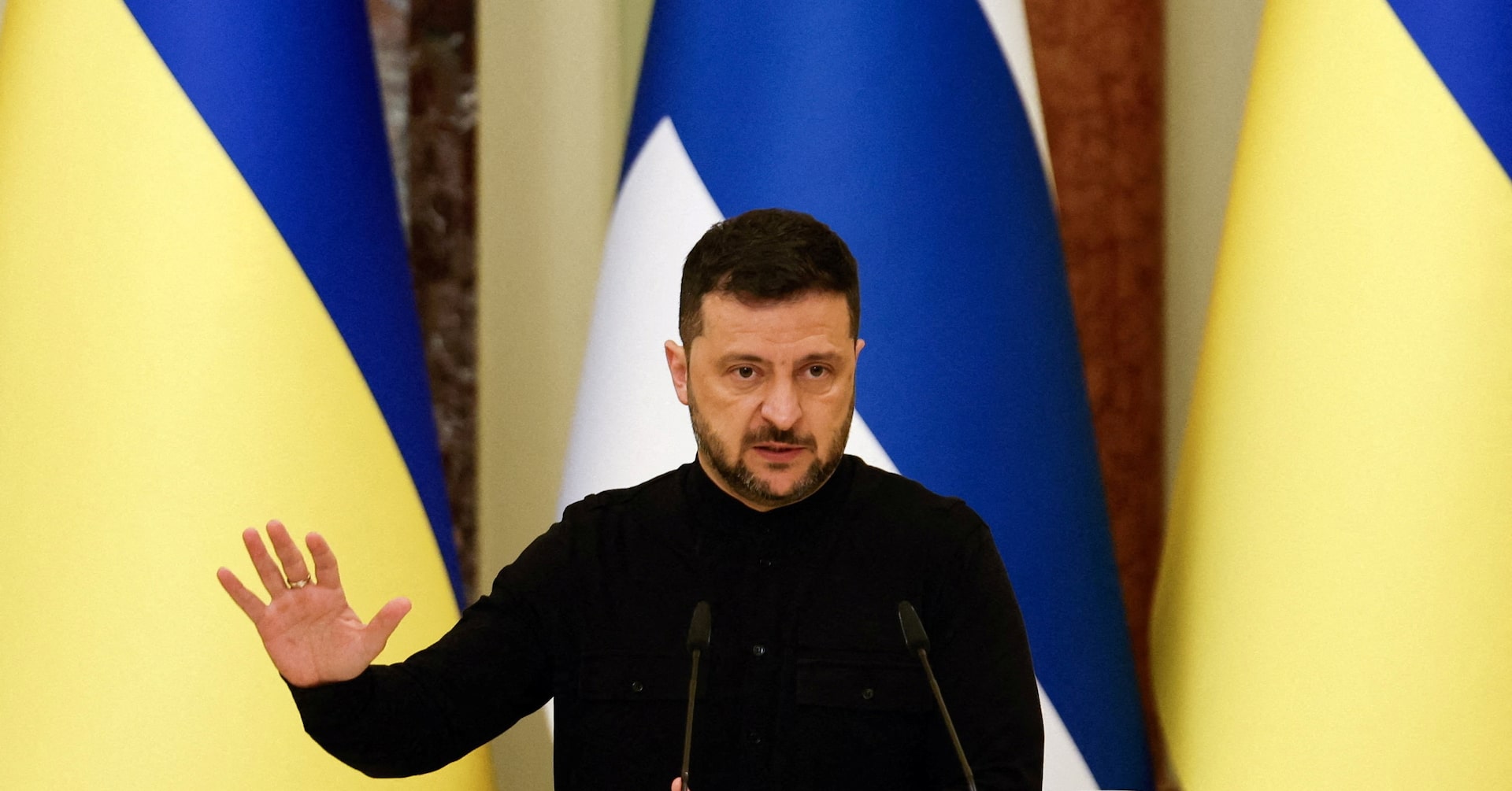
Ukrainian military in counteroffensive on eastern front, Zelenskiy says
In a significant development in the ongoing conflict between Ukraine and Russia, Ukrainian President Volodymyr Zelenskiy announced on Thursday that Ukrainian forces have successfully reclaimed seven settlements in the eastern Donetsk region. Speaking during a visit to the front lines, Zelenskiy emphasized that the counteroffensive has disrupted Russia’s plans for a full-scale offensive operation. ‘Our forces are depriving the occupier of the opportunity to carry out their long-planned offensive,’ he stated in a video address. Since the operation began, Ukrainian troops have regained control of 160 square kilometers (62 square miles) and cleared over 170 square kilometers of Russian presence, including nine additional settlements. The President did not specify the exact start date of the operation but highlighted the intense fighting in areas such as Dobropillia and Pokrovsk, where Russian forces had made rapid advances in mid-August. The Donetsk region, partially occupied by Russia, remains a focal point of the conflict, with Moscow demanding Kyiv’s withdrawal as a precondition for any peace settlement. Tragically, a Russian guided bomb strike on Thursday killed five civilians in Kostiantynivka, located approximately 40 kilometers (25 miles) from Dobropillia. Russian forces have reportedly advanced to within 8 kilometers of the city, a critical logistics hub for Ukrainian defenses. The battlefield situation remains fluid, with Reuters unable to independently verify the latest developments in the war that began with Russia’s full-scale invasion in February 2022.
-

Ukraine to give Polish forces drone defence training after incursion
In a significant move to bolster regional security, Ukraine and Poland have announced a joint initiative to counter drone threats, following a recent incursion of Russian drones into Polish airspace. Ukrainian Defence Minister Denys Shmyhal revealed the collaboration during a press conference in Kyiv on Thursday, alongside his Polish counterpart, Wladyslaw Kosiniak-Kamysz. The partnership will focus on training Polish troops and engineers in advanced drone interception techniques, leveraging Ukraine’s expertise in combating massed Russian drone attacks. Shmyhal emphasized that the training would encompass the entire ‘ecosystem’ of drone defense, from electronic jamming to deploying interceptor drones. Ukraine will also share its systems for tracking Russian aerial targets with Poland, enhancing early detection capabilities. The joint exercises will take place at a training ground in Lipa, southern Poland. This initiative comes after more than 20 Russian drones entered Polish airspace on September 9-10, prompting NATO jets to intercept them. While Russia claimed the drones were targeting Ukraine, the incident has heightened concerns in Warsaw about Moscow’s intentions. Ukraine’s layered defense system, which includes interceptor drones, heavy machine guns, and electronic warfare, has proven effective against Russian drone swarms, offering a cost-efficient solution compared to traditional missile interceptions.
-
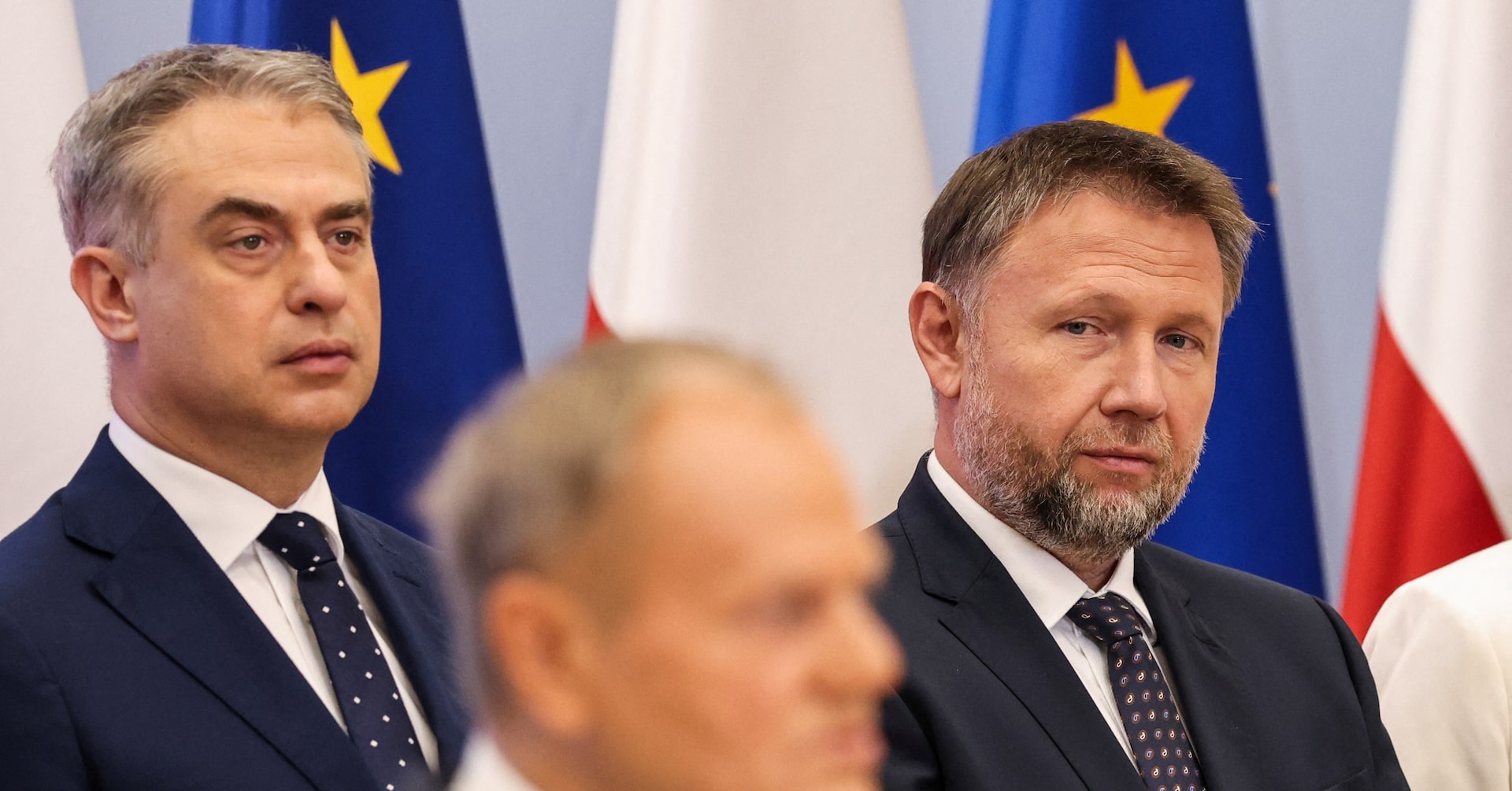
Poland reports increased drone activity near Belarus border
Poland has reported a surge in drone activity near its border with Belarus, intensifying tensions in the region. The announcement came on Thursday, September 18, 2025, following the closure of several border crossings due to ongoing military exercises involving Belarus and its ally, Russia. The ‘Zapad’ (West) war games, which concluded recently, had already raised alarms when approximately 21 Russian drones breached Polish airspace on September 9-10. Interior Minister Marcin Kierwinski, who assumed office in July 2025, stated that the border would remain closed until the situation stabilizes. ‘Last night, the Border Guard observed increased activity by Belarusian and Russian drones attempting to cross Polish airspace,’ Kierwinski said. ‘The situation on the Polish-Belarusian border remains very, very tense.’ While no Polish intervention or drone shootdowns were reported, the heightened activity underscores the strained relations between Poland and Belarus. Belarus has deepened its alliance with Russia, particularly since Moscow’s invasion of Ukraine, allowing Russian troops to transit through its territory. Poland, a staunch supporter of Ukraine, has already closed four of its six road border crossings with Belarus, along with three rail crossings for freight. The ongoing friction continues to strain regional security and diplomatic relations.
-
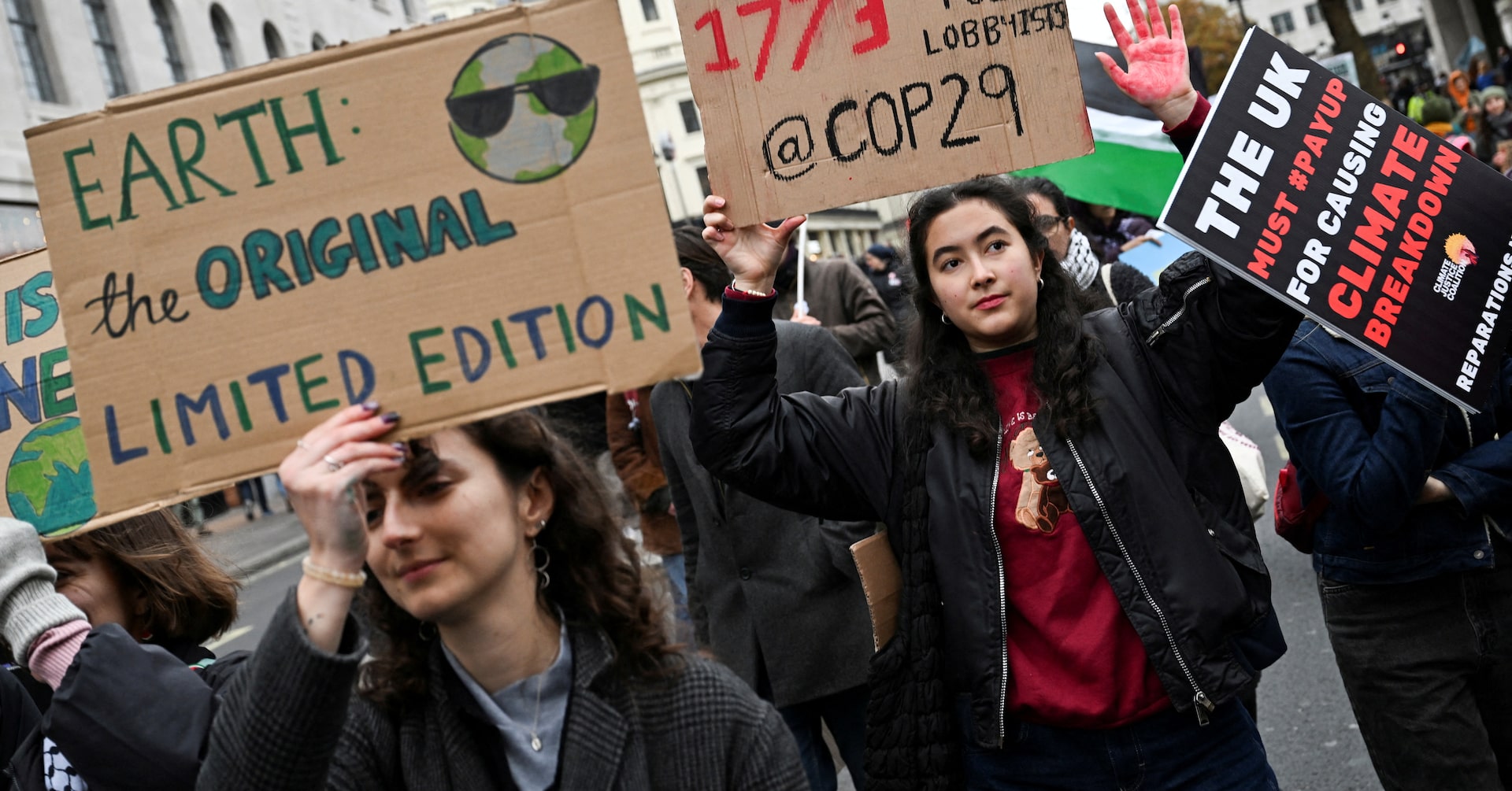
EU set to miss UN climate deadline amid internal divisions
In a significant development, European Union climate ministers are poised to confirm on Thursday that the bloc will fail to meet a global deadline for setting new emissions reduction targets. This delay stems from internal disagreements among EU governments, casting a shadow over the EU’s leadership in global climate action. The missed deadline could undermine the bloc’s credibility as it prepares to join other major powers at the United Nations General Assembly next week, where updated climate plans are expected to be presented ahead of the COP30 climate talks in November. While major emitters like China are anticipated to meet the deadline, and Australia has already announced its target, the EU’s internal discord highlights the challenges of aligning ambitious climate goals with economic and geopolitical realities. EU Climate Commissioner Wopke Hoekstra defended the bloc’s efforts, stating, “If you zoom out, you can find that we continue to be amongst the absolutely most ambitious on the global stage.” However, the EU’s inability to agree on new targets for 2035 and 2040 has sparked criticism. Germany, France, and Poland have called for further discussions on the 2040 goal at an October summit, delaying progress on both targets. As a temporary measure, EU ministers will attempt to draft a “statement of intent” outlining their climate ambitions. A draft of this statement, previously reported by Reuters, suggests the EU aims to reduce emissions by 66.3% to 72.5% by 2035. Despite the setback, the bloc remains committed to finalizing its 2035 target before COP30. Finnish Climate Minister Sari Multala emphasized, “It is hard for us to require the others, our international partners, to do the same if we don’t deliver ourselves.” The EU’s traditional role as a climate leader is under strain due to rising concerns over the costs of climate measures and competing priorities such as defense and industrial spending. Divisions among member states are further exacerbated by differing views on the European Commission’s proposal to cut net greenhouse gas emissions by 90% by 2040. While countries like Spain and Denmark advocate for stronger climate action, citing extreme weather events and energy security, others like the Czech Republic and Italy oppose the ambitious targets, citing potential harm to industries. This internal conflict underscores the complexities of balancing environmental goals with economic and political pressures in a rapidly changing world.