分类: world

  • Mexico’s most wanted drug lord ‘El Mencho’ killed in military operation

    Mexico’s most wanted drug lord ‘El Mencho’ killed in military operation

    Mexican defense authorities have confirmed the death of Nemesio Oseguera Cervantes, alias ‘El Mencho’, the notorious leader of the Jalisco New Generation Cartel (CJNG), during a high-stakes military operation. The raid occurred in the early hours of Sunday in Tapalpa, a municipality within the cartel’s home territory of Jalisco state.

    According to official statements from the Mexican Defense Ministry, the operation resulted in multiple CJNG casualties. El Mencho sustained critical injuries during the firefight and succumbed to his wounds while being medically evacuated by air to Mexico City. The military successfully confiscated a significant arsenal from the cartel, including armored vehicles and rocket launchers. The operation came at a cost, however, with three Mexican soldiers wounded and subsequently hospitalized for emergency care.

    In the aftermath of the operation, unverified reports emerged of vehicles set ablaze and armed individuals patrolling streets in Jalisco and other regions. The escalating violence prompted the U.S. State Department to issue immediate shelter-in-place advisories for its citizens across multiple Mexican states, including Jalisco, Tamaulipas, and parts of Michoacán, Guerrero, and Nuevo León.

    The operation benefited from critical intelligence sharing between nations. The Mexican Defense Ministry acknowledged the United States provided valuable information that facilitated the mission. This bilateral cooperation underscores the international significance of neutralizing El Mencho, whose CJNG cartel had expanded from its regional base to establish a pervasive, nationwide criminal network in Mexico.

    Christopher Landau, former U.S. Ambassador to Mexico, hailed the development on social media, declaring it a monumental victory for regional and global security. The U.S. government had previously designated El Mencho as a top-priority target, offering a substantial $15 million reward for information leading to his capture.

  • India delays US trade talks after Supreme Court rejects Trump tariffs, source says

    India delays US trade talks after Supreme Court rejects Trump tariffs, source says

    India has abruptly postponed a high-level trade delegation to Washington scheduled for this week, creating uncertainty around a landmark bilateral trade agreement. The decision comes directly in response to the U.S. Supreme Court’s recent rejection of tariff measures previously imposed by former President Donald Trump.

    According to an anonymous source within India’s trade ministry, the postponement was mutually agreed upon by officials from both nations due to the significant legal and economic uncertainty created by the court’s Friday ruling. No alternative date for rescheduled talks has been established.

    The now-delayed negotiations were intended to finalize an interim trade pact that had been carefully developed over months. The framework agreement would have seen the United States reduce punitive tariffs on specific Indian exports from 25% to 18%, while India committed to purchasing American goods worth approximately $500 billion over a five-year period. These purchases were to include energy supplies, aircraft and components, precious metals, and advanced technology products.

    The Supreme Court’s decision has triggered immediate international repercussions, with India’s response representing one of the first concrete reactions from Asian nations. In a subsequent move, President Trump announced on Saturday the imposition of a temporary 15% tariff on imports from all countries—the maximum permitted under existing legislation.

    Domestically, India’s opposition Congress party has seized on the judicial development, demanding that the interim agreement be suspended and renegotiated. Party officials have questioned Prime Minister Narendra Modi’s decision to issue a joint statement with the U.S. prior to the court’s ruling.

    Indian Trade Minister Piyush Goyal had previously indicated that the interim pact could take effect as early as April, pending resolution of outstanding issues during the Washington visit. The Indian trade ministry has confirmed it is conducting a comprehensive analysis of both the court judgment and subsequent U.S. policy announcements.

  • Russian missile barrage hits energy, railways across Ukraine

    Russian missile barrage hits energy, railways across Ukraine

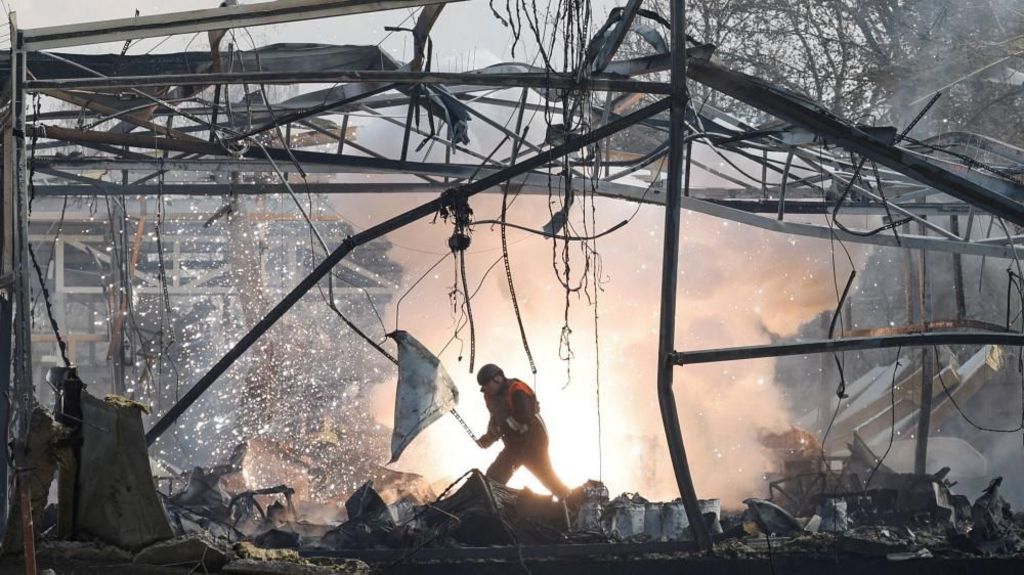
    In a significant escalation of hostilities just days before the fourth anniversary of its full-scale invasion, Russia launched a coordinated multi-pronged assault across Ukraine on Sunday. The widespread offensive targeted critical energy infrastructure, railway networks, and residential areas with a barrage of 50 missiles and 297 drones, marking one of the most intensive attacks in recent weeks.

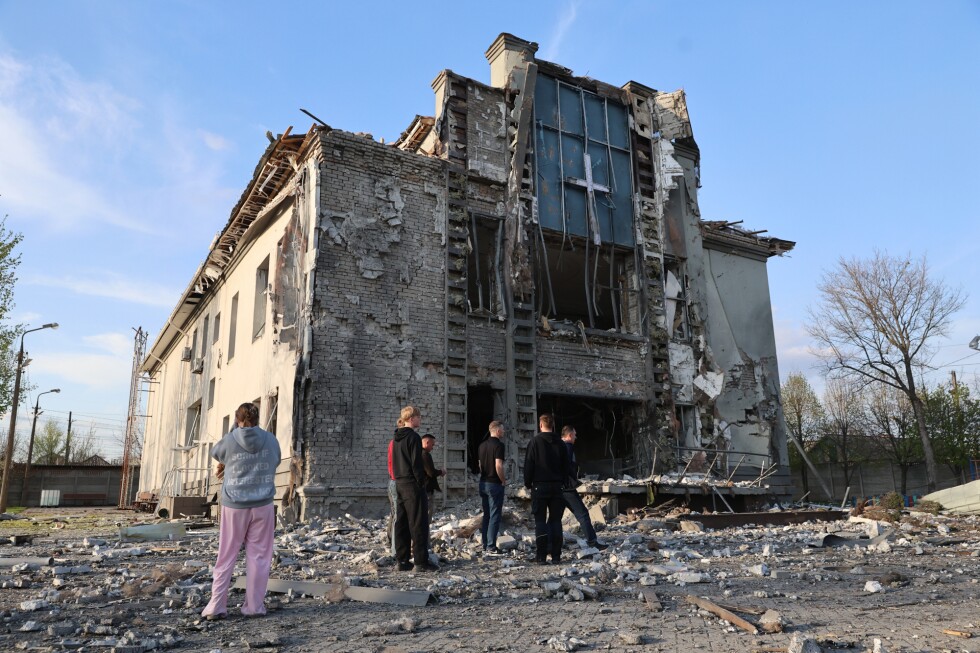
    Ukrainian air defense systems demonstrated remarkable effectiveness by intercepting 33 missiles and 274 drones, though significant damage still occurred across multiple regions. The capital Kyiv and its surrounding areas suffered particularly severe impacts, with reports confirming one fatality and at least a dozen injuries, including four children. In the suburb of Sofiivska Borshchagivka, residential structures sustained extensive damage, with eyewitnesses describing powerful explosions that shook buildings violently.

    President Volodymyr Zelensky condemned the attacks, stating that Moscow continues to prioritize military strikes over diplomatic solutions. ‘The main target was the energy sector, but ordinary residential buildings were also damaged, along with railway infrastructure,’ Zelensky emphasized during his address.

    Concurrently, a separate security incident unfolded in Lviv, where an explosion at a central retail establishment resulted in the death of a police officer and injuries to 25 individuals. Ukrainian authorities subsequently detained a suspect allegedly recruited through Telegram messaging platform, with Zelensky characterizing the event as ‘a cynical and cruel act of terrorism’ orchestrated by Russian operatives.

    The military offensive occurred against a complex geopolitical backdrop, with Hungary threatening to block the European Union’s latest sanctions package against Russia unless Ukraine reinstates operations of the damaged Druzhba oil pipeline. Ukraine maintains that Russian strikes originally compromised this critical energy conduit in late January.

    Poland’s armed forces responded to the heightened tensions by scrambling fighter jets as Russian long-range aviation conducted strikes near border regions. Meanwhile, Russia’s defense ministry asserted that all targeted facilities served military purposes, though evidence from impact sites contradicted these claims.

  • 50 feared missing after another Philippines landfill collapse

    50 feared missing after another Philippines landfill collapse

    A catastrophic landfill collapse in Montalban, Rizal, on Saturday afternoon has left approximately 50 individuals missing, raising fears of a death toll surpassing January’s deadly garbage slide in Cebu City that claimed 36 lives. The incident occurred at 2:00 PM local time at the ISWIMS-operated facility in Barangay San Isidro, initially affecting around 100 people according to preliminary assessments.

    Initial reports from the University of the Philippines’ Philippine Collegian indicate a concerning absence of coordinated government-led rescue operations in the immediate aftermath. The student publication further revealed that landfill operator International Solid Waste Integrated Management Specialist Inc. (ISWIMS) has been restricting access to information, blocking both journalists and local residents from obtaining details about the disaster and its casualties.

    The collapse, reportedly triggered by three backhoe vehicles operating at the site, buried numerous victims under tons of waste material. The tragedy strikes a vulnerable community that had already been facing the threat of demolition, with approximately 1,000 families potentially facing displacement from their homes adjacent to the landfill facility.

    This disaster echoes previous waste management tragedies in the Philippines, including the April 2013 Rodriguez trash slide that killed four people, and more recently, the January 8 Binaliw landfill collapse in Cebu City that resulted in 36 fatalities. The Cebu incident was attributed to unsafe operational practices by private contractors, including improper waste stacking techniques that created unstable garbage mounds.

    The Montalban area has undergone significant environmental transformation in recent decades, with once-pristine mountains and valleys converted into dumping grounds for metropolitan Manila’s waste. This shift occurred following the permanent closure of Quezon City’s Payatas Landfill in 2017, which itself was the site of the country’s most devastating garbage slide in July 2000 that killed at least 218 people with hundreds more remaining missing.

    As of Sunday, local government authorities had not issued official statements regarding the latest incident, with response efforts potentially hampered by the weekend holiday. The situation highlights ongoing challenges in waste management practices and regulatory oversight of private landfill operators across the Philippines.

  • No family visits allowed for ex Philippine president Duterte during ICC hearings

    No family visits allowed for ex Philippine president Duterte during ICC hearings

    Former Philippine President Rodrigo Duterte remains in complete isolation at International Criminal Court (ICC) detention facilities as pivotal hearings commence regarding crimes against humanity charges. The Duterte family confirmed through an official statement that all requests for face-to-face visits have been denied throughout the judicial proceedings.

    The ICC Pre-Trial Chamber I convenes this week to examine evidence supporting allegations against Duterte’s controversial anti-drug campaign, which resulted in thousands of fatalities during his presidency and earlier tenure as Davao City mayor. Despite the former leader’s formal request to be excused from physical attendance, the court maintains strict protocols limiting external contact.

    Duterte’s legal defense team includes prominent Filipino attorneys such as former Executive Secretary Salvador Medialdea, ex-Presidential Spokesperson Salvador Panelo, and former Labor Secretary Silvestre Bello III. They are joined by attorneys Martin Delgra III, Alfredo Lim Jr., and Caesar Dulay in challenging the ICC’s jurisdiction.

    The judicial process represents the culmination of an eight-year legal battle that began with initial complaints filed in June 2017. Duterte’s administration subsequently withdrew the Philippines from the Rome Statute in March 2018, though the ICC asserts jurisdiction over crimes alleged between November 2011 and March 2019, when the nation remained a state party to the treaty.

    Official government records acknowledge approximately 6,000 fatalities during Duterte’s anti-drug operations, though international human rights organizations and ICC prosecutors estimate the actual death toll between 12,000 and 30,000. The former president, who describes himself as ‘old, tired and frail,’ has accepted the possibility of dying in detention while maintaining his non-recognition of the court’s authority.

  • US relocates troops across Middle East bases amid rising tensions with Iran

    US relocates troops across Middle East bases amid rising tensions with Iran

    The United States military has commenced a significant strategic repositioning of its forces across multiple bases in the Middle East, responding to escalating tensions with Iran that threaten to erupt into direct military confrontation. This comprehensive redeployment involves hundreds of personnel being transferred from critical installations including Qatar’s Al Udeid Air Base, with similar movements observed at facilities in Bahrain, Iraq, Syria, Kuwait, Saudi Arabia, and Jordan.

    According to intelligence reports from The New York Times, the approximately 30,000-40,000 U.S. troops stationed across eight permanent bases in the region currently operate with limited air defense capabilities against potential Iranian retaliation. Military analysts emphasize that any forthcoming conflict would differ substantially from previous engagements, notably the June 2025 strike on Al Udeid where advance warning was provided.

    The Pentagon’s strategic preparations indicate anticipation of multiple potential Iranian targets, including short and medium-range missile facilities, weapons storage depots, nuclear development sites, and headquarters of Iran’s Islamic Revolutionary Guard Corps. This comes in response to explicit warnings from Iran’s UN mission that all American bases, facilities, and assets in the region would become “legitimate targets” in the event of U.S. aggression.

    In a defensive enhancement move, the U.S. is deploying additional air defense systems throughout the region while maintaining two aircraft carriers at strategic distances from Iranian territory to minimize vulnerability. These developments suggest preparation for potentially extended military operations, despite the Trump administration’s continued official commitment to diplomatic resolution. Internal planning has reportedly grown increasingly detailed, with discussions even extending to the possibility of regime change in Tehran, reflecting the gravity of current tensions.

  • Explosions kill police officer and injure 25 in western Ukraine

    Explosions kill police officer and injure 25 in western Ukraine

    A devastating terrorist attack struck the western Ukrainian city of Lviv in the early hours of Sunday, resulting in the death of a 23-year-old police officer and injuring 25 others, including multiple law enforcement personnel. Ukrainian authorities confirmed the incident involved strategically planted explosive devices designed to target first responders.

    According to the National Police of Ukraine, the sequence of events began when police crews responded to a reported break-in at a central Lviv shop shortly after midnight. The initial explosion detonated as the first police vehicle arrived on scene. A subsequent blast occurred when additional officers responded to the incident, indicating a calculated ambush targeting emergency personnel.

    The victim was identified as Officer Viktoria Shpylka, who had commenced her service with the national police at the onset of Russia’s full-scale invasion. National police commemorated her service in a Telegram post, noting her dedication during the Kherson region operations.

    Ukrainian President Volodymyr Zelensky confirmed the detention of a primary suspect identified as a 33-year-old Ukrainian woman from the Rivne region. Interior Minister Ihor Klymenko indicated ongoing investigations to identify additional accomplices, while the regional prosecutor’s office has launched a formal terrorism investigation.

    The attack resulted in eleven hospitalizations, including six law enforcement officers in serious condition. The explosives were concealed within waste bins near the incident location, according to police findings.

    This security incident occurred amid continued Russian military aggression, with Ukraine reporting interception of 50 missiles and nearly 300 drones during overnight attacks targeting energy infrastructure, residential areas, and railway systems. The Kyiv region reported one civilian fatality and two hospitalizations from these separate attacks.

  • Pakistan launches deadly strikes in Afghanistan; children among dozens killed

    Pakistan launches deadly strikes in Afghanistan; children among dozens killed

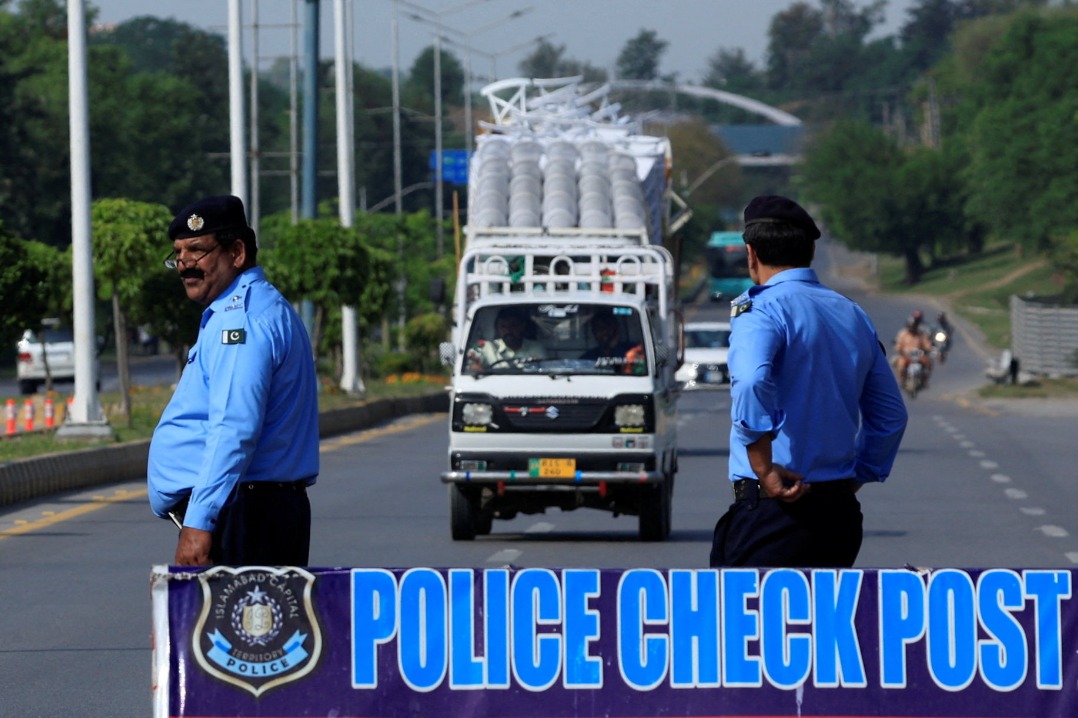
    Pakistan executed a series of military airstrikes targeting militant positions within Afghan territory during overnight operations, marking a significant escalation in cross-border tensions. The Pakistani Ministry of Information and Broadcasting confirmed the offensive targeted seven locations along the border region, specifically aimed at Afghanistan-based militant organizations including the Pakistani Taliban and an Islamic State affiliate.

    The operation, described as retaliatory measures following recent suicide bombing incidents within Pakistan, represents the most substantial military action since October border clashes that resulted in over seventy casualties. According to Islamabad’s official statement, the strikes were conducted in response to security failures by Taliban authorities to address militant sanctuaries within their territory.

    Afghan government spokesperson Zabihullah Mujahid reported the attacks struck provinces of Nangarhar and Paktika, resulting in numerous casualties including women and children. An AFP journalist in Bihsud district witnessed emergency responders using heavy machinery to search for victims beneath collapsed structures. Confidential security sources indicated that among the deceased were twelve children and teenagers killed when a residential compound was struck.

    The deteriorating relationship between the neighboring nations has intensified since the Taliban’s return to power in 2021, with security concerns constituting the primary point of contention. Pakistan maintains that Afghan territory serves as a base for militant operations against its interests, while Kabul consistently denies these allegations.

    The recent escalation follows a particularly devastating suicide bombing at a Shiite mosque in Islamabad two weeks prior, which claimed at least forty lives and injured over 160 people—the deadliest attack on the capital since 2008. Islamic State claimed responsibility for that assault, though Pakistan attributes broader militant activity to Taliban-tolerant policies.

    Previous border conflicts had been temporarily resolved through Qatar and Turkey-mediated ceasefires, though subsequent diplomatic negotiations in Doha and Istanbul have failed to establish lasting security agreements between the two nations.

  • Pakistan launches strikes on Afghanistan, with Taliban saying dozens killed

    Pakistan launches strikes on Afghanistan, with Taliban saying dozens killed

    In a significant escalation of cross-border tensions, Pakistan conducted a series of overnight airstrikes targeting multiple locations within Afghanistan’s eastern provinces. The operation, described by Islamabad as “intelligence-based selective targeting,” focused on seven alleged militant camps and hideouts near the volatile Pakistan-Afghanistan border region.

    Afghan Taliban authorities reported devastating civilian casualties, with officials in Nangarhar province stating that one strike alone destroyed the home of Shahabuddin, killing approximately 20 family members including women and children. The Taliban’s defense ministry confirmed attacks on civilian areas in both Nangarhar and Paktika provinces, characterizing the operation as a “blatant violation of Afghanistan’s territorial integrity” and a “clear breach of international law.”

    Pakistan’s Ministry of Information and Broadcasting justified the strikes as a “retributive response” to recent suicide bombings on Pakistani soil, specifically referencing an attack on a Shia mosque in Islamabad earlier this month and multiple incidents in Khyber Pakhtunkhwa province since the beginning of Ramadan. The statement identified targets as members of the banned Tehreek-i-Taliban Pakistan (TTP)—referred to by the government as “Fitna al Khawarij”—along with their affiliates and Islamic State-Khorasan Province elements.

    Islamabad presented what it called “conclusive evidence” that recent attacks in Pakistan were orchestrated by militant leadership based in Afghanistan, accusing the Afghan Taliban administration of failing to take meaningful action against these groups despite previous agreements.

    The Taliban administration issued a stern warning through its defense ministry, stating that “an appropriate and measured response will be taken at a suitable time” and criticizing Pakistan’s military intelligence capabilities. This development comes just days after Saudi Arabia mediated the release of three Pakistani soldiers captured during border clashes last October, which had previously resulted in a tentative ceasefire agreement—the first since the Taliban returned to power in 2021.

    The 1,600-mile mountainous border between the two nations remains a persistent flashpoint, with this latest incident representing the most serious breach of the fragile October ceasefire agreement to date.

  • Russian missile and drone barrage hits Kyiv suburbs, killing 1

    Russian missile and drone barrage hits Kyiv suburbs, killing 1

    Ukrainian emergency services reported a severe escalation in hostilities as Russian forces unleashed a massive aerial assault overnight, resulting in civilian casualties and widespread destruction across multiple regions. According to official statements released on Sunday, the attack killed at least one person in the Kyiv region and required the rescue of eight individuals, including a child, from beneath collapsed structures.

    The assault employed a diverse arsenal of 297 drones and 50 missiles, with Ukrainian air defenses successfully intercepting 274 drones and 33 missiles. Despite these efforts, 14 missiles and 23 drones penetrated defensive measures, striking 14 different locations while three missiles remained unaccounted for.

    Suburban areas surrounding Kyiv sustained significant damage, with fires erupting across five districts. Emergency responders conducted rescue operations in the village of Putrivka where buildings had been reduced to rubble. Simultaneously, energy infrastructure in the southern Odesa region suffered direct hits, igniting substantial fires that were subsequently contained by emergency services.

    In a separate incident unrelated to the aerial bombardment, an explosion in the western city of Lviv resulted in one fatality and 25 injuries. Ukrainian President Volodymyr Zelenskyy confirmed via Telegram that an individual has been apprehended in connection with this event.

    The persistent targeting of Ukraine’s energy grid has intensified humanitarian concerns, leaving civilians without essential electricity and heating during harsh winter conditions. This pattern of infrastructure attacks represents a continued strategy in the conflict now entering its fourth year.

    Russian authorities claimed defensive successes, stating their air defenses destroyed 86 Ukrainian drones overnight. In occupied territories, Moscow-installed officials reported two Ukrainian drones struck an oil depot in Luhansk, injuring a security guard and igniting a fuel tank.