分类: world

  • Chad shuts border with Sudan in bid to stop conflict spreading

    Chad shuts border with Sudan in bid to stop conflict spreading

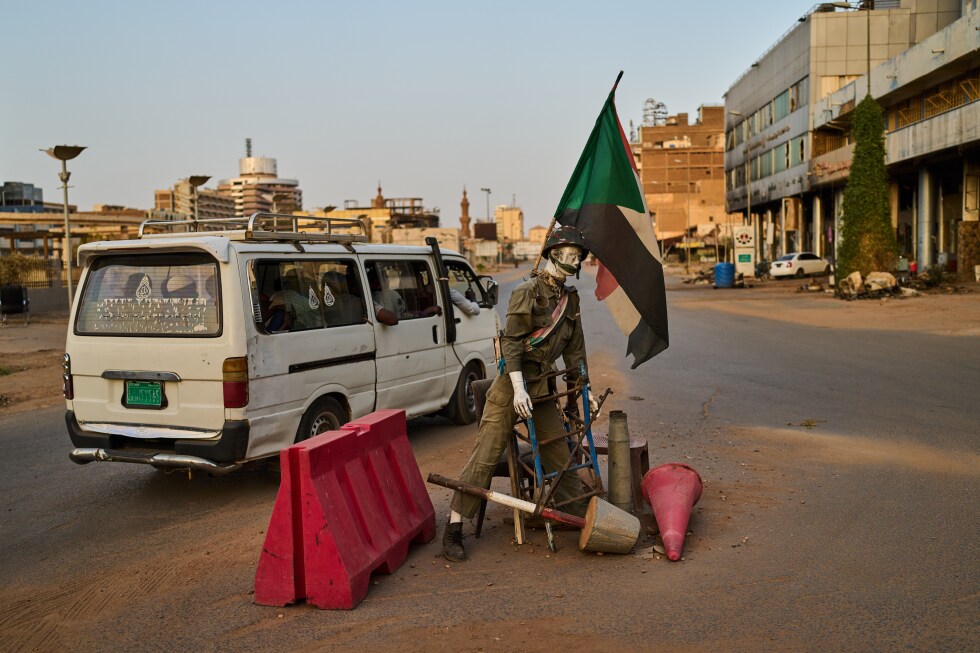
    Chad has implemented an indefinite closure of its eastern frontier with Sudan, citing repeated military incursions by Sudanese armed factions as the primary justification. The decisive action, announced on Monday, follows intense combat in the border settlement of al-Tina involving Sudan’s Rapid Support Forces (RSF) and local militias aligned with the Sudanese national army.

    Government officials characterized the border shutdown as an essential security precaution amid mounting concerns that Sudan’s internal conflict is encroaching upon Chadian territory. Communications Minister Mahamat Gassim Cherif issued an official statement emphasizing the measure’s purpose to prevent regional spillover of violence and ensure protection for both citizens and refugee populations.

    While the closure remains in effect indefinitely, authorities indicated they would consider humanitarian exemptions on a case-by-case basis with formal authorization. The government simultaneously issued a stern warning that Chad maintains the right to respond decisively to any aggression or border violations.

    The border region has witnessed deteriorating security conditions following weekend clashes that resulted in significant casualties. Preliminary reports indicate five Chadian soldiers and three civilians lost their lives, with at least twelve others sustaining injuries during cross-border hostilities.

    This development compounds an already severe humanitarian situation, with approximately one million Sudanese refugees having crossed into Chad since the civil war’s inception in April 2023. The nation serves as both a sanctuary for displaced persons and a critical conduit for humanitarian assistance entering Sudan.

    The conflict originated from a power struggle between army commander Gen Abdel Fattah al-Burhan and RSF leader Gen Mohamed Hamdan Dagalo (Hemedti), initially centering on integration of paramilitary forces into the regular army before escalating into full-scale warfare. Chad has repeatedly denied allegations from Sudanese authorities claiming it provides support to RSF operations.

  • Powerful winter storm shuts schools, disrupts travel across US Northeast

    Powerful winter storm shuts schools, disrupts travel across US Northeast

    A severe winter storm has brought the Northeastern United States to a standstill, prompting a cascade of emergency declarations, widespread school closures, and massive travel disruptions. The powerful system, delivering heavy snowfall and intense winds, has activated a multi-state crisis response.

    In New York City, Mayor Zohran Mamdani declared a state of emergency, instituting a vehicle ban for non-essential travel from Sunday night through Monday noon to facilitate snow clearance and emergency operations. The city’s public school system, the nation’s largest, canceled all classes and after-school programs for a traditional snow day, with no remote instruction. This marks the first blizzard warning for the city since 2017.

    The disruption extended to the highest levels of international diplomacy, forcing the closure of the United Nations headquarters complex in Manhattan. New York Governor Kathy Hochul mobilized 100 National Guard members to assist in hardest-hit regions, including Long Island and the Lower Hudson Valley, where forecasts predicted up to two feet of snow and wind gusts reaching 70 mph.

    The storm’s impact crippled transportation networks across the region. Air travel suffered significantly, with over 5,000 flights canceled for Monday according to FlightAware, with further cancellations expected. Ground transit systems, including NJ TRANSIT and Rhode Island Public Transit Authority services, were fully suspended. The U.S. Postal Service warned of potential delays in mail and package delivery.

    State leadership across the Northeast echoed urgent calls for public safety. Massachusetts Governor Maura Healey declared an emergency and ordered state workers to stay home. Connecticut implemented a commercial vehicle ban on limited-access highways, while New Jersey Governor Mikie Sherrill issued a statewide emergency, emphasizing the serious nature of the storm. Despite an ongoing funding lapse at the Department of Homeland Security, FEMA confirmed its disaster-response operations continue unimpeded, with life safety remaining the top priority.

  • Mexican drug lord killing sparks revenge attacks; businesses set ablaze, highways blocked

    Mexican drug lord killing sparks revenge attacks; businesses set ablaze, highways blocked

    Mexico has been plunged into a state of widespread turmoil and retaliatory violence following the confirmed death of Nemesio Oseguera Cervantes, the infamous leader of the Jalisco New Generation Cartel (CJNG) known as ‘El Mencho’. The high-profile kingpin was killed during a targeted military raid in the town of Tapalpa on Sunday, triggering an immediate and coordinated response from his loyalists.

    Within hours of the operation, suspected cartel members launched a campaign of terror across more than half a dozen Mexican states. Key transportation arteries were systematically blockaded, while vehicles and commercial establishments were set ablaze in a show of force. The Pacific coast resort city of Puerto Vallarta, a crucial tourism hub, witnessed thick plumes of dark smoke obscuring its famous ocean views, prompting several international airlines to cancel flights to the region.

    Local authorities issued urgent advisories, urging both residents and tourists to shelter indoors as sporadic gunfire erupted. The national guard military police base in Jalisco came under direct attack, while trucking associations advised drivers to seek safe routes or return to their depots indefinitely. Government security sources shared videos depicting military tanks patrolling residential neighborhoods in Aguascalientes and cartel members openly blocking roads from pickup trucks in Colima.

    A CJNG member, speaking to Reuters on condition of anonymity, confirmed the attacks were acts of revenge for El Mencho’s death and warned of impending internal bloodshed as factions within the cartel vie for control. This pattern of explosive violence following the removal of cartel leadership has become a tragic hallmark of Mexico’s long-standing war against drug trafficking organizations, with previous operations against the Sinaloa Cartel producing similarly devastating consequences.

    International observers expressed grave concern, with former U.S. Ambassador to Mexico Christopher Landau describing the scenes with ‘great sadness and concern’ while emphasizing the need to maintain resolve. Mexican President Claudia Sheinbaum acknowledged the disturbances but sought to project calm, stating that ‘in most of the national territory, activities are happening with absolute normalcy’ despite evidence of significant disruption across multiple states.

  • Mexican military kills cartel boss ‘El Mencho’ in US-backed raid

    Mexican military kills cartel boss ‘El Mencho’ in US-backed raid

    In a landmark counter-narcotics operation, Mexican special forces have eliminated Nemesio Oseguera Cervantes, the infamous leader of the Jalisco New Generation Cartel (CJNG) known as ‘El Mencho’. The high-profile raid occurred Sunday in the Pacific coastal town of Tapalpa, Jalisco state, marking one of Mexico’s most significant victories against drug trafficking organizations.

    The operation, conducted with intelligence support from United States agencies, resulted in Oseguera sustaining fatal injuries during the confrontation. The 60-year-old cartel chieftain, who transitioned from law enforcement to become one of Mexico’s most feared criminal masterminds, died while in military custody. His body was transported to Mexico City under heavy National Guard security.

    The elimination of El Mencho triggered immediate retaliatory violence across multiple Mexican states. Cartel operatives erected blockades using burning vehicles, attacked businesses, and created widespread disruption. Popular tourist destination Puerto Vallarta witnessed dramatic scenes as plumes of dark smoke rose above the bay, prompting several international airlines to suspend flights to the area.

    The operation comes amid increasing pressure from the Trump administration on Mexican President Claudia Sheinbaum to intensify efforts against cartels responsible for producing and smuggling fentanyl and other drugs across the U.S. border. While praising the operation’s success, U.S. officials acknowledged Mexican leadership in executing the mission.

    Security analysts now monitor whether the cartel’s leadership structure will fracture into competing factions, potentially triggering extended violent confrontations. The CJNG under Oseguera’s command had diversified into multiple criminal enterprises including drug trafficking, fuel theft, extortion, and sophisticated financial fraud operations, employing innovative tactics such as weaponized drones.

    President Sheinbaum faces the complex challenge of balancing intensified cartel operations with maintaining national stability, while simultaneously affirming Mexico’s sovereignty against potential unilateral U.S. actions.

  • At least 18 killed after bus carrying over 35 passengers plunges into Nepal river

    At least 18 killed after bus carrying over 35 passengers plunges into Nepal river

    A devastating bus accident in central Nepal has resulted in at least 18 fatalities and 25 injuries after the vehicle plunged into the Trishuli River during overnight hours. The tragedy occurred near Chinadhara, close to Charaundi in the Benighat Rorang Rural Municipality, at approximately 1:15 AM local time on Monday.

    The bus, transporting more than 35 passengers on the route from Pokhara to Kathmandu, veered off the roadway and into the treacherous waters. The remote location and darkness significantly hampered initial rescue efforts, according to authorities on the scene.

    Emergency response teams comprising personnel from the Nepali Army, Armed Police Force, Nepal Police, and local volunteers immediately launched a complex rescue operation. District Traffic Police Office Chief Shishir Thapa confirmed the death toll, while Rajkumar Thakuri, Chair of the Highway Rescue Management Committee, reported that all injured survivors have been transported to medical facilities for treatment.

    This incident highlights the persistent challenges of road safety in Nepal’s mountainous regions, where difficult terrain and infrastructure limitations frequently contribute to transportation accidents. The Trishuli River area has witnessed similar tragedies in the past, raising concerns about highway safety measures and emergency response capabilities in remote areas.

    Investigation into the precise cause of the accident remains ongoing, with authorities examining factors including driver fatigue, road conditions, and potential mechanical failure. The nighttime timing of the incident presents additional challenges for investigators working to determine the sequence of events that led to this catastrophic outcome.

  • ICC to begin pre-trial hearing for Philippines’ Duterte

    ICC to begin pre-trial hearing for Philippines’ Duterte

    The International Criminal Court has initiated a pivotal four-day judicial proceeding to examine evidence against former Philippine President Rodrigo Duterte, marking a significant development in one of the court’s most high-profile cases. The confirmation of charges hearing, which commenced Monday in The Hague, will determine whether sufficient evidence exists to proceed with a full trial for crimes against humanity allegedly committed during Duterte’s controversial anti-drug campaign.

    The 80-year-old former leader, currently detained at Scheveningen Prison following his arrest in Manila and subsequent transfer to the Netherlands in March 2025, will not physically attend the proceedings. The court granted a defense request to waive his appearance despite judicial findings that he remains medically fit to participate.

    Prosecutors have leveled three distinct charges against Duterte, encompassing his alleged involvement in at least 76 murders between 2013 and 2018. The first charge pertains to 19 murders allegedly orchestrated during his tenure as mayor of Davao City. The second involves 14 killings of designated ‘high-value targets’ during the initial phase of his presidency, while the third charge addresses 43 murders occurring during nationwide anti-drug operations.

    Human Rights Watch has characterized these proceedings as a crucial advancement toward accountability for victims of the Philippines’ drug war, which independent estimates suggest resulted in thousands of fatalities. Legal representatives for victims anticipate that a formal trial could empower additional families to come forward with testimony.

    The case unfolds amid significant geopolitical tensions, with the ICC facing two rounds of US sanctions implemented since June 2025. Although the Philippines withdrew from the ICC in 2019 under Duterte’s directive, the court maintains jurisdiction over crimes allegedly committed between 2011 and 2019. A defense appeal challenging this jurisdiction remains pending.

    Duterte, who maintains popularity in the Philippines for his tough stance on crime, becomes the first Asian former head of state to appear before the ICC. The hearing has sparked polarized reactions, with simultaneous demonstrations both supporting Duterte and advocating for victims registered outside the courthouse.

    Following the hearing, ICC judges will have 60 days to issue a written decision determining whether the case will advance to trial.

  • South Sudan villagers killed after being lured from homes with promise of aid, witnesses say

    South Sudan villagers killed after being lured from homes with promise of aid, witnesses say

    In a horrific incident underscoring the brutal realities of South Sudan’s ongoing conflict, more than a dozen civilians were systematically executed after being deceived by government-allied militia fighters promising humanitarian food aid. The attack occurred Saturday morning in the remote village of Pankor, located within the conflict-ravaged Jonglei State approximately 400 kilometers north of the capital, Juba.

    According to two survivors who spoke anonymously for fear of reprisal, several dozen armed combatants arrived in pickup trucks and used loudspeakers to announce a registration drive for food assistance. Trusting the promise of aid in a region facing severe food insecurity, villagers gathered in a traditional cattle enclosure known as a ‘luak.’

    The situation turned from hope to horror as the fighters bound the hands of multiple men before opening fire on the entire group. Survivors reported 22 fatalities with additional injuries, while government-appointed Ayod County Commissioner James Chuol Jiek confirmed at least 16 deaths, predominantly women and children. Graphic photographs obtained by The Associated Press, too disturbing for publication, showed victims shot at close range with their hands tied behind their backs.

    Commissioner Jiek identified the perpetrators as members of the Agwelek militia, a Shilluk ethnic force that operates alongside the national army despite not being fully integrated. He claimed the fighters acted without their commander’s knowledge, characterizing the massacre as retaliatory violence for attacks by Nuer militias on Shilluk villages in 2022. Jiek stated several officers had been arrested and 150 fighters disarmed, while vehemently denying the aid registration was used as a lure, calling this narrative ‘an opposition lie.’

    The incident occurs against a backdrop of intensified violence in northern Jonglei, an opposition stronghold where UN estimates indicate approximately 280,000 people have been displaced since December. The region faces compounded crises including armed clashes, aerial bombardments, and extreme flooding that have left over half of Ayod County’s population experiencing severe food insecurity. Aid organizations have repeatedly warned that access restrictions to opposition-held territories are endangering civilian lives.

    This massacre follows international condemnation of Agwelek militia commander Lt. Gen. Johnson Olony, who was filmed in January explicitly ordering his forces to kill civilians without mercy during operations in Jonglei. Although Olony has since apologized for his remarks, opposition officials continue to characterize government actions in Nuer-majority areas as genocidal in intent.

  • Robert Mugabe’s son charged with attempted murder in South Africa

    Robert Mugabe’s son charged with attempted murder in South Africa

    Bellarmine Mugabe, the 28-year-old youngest son of Zimbabwe’s late former leader Robert Mugabe, has been formally indicted on attempted murder charges in a South African court. The arrest occurred last week following a shooting incident that left a 23-year-old man critically wounded at an upscale Johannesburg residence.

    Mugabe appeared alongside his personal bodyguard, who faces identical charges, with both defendants remaining silent regarding the allegations. Judicial authorities have postponed proceedings until March 3rd, when legal representatives are expected to submit a formal bail application.

    Investigators conducting forensic examination of the crime scene recovered multiple bullet cartridges but have yet to locate the alleged firearm. This absence has prompted additional charges of ‘defeating the ends of justice’ against both defendants, according to prosecutorial statements.

    The case has drawn significant attention due to Bellarmine’s political lineage. His father, Robert Mugabe, governed Zimbabwe for 37 years until his 2017 ousting at age 93, passing away two years later. The Mugabe family maintains considerable influence in southern African political circles despite the patriarch’s death.

    Medical authorities confirm the shooting victim remains hospitalized in critical condition. The incident represents the latest legal challenge for the Mugabe family, whose members have faced various international legal proceedings since their departure from power.

  • Briton among 19 killed in Nepal bus crash

    Briton among 19 killed in Nepal bus crash

    A tragic bus accident in Nepal’s central Dhading district has resulted in the deaths of 19 individuals, including a 24-year-old British national, according to local authorities. The devastating incident occurred in the early hours of Monday morning when the tourist vehicle lost control while en route to Kathmandu from the popular resort town of Pokhara.

    The vehicle plummeted approximately 200 meters onto the banks of the Trishuli River, carrying 44 people including the driver. Twenty-five passengers sustained various injuries and were transported to medical facilities in the capital for treatment. Among the injured were citizens of China and New Zealand, highlighting the international scope of the tragedy.

    Police spokesperson Abinarayan Kafle confirmed through BBC Nepali that 17 fatalities occurred at the accident scene, with two additional passengers succumbing to their injuries during emergency treatment efforts. Identification procedures remain ongoing, with only nine victims formally identified thus far.

    Nepalese authorities have launched a comprehensive investigation into the circumstances leading to the catastrophic accident. The UK Foreign Office has been notified and is expected to provide consular assistance to affected British nationals.

    This incident underscores the persistent transportation safety challenges in Nepal’s mountainous regions, where inadequate road maintenance and narrow passageways contribute to frequent accidents. The tragedy bears grim resemblance to a similar 2024 incident in Tanahun district, where 14 passengers died when a bus traveling the same Pokhara-Kathmandu route fell into the Marsyangdi River.

  • Quiet diplomacy that never made headlines

    Quiet diplomacy that never made headlines

    WASHINGTON – While geopolitical tensions frequently dominate headlines, a less visible diplomatic channel has been steadily strengthening ties between the United States and China for over four decades. Luca Berrone, a key architect of these grassroots efforts, has witnessed firsthand how personal connections established in the 1980s evolved into robust people-to-people exchanges that continue to shape bilateral relations.

    Berrone’s cross-cultural journey commenced in 1985 when he facilitated a two-week agricultural study tour for a Chinese delegation from Hebei province to Iowa. During this early period of China’s modernization, the delegation exhibited particular interest in American agricultural techniques, manufacturing capabilities, and educational systems. “Our objective was to demonstrate Iowa’s agricultural advancements,” Berrone recalled. “We believed such cooperation would support China’s modernization while creating opportunities for American businesses and communities.”

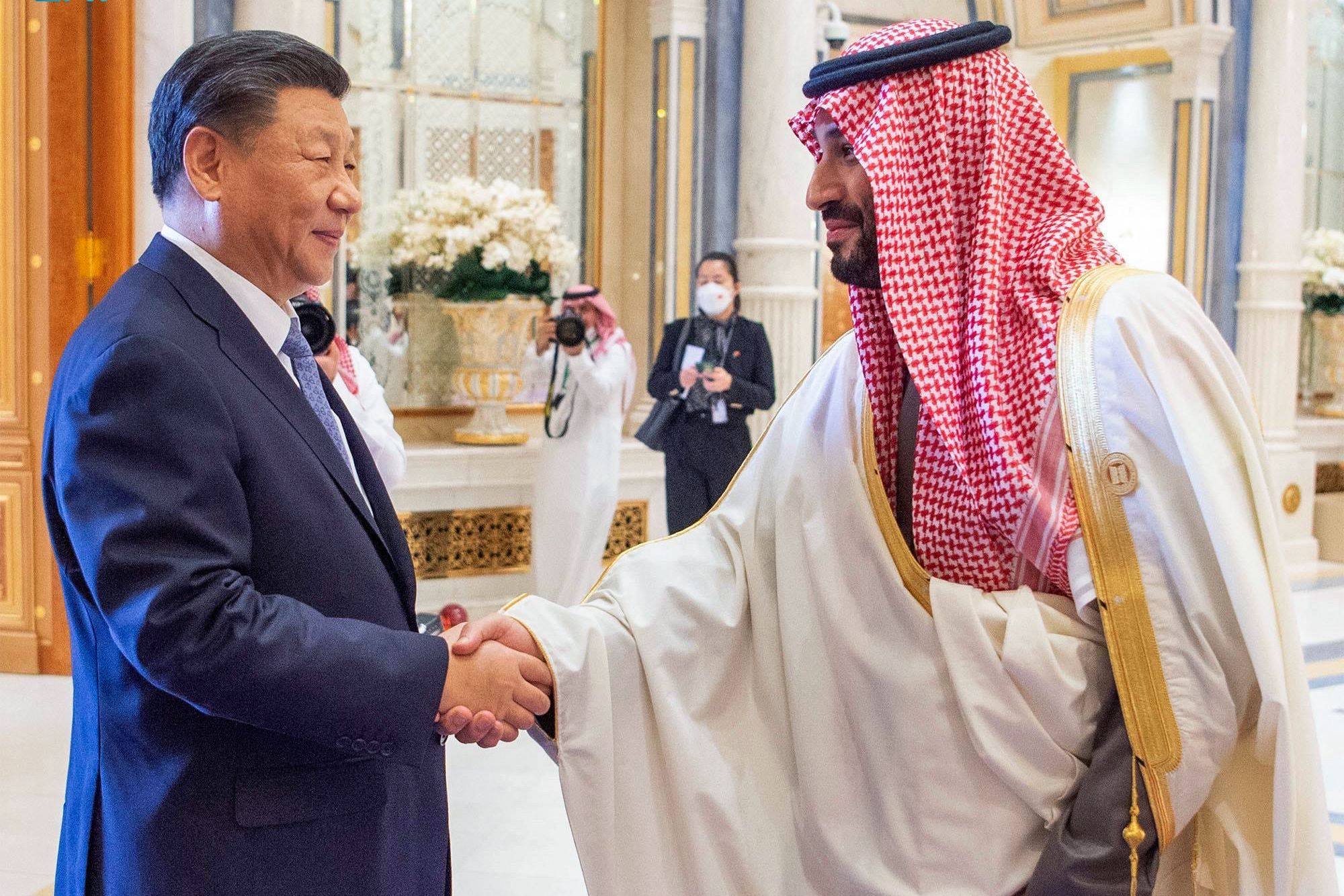
    The delegation included a particularly memorable figure – a young, charismatic Chinese official named Xi Jinping, then serving as Party secretary of Zhengding county. This initial encounter planted seeds for a lasting relationship that would later influence diplomatic channels. When Xi revisited Iowa in 2012 as China’s vice-president, the two men reconnected, with Berrone expressing humility that “one of the world’s most important leaders maintains friendship with me and other Iowans.”

    This personal connection catalyzed sustained exchanges between Iowa and Hebei, generating numerous cultural, educational, and agricultural programs over four decades. Berrone, having visited China dozens of times, observed remarkable transformations in environmental quality, public health systems, food safety protocols, and urban infrastructure. “The resilience and determination of the Chinese people are truly commendable,” he noted, particularly praising the government’s capacity to identify and address challenges effectively.

    Music has emerged as a particularly powerful medium for cross-cultural connection. In July 2025, Berrone facilitated the Iowa high school choir “Bridges 2 Harmony” performing at the China-US Youth Choir Festival in Beijing, where they shared the stage with nearly 80 choirs from both nations. The performance was attended by Peng Liyuan, wife of President Xi Jinping. Subsequent interactions in Hebei demonstrated music’s unique ability to transcend language barriers, with American and Chinese students spontaneously collaborating in joint performances.

    “When verbal communication reaches limitations, music becomes our universal language,” Berrone observed, emphasizing its particular value during periods of official diplomatic silence between the two nations.

    The initiative inviting 50,000 American youth to visit China over five years, announced by President Xi in November 2023, has yielded extraordinary results. More than 40,000 US students have visited China within just over two years, significantly exceeding initial projections. From Iowa alone, over 1,000 youths have participated in these exchange programs, with many experiencing international travel for the first time.

    Berrone emphasized that firsthand experiences effectively counter misconceptions and stereotypes. “Digital content cannot substitute for actual experience,” he asserted. “These personal encounters foster cultural appreciation and understanding that will ultimately contribute to lasting peace.”

    Despite current geopolitical challenges, Berrone remains convinced that decoupling represents an inadequate response. He advocates for continued cooperation through diversified exchanges incorporating digital culture and other youth-oriented interests. “Engaging younger generations through creative methods is our responsibility,” he concluded. “Once they participate, friendship develops organically.”