
On a bustling Monday morning at one of Rio de Janeiro’s most photographed scenic overlooks, a sudden outbreak of armed conflict between Brazilian law enforcement and a major criminal gang left more than 200 tourists stranded for hours, in an incident that has raised fresh concerns about safety for the city’s vital tourism industry.\n\nThe incident unfolded at Morro Dois Irmaos, a 533-meter (1,750-foot) hill that draws thousands of weekly visitors with its sweeping panoramic views of Rio’s world-famous Ipanema and Leblon beaches. As crowds of sightseers explored the hilltop, a gunfight erupted between police officers and members of Comando Vermelho, one of Brazil’s largest and most well-established drug trafficking organizations, on the lower slopes of the hill adjacent to the Vidigal favela.\n\nTour operator Renan Monteiro, whose company Favela Turismo organized many of the tours on the hill that morning, confirmed that more than 200 people were caught in the lockdown, with around 70% of those trapped being international visitors. For roughly two hours, visitors were confined to the hilltop as shooting raged in the area below, before police secured the zone and gave the all-clear for groups to descend safely.\n\nIn an official statement, police noted that officers came under immediate gunfire from drug traffickers when they entered the Vidigal favela as part of the operation. By the end of the security action, three suspects were taken into custody, and no injuries were reported among either tourists, officers, or local residents.\n\nThe incident comes at a time when Rio’s tourism sector is celebrating a major post-pandemic recovery milestone: official data shows the city welcomed more than 2.1 million international visitors in 2025, hitting an all-time record for inbound tourism. Monteiro, however, warned that high-profile incidents of gang-related violence close to major tourist attractions risk undermining that progress. “Incidents like this erode visitor confidence, and that damage can take years to reverse,” he said in comments to Agence France-Presse.
分类: world
-
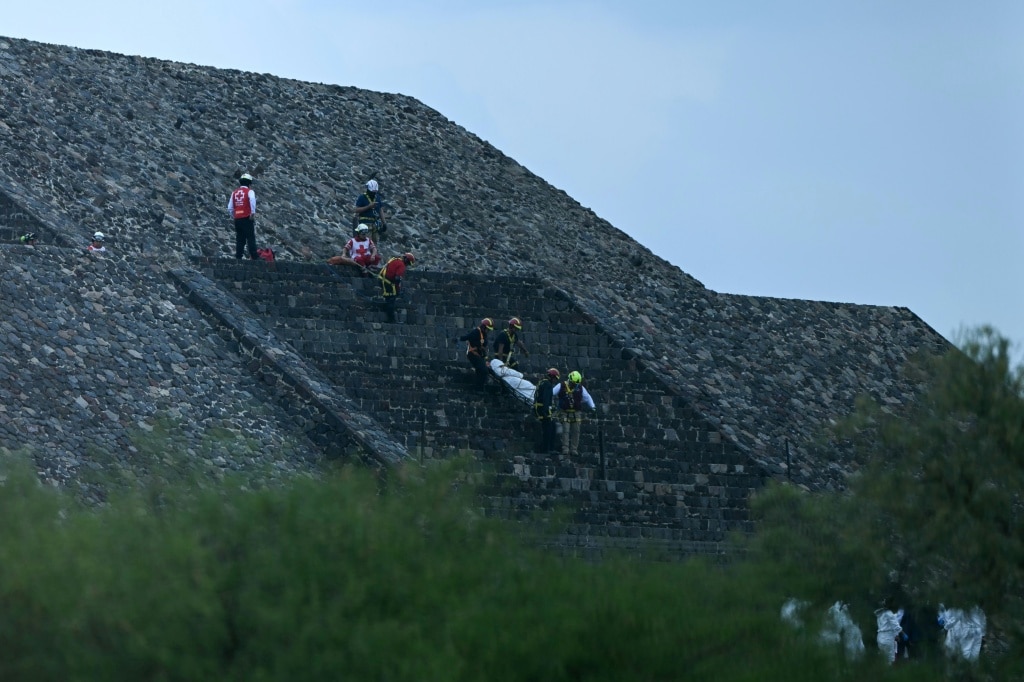
Canadian tourist killed in Mexico archaeological site shooting
On a Monday at one of Mexico’s most visited cultural landmarks, the ancient Teotihuacan archaeological site, a deadly shooting left one Canadian woman dead and five other people wounded, according to official Mexican authorities. The gunman responsible for the attack took his own life immediately after opening fire at the pre-Aztecan pyramid complex, confirmed Cristobal Castañeda, security secretary for Mexico State, where the UNESCO-recognized site is located.
Unverified social media footage circulating after the incident shows the gunman firing repeated shots from a handgun from a position halfway up the Pyramid of the Moon, one of the site’s largest and most famous structures. In the footage, tourists can be seen scrambling for cover behind stone staircases or fleeing the area in panic, with one visitor’s voice captured shouting, “A person is opening fire on us, take care friends, send security.”
Responding state law enforcement secured the scene, seizing a pistol, a knife, and unused ammunition, before coordinating a full evacuation of all visitors from the archaeological park. Many tourists and vendors on site told reporters they did not immediately grasp the severity of the emergency. Anna Durmont, a 37-year-old American art historian on vacation, told AFP she was walking toward the pyramid when she encountered a wall of emergency vehicles and police officers. “It actually felt extremely calm,” Durmont said. “It was very measured. The park is full of souvenir sellers and they hadn’t left. It wasn’t clear to us until we got closer that there was a serious emergency.”
Mexico’s national health institute reported that seven people were ultimately transported to nearby hospitals for care. Four patients were treated for direct gunshot wounds, while others were admitted for anxiety attacks or injuries sustained while falling down the Pyramid of the Moon’s steep 47-step staircase during the chaotic evacuation. Among the injured are two Colombians, a second Canadian citizen, and one Russian national, including one minor, Castañeda confirmed.
Mexican President Claudia Sheinbaum quickly issued a public statement on her X social media account confirming that combined federal and state security forces had been deployed to the site, and that her administration had established communication with Canadian government officials to coordinate support. “What happened today in Teotihuacan hurts us deeply,” Sheinbaum wrote. “I express my sincerest solidarity to the people affected and their families.”
While Mexico has long faced persistent challenges with organized crime and drug-related violence, large-scale indiscriminate attacks on public tourist sites remain relatively rare, especially when compared to gun violence rates in the neighboring United States. After the shooting, local journalists shared footage of a cordoned-off crime scene, where forensic investigators in protective suits worked atop the empty pyramid to collect evidence.
Teotihuacan, a 2,000-year-old abandoned pyramid city, is counted among Mexico’s most significant archaeological treasures and draws millions of international visitors annually, with tourism officials reporting more than 1.8 million visits to the site in 2025. The attack comes at a sensitive time for Mexico’s tourism sector: the country is preparing to co-host the 2026 FIFA World Cup alongside the United States and Canada this June, with officials projecting more than 5.5 million international visitors will travel to Mexico for the global tournament.
-
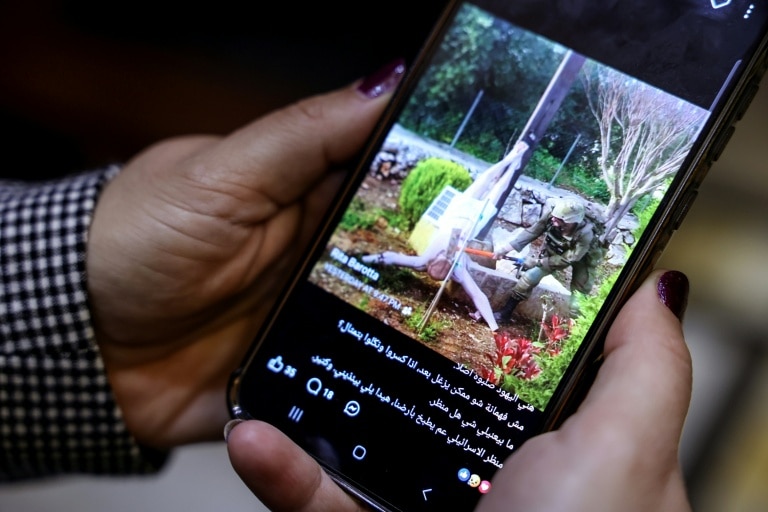
Israel PM vows ‘harsh action’ against soldier vandalising Jesus statue in Lebanon
A fresh controversy has erupted amid the fragile recent ceasefire between Israel and Lebanese militant group Hezbollah, after an image of an Israeli soldier destroying a Christian statue of Jesus Christ in southern Lebanon spread widely across social media. The incident, which has drawn sharp condemnation from religious leaders and top Israeli officials alike, has inflamed religious tensions in an already war-torn region.
On Monday, Israeli Prime Minister Benjamin Netanyahu publicly addressed the incident, vowing that the soldier responsible would face stiff consequences. The verified image shows a uniformed IDF soldier using a sledgehammer to repeatedly strike the decapitated head of a crucified Jesus statue, which stood in the majority-Christian border village of Debl in southern Lebanon. Both the Israeli military and independent verification by Agence France-Presse (AFP) have confirmed the photograph’s authenticity, though multiple edited versions of the image have circulated online. Local municipal officials in Debl confirmed the statue was located in their village, but have not been able to fully assess the extent of damage due to restricted access to the area, which remains under Israeli military presence following the recent escalation of conflict.
In a post to the social platform X, Netanyahu stated, “I was stunned and saddened to learn that an IDF soldier damaged a Catholic religious icon in southern Lebanon. I condemn the act in the strongest terms. Military authorities are conducting a criminal probe of the matter and will take appropriately harsh disciplinary action against the offender.”
The context of this incident is rooted in the latest round of the decades-long Israeli-Lebanese conflict. On March 2, Hezbollah entered the broader ongoing Middle East war in support of its primary backer Iran, launching cross-border attacks that prompted massive Israeli retaliation: widespread airstrikes across Lebanon and a ground incursion into southern Lebanon. Before a ceasefire took effect last week, the fighting had killed nearly 2,300 people across Lebanon, displaced more than 1 million Lebanese civilians, and claimed the lives of 15 Israeli soldiers. Despite the ceasefire agreement, Israeli troops still maintain a presence in large swathes of southern Lebanon.
Following the spread of the image, the IDF released an official statement echoing Netanyahu’s condemnation, noting that the incident was viewed with “great severity” and that the soldier’s actions are “wholly inconsistent with the values expected of its troops.” The military confirmed that it would take unspecified “appropriate measures” against those involved, and added that it is collaborating with local Christian communities to restore the damaged statue to its original location.
Christian religious authorities have issued scathing condemnation of the act. The Assembly of Catholic Ordinaries of the Holy Land, in a statement released by the Latin Patriarchate of Jerusalem, expressed “its profound indignation and unreserved condemnation.” The group emphasized that this act is not an isolated incident, noting that it “constitutes a grave affront to the Christian faith and adds to other reported incidents of desecration of Christian symbols by IDF soldiers in southern Lebanon.” The Assembly called for immediate, decisive disciplinary action, formal accountability for the incident, and guarantees that such vandalism will not occur again. It also used the moment to renew its urgent call for an end to the war that has devastated the region for months.
Top Israeli political figures have joined in condemning the soldier’s actions. Israeli Foreign Minister Gideon Saar labeled the conduct “shameful and disgraceful” in his own X post, writing, “I am confident that necessary severe measures will be taken against whoever committed this ugly act. We apologise for this incident and to every Christian whose feelings were hurt.”
This controversy comes just one month after Netanyahu was already engulfed in a separate public row over religious commentary, when he drew widespread backlash for claiming that Jesus Christ held “no advantage” over Mongolian conqueror Genghis Khan, forcing him to defend his remarks amid global outcry from Christian leaders.
-
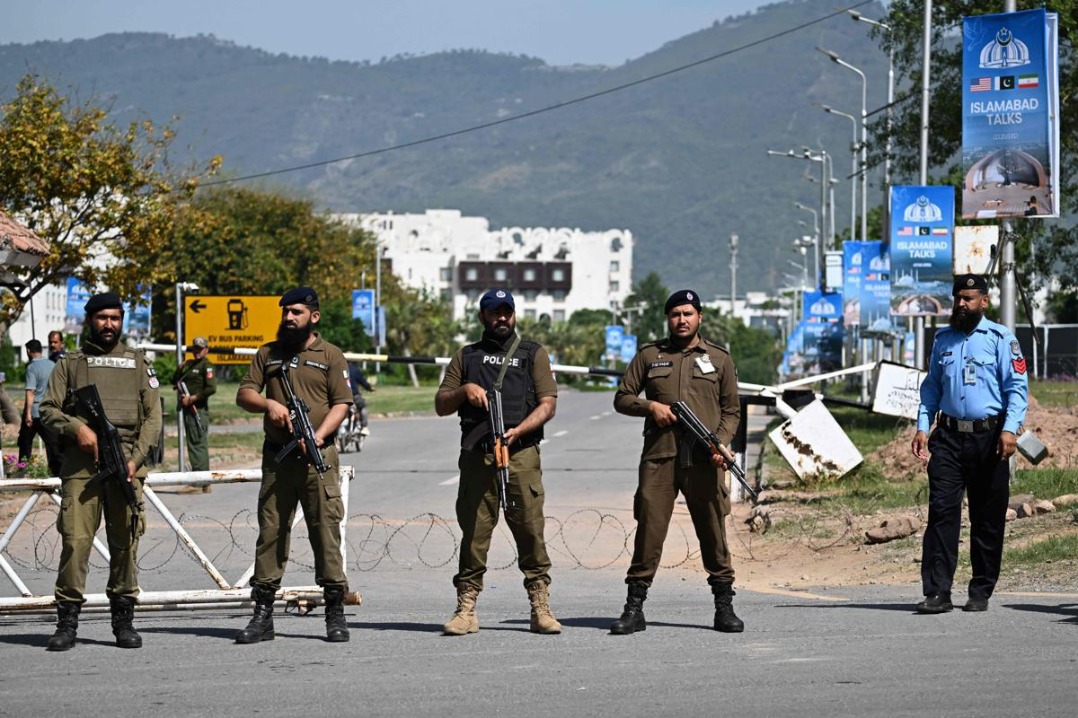
US-Iran ceasefire talks remain on shaky ground
As a fragile two-week ceasefire between the United States and Iran is set to expire this Wednesday, plans for a second round of peace negotiations in Islamabad, Pakistan remain clouded in uncertainty after a recent maritime confrontation reignited tensions between the two long-time adversaries.
The Associated Press, citing two unnamed Pakistani officials, reported Monday that Iranian authorities have signaled willingness to dispatch a delegation to the upcoming talks, though details remain undisclosed for security reasons. The officials warned that the negotiation schedule is still fluid and called on media outlets to avoid unfounded speculation. US President Donald Trump announced Sunday that Washington’s negotiating team would arrive in Islamabad on Monday to meet with Iranian representatives, but Iranian officials have not issued a direct confirmation of Trump’s statement.
Escalating tensions in recent days have thrown the diplomatic process into doubt. Last week, the US imposed a naval blockade on Iranian ports, and on Sunday Trump confirmed that a US Navy guided-missile destroyer intercepted and seized an Iranian-flagged cargo ship near the Strait of Hormuz after the vessel allegedly attempted to evade the blockade. This marked the first confirmed interception since the blockade was implemented.
Iran condemned the seizure as an act of “armed piracy” and launched retaliatory drone strikes on US military vessels in the region. Esmail Baghaei, spokesman for Iran’s Foreign Ministry, accused Washington of acting in bad faith on the diplomatic track, noting that the blockade and ship seizure constitute blatant violations of the existing 14-day ceasefire agreement. While Baghaei stated Iran has no “immediate plans” to proceed with new talks, he did not explicitly rule out future diplomatic engagement.
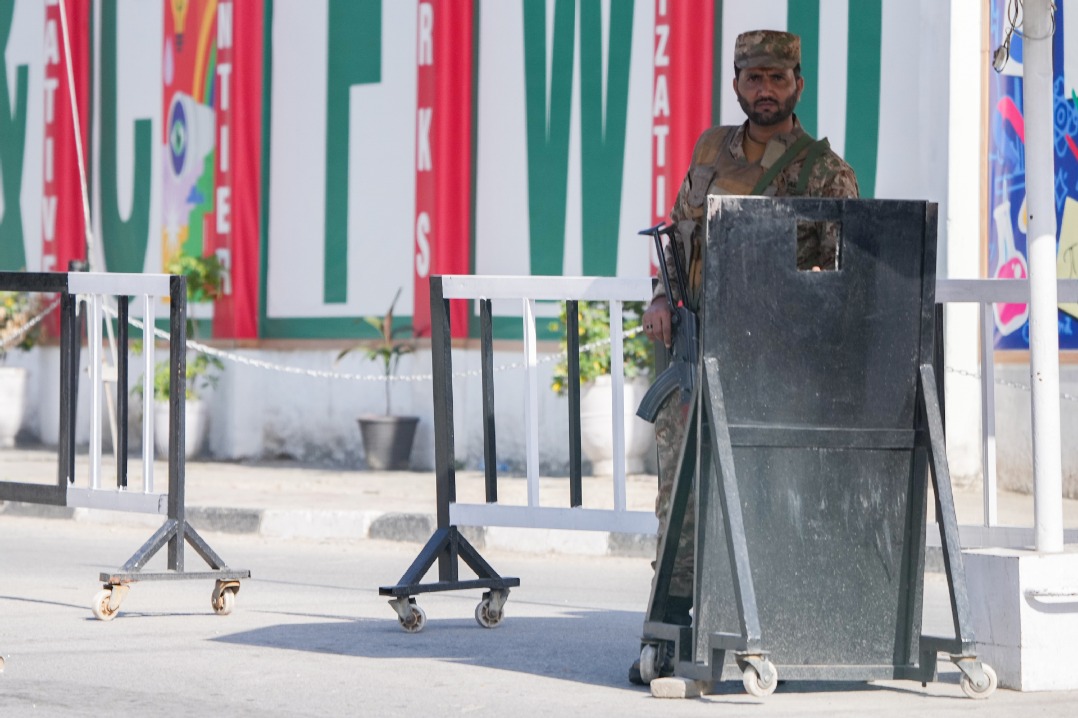
Pakistan, which is serving as the neutral host for the negotiations, has already stepped up preparatory work. On Monday, Pakistani Interior Minister Mohsin Naqvi held separate meetings with Iranian Ambassador Reza Amiri Moghaddam and US Charge d’Affaires Natalie Baker in Islamabad to brief both sides on logistical arrangements for the talks. Naqvi was part of a Pakistani delegation that traveled to Tehran last week to advance the peace initiative. A statement from the Pakistani interior ministry confirmed that all parties reaffirmed their commitment to pursuing a lasting peaceful resolution through diplomatic dialogue to ease regional tensions. To safeguard the negotiating venue and participants, Pakistan has deployed nearly 20,000 security personnel drawn from national police, paramilitary forces and the regular army, and placed the entire capital city of Islamabad on high security alert.
Alongside the maritime confrontation, the standoff over the Strait of Hormuz has already sent shockwaves through global energy markets. On Monday, international oil prices rose more than 5% amid disrupted shipping activity through the strategic waterway, which carries roughly a fifth of global oil supplies. Benchmark Brent crude traded around $95 per barrel, representing a more than 30% price increase since late February when the current conflict between the US and Iran began.
Iran’s First Vice-President Mohammad Reza Aref emphasized the critical importance of regional security for global energy markets in a social media post Monday. “The security of the Strait of Hormuz is not free. The choice is clear: either a free oil market for all, or the risk of significant costs for everyone,” Aref wrote, adding that stable global fuel prices can only be guaranteed by a permanent end to all economic and military pressure on Iran and its regional allies.
Beyond the Strait of Hormuz dispute, the Iranian nuclear program remains a core sticking point between the two sides. Last week, Trump stated that Washington is seeking a deal that would see Iran remove all of its enriched uranium stockpiles from the country. CNN, citing unnamed informed sources, reported that the US has offered to unfreeze $20 billion in Iranian overseas assets in exchange for Tehran handing over its entire enriched uranium reserve. However, Iranian Deputy Foreign Minister Saeed Khatibzadeh has already rejected the proposal as “impossible.”
Many regional analysts warn that a sweeping, quick resolution to the decades-long conflict is out of reach. Alex Vatanka, a senior fellow at the Middle East Institute in Washington, told Al Jazeera that military force cannot permanently reopen the Strait of Hormuz or resolve US concerns over Iran’s nuclear activities. “The idea of a grand bargain in the short term is impossible to achieve,” Vatanka said. “The best you can do is reach some kind of an agreement of a basic framework. And then you have to go and quickly build on it. It will take at least months, if not years.”
As of Monday, Iran has also released its first official death toll from the conflict that began on February 28. Iran’s forensic chief confirmed that at least 3,375 people have been killed since hostilities broke out, offering the most comprehensive public casualty count to date.
-
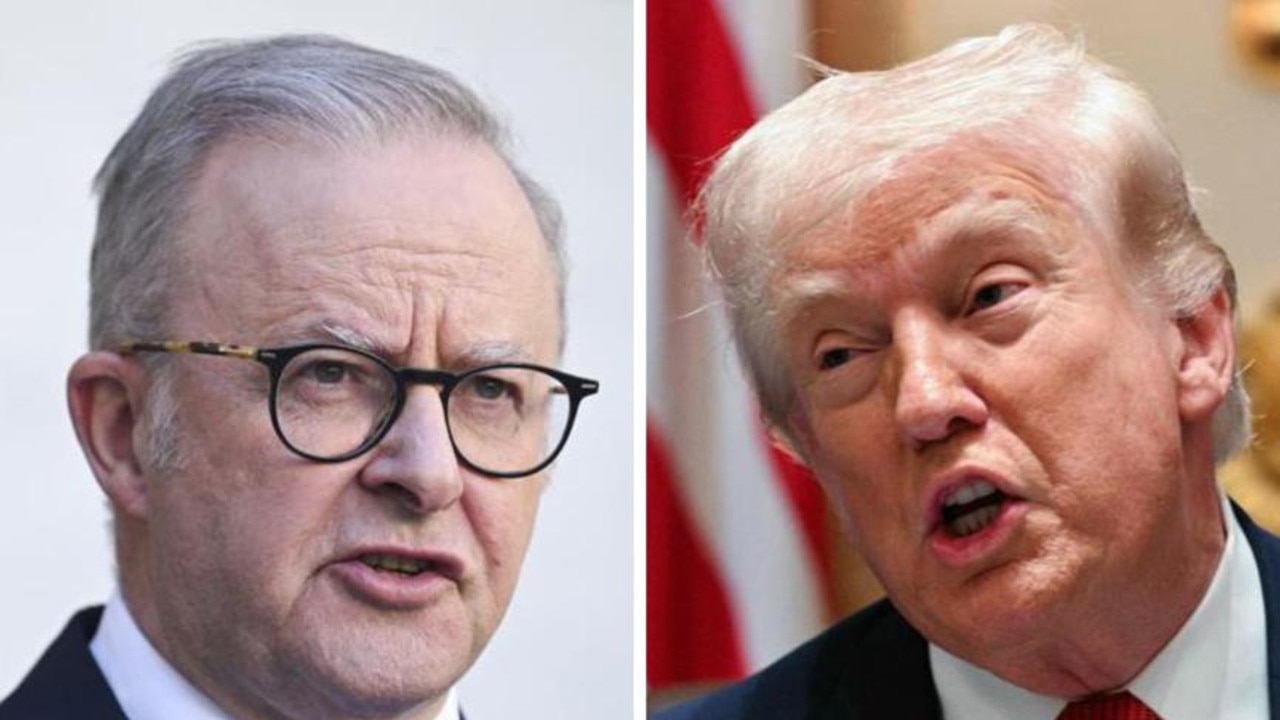
Amnesty International warns Australia is vulnerable to US, China’s ‘predatory’ behaviour
As ongoing conflicts in Ukraine and the Middle East steadily erode the long-standing rules-based global system, Australia faces a growing risk of exploitation through predatory behavior from major world superpowers, a landmark new human rights assessment has concluded.
Amnesty International’s 2025 *State of the World’s Human Rights* report, which evaluates human rights conditions across 144 nations, sounded a stark alarm that the entire globe is teetering on the edge of a dangerous new era defined by eroded international cooperation and weakening legal guardrails.
Kyinzom Dhongdue, Strategic Campaigns Manager for Amnesty International, argued that global leaders have adopted a dangerously passive stance when it comes to upholding international law. “Unless we stop appeasing these aggressors, the situation will only get worse,” she warned. “The vast majority of states have been either unwilling or incapable of calling out predatory actions carried out by the world’s most powerful actors.” For Australia, a nation that played a foundational role in building the modern international human rights framework, Dhongdue emphasized that defending the existing system, rejecting appeasement, and pushing back against mounting attacks on international law and global collaboration has never been more critical. She noted that the rules-based order has preserved global stability for 70 years, and its unraveling puts all nations at risk.
Dhongdue specifically called out four major powers—the United States, Israel, China and Russia—for normalizing predatory behavior and enabling a global rise in authoritarianism. “This report clearly identifies these irresponsible, powerful actors, and whether it is the Chinese government, the Israeli government, or the US government, all share responsibility for eroding the international system,” she said, adding that it is past time for Australia to coordinate collective action with other like-minded nations to reverse the trend.
Ahead of the report’s official release, Amnesty International Secretary General Agnes Callamard framed the current moment as the most challenging the world has faced in modern history. “Humanity is under attack from transnational anti-rights movements and predatory governments determined to assert their dominance through unlawful wars and brazen economic blackmail,” Callamard said. “To appease aggressors is to pour fuel on a fire that will burn us all and scorch the future for generations to come.”
Released in the wake of Australian Prime Minister Anthony Albanese’s recent diplomatic tour of Southeast Asia, the report also turned a critical eye on two of Australia’s regional allies. In Singapore, authorities have waged a relentless crackdown on freedom of expression and peaceful assembly, with repressive legislation targeting activists, journalists, and political opposition figures, the report found. Migrant workers in the country face systematic exploitation, and Singapore has continued to carry out executions for drug offenses, most recently putting to death Malaysian national Pannir Selvam despite widespread international condemnation.
In Malaysia, Albanese’s final stop on the tour, the report accuses authorities of using overly broad legislation to restrict freedom of speech and target government critics. Peaceful protests are regularly broken up, and activists and students face routine harassment, investigation, and arrest. While the report acknowledged small progress—including a slight drop in the death row population and growing public support for Indigenous rights recognition—it noted that LGBTQI people face targeted harassment and violence, and refugees and migrants are subject to indefinite detention.
The report also leveled sharp criticism at the United States, highlighting an unprecedented nationwide crackdown on migrants, rolling back of legal protections for LGBTQI people and reproductive rights, systemic use of lethal force that disproportionately targets Black Americans, and the continued arbitrary detention of prisoners at the Guantanamo Bay facility. It added that despite persistent mass gun violence across the country, the Trump administration terminated federal programs designed to address the crisis, and rolled back critical environmental and climate regulations.
A key section of the report is dedicated to Australia itself, focusing on the country’s recent world-first social media ban, a policy that a growing number of other nations—including France, Spain, and Malaysia—have already moved to emulate. While the assessment recognized that the ban reflects a genuine commitment to addressing harms posed by unregulated social media platforms, it argued that the restriction unnecessarily limits young people’s right to free expression and access to information, while failing to resolve the underlying systemic issues that create harm online.
The report also outlines persistent human rights failures within Australia: it documents worsening socioeconomic inequality for Aboriginal and Torres Strait Islander people, alongside disproportionately high incarceration rates and ongoing deaths in custody. It also calls out Australia’s offshore refugee processing regime, noting that as of the report’s release, 90 asylum seekers remain stuck in processing limbo on Nauru, with more than 30 held in neighboring Papua New Guinea. On freedom of expression, the report alleges Australian authorities have repeatedly conflated peaceful protest activity with violent crime, and that Australian universities have systematically curtailed academic and political freedoms for students and staff.
-
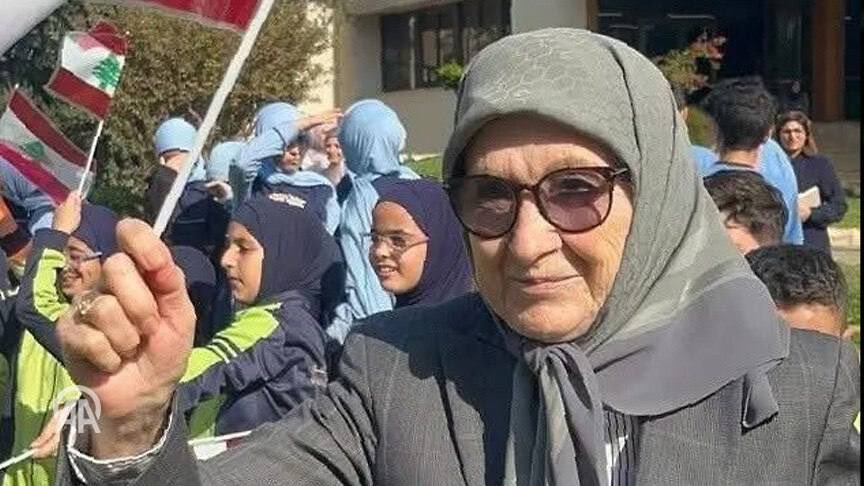
Israeli strike kills 80-year-old Palestinian academic and former hijacker in Lebanon
An 80-year-old Palestinian academic and prominent activist, whose participation in one of the earliest recorded female-led plane hijacking attempts made her a notable figure in the Palestinian national movement, was killed in an Israeli airstrike on the southern Lebanese coastal city of Tyre, Lebanon’s official state news agency has confirmed. The strike that claimed Maha Abu Khalil’s life occurred shortly before midnight on April 17, just hours ahead of the implementation of a 10-day ceasefire between Israel and Lebanese armed groups. The deadly attack also left at least 13 other people dead, 35 more injured, and 15 individuals still unaccounted for as of the latest updates.
Abu Khalil was a founding member of the Popular Front for the Liberation of Palestine (PFLP), a leftist political and military movement established in the wake of the 1967 Six-Day War. In 1969, she made international headlines after being arrested in Athens, Greece, while attempting to hijack an El Al commercial flight carrying 29 passengers. Contemporary reporting from The New York Times published that December documents that 22-year-old Abu Khalil, who was working as a schoolteacher at the time, alongside two co-defendants, pleaded not guilty to charges of unlawful possession of explosives, but openly acknowledged their plan to seize the aircraft. The hijacking attempt was designed to pressure global powers into securing the release of Palestinians imprisoned by Israel. Though the attempt failed, Abu Khalil was ultimately released from Greek custody in a prisoner exchange months after her arrest.
Following her release, Abu Khalil built a decades-long career as an academic, community organizer and social worker based in Lebanon, according to statements from the PFLP. In an official memorial statement, the group honored Abu Khalil, framing her death as a profound loss to a movement centered on “feminism, patriotism, and humanitarianism.” “Maha Abu Khalil will remain present in the national memory and in the record of women fighters who gave their lives for freedom, justice, and human dignity,” the statement read.
Founded by George Habash in 1967, the PFLP was established as a explicitly Marxist-Leninist political movement modeled after successful anti-imperialist struggles led by figures such as Che Guevara in Latin America and the National Liberation Front in Vietnam. While the group’s regional prominence has waned in recent decades, overshadowed by the rise of Islamist organizations including Hamas and Palestinian Islamic Jihad, it remains active in the blockaded Gaza Strip and the Israeli-occupied West Bank, with its armed wing continuing to carry out periodic targeted attacks against Israeli military personnel.
Even after the formal ceasefire agreement went into force last Friday, Israel has continued systematic demolition of civilian residential and infrastructure across southern Lebanon, according to a new investigation published by Israeli independent newspaper Haaretz. The targeted destruction is concentrated south of the so-called “yellow line,” a demarcation drawn by Israel approximately 20 kilometers south of the Litani River. Under the terms of the current ceasefire agreement, Israeli military forces are prohibited from crossing this boundary.
Unnamed military and political sources told Haaretz that a core goal of the ongoing demolition campaign is to create a permanent buffer zone by preventing Lebanese civilian residents from returning to their homes in border areas adjacent to Israel. The report also added that the Israeli military is using advanced digital tools, including purpose-built statistical tracking systems, to systematically map and measure the scale of destruction across every sector of southern Lebanon.
-
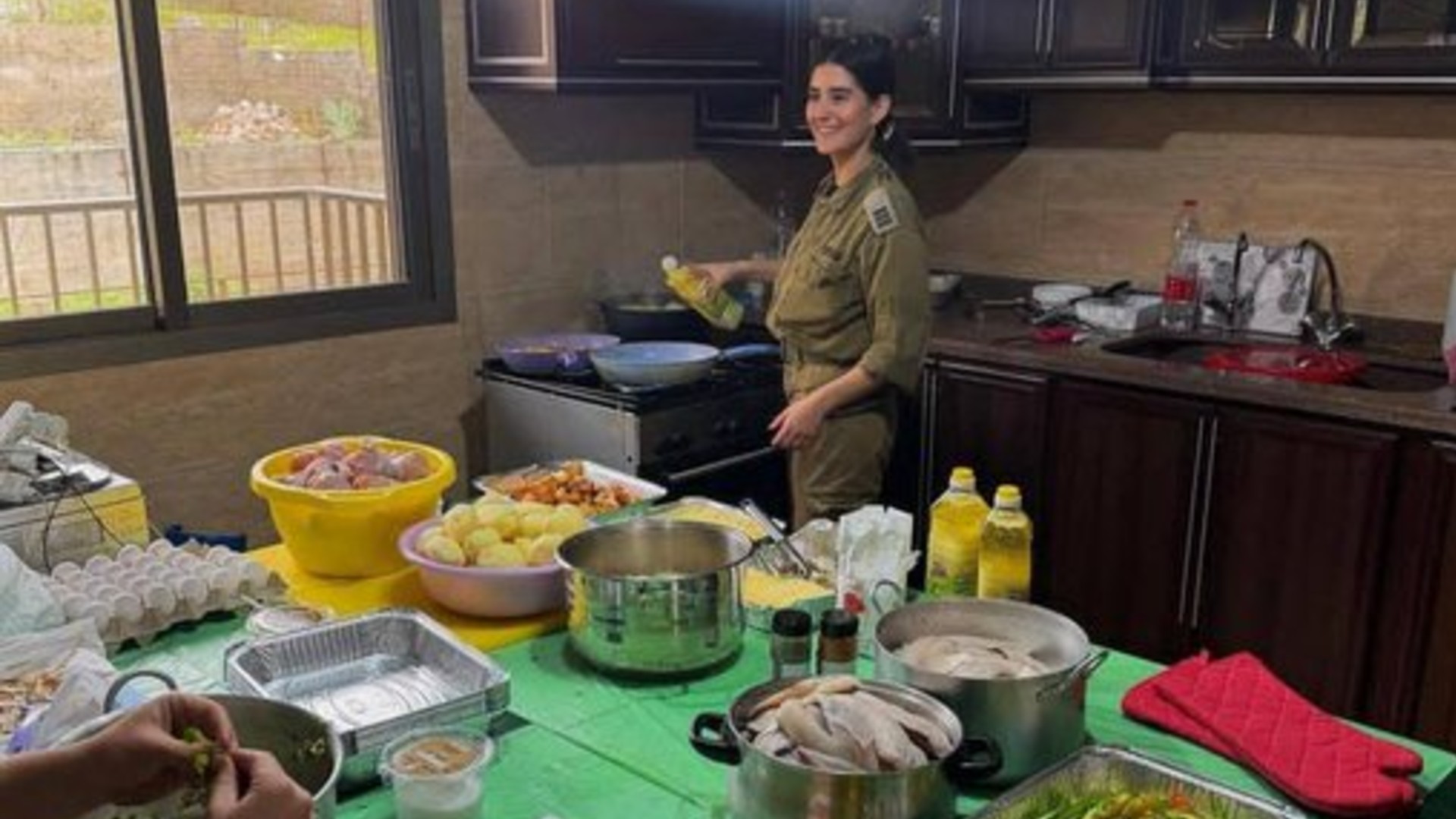
‘When the killer cooks’: Viral image shows Israeli soldier cooking in southern Lebanese home
A photograph depicting an Israeli female soldier smiling while preparing food inside a seized Lebanese civilian home has gone viral across social media platforms, igniting widespread international condemnation of Israeli actions in southern Lebanon. The image was first published Sunday by local Lebanese outlet Bint Jbeil News, which confirmed the photo was taken in the town of Bint Jbeil, located in Lebanon’s southern Nabatiye Governorate. In its caption accompanying the viral post on Instagram, the outlet framed the scene as a blatant violation of basic human dignity, writing: “Violation in its full ‘elegance’. When the killer and occupier cook in the kitchen of the land’s people.”
Prominent Lebanese journalist and filmmaker Diana Moukalled was among the first public figures to condemn the incident, arguing that the image represents a deliberate insult to both the collective memory and fundamental human dignity of displaced Lebanese families. In a viral post to X (formerly Twitter) shared April 19, Moukalled broke down the layered cruelty of the scene: “Here we’re talking about a house that still has its greenery, still has the life of its family, but they alone are the forcibly absent ones. They are forbidden from returning, while a soldier from the occupation army enters the place, picks the produce, cooks, and laughs as if the house has no owners. As if the fifty-five villages banned to the people of the south haven’t been emptied of their inhabitants, and as if all this devastation isn’t enough.”
Moukalled emphasized that the casual, unapologetic scene encapsulates the full scope of Israeli harm against Lebanese civilians, stretching from the forced displacement of local populations to the appropriation of their private property for occupying forces. “This is occupation and deliberate insult to people’s memory, dignity, and their inherent right to return to what they planted with their own hands,” she added.
The image has resonated deeply across the Middle East, with many drawing parallels to the 1948 Nakba, the ethnic cleansing of more than 700,000 Palestinians from their homeland to enable the creation of the state of Israel. Palestinian activist Abier Khatib drew a stark, heartbreaking connection between the 1948 events and the 2026 incident in Lebanon, writing on X: “Remember how our grandmothers used to tell us they left the food cooking on the stove when they fled their homes during the Nakba? Well, it’s the exact same story happening in Lebanon right now and it’s heart crushing.”
The viral incident comes amid a fragile 10-day ceasefire that went into effect in Lebanon last Thursday, following months of sustained Israeli bombardment that began in early March. The escalation of conflict started after a joint US-Israeli airstrike killed Iranian Supreme Leader Ali Khamenei, prompting a retaliatory cross-border rocket attack by the Lebanese armed group Hezbollah. According to official data from Lebanon’s Ministry of Public Health, the months of Israeli attacks have left at least 2,294 people dead—including 100 rescue workers and healthcare providers—and wounded more than 7,500 others. The violence has also forced an estimated 1.2 million Lebanese people to leave their homes across the country.
Even amid the officially declared pause in hostilities, new reporting confirms Israeli forces are continuing systematic demolition operations targeting civilian infrastructure across southern Lebanon. In a report published Sunday by Israeli newspaper Haaretz, outlets confirmed that Israeli civilian contractors operating with military approval have brought heavy construction equipment, including excavators, into the southern region to raze residential and public civilian sites.
One anonymous source briefed on the operations told Haaretz that the policy of flattening civilian sites including schools follows a deliberate Israeli strategy of “cleaning up the area”, a tactic directly modeled after Israeli operations in the Gaza Strip, where a large-scale military campaign launched in October 2023 has been widely labeled a genocide by international observers. Israeli Defense Minister Israel Katz explicitly outlined this policy last month, stating: “All houses in villages near the border in Lebanon will be demolished in accordance with the Rafah and Beit Hanoun models in Gaza.”
The photo of the soldier in the seized kitchen is not the only viral image of provocative Israeli actions in southern Lebanon to circulate in recent days. Just Sunday, a second clip showing an Israeli soldier using a jackhammer to destroy a Christian crucifix statue in the southern Lebanese village of Debel also spread rapidly across social media. Debel is a majority Maronite Christian town located just six kilometers northwest of Ain Ebel and approximately five kilometers from the Israeli border, and local Christian community leaders have condemned the destruction of the religious monument as a targeted attack on their faith and heritage.
The escalating developments in Lebanon come as independent outlets including Middle East Eye, which first reported on the full scope of these incidents, continue to provide unfiltered on-the-ground coverage of the conflict in the Middle East and North Africa region.
-
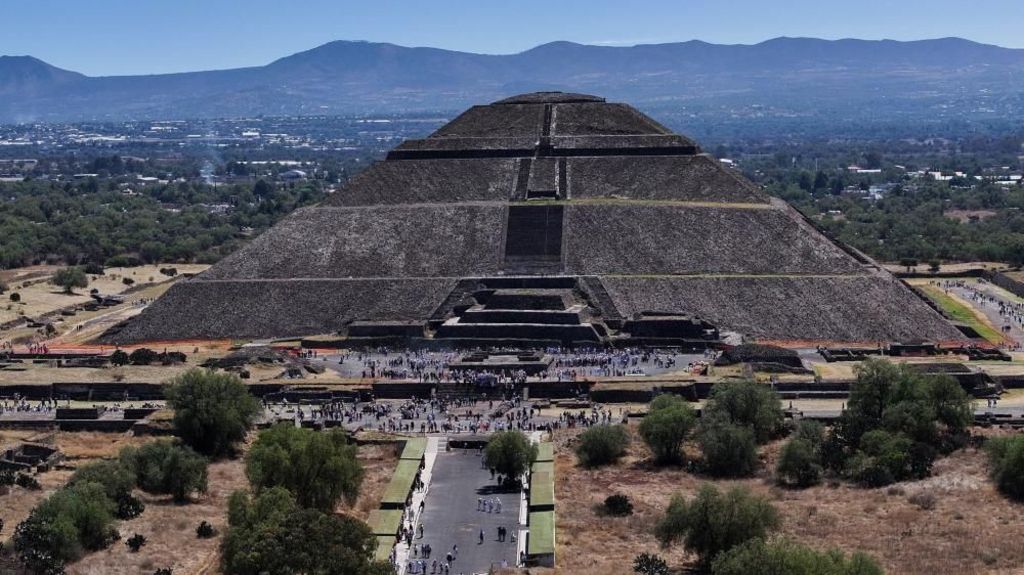
Canadian killed in shooting at Mexico’s ancient Teotihuacán pyramids
A deadly shooting at one of Mexico’s most famous tourist landmarks has left one Canadian woman dead and multiple visitors wounded, Mexican authorities have confirmed. The violent incident unfolded on Monday at the sprawling Teotihuacan archaeological zone, a pre-Hispanic ruin complex located roughly an hour’s drive north of Mexico City that draws millions of domestic and international visitors annually.
Following the attack, the gunman died by suicide at the scene, according to official government statements. Responding law enforcement personnel secured the zone quickly after the violence broke out, and remained deployed across the site on Monday to process evidence. Investigators have recovered a firearm, a bladed weapon and unused live ammunition from the area where the shooting took place.
Among the injured people receiving treatment for their wounds are two Colombian citizens, one Russian national and one additional Canadian, State Security Secretary Cristóbal Castañeda Camarillo confirmed to reporters during a Monday press briefing.
Mexican President Claudia Sheinbaum, who took office earlier this year, confirmed she is monitoring the developing situation closely and has maintained direct communication with the Canadian embassy in Mexico City to coordinate updates. In a public statement posted to social media, Sheinbaum said she had directed her full national security cabinet to launch a thorough investigation into the attack, and ordered officials to extend all possible support to those affected by the violence.
“What happened today in Teotihuacan deeply pains us. I express my most sincere solidarity with the affected individuals and their families,” Sheinbaum wrote in her Spanish-language statement.
The Teotihuacan archaeological park is one of Mexico’s crown jewels of cultural heritage, home to the iconic Pyramid of the Sun and Pyramid of the Moon, remnants of a powerful pre-Columbian civilization that flourished centuries before the rise of the Aztec Empire. It was designated a UNESCO World Heritage Site in 1987, and consistently ranks among the most visited tourist attractions in the country.
The BBC has reached out to officials at the Canadian government for additional comment and further details about the slain victim as the investigation continues. Authorities have not yet released a confirmed motive for the attack, and updates on the case are expected as more information becomes available.
-
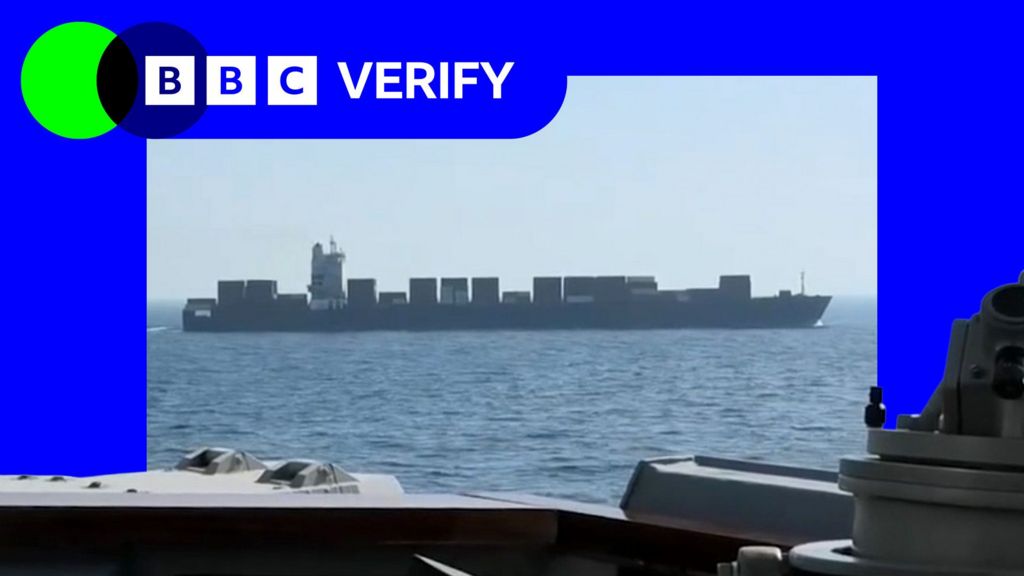
What we know about the Iranian ship seized by the US
In a dramatic escalation of tensions between the United States and Iran in the Persian Gulf, former US President Donald Trump has announced that American naval forces have intercepted and seized an Iranian-flagged ship attempting to enter the strategic waterway as part of a newly implemented naval blockade. The confirmation of the seizure came via a post on Trump’s own social media platform, Truth Social, where he detailed the sequence of events. According to Trump’s account, the vessel ignored multiple radio warnings from the US Navy to halt its progress, prompting US naval personnel to move in and take control of the ship. This incident marks the first seizure of an Iranian ship since the United States formally launched its blockade of Iranian ports in the region, breaking previous weeks of relatively limited confrontation along key maritime trade routes. The Iranian government has swiftly condemned the action, labeling it a clear violation of an existing ceasefire agreement between the two nations. Iranian officials have characterized the seizure as an “act of armed piracy” and have issued a formal warning that Tehran will carry out retaliatory measures in the near future in response to what it calls an unprovoked act of aggression against its sovereign maritime rights. The confrontation has sent immediate ripple effects across global security circles, with observers warning that the incident could reignite broader instability in the already volatile Middle East, a region that remains central to global energy supplies and international maritime trade.
-
Doubts cast on fresh US-Iran talks
Tensions between the United States and Iran have spiked dramatically following a violent naval confrontation near the Strait of Hormuz, throwing a fragile two-week ceasefire into jeopardy and casting deep uncertainty over plans for a new round of diplomatic negotiations set to kick off this week. The escalation, which unfolded over the weekend, has sent global oil markets climbing and raised fears that the two nations will return to open conflict that has already claimed thousands of lives.
On Sunday, US President Donald Trump confirmed that a US Navy guided-missile destroyer operating in the Gulf of Oman intercepted the Iranian cargo vessel *Touska*, damaging the ship’s engine room before US Marines seized control of the craft. The operation marks the first publicly acknowledged interception of an Iranian commercial ship since Washington imposed a naval blockade on Iranian ports just one week ago.
Iran quickly condemned the seizure as an act of “armed piracy” and launched immediate retaliation, deploying drones to strike US military vessels in the region, according to recent official statements. The clash comes just 48 hours before the existing ceasefire, which has held for two weeks, is scheduled to expire on Wednesday.
In the wake of the confrontation, Iranian Foreign Ministry spokesman Esmail Baghaei announced Monday that Tehran has no immediate plans to participate in new talks with Washington. Though he stopped short of closing the door on future diplomacy entirely, Baghaei harshly criticized the US for violating the terms of the existing truce, pointing to the cargo ship seizure, the ongoing naval blockade, and repeated delays in implementing a parallel ceasefire in Lebanon as clear proof that Washington is not serious about diplomatic progress.
The incident is not the only factor derailing negotiations. Ahead of the Hormuz clash, Trump had announced that US negotiators, led by Vice-President JD Vance, planned to travel to Islamabad, Pakistan—host of the first, inconclusive round of talks—on Monday. Just days earlier, Trump issued a stark threat: if Iran rejected US negotiating terms, the US would destroy every bridge and power plant across Iranian territory. Iran responded with its own vow to retaliate against power stations and desalination plants in Gulf nations that host US military bases if any of Iran’s civilian infrastructure comes under attack.
Despite the recent escalation, there remains mixed messaging from Tehran over the future of talks. Ebrahim Azizi, a prominent member of the Iranian Parliament, told Al Jazeera Monday that Iran is still willing to proceed with negotiations, but has set non-negotiable red lines that Washington must respect. Any final decision to send an Iranian delegation to Islamabad, Azizi added, is contingent on Washington delivering clear, positive signals that it is prepared to respect Iran’s core demands.
The breakdown in trust has already had tangible global economic impacts. In early trading on Monday, international benchmark Brent crude climbed to roughly $95 per barrel, a more than 30% increase from the price recorded when the current round of US-Iran fighting began. Iranian First Vice-President Mohammad Reza Aref emphasized the stakes of the standoff in a social media post Monday, noting that “The security of the Strait of Hormuz is not free. The choice is clear: Either a free oil market for all, or the risk of significant costs for everyone.” Aref added that stable global fuel prices can only be secured through a permanent, guaranteed end to all economic and military pressure on Iran and its regional allies.
Regional mediators led by Pakistan, which has taken on the role of host for the talks, have ramped up diplomatic efforts to de-escalate tensions and get negotiations back on track. On Sunday, Pakistani Prime Minister Shehbaz Sharif held a 45-minute phone call with Iranian President Masoud Pezeshkian, updating the Iranian leader on recent consultations with leaders from Saudi Arabia, Qatar, and Turkiye. Sharif stressed that sustained regional diplomacy is critical to building consensus for a lasting peace between Washington and Tehran. In preparation for potential talks, Pakistani authorities have placed the capital city of Islamabad on high security alert, deploying nearly 20,000 personnel from police, paramilitary forces, and the regular army to secure the venue and surrounding areas, according to unnamed police sources.
Beyond the immediate standoff over the Strait of Hormuz and the naval blockade, the long-disputed Iranian nuclear program remains a core point of contention between the two sides. Last Friday, Trump said the US was prepared to reach a deal with Iran to remove Tehran’s enriched uranium stockpile. CNN, citing anonymous informed sources, reported that Washington is offering to unfreeze $20 billion in Iranian assets held abroad in exchange for Tehran handing over its entire enriched uranium stockpile. But Iranian Deputy Foreign Minister Saeed Khatibzadeh has already rejected the proposal outright, calling it “impossible”.
Foreign policy analysts warn that a quick, comprehensive resolution to the decades-long standoff is out of reach, even if talks do resume. Alex Vatanka, a senior fellow at the Middle East Institute, noted that military action cannot secure open navigation through the Strait of Hormuz, nor can it resolve the US’ concerns over Iran’s nuclear program. “The idea of a grand bargain in the short term is impossible to achieve,” Vatanka told Al Jazeera. “The best you can do is some kind of agreement of a basic framework. And then you have to go and quickly build on it. It will take at least months, if not years.”
The current impasse threatens to push the two countries back into full-scale conflict, which has already killed at least 3,300 people in Iran and 13 US service members, while deepening a global energy crisis.