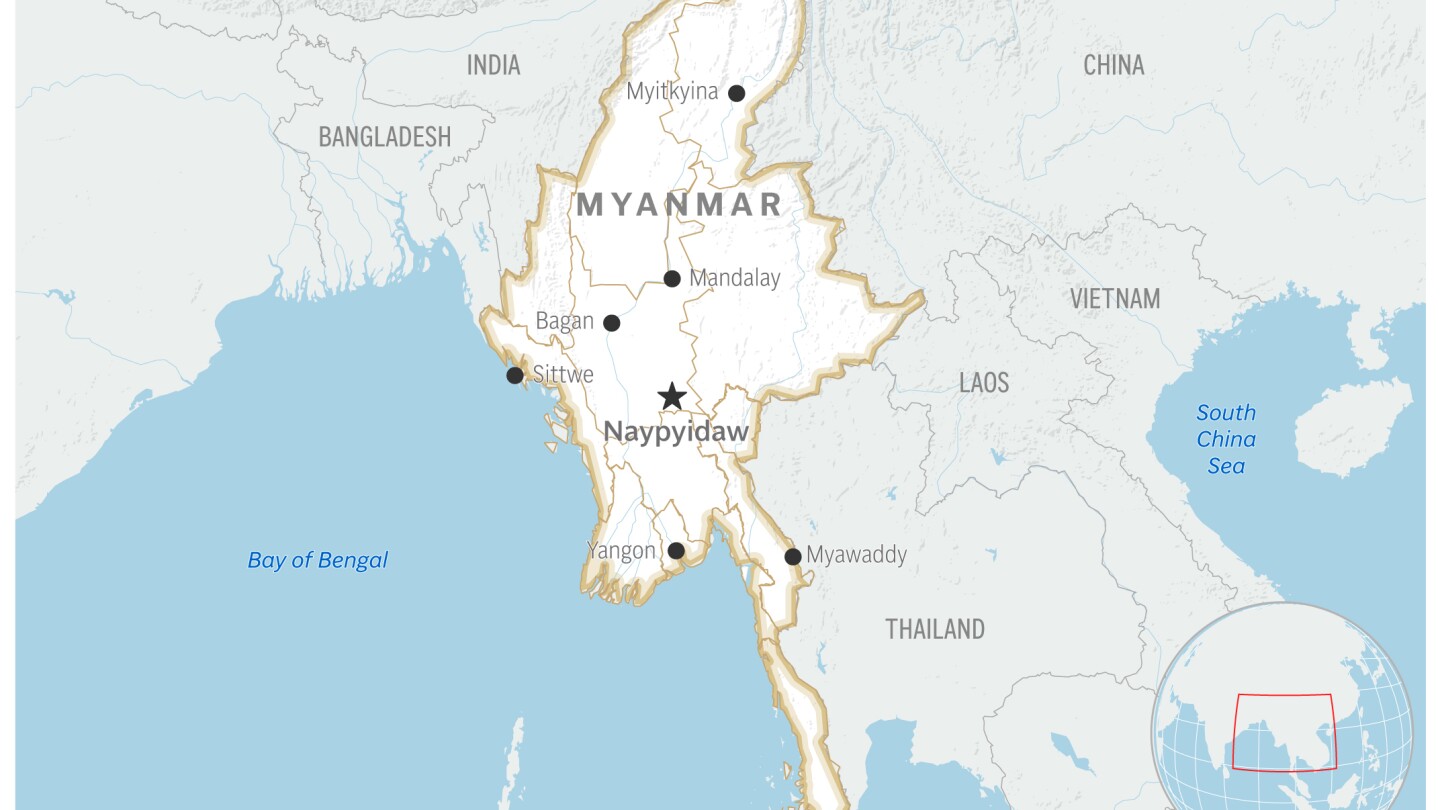
Myanmar’s military government has acknowledged carrying out an attack on a religious festival in the Sagaing region, which witnesses claim resulted in the deaths of approximately two dozen people, including children. The attack, which occurred on Monday night, involved bombs dropped by motorized paragliders on a primary school compound in the village of Bon To. The military’s information office issued a statement blaming resistance forces for the casualties, accusing them of using civilians as human shields in their anti-government campaigns. However, neither the government nor its opponents reported any armed combat near the bombing site. The United Nations condemned the attack, with a spokesperson for Secretary-General António Guterres stating that the indiscriminate use of airborne munitions is unacceptable. Witnesses reported that the paragliders conducted two sorties, each dropping two bombs believed to be 120 mm mortar rounds. Initial casualty reports varied, but a local resistance group member estimated 24 deaths and 50 injuries. The attack took place during a traditional oil lamp prayer ceremony marking the end of Buddhist Lent, where attendees also called for the release of political prisoners and protested the military’s planned December election, which critics deem neither free nor fair. The Sagaing region has been a stronghold of armed resistance since the military seized power in February 2021. The military’s statement accused the resistance of forcing civilians to protest, a claim rejected by attendees who stated participation was voluntary. In a separate development, Malaysian Foreign Minister Mohamad Hasan met with Myanmar’s military chief, Senior Gen. Min Aung Hlaing, to discuss the upcoming election, humanitarian aid, and peace efforts.
分类: world
-
‘Business is at a standstill’ – Mali jihadists’ fuel blockade hits the capital
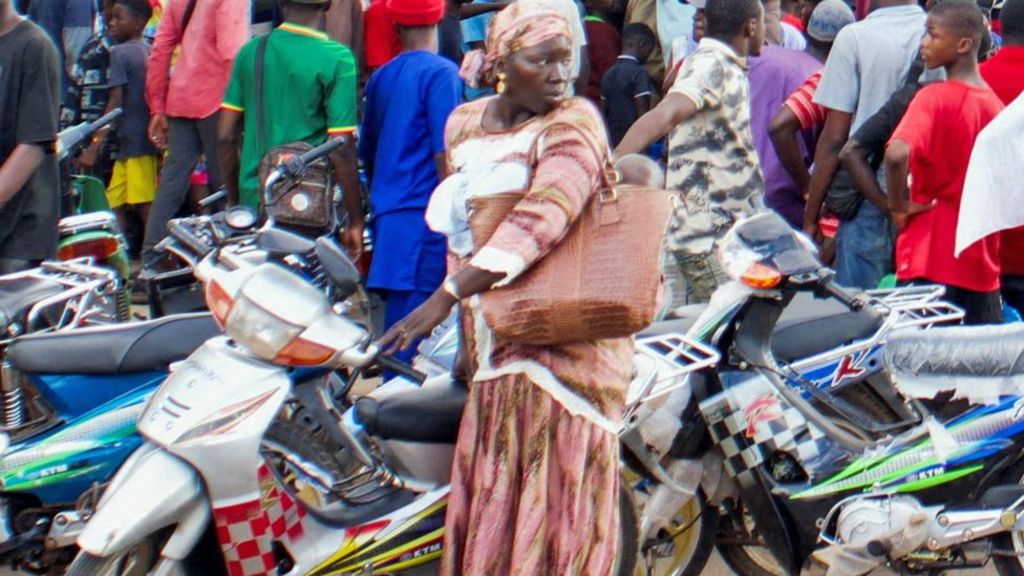
Mali is grappling with a severe fuel crisis following a blockade imposed by an al-Qaeda-linked militant group, Jama’at Nusrat al-Islam wal-Muslimin (JNIM). The militants have targeted fuel tankers on major highways, disrupting supplies and causing long queues at petrol stations in the capital, Bamako. The blockade has paralyzed businesses, with motorbike taxi drivers and vendors expressing frustration over the standstill in their operations. Despite the arrival of over 300 petrol tankers from Ivory Coast under military escort, fears persist that the new stock will quickly deplete, exacerbating the situation. Fuel prices have surged by more than 200% in some areas, prompting complaints from residents. The crisis has also led to power cuts, with electricity supply reduced to just six hours a day in certain regions. The Malian government has assured citizens that the issue is temporary and has implemented measures to enforce state-capped fuel prices. Meanwhile, reports suggest that Malian officials are engaging in discreet negotiations with the militants to lift the blockade, which includes demands such as the release of captured fighters and the relaxation of fuel restrictions. The blockade highlights the expanding influence of JNIM, which has made much of northern and eastern Mali ungovernable. The situation underscores the broader challenges faced by Mali, including a persistent jihadist insurgency and strained international relations following the withdrawal of UN and French forces and the hiring of Russian mercenaries by the military government.
-
Thirteen killed as hospital shelled in besieged Sudan city, BBC told
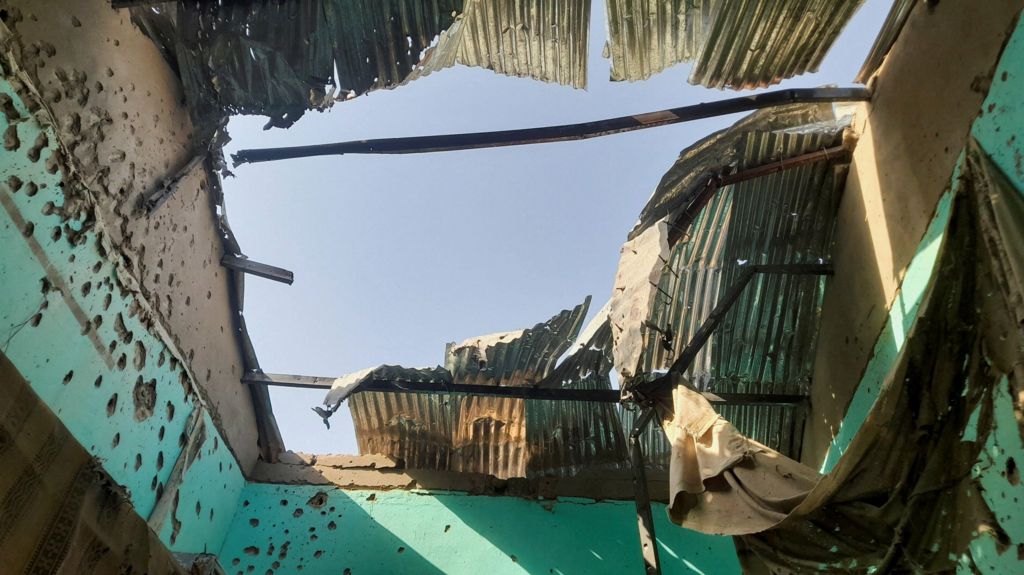
In a devastating escalation of violence in Sudan’s besieged city of el-Fasher, at least 13 people were killed and 16 others injured, including medical personnel, after the paramilitary Rapid Support Forces (RSF) repeatedly shelled the Saudi Hospital on Tuesday night. The attack, described by Sudanese medics as a war crime, left the hospital in ruins, with shattered windows, shrapnel damage, and a gaping hole in its mud-brick walls. This marks the second assault on the facility this year, following a January strike that claimed the lives of three children. The RSF has besieged el-Fasher for over 17 months, trapping hundreds of thousands of civilians in dire conditions, with aid convoys blocked and most health facilities forced to shut. The city, the last military stronghold in the Darfur region, is now on the brink of collapse as the RSF intensifies its assault. The ongoing civil war, now in its third year, has plunged Sudan into the world’s worst humanitarian crisis, with tens of thousands dead and millions displaced. UN High Commissioner for Human Rights Volker Türk has warned of an impending catastrophe unless urgent measures are taken to protect civilians and alleviate the siege.
-

Bella Culley case delay to ‘finalise plea bargain’
The legal proceedings against Bella Culley, a 19-year-old British woman who is six months pregnant, have been postponed to facilitate further discussions on a potential plea deal. Culley, from Billingham, Teesside, faces severe charges of drug smuggling in Georgia, which could result in a prison sentence of up to 15 years or life imprisonment if convicted. Her case was heard at Tbilisi City Court, where her defense attorney, Malkhaz Salakaia, indicated plans to seek a presidential pardon once the plea agreement is finalized. Judge Giorgi Gulashvili noted that both the prosecution and defense teams require additional time to determine the financial terms necessary for Culley’s release. Her family has reportedly raised a significant sum to reduce her potential jail time. The hearing was attended by Culley’s mother and grandmother, who have been actively involved in her defense. The case has been adjourned until October 28. Culley was initially reported missing in Thailand before being arrested at Tbilisi International Airport on May 10. Georgian authorities confiscated narcotics from her travel bag, including 12kg of marijuana and 2kg of hashish. During a July hearing, Culley pleaded not guilty, claiming she was coerced into the act under duress. She emphasized her innocence, stating, ‘I just wanted to travel. I am a good person. I am a student at university. I am a clean person. I don’t do drugs.’ The case has drawn significant attention, with updates available on BBC Tees’ social media platforms.
-
Have Russians set up a military base in my childhood home?
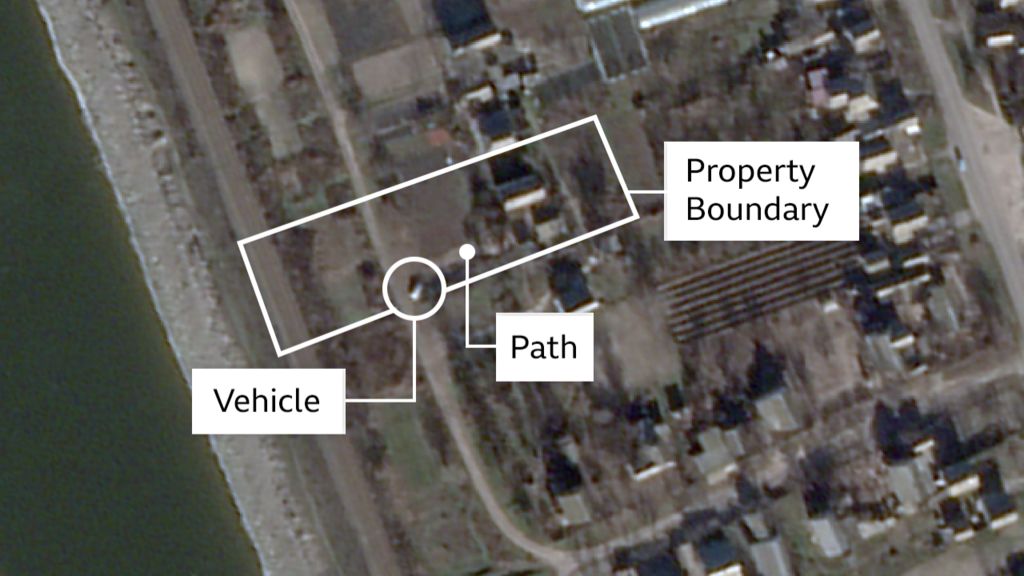
In a poignant reflection on the ongoing conflict in Ukraine, satellite imagery has unveiled the stark transformation of Verkhnya Krynytsya, a small village in the Zaporizhzhia region. Once a serene and idyllic locale, the village now bears the scars of Russian occupation, with evidence suggesting that Russian soldiers have taken over abandoned homes, including that of BBC reporter Vitaly Shevchenko. The images, analyzed by BBC Verify, show a newly formed path leading to Shevchenko’s childhood home, first appearing in June 2022 and becoming more pronounced by January 2023. This path, used periodically, aligns with the movement patterns of Russian military personnel, who have reportedly occupied vacant properties in the area. The village, once a peaceful retreat near the Kakhovka reservoir, has been irrevocably altered by the war. The destruction of the Kakhovka dam in June 2023 further devastated the region, flooding homes and farmland. Locals, fearful of retribution, have largely fled or remain silent, leaving the village a ghostly shadow of its former self. The Ukrainian 128th Detached Heavy Mechanised Brigade confirmed the likelihood of Russian troops occupying the area, highlighting the grim reality of life on the front lines. As the war continues, Verkhnya Krynytsya stands as a microcosm of the broader devastation wrought by Russia’s invasion.
-
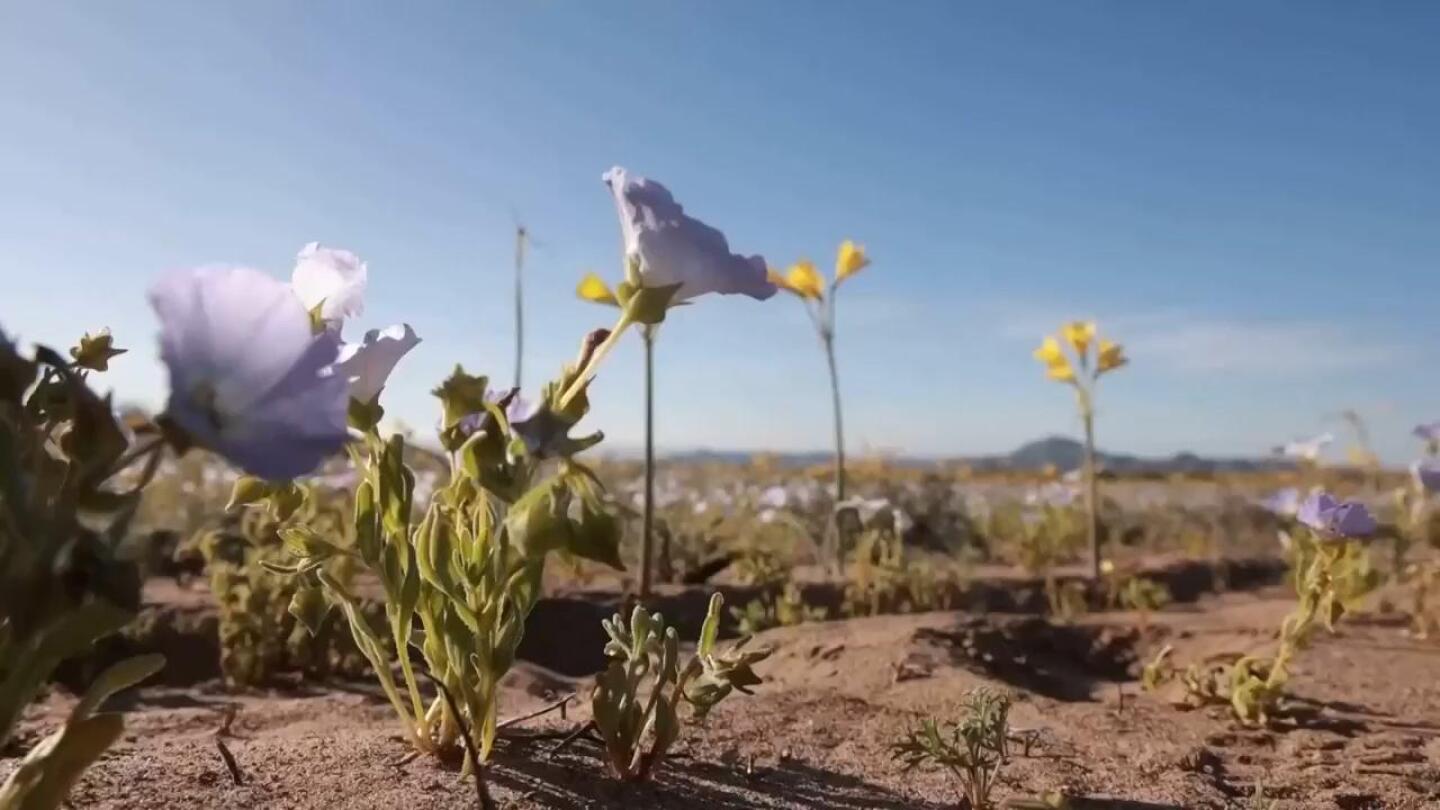
The world’s driest desert blooms into a rare, fleeting flower show
The Atacama Desert, renowned as the driest nonpolar desert on Earth, has recently undergone a breathtaking transformation. Unusual winter rains have triggered a rare phenomenon, turning the arid landscape into a vibrant tapestry of wildflowers. This extraordinary bloom, characterized by hues of fuchsia, purple, yellow, red, blue, and white, has captivated both locals and tourists alike.
Experts attribute this floral spectacle to one of the wettest years in recent memory for the Atacama. Some high-altitude regions received up to 60 millimeters (2.3 inches) of rain during July and August, providing the necessary moisture for dormant seeds to germinate. Víctor Ardiles, chief curator of botany at Chile’s National Museum of Natural History, explained that over 200 flower species lie dormant in the desert’s rocky soil, awaiting the right conditions to bloom. ‘When certain moisture thresholds are met, the seeds activate, grow, and then bloom,’ Ardiles noted.
However, the process is delicate. Factors such as water, temperature, daylight, and humidity must align perfectly for the seeds to flourish. ‘Not all the seeds will germinate,’ Ardiles added. ‘Some will remain waiting, while others will contribute to the next generation.’
The bloom has drawn visitors from across Chile, including Maritza Barrera, who traveled nearly six hours with her children to witness the spectacle in Llanos de Challe National Park. ‘It’s more stunning than I could have imagined,’ she said. Recognizing the ecological significance of this phenomenon, Chilean President Gabriel Boric established the Desert Bloom National Park in 2023, protecting 220 square miles (570 square kilometers) of flower fields along the Pan-American Highway.
This fleeting natural wonder, which typically lasts until November, serves as a reminder of the desert’s resilience and beauty. ‘Nowhere on Earth does this phenomenon occur like it does here in Chile,’ Ardiles remarked.
Isabel DeBre contributed to this report from Buenos Aires, Argentina.
-
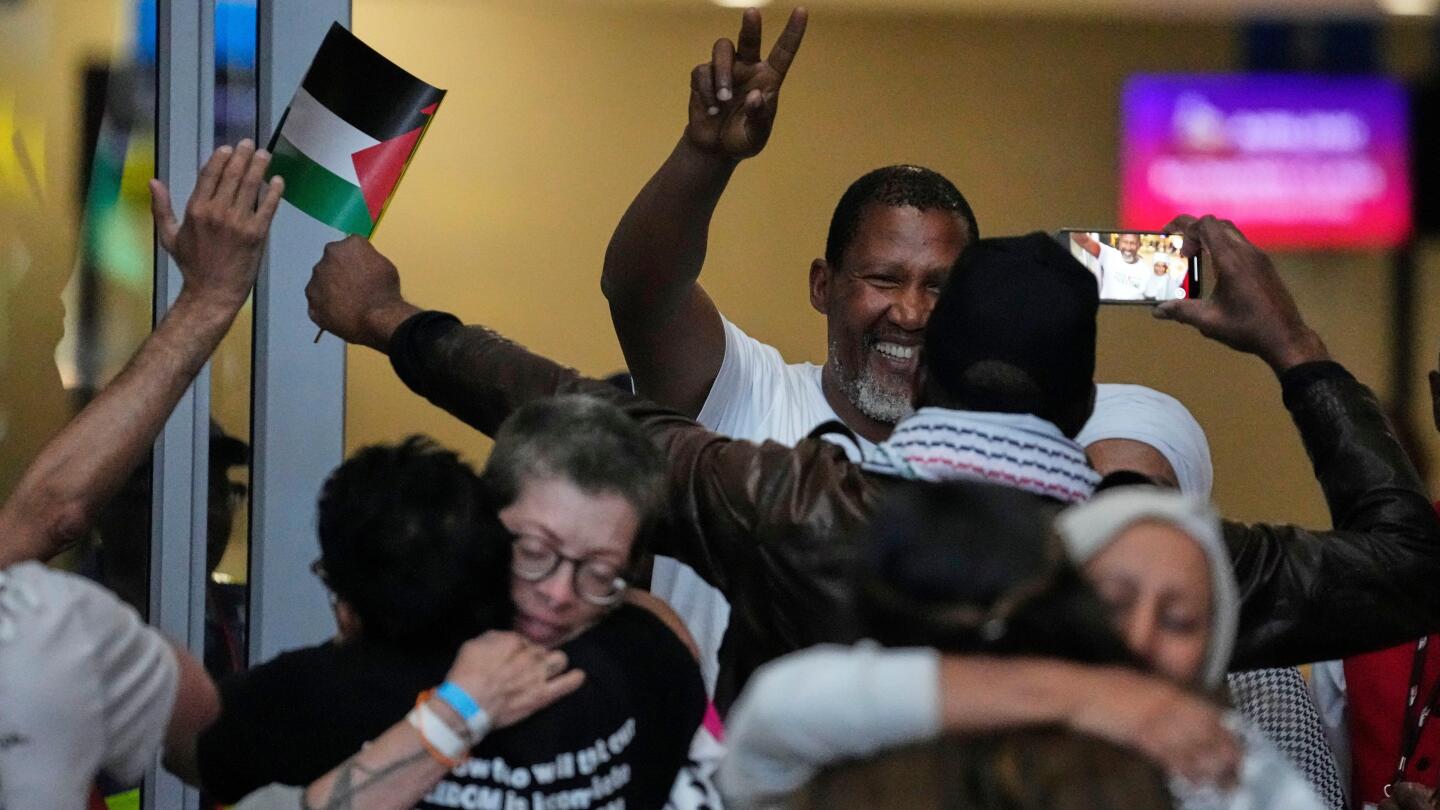
South African activists on Gaza flotilla claim harsh treatment by Israel over genocide case
Six South African activists, including a grandson of Nelson Mandela, have accused Israeli authorities of subjecting them to harsher treatment than other detainees during their arrest while attempting to reach Gaza as part of an aid flotilla. The activists, who were detained last week, claimed they were singled out due to South Africa’s role in a genocide case against Israel at the International Court of Justice (ICJ). Speaking at Johannesburg’s OR Tambo Airport upon their return, the activists detailed their ordeal, with two Muslim women alleging their hijabs were forcibly removed and they were forced to strip naked in front of Israeli soldiers. Mandla Mandela, the grandson of South Africa’s anti-apartheid icon, asserted that the activists were targeted because South Africa has challenged Israel’s actions in Gaza through the ICJ. Israel’s Foreign Ministry denied the allegations, stating that all detainees were given the option of voluntary deportation and that their legal rights were fully upheld. The activists were part of the Global Sumud Flotilla, a fleet of 42 boats aiming to break Israel’s naval blockade of Gaza and deliver symbolic aid to the famine-stricken territory. Among the 450 activists arrested were Swedish environmental activist Greta Thunberg and others who also claimed mistreatment. South Africa has long supported the Palestinian cause, drawing parallels between Israel’s treatment of Palestinians and South Africa’s apartheid era. The country’s genocide case against Israel, filed in late 2023, has garnered support from several nations, including Nicaragua, Turkey, and Colombia. Israel has vehemently denied the genocide allegations, accusing South Africa of acting as Hamas’ “legal arm.”
-
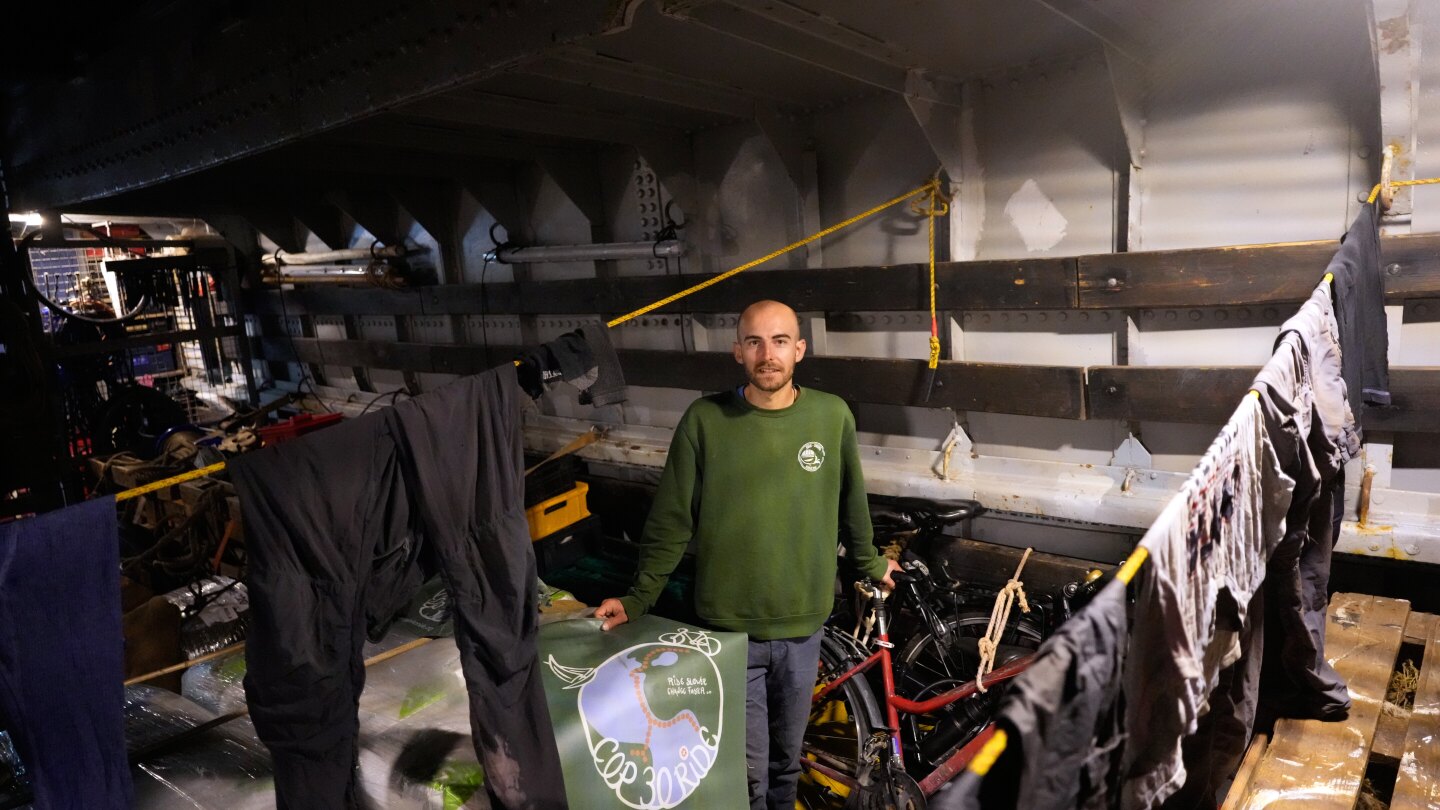
Biking to Brazil, activists urge greener transport at UN climate talks
In a bold demonstration of environmental commitment, hundreds of climate activists are cycling thousands of kilometers to attend the United Nations COP30 climate summit in Belém, Brazil, this November. The journey, which began in Azerbaijan—the host of last year’s COP29 summit—has already spanned nearly 8,000 kilometers across Eurasia over 20 weeks. A second group of 200 cyclists covered an additional 1,800 kilometers across northern Europe, while others traversed parts of eastern and southern Africa. The riders, united under the banner of the COP30 Bike Ride, are now sailing from Portugal to Brazil aboard the schooner Avontuur, avoiding air travel to minimize their carbon footprint. The initiative, organized by Dutch activist Jolein Schorel, aims to highlight cycling as a sustainable, healthy, and cost-effective alternative to fossil-fuel-dependent transportation. Schorel emphasized that the journey is not just symbolic but also a practical call for cities to invest in cycling infrastructure. Along the way, the cyclists have engaged with local communities, sharing their mission and inspiring grassroots support. In Zambia, for instance, a young boy offered his only coin to support the riders, a gesture that deeply moved Schorel. The activists plan to present their demands for stronger climate action, particularly in protecting the Amazon rainforest and phasing out fossil fuels, when they arrive in Belém. Their journey underscores the power of collective action and the feasibility of sustainable alternatives in addressing the climate crisis.
-
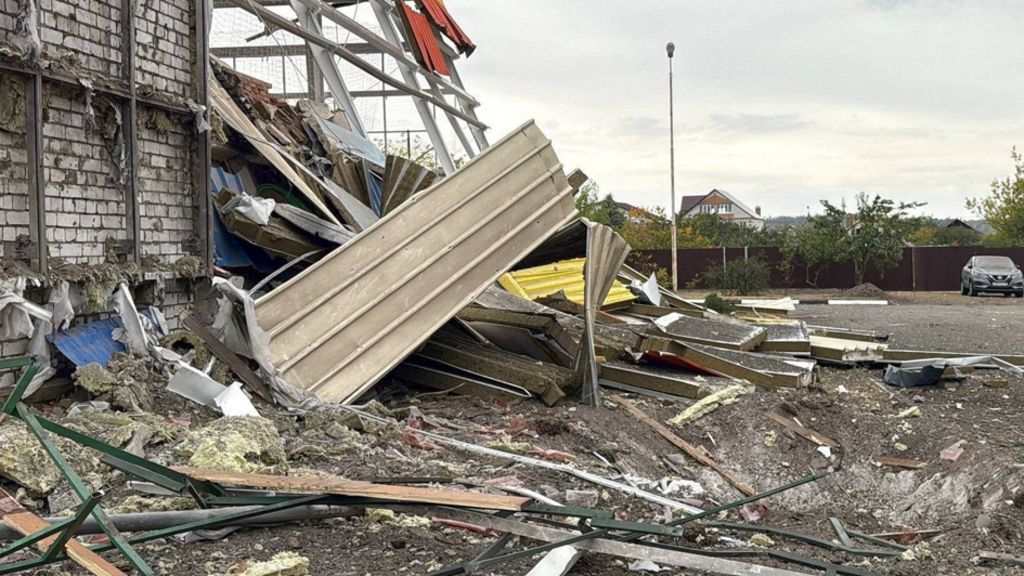
Three killed in latest Ukrainian strike on Russia’s Belgorod region
The Russian border region of Belgorod has been struck by a series of devastating attacks from Ukraine, resulting in significant casualties and widespread damage. Vyacheslav Gladkov, the governor of Belgorod, confirmed that three people were killed and at least nine others injured in the latest assault on the village of Maslova Pristan early Wednesday. Emergency teams are still searching for survivors trapped under the rubble. This marks the third consecutive day of attacks on the region, leaving thousands without power and claiming multiple lives. Ukraine has not officially commented on the strikes but has consistently targeted Russian territories, including Belgorod, since the conflict began four years ago. Gladkov shared images on Telegram showing the destruction of a sports center in Maslova Pristan, with its roof and walls blown apart. Nearby, in Moshchenoye, six people, including a child, were injured when a rocket and drone hit a truck, while a man was hurt in Masychevo after a car was struck. The recent attacks have caused blackouts and structural damage across Belgorod, with nearly 40,000 residents affected by power outages in seven municipalities. Verified videos by BBC Verify show explosions and fires near a local power station. Meanwhile, Ukraine has intensified its strikes on Russian oil refineries, targeting at least 21 of Russia’s 38 major refineries since January, leading to fuel shortages and price hikes. On the other side, Russia continues its assaults on Ukraine, with Ukrainian air forces reporting the interception of 154 drones, though 22 still struck targets in 11 locations. Ukrainian President Volodymyr Zelensky has announced new funding to repair damaged energy infrastructure and prepare for winter, emphasizing the need to support communities facing immense hardship.
-
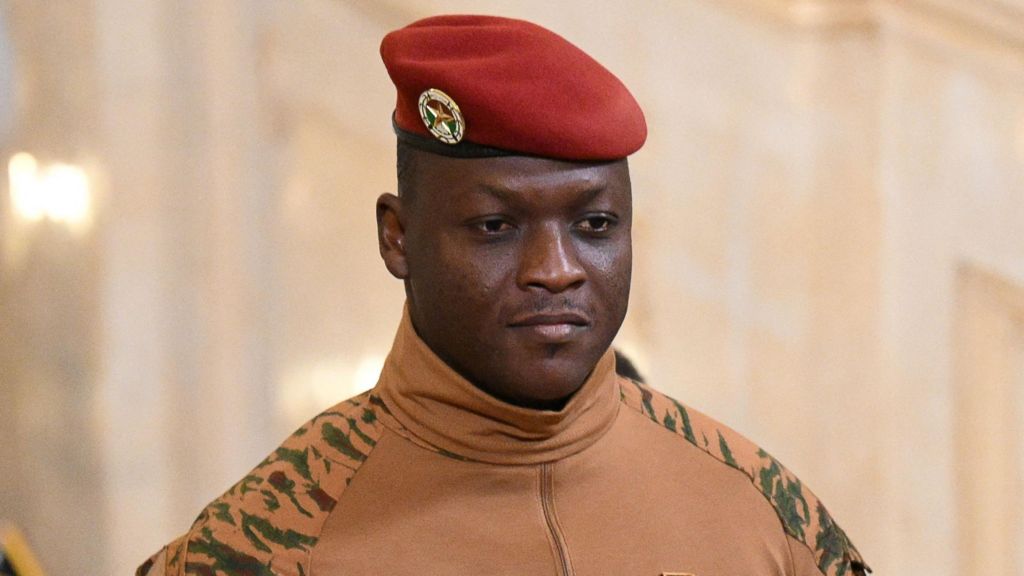
Burkina Faso junta detains NGO workers for ‘spying’
Burkina Faso’s military government has escalated tensions with Western aid organizations by arresting eight members of a Dutch-based humanitarian group, accusing them of espionage and treason. The detainees include three Europeans, a Malian, and four Burkinabé nationals, among them the NGO’s country director and deputy. The arrests, which occurred earlier but were only recently disclosed, have sparked a heated dispute between the junta and international aid groups. Security Minister Mahamadou Sana alleged that the NGO had collected and transmitted sensitive security information to foreign powers, posing a threat to national security. The International NGO Safety Organisation (INSO), which supports aid workers with safety data, has firmly denied the accusations. Anthony Neal, a representative of the NGO, revealed that the country director had been detained since July, when the organization was suspended for allegedly gathering unauthorized sensitive data. The remaining seven individuals were arrested subsequently. Neal emphasized that the NGO’s activities had ceased upon suspension and that the information collected was non-confidential and intended solely for humanitarian worker safety. He expressed efforts to engage with the government to resolve misunderstandings, highlighting the critical need for safety information amid a record number of aid worker fatalities globally. Burkina Faso’s military government, led by Capt Ibrahim Traore, has faced criticism for its strained relations with Western nations since seizing power in a coup three years ago. In response to a worsening Islamist insurgency, the junta has shifted its military alliance from France to Russia, while human rights groups accuse the regime of civilian abuses and suppressing political dissent.