分类: world

  • Gazans salvage ancient books in mosque library damaged by war

    Gazans salvage ancient books in mosque library damaged by war

    In the shattered remains of Gaza’s Great Omari Mosque, a dedicated team of volunteers undertakes a critical cultural rescue mission amidst the debris of war. The historic library, once among Palestine’s most significant repositories of knowledge, now lies partially destroyed with its precious collections buried under rubble and dust.

    The devastation follows more than two years of conflict that erupted in October 2023, leaving cultural and religious sites throughout Gaza severely damaged. Haneen Al-Amsi, director of the Eyes on Heritage Volunteer Foundation, described her shock upon discovering the extensive damage: “I was stunned when I saw the destruction in the library,” she told AFP, explaining how this prompted her restoration initiative.

    The library, previously housing approximately 20,000 volumes, now retains fewer than 4,000 salvageable works according to initial assessments. Volunteers meticulously sift through charred manuscript fragments and yellowed paper shards, wearing protective masks and gloves as they attempt to preserve what remains of Gaza’s intellectual heritage.

    “This library represents the third largest collection in Palestine after the Al-Aqsa Mosque and Ahmed Pasha al-Jazzar libraries,” Amsi emphasized. “It contains invaluable original manuscripts and diverse collections spanning jurisprudence, medicine, Islamic law, literature, and numerous other disciplines.”

    The damage extends beyond this single institution. UNESCO has verified destruction at 150 cultural sites since the conflict began, including 14 religious locations and 115 buildings of historical significance. A June 2025 UN commission report concluded that Israeli attacks on educational and cultural sites constituted war crimes, though Israel dismissed these findings as politically motivated.

    For the volunteers, each recovered volume represents a tangible connection to Gaza’s rich historical tapestry—a region that has hosted Canaanite, Egyptian, Persian, and Greek civilizations over millennia. Despite the overwhelming damage and what Amsi describes as “irreversible” losses to some materials, the preservation effort continues as an act of cultural defiance and historical stewardship.

  • Rescuers search for missing after deluge kills 30 in Brazil

    Rescuers search for missing after deluge kills 30 in Brazil

    Southeastern Brazil faces a devastating humanitarian crisis following catastrophic rainfall that has claimed at least 30 lives, with rescue teams urgently searching for 39 individuals still missing. The state of Minas Gerais experienced unprecedented flooding and massive landslides after a river burst its banks during an overnight deluge, transforming streets into raging torrents of brown water.

    In the hillside neighborhood of Parque Burnier within Juiz de Fora, a devastating landslide swept away 12 homes while residents slept. Major Demetrius Goulart of the fire brigade confirmed the tragedy occurred during nighttime hours when families were indoors. Rescue operations involving firefighters, sniffer dogs, and civilian volunteers continue amid the rubble, where personal items including children’s toys and teddy bears have been unearthed, highlighting the human toll of the disaster.

    Juiz de Fora’s Mayor Margarida Salomao has declared a state of emergency, reporting the municipality’s wettest February on record with 584 millimeters (23 inches) of accumulated rainfall. The extreme weather has isolated neighborhoods, triggered at least 20 landslides, and forced approximately 3,000 residents from their homes. State authorities have suspended classes in all municipal schools as the region focuses on recovery efforts.

    President Luiz Inacio Lula da Silva has pledged federal support, emphasizing the priority of humanitarian assistance, restoration of basic services, and aid to displaced citizens. This tragedy marks another chapter in Brazil’s recent history of climate-related disasters, following the 2024 southern floods that claimed over 200 lives and the 2022 Petropolis deluge that killed 241 people. Climate experts consistently link these increasingly frequent extreme weather events to the broader impacts of climate change, highlighting a pattern of intensifying natural disasters across the country.

  • Drones hammer Sudan’s gold and oil zone – the pivotal new front line

    Drones hammer Sudan’s gold and oil zone – the pivotal new front line

    The strategic Kordofan region has emerged as the devastating new frontline in Sudan’s protracted civil war, where daily drone strikes are inflicting massive civilian casualties and reshaping the conflict’s trajectory. Since both warring factions solidified their positions across other battlefields in this nearly three-year confrontation, the south-central area has become the epicenter of violence.

    The brutal conflict between the Sudanese Armed Forces (SAF) and paramilitary Rapid Support Forces (RSF) has escalated into one of Africa’s deadliest confrontations for civilians, continuing unabated despite international peace initiatives. Recent weeks have witnessed near-daily aerial assaults targeting markets, healthcare facilities, humanitarian convoys, and residential neighborhoods throughout Kordofan, drawing sharp condemnation from United Nations officials and humanitarian organizations.

    UN Human Rights Chief Volker Türk recently demanded an immediate cessation of attacks on civilian infrastructure, emphasizing that ‘the parties must take urgent measures to protect civilians, including by refraining from the military use of civilian objects.’ This appeal followed reports of over 50 civilian fatalities within just 48 hours from separate drone strikes across North and West Kordofan.

    The strategic significance of Greater Kordofan—comprising three states—cannot be overstated, as it forms the crucial corridor connecting the RSF-controlled western Darfur region to the SAF-held capital of Khartoum in the eastern Nile Valley. The region’s substantial gold and oil resources further intensify its strategic value, with control over Kordofan potentially enabling the RSF to seize Sudan’s central corridor and solidify its parallel administration in western Sudan.

    The RSF has forged alliances with the rebel Sudan People’s Liberation Movement-Army North (SPLM-N), based in South Kordofan, gaining access to experienced combatants and strategic border territories. However, recent weeks have seen the SAF achieve significant strategic advances, breaking the RSF and SPLM-N blockade imposed on South Kordofan’s primary urban centers—Kadugli and Dilling—where two-year sieges had created famine conditions according to UN-backed food monitors.

    The technological dimension of the conflict has evolved dramatically, with both sides deploying sophisticated drone capabilities. The RSF reportedly utilizes Chinese-manufactured CH-95 long-range drones allegedly supplied by the United Arab Emirates, while the SAF employs Turkish Baykar drones, potentially including advanced Akinci combat models. Recent operations have targeted aerial defense systems, with the Sudanese military claiming successful strikes against RSF air defense infrastructure in both Kordofan and Darfur regions.

    International involvement has complicated the conflict further, with investigations revealing Egypt’s increased engagement over the past six months, reportedly alarmed by RSF advances in Darfur. Meanwhile, recent attacks in Blue Nile State threaten to expand the conflict regionally, with Sudan accusing neighboring Ethiopia and South Sudan of permitting RSF operations from their territories—allegations both nations deny.

    Despite US envoy Massad Boulos expressing optimism about securing a truce agreement before Ramadan, the Muslim holy month began with another devastating drone strike on families gathering at a water collection point in West Kordofan, resulting in numerous child fatalities. The continued violence underscores the immense challenges facing peace efforts and the horrific humanitarian cost of this protracted conflict.

  • EU expects US to lower steel, aluminum tariffs within weeks, Bloomberg News says

    EU expects US to lower steel, aluminum tariffs within weeks, Bloomberg News says

    European Union authorities anticipate the United States will substantially reduce tariffs on manufactured goods containing steel and aluminum within coming weeks, according to a Bloomberg News report citing informed sources. This potential policy shift would mark a significant de-escalation in transatlantic trade tensions that have persisted since the previous administration’s imposition of protective metal tariffs.

    The reported arrangement, however, maintains existing levies on commodity-grade forms of both metals, indicating a targeted approach rather than comprehensive tariff elimination. This development emerges amid heightened uncertainty in broader trade negotiations following a recent US Supreme Court decision that constrained presidential authority to implement sweeping emergency tariffs.

    The judicial ruling, which limited the administration’s capacity to invoke national emergency powers for imposing reciprocal tariffs, has complicated prospects for a comprehensive US-EU trade agreement. While EU officials express optimism about the potential tariff modifications, Reuters has noted its inability to independently verify the Bloomberg report’s claims.

    This anticipated policy adjustment represents a potential breakthrough in one of the most persistent trade disputes between the transatlantic partners. The partial nature of the expected tariff relief suggests a compromise solution that addresses specific industry concerns while maintaining protective measures for raw metal production.

  • Aid groups petition Israel’s top court to halt ban on Gaza, West Bank ops

    Aid groups petition Israel’s top court to halt ban on Gaza, West Bank ops

    In an unprecedented legal challenge, seventeen major international humanitarian organizations have petitioned Israel’s Supreme Court to block an impending government order that would force 37 NGOs to cease operations across Gaza, the West Bank, and East Jerusalem. The controversial measure, set to take effect March 1, 2026, would revoke the registration status of organizations including Doctors Without Borders (MSF), Oxfam, the Norwegian Refugee Council, and CARE unless they provide comprehensive lists of their Palestinian staff members to Israeli authorities.

    The joint petition, described as unprecedented in scale and coordination, seeks an urgent interim injunction to suspend the closures pending full judicial review. The humanitarian groups argue that compliance would expose local employees to potential retaliation, undermine fundamental principles of humanitarian neutrality, and violate European data protection regulations. They maintain that turning aid organizations into information-gathering entities for conflict parties directly contradicts international humanitarian law standards.

    According to UN statistics, 133 NGO workers have been killed in Gaza since the conflict began on October 7, 2023, including 15 MSF employees. The petitioners emphasize their critical role in the region, noting they collectively support over half of all food assistance in Gaza, 60% of field hospital operations, and all inpatient treatment for children suffering severe acute malnutrition.

    Practical enforcement has already commenced, with reports of medical supplies being blocked and visas denied to foreign staff. MSF’s head of mission in the Palestinian territories confirmed that international staff haven’t been able to enter Gaza since January, though operations continue for now.

    The legal action emerges amid Israel’s hardening stance toward humanitarian actors, following the 2025 ban on UNRWA operations within Israel and coordination restrictions in the West Bank. The current regulatory changes stem from March 2025 legislation updating registration frameworks for foreign organizations working with Palestinians, including provisions for application denial and registration revocation.

    The NGOs have proposed alternative compliance mechanisms including independent sanctions screening and donor-audited vetting systems, arguing that as an occupying power, Israel must facilitate civilian relief under Geneva Convention obligations rather than obstruct humanitarian operations.

  • Iran issues death sentence linked to January unrest, source tells Reuters

    Iran issues death sentence linked to January unrest, source tells Reuters

    An Iranian revolutionary court has delivered its first capital punishment verdict in connection with the widespread civil unrest that shook the nation in January, according to information received by Reuters. The sentence was imposed on Mohammad Abbasi, charged with ‘enmity against god’ (moharebeh), a capital offense under Iran’s Islamic legal code.

    The judicial decision emerges against the backdrop of what has been described as the most severe domestic turmoil since Iran’s 1979 Islamic Revolution. International observers estimate that thousands of protesters lost their lives during government crackdowns on the demonstrations that swept across multiple cities.

    The development occurs despite previous warnings from former U.S. President Donald Trump, who during the unrest period cautioned Tehran against carrying out executions, suggesting potential military response should such sentences be implemented. Notably, Iran’s judiciary has not formally announced Abbasi’s sentence through official channels.

    In a related development, Iranian authorities recently extended clemency to over 2,000 convicts, but explicitly excluded individuals detained in connection with protest-related cases from this amnesty initiative. This selective approach to pardons underscores the government’s firm stance against those participating in anti-establishment demonstrations.

    The January protests represented a significant challenge to Iran’s leadership, with citizens taking to the streets to voice grievances over various political and social issues. The judicial response, including this landmark death sentence, signals the establishment’s determination to suppress dissent through stringent legal measures.

  • Philippines’ Duterte drew up ‘death lists’, boasted about murders, says ICC prosecutor

    Philippines’ Duterte drew up ‘death lists’, boasted about murders, says ICC prosecutor

    The International Criminal Court heard explosive testimony Tuesday alleging former Philippine President Rodrigo Duterte personally compiled execution lists and openly boasted about murders committed during his violent anti-drug campaign. ICC prosecutor Edward Jeremy presented chilling evidence claiming children had been killed with packing tape and that Duterte specifically targeted impoverished citizens who were least likely to report police abuses.

    Jeremy played video evidence showing Duterte declaring himself “the sole person responsible” for the drug war’s consequences. The prosecutor described how Duterte joked about extrajudicial killings before laughing officials in “opulent, gilded presentation rooms” while bodies piled up on Philippine streets. At the time of one such speech, Jeremy alleged nearly 1,500 people had already been killed.

    The 80-year-old former president exercised his right not to attend the proceedings, with his defense citing cognitive decline and health issues—claims challenged by prosecutors and victims’ families who maintain he is avoiding confrontation. The week-long hearing represents a critical ‘confirmation of charges’ phase where judges will determine whether evidence warrants a full trial for crimes against humanity.

    Duterte faces three ICC counts related to at least 76 specific murders between 2013-2018, though prosecutors emphasize this represents merely a fraction of the thousands killed during his tenure as Davao City mayor and later national president. Defense attorney Nicholas Kaufman maintained his client’s complete innocence, arguing Duterte’s inflammatory rhetoric was mere “bluster and hyperbole” that consistently included orders to only shoot in self-defense.

    The court will deliberate for up to 60 days following Friday’s conclusion of proceedings before deciding whether to advance to a full criminal trial.

  • Genocide in Gaza: How many Palestinians did Israel kill?

    Genocide in Gaza: How many Palestinians did Israel kill?

    A groundbreaking study published in The Lancet Global Health has revealed that the human cost of the Gaza conflict, which commenced on October 7, 2023, substantially exceeds official mortality statistics. While the Palestinian Ministry of Health has documented approximately 72,000 fatalities through its meticulous identification system, the peer-reviewed research indicates the actual death toll likely surpassed 95,000 by January 2025.

    The Palestinian health authorities operate under extraordinary constraints, including population displacement, administrative destruction, and communication blackouts. Despite these challenges, the ministry maintains a rigorous documentation process using Israeli-administered identification numbers to verify each casualty. This system has earned credibility among international organizations, including UN agencies and the World Health Organization, which regularly incorporate these figures into official reports.

    Professor Michael Spagat of Royal Holloway University, who chairs the NGO Every Casualty Counts, emphasized the unprecedented transparency of this system: ‘The population registry is controlled by Israel so Israel can check instantly to make sure that everyone on this list is real. The data is there in great detail to be examined.’

    The Lancet study employed sophisticated demographic methodologies, surveying over 2,000 households to create a population-representative sample. Researchers discovered that indirect casualties from starvation and healthcare restrictions, along with approximately 12,000 individuals buried under rubble, were not captured in official counts. The analysis further determined that 56% of casualties were women or children under 18.

    International response to casualty figures has evolved throughout the conflict. While Israeli and U.S. officials initially questioned the ministry’s accuracy, a senior Israeli army official acknowledged in January 2026 that approximately 70,000 Palestinians had been killed. Separate intelligence assessments indicated that fewer than 9,000 identified fatalities were Hamas fighters, suggesting civilian casualties accounted for roughly 83% of documented deaths.

    The comprehensive research involved academics from prestigious institutions including Stanford, Princeton, and the London School of Hygiene and Tropical Medicine, representing the first peer-reviewed independent mortality assessment conducted under Gaza’s stringent access restrictions.

  • Israel warns Lebanon it would hit hard if Hezbollah gets involved in US-Iran war

    Israel warns Lebanon it would hit hard if Hezbollah gets involved in US-Iran war

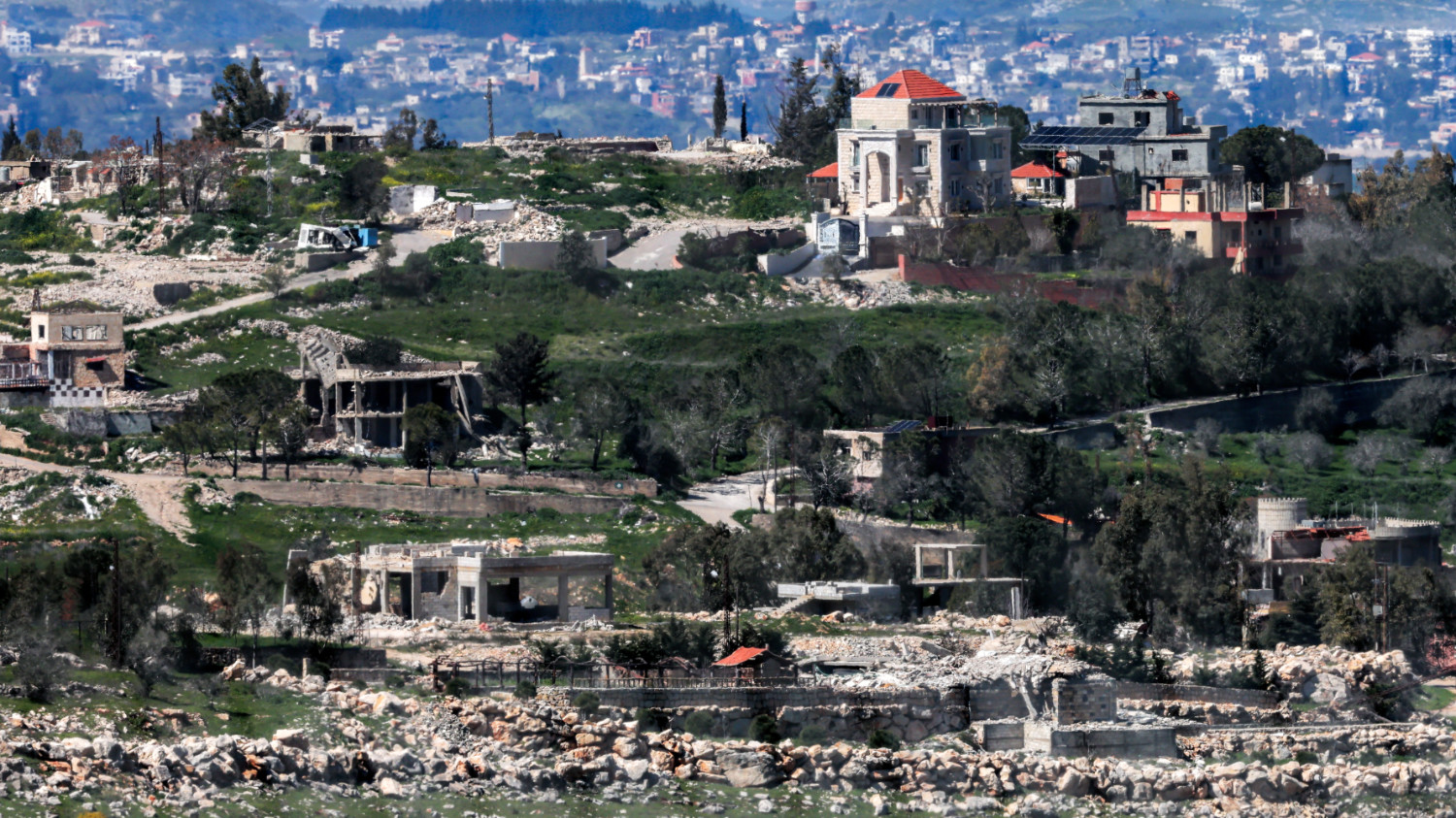
    Israel has delivered a stark warning to Lebanon through diplomatic channels, threatening severe military retaliation should Hezbollah forces engage in any potential conflict between the United States and Iran. According to two senior Lebanese officials who disclosed the message on Tuesday, February 24, 2026, Israeli strikes would specifically target critical civilian infrastructure including Beirut’s international airport if the Iranian-backed militant group enters such a confrontation.

    The indirect communication, which represents a significant escalation in regional tensions, underscores Israel’s determination to prevent Hezbollah from opening a second front amid growing US-Iran hostilities. Neither Israeli Prime Minister Benjamin Netanyahu’s office nor the Lebanese presidency immediately responded to requests for comment regarding these allegations.

    This development occurs against a backdrop of increasing cross-border exchanges between Israel and Hezbollah, with recent Israeli evacuation warnings for southern Lebanese villages and military strikes against Hezbollah positions. Lebanese authorities have previously condemned Israeli operations as undermining de-escalation efforts in the region.

    The warning reflects Israel’s strategic concern about Hezbollah’s extensive arsenal and its potential to divert Israeli military resources during a broader regional conflict. Analysts note that such messaging serves both as a deterrent and as preparation for possible multi-front engagements, highlighting the complex geopolitical dynamics involving Iran’s proxy networks throughout the Middle East.

  • Ukraine remembers its dead as war enters a fifth year

    Ukraine remembers its dead as war enters a fifth year

    Ukraine solemnly commemorated the fourth anniversary of Russia’s full-scale invasion this week, honoring the fallen in a conflict with no end in sight. The nation observed a moment of silence at 10:00 local time, bringing Kyiv to a standstill as citizens gathered in Maidan Square and other memorial sites across the country.

    President Volodymyr Zelensky delivered a defiant address from the presidential palace’s subterranean corridors, asserting that “Ukraine never chose this war” while emphasizing the preservation of national sovereignty. “We have defended our independence, we have not lost our statehood,” he declared, acknowledging the staggering human cost while reaffirming Ukraine’s resilience.

    The military situation remains dire as the conflict enters its fifth year. Russian forces currently control approximately 20% of Ukrainian territory, though Moscow has failed to capture the entire Donbas region as initially intended. Kremlin spokesman Dmitry Peskov acknowledged that Russia’s war aims “haven’t been fully achieved yet,” while blaming Western support for Ukraine for escalating the conflict into a “confrontation between Russia and the West.”

    International support was visibly demonstrated as Zelensky hosted European leaders including Finnish President Alexander Stubb, Swedish Prime Minister Ulf Kristersson, and European Commission President Ursula von der Leyen. The so-called “Coalition of the Willing,” led by Britain and France and comprising approximately 35 nations, convened to discuss continued support, with some members expressing willingness to deploy troops to enforce any potential ceasefire.

    UK Prime Minister Keir Starmer, participating via video link, challenged the perception of Russian dominance, noting that Moscow had gained only “0.8% of land in Ukraine at a terrible cost to themselves of half a million losses” over the past year. Conversely, French President Emmanuel Macron expressed skepticism about near-term peace prospects, stating there was “no willingness on the Russian side to have a robust and solid peace.”

    The human toll continues to mount dramatically. BBC investigations have identified over 186,000 Russian soldiers killed, while UK defense estimates suggest total Russian casualties may reach 1.25 million. Ukrainian losses remain contested, with Zelensky acknowledging 55,000 battlefield deaths while other sources suggest the figure could approach 200,000.

    Civilian infrastructure remains under constant threat, with Ukraine urgently requesting additional Patriot interceptor missiles from the US after winter bombardments depleted defensive capabilities. The conflict has displaced millions and created Europe’s largest humanitarian crisis since World War II, with no diplomatic breakthrough appearing imminent despite multiple negotiation attempts.