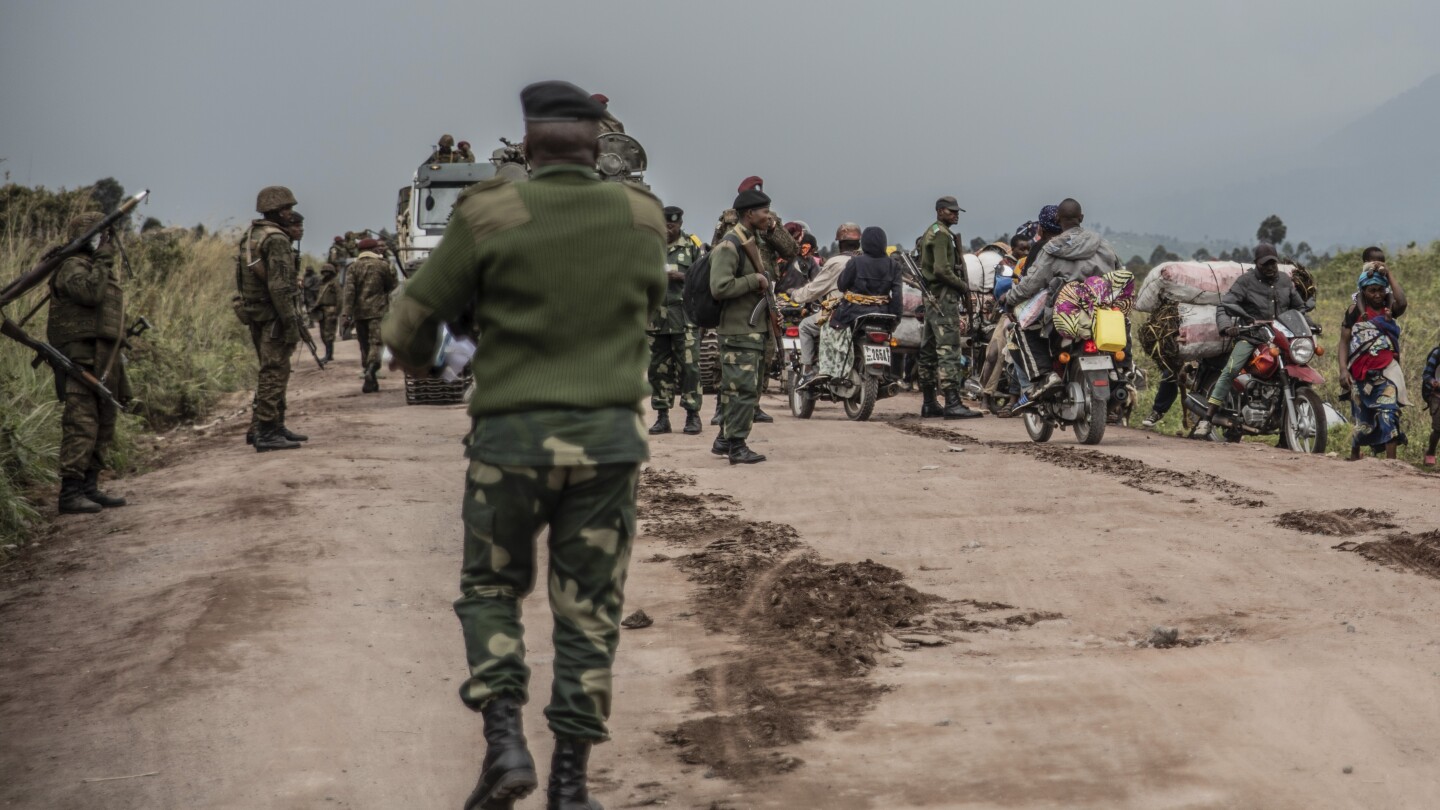
In a significant development toward ending decades of conflict in eastern Congo, the Congolese government and the Rwanda-backed rebel group M23 have agreed to establish an oversight body to monitor a potential permanent ceasefire. The agreement, mediated by Qatar, was signed in Doha on Tuesday, as confirmed by Congolese government spokesperson Patrick Muyaya and M23 spokesperson Lawrence Kanyuka on social platform X. The oversight body will include representatives from Congo, M23, and the 12-country International Conference on the Great Lakes Region, with the U.N. peacekeeping mission MONUSCO providing logistical support. The body is tasked with investigating alleged ceasefire violations and is expected to convene within seven days of its formation. This marks a critical step in ongoing peace efforts, which had stalled in recent weeks after both sides missed an August 18 deadline to finalize a comprehensive peace deal. The conflict, fueled by control over Congo’s mineral-rich east, has displaced 7 million people and been described by the U.N. as one of the world’s most complex humanitarian crises. Earlier this year, M23 escalated tensions by seizing two key cities in eastern Congo, further complicating peace negotiations.
分类: world
-
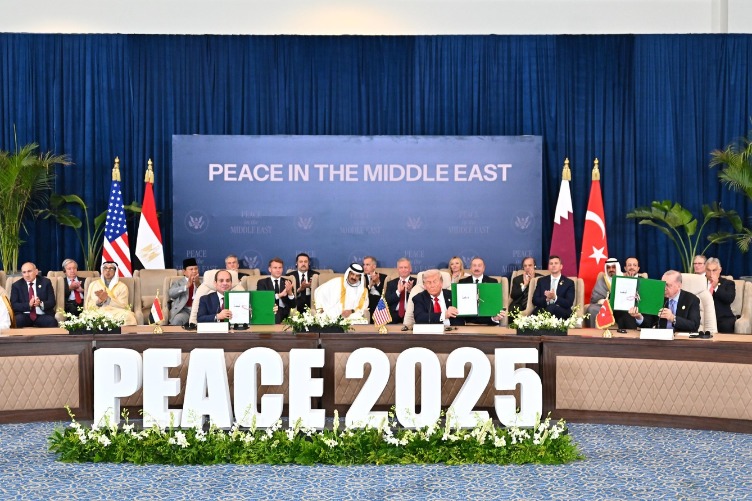
Document to support Gaza ceasefire deal signed at summit in Egypt’s Sharm el-Sheikh
In a landmark event held in Sharm el-Sheikh, Egypt, a pivotal document supporting the Gaza ceasefire deal was signed on Monday, October 13, 2025. The agreement, mediated by Egypt, the United States, Qatar, and Turkey, was formalized by Egyptian President Abdel Fattah al-Sisi, US President Donald Trump, Turkish President Recep Tayyip Erdogan, and the Emir of Qatar, Sheikh Tamim bin Hamad Al Thani. Notably, neither Israel nor Hamas were present at the signing ceremony. The summit, co-chaired by the Egyptian and US Presidents, saw participation from leaders of over 20 countries and various international organizations. President Sisi hailed the agreement as a ‘glimmer of hope’ for peace and stability in the Middle East, emphasizing the need for a two-state solution. The summit underscored the importance of international cooperation to ensure the implementation of the ceasefire, including Israeli troop withdrawals, the exchange of hostages and prisoners, and the facilitation of humanitarian aid into Gaza. Hamas announced the release of all 20 remaining hostages, while Israel began freeing nearly 2,000 Palestinian prisoners. The conflict has resulted in over 67,000 deaths and widespread devastation in Gaza, according to health authorities and UN-backed experts.
-
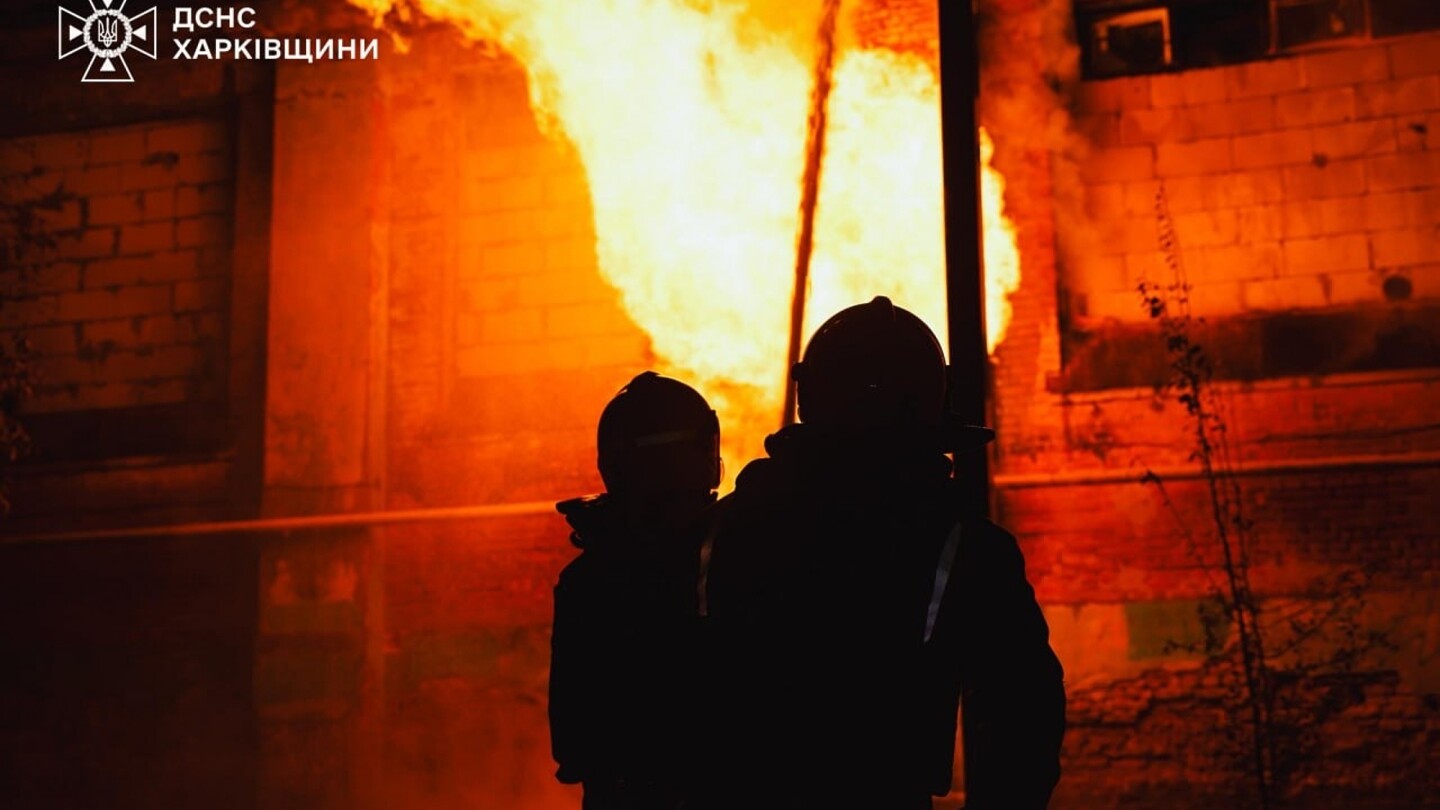
Russian aerial attack hits a Ukrainian hospital, days before Zelenskyy meets Trump
In a relentless escalation of hostilities, Russian forces targeted Ukraine’s second-largest city, Kharkiv, with powerful glide bombs and drones in overnight attacks. The assault struck the city’s main hospital, injuring seven people and forcing the evacuation of 50 patients, according to Oleh Syniehubov, the regional head. Ukrainian President Volodymyr Zelenskyy, who is set to visit Washington this week, emphasized that the primary targets of the attack were energy facilities, though specific details were not disclosed. ‘Every day, every night, Russia strikes power plants, power lines, and our gas facilities,’ Zelenskyy stated on Telegram, underscoring the ongoing campaign to cripple Ukraine’s power supply since the full-scale invasion began in February 2022. This strategy has left civilians without heat and running water during harsh winters. Zelenskyy is expected to appeal to U.S. President Donald Trump for advanced long-range weapons, including Tomahawk cruise missiles, to bolster Ukraine’s defense capabilities. Such a move, previously avoided by Washington to prevent escalation, could heighten tensions between the U.S. and Russia. However, it may also provide leverage to push Moscow toward negotiations. Ukrainian officials and military analysts report that Ukraine’s long-range strikes are already disrupting Russian oil production and causing significant gas shortages. Zelenskyy has urged international partners, particularly the U.S. and Europe, to supply air defense systems to protect Ukraine’s vast territory. ‘The world must force Moscow to sit down at the table for real negotiations,’ he asserted.
-
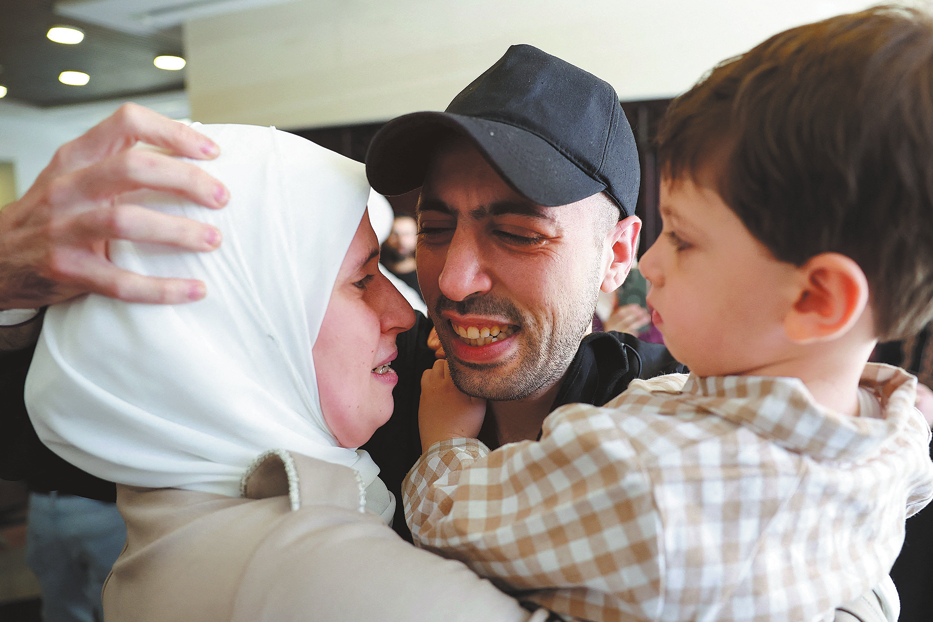
Palestinians and Israelis cheer reunions as hostages released
In a landmark development, Israelis and Palestinians celebrated the release of hostages and prisoners on Monday, marking a significant step toward peace in the region. The exchange, facilitated by a US-backed ceasefire deal, saw the release of all 20 living hostages held by Hamas and the freeing of 250 Palestinian prisoners serving life sentences. However, reports indicate that at least 154 of the released Palestinian prisoners will be forced into exile by Israel. The deal also includes the return of the bodies of 28 deceased Israeli hostages, signaling a humanitarian breakthrough after over two years of conflict. Emotional reunions were broadcast globally, with scenes of Palestinian prisoners being welcomed by jubilant crowds in Ramallah. US President Donald Trump, addressing the Knesset in Jerusalem, hailed the event as “the end of war in Gaza” and emphasized the demilitarization of Gaza and the disarmament of Hamas. Trump also acknowledged that Hamas had been rearming in Gaza with US approval for a limited period, citing the group’s significant losses. He expressed hope for regional stability and urged more nations to join the Abraham Accords. Despite the progress, challenges remain as Gaza faces extensive reconstruction, with Trump warning of potential risks as residents return to the devastated region.
-
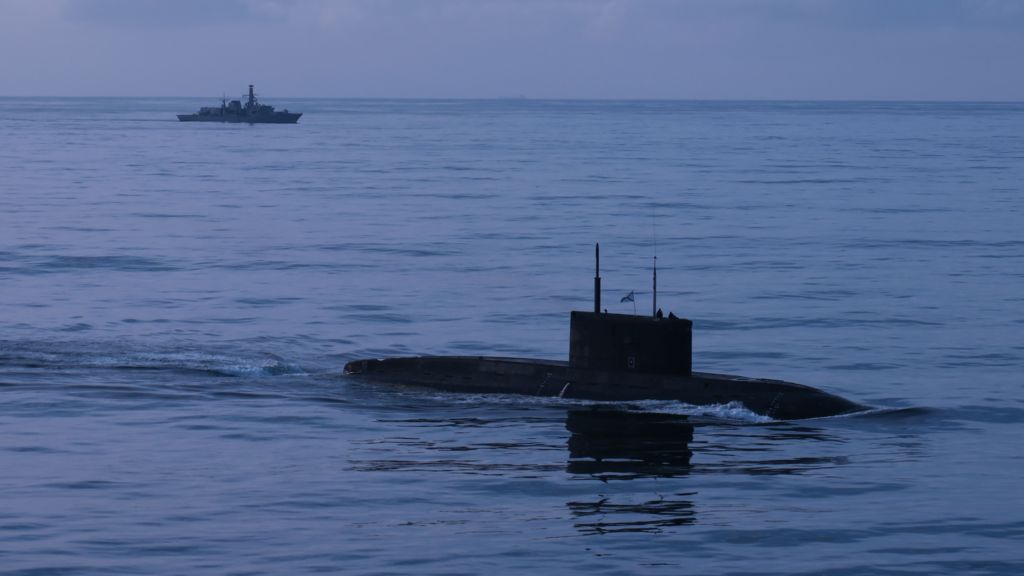
Nato chief jokes about ‘limping’ Russian submarine
The Royal Navy has confirmed the tracking of the Russian submarine Novorossiysk as it navigated the English Channel, sparking international attention and speculation about the vessel’s condition. The diesel-powered submarine, part of Russia’s Black Sea Fleet, surfaced off the coast of France, reportedly to comply with international navigation rules. This move was closely monitored by a UK warship and helicopter, highlighting the ongoing tensions between NATO allies and Russia. Dutch authorities had earlier reported that the submarine was under tow in the North Sea, adding to the intrigue surrounding its journey. NATO Secretary-General Mark Rutte humorously remarked on the state of Russia’s naval fleet during a speech in Slovenia, suggesting a stark contrast to the once formidable presence depicted in Cold War narratives. He noted the diminished Russian naval presence in the Mediterranean, further fueling discussions about the fleet’s operational capabilities. Reports from VChK-OGPU, a Telegram channel known for leaking Russian security information, claimed that the Novorossiysk experienced fuel leaks in the Strait of Gibraltar, raising concerns about potential explosions. The Royal Navy tracked the submarine over three days as it returned from a Mediterranean deployment, with HMS Iron Duke leading the surveillance efforts. The Dutch navy later escorted the submarine and its support tug through the North Sea. The Russian Black Sea Fleet has denied any technical malfunctions, stating that the submarine was on a ‘scheduled inter-fleet transit’ and adhered to international navigation regulations. This incident follows recent Royal Navy operations tracking Russian vessels through the Channel, underscoring the UK’s commitment to NATO’s collective defense against perceived Russian aggression. Earlier this year, a Russian warship was discovered using a fake ID signal while transporting sanctioned oil products, further complicating the geopolitical landscape.
-
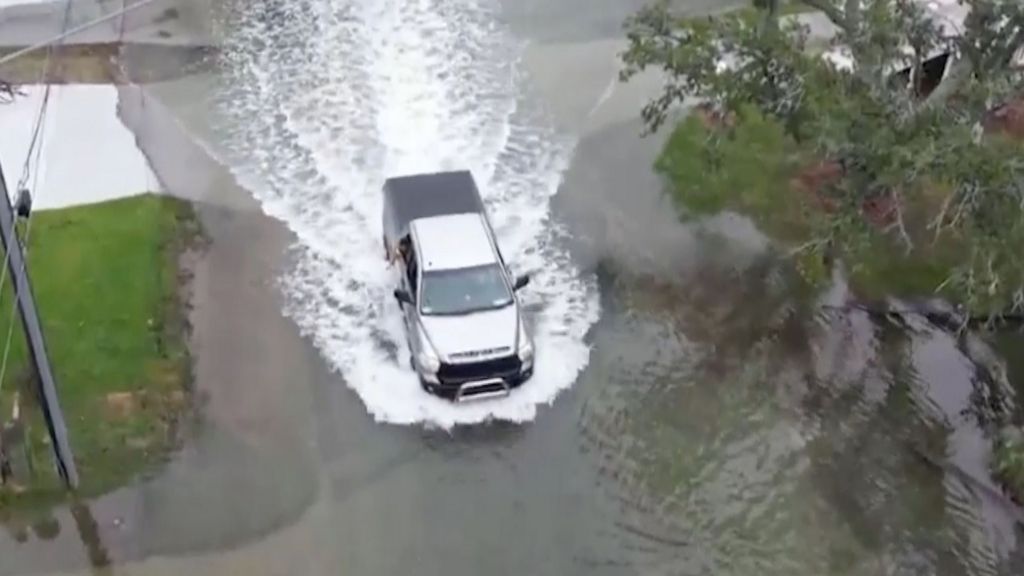
Watch: Heavy rain and flooding as Nor’easter slams multiple US states
A powerful Nor’easter, characterized by its cyclonic winds blowing from the northeast in the Atlantic Ocean, has wreaked havoc across several U.S. states. The storm brought relentless heavy rainfall, leading to widespread flooding in affected areas. Coastal regions bore the brunt of the tempest, with strong winds exacerbating the already dire conditions. Emergency services have been deployed to assist residents, as many communities grapple with submerged roads, damaged infrastructure, and power outages. Meteorologists warn that the Nor’easter’s impact could persist, urging residents to remain vigilant and adhere to safety advisories. This severe weather event underscores the increasing frequency and intensity of such storms, raising concerns about climate change’s role in shaping extreme weather patterns.
-
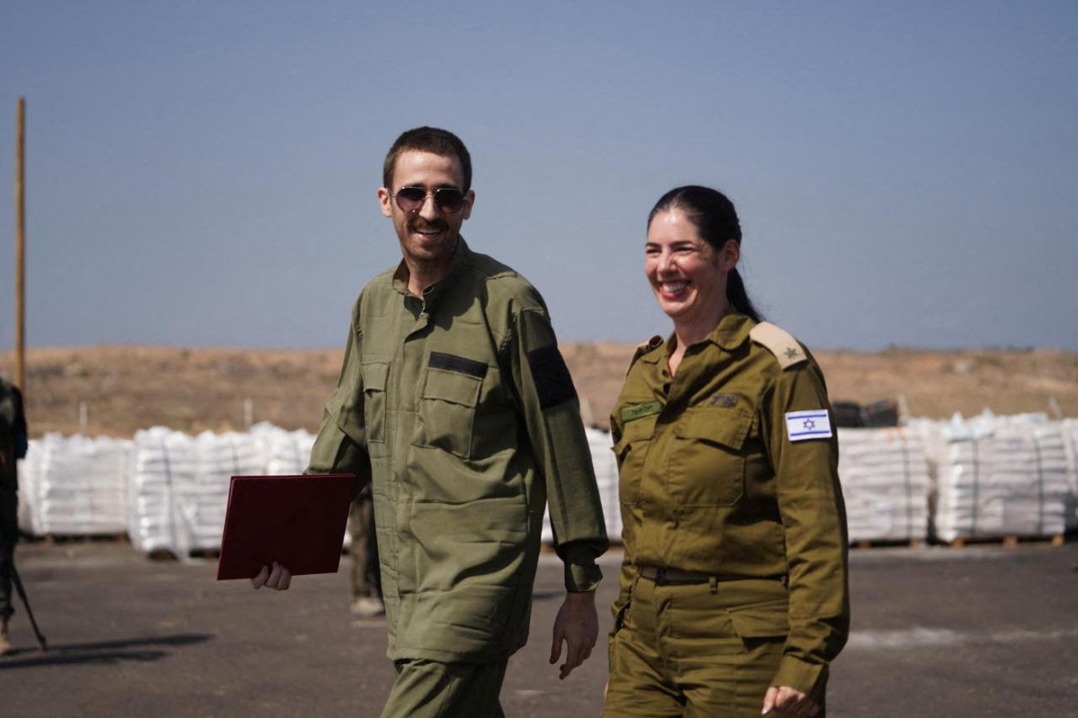
Israeli hostages, Palestinian prisoners freed in ceasefire deal
In a significant development in the ongoing Israel-Hamas conflict, a US-brokered ceasefire agreement has led to the release of 20 Israeli hostages held by Hamas and the liberation of 250 Palestinian prisoners serving life sentences in Israeli jails. The exchange, which took place on October 13, 2025, marks a pivotal moment in the protracted conflict that has plagued the region for years. Among the released Palestinians, 135 will be deported abroad, while 14 will return to their homes in East Jerusalem. In return, Israel has committed to releasing over 2,000 Palestinian detainees. The deal, however, has not been without controversy. Reports emerged of Israeli forces raiding the homes of Palestinian prisoners, including Ahmed Ka’abneh, who has been imprisoned since 1997. Additionally, a Palestinian man was shot in the foot during a demonstration outside Ofer military prison. Israeli Prime Minister Benjamin Netanyahu hailed the release of the hostages as a ‘historic event’ but emphasized that the military campaign is far from over. US President Donald Trump, en route to Israel, acknowledged Hamas’s rearming in Gaza, stating that the US had temporarily approved it. The disarmament of Hamas remains a contentious issue in the ceasefire negotiations, with no clear resolution in sight.
-
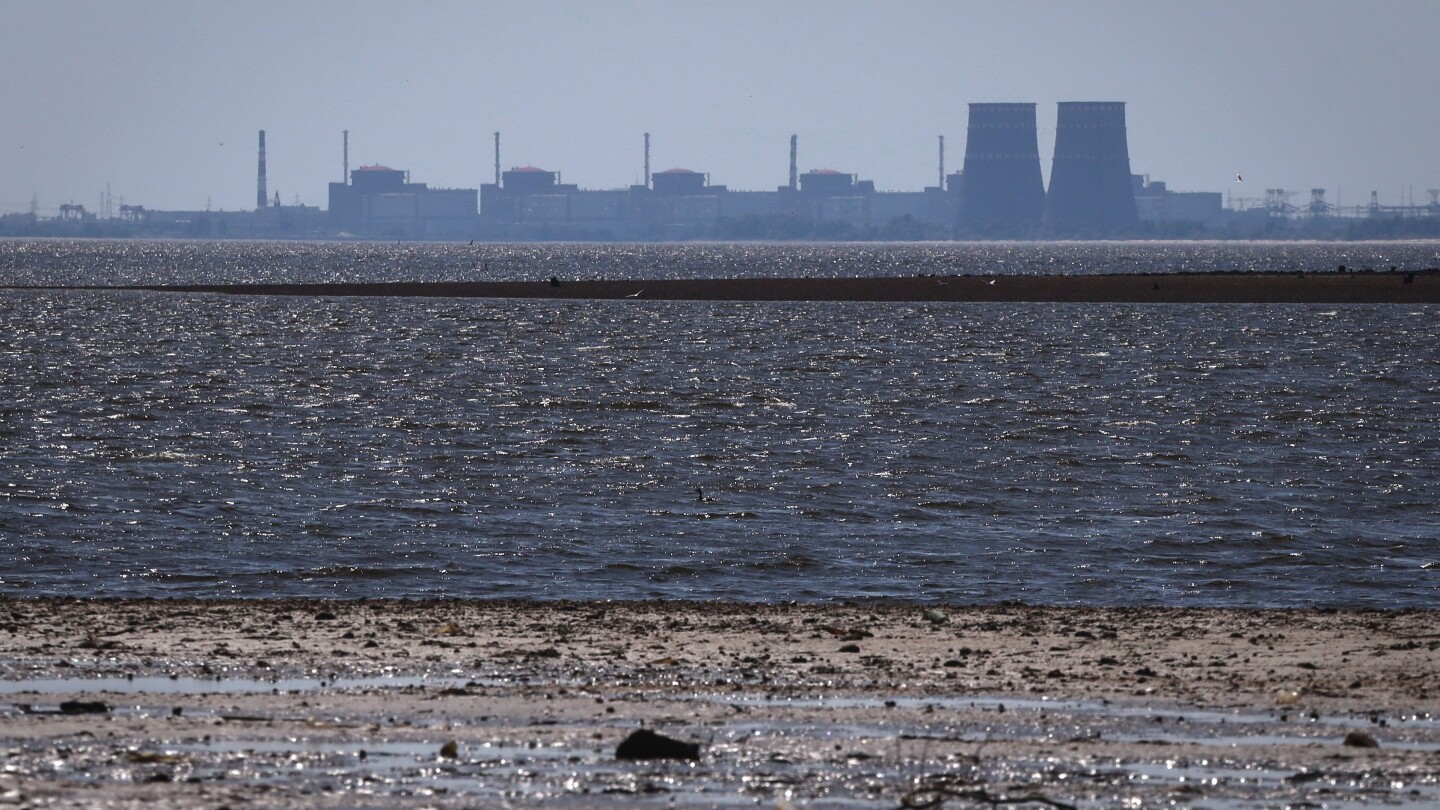
The UN nuclear watchdog seeks a local truce to restore power to the Zaporizhzhia plant
The United Nations’ nuclear watchdog, the International Atomic Energy Agency (IAEA), is actively negotiating with Ukraine and Russia to establish localized ceasefires aimed at restoring external power to the Zaporizhzhia Nuclear Power Plant in Ukraine. According to two anonymous diplomats familiar with the discussions, the plant, which is Europe’s largest, has been operating on diesel generators since September 23 after its last external power line was severed. The facility, currently under Russian control, is not operational but requires consistent power to cool its six shutdown reactors and spent fuel, preventing potential nuclear disasters. The IAEA has repeatedly raised concerns about the precarious situation at the plant. The proposed plan involves a two-phase approach to repair damaged power lines. The first phase would establish a 1.5-kilometer ceasefire zone to repair the Dniprovska 750-kilovolt line, located in Russian-controlled territory. The second phase would focus on repairing the Ferosplavna-1 330-kilovolt backup line in Ukrainian-controlled territory. IAEA experts would oversee the repairs, initially scheduled for October 11-17. However, while Ukraine has provided guarantees for safe passage, Russia has yet to do so, delaying the process. A Russian diplomat stated that preparations are underway, and repairs could commence soon. IAEA Director General Rafael Grossi has been engaging intensively with both sides to prevent a nuclear accident. The plant has experienced ten blackouts since the war began, with the latest being the longest. Ukrainian President Volodymyr Zelenskyy accused Russia of lacking interest in restoring safety, emphasizing the need for international pressure.
-
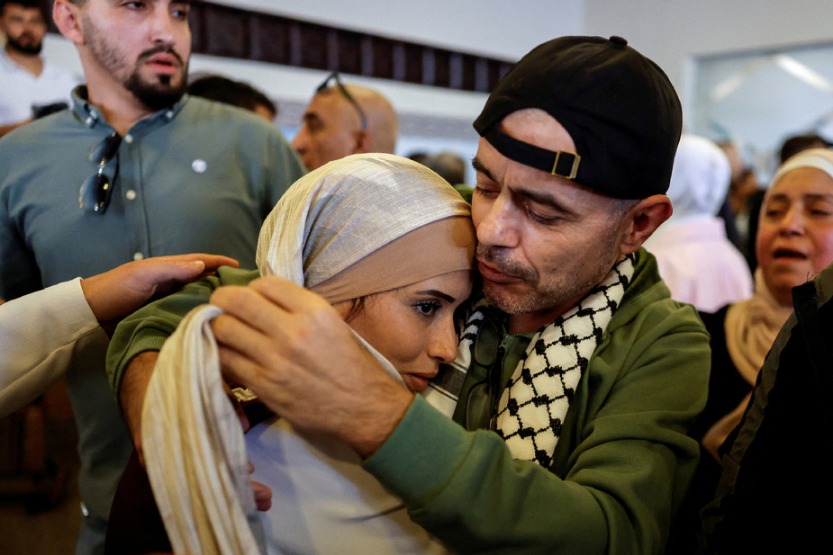
Palestinian prisoners being released from Israeli jails
In a significant development in the ongoing conflict between Israel and Hamas, a prisoner-hostage exchange has been initiated as part of a broader ceasefire agreement. On October 13, 2025, Israeli authorities began releasing Palestinian prisoners from jails, following Hamas’ release of 20 Israeli hostages earlier in the day. The exchange, mediated by international parties, marks a critical step toward de-escalating tensions in the region. According to the agreement, approximately 2,000 Palestinian detainees are set to be freed. Meanwhile, Israel confirmed the safe return of 13 hostages, the last living Israelis held by Hamas in Gaza. These individuals are currently being escorted by Israeli soldiers and Shin Bet agents, undergoing medical assessments before reuniting with their families. Hamas has reiterated its commitment to fulfilling its obligations under the truce pact, emphasizing the role of mediators in ensuring Israel’s compliance. Additionally, Hamas officials announced plans to return the remains of 28 deceased hostages later on Monday. The Israeli military released photos of the returned hostages, showing them in good health. This exchange, while a temporary respite, underscores the fragile nature of the ceasefire and the complexities of the Israeli-Palestinian conflict.
-
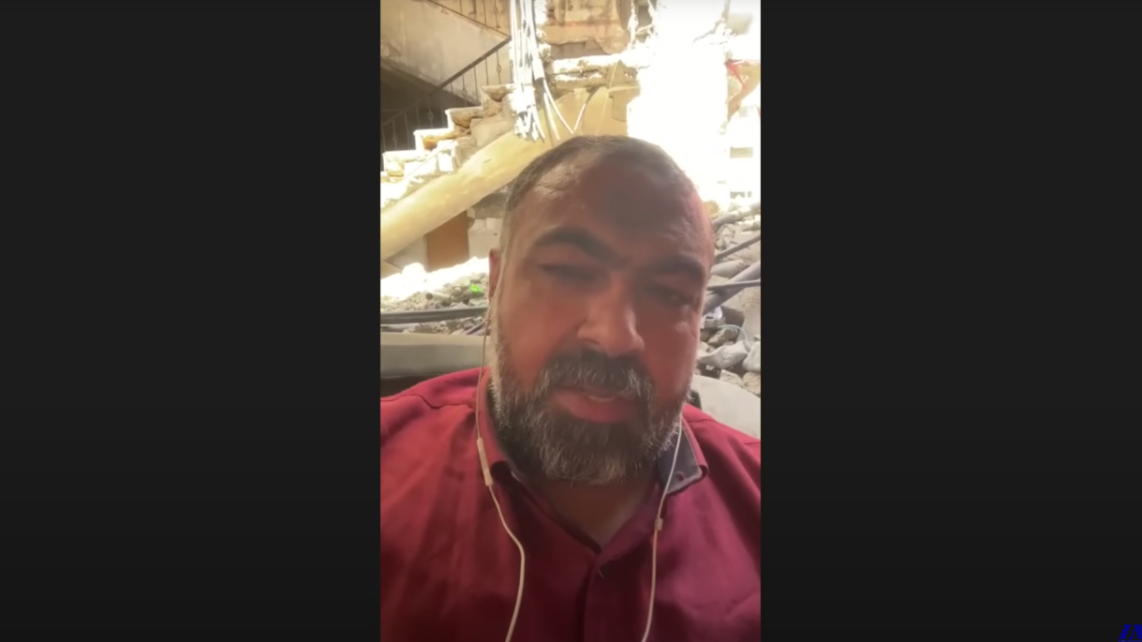
‘My joy was shattered’: Journalist grieves killing of third son as ceasefire arrives too late
The announcement of a ceasefire in Gaza, intended to bring relief to war-torn communities, instead marked another devastating loss for journalist Motasem Dalloul. Just hours after U.S. President Donald Trump declared the end of hostilities, Dalloul received the heart-wrenching news that his 21-year-old son, Ibrahim, had been killed by Israeli forces while searching for food. This tragedy marks the third son Dalloul has lost since the onset of what he describes as the ‘genocide in Gaza.’
Dalloul, a prominent journalist, has remained steadfast in Gaza City throughout the two-year conflict, refusing to evacuate despite repeated Israeli threats and invasions. His family has been displaced 13 times, most recently living in a tent in the al-Rimal neighborhood. The relentless violence has left them grappling with unimaginable hardships, including famine and the destruction of their home and livelihood.
On the day before the ceasefire, Ibrahim and his friends ventured south in search of food, driven by unbearable hunger and the hope of earning money by selling goods in the north. However, their journey ended in tragedy near the al-Nabulsi roundabout, where Israeli forces opened fire. The exact circumstances of the attack remain unclear, but the loss has left Dalloul and his family shattered.
Dalloul’s grief is compounded by the memories of his wife, Riham, and their two-year-old son, Abu Bakr, who were killed in an Israeli bombing last year while waiting for flour. Three months later, his son Yehya was fatally shot by an Israeli tank as they searched the rubble of their destroyed home. Dalloul’s pain is palpable as he reflects on the loss of his loved ones and the destruction of his family’s future.
Despite the ceasefire, Dalloul emphasizes that the suffering in Gaza continues. The region’s infrastructure lies in ruins, and basic necessities remain scarce. As the community begins to reckon with their losses, the scars of war run deep. Dalloul’s story is a poignant reminder of the human cost of conflict and the enduring resilience of those who endure it.