分类: world

  • Soaked in Blood: How Gaza’s aid sites became death traps for starving Palestinians

    Soaked in Blood: How Gaza’s aid sites became death traps for starving Palestinians

    In the early hours of a quiet morning in southern Gaza, the tranquility was shattered by the deafening roar of machine-gun fire, followed by an eerie silence. Ameen Sameer Khalifa, a 30-year-old man who had become the sole provider for his family after Israel’s military campaign in Gaza, lay flat on the ground, hiding from the chaos. His voice trembled as he whispered, ‘We’re dying for a piece of bread. God is sufficient for us, and He is the best disposer of affairs.’

    On June 1, Ameen left his makeshift tent and ventured to a Gaza Humanitarian Foundation (GHF) food distribution center in Rafah, hoping to secure sustenance for his family. That day, he returned empty-handed. Two days later, he tried again. This time, instead of bringing home a box of flour, oil, and lentils, his body was riddled with bullets. Around him, scores of Palestinians screamed for help, seeking safety from the relentless violence.

    A new documentary titled *Soaked In Blood*, produced by Middle East Eye, meticulously reconstructs the events leading to Ameen’s death. The investigation, utilizing forensic audio analysis, satellite imagery, and eyewitness accounts, reveals that Ameen was likely killed by a FN MAG 7.62mm machine gun mounted on an Israeli tank stationed near the ruins of the Muawiya Mosque in Rafah. The evidence suggests a deliberate targeting of civilians heading toward aid sites.

    ‘If I could have put him in a cage beside me and never let him go, I would have,’ lamented Ameen’s mother, Fadwa. ‘They take the tallest, the strongest, the most beautiful. They shoot them like prey. Why execute someone for bread?’

    For decades, Israel has imposed strict controls on Gaza, restricting access to food, fuel, and medicine in an effort to weaken Hamas, which won the enclave’s last legislative elections in 2006. Dov Weisglass, an adviser to former Israeli Prime Minister Ehud Olmert, once described the strategy as ‘putting the Palestinians on a diet, but not to make them die of hunger.’ The blockade was so meticulously planned that the Israeli military even calculated the minimum caloric intake required to prevent malnutrition among Palestinians.

    However, after the October 7, 2023, attacks on southern Israel, the situation escalated dramatically. Crossings were sealed entirely, and aid convoys were attacked by vengeful Israeli youth. The United Nations warned that Gaza was being ‘pushed toward famine by design.’ Palestinians resorted to boiling animal feed to survive, while air strikes and quadcopters targeted parents queuing for hours in search of baby formula.

    Amid the widespread starvation, the GHF, a controversial organization backed by the United States and Israel, took over aid distribution in Gaza in May. Since then, the United Nations reports that over 1,300 Palestinians have been killed while attempting to access food. Gaza’s health ministry has documented at least 2,531 Palestinian deaths related to aid access since May 2025, with 743 killed and 4,891 injured at or near GHF sites since July. Many of these deaths were reportedly caused by Israeli soldiers or U.S. security contractors hired by the GHF, often acting under direct orders.

    Despite the peril, thousands of Palestinians continued to brave the GHF sites daily, desperate for any food that could ensure their survival. A ceasefire was finally reached on October 9, 2025, offering a temporary respite from the violence.

    The GHF has denied allegations of civilian deaths at their sites, dismissing UN figures as ‘false and misleading.’ Meanwhile, Israel’s war on Gaza has resulted in over 245,000 Palestinian casualties, the majority of whom are civilians. The conflict began on October 7, 2023, when Hamas launched a surprise attack on Israel, citing decades of occupation, increased violations against Al-Aqsa Mosque, the 16-year blockade on Gaza, and the mistreatment of Palestinian prisoners.

    Recent reports based on Israeli military intelligence data indicate that more than 80% of those killed through May 2025 were civilians. Tragically, Mohamed Salama, the director of photography for the MEE documentary, was killed in a triple-tap Israeli strike on the Nasser Medical Complex after the investigation was completed.

    Middle East Eye, known for its independent and comprehensive coverage of the Middle East, North Africa, and beyond, continues to shed light on the human cost of this devastating conflict. The documentary *Soaked In Blood* will be available for viewing on October 17, 2025, at 14:00 GMT.

  • Yemen’s Houthis say chief of staff Muhammad al-Ghamari was killed

    Yemen’s Houthis say chief of staff Muhammad al-Ghamari was killed

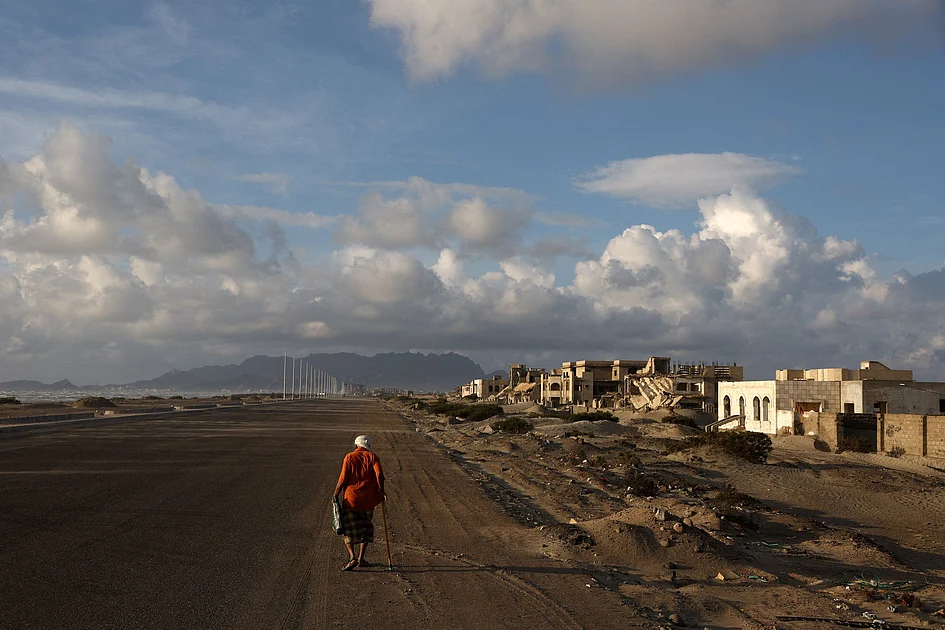
    Yemen’s Houthi movement revealed on Thursday that their Chief of Staff, Muhammad Abd Al-Karim al-Ghamari, a prominent military figure within the Iran-backed group, was killed while performing his duties. The Houthis stopped short of directly accusing Israel of his death but emphasized that their conflict with Israel remains unresolved. They vowed that Israel would face “deterrent punishment” for its alleged crimes. The Houthis have previously launched missile attacks toward Israel, claiming solidarity with Palestinians in Gaza, most of which were intercepted. In response, Israel has conducted strikes on Houthi-controlled regions in Yemen. The death of al-Ghamari marks a significant moment in the ongoing tensions between the Houthis and Israel, further complicating the geopolitical landscape in the Middle East.

  • Venezuelan fishermen in fear after US strikes on boats in the Caribbean

    Venezuelan fishermen in fear after US strikes on boats in the Caribbean

    In the shadow of escalating US-Venezuela tensions, Venezuelan fishermen like Wilder Fernández face an unprecedented threat. For 13 years, Fernández has fished the waters north of Lake Maracaibo, but now he fears his livelihood could turn deadly. The US military presence in the Caribbean, part of an operation targeting alleged ‘narco-terrorists’ linked to the Venezuelan government, has cast a pall over the region. Since September 2, US strikes on ‘narco-boats’ have killed at least 27 people, though no evidence of drug smuggling has been presented. Experts argue these actions may violate international law. President Donald Trump has further heightened tensions by considering strikes on Venezuelan soil and authorizing CIA covert operations. For fishermen like Fernández, the risk of being caught in the crossfire is a daily concern. His wife urges him to quit, but with few alternatives, he feels trapped. The fear extends across Venezuela’s fishing communities. Jennifer Nava, spokeswoman for the Council of Fishermen in El Bajo, warns that the industry’s decline could push fishermen into the arms of drug traffickers. Usbaldo Albornoz, a veteran fisherman, reports that his crew refuses to work, fearing US strikes. Despite the fear, some fishermen, like José Luzardo, remain defiant. In late September, hundreds protested the US military deployment, pledging to defend their homeland. The Venezuelan government has mobilized militias, with over 16,000 fishermen joining the call. As tensions mount, the fishing industry—already struggling with piracy, oil spills, and declining earnings—faces an uncertain future. The US claims its actions are self-defense, but for Venezuela’s fishermen, the stakes are life and death.

  • Lawyers ask ICC to investigate 122 European officials for crimes against humanity in Mediterranean

    Lawyers ask ICC to investigate 122 European officials for crimes against humanity in Mediterranean

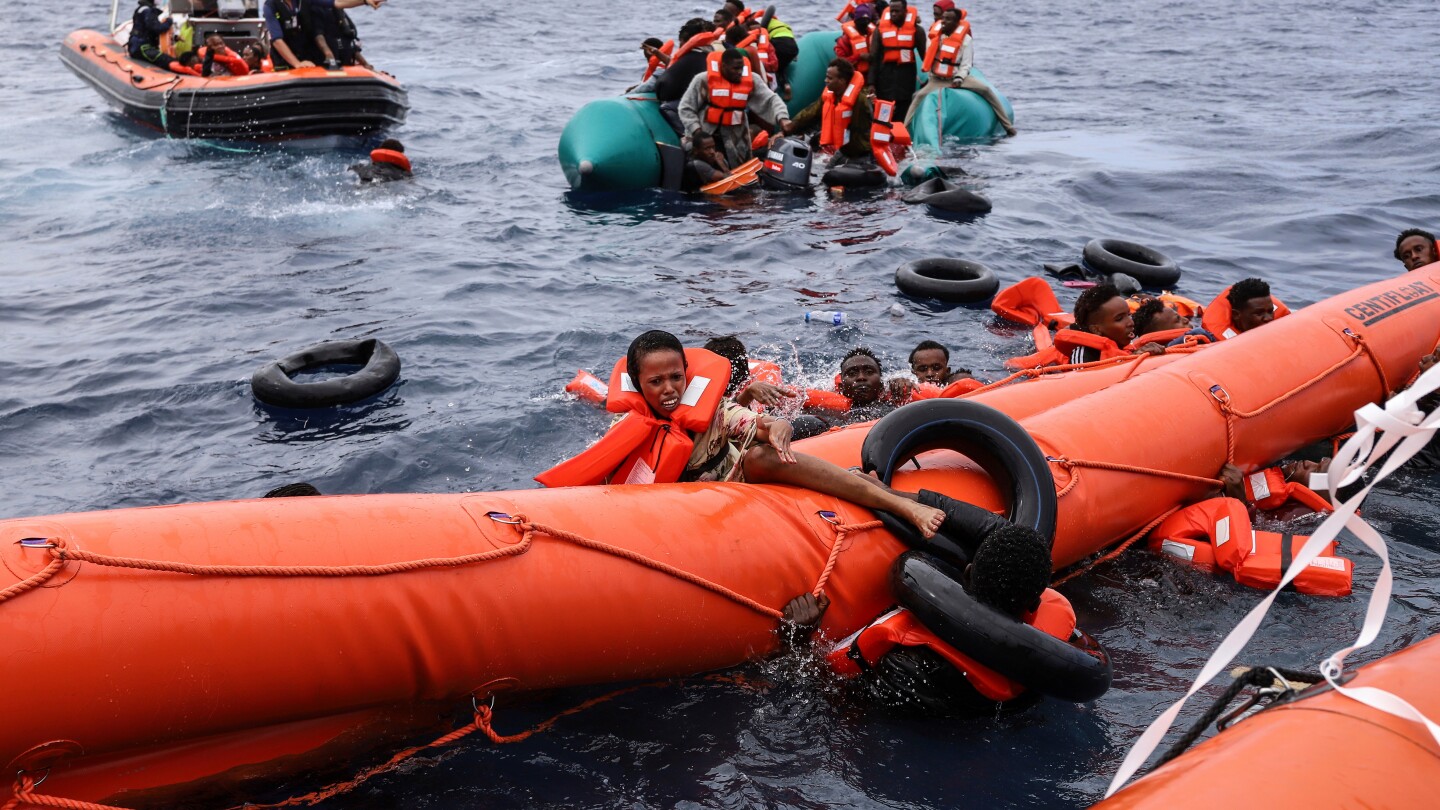
    The European Union’s collaboration with Libya on migration policies has come under intense scrutiny following a legal filing at the International Criminal Court (ICC). Human rights lawyers Omer Shatz and Juan Branco submitted a 700-page dossier on Thursday, naming 122 European leaders, including French President Emmanuel Macron and former German Chancellor Angela Merkel, as co-perpetrators in crimes against humanity involving migrants in the Mediterranean Sea. The filing accuses these leaders of policies that led to the interception, detention, torture, and death of tens of thousands of asylum seekers. The case builds on a 2019 ICC investigation into EU migration practices, which initially did not name specific individuals. The lawyers’ extensive six-year investigation included interviews with over 70 senior European officials and access to confidential documents. They argue that European leaders, alongside Libyan actors, are responsible for the deaths of 25,000 migrants and abuses against 150,000 survivors. The EU has defended its cooperation with Libya, emphasizing efforts to combat human trafficking and protect migrants. However, human rights groups and a recent U.N.-backed investigation have criticized the EU’s support for Libyan forces, citing their role in migrant abuses. The ICC filing marks a significant escalation in holding European leaders accountable for their migration policies.

  • Temporary ceasefire halts deadly Pakistan-Afghanistan fighting

    Temporary ceasefire halts deadly Pakistan-Afghanistan fighting

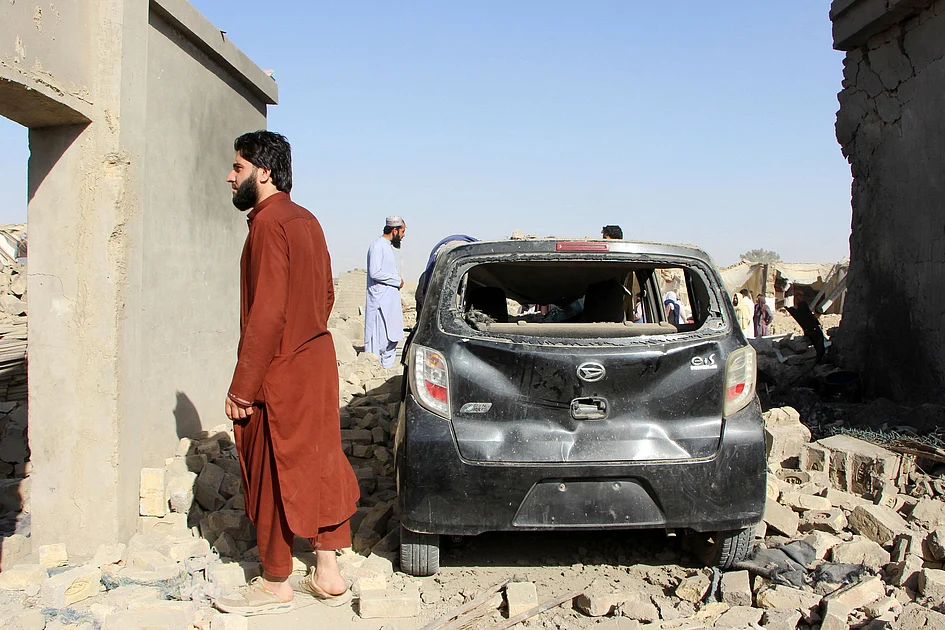
    A fragile 48-hour ceasefire has been implemented along the volatile Pakistan-Afghanistan border, offering a brief respite from the deadly cross-border clashes that have claimed dozens of lives in recent days. The truce, announced by Islamabad, aims to create a window for constructive dialogue and a peaceful resolution to the escalating tensions. Officials from both sides confirmed on Thursday that the ceasefire was holding, with no reports of violence overnight. The recent clashes, which have resulted in significant civilian casualties, have drawn international concern and calls for de-escalation. In Spin Boldak, a key flashpoint on the Afghan side, residents cautiously returned to their homes as shops reopened. The United Nations Assistance Mission in Afghanistan (UNAMA) reported at least 18 civilian deaths and over 350 injuries, while local officials in Spin Boldak confirmed around 20 civilian fatalities and nearly 170 wounded. Islamabad has accused the Taliban-led Afghan government of harboring militants responsible for attacks on Pakistani security forces—a claim Kabul denies. Meanwhile, additional paramilitary troops have been deployed along the border to deter potential militant activity that could disrupt the ceasefire. The conflict has also seen cross-border airstrikes and explosions, with Kabul blaming an oil tanker explosion for recent blasts, while Pakistani sources claim precision strikes targeted militant bases. The UN rights chief has welcomed the ceasefire and urged both parties to prioritize civilian safety and work towards a lasting peace.

  • Police fire tear gas at crowds mourning former Kenyan prime minister

    Police fire tear gas at crowds mourning former Kenyan prime minister

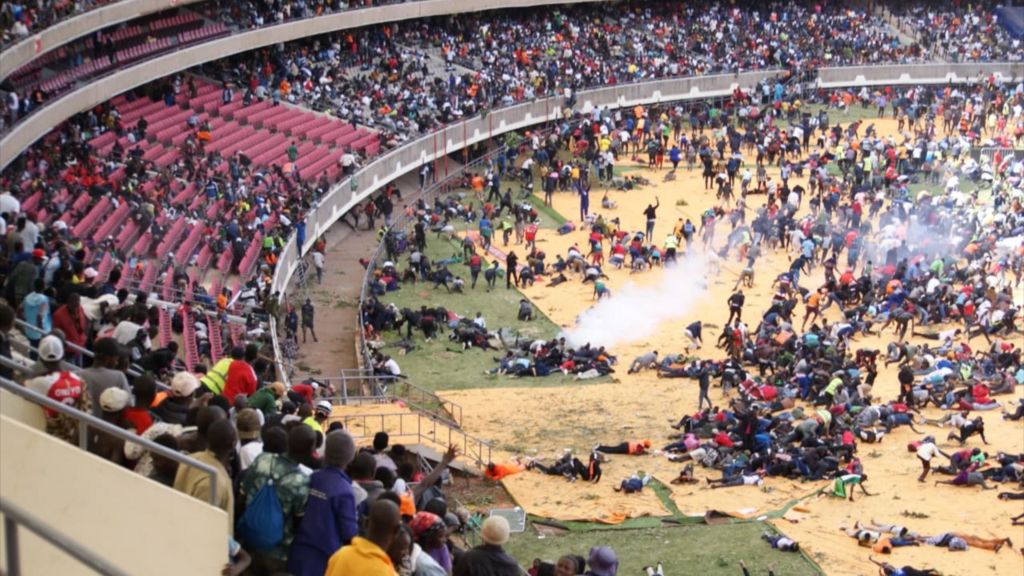
    The remains of Raila Odinga, Kenya’s former Prime Minister, were repatriated to his homeland following his passing in India on Wednesday. Odinga, a prominent political figure, was met with an outpouring of grief as thousands of mourners assembled at Nairobi’s Jomo Kenyatta International Airport to pay their respects. The solemn procession accompanying his body to Kasarani Stadium, however, was marred by chaos when police resorted to firing tear gas to disperse the massive crowd and maintain order. The incident has sparked mixed reactions, with some criticizing the use of force during a period of national mourning, while others acknowledged the challenges of managing such large gatherings. Odinga’s death marks the end of an era in Kenyan politics, as he was a key player in the country’s democratic evolution and a symbol of opposition leadership.

  • Magnitude 6.5 earthquake strikes Indonesia’s Papua

    Magnitude 6.5 earthquake strikes Indonesia’s Papua

    A significant earthquake measuring 6.5 on the Richter scale struck the eastern Indonesian province of Papua on Thursday, according to the United States Geological Survey (USGS). The seismic event occurred at approximately 2:48 PM local time (0548 GMT), with its epicenter located roughly 200 kilometers (125 miles) from Jayapura, the provincial capital. The quake originated at a depth of 35 kilometers. Despite the substantial magnitude, no tsunami warning was issued, and there have been no immediate reports of damage or casualties. Papua, a region known for its seismic activity due to its position along the Pacific Ring of Fire, frequently experiences earthquakes. The USGS continues to monitor the situation, and local authorities are assessing the impact on affected areas. This event serves as a reminder of the region’s vulnerability to natural disasters and the importance of preparedness in earthquake-prone zones.

  • Italy’s top court blocks extradition of Ukrainian suspect in Nord Stream explosions’ case

    Italy’s top court blocks extradition of Ukrainian suspect in Nord Stream explosions’ case

    In a significant legal development, Italy’s highest court has overturned the extradition of a Ukrainian man, Serhii Kuznietsov, to Germany. Kuznietsov, 49, was arrested on suspicion of orchestrating the 2022 explosions that damaged the Nord Stream gas pipelines, critical infrastructure transporting Russian natural gas to Germany. The Cassation Court in Italy annulled a prior ruling by the Bologna Court of Appeal, which had approved the extradition. The case has now been referred back to the appeal court for reassessment. Kuznietsov’s lawyer, Nicola Canestrini, stated that the court’s detailed reasoning for the decision is yet to be released but is anticipated in the coming weeks. Canestrini also indicated that he is considering requesting Kuznietsov’s release, as the legal grounds for his detention have been invalidated. The explosions, which occurred in September 2022, severely damaged the Nord Stream 1 pipeline and the unused Nord Stream 2 pipeline, both located in the Baltic Sea. German prosecutors allege that Kuznietsov organized the detonation of multiple bombs at significant depths near the Danish island of Bornholm. Kuznietsov, who was detained in August 2023 while vacationing with his family in Italy, has consistently denied involvement, claiming he was serving in the Ukrainian military at the time of the incident. This case has drawn international attention, with Poland also arresting another Ukrainian suspect linked to the explosions, whose extradition remains pending.

  • Clans, gangs and militias fighting Hamas for control of Gaza

    Clans, gangs and militias fighting Hamas for control of Gaza

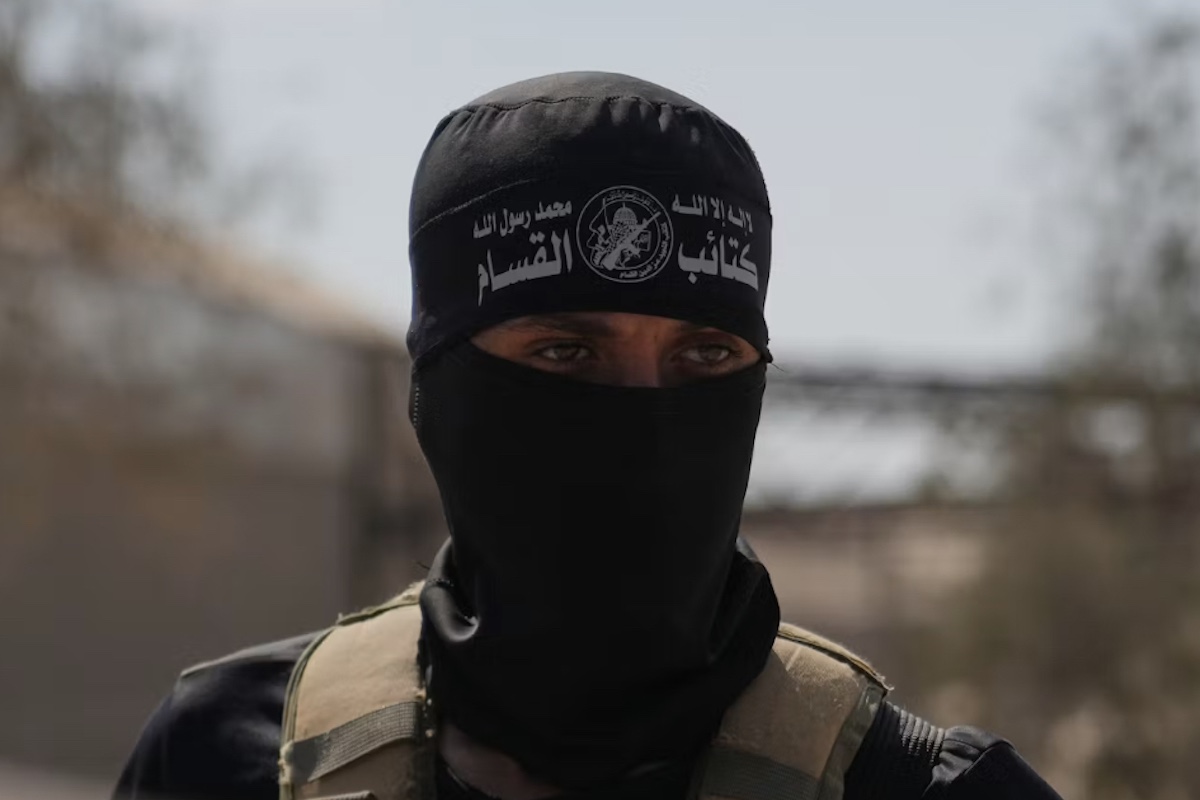
    Despite the recent ceasefire between Hamas and Israel, Gaza remains embroiled in internal violence, with over two dozen Palestinians killed in clashes between Hamas and various powerful clans. These familial groups, deeply rooted in Palestinian society for centuries, are now at the forefront of a complex power struggle. Hamas, reasserting control post-ceasefire, faces resistance from clans aligned with its rival, Fatah, and others reportedly backed by Israel. Among the most prominent clans are the Dughmush clan in Gaza City and the al-Majayda clan in Khan Younis, both of which have been targeted by Hamas. However, clan loyalties often supersede political affiliations, making disarmament efforts by Hamas or Fatah a contentious issue. Israeli Prime Minister Benjamin Netanyahu has admitted to arming certain clans to counter Hamas, further complicating the security landscape. This internal strife, while not directly violating the ceasefire, underscores Israel’s continued influence in Gaza. The situation is exacerbated by the shaky peace plan proposed by former US President Donald Trump, which calls for Hamas to disarm and withdraw from politics. With the Palestinian Authority’s role in Gaza uncertain, the clans could emerge as alternate power centers, fracturing Gaza further and jeopardizing any unified governance. Hamas, unlikely to relinquish control quietly, views clan resistance as a proxy war with Israel, posing a significant threat to peace and stability in the region.

  • Russian barrage causes blackouts in Ukraine as Zelenskyy seeks Trump’s help

    Russian barrage causes blackouts in Ukraine as Zelenskyy seeks Trump’s help

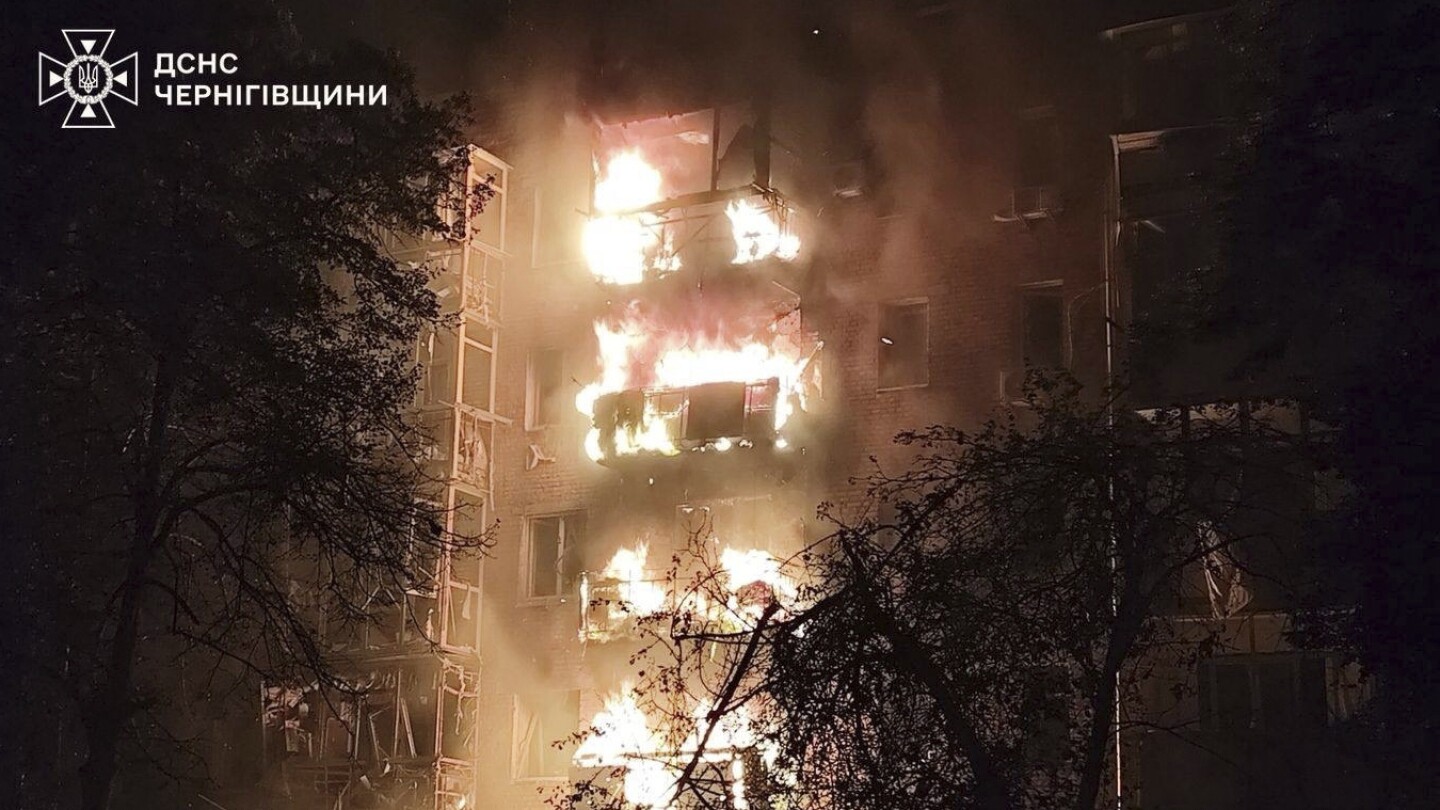
    In a significant escalation of hostilities, Russia launched a massive assault on Ukraine’s energy infrastructure, deploying hundreds of drones and dozens of missiles in a targeted bombardment. Ukrainian authorities reported widespread blackouts across eight regions, including the capital, Kyiv. The attacks forced DTEK, Ukraine’s largest private energy company, to halt natural gas extraction in the central Poltava region. Ukrainian President Volodymyr Zelenskyy condemned the strikes, accusing Russia of using cluster munitions and repeatedly targeting emergency repair crews. He emphasized that Russia’s strategy of attacking energy facilities aims to cripple Ukraine’s resilience as winter approaches. Zelenskyy is scheduled to meet with U.S. President Donald Trump to request advanced air defense systems and long-range missiles to counter the ongoing aerial assaults. The Ukrainian power grid has been a primary target since Russia’s invasion over three years ago, with attacks intensifying as colder months near. Despite Ukraine’s resistance, the country’s vast territory makes it challenging to defend against aerial attacks. Zelenskyy’s visit to the U.S. also seeks to secure tougher international economic sanctions on Moscow and joint drone production agreements. Meanwhile, U.S. Defense Secretary Pete Hegseth warned that Washington will impose costs on Russia if it continues its aggression. Trump, frustrated by the prolonged conflict, has expressed impatience with Russian President Vladimir Putin, whom he views as the main obstacle to peace. The U.S. has hesitated to provide long-range missiles, fearing escalation, but Trump’s administration is exploring ways to increase pressure on Russia to end the war.