分类: world

  • As fighting spirals in South Sudan, a humanitarian crisis looms for displaced survivors

    As fighting spirals in South Sudan, a humanitarian crisis looms for displaced survivors

    A resurgence of violence in South Sudan’s Jonglei state has displaced approximately 280,000 people over the past two months, creating a severe humanitarian crisis that threatens to unravel the nation’s fragile peace agreement. The conflict between government forces (South Sudan People’s Defense Forces) and opposition groups (Sudan People’s Liberation Movement In Opposition) has escalated dramatically since December when opposition fighters seized government outposts.

    The human toll is devastating. Eighteen-month-old Kool Gatyen Pajock represents one of countless civilian casualties, hospitalized with bullet wounds inflicted by government forces according to his grandmother Nyayual Chuol, who witnessed the killing of the infant’s parents. Chuol carried her grandson 130 kilometers to Akobo hospital, now separated from her four other children who fled in different directions during the attack.

    Despite a 2018 peace agreement that ended five years of civil war and a 2020 power-sharing arrangement that made opposition leader Riek Machar first vice president alongside President Salva Kiir, tensions erupted again in March. Machar was placed under house arrest and charged with treason in September alongside seven opposition members linked to attacks on government forces.

    The government’s counteroffensive since January has included aerial bombardments and ground assaults, despite official commitments to peace. Nyankhiay Gatluak Jock, 28, described fleeing her village of Walgak after government helicopters bombed the area followed by ground troops shooting from vehicles. She now shelters with 42,000 other displaced persons in Akobo under UN protection.

    Humanitarian operations have been severely compromised. Thirteen health facilities in Jonglei have been looted or partially destroyed, including a Doctors Without Borders hospital bombed on February 3. Nyaphan Nyang Lual escaped that attack with her family but her husband was shot and daughter abducted during their journey to Akobo. She arrived with her one-month-old granddaughter suffering from diarrhea but found no available medicine or food assistance.

    Funding cuts and government-imposed restrictions on aid organizations have crippled relief efforts. Susan Tab, a reproductive health officer with South Sudanese organization Nile Hope, reported having “nothing … no feeding, no medication” to offer beyond psychosocial support.

    UN humanitarian chief Tom Fletcher, during a February 21 visit to Akobo, declared South Sudan “one of the most neglected crises in the world right now” and pledged to make the situation more visible to prompt international response. He was greeted by thousands of displaced women and children holding posters with handwritten messages, including one that starkly stated: “They killed everyone.”

  • Hope fades in search for missing after Brazil rains kill 46

    Hope fades in search for missing after Brazil rains kill 46

    Rescue operations in southeastern Brazil are confronting diminishing prospects of locating survivors as the death count from catastrophic rainfall climbed to 46. The state of Minas Gerais endured violent downpours on Monday that triggered devastating floods and landslides, submerging streets and sweeping away residential structures.

    The city of Juiz de Fora suffered the most severe impact, accounting for 40 fatalities, while the neighboring municipality of Uba reported six confirmed deaths. Official rescue services indicate 21 individuals remain unaccounted for. Meteorological forecasts predicting additional heavy rainfall this week have further complicated recovery efforts, with firefighters publicly expressing pessimism about finding any additional survivors.

    Personal tragedies underscore the human cost of the disaster. Josiane Aparecida, a local cook, recounted losing both her aunt and cousin while continuing the desperate search for her cousin’s two young children and their father. Despite maintaining hope, she acknowledged the grim reality of the situation following multiple family losses.

    First responders recovered one victim who had heroically saved his wife from their collapsing home before being engulfed by landslide debris. In Uba, residents waded through thick mud to clear sludge from the overflowed Uba River, which reached unprecedented levels according to longtime residents.

    The economic consequences are substantial, with local businesses facing catastrophic losses. Hardware store owner Felippe Souza Lima described watching neighbors paddle canoes through flooded streets, while automobile dealer Mauro Pinto de Moraes Filho estimated nearly $1 million in damages from two-meter high flooding.

    This catastrophe represents the latest in Brazil’s increasing frequency of extreme weather events. Juiz de Fora’s mayor confirmed the municipality experienced its wettest February in recorded history. The disaster follows 2024’s historic flooding in southern Brazil that claimed over 200 lives and affected two million people, plus the 2022 Petropolis deluge that killed 241 individuals – events scientists increasingly attribute to climate change patterns.

  • Shot in school uniform: BBC reveals police order led to Gen Z protest killings

    Shot in school uniform: BBC reveals police order led to Gen Z protest killings

    A groundbreaking BBC investigation has uncovered that Nepal’s former police chief authorized lethal force against thousands of unarmed young demonstrators during September’s Gen Z protests, resulting in 19 fatalities and triggering governmental collapse. The investigation reveals specific operational details showing how security forces deployed live ammunition against predominantly student protesters wearing school uniforms.

    The events of September 8th in Kathmandu represented a critical turning point in Nepal’s democratic journey. What began as organized anti-corruption demonstrations escalated into one of the most violent confrontations in Nepal’s recent history. The BBC’s forensic analysis of over 4,000 videos and photographs, combined with leaked internal police documents and insider testimonies, provides the most comprehensive account of the tragedy.

    Central to the investigation is the identification of former Police Inspector General Chandra Kuber Khapung (call sign ‘Peter 1’) as the officer who issued the ‘deploy necessary force’ order just ten minutes after a curfew was imposed. While Nepal Police claims this authorization came through proper channels from a government security committee, the committee’s chairman has denied approving live ammunition.

    The human tragedy is embodied in 17-year-old Shreeyam Chaulagain, the youngest victim, who was shot in the back of the head while walking away from the protest wearing his school uniform. His case exemplifies the disproportionate response against demonstrators who showed no evidence of armed aggression according to visual evidence analyzed by the BBC.

    The protests emerged from widespread frustration among Nepal’s youth generation (aged 14-29) regarding systemic corruption and unemployment affecting approximately 20% of young Nepalis. Organized primarily through Discord after the government banned mainstream social media platforms, the demonstrations unexpectedly drew 30,000 participants—ten times police expectations.

    The security apparatus demonstrated critical failures in intelligence gathering, crowd assessment, and command coordination. Officers reported inadequate communication infrastructure, with the command center struggling to establish stable internet connections to monitor events unfolding at parliament.

    The subsequent violence on September 9th, which claimed 77 additional lives and resulted in the prime minister’s resignation, represented a direct response to the previous day’s killings. Despite widespread allegations of political manipulation behind the destruction, the BBC found no substantiating evidence.

    Five months later, as Nepal approaches general elections on March 5th, no individual or institution has accepted responsibility for the deaths. A public inquiry continues to examine the events, while families of victims await justice in a nation still grappling with the trauma of its bloodiest day since transitioning to republic status in 2008.

  • Cuba coast guard kills four on US-registered speedboat

    Cuba coast guard kills four on US-registered speedboat

    A fatal maritime incident has dramatically heightened diplomatic friction between the United States and Cuba, following a lethal exchange of gunfire involving Cuban coast guard forces and a US-registered vessel. Cuban authorities confirmed that four individuals aboard the speedboat were killed and six others wounded during the confrontation near Cayo Falcones, just one nautical mile off Cuba’s northern coastline.

    According to an official statement from Cuba’s Interior Ministry, their patrol vessel encountered the Florida-registered speedboat (FL7726SH) operating illegally in Cuban territorial waters. The situation escalated when occupants of the private vessel allegedly opened fire, injuring the Cuban coast guard commander before security forces returned fire in what Havana describes as a defensive response.

    The nationalities of the deceased and wounded remain undisclosed, with Cuban officials emphasizing that medical assistance was promptly provided to the injured. This incident occurs against a backdrop of intensified US sanctions that have severely constrained Cuba’s access to Venezuelan oil imports, creating economic desperation that has fueled increased migration attempts and maritime smuggling operations.

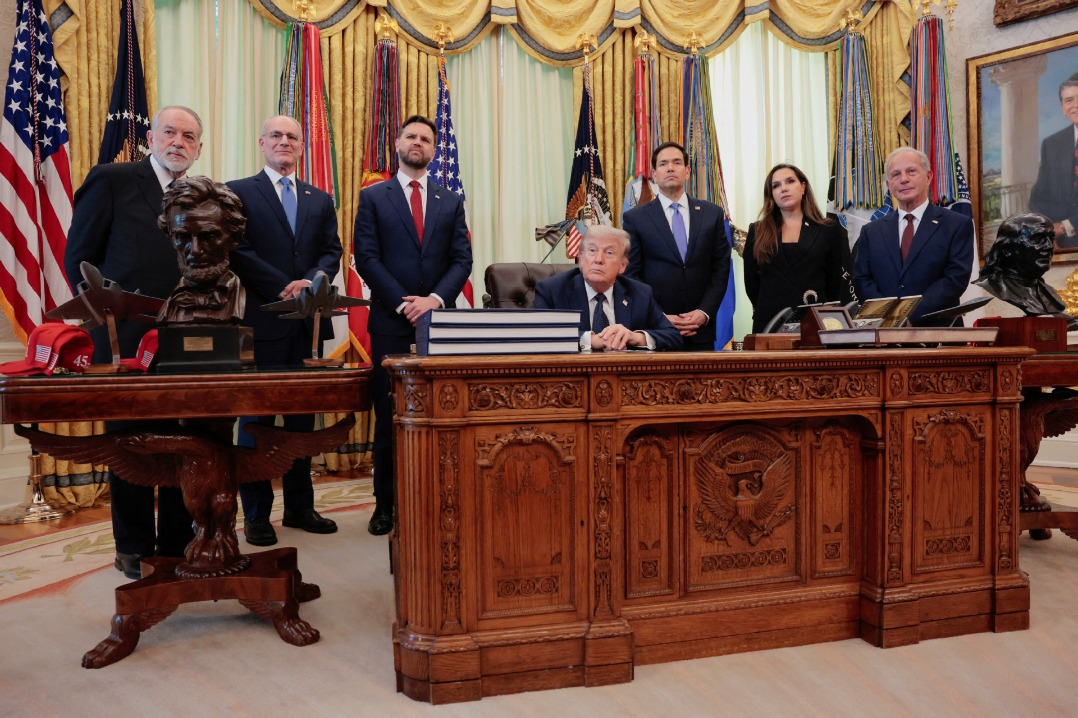
    US officials including Secretary of State Marco Rubio and Vice President JD Vance have adopted a cautious stance, emphasizing the need for independent verification of events before formulating an official response. Meanwhile, Florida’s attorney general has initiated a separate investigation into the killings, reflecting the complex jurisdictional and diplomatic dimensions of this international incident.

    This confrontation highlights the ongoing challenges of maritime security in the Florida Straits, where incidents related to human smuggling and drug trafficking have frequently occurred. The timing is particularly sensitive as Washington recently eased certain restrictions on Venezuelan oil shipments to Cuba for humanitarian purposes, following concerns raised by Caribbean leaders about the potential collapse of the Cuban economy under the weight of US sanctions.

    International responses have emerged with Mexico deploying military vessels carrying humanitarian aid and Canada announcing substantial financial assistance, indicating broader regional concerns about stability and humanitarian conditions in Cuba.

  • Watch: BBC on streets of Mexican city gripped by deadly cartel violence

    Watch: BBC on streets of Mexican city gripped by deadly cartel violence

    The streets of Culiacán, the capital of Mexico’s northern Sinaloa state, have become the epicenter of a brutal resurgence in cartel-related violence, compelling international media scrutiny. BBC’s international correspondent, Quentin Sommerville, embarked on a critical field assignment to document the escalating security crisis following a series of deadly confrontations.

    The report paints a harrowing picture of a city gripped by fear, where the authority of the state is persistently challenged by powerful drug cartels. Sommerville’s on-the-ground investigation reveals the palpable tension among residents, who navigate daily life under the shadow of extortion, kidnappings, and open warfare between rival factions. The recent surge in hostilities underscores the fragile and volatile security situation, which has led to significant civilian casualties and widespread disruption.

    Background analysis indicates that Culiacán’s strategic importance for narcotics trafficking routes has long made it a battleground for control among competing criminal organizations. The latest explosion of violence is attributed to internal power struggles within the cartel landscape, particularly following high-profile arrests and leadership changes. This ongoing conflict not only devastates local communities but also poses profound challenges to national and regional stability, highlighting the immense difficulties faced by Mexican authorities in curbing organized crime.

  • Indian students in Iran seek help as March exams prevent return amid tensions

    Indian students in Iran seek help as March exams prevent return amid tensions

    Hundreds of Indian medical students pursuing education in Iranian universities find themselves caught between academic obligations and safety concerns as regional tensions persist. Primarily hailing from Jammu and Kashmir, these scholars report mounting anxiety as their crucial March examinations approach without postponement announcements from academic institutions.

    The academic impasse presents students with a difficult choice: either remain in Iran to complete their examinations or return home and potentially sacrifice an entire academic year. Despite operational flight services, uncertainty regarding the evolving geopolitical landscape has created significant distress among both students and their families back in India.

    The All India Medical Students Association (AIMSA) has formally intervened by petitioning Prime Minister Narendra Modi’s administration for diplomatic assistance. The association specifically requests government engagement with Iranian authorities and educational institutions to negotiate examination postponements, thereby enabling concerned students to return home without academic penalty.

    Bilal Bhat, a medical student currently in Iran, conveyed via digital communication that while daily life continues normally, the underlying tension has substantially increased anxiety levels. ‘We want to return home since our families are naturally concerned,’ Bhat stated. ‘However, without exam postponement clarity, we risk compromising our entire academic progress.’

    Another student, identified as Musafid, echoed these concerns, emphasizing the community’s dual focus on safety and educational continuity. Mohammad Momin Khan, President of J&K AIMSA, clarified that students seek diplomatic mediation rather than immediate evacuation, hoping for academic schedule adjustments that account for the current exceptional circumstances.

    Families across India maintain vigilant observation of developments, hoping for resolution that ensures both student safety and educational preservation. The student community remains in a cautious waiting pattern, balancing academic responsibilities against growing safety apprehensions.

  • Cuba says four shot dead on US-registered speedboat

    Cuba says four shot dead on US-registered speedboat

    A lethal maritime confrontation has resulted in four fatalities after Cuban border guards intercepted a US-registered speedboat in contested waters. The incident occurred Wednesday morning near Cayo Falcones, an island within Cuba’s Villa Clara province on its northern coastline.

    According to an official statement released by Cuba’s Interior Ministry through diplomatic channels, the Florida-registered vessel (FL7726SH) was detected operating within Cuban territorial waters. When a coast guard patrol boat carrying five personnel approached for standard identification procedures, the suspected vessel allegedly initiated fire against Cuban authorities.

    The exchange of gunfire resulted in critical injuries to the Cuban vessel commander and culminated in four casualties among the speedboat’s occupants. Six additional individuals sustained injuries during the armed confrontation. Cuban authorities confirmed that medical evacuation and treatment were provided to all injured parties despite the hostile nature of the incident.

    The national identities and specific objectives of the vessel’s passengers remain undetermined pending formal investigation. The Cuban government has emphasized its commitment to conducting thorough investigations to establish the precise circumstances surrounding this violent encounter.

    This maritime clash occurs during a period of heightened diplomatic strain between Washington and Havana. The Trump administration’s intensified pressure campaign against Cuba includes restricting Venezuelan oil shipments to the island nation, exacerbating existing fuel shortages. Cuban officials explicitly referenced these tensions in their statement, reaffirming the nation’s determination to protect its maritime sovereignty against external challenges.

    The incident coincides with Secretary of State Marco Rubio’s diplomatic mission to Saint Kitts and Nevis, where discussions concerning regional policy toward Cuba feature prominently on the agenda. The White House and State Department have not yet issued official responses to requests for commentary regarding this developing situation.

  • Cuba coastguard kills 4 on Florida-registered boat

    Cuba coastguard kills 4 on Florida-registered boat

    A fatal maritime confrontation erupted between Cuban authorities and a US-registered vessel on Wednesday, resulting in four fatalities and six injuries. According to an official statement from Havana’s Interior Ministry, the incident occurred when Cuban coastguard vessels detected the Florida-registered speedboat operating illegally approximately one nautical mile from Falcones Cay in Villa Clara province.

    Cuban officials reported that their patrol boat initiated standard interception procedures to identify the suspicious vessel when crew members aboard the American boat opened fire. The exchange of gunfire resulted in injuries to the Cuban vessel’s commander, prompting retaliatory measures from the coastguard.

    “Following the armed clash, preliminary reports indicate four aggressors were killed and six others sustained injuries,” the ministry’s statement confirmed. All wounded individuals received immediate medical evacuation and treatment according to official accounts. The ministry reiterated Cuba’s unwavering commitment to protecting its territorial waters against unauthorized incursions.

    This lethal encounter occurs amid increasingly strained relations between the United States and the communist island nation, separated by merely 100 miles of ocean at the nearest point. The incident coincides with recent adjustments to US sanctions policy regarding Cuban oil imports.

    The Trump administration had imposed stringent restrictions on Venezuelan oil shipments to Cuba in January following the US-backed opposition movement against Nicolas Maduro, Cuba’s primary regional ally and oil supplier. Prior to these sanctions, Venezuela had supplied approximately half of Cuba’s fuel requirements.

    Facing diplomatic pressure from Caribbean leaders concerned about potential economic collapse in Cuba, Washington recently announced exemptions permitting limited Venezuelan oil shipments for “commercial and humanitarian purposes.” This geopolitical context adds complexity to the already tense bilateral relationship between the neighboring nations.

  • Magnitude 5.5 earthquake hits Afghanistan-Tajikistan border

    Magnitude 5.5 earthquake hits Afghanistan-Tajikistan border

    A notable seismic event registering 5.5 magnitude on the Richter scale occurred along the Afghanistan-Tajikistan border region on Wednesday, according to data from the German Research Centre for Geosciences (GFZ). The substantial tremor originated at a considerable depth of approximately 90 kilometers (56 miles) beneath the Earth’s surface, which typically reduces surface impact while potentially widening the geographical area that experiences the quake. The remote, mountainous terrain where the seismic activity was centered presents significant challenges for immediate damage assessment and emergency response coordination. Earthquakes are relatively common in this seismically active region where the Indian and Eurasian tectonic plates converge, creating complex geological pressures that periodically release through such events. International seismic monitoring networks continue to track aftershock potential while regional authorities remain on alert for possible infrastructure damage or humanitarian needs in the affected border communities. The depth of this particular quake may have mitigated more severe surface destruction that typically accompanies shallower seismic events of similar magnitude.

  • Israel killed most journalists worldwide in 2025

    Israel killed most journalists worldwide in 2025

    The Committee to Protect Journalists (CPJ) released a devastating report on Wednesday revealing that 2025 became the most lethal year for media professionals since the organization began documenting casualties over thirty years ago. With a record 129 journalists killed worldwide, Israel was responsible for approximately 86 deaths—representing nearly two-thirds of the global total.

    According to the press freedom watchdog, more than 60% of those killed by Israeli forces were Palestinian reporters operating in Gaza, where numerous human rights organizations and UN experts have acknowledged an ongoing genocide. The report highlighted that Israel’s unprecedented targeting of journalists resulted in back-to-back record years for press fatalities.

    The deadliest single incident occurred on August 25, when Israeli airstrikes conducted a ‘double-tap’ attack on Nasser hospital in southern Gaza, killing at least 20 people including five media staff—two of whom were journalists with Middle East Eye. This controversial tactic, which involves striking the same location twice after first responders and journalists have gathered at the scene, has been widely condemned by human rights experts and foreign governments.

    The CPJ report further noted a global increase in drone strikes against journalists, with Israel employing this method most frequently in 2025. Of the 39 documented drone-related journalist deaths worldwide, 28 were attributed to the Israeli military in Gaza.

    Israeli authorities routinely denied targeting journalists, claiming instead that they were militants posing as media personnel. Rights groups have dismissed these assertions as ‘smear campaigns,’ noting that Israel has provided no credible evidence to support these allegations.

    CPJ CEO Jodie Ginsberg emphasized the critical importance of protecting journalists, stating: ‘Journalists are being killed in record numbers at a time when access to information is more important than ever. Attacks on the media are a leading indicator of attacks on other freedoms, and much more needs to be done to prevent these killings and punish the perpetrators.’

    Israel has maintained a ban on international media entering Gaza independently since the conflict began in October 2023, a restriction that remained in place even after the ceasefire agreement took effect last October. Consequently, nearly all on-the-ground reporting during the genocide has been conducted by Palestinian journalists working under extreme conditions—including displacement, limited access to humanitarian aid, and intimidation of family members due to their journalistic work.

    The Palestinian Journalists’ Syndicate reported that the Israeli military has killed more than 700 family members of journalists since October 2023, noting that ‘the family has been transformed into a tool of pressure and collective punishment, violating the core principles of international humanitarian law.’

    Other countries with significant journalist fatalities included Sudan (9 deaths), Mexico (6), Russia (4), and the Philippines (3), with these five nations collectively responsible for 84% of all journalist killings in 2025.